
Quick Take
- If you think you're allergic to your rabbit, the real culprit might actually be something you're feeding it, and a simple switch could change everything. Allergy causes explained →
- One popular 'healthy' hay type can actually trigger urinary tract problems in rabbits, but only under a specific circumstance most owners miss. Alfalfa's hidden risks →
- Softer hay is kinder on digestion, yet it comes with a dental trade-off that surprises most rabbit owners. Soft hay's dental trade-off →
- Fresh grass sounds like the most natural option, but one common harvesting method can make it life-threatening for your rabbit. Avoid dangerous clippings →
If you’re allergic to certain types of hay or you want to add variety to your rabbit’s diet, you may be wondering which types of hay are best for your rabbit. In this article, we’ll discuss why some people choose to feed their rabbits less common hay types, which ones are safe for unlimited consumption, and how these types of hay can impact your rabbit’s health.
Why Not Timothy Hay?
Timothy hay is a good staple hay for your rabbits. It’s the most common hay type used by bunny guardians and is completely safe. It is high in fiber but low in protein and calcium, making it very nutritious for adult rabbits. However, some people like to add variety to their rabbits’ diet by offering a few different hay types. It’s very important that your rabbit remains interested in their hay since it makes up about 80% of their diet. Bunnies also need hay to grind down their continuously growing teeth.
Others are allergic to timothy hay and need other options so that they aren’t sneezing whenever they feed their bunnies, or worse, having to re-home them. Many people who think they’re allergic to their rabbits are actually allergic to the hay, and sometimes a simple switch can eliminate allergy symptoms. Whether you want to expand your bunnies’ palates or are allergic to timothy hay, the following sections detail some alternatives and add-ons for your rabbit’s diet.
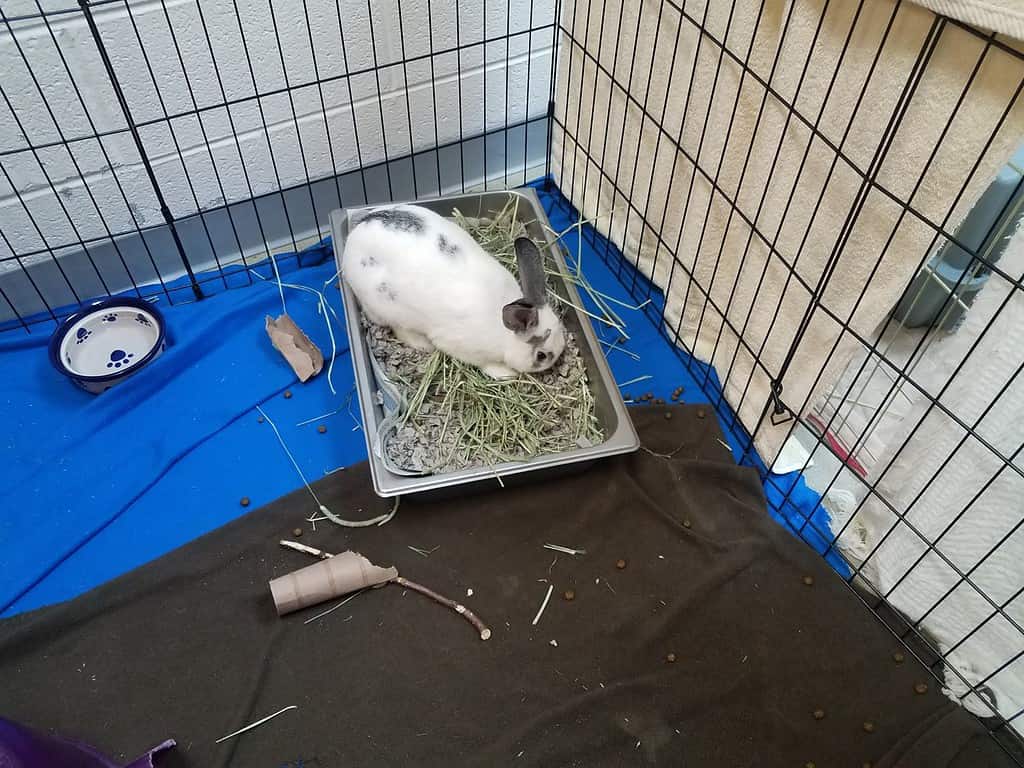
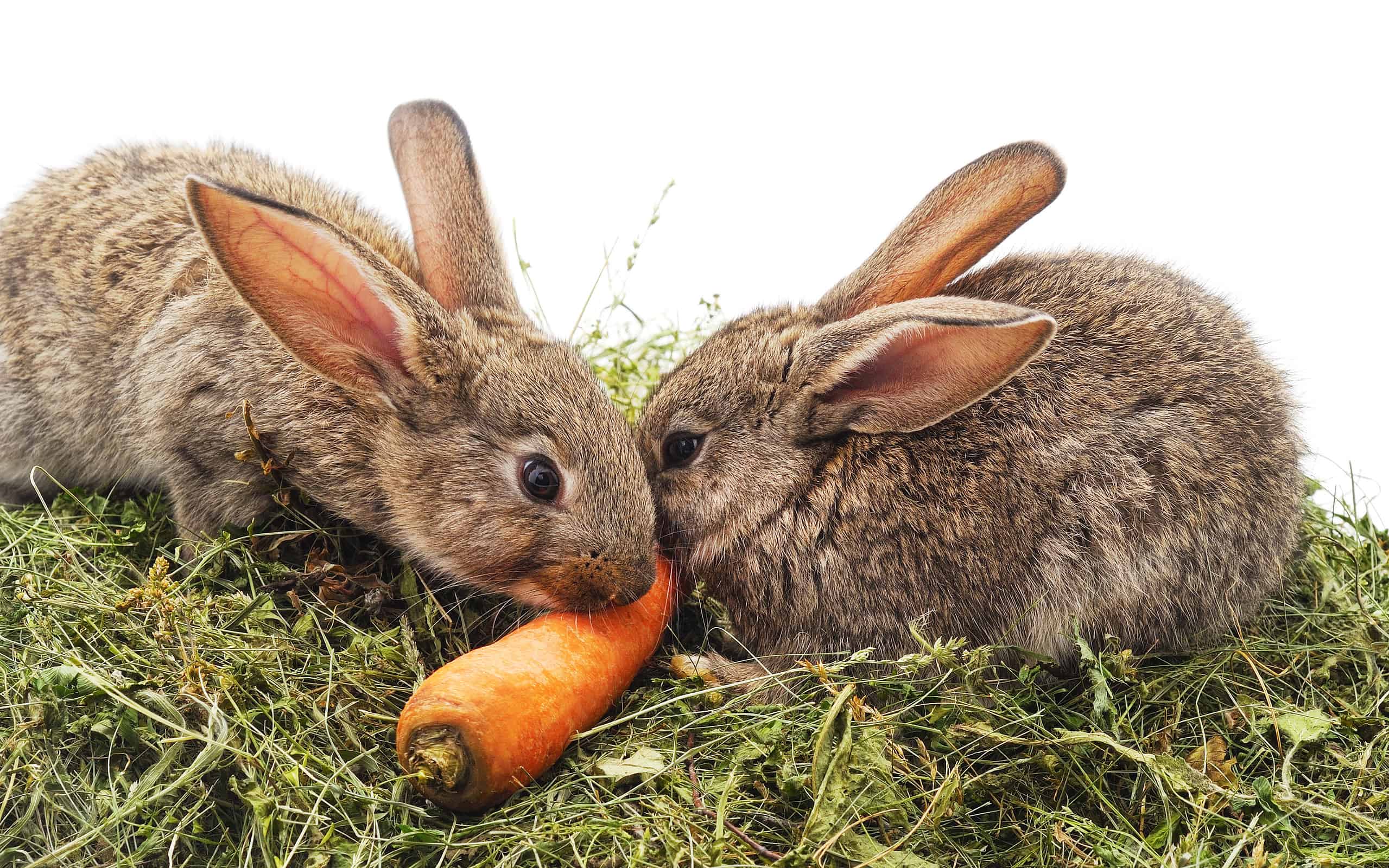
Timothy hay is often kept in a rabbit’s litter box for them to eat, but it isn’t the only hay option.
©stockphotofan1/Shutterstock.com
#1: Orchard Grass
Orchard grass is often a good solution for people who are allergic to timothy hay, although it’s possible to be allergic to both. This grass is high-fiber and low-protein, plus it has a sweet scent. Orchard grass has a softer texture and has fewer seed heads than timothy hay, so it can entice picky eaters that turn their noses up at coarser or crunchier hays.
It also tends to be easier on their teeth and digestive tracts. However, the soft texture has some owners concerned that it might not be wearing down their rabbits’ teeth enough. Many veterinarians recommend mixing different hay types or rotating them to maintain your rabbit’s dental health.
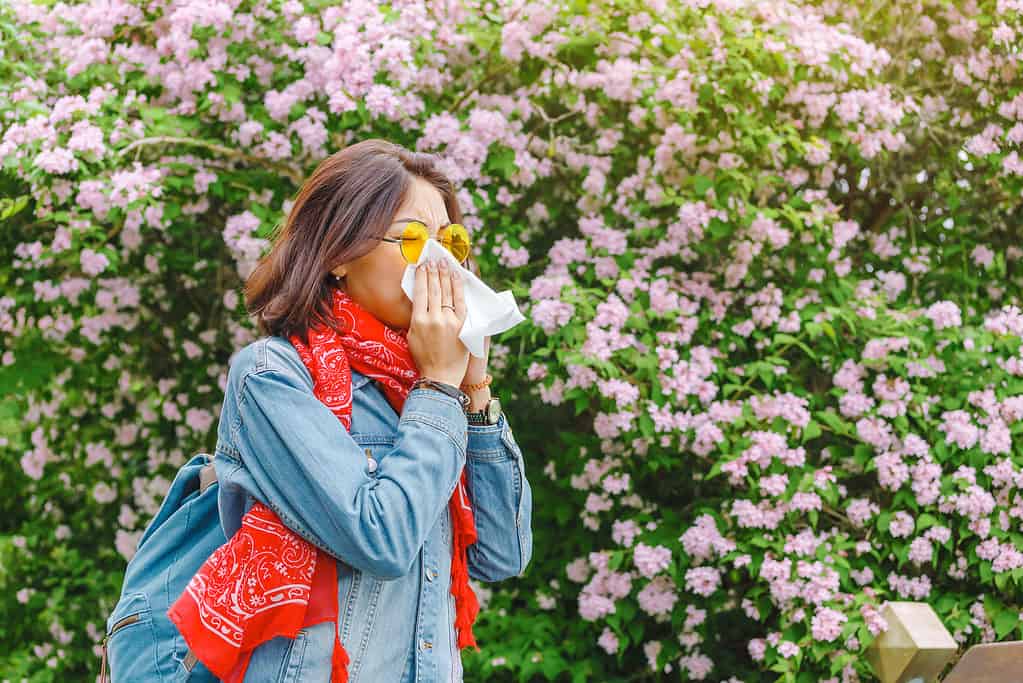
Orchard grass may cause fewer symptoms in those who suffer from environmental allergies.
©iStock.com/frantic00
#2: Meadow Hay
Meadow hay also tends to be softer and sweeter-tasting than timothy hay, so some bunnies prefer it. The high-fiber content also helps to keep your rabbit’s gut moving. However, meadow hay could trigger human allergies, depending on the brand or specific mixture.
This is because meadow hay is made from a mixture of grasses, sometimes with other plants included. Unless you know what the mixture contains, you may not want to feed it in unlimited quantities, as it might be richer in protein than other grasses and therefore more fattening.
#3: Bromegrass
Bromegrass can also work as a primary hay for rabbits. It is high in fiber with a moderate amount of protein, and it is good for their digestion and their teeth. Bromegrass is a type of bunchgrass that grows in distinct tufts; it is more tender than timothy hay and has a sweet scent, making it a good alternative for picky eaters.
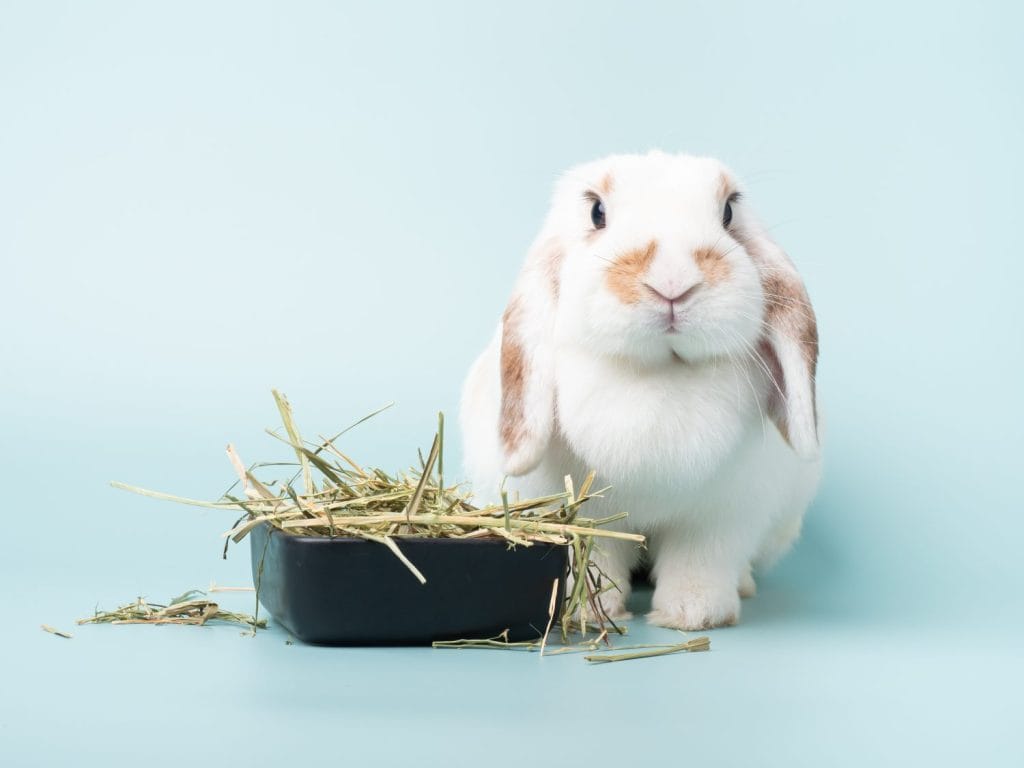
Young, green bromegrass is tender and nutritious, as well as completely safe for rabbits to eat.
©Arlee.P/Shutterstock.com
Bromegrass is not as popular as timothy or orchard grass, so it may be harder to find in large quantities. This hay also matures quickly. Once bromegrass goes to seed, the stems quickly turn brown and lose nutritional value. Although the mature hay contains less protein and vitamins, as long as it still smells fresh and sweet, it is safe to feed your rabbits.
#4: Treat Hays
Treat hays are hay types that are safe for rabbits but should not be fed in unlimited amounts. Add them to your bunnies’ diet only in moderation.
Examples of treat hays include:
- Oat: Oat hay is tasty, but also higher in calories and carbohydrates than other grass hays. This makes it unsuitable as a primary hay for most rabbits, although it’s great mixed in with other hay types.
- Alfalfa: Baby rabbits and pregnant rabbits benefit from the added protein and calcium in alfalfa hay, but adult rabbits should only get it as an occasional treat. It can cause weight gain and might lead to urinary tract problems.
- Botanical hays and herbal mixes: These include a mixture of grass hay plus rabbit-safe flowers or aromatic herbs such as camomile, clover, lavender, and marigold.
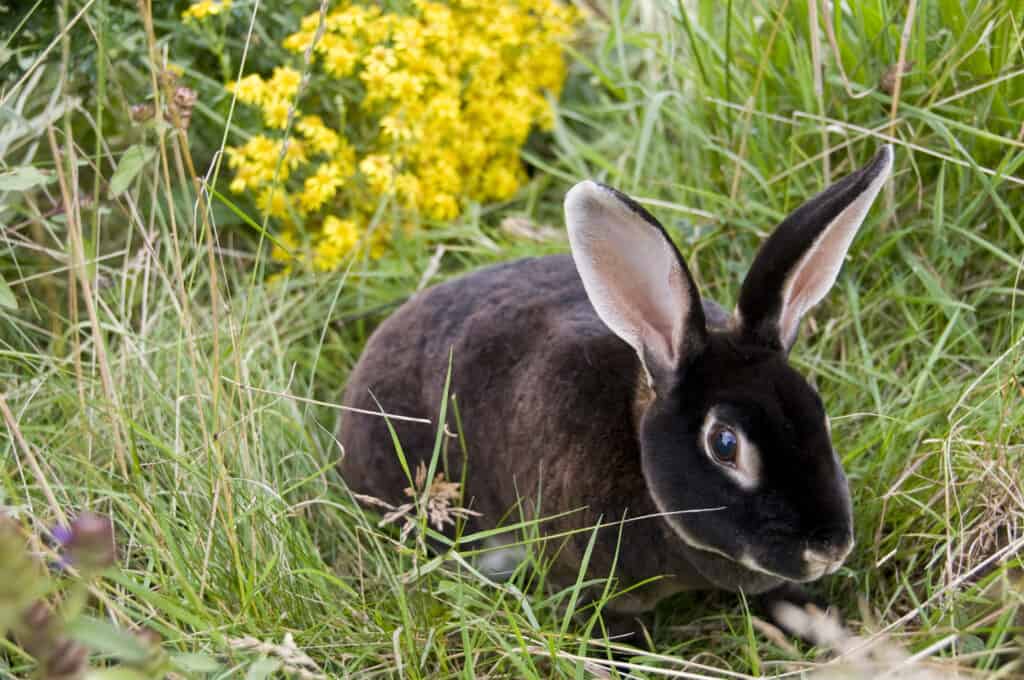
Fresh grass is typically not a practical long-term alternative to hay, but it is generally safe for bunnies to eat.
©Rob Hyrons/Shutterstock.com
#5: Fresh Grass
Many types of fresh grass are also safe for rabbits to consume, including the fresh grass versions of the above hay types. If you decide to feed your rabbit grass, introduce it slowly. Since a rabbit’s digestive system is very sensitive, sudden changes in diet can cause GI stasis, which is a life-threatening condition.
Pet rabbits thrive when free-roaming indoors rather than foraging outdoors. While grass cuttings are an option, you’ll likely face the issue of not having enough grass every day. You will need to hand-pick the grass or use scissors to cut fresh, pesticide-free grass from your lawn. You can also grow your own grass indoors from seed. Do not feed your rabbit lawn mower clippings, as the heat generated by the cutting blade can cause the grass to ferment.