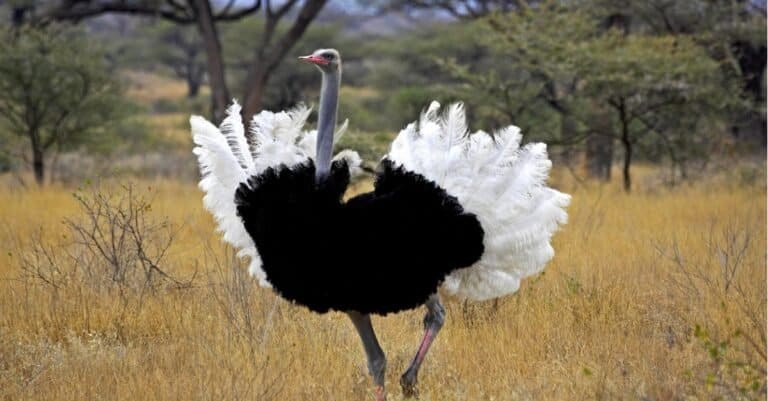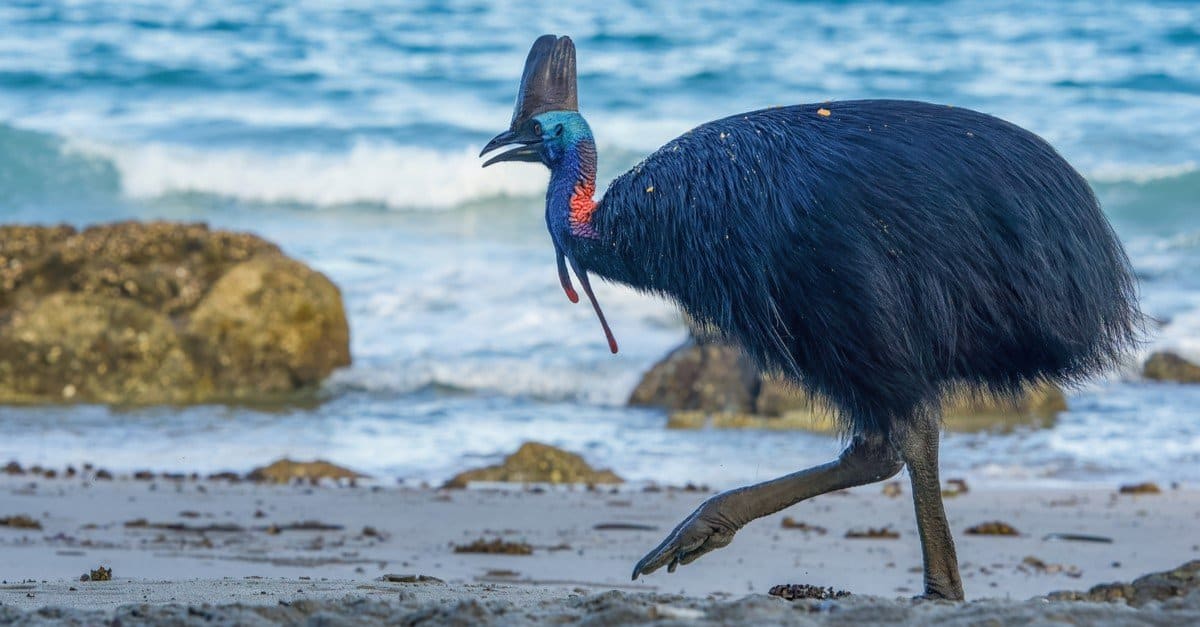

Ostriches are known to be speedsters, but are they the fastest birds? Another large, flightless bird is the cassowary. Unlike ostriches, which live in wide-open savannas and deserts, cassowaries primarily live in dense forests that are not exactly ideal for running. Yet, the speed and athleticism of cassowaries might surprise you. So, just how fast can these birds run, and are they faster than ostriches?
How Fast Can a Cassowary Run?
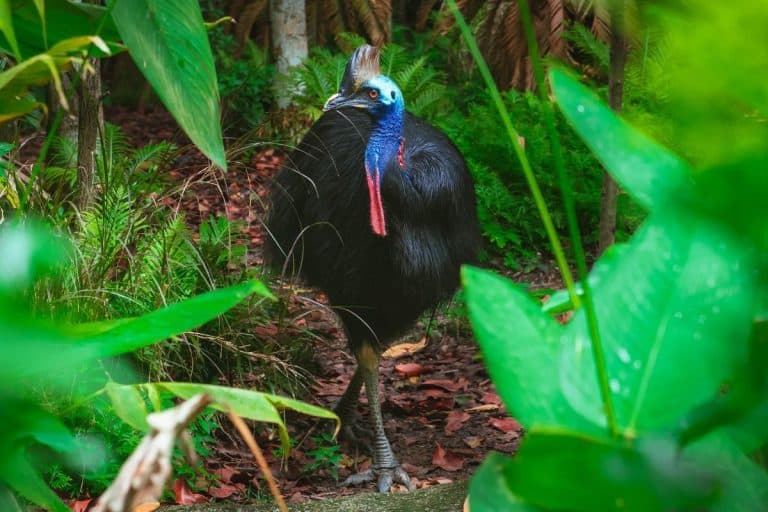
At weights up to 170 pounds, cassowaries are far too heavy to fly with their small wings. Even dwarf cassowaries are too heavy, at up to 60 pounds. However, their powerful legs allow them to run at high speeds. They are also strong swimmers, so they can move quickly on land or in water. Cassowaries prefer dense rainforests and wetlands, but they have several adaptations that allow them to maneuver through tricky terrain at surprising speeds.
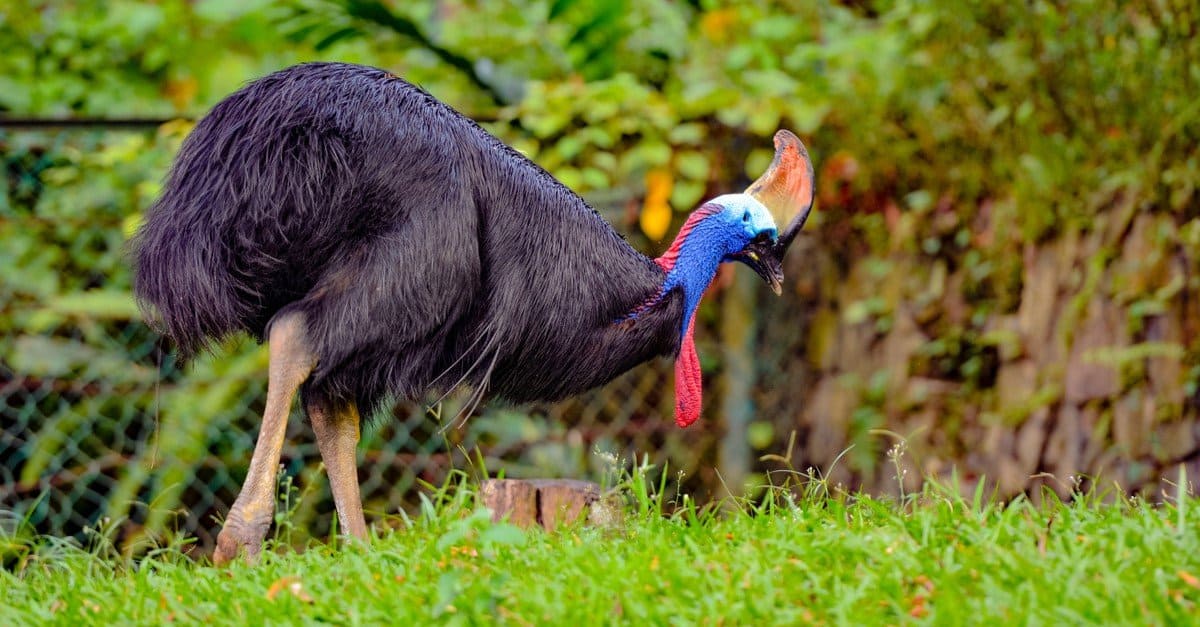
Despite their size, cassowaries are surprisingly athletic.
©HAFIZULLAHYATIM/Shutterstock.com
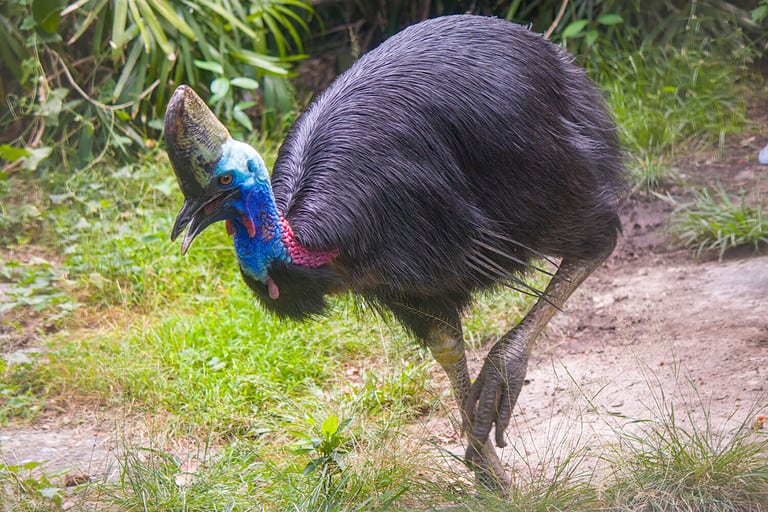
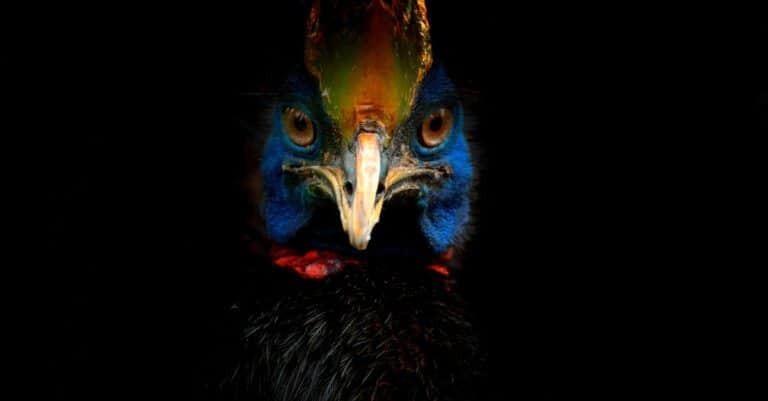
All cassowary species, which includes southern, northern, and dwarf cassowaries, have helmet-like structures on top of their heads called casques. It has a spongy interior covered in a hard layer of keratin, the same substance that makes up rhinoceros horns and our fingernails. The casque can measure up to seven inches long. The northern cassowary’s casque is the largest, and females have larger casques than males. Although the casque’s true purpose is still under debate, cassowaries stretch out their long necks and use their casques to help clear a path as they run through dense vegetation.
Both the southern and northern cassowaries can also jump seven feet in the air from a standstill. That’s high enough for a full grown adult to walk underneath. Their long, muscular legs help propel cassowaries to impressive speeds. Thanks to these adaptations, cassowaries can sprint up to 31mph. The fastest human ever recorded, Usain Bolt, briefly reached a top speed of over 27mph. So, cassowaries are faster than humans, but how do they compare to other large birds?
Fast, Flightless Birds
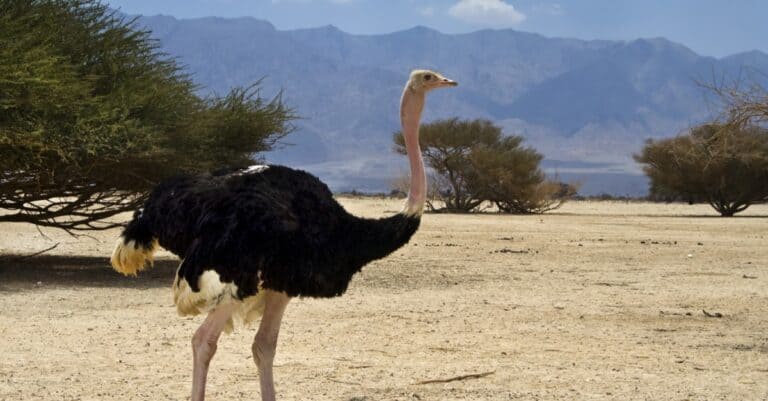
Cassowaries are impressive birds, but can they outrun other large, flightless birds like ostriches and emus? In a race, an ostrich would leave a cassowary, and every other bird, in the dust. Ostriches are the fastest running birds in the world, reaching top speeds of 45mph in a sprint. More impressively, an ostrich can maintain continuous speeds of 30-37 mph. They can also span a distance of ten feet in a single stride.
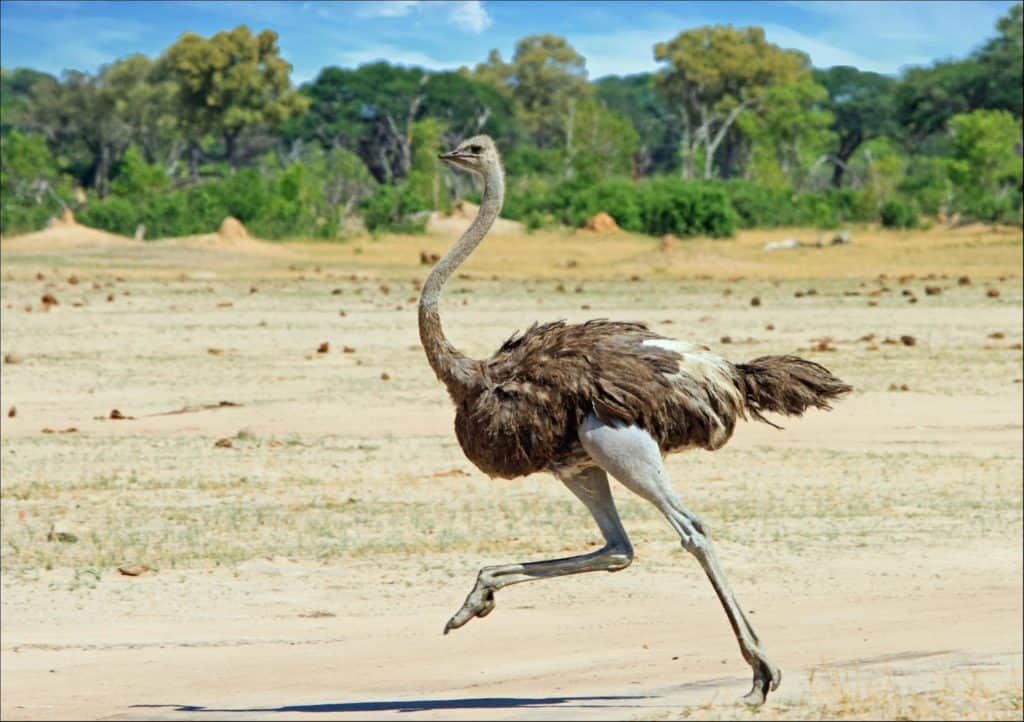
Ostriches are the world’s fastest birds.
©paula french/Shutterstock.com
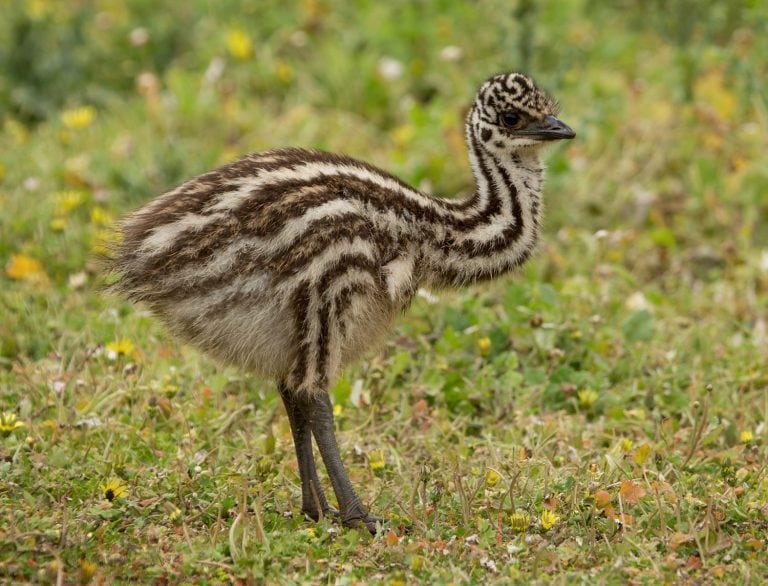
Cassowaries would also likely place third behind another large, flightless bird native to Australia, the emu. With a habitat that primarily includes open, arid plains, the emu’s environment is more conducive to sprinting. An emu’s top speed is the same as the cassowary’s at 31mph, but emus are generally considered to be more agile. They are much lighter birds, with a top weight of only around 120 pounds. Emus are also known to trot considerable distances of up to 15 miles each day.
The ostrich is the clear winner when it comes to speed. Cassowaries are well-matched with emus in a sprint, but they would probably lag in a distance race because of their heavier bodies. Fortunately, cassowaries are still faster than humans. We can likely thank the cassowary’s remote habitat and speedy evasiveness for its continued survival.