When most people think of dinosaurs, they picture ferocious giants — the towering Tyrannosaurus rex or the armored Triceratops — creatures defined by size, teeth, and terror. Intelligence rarely enters the conversation. For over a century, dinosaurs have been cast as nature’s blunt instruments: big, powerful, but not always particularly bright.
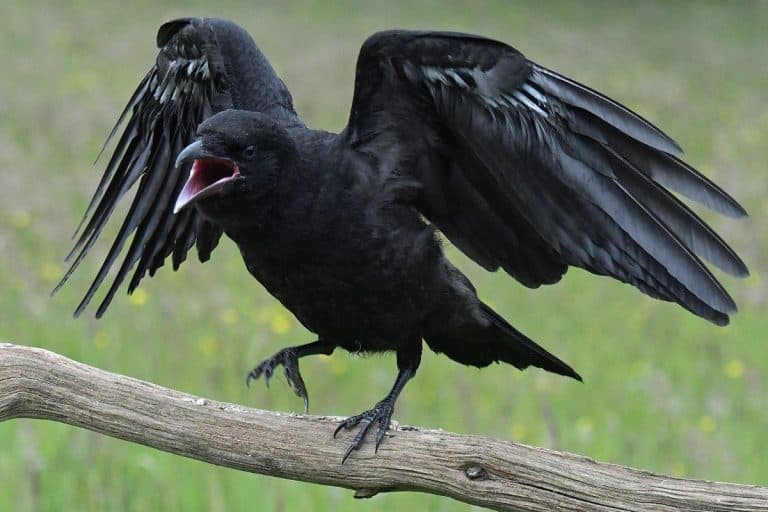
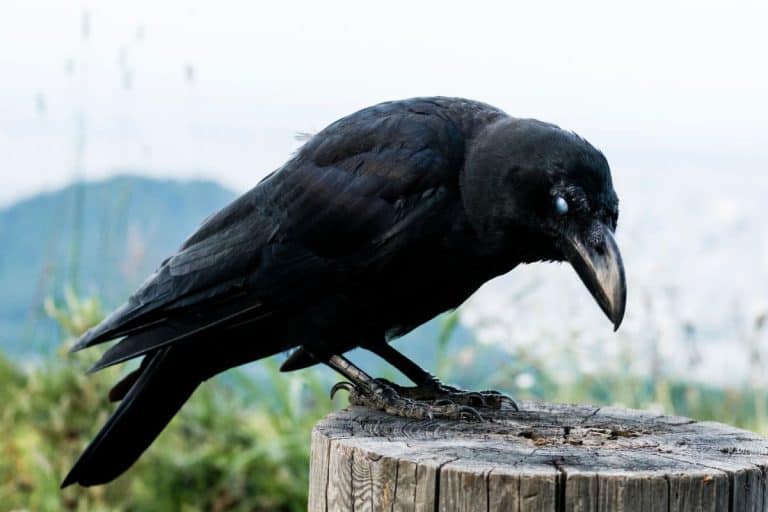
But paleontologists today see a very different picture. Because modern birds evolved from small, feathered dinosaurs, scientists now study living bird species to understand how dinosaur brains once worked. Crows that solve puzzles, parrots that mimic speech, and hawks that hunt cooperatively all hint at a deeper, ancient intelligence. If their dinosaur ancestors shared even a spark of that brainpower, then perhaps the Age of Reptiles wasn’t just ruled by brawn, but by brains, too.
One dinosaur, in particular, has captivated scientists for decades as a possible “thinking dinosaur”: Troodon formosus. Small, swift, and birdlike, Troodon wasn’t the largest or most fearsome predator of the Late Cretaceous, but it may have been one of the most intelligent dinosaurs ever to walk the Earth.
The “Wounding Tooth” Dinosaur
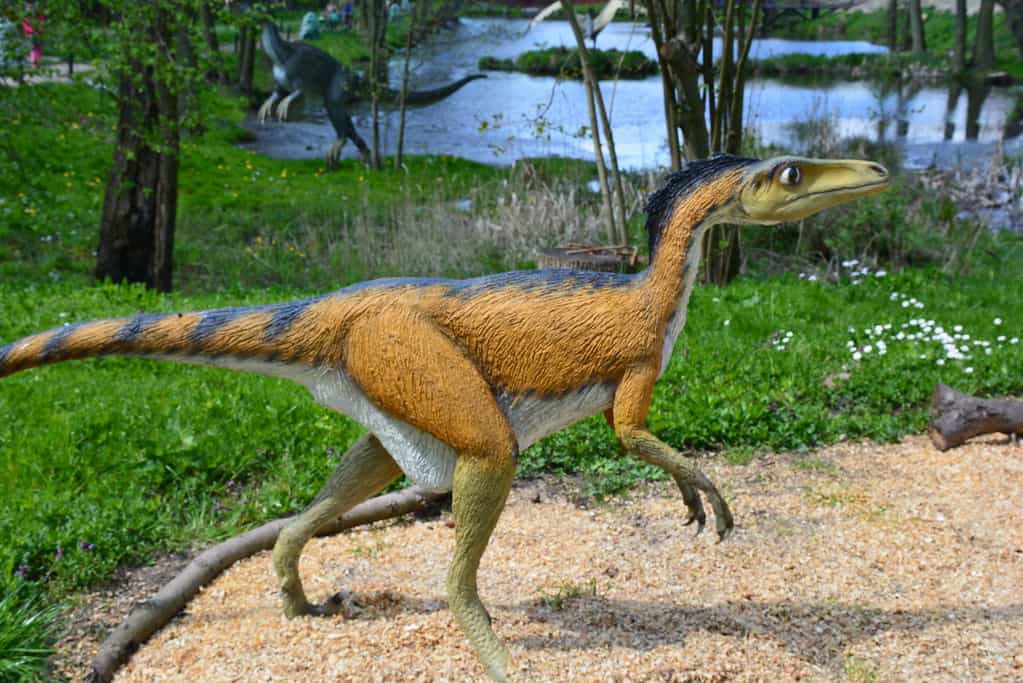
Troodons lived in North America.
Troodon formosus lived from around 79 to 75 million years ago, during the Late Cretaceous period, in what is now North America. Its remains have been unearthed from Montana to Alberta, suggesting that it ranged widely across ancient floodplains and forests near the end of the dinosaur era.
This predator wasn’t a giant. It stretched roughly eight feet long but weighed less than 110 pounds (50 kilograms, about the size of a wolf). It was slender, long-legged, and built for speed, with grasping hands and an agile tail for balance. Its large, forward-facing eyes hint at excellent vision, likely adapted for hunting in dim light.
The name Troodon means “beautiful wounding tooth.” Its teeth were finely serrated and curved backward, a strange mix between those of meat-eaters and plant-eaters. Some paleontologists think this dinosaur was omnivorous, feeding on small animals, eggs, and maybe even vegetation. That flexible diet, combined with agility and sharp senses, would have made Troodon a clever opportunist in a world dominated by giants.
Yet the most remarkable thing about Troodon wasn’t its teeth or its speed; it was its brain.
A Dinosaur with a Birdlike Brain
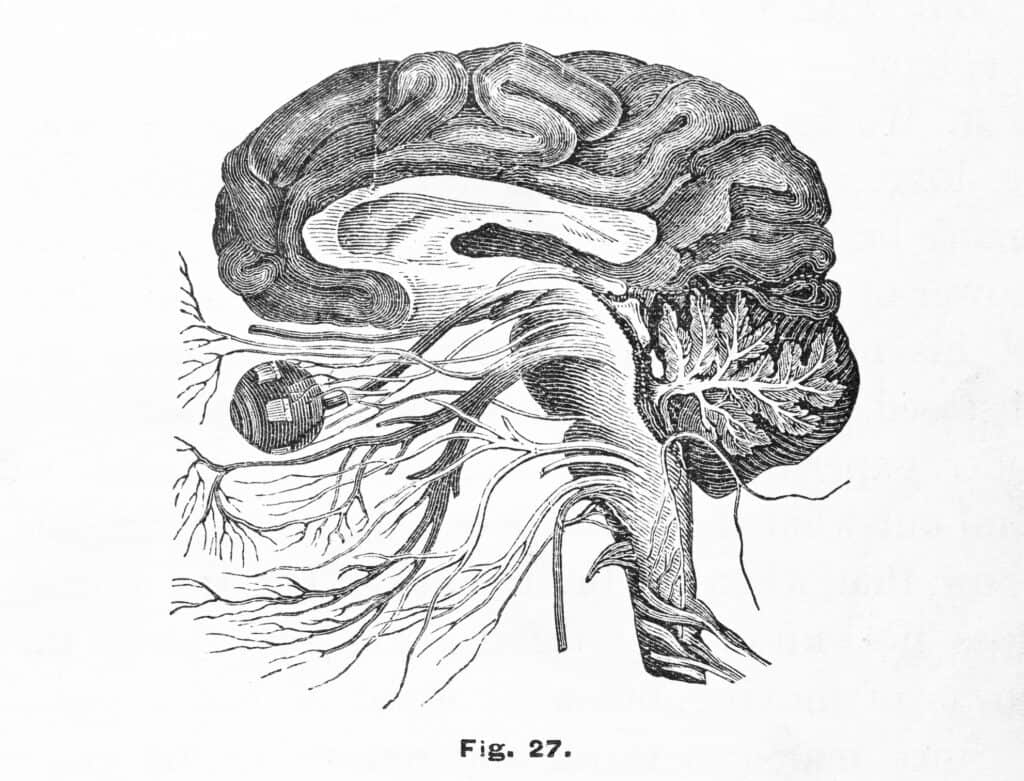
Brain size can be a factor in determining animal intelligence.
©iStock.com/mstroz
When scientists first reconstructed Troodon’s skull, they were surprised to find an unusually large braincase for its body size. Researchers measure this relationship using the encephalization quotient (EQ). The higher the EQ, the larger the brain relative to body mass, and the greater the potential for complex behavior.
“It is really the brain size to body size ratio,” Dr. David Varricchio of Montana State University, a leading expert on Troodon, told A-Z Animals. “Sometimes this is presented as EQ, which is the brain/body size ratio compared to an expected value for that body size. So, among dinosaurs, Troodon and troodontids have relatively large brains.”
Those proportions put Troodon near the top of the dinosaur intelligence scale. Its EQ was several times higher than that of massive carnivores like T. rex or Allosaurus and was comparable to modern flightless birds such as emus and ostriches. Inside its skull, researchers found big cerebral hemispheres — the regions of the brain linked to problem-solving and sensory processing — and enlarged optic lobes for sight. In other words, Troodon’s brain was not just big; it was organized in a way that looks distinctly bird-like.
As Dr. Varricchio noted, “work by researchers shows that the form is moving to a more bird-like form among these small, non-avian dinosaurs.” This evolutionary trend — from reptilian to avian brain structure — places Troodon tantalizingly close to the threshold where dinosaurs began to think and behave more like birds.
Seeing Like a Hunter
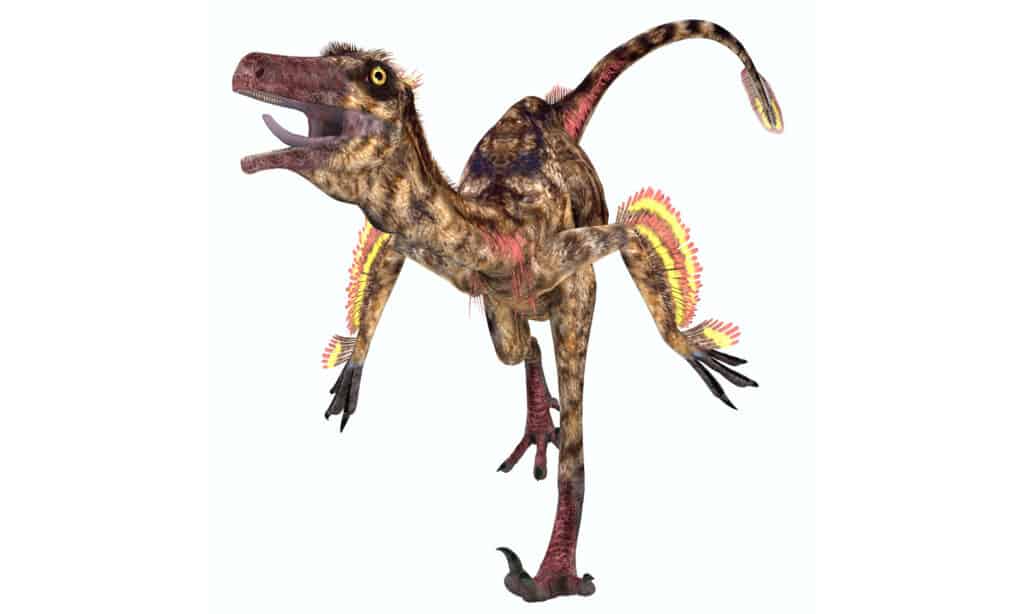
Troodon’s eyes can also give clues to its hunting and thinking abilities.
©iStock.com/493222636
Another clue to Troodon’s intelligence lies in its eyes. Fossil evidence shows that the dinosaur had exceptionally large eye sockets, implying oversized eyes and excellent low-light vision. The eyes were also set somewhat forward on the skull, providing binocular vision, the ability to judge depth and distance, crucial for a predator that needed to strike accurately at moving prey.
“Troodon certainly had both large eyes and some degree of binocular vision,” Dr. Varricchio confirmed. He adds, however, a note of scientific caution: He is unfamiliar with any studies linking binocular vision to higher intelligence. In other words, sharp eyesight doesn’t automatically equate to a sharp mind. But it does reveal a sensory sophistication that, when paired with a large brain, makes Troodon stand out as one of the most perceptive dinosaurs known.
The Hands That Could Grasp
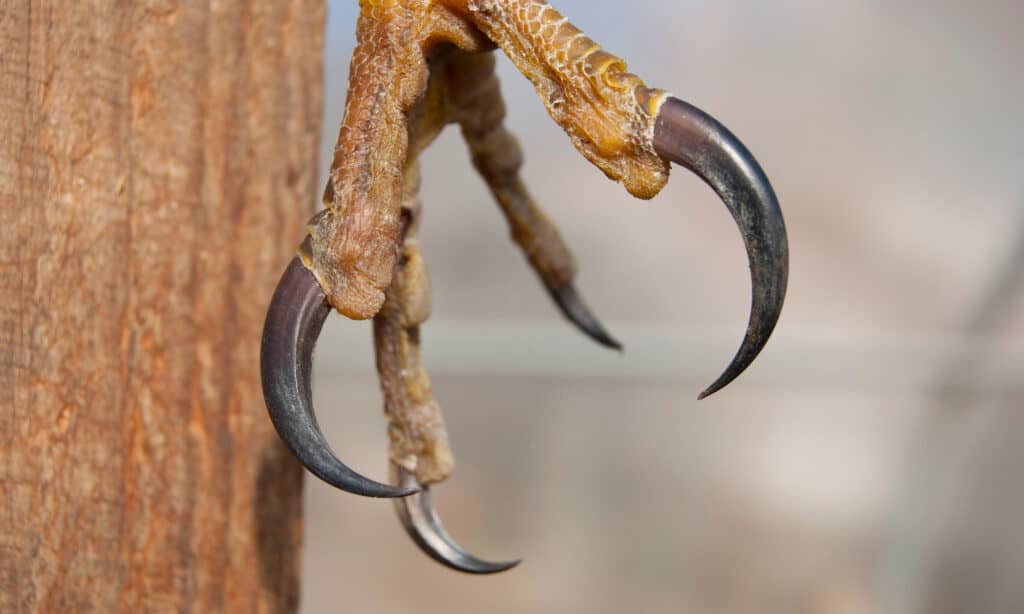
Troodon was more closely related to birds than other dinosaur species and may have had some grasping abilities.
©iStock.com/Alla Orlova
If Troodon’s eyes were windows to the world, its hands may have been tools for interacting with it. Paleontologists have long debated whether the species possessed an opposable digit, a “thumb” that could grasp objects like a modern bird of prey. Early reconstructions suggested that Troodon might have been capable of complex manipulation, even tool use, but modern evidence paints a subtler picture.
“Dr. Dale Russell…suggested that Troodon (Stenonychosaurus) had an opposable digit,” said Dr. Varricchio. “This is probably not exactly true. But there was some grasping ability in the hand.”
Even without true opposable thumbs, the dinosaur’s relatively flexible wrists and curved claws suggest it could clutch small animals or eggs, behaviors consistent with a predator that relied on speed and precision more than brute force.
Measuring Dinosaur “Smarts”
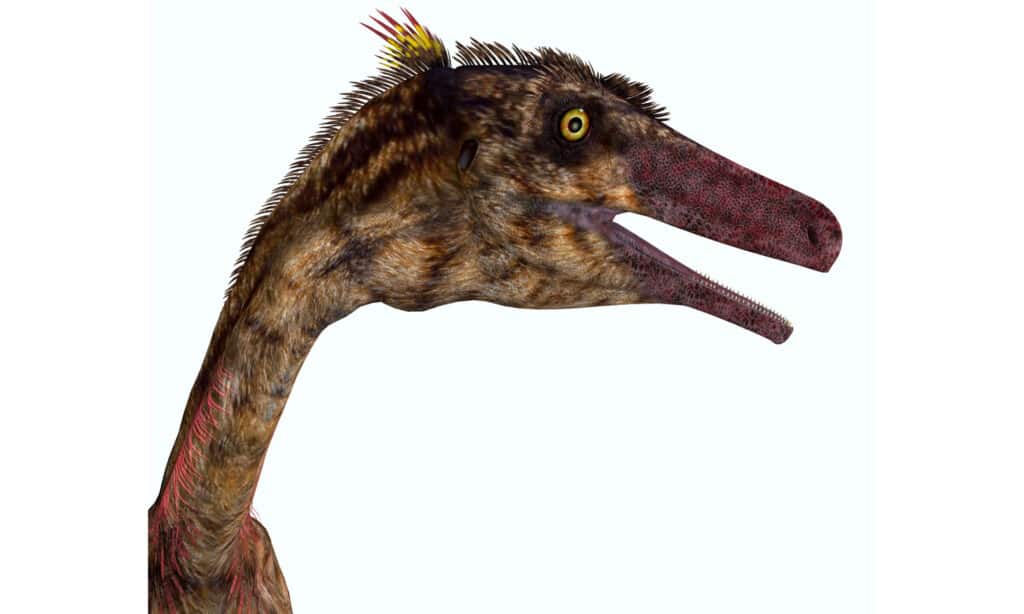
Was Troodon as intelligent as the public has made it appear to be?
©iStock.com/CoreyFord
With its large brain, binocular vision, and grasping hands, Troodon seems to tick all the boxes for a “clever” dinosaur. But can scientists really measure intelligence from fossils alone?
“Brain size and form are well documented,” Dr. Varricchio explained. “The challenge is to know how these attributes translate to thinking and ‘smarts'”.
That uncertainty is a theme that runs through all paleontological discussions of intelligence. Animal intelligence, after all, isn’t just about anatomy; it’s about behavior, problem-solving, and social learning, none of which fossils can truly capture. Then there’s the human lens of measuring intelligence, were humans add their own subjectivity to how “smart” an animal appears.
“Intelligence is just a difficult attribute to assess,” said Dr. Varricchio. “Are crows smart? Are crows smarter than your cat? Are they as smart as a raven? It’s very hard to assign an intelligence level to living animals. When we consider extinct animals from 75 million years ago, we are merely talking in broad generalizations.”
Among the Brightest of Its Kind
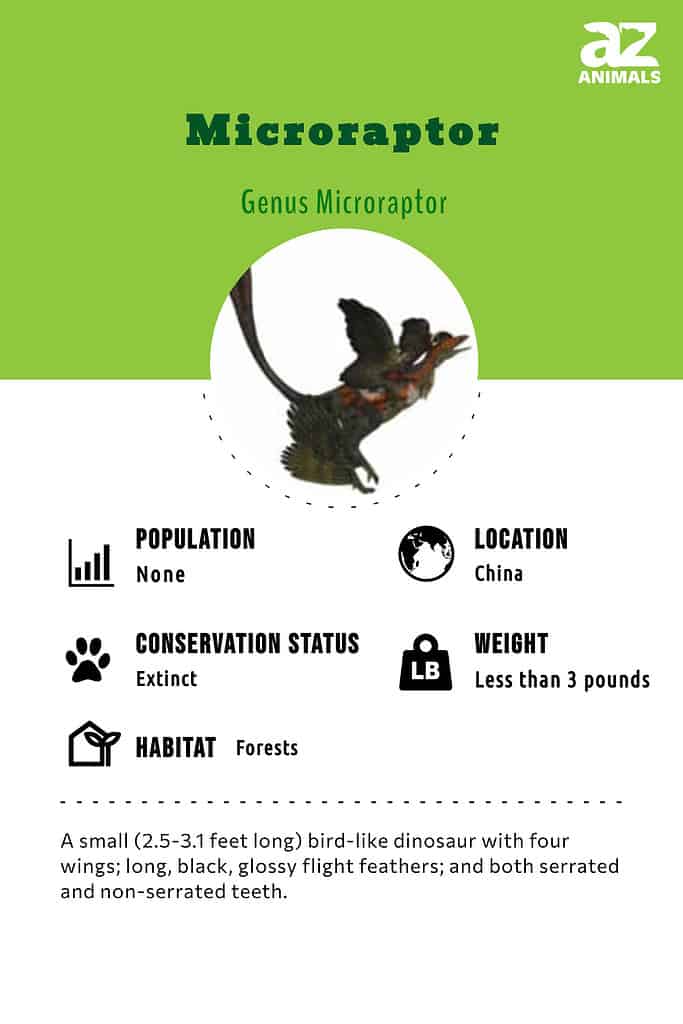
Where does Troodon rank compared to other bird-like dinosaurs? Dr. Varricchio explained that Troodon is more closely related to birds than other dinosaur species and believes the brain size is probably similar between the two. However, he hasn’t analyzed the difference himself.
That evolutionary proximity to birds supports the idea that Troodon’s intelligence was not a unique accident but part of a broader trend among small theropods. By the end of the Cretaceous, these agile, feathered dinosaurs were already experimenting with the traits — balance, vision, coordination, and problem-solving — that would later define avian life.
Clues from Nests and Eggs

Nesting behavior can also reveal more about a dinosaur’s life style
©Natalia Kirsanova/Shutterstock.com
Beyond its anatomy, Troodon’s nesting behavior also offers insights into its sophistication. Fossils from Montana’s Two Medicine Formation reveal carefully arranged clutches of Troodon eggs, half-buried in sediment and likely attended by an adult. Studies led by Dr. Varricchio have shown that Troodon incubated its eggs much like modern birds, suggesting complex reproductive behavior. Such attention to nesting and parental care points to a degree of behavioral intelligence uncommon in reptiles, but characteristic of avian species.
The Next Frontier in Dinosaur Cognition
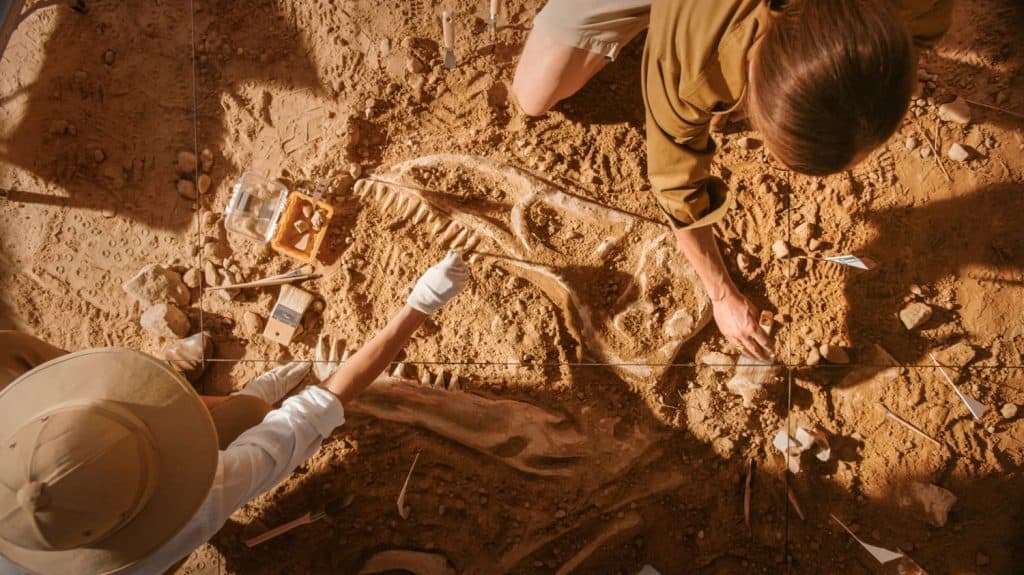
There are still questions paleontologists work to answer about Troodon.
©Gorodenkoff/Shutterstock.com
For all that scientists have learned about Troodon, many questions remain. As Dr. Varricchio observes, “Research on bird brains and bird intelligence has implications on how we might view dinosaurs.”
Recent work in neuroscience, for instance, shows that bird brains have similar numbers of neurons in their forebrain as mammal brains do, meaning that even a small avian brain can have surprising computational power. “Some recent work shows that bird brains have more neurons per a given volume than other vertebrates,” Dr. Varricchio noted. “So, that even though the overall volume may look small, bird brains have greater computing power.”
If Troodon shared this dense neuron architecture — and that’s still a big “if” — it might have been even more cognitively capable than its brain size suggests.