
Quick Take
- There's a scientific name for why Chihuahua faces short-circuit human logic, and once you know it, you'll never look at those giant eyes the same way. See the Chihuahua effect →
- The breed that sheds less actually demands significantly more maintenance, which is something most prospective owners never see coming. Check the grooming reality →
- One of these breeds has mastered a reliable trick to dodge training and get exactly what it wants without fail every single time. See the stubborn tactics →
- Declaring a winner in this cuteness battle turns out to hinge on factors that have nothing to do with appearance. See how cuteness is judged →
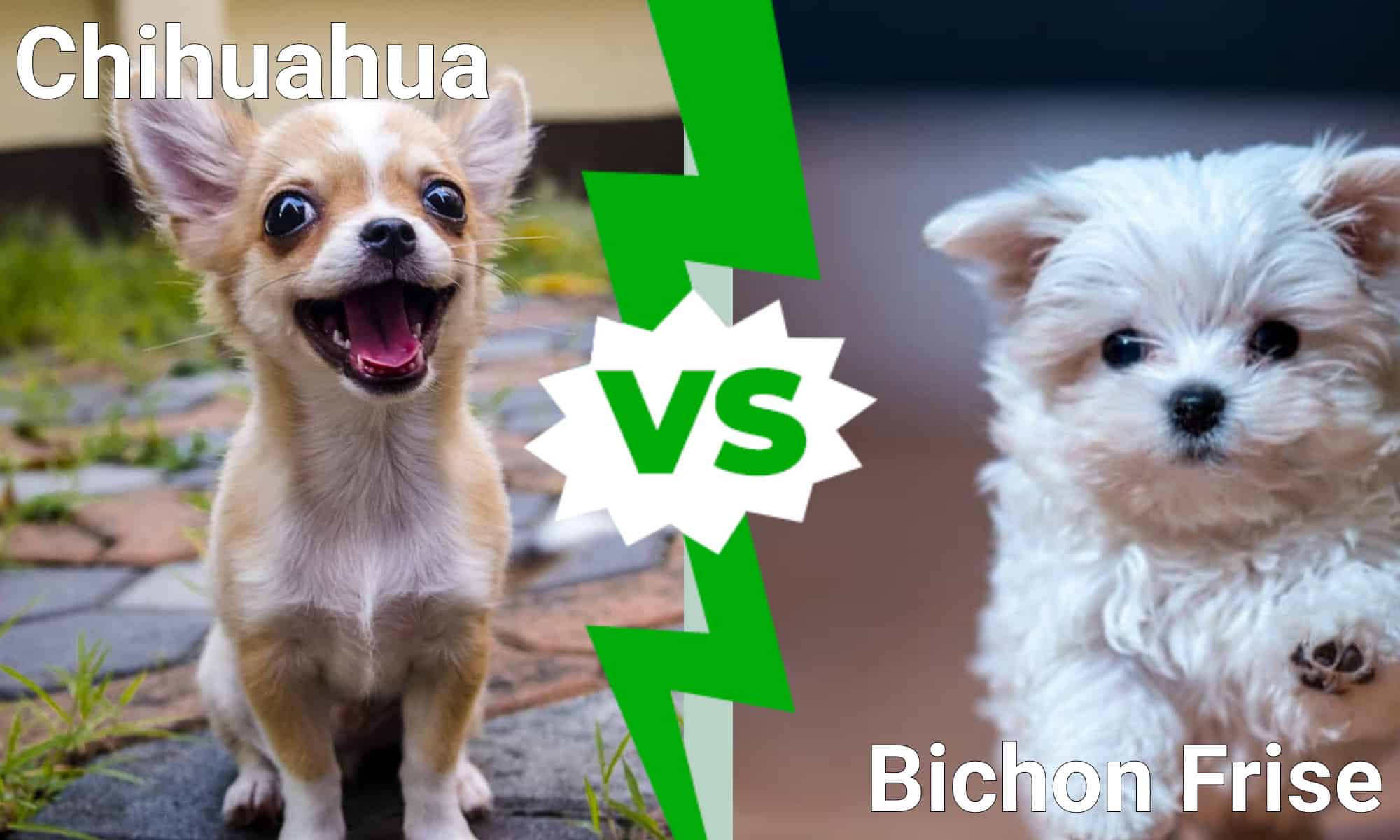
Cute, compact dog breeds, often referred to as toy, miniature, or pocket dogs, make up a massive, diverse category with dozens of recognized varieties. Whether you prefer the bubbly energy of a tiny terrier or the gentle snuggles of a lap dog, these petite pups pack big personalities into very small bodies. Despite being popular, undeniably adorable compact companion dogs, Chihuahuas and Bichon Frises evolved in entirely different parts of the world from completely different ancestral lines. Continue reading to learn more about these two ridiculously cute small dogs.
What Makes Chihuahuas Cute?
The Chihuahua is an indigenous American breed native to Mexico that descended from the Techichi, a small, heavy-eared companion dog kept by the ancient Toltec and Aztec civilizations.
The enormous contrast between their tiny, pocket-sized bodies and their giant, fiery personalities makes Chihuahuas totally adorable. Their baby faces, characterized by oversized expressive eyes, naturally trigger human nurturing instincts.
Known as the baby schema response, this instinct bypasses logic and causes us to react with immediate affection, even when the tiny subject acts like the fiercest guard dog in the world. Whether they are burrowing beneath your blankets, tilting their heads in curiosity, or exhibiting their signature, charming little shivers, Chihuahuas pack an immense amount of comedic charm and affection into one of the smallest packages in the canine world.
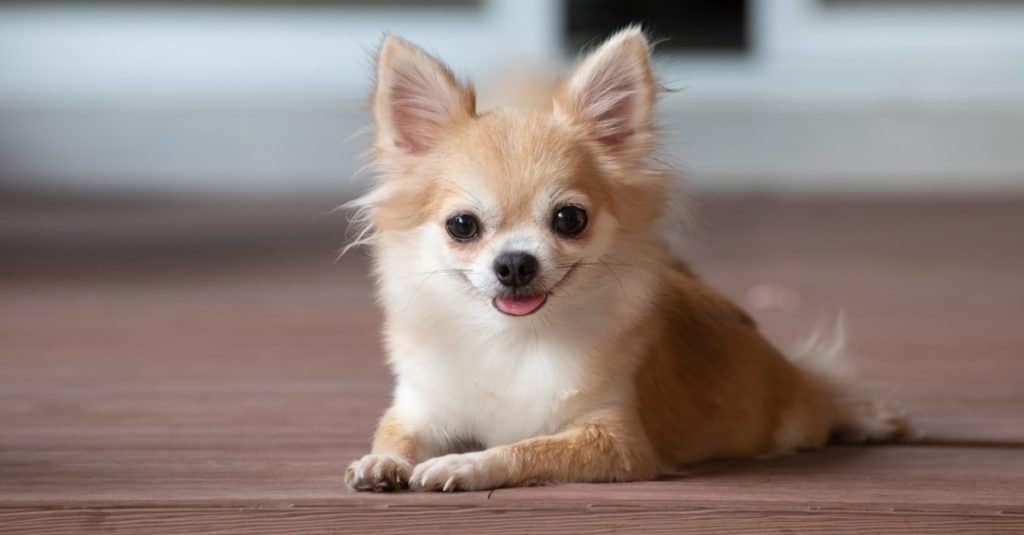
Chihuahuas come in both slick coat and long coat varieties.
©Ratchat/Shutterstock.com
Chihuahuas can be quite clingy, but they also get cold easily and enjoy sitting in a lap or on a plush surface to keep warm.
Chihuahuas are playful and energetic, but they don’t need a lot of strenuous exercise. However, they do benefit from a daily walk. They should also have plenty of playtime, either indoors or in the backyard.
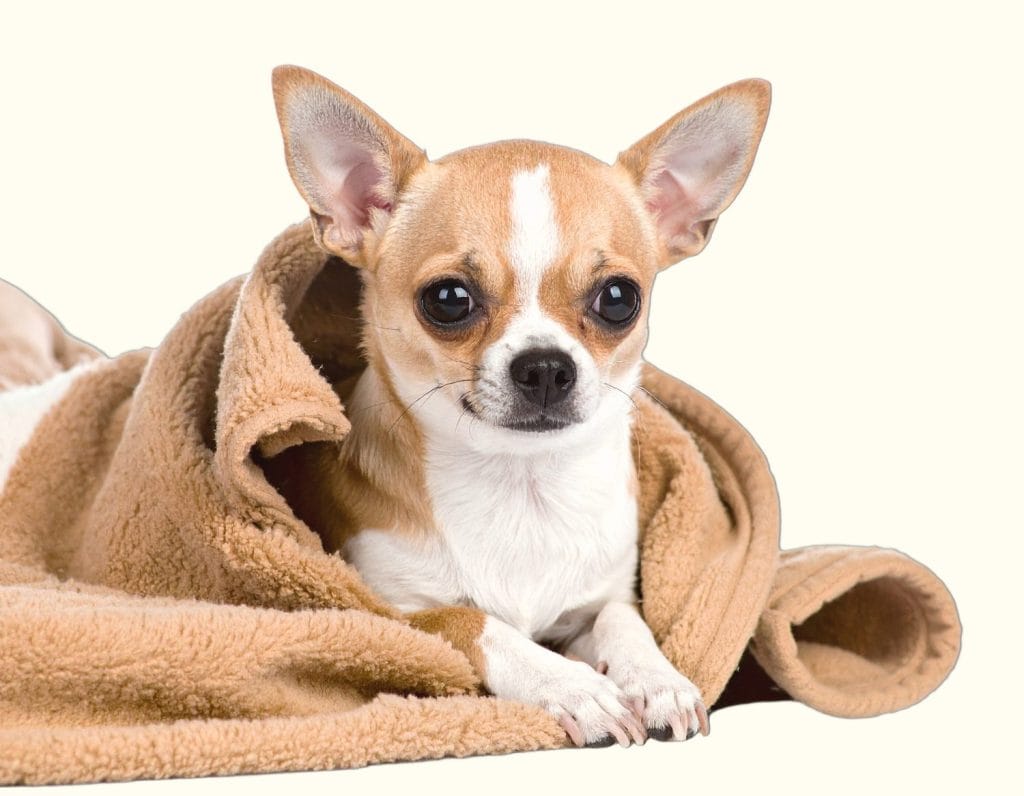
Standard Chihuahuas are generally 5–8 inches tall and weigh up to six pounds, while the teacup variety typically measures under 6 inches in height and weighs between two and four pounds.
©Onggatama/Shutterstock.com
Small but mighty, Chihuahuas are incredibly brave. They are also very smart dogs, though they can be stubborn. Your Chihuahua will almost always outsmart you by simply using their puppy dog eyes to get what they want. They might not realize they’re tiny, but they definitely know they’re cute.
What Makes Bichon Frises Cute?
The Bichon Frise is a European breed that originated in the Mediterranean region. It descended from ancient water spaniels and the Barbet, a curly-coated herding dog. The breed was heavily refined on the Canary Island of Tenerife before becoming a favorite of European royalty.
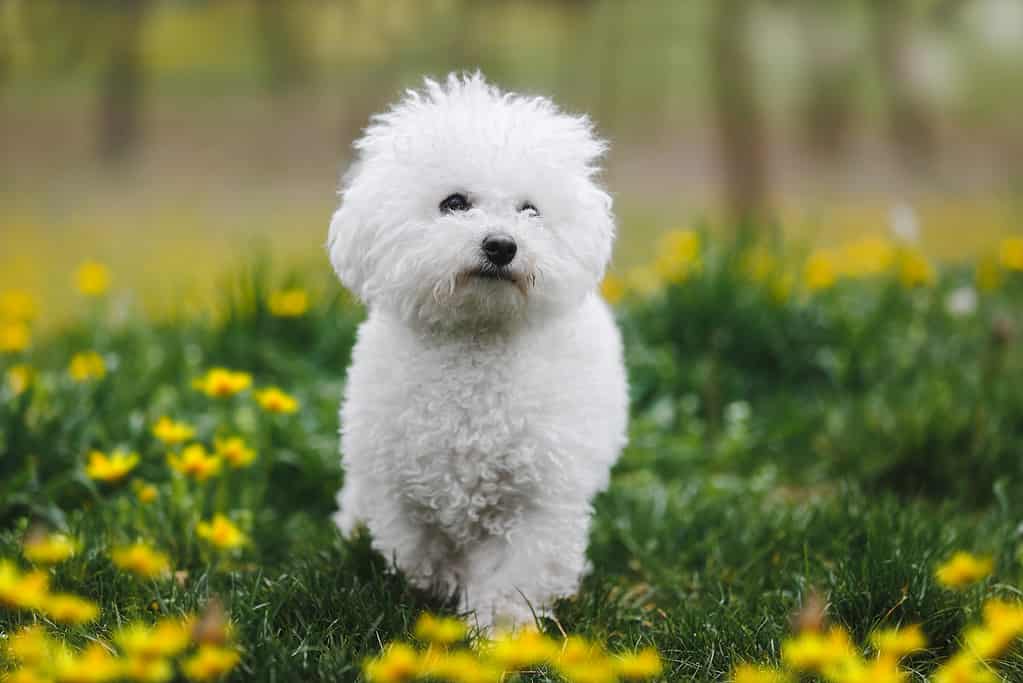
Bichon Frise dogs are energetic, friendly, and sweet.
©iStock.com/SStajic
The Bichon Frise is undeniably cute. These little dogs look and feel like a living, breathing teddy bear. Their most enchanting feature is their cloud-like double coat of snowy white curls, which frames their famously cheerful baby face, highlighted by large eyes and a jet-black nose.
This cuteness overload is paired with a naturally merry, gentle disposition and a constant, springy, happy dance that radiates joy. Whether they are showing off their natural acrobatic charm or contentedly curling up as velvety lap dogs, their affectionate and sunny personalities perfectly complement their adorable physical appearance.
Like Chihuahuas, Bichon Frises have large, doe-like eyes that most people just can’t resist. The dark color of their eyes stands out starkly against their white fur, making them even more irresistible.
A bit larger than Chihuahuas, Bichons stand 9.5 to 11.5 inches at the shoulder and weigh 12 to 18 pounds.
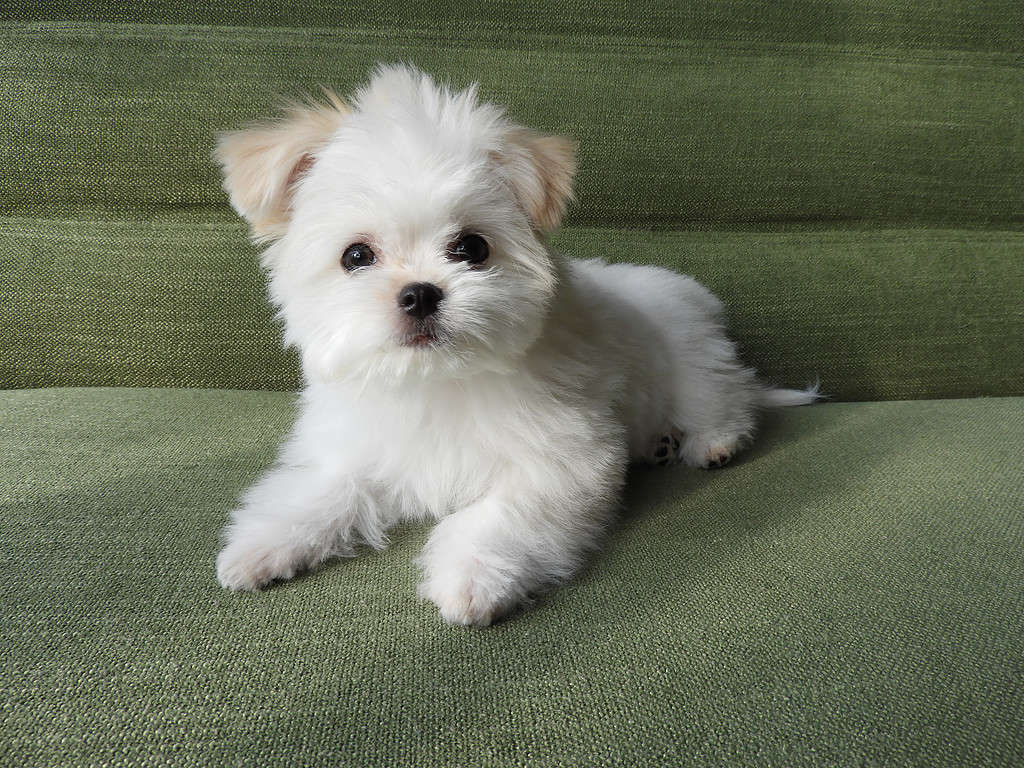
Bichon Frises are easy-going canine companions.
©iStock.com/Chiemi Kumitani
Bichons are very loving, friendly dogs. They tend to like kids, other dogs, strangers, and, of course, their own families. Bichon Frises make friends everywhere they go.
Bichons are playful and energetic. A daily walk and regular playtime will help keep their energy in check. Bichons are not as stubborn as Chihuahuas and are easy to train. Bichon Frises are considered highly intelligent, eager to please, and naturally cooperative.
Chihuahua Vs. Bichon Frise: Pulling Back the Curtain
When deciding between a Chihuahua and a Bichon Frise, it’s imperative to consider the level of care each of these undeniably adorable dogs requires, including grooming needs, daily exercise requirements, trainability, and health issues.
Grooming
While Bichons shed less, their continuously growing coat requires routine grooming. Bichon Frises require daily brushing to keep their long coats from getting tangled and matted. Chihuahuas only need to be brushed weekly, regardless of fur length.
Grooming Advantage: Chihuahua
Exercise
Both breeds benefit from short daily walks taken at their pace. Allow them to sniff for mental enrichment. Stop and carry them home if they seem too tired, especially if they’re panting or salivating excessively.
They should also get plenty of playtime throughout the day and will likely enjoy several short play sessions.
Exercise Advantage: Tie
Training
Chihuahuas have a stubborn streak and are typically more difficult to train than the people-pleasing Bichons. However, neither breed responds well to harsh training methods.
Both Bichons and Chihuahuas can be difficult to housetrain, which is common among small-breed dogs with small bladders. They’re also likely to misbehave if left alone for long periods, as both breeds need homes where someone is present most of the day.
Training Advantage: Bichon Frise
Health
Both breeds are prone to eye problems, luxating patella, and dental disease. Small and toy breeds are highly predisposed to periodontal (gum) disease, which causes decay, pain, and early tooth loss. It’s important to brush your dog’s teeth regularly or provide dental chews as a second-best option. Talk to your veterinarian about how often your dog’s teeth should be professionally cleaned.
Bichon Frises are prone to skin allergies, bladder infections and stones, and orthopedic issues such as patellar luxation. Chihuahuas are especially prone to dental disease, luxating patella, and heart disease.
Health Advantage: Tie
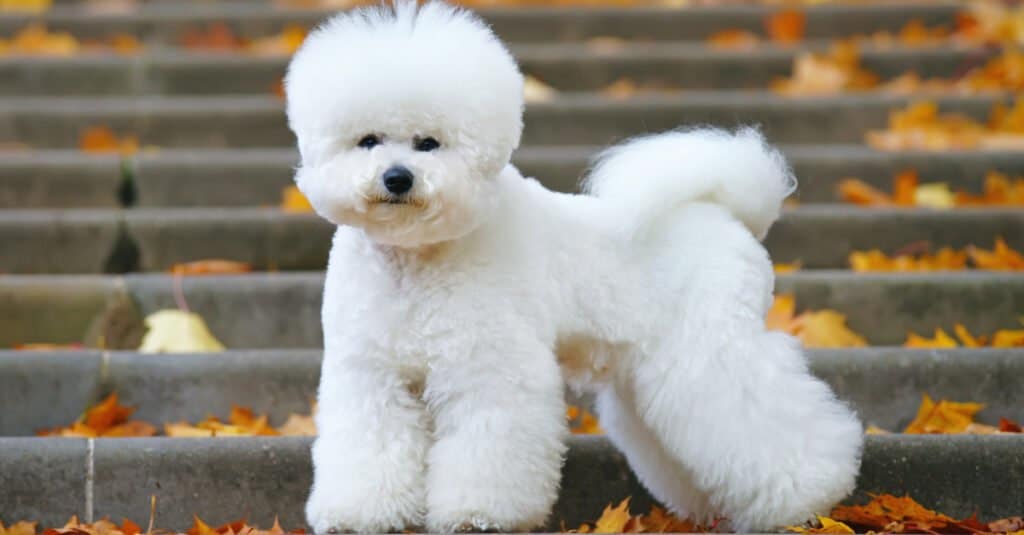
Bichons shed much less than Chihuahuas.
©Eudyptula/Shutterstock.com
Are Chihuahuas or Bichons Cuter?
So, who wins the cuteness contest between Chihuahuas and Bichons? Well, it depends on your preferences. If you like fluffy, floppy-eared dogs, you’ll likely choose the Bichon. Added bonuses include their infrequent shedding and agreeable personalities.
If you prefer a dog with a bit more spunk, you might choose a Chihuahua, with its upright ears and variety of coat colors.
Also, consider the level of care you can provide before adopting a dog. Bichons will cost more for professional grooming and require daily at-home maintenance, while Chihuahuas can be more challenging to train.
In the end, it’s important to ensure you can meet all of these dogs’ needs, including their social and exercise requirements, as well as any veterinary costs that may arise.