
Quick Take
- Boxers look tough enough to handle anything, yet they are surprising vulnerable to one weather condition. See their cold sensitivity →
- Their affection and desire to be right by your side sounds like a selling point, but if you're away at work for long hours, it can pose a problem. Understand their velcro nature →
- If you share your home with small pets, one breed trait could put them at serious risk, and this remains true even with training in place. Learn about their prey drive →
- Boxers can turn a pristine backyard into a disaster zone, especially if they are bored or unengaged. See the digging problem →
The boxer is known for its athletic build, expressive face, and playful personality. Highly loyal and affectionate, boxers continue to be a top choice for families wanting an energetic and loving companion. They tend to have wonderful, entertaining personalities, with plenty of enthusiasm and clownish charm. Their protective instincts add to their appeal. On the surface, they seem like the ideal all-American family dog: friendly, protective, and loyal. But as with any breed, the reality of ownership goes beyond first impressions.
Despite their lovable exterior, boxers come with a set of challenges that not every household is set-up to handle. Their high energy levels, strong need for attention, and sometimes stubborn temperament can require more time and patience than many aspiring owners expect. Without the proper systems in place to ensure adequate training, exercise, and mental stimulation, these traits can overwhelm a family. While all breeds come with unique demands, understanding the less glamorous aspects of ownership is essential before deciding whether this popular breed is truly the right fit.
They Are Highly Energetic
©iStock.com/Kurt Pas
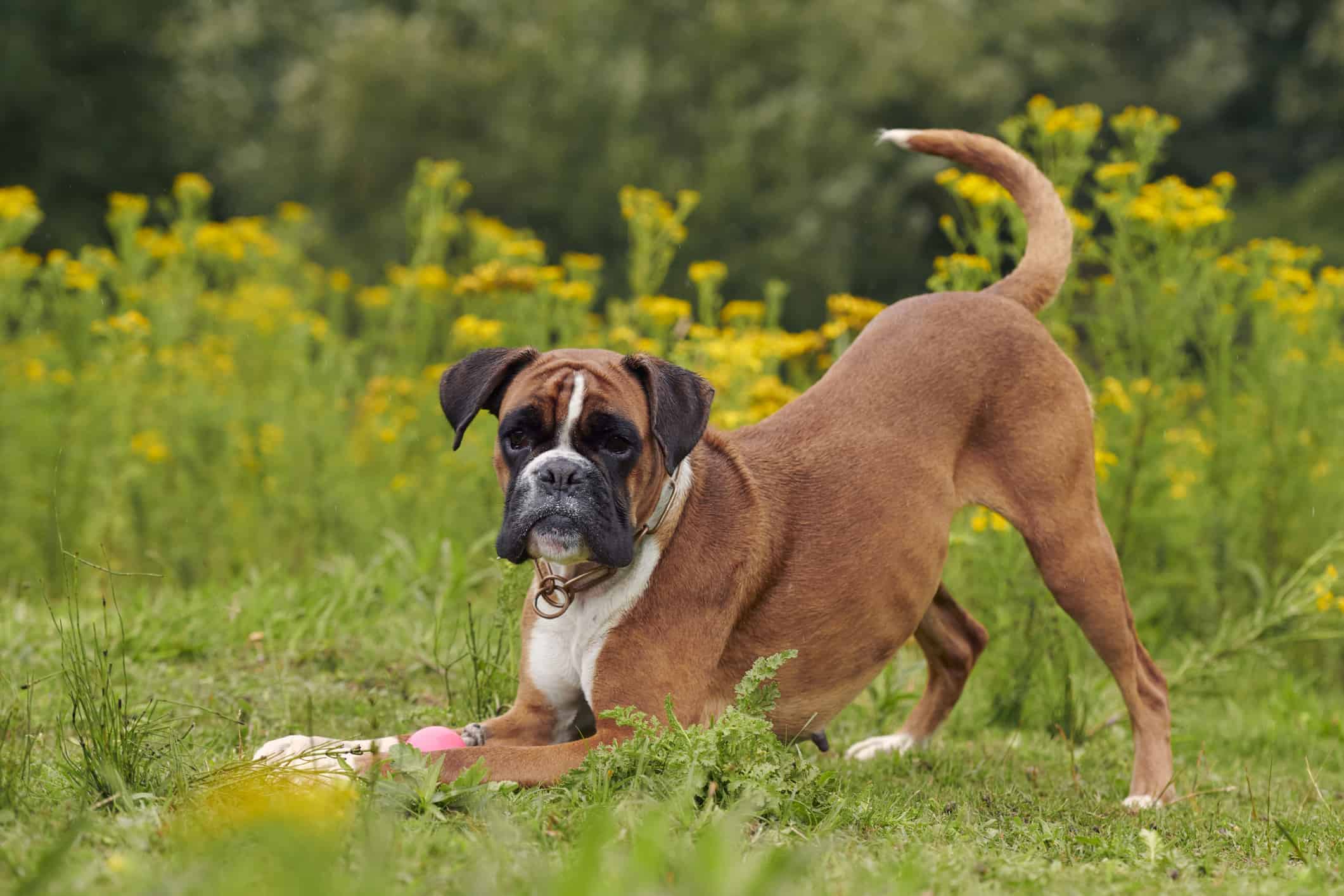
Boxers are high-energy, spirited, and active dogs who have significant exercise need. While they were not bred for hunting, their original roles required stamina and drive, which still influence their behavior today. To stay healthy, they typically need between one and two hours of exercise per day, depending on the individual dog. They are excellent at both running and jumping!
The owners best suited to a boxer are active or willing to engage the dog in activities such as agility, obedience training, or interactive play. If you’re on the lazy side, have a physical disability, or simply want a lap dog, avoid adopting a boxer.
Notoriously High Prey Drive
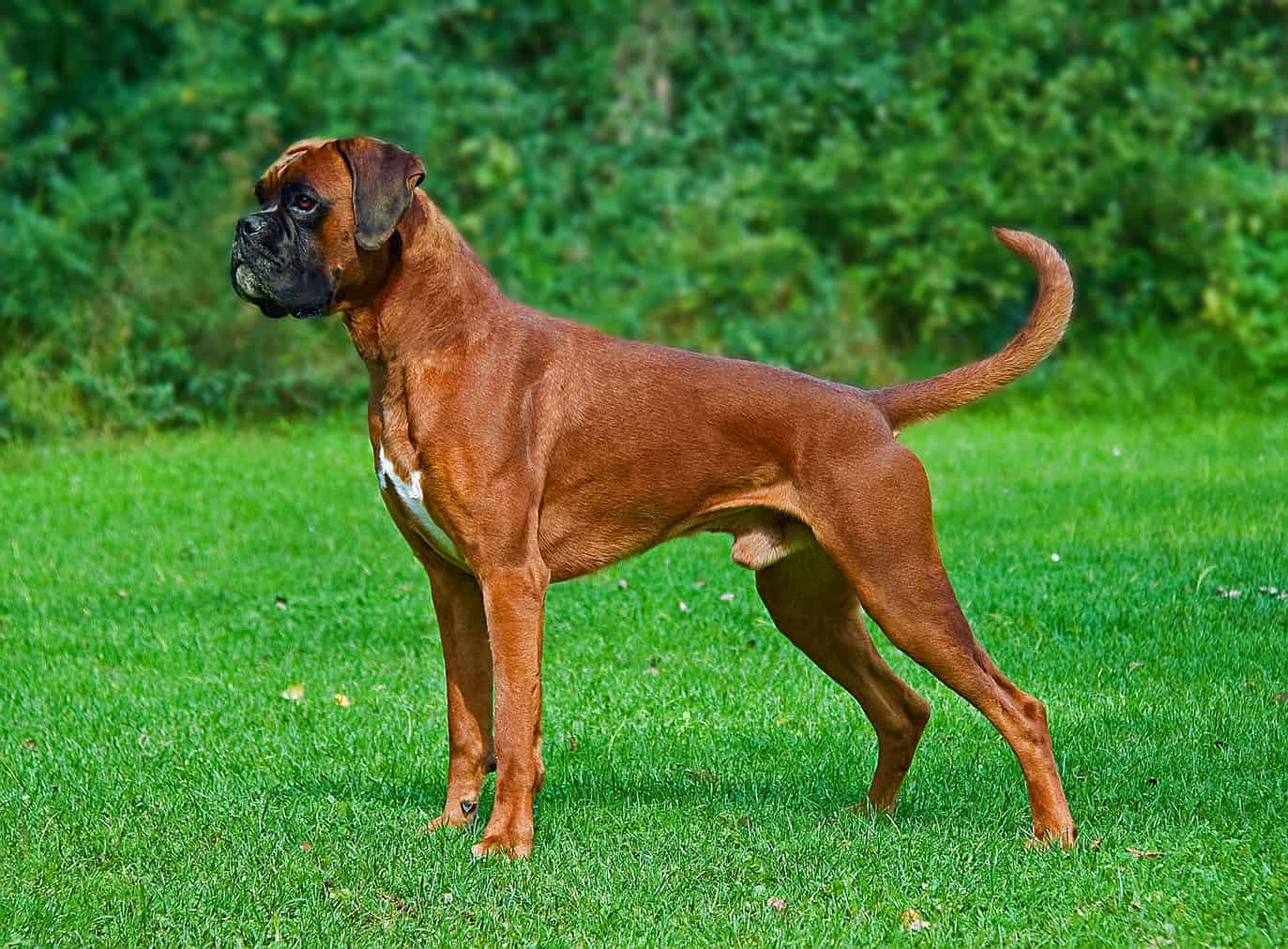
Boxers generally have a moderate prey drive, meaning they may become distracted by small, fast-moving animals. Training and socialization can improve recall, making this unavoidable instinct less of a challenge, but prey drive may still take over in some situations. Owners must remain cautious in open environments.
Additionally, many boxers should only be exercised off leash in secure, enclosed areas unless they have exceptionally reliable training. It also means that if smaller pets such as rabbits or guinea pigs are in the home, this is likely not the breed for you. While cats may not pose a problem, introductions to household kitties should be handled carefully.
They Jump All Over Your Guests
©Peter Roslund/Shutterstock.com
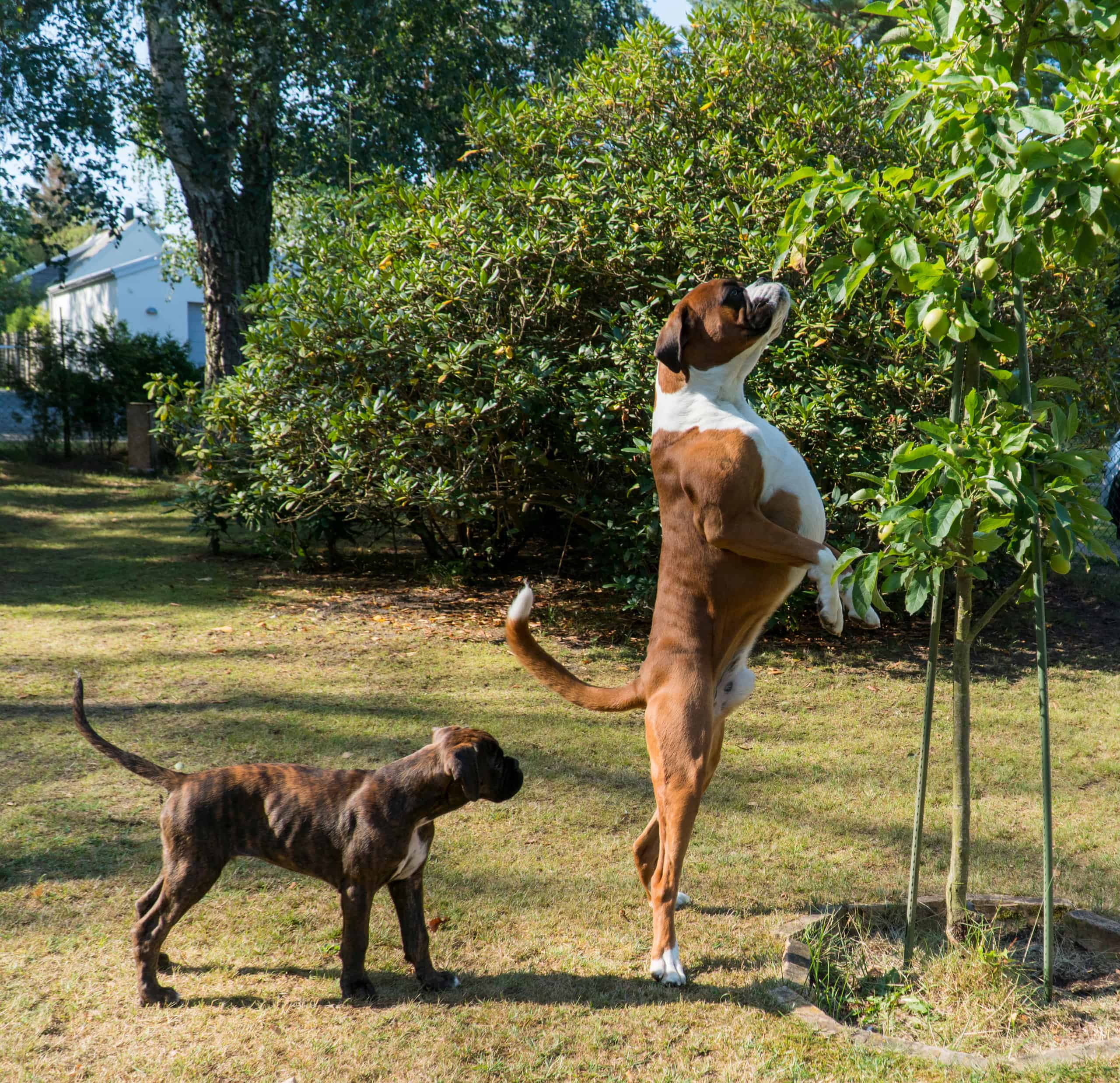
Boxers have a reputation for being playful and physically expressive, often using their front paws (just like a boxer in the ring). When excited, they may jump up on guests or children, which can be overwhelming due to their size and strength. It is possible to curb this behavior with consistent training, especially if started early. However, it requires time, patience, and consistency from all members of the household to reinforce good habits. If you lack the time, discipline, or energy for such training, either accept you’ll have a chronically bouncy buddy or choose a less enthusiastic breed.
Boxers Adore Digging
©vito natale/Shutterstock.com
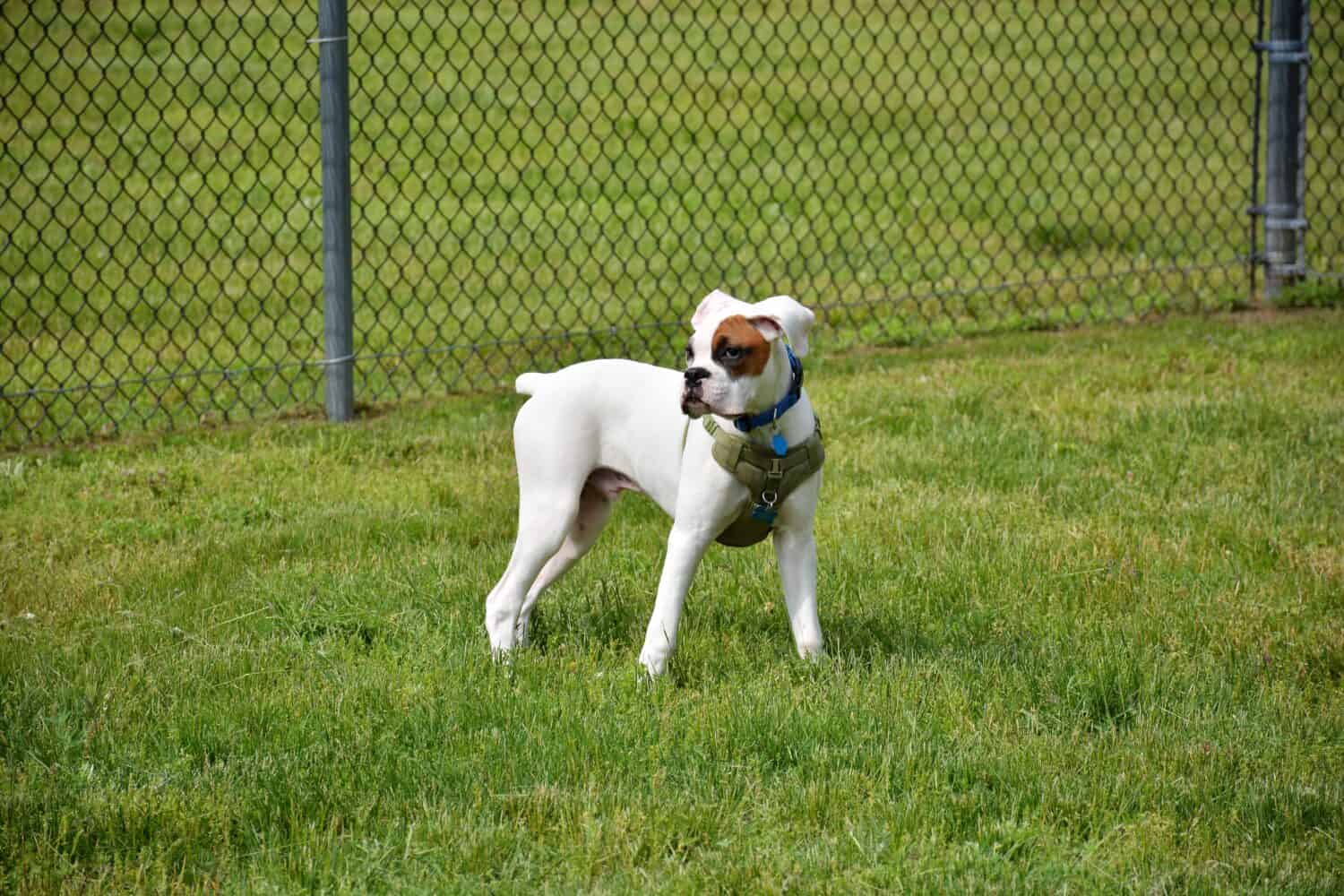
Boxers’ love of digging can be a concern for anyone who takes pride in their yard. While not all boxers dig, it is a behavior associated with the breed. They are most likely to engage in this destructive behavior if they are bored or under-stimulated. If you’re not willing to stay on top of training, you may have to accept holes in your lawn and damaged grass. In some cases, they may even attempt to dig under fences, resulting in escape. Whether trained or not, these dogs don’t appreciate being left outside without engagement. If you want a pup who enjoys spending time in the backyard on its own, it’s best to consider other breeds.
They Need to Be Involved

©iStock.com/Juan Hernandez Carmona
This breed is highly social and people oriented. Boxers tend to follow their owners closely and enjoy being involved in daily activities. They are often described as “velcro dogs” because of their strong attachment to their owners. This means they thrive on companionship and may not do well if left alone for long periods. If you work outside the home and know your pup will be riding solo for much of the day, you should probably look at other less-attached breeds.
Boxers Don’t Like the Cold

We get it; it’s no fun being in the cold when you’re not properly dressed. Boxers have short coats and low body fat, making them sensitive to chilly weather. Despite their strong appearance, they are not well suited to living outdoors in colder climates and, for many reasons (see just above), generally do best as indoor dogs.
Owners can manage by limiting their boxer’s exposure to cold temperatures and using dog coats when necessary. Extra care may be needed during winter months to keep them comfortable. If you live up north and plan to scooch your pooch outdoors anytime you need a breather, go with a different cold-loving breed.
Drooling and Slobbering
©Lyubov Timofeyeva/Shutterstock.com
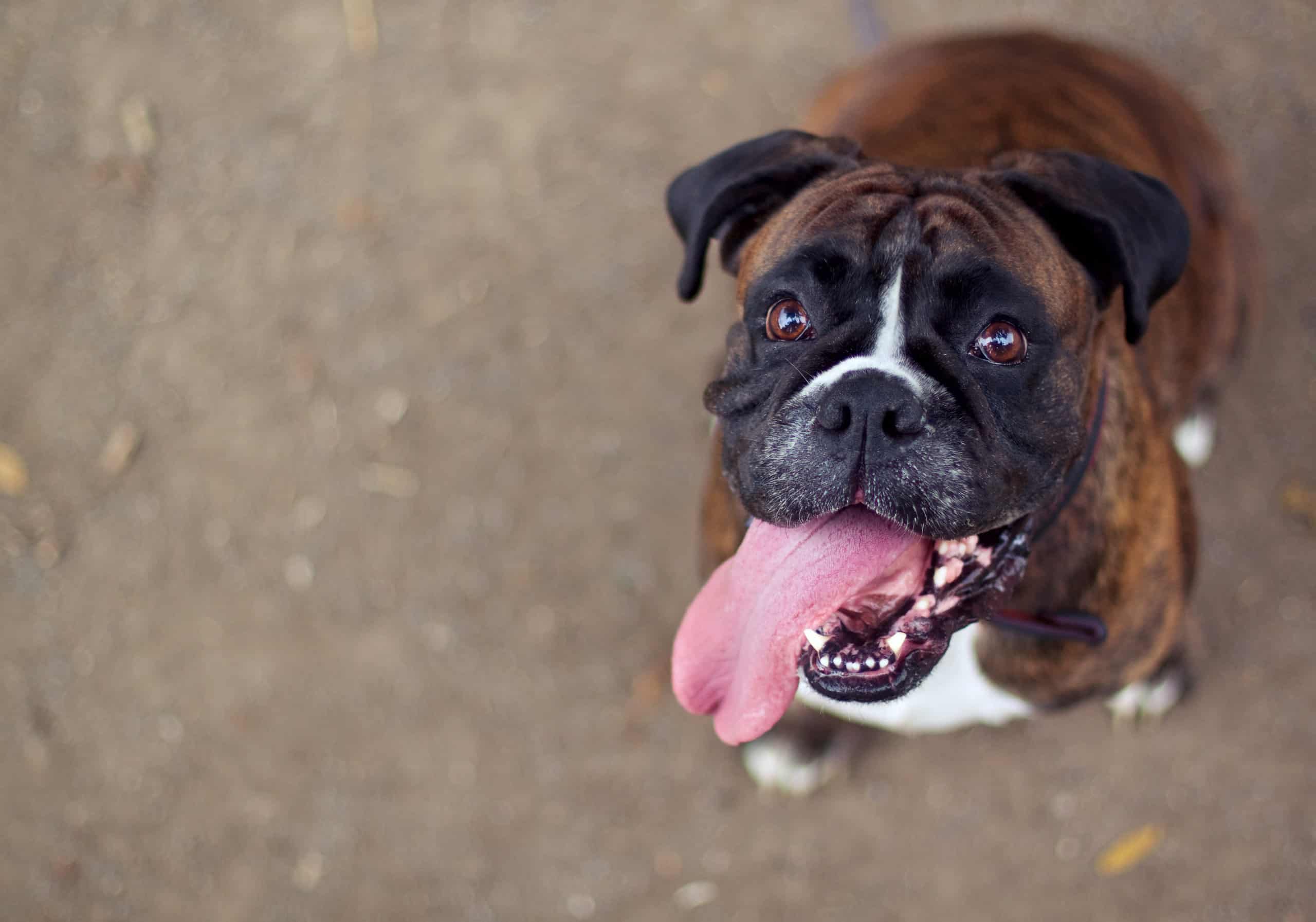
Though they are generally considered moderate droolers compared to some other breeds, boxers can be fairly drooly due to the shape of their lips and jowls. Drooling may increase when they are excited or anticipating food. And some boxers may slobber more during mealtimes. This is certainly a manageable trait, as long as owners are prepared for occasional (wet) cleanup, especially after feeding time. But if you tend to lean a bit drool-averse, maybe pick a different breed.