
Quick Take
- A wildlife film crew returned to find one of their boats missing, and they quickly caught the culprit red-handed doing something no one expected an ape to pull off. See the culprit caught →
- This wasn't a one-time fluke. Camp Leakey has a documented history of orangutans mastering human skills that researchers still struggle to fully explain. Explore Camp Leakey's history →
- Orangutans didn't just steal a boat. They figured out something about it that reveals exactly how dangerous underestimating their intelligence can be. Watch the boat theft unfold →
- These critically endangered apes are capable of something that puts most problem-solving animals to shame, and losing them would mean losing that ability forever. Discover their remarkable intelligence →
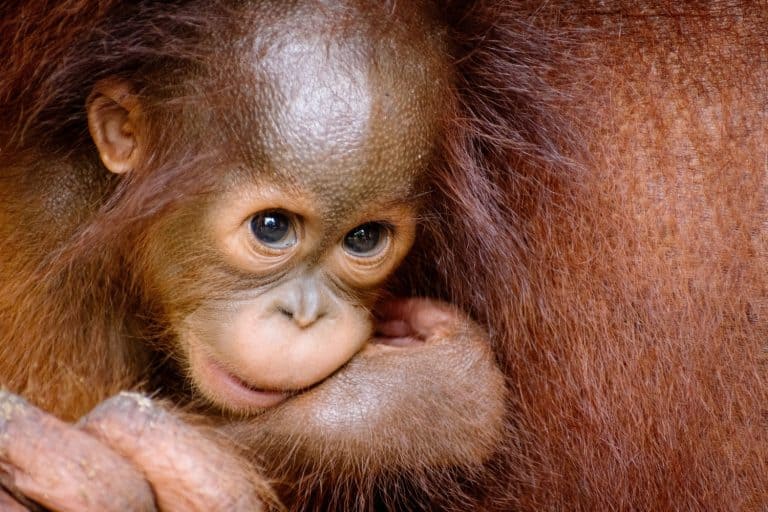
Wildlife filmmakers spend an enormous amount of time waiting for animals to do something worth capturing. Every once in a while, though, the animals decide to create the story themselves. Orangutans are especially good at that. These great apes are known for their intelligence, problem-solving skills, and ability to learn by watching what happens around them.
That brings us to Camp Leakey in Indonesian Borneo, where generations of researchers have studied animals in and around the surrounding rainforest. The encounter described in the video below involves an orangutan, a boat, and a film crew that apparently underestimated just how closely these apes had been paying attention.
Watch the Video Below!
Boat Stolen at Camp Leakey
The video takes us to Camp Leakey in Tanjung Puting National Park in Central Kalimantan, Indonesian Borneo. Camp Leakey was established in 1971 by primatologist Dr. Biruté Galdikas and her then-husband, Rod Brindamour, and was named after Galdikas’ mentor, paleoanthropologist Louis Leakey. Today, the Orangutan Foundation International continues research and conservation work connected to the site.
Primate Suspect Found
The story comes from the production of Born to Be Wild, the 2011 IMAX documentary written and produced by Drew Fellman. The film followed efforts to rescue, rehabilitate, and eventually return orphaned orangutans in Borneo and elephants in Kenya to the wild. Reaching Camp Leakey means traveling by river, so boats were an essential part of getting the filmmaking team and its equipment through the area.
According to the story Fellman tells in the clip, the crew returned to the dock after filming orangutans and discovered one of their boats was no longer where they had left it. Farther along the river was their suspect: an orangutan in the boat. Around the 56-second mark, the video shows a photograph of the ape aboard the vessel. The orangutan had apparently figured out considerably more about boating than the crew expected.
As strange as the story sounds, this type of behavior has been documented at Camp Leakey before. Orangutans living around the research camp have had decades of opportunities to watch people, and researchers have reported animals learning to manipulate human-made objects. Some became known for taking canoes, paddling along the river, and leaving the boats elsewhere. For an animal already famous for problem-solving, apparently learning the basics of river transportation was not completely out of the question.
Are Orangutans Intelligent?
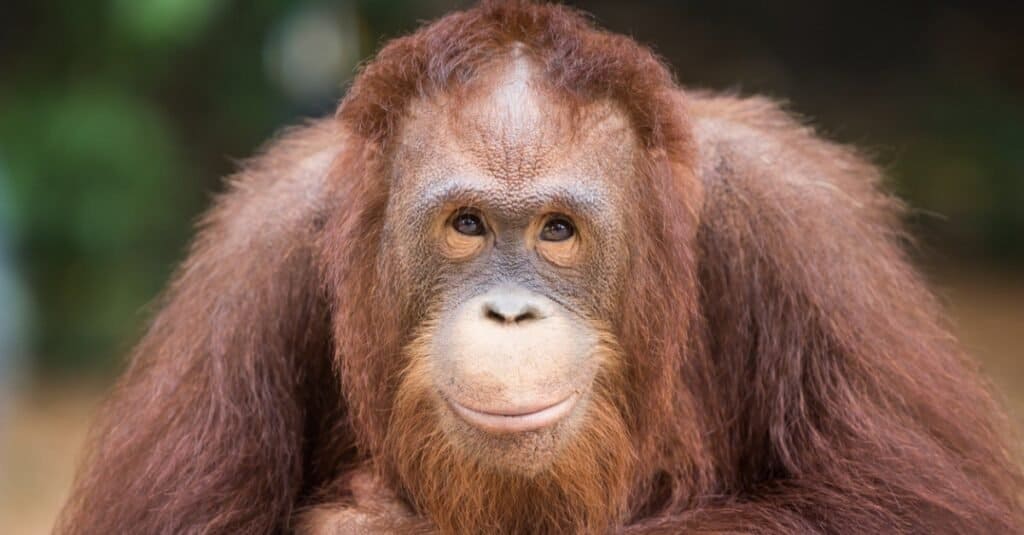
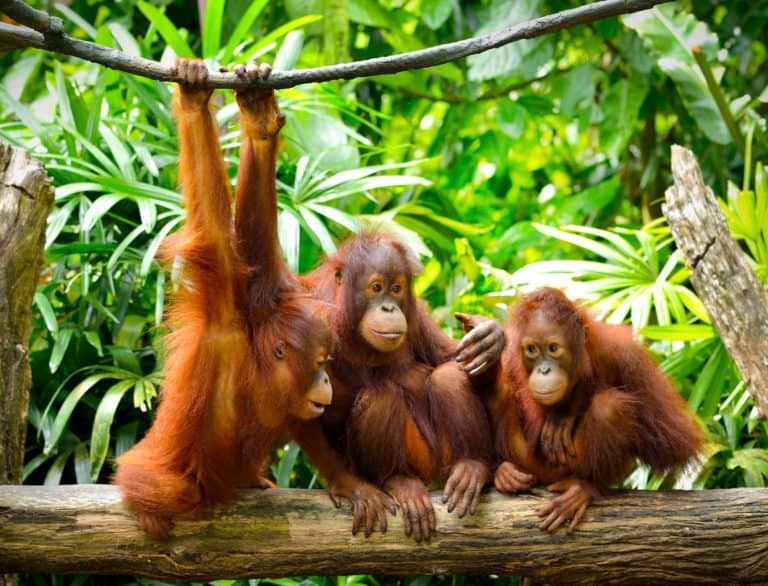
Orangutans can live up to 40 years.
©Everything I Do/Shutterstock.com
Very. Orangutans have repeatedly demonstrated sophisticated problem-solving, memory, social learning, and tool use. Wild orangutans have been observed modifying sticks to obtain food and even chewing leaves into makeshift sponges to collect water. At Camp Leakey, some orangutans also had plenty of opportunities to observe people using tools, opening doors, handling equipment, and operating boats.
A 2006 review published in The Anatomical Record summarized research showing that orangutans perform exceptionally well in a range of cognitive tasks. Their abilities include tool use, causal reasoning, planning, memory, and solving mechanical problems. Smithsonian researchers have also studied orangutan memory, tool use, and social learning for decades.
That intelligence also makes protecting these animals especially important. There are three recognized species of orangutan: Bornean, Sumatran, and Tapanuli. All three are classified as critically endangered, with habitat loss, hunting, and the illegal wildlife trade among the major threats to their survival. Losing these remarkable great apes would mean losing animals capable of behaviors that, every so often, leave even the people who study them wondering exactly what they will figure out next.