
Quick Take
- Managing a 1,000-pound predator population requires strict adherence to the state’s most extreme aquatic safety protocols.
- Deploying double red flags indicates a hazard that forbids all public water access for visitors.
- The FWC protocol necessitated a prolonged observation period while the specimen occupied the Pompano Beach shoreline.
On Monday, September 18, 2023, visitors to Pompano Beach were met with double red flags. In other words, absolutely no swimming. A single red flag indicates a high hazard, usually high surf and/or strong currents. While you can technically enter the water under a red flag, you cannot when two red flags are posted as this means the waters are closed to the public, and for good reason.
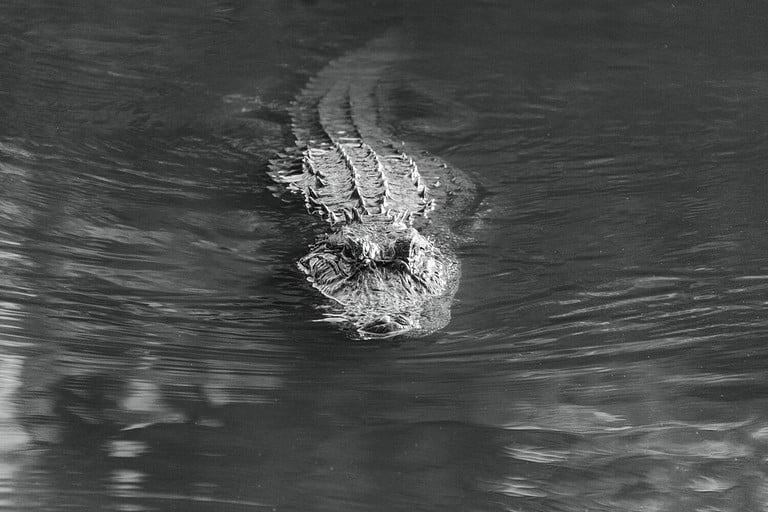
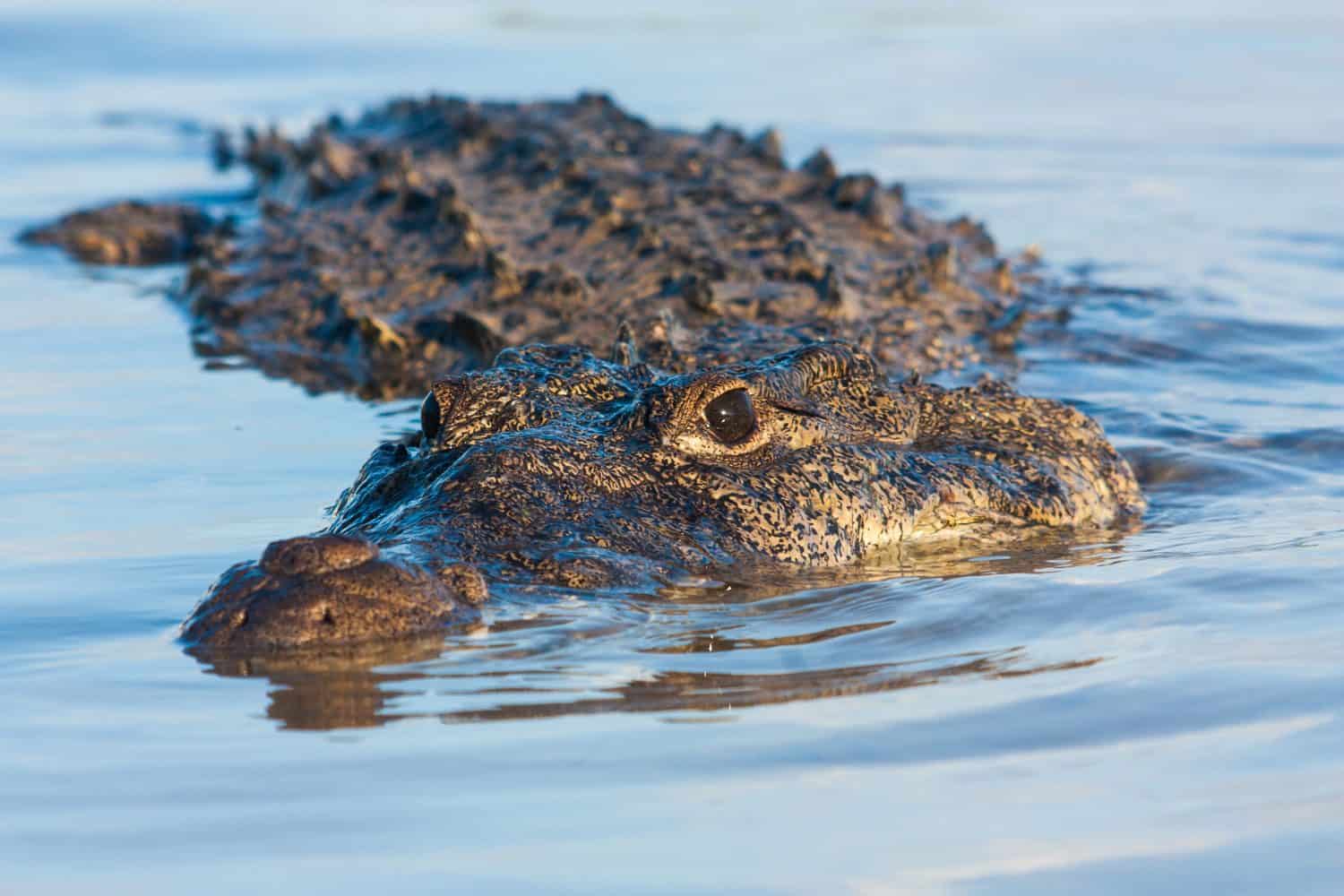
While many of Monday’s beachgoers were bummed to see the notice, they weren’t sad for long as they got a glimpse of the reason for the double red flags. A crocodile.
Crocodile Sighting in Florida
The City of Pompano Beach posted proof of the crocodile on its official X, formerly known as Twitter, account. Taken from above, the image shows what appears to be a 4- to 6-foot crocodile swimming beneath the Fisher Family Pier.
“@MyFWC has responded. City lifeguards have posted double red flags and the beach is closed to swimming.🚩”
The Florida Fish and Wildlife Conservation Commission (FWC) were called to the scene and determined that it would let the crocodile enjoy his time under the pier, which it did for most of the morning.
The Pompano Beach Fisher Family Pier was opened in April 2022. “This newly constructed fishing pier is one of a kind! It measures almost 900 feet in length with the ability for patrons to sight-see and/or fish,” according to the Pompano Beach website. “The end of the pier is also built in the shape of a Pompano Fish. This is a great tourist attraction.”
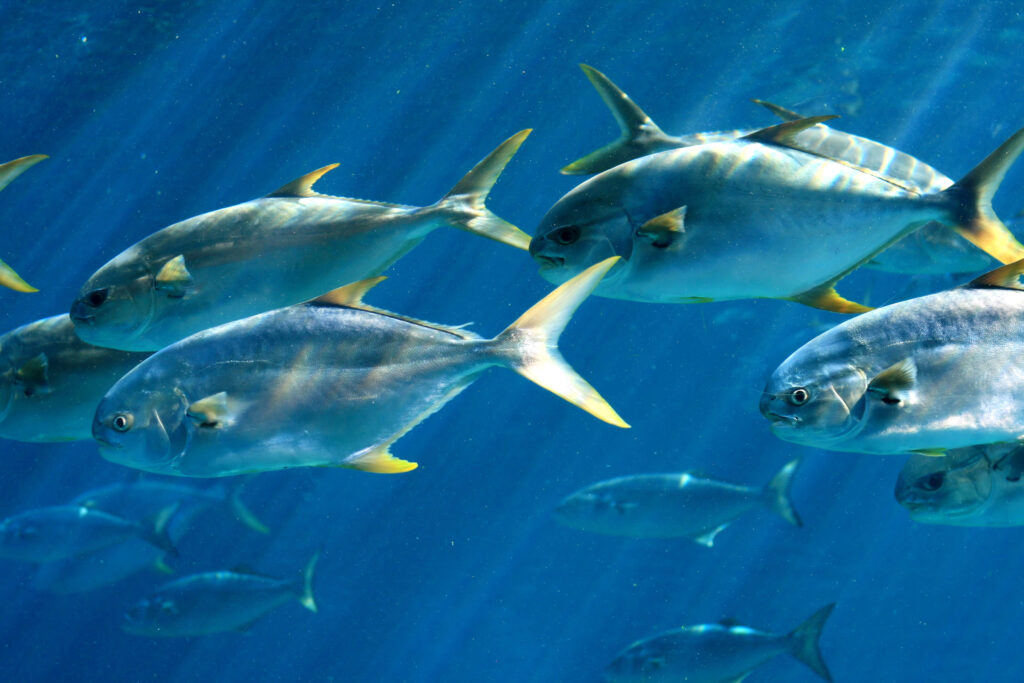
The end of the Fisher Family Pier was built in the shape of the pompano fish, a tasty treat from which the city gets its name.
©michaeljung/Shutterstock.com
How Many Crocodiles Live in Florida?
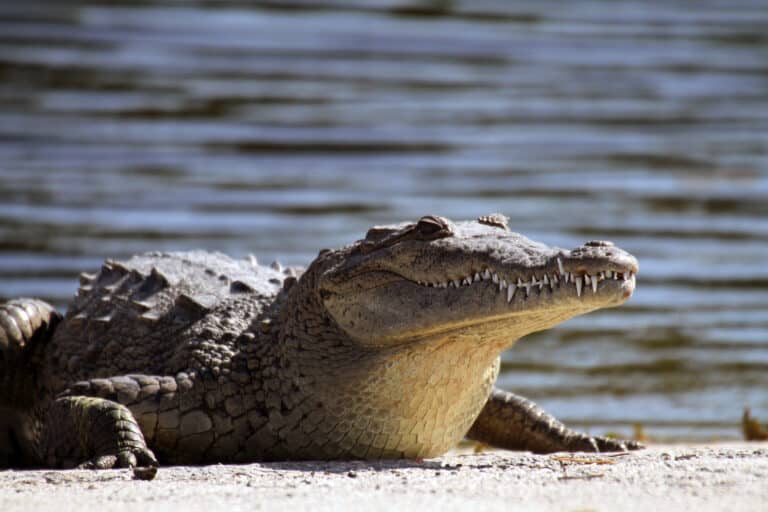
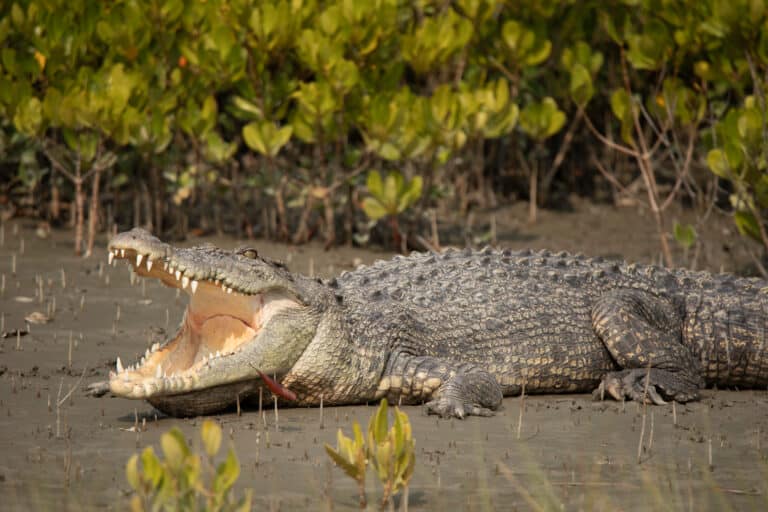
The American crocodile (Crocodylus acutus) belongs to one of two species of crocodilian native to the United States. The other is the American alligator (Alligator mississippiensis). Both live in Florida. These crocodiles are at the northern end of their range in southern Florida.
Typically, adult male crocodiles can grow to weigh as much as 1,000 pounds and to be as long as 16-19 feet. Females are rarely more than 12 feet in length. Despite its size, prehistoric appearance, and unfortunate reputation as a vicious and voracious predator of humans (thanks to its distant cousins in Australia and Africa), the American crocodile is a shy and reclusive creature.
The FWC’s estimate for its crocodile population is 1,500-2,000 individuals in the entire state. This number does not include hatchlings. While these numbers may seem like a lot, they don’t really put into perspective how large the state is. Crocodile sightings are rare; encounters, even rarer. The fact that people so rarely see a crocodile in their everyday life is what makes this crocodile’s visit to the Fisher Family Pier such a treat.