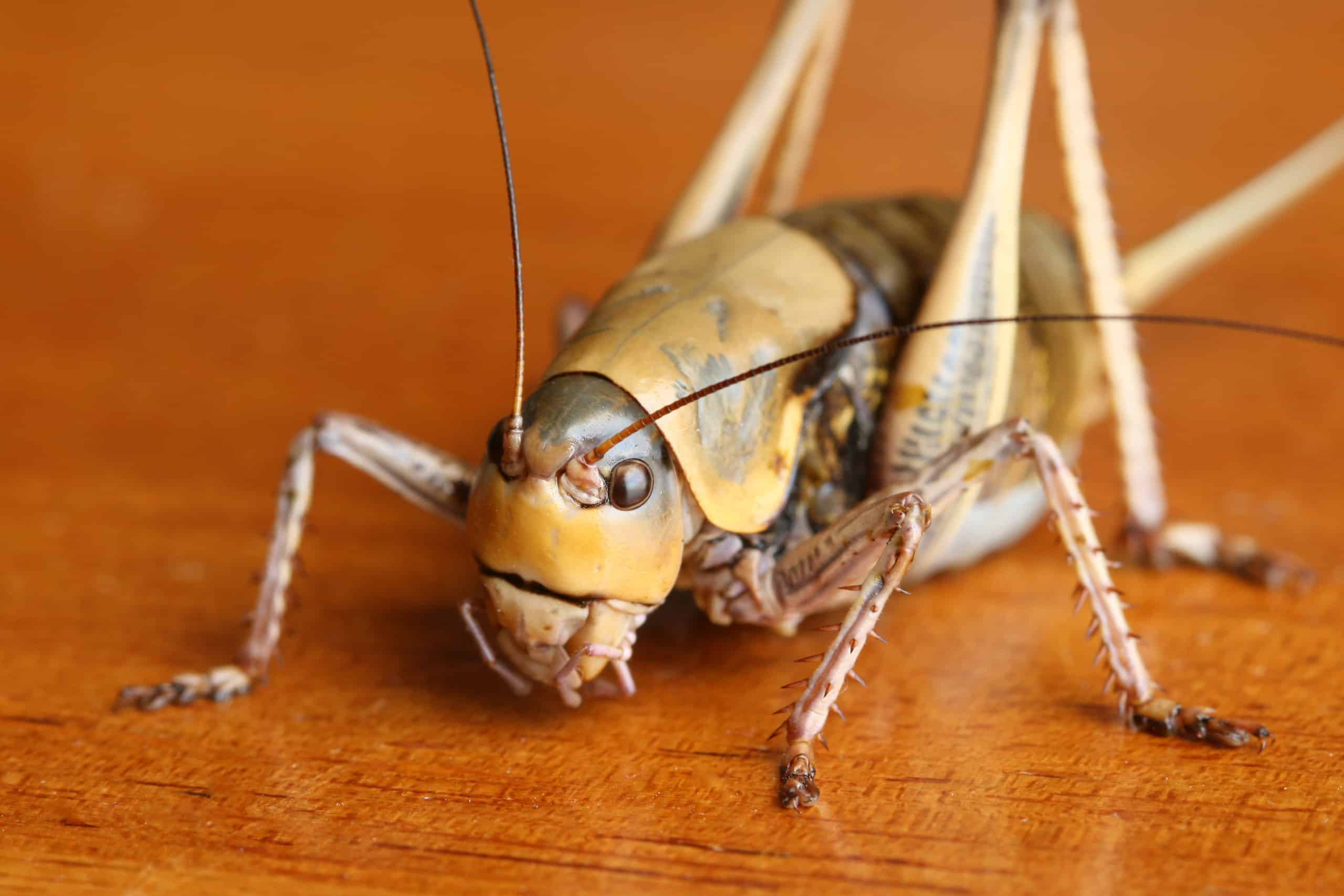

Of the 100 or so species of crickets that live in the United States, some will make it into homes or apartments over others. Southern states especially tend to see a rise in “indoor crickets” during the fall and winter. Unsuspecting homeowners will most often find members of the field cricket, camel cricket, and house cricket species hopping around — but that doesn’t mean they’re your new neighbor.
AZ Animals consulted pest expert Bob Gilbert, a board-certified entomologist with Blue Sky Pest Control, to come up with a list of the best natural and effective ways to get rid of crickets inside your home.
Why and How Do Crickets Get Inside Your Home?
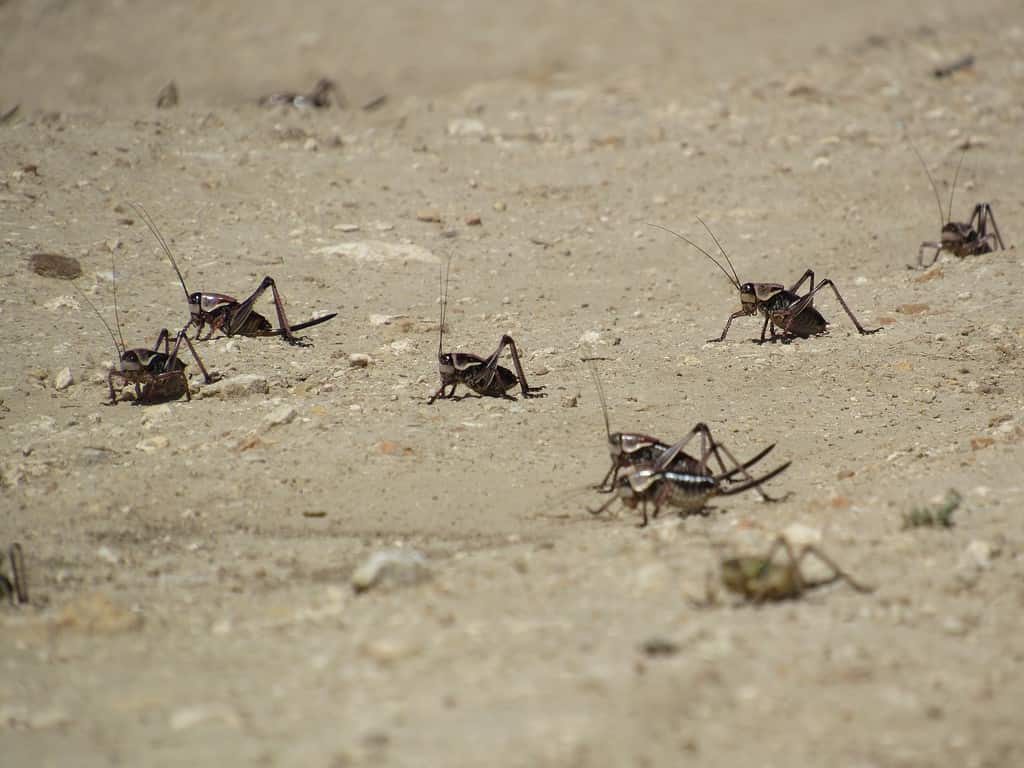
Crickets want a shelter that offers reliable food and water sources.
©PixieBitz/Shutterstock.com
Like other opportunistic hunter insects attempting to survive the winter, crickets want four things: food, water, darkness, and warmth.
When crickets find somewhere to nest outside, it’s usually underground or in a shed with some shelter from the elements. Your home is an attractive winter resort to crickets, especially if food or water sources are readily available. Homes with leaky sinks and pipes, pet food out in the open, or consistently full indoor trash cans have unintentionally created a hospitable and attractive insect hotel.
Crickets can enter your home in a variety of ways, but the most common is through gaps in windows near the attractive conditions. “One of the best ways to keep crickets and other crawling pests out of your home is to eliminate the entry points into the home itself,” said Gilbert.
Solution 1: Essential Oils

Essential oils are natural pesticides.
©AmyLv/Shutterstock.com
Crickets, similar to grasshoppers, cockroaches, fruit flies, and other insects, have a physical aversion to certain smells. If you’ve identified the entry points or nests of the crickets in your home, try spraying or spreading essential oils of peppermint or citrus around it. You can also use this oil on entry points or avenues the crickets use to travel to and from food sources.
Peppermint and citrus oils have strong scents — too strong for crickets to stomach. While it might evacuate them from their current nest, make sure you eradicate the issue and don’t just move the crickets to another dark corner of the house.
“Natural pesticides such as those containing essential oils like rosemary work well too both as a protective perimeter spray and under objects,” Bob Gilbert, a board-certified entomologist with Blue Sky Pest Control told AZ Animals. “Just keep in mind that these essential oil treatments don’t last very long and will need to be reapplied regularly.”
Solution 2: Molasses Trap

Molasses traps will capture and kill crickets.
©Brent Hofacker/Shutterstock.com
If you’ve ever used the apple cider vinegar trap for fruit flies, you’ll have an easy go of creating this molasses trap for crickets.
Using a mason jar or similarly-sized clear cup, combine three tablespoons of molasses with two cups of water and stir until it creates a solution. The molasses will attract the crickets into the water — where they can’t jump and will drown. If you choose this method, check your traps every now and then and empty them of dead crickets so you can catch more.
Solution 3: Fix Leaks
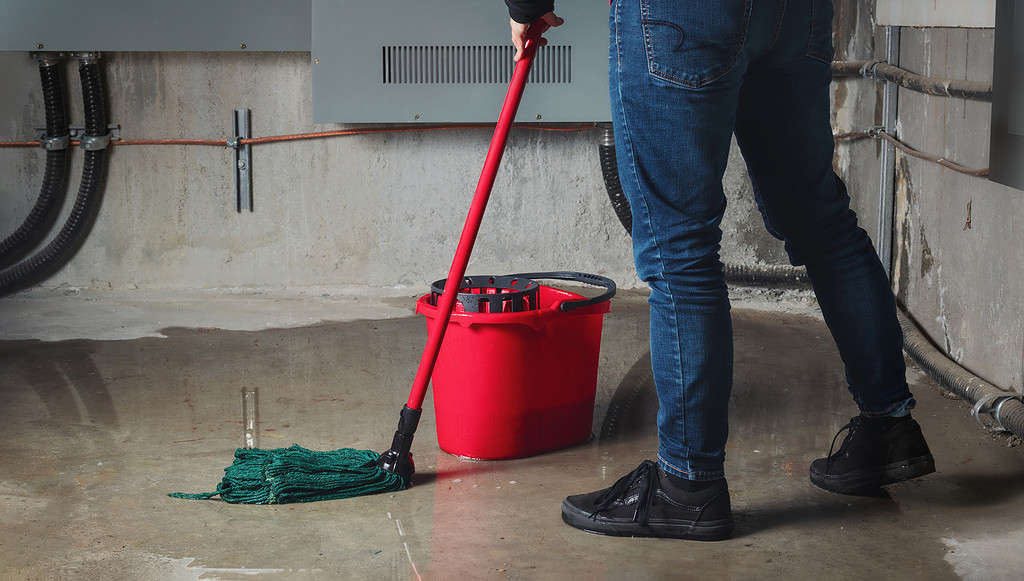
Fixing leaks will take away the water source for crickets.
©Petra Richli/iStock via Getty Images
If you have an infestation of crickets (or even just a few) that congregate around appliances or under sinks, you probably have a leak. Logically, once you get rid of the leak, your cricket problem should disappear, too. Do a double-check on entry points at the same time, informs Gilbert.
“Check for ripped window screens and door and window weather stripping that has become worn or damaged. Replace as needed. Check the door sweeps to make sure they are sealing tight so nothing can get in. A good way to check for openings is to go outside at night and look for light escaping from window and door frames. If so, repair or replace weather stripping. Also, check the foundation and walls for cracks or other openings and caulk them to prevent crickets from entering the home. Check under the sink where the plumbing enters the home. Caulk these areas to prevent pest entry too.”
Leaks happen without homeowners knowing all the time. If you hear loud chirping at night, look around pipes first for a cricket nest and either fix it yourself or call a plumber fast. The last thing you want to do is give crickets time to find multiple food sources.
Solution 4: Diatomaceous Earth
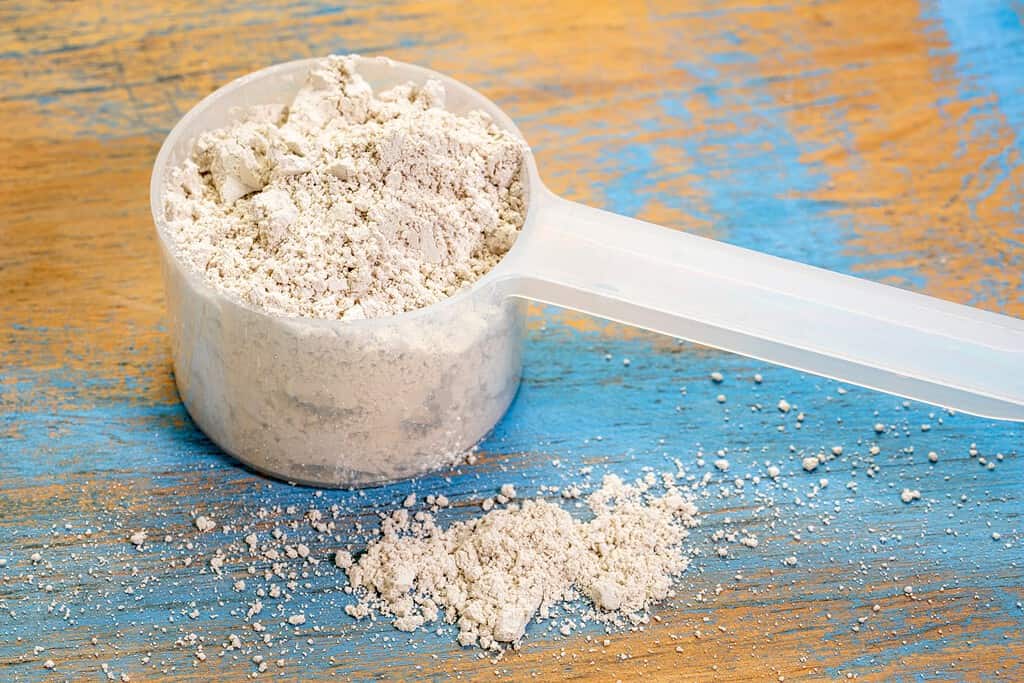
Dry cricket exoskeletons out with diatomaceous earth.
©marekuliasz/Shutterstock.com
Diatomaceous earth has seemingly endless uses — one of which is a natural cricket killer. Created from the crushed-up skeletons of algae, diatomaceous earth is a white powder only effective when dry. It’s people and pet-friendly, so homes with dogs or cats can use it without too much trouble. Simply sprinkle it on the nest or places you see crickets congregate. When the cricket’s body comes into contact with it, the diatomaceous earth will dehydrate it, leading to its eventual death.
“Diatomaceous earth applied under ornamental statues, knick-knacks, rocks, or other objects will kill crickets where they hide and will reduce their numbers,” said Gilbert.
Solution 5: Trim Your Lawn
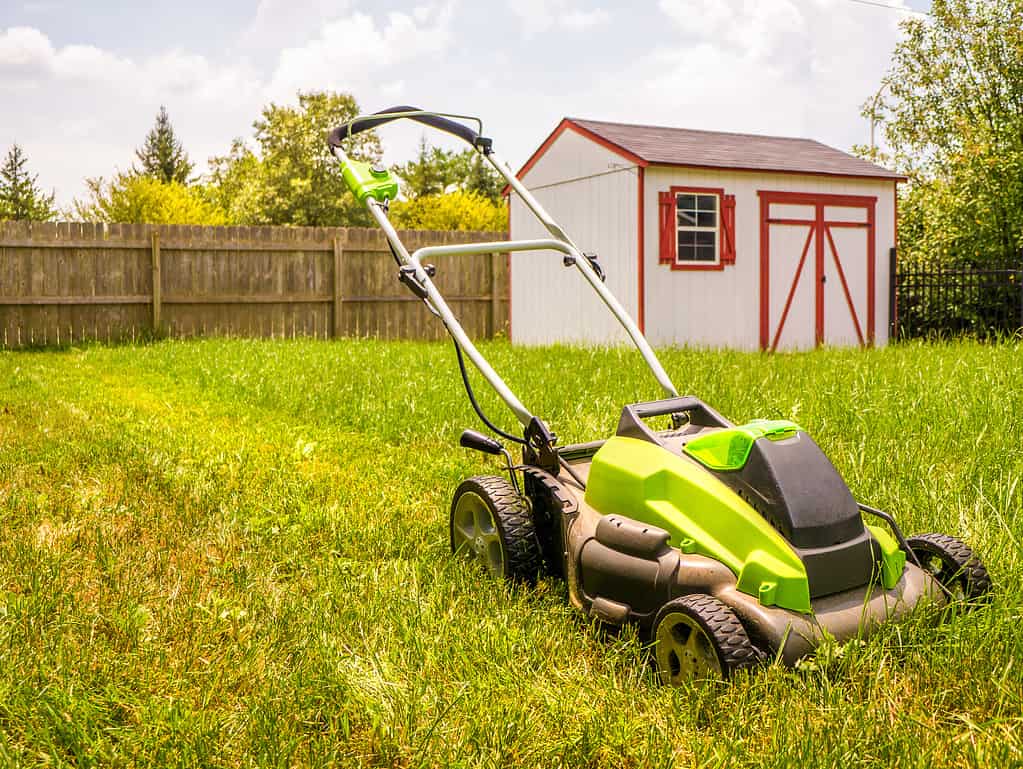
Trimming your lawn gives crickets fewer places to hide near your home.
©leightrail/iStock via Getty Images
Crickets have to live somewhere outside — and your untrimmed lawn is a prime spot. Crickets, especially field crickets, can get cozy in taller grasses or vegetation that provides ground cover. Keep everything short around your home to avoid accidentally creating an indoor/outdoor paradise for cricket nests.
Solution 6: Take out the Trash

Watch for lingering crumbs around trashcans.
©virtu studio/Shutterstock.com
As mentioned above, crickets are opportunistic hunters that will frequent places where food is plentiful. Overflowing trash cans provide plentiful sources of nourishment to crickets. So, taking your kitchen trash out and ensuring it’s properly covered will reduce the risk of crickets finding and feasting on the refuse.
Solution 7: Buy Nitrogen-Fixing Plants

Nitrogen-fixing plants inside and outside can deter crickets.
©AngieYeoh/Shutterstock.com
Plants like peas, beans, and legumes take nitrogen gas from the air and store it in their roots — these aren’t the types of plants crickets like. Having these plants (as well as garlic, clover, and cilantro) at entry points like window sills can discourage crickets from entering. Growing these plants around food sources may also deter them and crickets may leave your home of their own accord.
Solution 8: Chili Powder Repellent

Chili powder and garlic have overpowering scents to crickets.
©iStock.com/Sebalos
If you don’t want to make a molasses trap, try a chili powder/garlic spray. Combine hot chilis or chili powder with two cups of water, some drops of dish soap, and several crushed garlic cloves. Spray the mixture around (NOT directly on) plant leaves and soil outside that crickets frequent to create a barrier to your home.
Solution 9: Clean and Vacuum
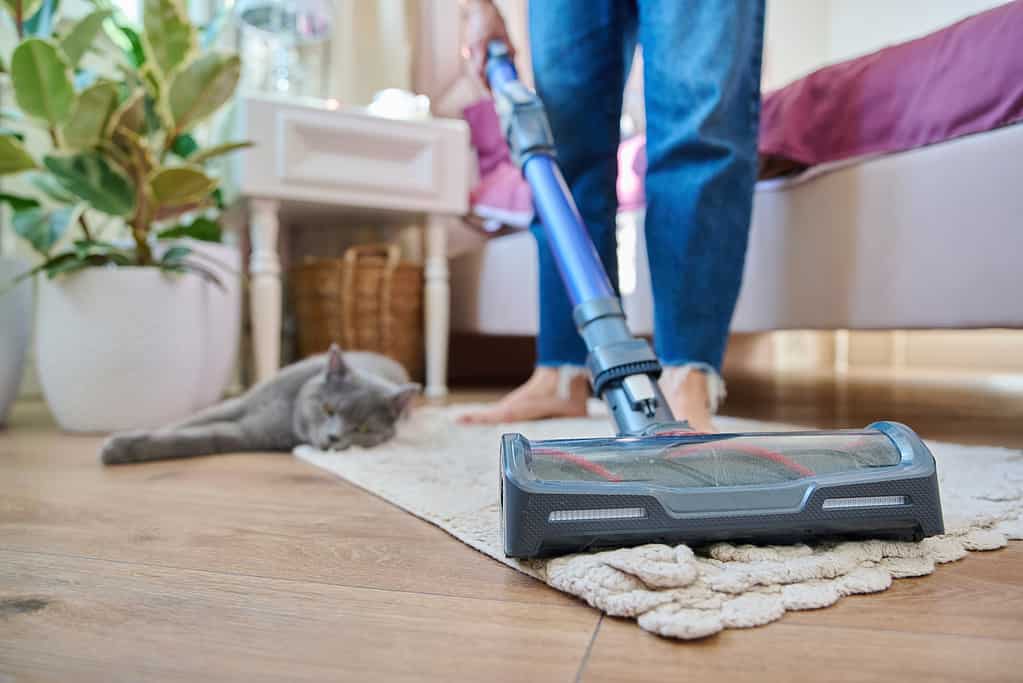
Vacuuming will suck up all the cricket eggs, leading to less of an infestation.
©Valeriy_G/iStock via Getty Images
Once you have a cricket infestation, it may become hard to get them all out without professional help. One way to keep on top of the nest, though, is to constantly clean and vacuum. Make sure you take out the trash, get rid of leaks, wipe up crumbs, and remove clutter. Vacuuming fabric like carpet also dislodges and gets rid of cricket eggs so the nest can’t proliferate further.
Solution 10: Try Mothballs or Vinegar
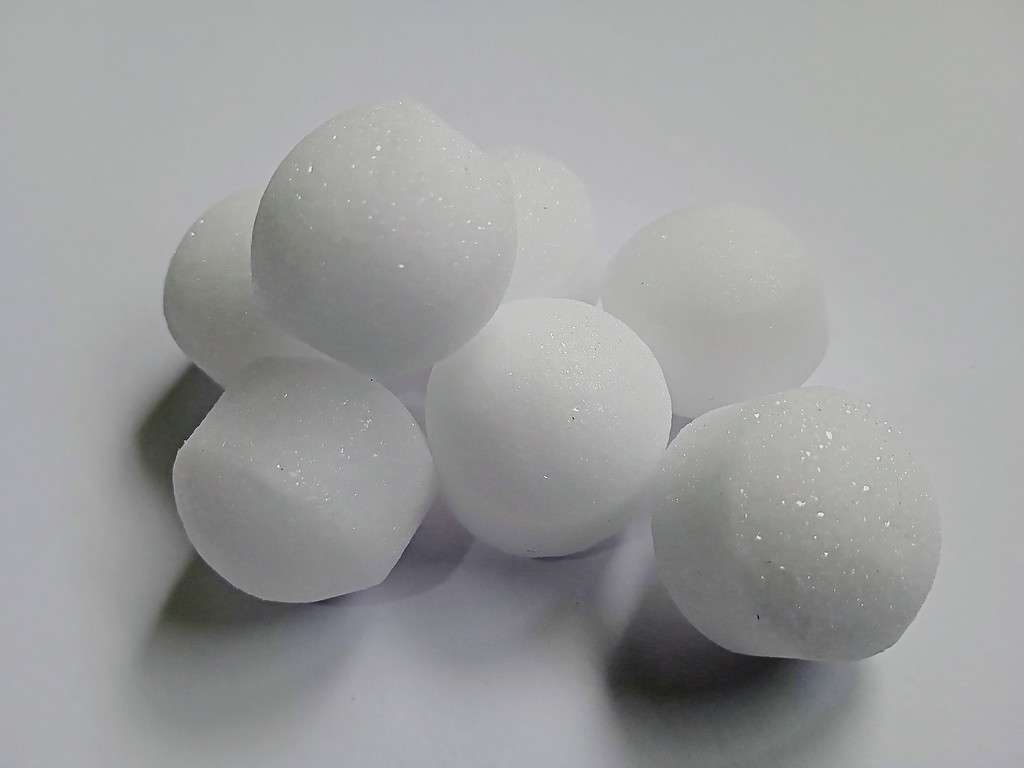
The scent of mothballs can deter crickets if used with another solution.
While it might not work on its own, mothballs and/or vinegar prove to be an effective secondary solution when used in conjunction with another option on this list. Both have overpowering smells that will drive crickets away from the area in which they are.
Keep Crickets Out
Natural solutions and repellents can keep crickets out of your home effectively — but if you see signs of reinfestation, it might be time to talk to the professionals. Crickets can create structural damage, so use your best judgment on what’s working and when to call in more help.