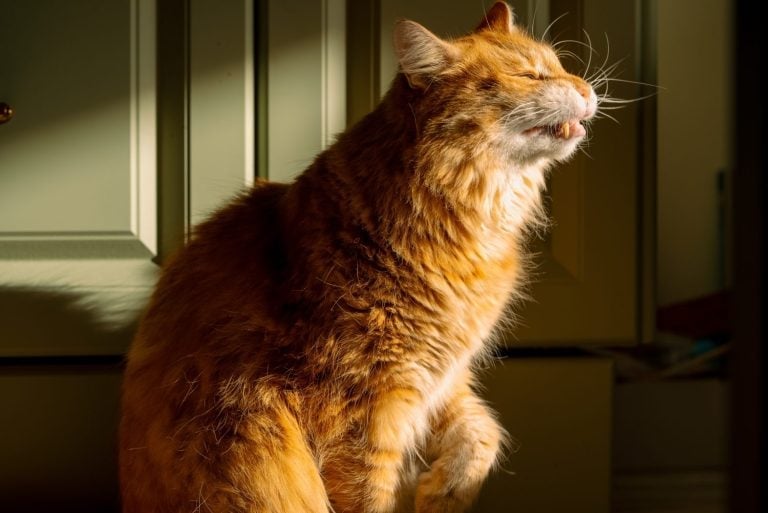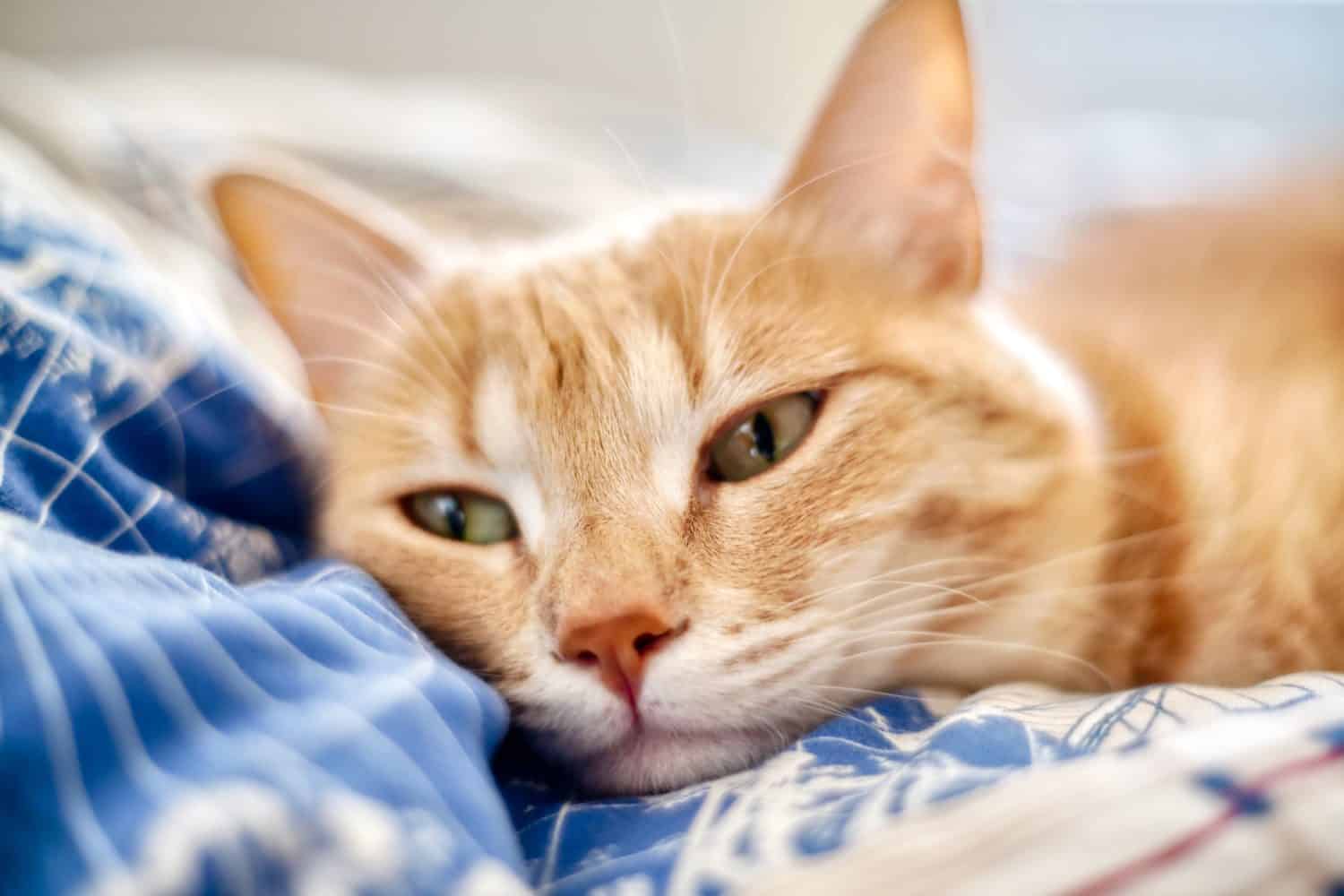

Cats have an impeccable sense smell, which means they experience the world largely through their nose. While certain scents may seem pleasant or harmless to us humans, they can be overwhelming, irritating, or even dangerous for felines and their sensitive sense of smell. Many common household scents can cause problems for kitties, like essential oils, cleaning products, or candles. Owners don’t often realize the risk.
Knowing which scents to avoid if you have cats is an important part of maintaining a safe, comfortable home for your cat companions. Some odors can cause instant discomfort, while others can pose long-term health issues with repeated exposure. By understanding what smells cats are especially sensitive to, you can make simple changes that keep them purring.
How Good Is A Cat’s Sense of Smell?
©iStock.com/Pijarn Jangsawang
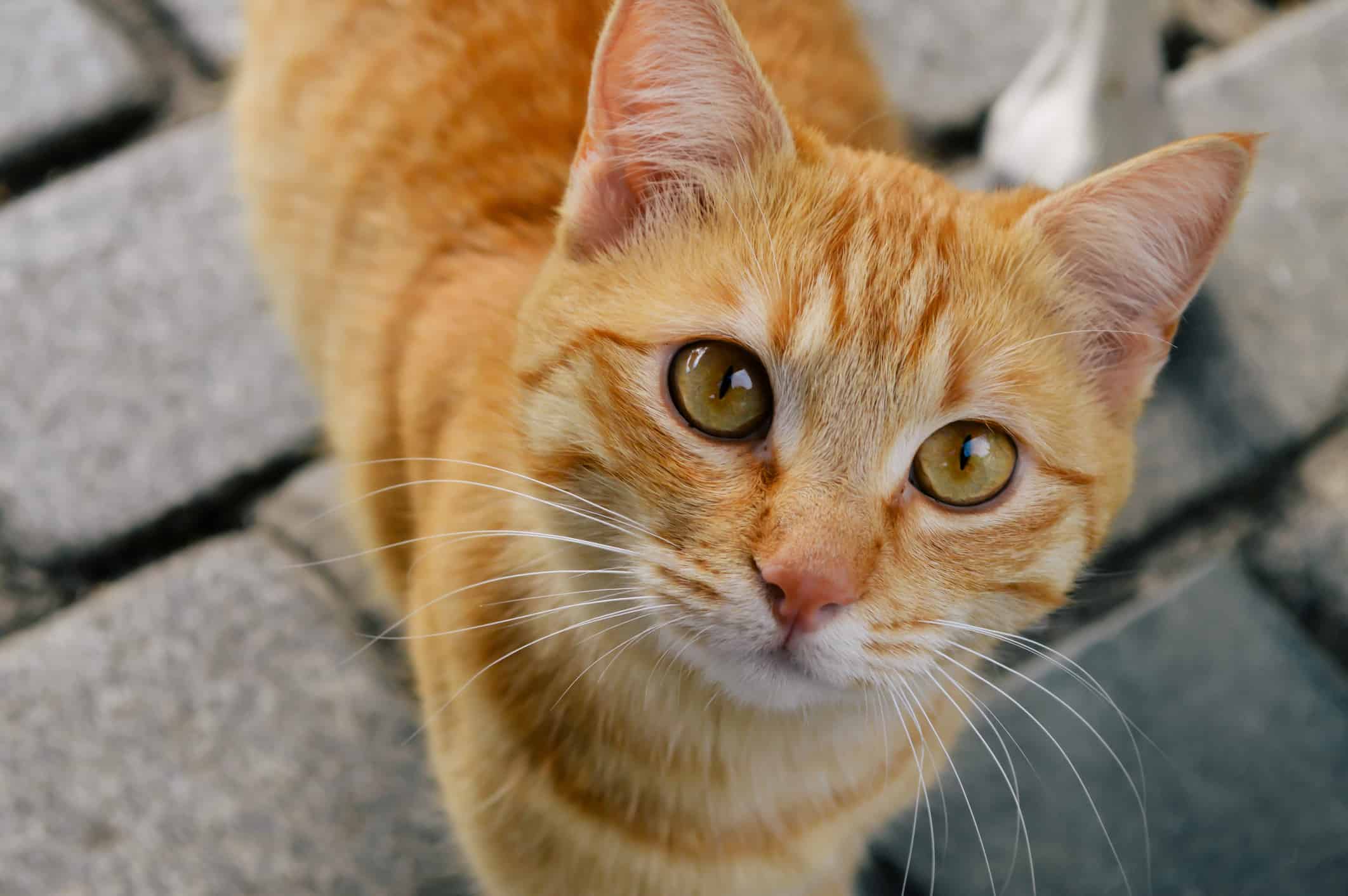
Cats have an excellent sense of smell, more so than certain dog breeds and humans. This means that cats can distinguish smells much more accurately than dogs and humans, with around 200 to 300 million smell receptors located in their nasal passages. This is the same as some dog breeds and way more than humans who have an average of 5 to 6 million smell receptors.
Why Cats Have Excellent Smell
©Monika Wroblewska/Shutterstock.com
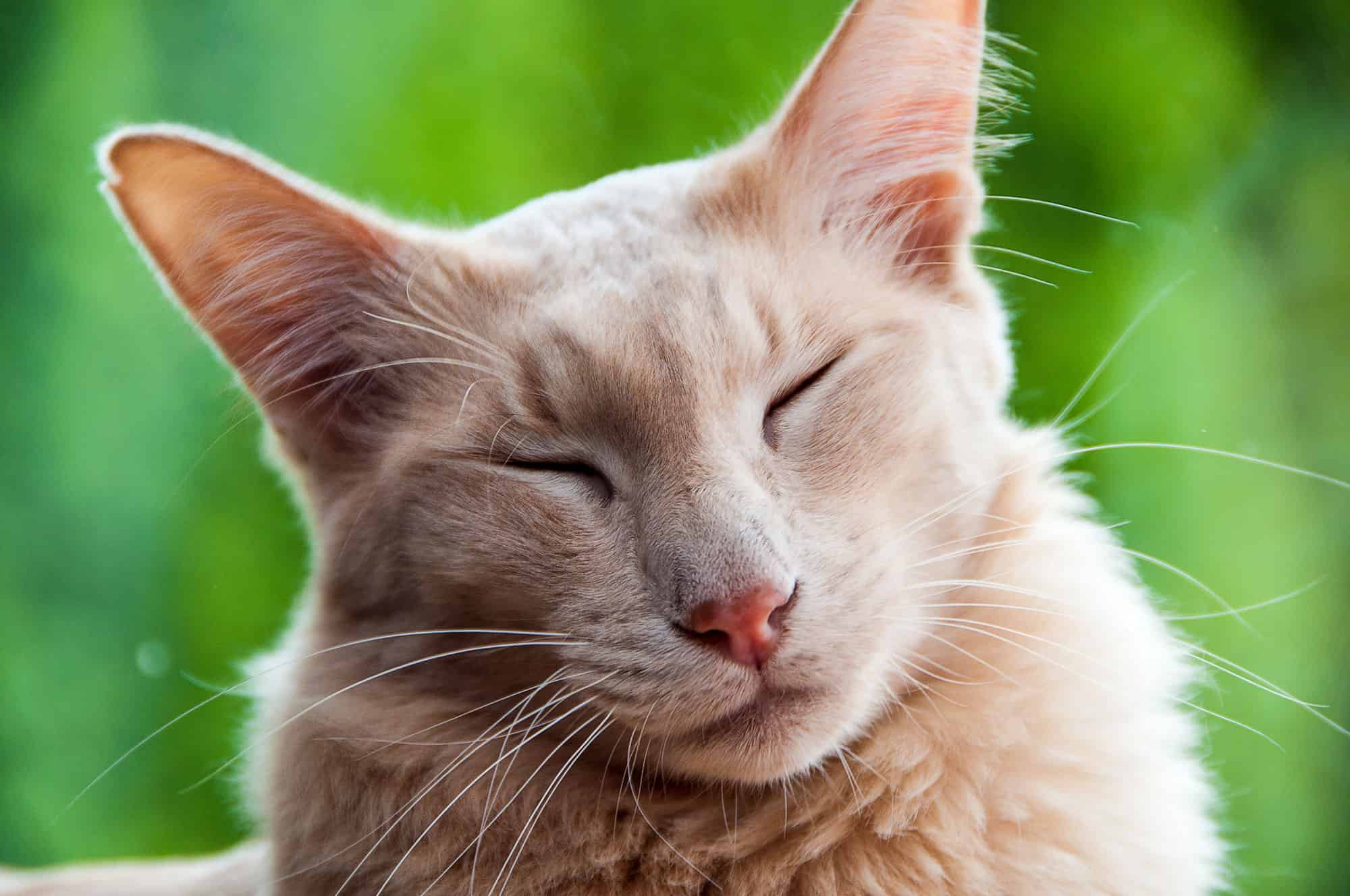
A cat’s heightened sense of smell allows them to navigate the world aside from just using its eyesight and excellent hearing. Your cat’s favorite smell might be a fresh tin of their food being opened. There are several smells that cats hate. These smells can have a repelling effect on cats, while others can be harmful to your cat to inhale.
1. Citrus

©MERCURY studio/Shutterstock.com
The smell of lemons, limes, and oranges is often associated with freshness and alertness. However, for a cat, it is quite unpleasant. Most cats are put off by strong citrus scents, especially from the peels of the fruit and fragrances.
Citrus (cont.)

©Zhukovskaya Olga/Shutterstock.com
It is not only the actual fruit that cats don’t like to smell but the artificial smell of synthetic citrus fragrances too. This can be from your washing powder, a candle, an air freshening spray, or even your lotions. The smell of citrus can be quite overwhelming to your cat’s nose; therefore, they don’t seem to like it.
2. Lavender

©Nataliia Melnychuk/Shutterstock.com
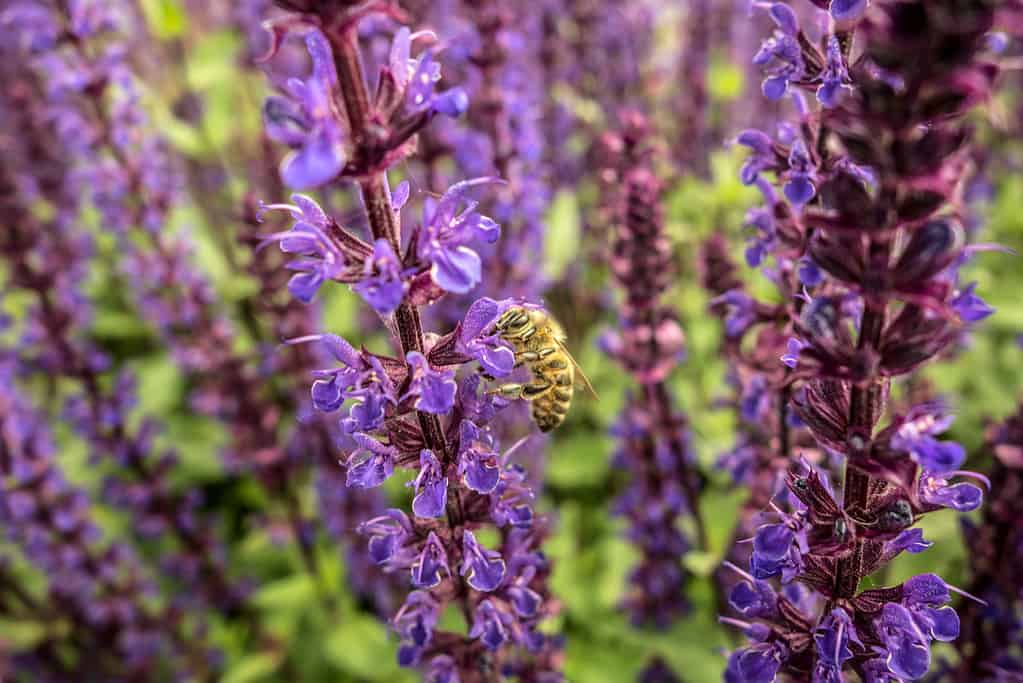
The calming scent of lavender makes it a popular fragrance for many things, including some everyday items you might use around the home. While the smell of lavender might be relaxing and pleasant for you, it probably is not evoking the same feeling in your cat. Cats seem to hate the smell of lavender since the strong scent can be too much for them.
Lavender (cont.)
©ivanoel28/iStock via Getty Images
Lavender plants can also be used as a natural repellent in your garden for cats. Most cats won’t want to spend too much time in an area where the smell of lavender is overwhelming.
3. Eucalyptus

©iStock.com/Marina Denisenko
Eucalyptus is typically used for aromatherapy as an essential oil. The herb itself is commonly used as a home remedy for colds and flu. Unfortunately, smells that cats hate include eucalyptus. The concentrated smell of eucalyptus essential oils is strong enough to cause irritation to your cat’s nasal passages, and even make their eyes feel like they are burning.
Eucalyptus (cont.)

©javitrapero/iStock via Getty Images
You should also never use eucalyptus oil to soothe a respiratory infection your cat may have or to try and open their airways. In fact, doing so can have the opposite effect and make your cat feel worse and more stressed.
4. Banana
©Yuri Dondish/Shutterstock.com
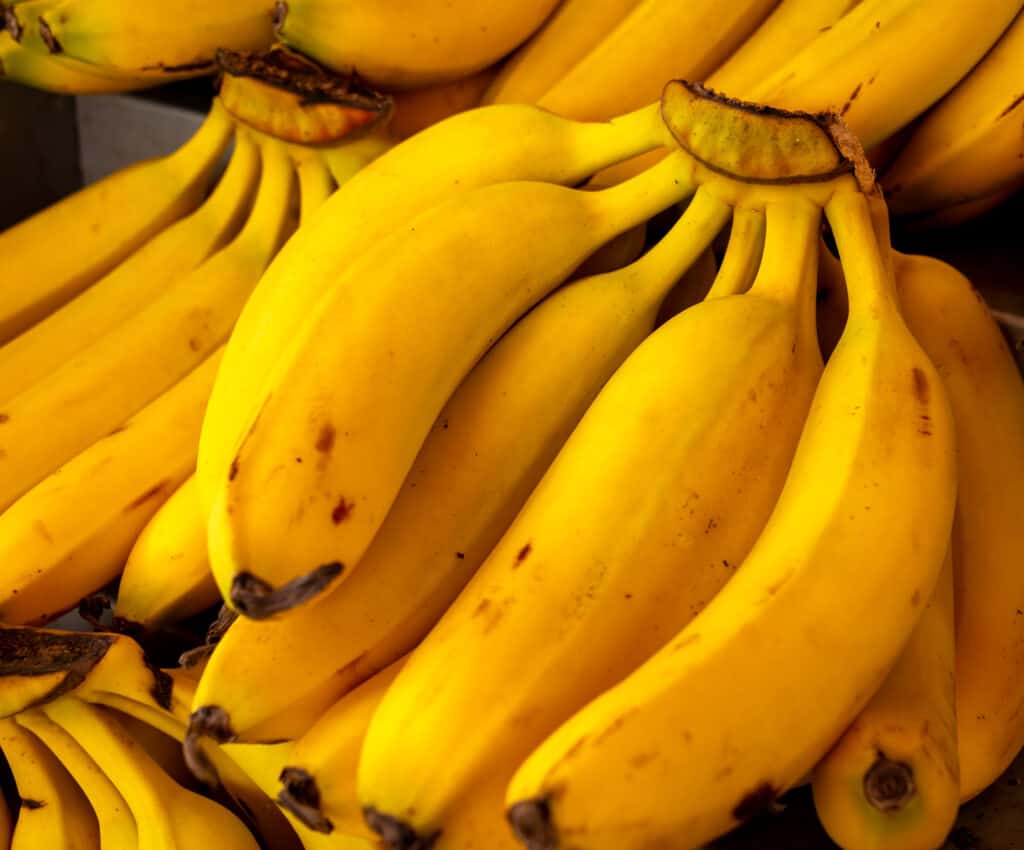
Both the taste and smell of this yellow fruit are unbearable for many cats. They will steer clear of bananas and are unlikely to willingly eat this fruit if it was left out. Any cat treats or foods that have a strong banana smell and taste aren’t very appealing to your cat. You might find that they won’t eat them. Banana peels may work as a repellent, although it is probably not potent enough to repel many cats.
5. Chili Powder
©iStock.com/Sebalos
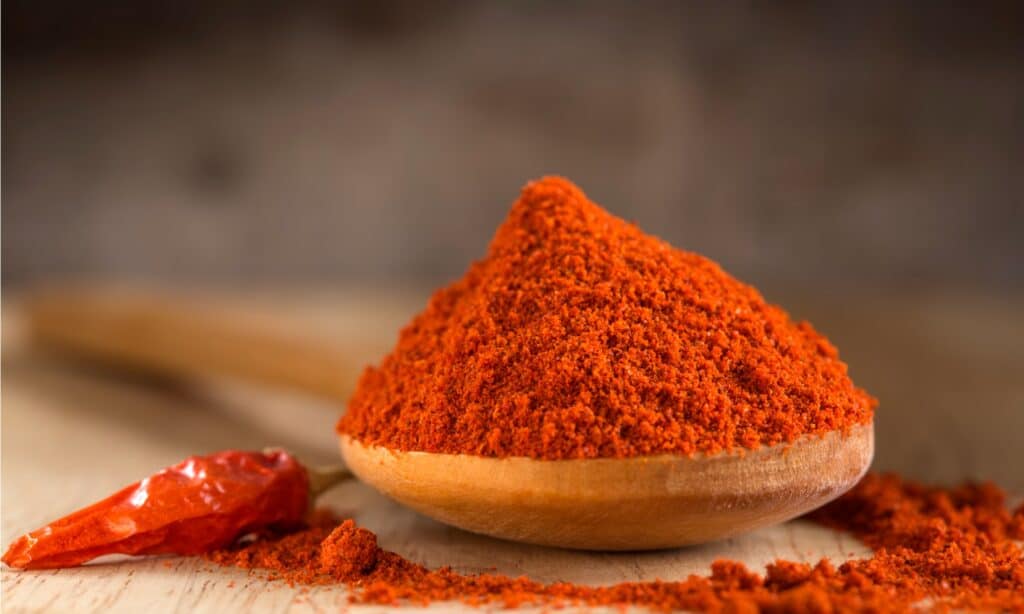
The spicy aroma of chili powder is hated by cats since it irritates their nose and eyes. If your cat inhales or licks chili powder, it can cause an unpleasant burning sensation, making your cat feel incredibly stressed. It is for this reason that placing chili powder around the house to repel cats isn’t a good idea since it can harm them.
Chili Powder
©Pogodina Natalia/Shutterstock.com
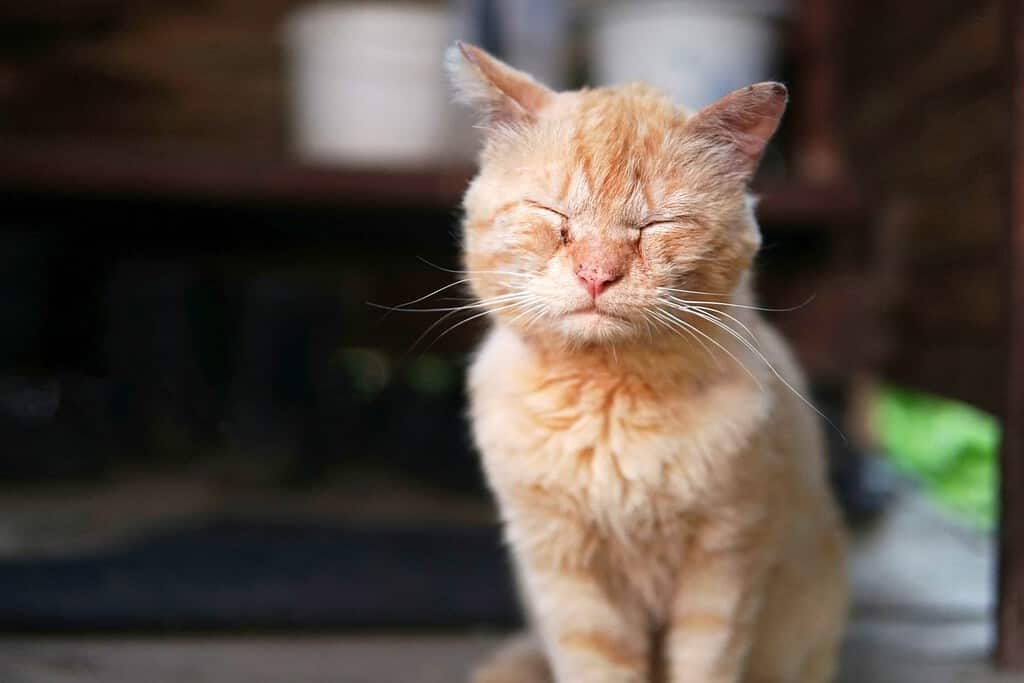
Most cats who have burning mouths and nasal passages won’t get quick relief from drinking water or letting the burn pass as humans can. The smell can also make your cat sneeze, and strong chili powders can cause a burning sensation in your cat’s eyes.
6. Ammonia
©New Africa/Shutterstock.com
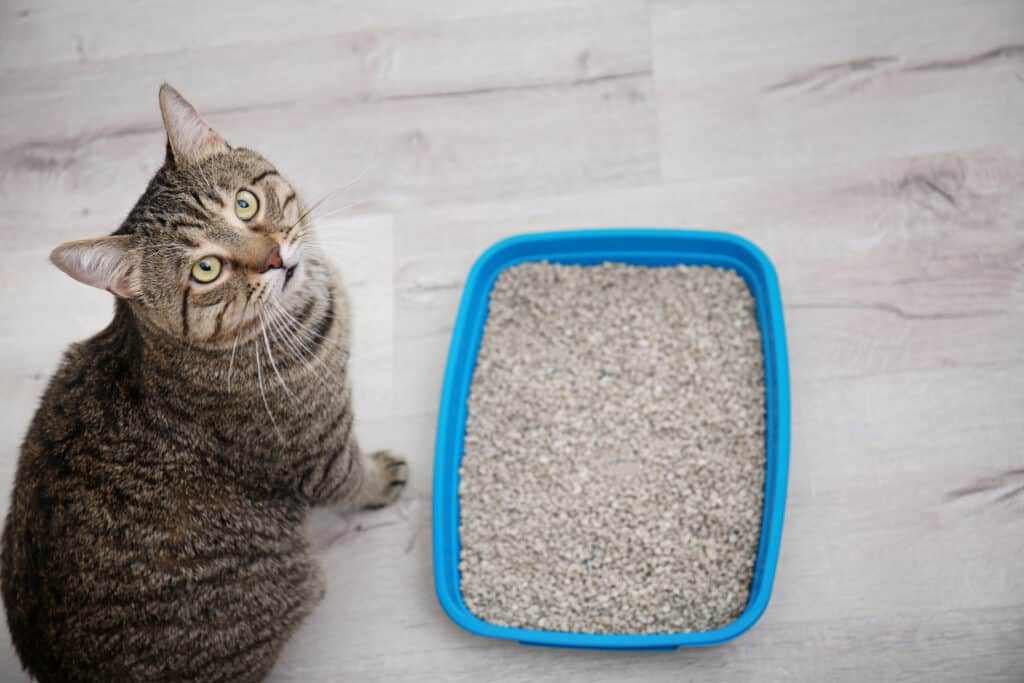
As naturally hygienic animals, cats don’t enjoy doing their business in a dirty litterbox. Their urine contains concentrations of ammonia, and a build-up of the ammonia smell is enough to deter most cats. Ammonia can also be found in many household cleaning products, such as window or drain cleaners.
The harsh smell of ammonia is quite potent and not at all good for cats to inhale. The scent can also irritate their respiratory systems and eyes. If your cat inhales a concentrated amount of ammonia for a prolonged time, it may begin to feel dizzy and sick. This makes ammonia a poor choice and a dangerous smell to repel cats.
7. Vinegar
©iStock.com/Michelle Lee Photography
Add vinegar to the list of smells cats hate. Vinegar is a great odor neutralizer that you might use to neutralize and clean cat pee odors or your cat’s litterbox. However, concentrated vinegar solutions smell nasty to cats. This is especially true for red or white spirit vinegar. Vinegar itself can make your cat feel like their nose is burning with each inhale. Although, the smell is tolerable when diluted in water and used for cleaning. If there is a vinegar residue after using a vinegar solution, it might even repel your cat. You can use vinegar and water in a spray bottle to repel cats from certain furniture items. However, never spray it directly at them.
8. Mothballs
©iStock.com/Raunamaxtor
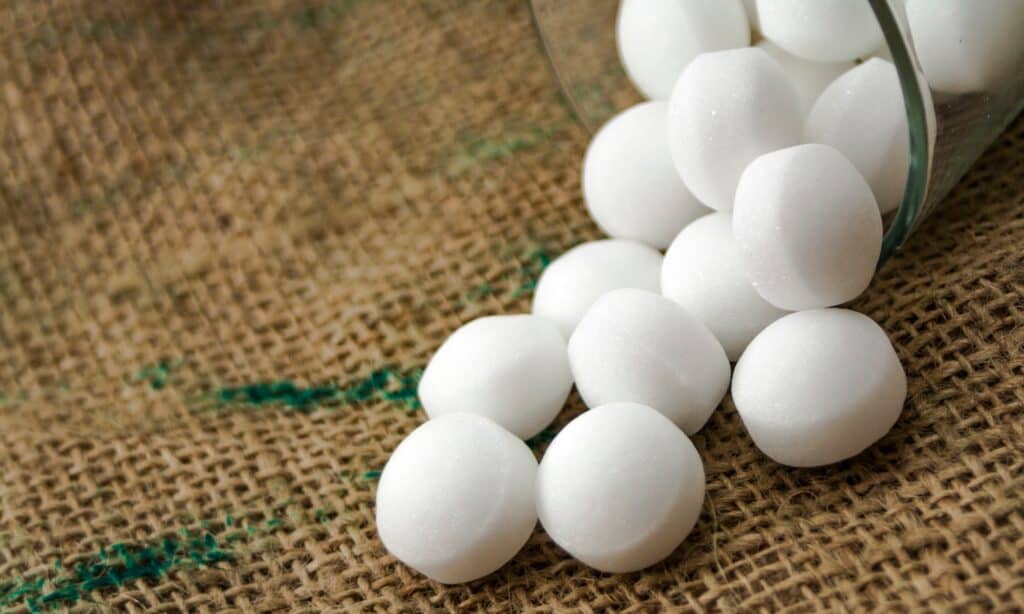
Using mothballs to repel cats from basements, attics, and certain parts of a house is an outdated method. Although mothballs worked as a good repellent for most cats, it is not good for cats to smell mothballs. This is because mothballs are made from chemical-based ingredients that might be harmful to cats. This includes naphthalene, paradichlorobenzene, or the more modern ingredient – transfluthrin. Some of these ingredients have been noted for their probable carcinogenic properties, making them unsafe to keep around cats. This makes mothballs a poor choice as a cat repellent, even if it has worked well in the past.
9. Coffee Grounds
©iStock.com/Michelle Lee Photography
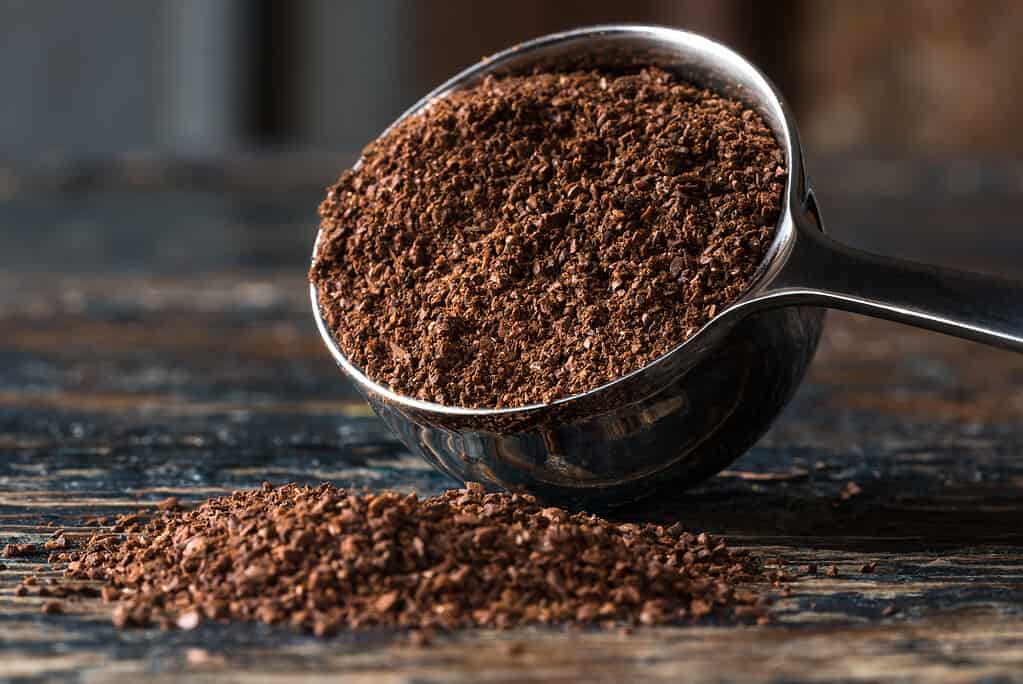
While coffee might be a pleasant smell for you and something you enjoy daily, it is likely that your cat doesn’t feel the same. Most coffee-related smells are hated by cats, and strong smells of coffee grounds have a repelling effect. However, cats should never have the opportunity to ingest coffee as it contains two substances that are toxic to cats – caffeine and theobromine. The strong smell of coffee grounds is bound to repel cats, but it should be used with the cat’s safety in mind. This means ensuring that your cat does not ingest any of the coffee grounds or using a safer repelling alternative instead.
10. Pine or Cedar

©Elena Elisseeva/Shutterstock.com
The list of smells cats hate includes the woody aromas given off by pine and cedar are not enjoyed by cats and are potentially irritating to their nose. Pine is usually associated with more masculine scents in candles and toiletries, and it probably doesn’t smell as good to your cat as it does to you. There are also rodent substrates that are made from pine and cedar wood, which have a strong smell often disliked by cats because of their potency.
You might think twice if you plan to use pine and cedar substrates in their litterbox. Not only do cats seem to hate the smell of these woods, but they are also quite dusty and contain toxic phenols that are bad for your cat to inhale.
What Essential Oils Keep Cats Off of Counters?
©rawf8/Shutterstock.com
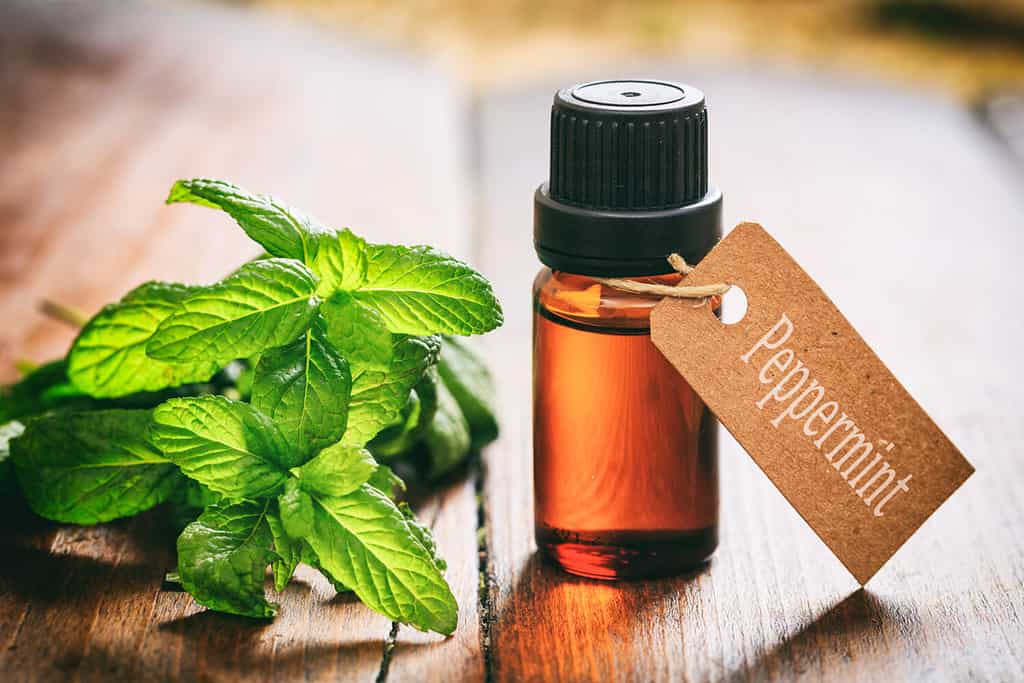
This question is popular among cat owners, who deal with cats that insist on walking on kitchen counters, tables, and other furniture they shouldn’t be on. One strategy to discourage this behavior is to strategically place essential oils in areas you don’t want your cat to be. Essential oils that could work well in this kind of experiment would be scents of citrus, peppermint, eucalyptus, or lime. Try not to place the oils where your cat could ingest them or step in them, as they will try to lick them off their paws.
Keep It Safe
©Marina Demeshko/Shutterstock.com
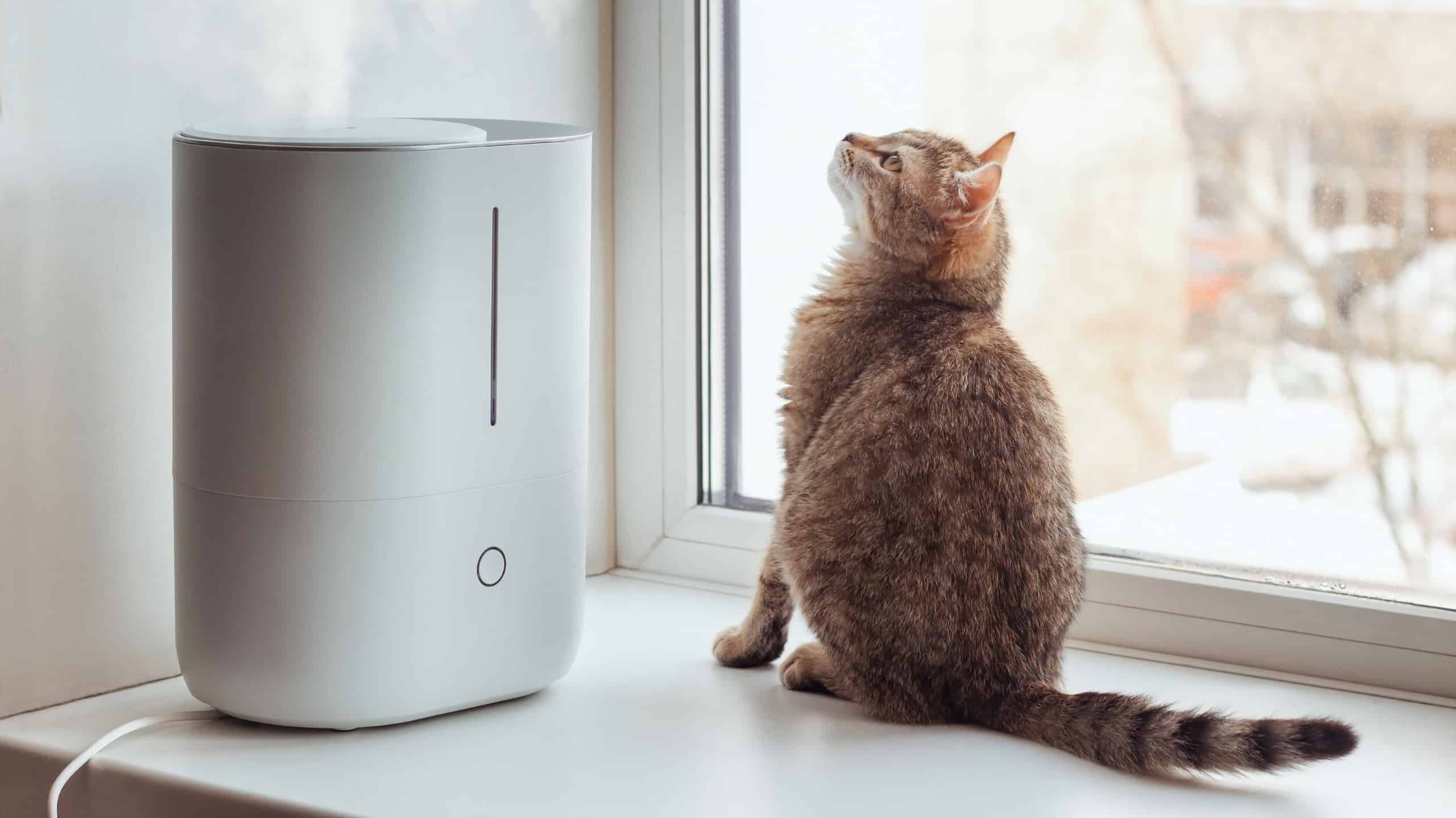
When using scents to repel cats, it’s important to prioritize their safety and well-being. Certain essential oils and substances can be toxic to cats if ingested or inhaled in large amounts. Always ensure that any repellent method you use is safe for your feline friend. Additionally, it’s beneficial to combine scent-based repellents with other strategies such as providing alternative scratching posts, ensuring litter boxes are clean, and creating cat-friendly zones in your home. By understanding and respecting your cat’s sensitivities, you can maintain a harmonious environment that keeps both your household items intact and your pet happy. Remember, positive reinforcement and gentle redirection are always preferable to harsh deterrents.