
Quick Take
- Snakes will often hide and sometimes nest in dark, damp areas, often found around a home.
- Any areas around your home that can attract rats and rodents can also attract snakes, as they are their natural prey.
- Many natural elements, including Geranium plants, can deter snakes from entering your yard.
One of the last things that most homeowners want to see around their yard or inside their home is a snake. Though they typically don’t mean you harm, it can be an unsettling sight to find a serpent slithering where you least expect it. The good news is that there are tactics you can try to find the places where snakes love to hide, as well as numerous methods for getting rid of snakes without distress or harm to the creatures. If you live in an area known for snakes, this guide can give you some peace of mind.
The One Place You May Be Surprised to See a Snake
The first step is learning where snakes love to hide and why they may be attracted to your home or yard. They have more hiding spots than you may initially realize. In fact, there is one space where snakes love to hide that you’re probably overlooking, and it’s near rock walls and retaining walls. You may believe that these barriers will keep animals out. However, the opposite may be true for some creatures, including snakes. Often, snakes will rest in the shade of these tall barriers, and they may even nest there. Walls may be even more attractive to snakes if they have gaps or voids, as these create great hiding spots.
A similar concern revolves around gaps and entry points around your home. Depending on the snake’s size, it may be able to crawl through foundation cracks, vents, and into crawl spaces. The cool and damp atmosphere creates a perfect place for snakes to make a home. It’s essential to seal these cracks to keep snakes and other pests out.
Other Places Snakes Love to Hide
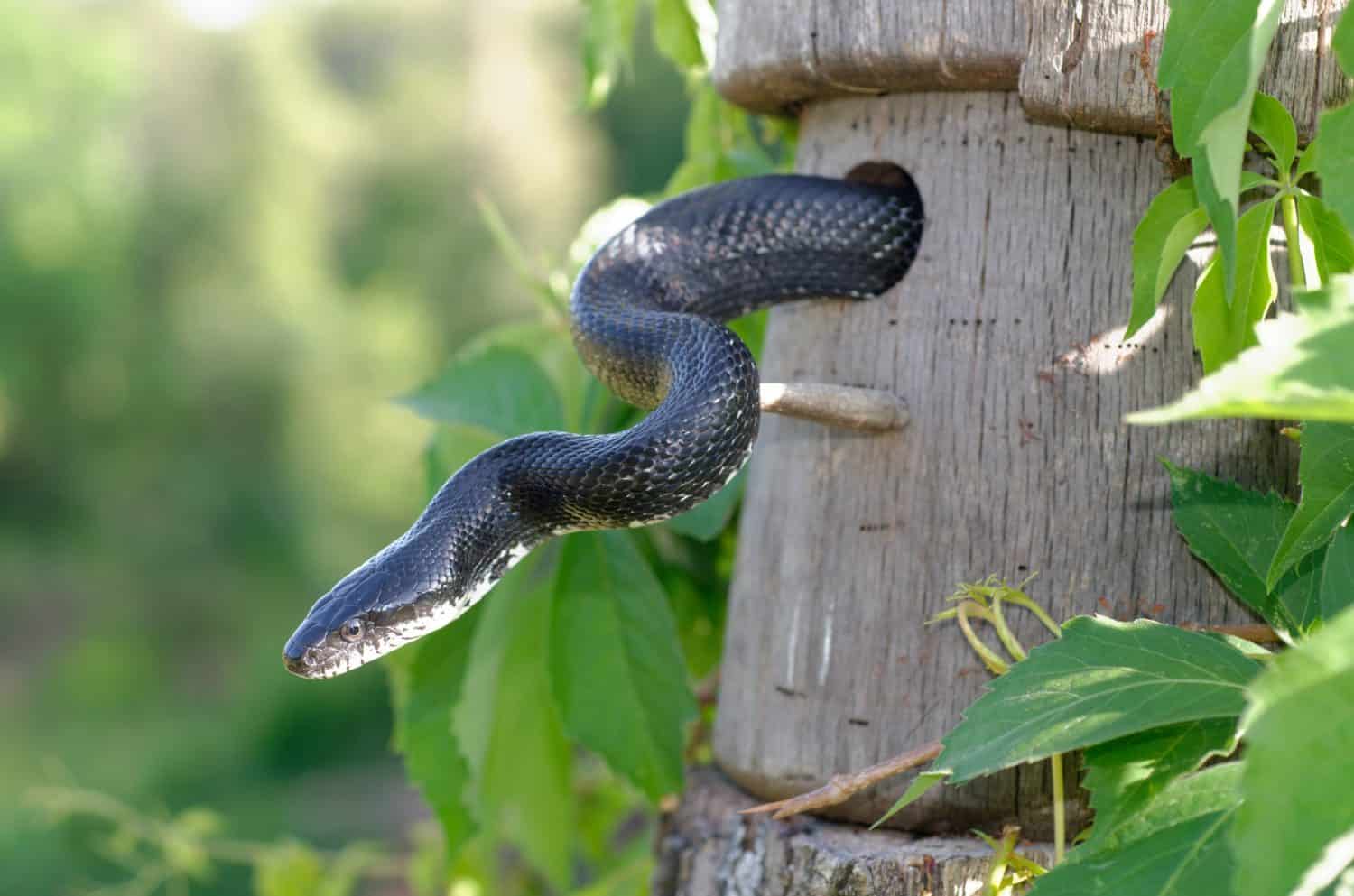
Snakes are often drawn to places where rodents may eat food, such as near bird feeders and pet bowls.
©Daniel E. Wray/Shutterstock.com
After you check your retaining walls, look to these other common areas where snakes may find a home:
Thick or Unkempt Landscaping
You’ve likely heard some type of saying or story about snakes hiding in tall grass, and it’s true. Snakes rely on cover to get from place to place, so if your yard is filled with weeds, tall grass, brush piles, or thick vegetation, and snakes are common in your area, they may come around. It’s key to keep your yard trimmed, especially around fences, outbuildings, and sheds, so snakes aren’t interested in your property in the first place.
Similar snake situations can occur around dense ground cover and ivy, so try to cut your yard back and keep them manageable. You’ll prevent snakes and beautify your yard. Finally, be sure to maintain mulch beds and active compost piles because snakes may come around there, too.
Wood Piles
If you’re the type who likes to stockpile firewood for your fireplace during those cold winter days, then be cautious. Snakes like the damp, cool hiding places like these. If the woodpile is along the wall of your house, you increase the chances that snakes will make their way into your house when you open the door. Consider using pallets or a homemade apparatus to raise wood piles from the ground and away from your foundation to reduce activity.
Where There’s Leftover Food
Snakes may not be interested in eating human food. However, they may be drawn to places where their prey may gather. Many snakes will enjoy a diet consisting of mice, rats, and other small rodents. If you have food lying around the yard, clean up after picnics or after the kids eat in the yard. Controlling food sources and potential nesting spots is key.
Be aware that rodents may also be attracted to other animal food, such as pet bowls, bird seed, and spilled feed, which can, in turn, attract snakes. Keeping your backyard tidy will be essential if your area is prone to snakes.
Water Sources
Like most creatures, snakes need water, especially during dry or hot weather. Many insects and amphibians will also make their way to water sources, many of which are prey for snakes. If your yard has water features like ponds, birdbaths, or fountains, stay alert and keep them well-maintained. Snakes may also be drawn to leaky hoses and clogged gutters, so keeping your home well-maintained is key, especially if snakes are common in your town.
Yard Clutter
Finally, be aware of the clutter and unused items that can often occupy many backyards. Kids’ toys, overturned pots, and other larger items lying around the yard can make for a perfect shelter for snakes. Clearing your yard will help to keep pests at bay while providing a cleaner look. Also, note that snakes may find a home under unused furniture. If you have chairs you don’t use that are collecting dust, consider storing them until you need them to avoid the hassle.
Make Your Yard Less Inviting In a Natural Way
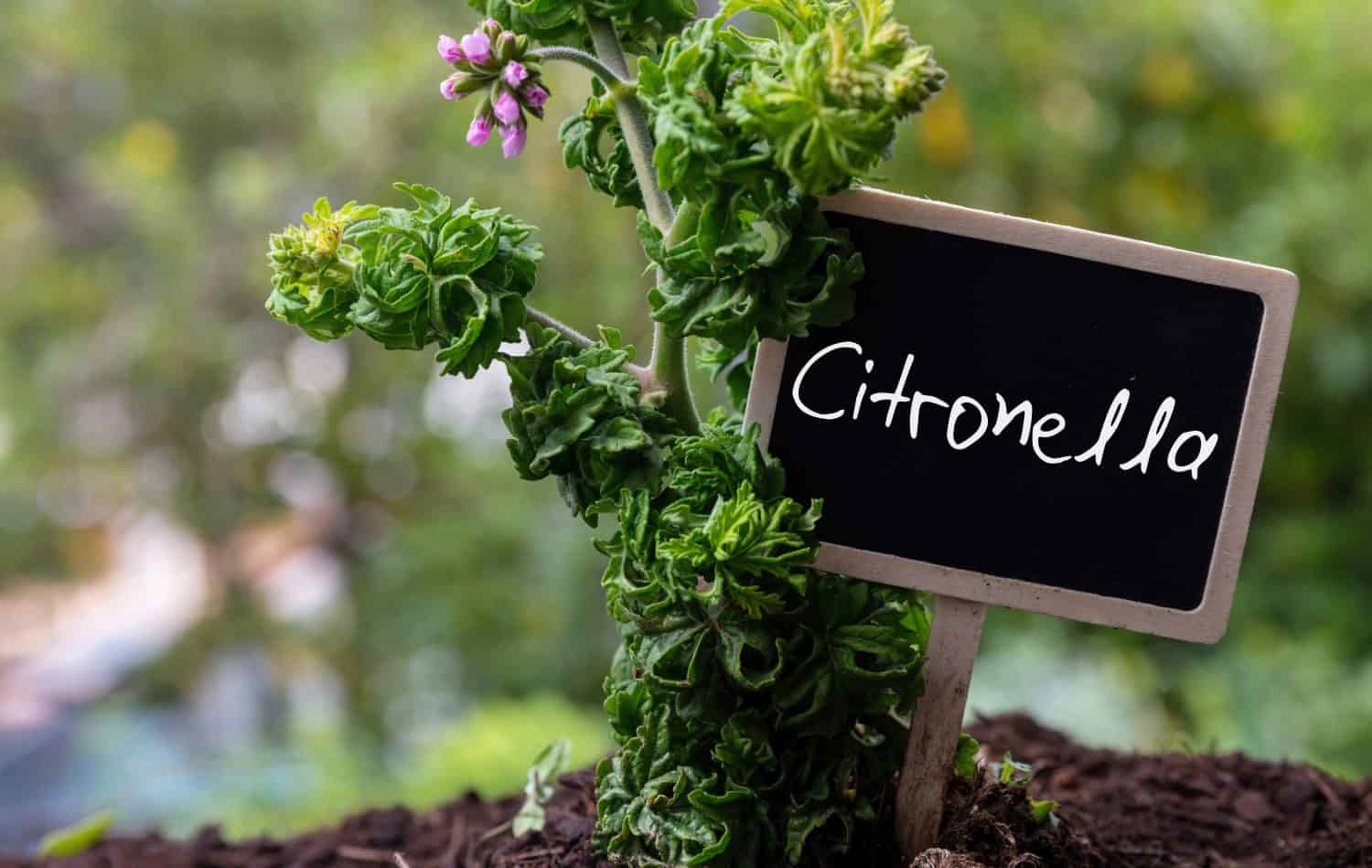
Many natural repellents, such as citronella plants can keep snakes at bay.
©rawf8/Shutterstock.com
When it comes to finding the places where snakes love to hide and keeping future snakes away from your property, the key is to find a natural solution. After all, the snakes are not there to terrorize you. They just found a nice place to live, or they’re on their way from point A to B, and your yard happens to be along their path. Consider these options:
Natural Repellents
According to the experts at Northwest Exterminating, there are numerous ways to keep snakes out of your yard without harming them or native wildlife. Many of their solutions involve using natural repellents. You can use the solutions on this list around your home, around pools, and anywhere else you’ve noticed snake activity. The list includes:
- Ammonia: Very effective around water sources like ponds and pools. Soak rags in ammonia and put them in open plastic bags. Snakes won’t want to be around them.
- Sulfur: Sulfur emits an odor that snakes dislike, so they’ll keep their distance. Place it around your property, but wear gloves as it can irritate your skin.
- Cinnamon Oil and Clove: The two ingredients work well when combined. Mix them in a bottle and spray them around the perimeter of your home to repel snakes.
- Garlic and onions: You can deter snakes from your yard by planting garlic and onions. Another method is to chop them up and mix them with rock salt. Then, sprinkle it around your yard.
- Vinegar: Spraying vinegar around water sources will keep snakes at bay without harming any animal life. No dilution is necessary.
- Lime: Mix lime with peppermint oil or hot pepper. Put the mixture in a glass bottle and spray it around your yard.
The experts at Northwest Exterminating also mentioned that having some natural predators around your home can also scare snakes away. Of the options they mentioned, the most common is house cats. Snakes don’t like them, and they’ll stay away. There are more exotic animals, like foxes, that will keep snakes at bay. If you don’t want a pet fox, you can still purchase fox urine and spray it around the property.
Snake-Repelling Plants
There are many plants that snakes try to avoid that you can grow in your yard. Some of them are quite stunning and can beautify the space. Here are a few varieties to consider:
- Bitter Melon – Gardeners in India use this plant specifically to deter snakes. It grows best in well-draining soil and full sun.
- Cayenne Pepper – Even though you may like the taste in your food, snakes will also stay away from cayenne pepper. If you don’t want to plant it, you can sprinkle the seeds around the perimeter of the yard to keep serpents at bay.
- Cinnamon Plant – Cinnamon oil is so dependable in this regard that it is found in many commercial snake repellents. Plant a shrub or tree to keep them at bay.
- Citronella Plant – The scent of the citronella plant keeps many unwanted guests away, from snakes to mosquitoes. It’s also a very lovely plant for your yard.
- Geraniums – Folks in South Africa use geraniums to keep snakes away, so they could do wonders in your yard as well.
Finally, the cedarwood oil found in juniper trees can be one of the best natural deterrents for snakes. It’s an ingredient that’s found in commercial snake repellents, but it doesn’t contain any harmful elements. The plants are also drought-tolerant, so they can thrive in unique conditions.
Add Snake-Proof Fencing
Finally, a safe way to keep snakes off your property is to add snake-safe fencing around the perimeter. This type of barrier is typically made from galvanized cloth or other non-climbable material. During installation, make it a point to ensure that the fence is at least 3 feet high and that it’s buried at least 4 feet into the ground so snakes can’t thwart your plans.
What to Do If You Find a Snake…

If there’s a snake in your home, remain calm and call animal control if necessary.
©Elnur/Shutterstock.com
Even if you make an effort to find all of the places where snakes love to hide, there’s still a chance that one will slip into your yard or home. What do you do then? Don’t worry. The snake is not out to hurt you unless you try to attack it first. Since the snake doesn’t want to harm you, it’s only fair that you try to avoid hurting it as well. It may be scary, but there are some tactics you can try:
In Your Yard
If you happen to come across a snake in your yard and it’s not causing issues or endangering your family, the best course of action is to do nothing. If you practice the snake deterrent tactics listed previously, then the snake will likely go on its way, and you’re unlikely to see it again.
That said, you should first determine whether the snake is venomous. If so, a stronger course of action may be necessary to prevent harm to you, your pets, or your neighbors. Note that this does not mean the snake must be killed; it just means it must be relocated. Stay away from the snake, and call animal control to have it removed safely.
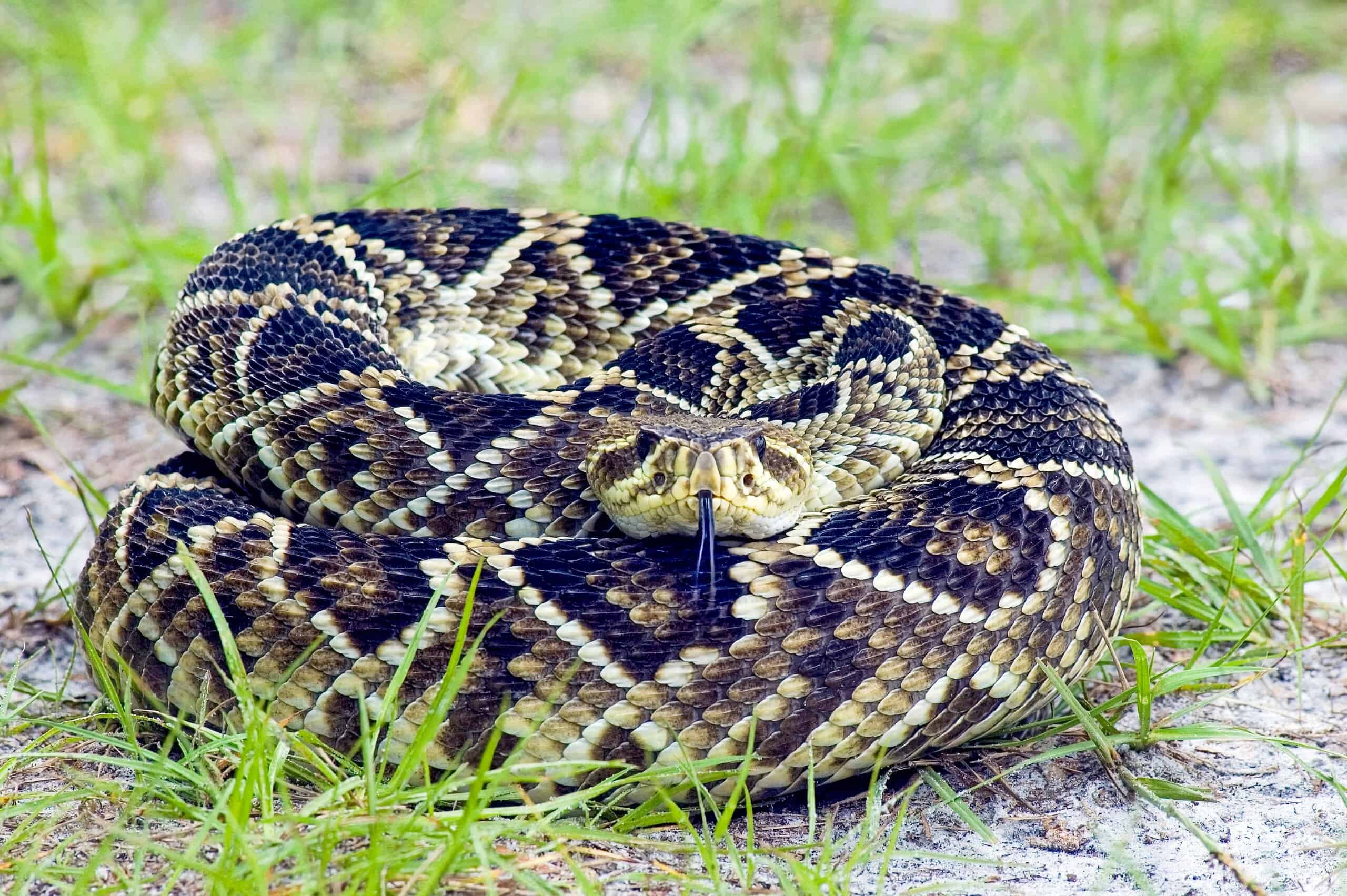
While you don’t need to be an expert on snakes, if you live in an area where you may encounter them, it’s good to know if a snake you find may be venomous. While many venomous snakes have similar attributes, don’t assume you know whether a snake is dangerous or not based on its color. Instead, consider that most venomous snakes will have thick bodies, pupils with slits like a cat’s, and/or triangular-shaped heads. Many venomous snakes will have a rattle at the end of their bodies.
In Your House
There is a humane way to remove snakes from your property. According to Curt Lockhard at Northwest Exterminating, the best thing to do is to try to remain calm. Having a panic attack won’t help anyone. Plus, you don’t want to overreact and make the snake retreat or hide somewhere you can’t see.
Next, create a strategy based on where you are in the house. If you’re near a door, try to open it and use a broom to gently herd the snake outside. If the snake is nowhere near a door and it’s small and coiled, put a waste basket or an empty pail over it, then put a weight on top. Then, call an experienced animal handler or pest control specialist. Note that many pest control companies won’t handle snakes or anything larger than an insect, so ask ahead of time. If the snake is too big for the tactics above, try herding it into a room with only one door. Or try to get it into a corner and keep it there by stacking up boxes or boards. Then, call the snake handler.
Be Safe with Snakes
In the end, it’s essential that you know what you’re doing if you live in an area where you may encounter snakes, especially if they may be venomous. Research your area and consider the tips for keeping snakes out of your yard, and you’ll have some peace of mind in your home.