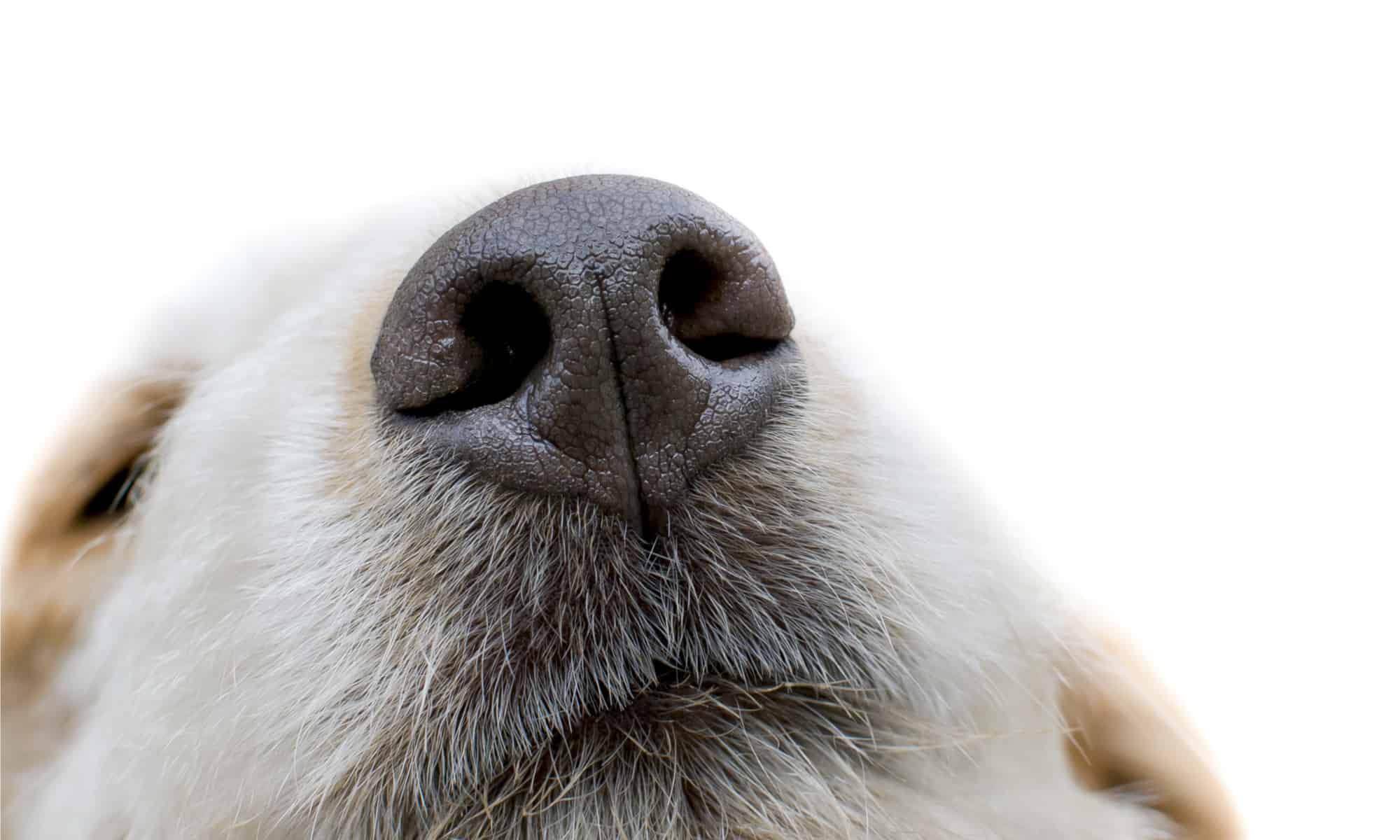

No dog owner wants their four-legged friend to get a chapped nose. Noses are so important to dogs, but they do spend a lot of time poking into things and can suffer, especially in the winter. Ouch! Let’s look at what you can do to help.
Why Dog Noses Get Chapped in Winter
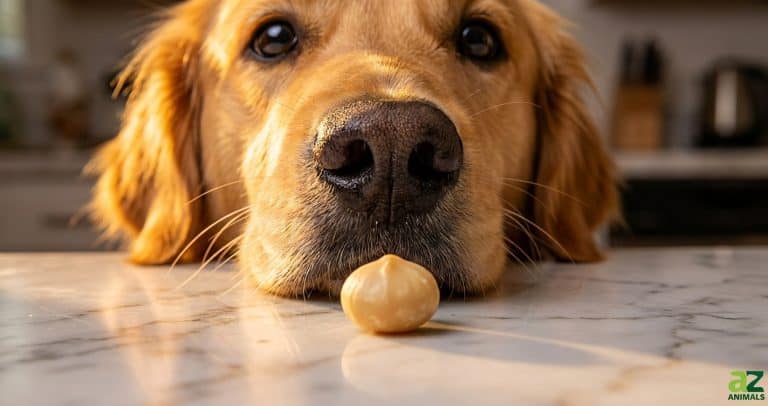
Dogs have wet noses because this helps them to detect scents better. The moisture is produced in their nostrils and by saliva when a dog licks their nose. If their nose dries out, it can become chapped and that is sore and painful. The broken skin could even get infected.
Winter is a tough season on dog noses. When they are out on walks, the cold air and wind can make their noses dry. Also, the dry atmosphere inside homes caused by central heating can do the same. The lack of moisture breaks down the nose’s natural protection, which can lead to tiny breaks in the skin and chaps.
Which Dogs Get Chapped Noses?
Any dog can get a chapped nose, but it can happen more frequently in older dogs and those with allergies or auto-immune diseases. It is also more common in brachycephalic breeds who have difficulty licking their noses.
Let’s look at the seven ways to prevent your dog from getting a chapped nose this winter. But first, it’s important to mention that you should never use creams designed for human use as some of these are toxic if licked by your dog. If the condition persists or your dog has other symptoms, see your vet, as it may indicate an underlying condition.
Get a Humidifier
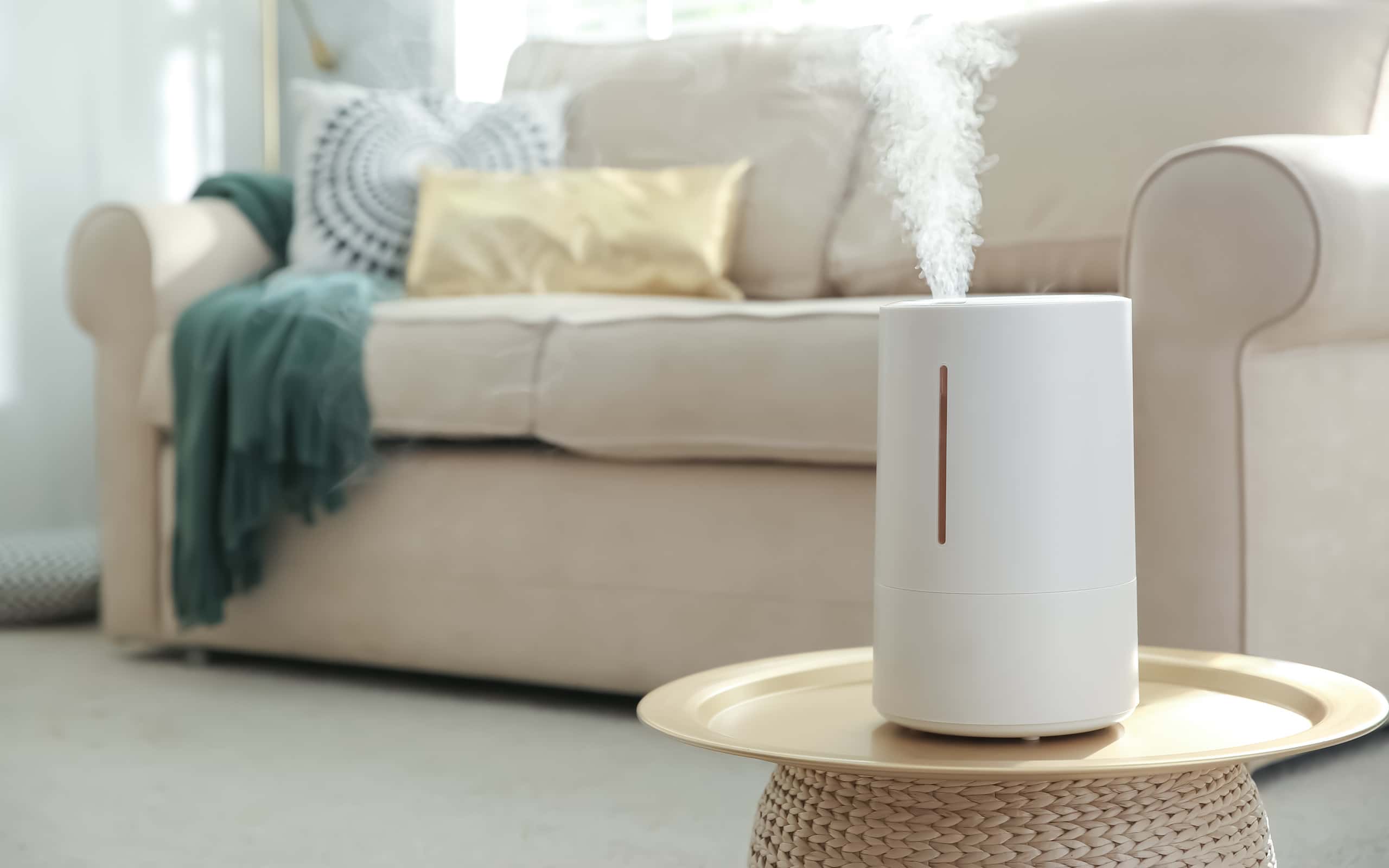
Moistening air in the home prevents dogs’ noses from drying out.
©Liudmila Chernetska/ via Getty Images
Humidifiers add moisture to the air in your home. There are several different types, and they come in different sizes, but they all release moisture so that the water content of the air increases. This decreases evaporation from your dog’s nose and reduces the risk of chapping. Some humans also find them useful for dry throats, dry skin, and cracked lips. Make sure that you prevent your dog from having direct contact with the humidifier.
Apply Some Coconut Oil
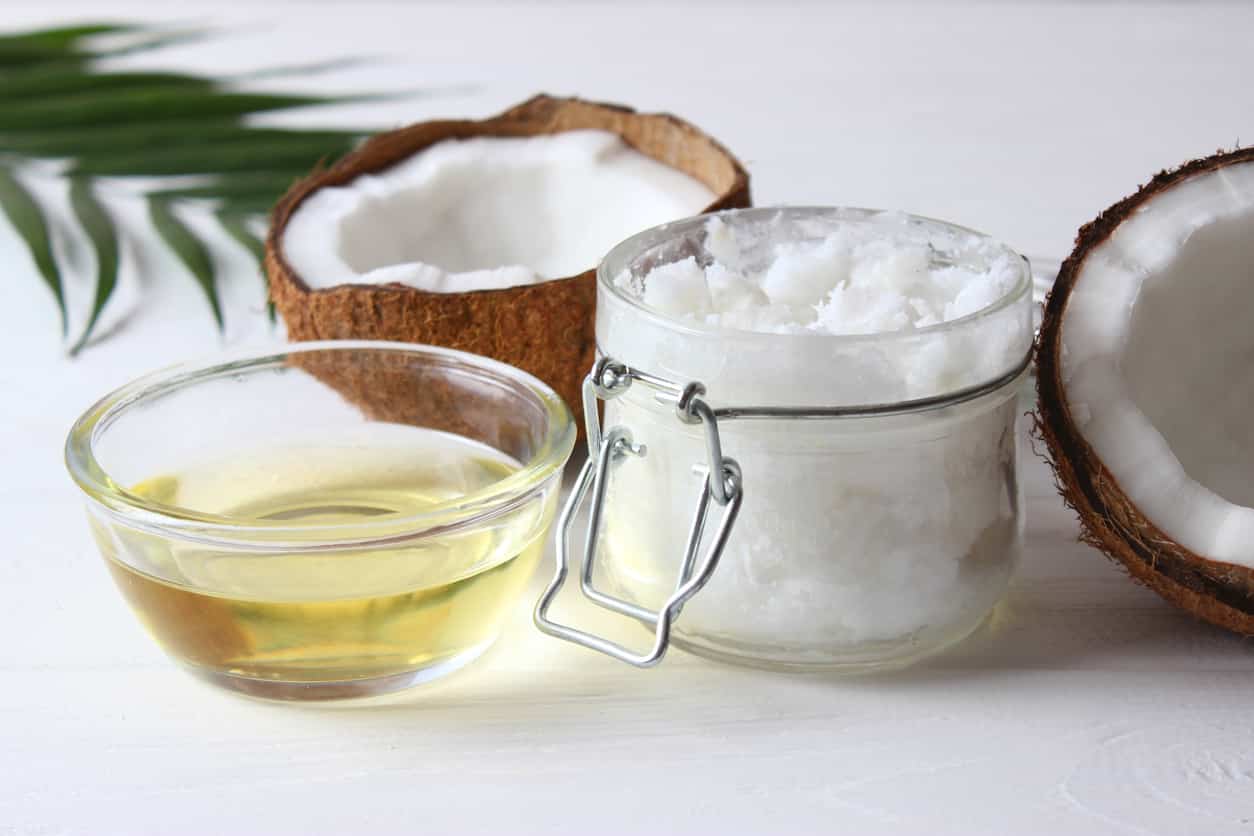
Moisturizing your dog’s nose with coconut oil can prevent it from drying.
©iStock.com/white bear studio
Coconut oil is one of nature’s super soothers. Not only does it moisturize, but it also nourishes the skin, reduces discomfort and irritation, and prevents fungal infections. The only problem is that many dogs find it delicious and will want to lick it off as soon as you have applied it. Don’t worry if they do; it’s harmless for dogs. Virgin, cold-pressed coconut oils are the most natural. Make sure that your dog’s nose is clean before you apply it. If your pooch does not want to cooperate, use a tasty treat to persuade them.
Try Some Olive Oil
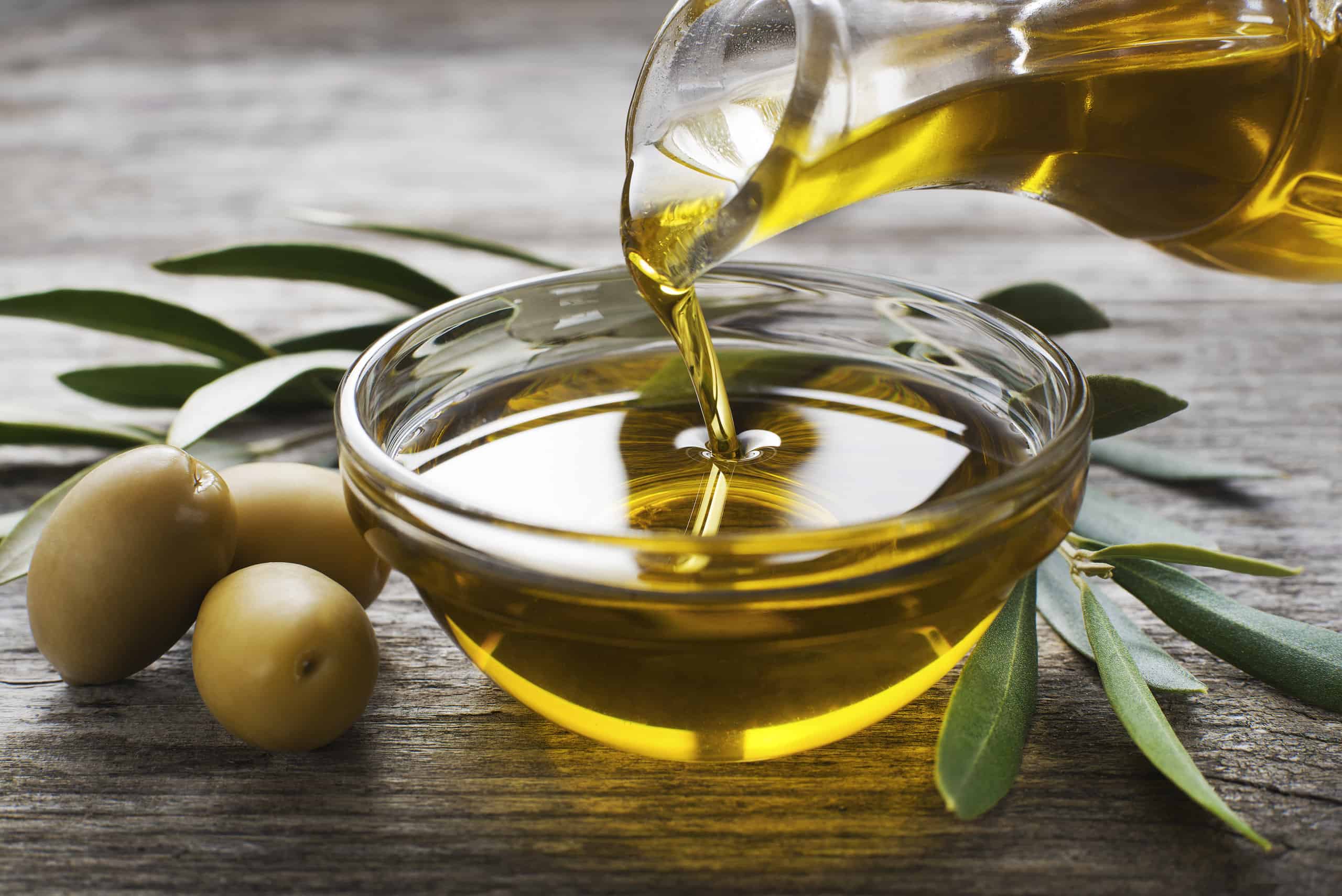
You could try putting a little olive oil on your dog’s nose.
©Dusan Zidar/Shutterstock.com
Olive oil is a natural moisturizer that can be used to protect dry noses as well as paws and ears. It is made of grinding olives and is a common kitchen ingredient that you probably already have in your cupboard. You could pop a bit on your dog’s nose before you head out for a walk in the cold air. Apply it sparingly to a dry and clean nose. Please don’t use any oils with herbs, garlic, or any other flavoring added to them, as these can be toxic for dogs.
Dog-Safe Nose Balm
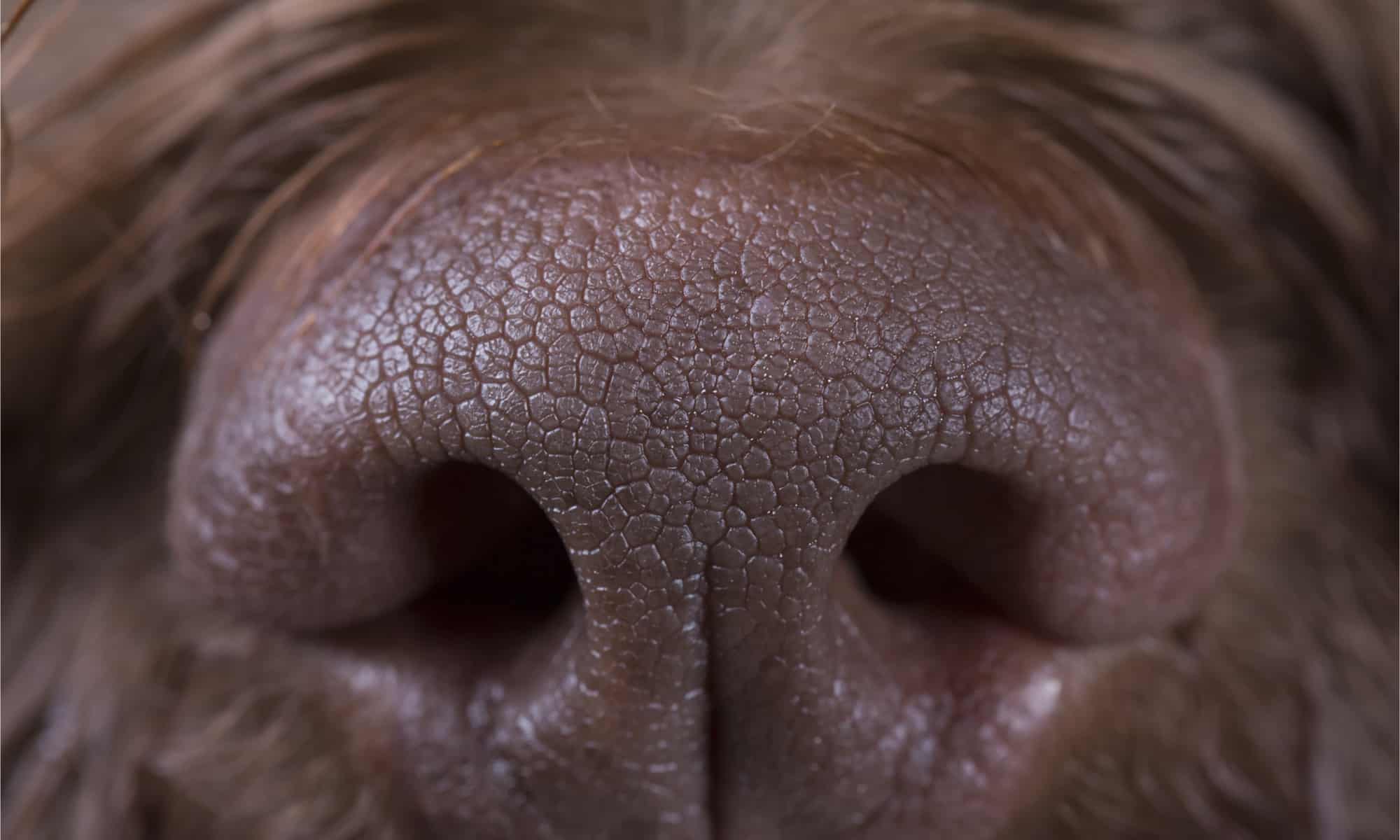
Nose balm protects delicate dog noses from the elements.
©Jne Valokuvaus/Shutterstock.com
When you are out in a cold wind, a dog-safe nose balm will provide great protection. They are usually a paste-like consistency and are applied to the nose every now and again to prevent chapping. Balms can also be used to help chapped skin heal. You may need to distract your pooch whilst the balm performs its job. Dog-safe peanut butter on the paws often does the trick! Many balms contain coconut oil but in a more concentrated form so it acts quicker and stays in place.
Keep Your Dog Hydrated
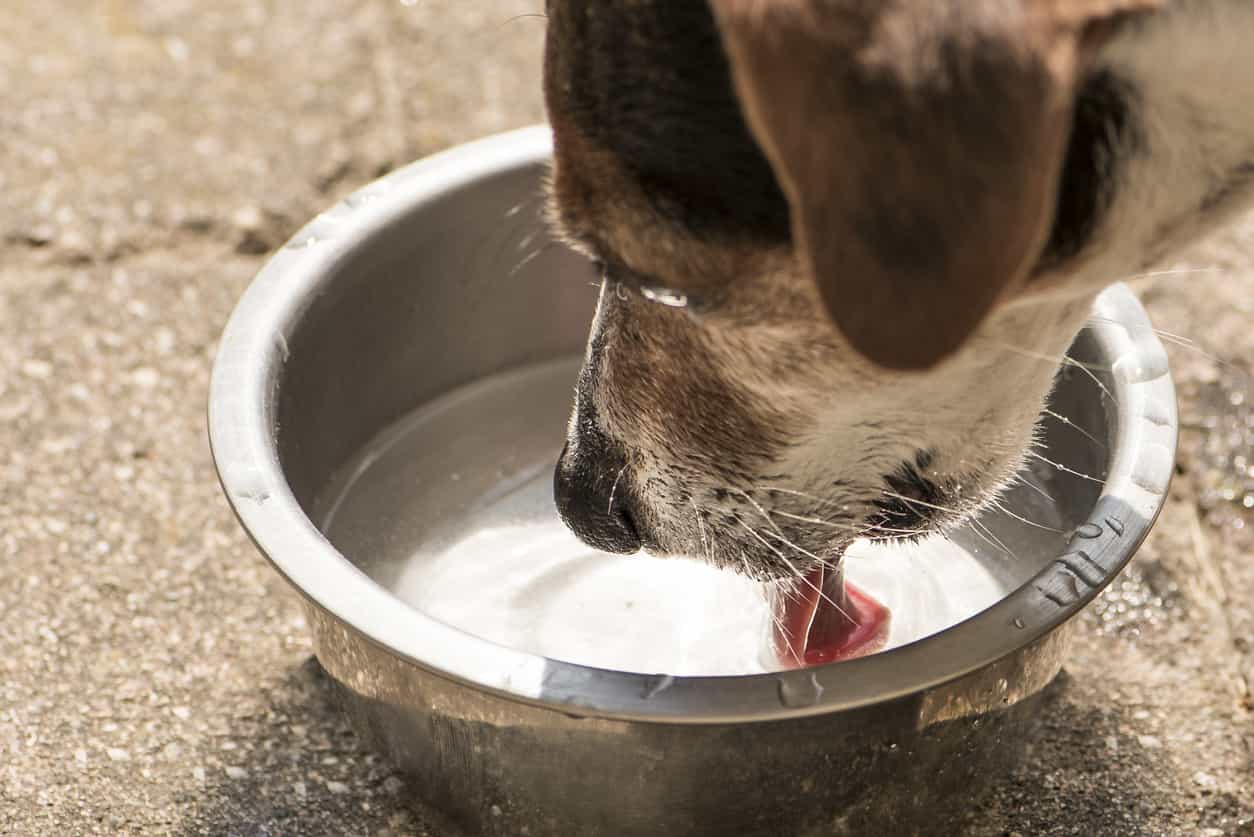
Dogs need hydration in the winter as well as the summer.
©iStock.com/K_Thalhofer
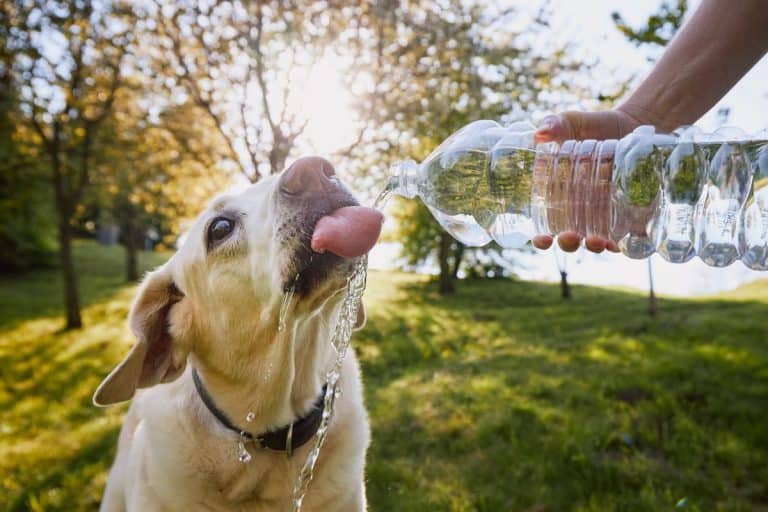
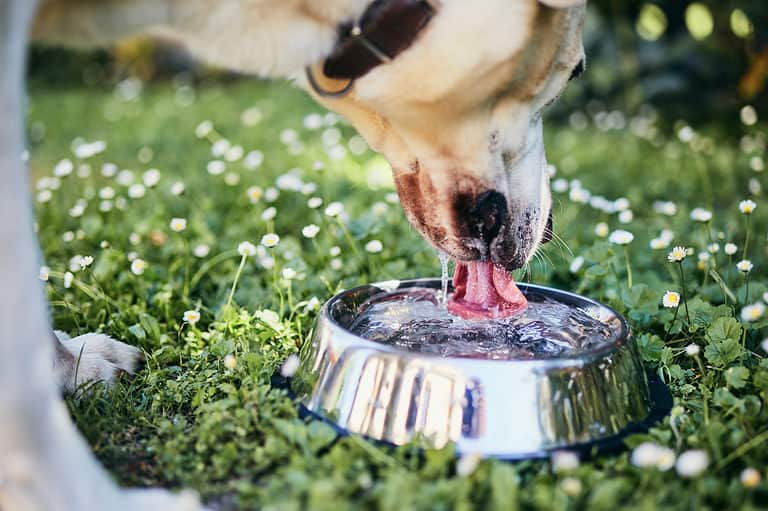
Dehydration is a condition that we often associate with the warmer months of the year but correct hydration is just as important in the winter. Make sure that your dog always has access to fresh water in a bowl or water fountain in the house. Take water and a portable bowl with you when you are out and about.
Identify Allergies
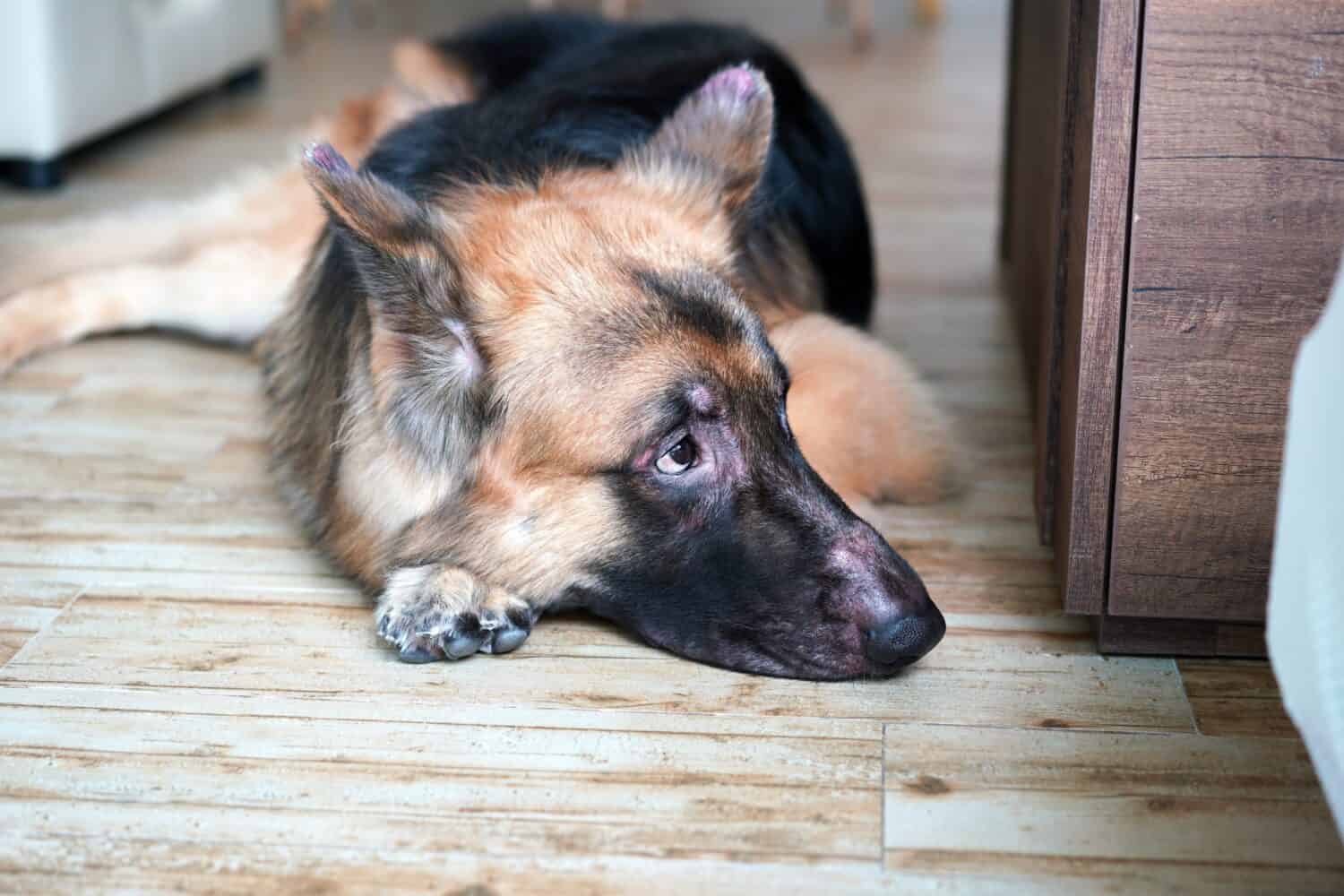
Allergies can cause sore skin and noses in dogs.
©Vach cameraman/Shutterstock.com
Allergies can be the cause of your dog’s chapped nose so if you can tackle them, you can prevent the nose problems. Dogs can be allergic to food or to things in the environment. Your vet will be able to work with you to find the cause, and you may need to switch to a different dog food. Don’t forget that dogs can be allergic to ingredients in treats as well. Some dogs may require medication to help them with symptoms caused by allergies.
Maintain Good Health
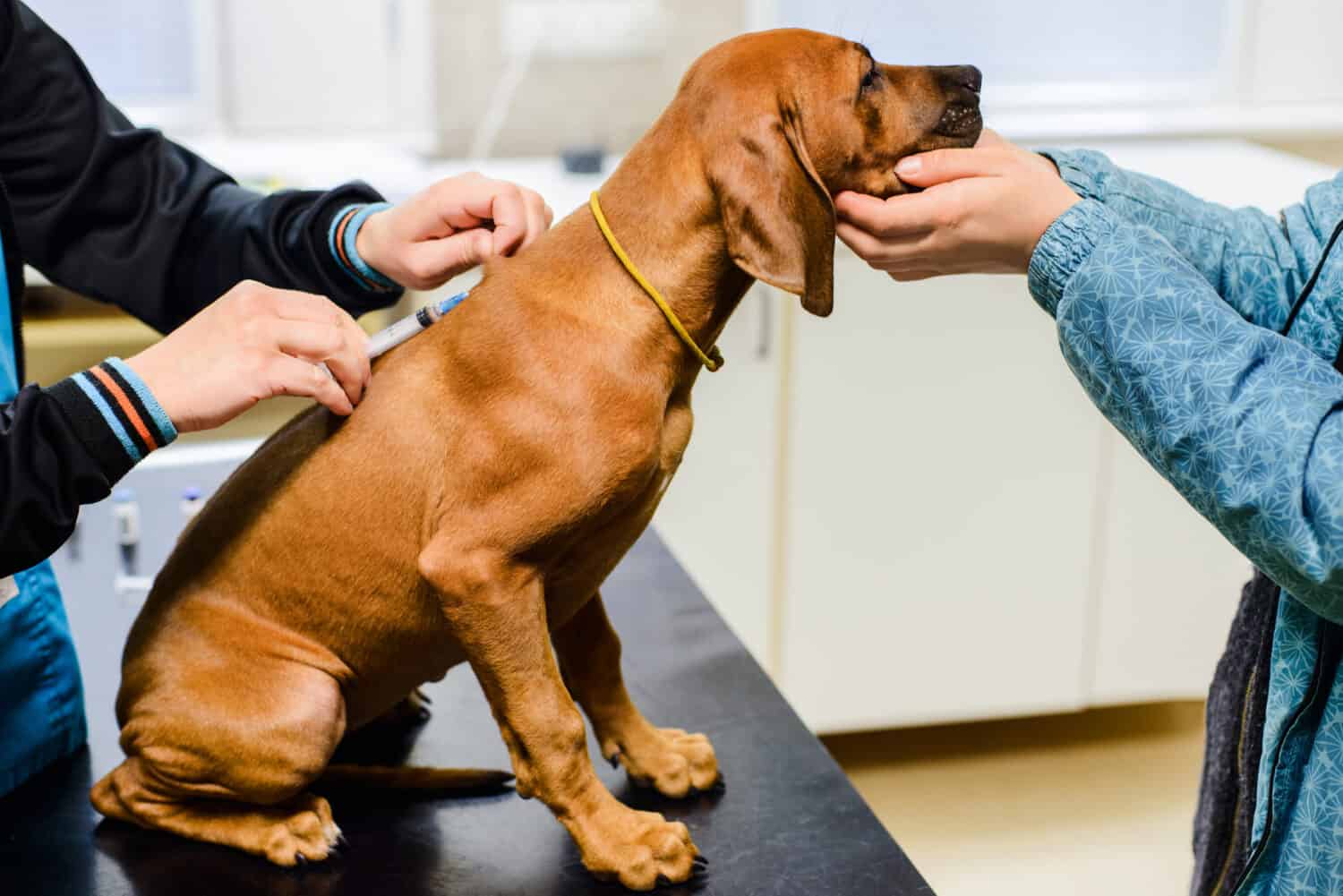
Dogs in good health are less likely to get chapped noses.
©olgagorovenko/Shutterstock.com
Fit and healthy dogs are less likely to get any bothersome condition, including chapped noses. To keep your pooch in tip-top health, feed them a high-quality and appropriate diet, keep up to date with their vaccinations, make sure they get the right amount of exercise, and see your vet if you have any concerns.