
It’s hard to deny that humans have spread so far and fast across the planet that our presence has serious effects on its environment. The Industrial Revolution infused the planet with pollution. Furthermore, the proliferation of cultures from disconnected units to a global constellation has, at times, put serious pressure on the environment that we need to remain healthy to survive. Worse, it can be very disheartening to try to make a difference. At times, affecting the planet’s health outcomes in a positive way can feel hopeless. You may think that dutifully putting all your plastic in the recycling bin is pointless when multinational corporations are throwing out millions of pounds. A-Z-Animals is here to tell you that your contributions count. In fact, eight everyday habits actually make a difference for your environment and the wildlife that also call it home.
You don’t need to be a scientist or outdoorsman to take steps to help wildlife. You don’t need a billion-dollar budget equipped with well-paid lobbyists, targeted goal initiatives, and NGO influence either. True conservation is a marathon, not a sprint. That means your everyday choices matter when it comes to influencing your environment in a positive manner. Small, consistent actions can not only reduce ecosystem tension but also create a butterfly effect of constructive change. You may live in the middle of a bustling city or far out in the countryside. That doesn’t matter. Everyone can help make a difference in the environment by incorporating several practical and positive actions into their everyday life. In honor of Wildlife Conservation Day, let’s learn about eight everyday habits that truly make a difference.
Plastic Usage
A reusable water bottle can reduce plastic usage considerably.
©Roman Mikhailiuk/Shutterstock.com
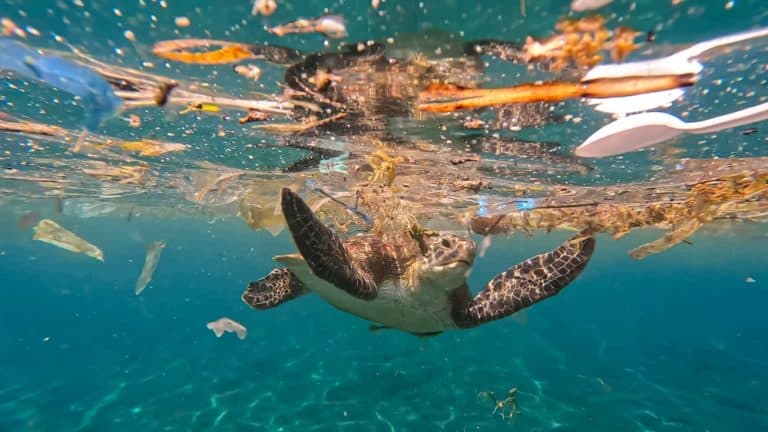
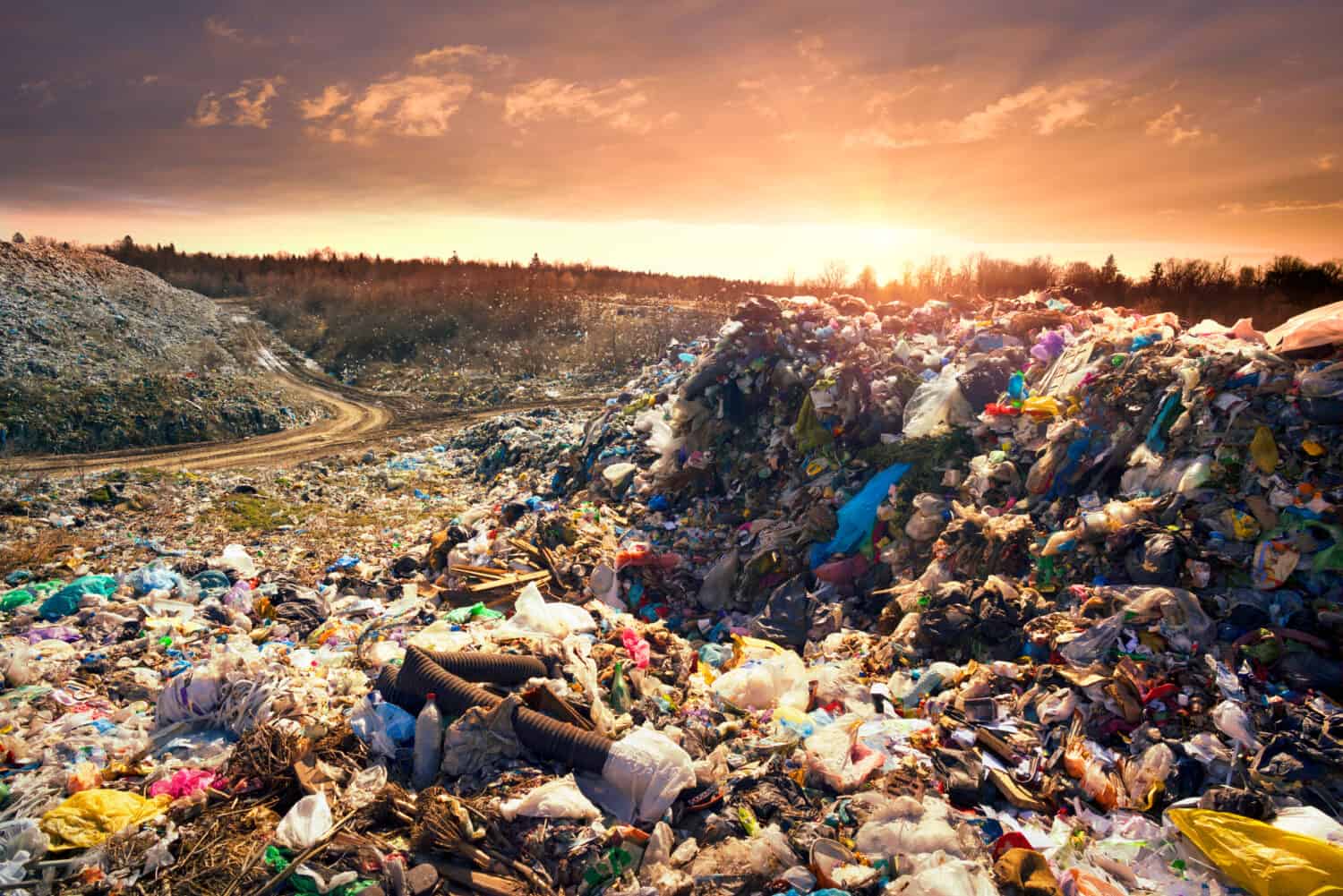
It’s hard to deny that plastic is so widespread and non-biodegradable that it’s become one of the biggest threats to the Earth. It doesn’t matter where you look, plastic has set up shop, and it’s here to stay. Plastic litter can be found in the smallest creek or the biggest ocean. Take the Great Pacific Garbage Patch, for example. It’s full of so much littered plastic that it’s twice the size of the state of Texas. Animals ingest it, rivers are choked by it, and we consume it in microscopic form. This is frightening until you realize that every plastic bottle left to linger in the environment was discarded by a person.
You can reduce your plastic footprint considerably in a number of ways. These include carrying reusable bottles and shopping bags, avoiding plastic utensils and straws, and buying goods in bulk. It may not seem like much on a singular level, but if enough people adopted these habits, the world could experience a substantial reduction in plastic over the next several decades.
Carbon Footprint
Reducing your carbon footprint is as easy as riding your bike.
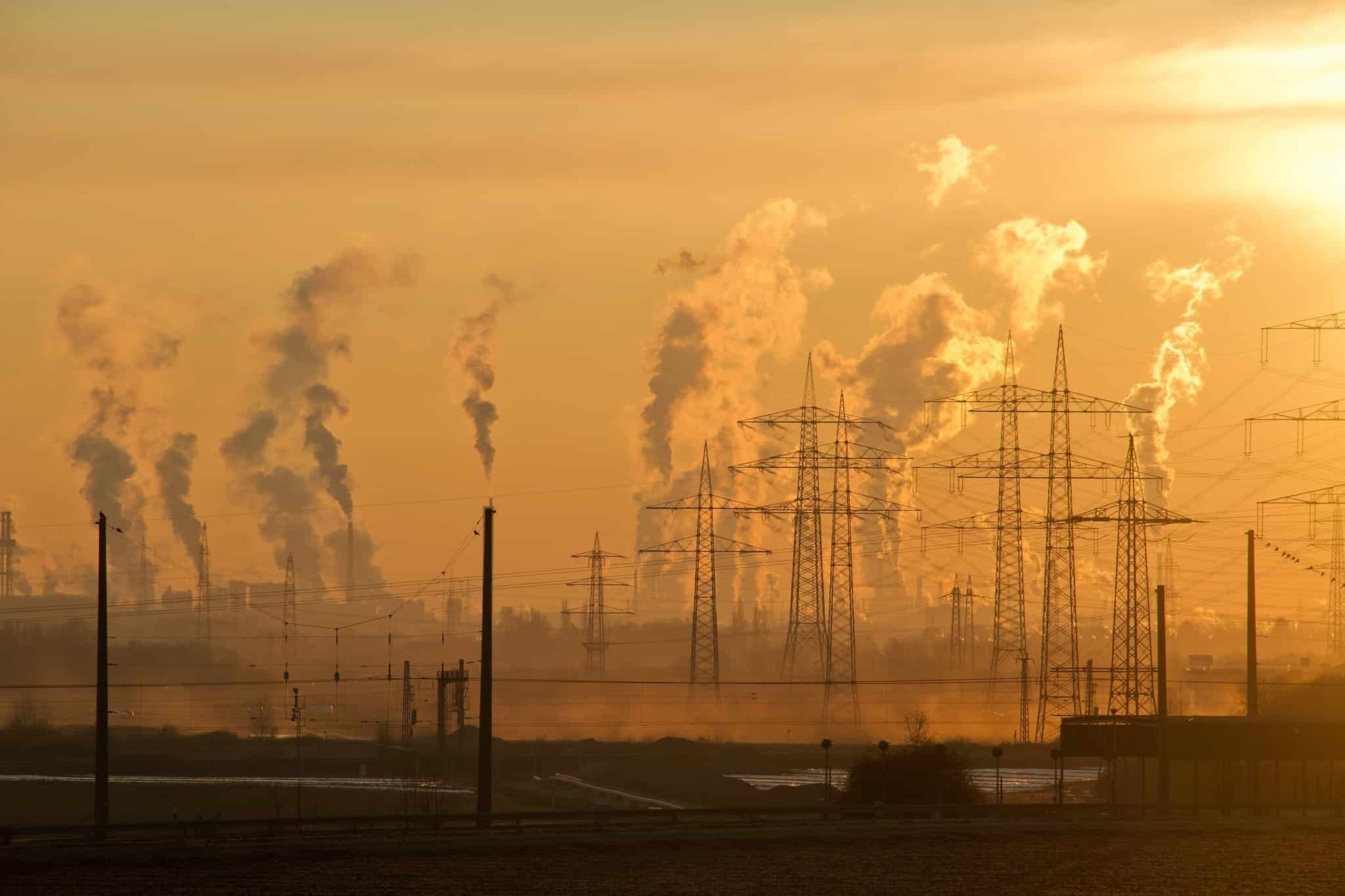
People often ignore problems until it’s too late. Take climate change, for example. It’s an established phenomenon affecting the planet that most people prefer to ignore. Even as it becomes one of the greatest threats to wildlife in history, the world carries on in an unevolved way. That’s where you come in. By reducing your carbon emissions, you can make a difference in how fast climate change alters and disrupts the globe forever.
Actions you can take to reduce your carbon footprint include avoiding unnecessary car trips, switching your household lights to LEDs, saving energy with your thermostat, and even voting for renewable energy initiatives in local elections. Much like reducing plastic usage, simple shifts in everyday habits can lead to serious reductions in greenhouse gas emissions. This, in turn, stabilizes ecosystems and protects wildlife from unnecessary harm.
Local Plants and Biodiversity
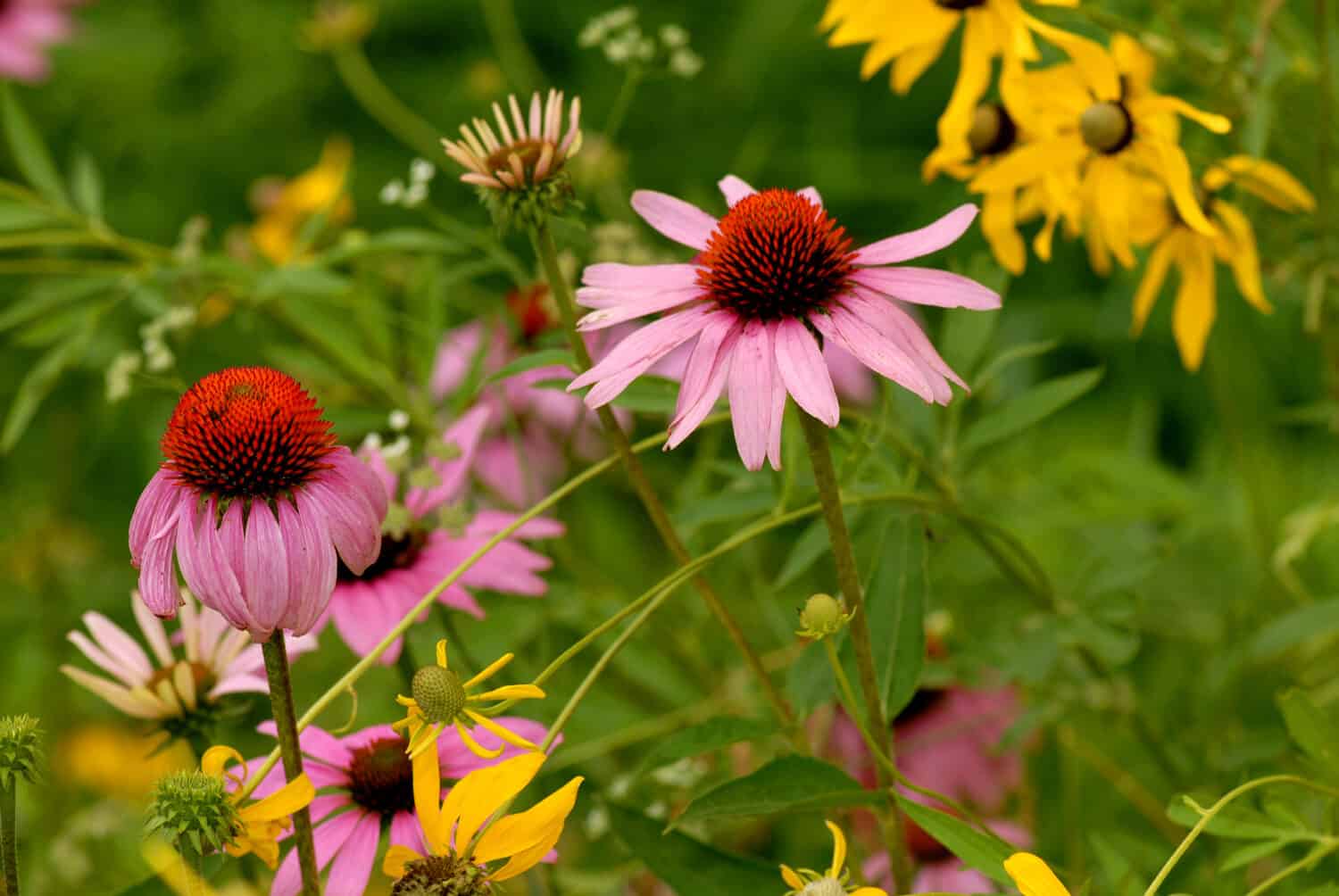
Native species are perfectly adapted to their environments, unlike invasive species.
©Rusty Dodson/Shutterstock.com
Another everyday habit that actually makes a difference for wildlife can be practiced in your own backyard: planting native species and supporting local biodiversity. The proliferation of humans across the globe brought with it many exotic plants that ultimately wreaked havoc on stable ecosystems. Luckily, even a single planter can do a lot when it comes to reestablishing local flora. Why plant ornamental flowers when you can grow equally beautiful plants that are adapted to support local species?
Planting native species provides food for birds, improves soil health, reduces water needs, and provides pollen for bees and other pollinator insects. This action has a visible impact, which helps encourage it as a habit. There’s nothing more gratifying than turning a lifeless strip of plants into a thriving, restored mini-ecosystem.
Reduce Light Pollution

Many people don’t realize just how much light pollution affects nocturnal animals.
©Tom Place/Shutterstock.com
This one may be an action you didn’t even realize was hurting wildlife. All you need to do to see the difference is head out beyond the reaches of civilization and its lights. The night sky explodes with stars. While beautiful, these natural conditions are also important for many species of nocturnal wildlife.
You can reduce light pollution by incorporating motion sensors for outdoor lights, installing less-disruptive warm bulbs, and even getting rid of landscape lights during migration seasons. It’s one of the easiest everyday actions to make a habit, and it has a significant effect on nocturnal wildlife populations.
Sustainable Seafood
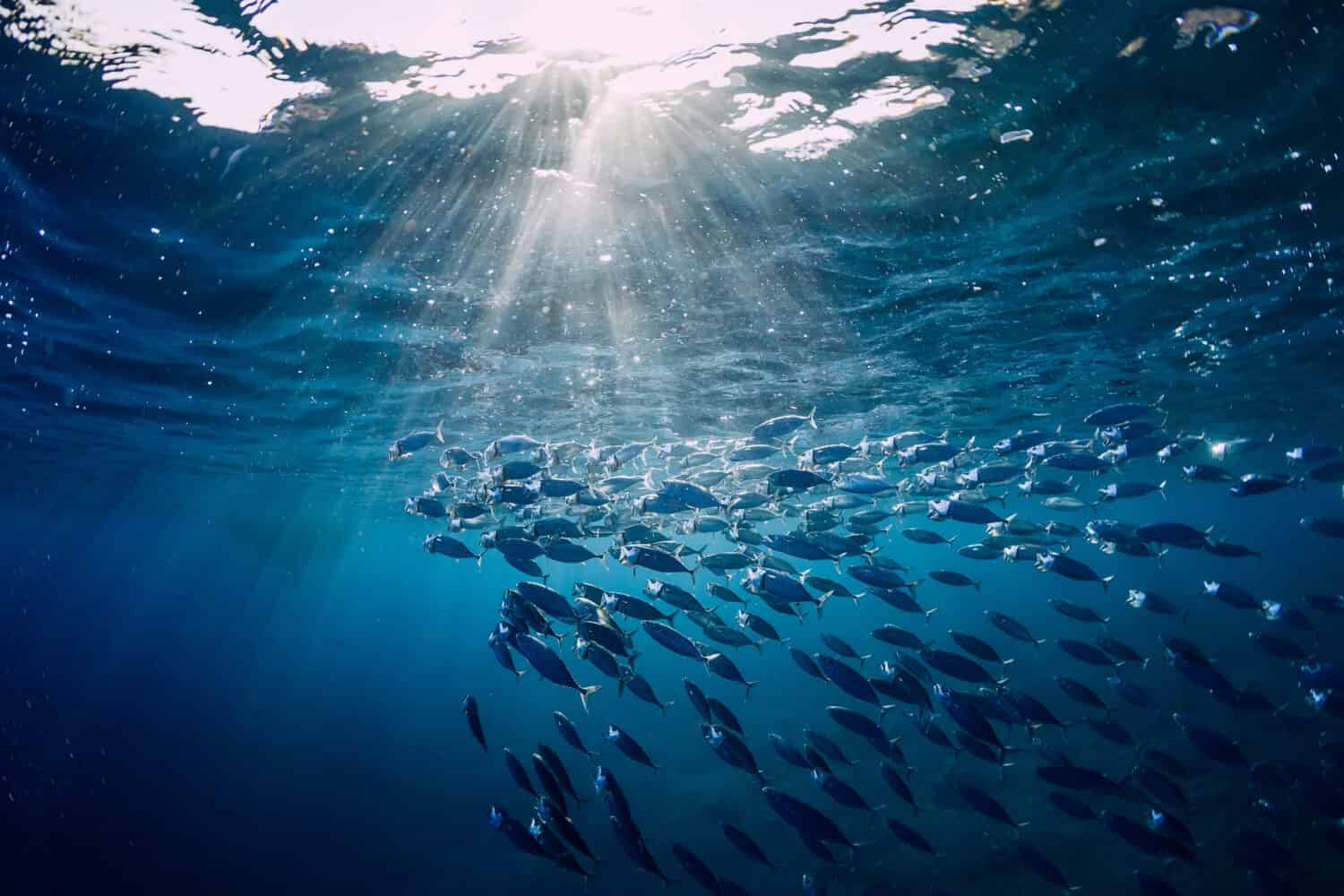
Certain labels denote seafood that was farmed or caught sustainably.
©Wonderful Nature/Shutterstock.com
Another everyday habit that can have a big and positive effect on wildlife is sourcing your seafood sustainably. Not all fishing practices are good for the environment. Many, in fact, do serious damage to marine ecosystems through fishing techniques like bottom trawling or simply overfishing in specific areas.
That’s why it’s very important to check the labels on seafood products. Acronyms like MSC, ASC, and BAP denote councils and practices committed to sustainable seafood practices. This is an easy action that can go a long way in keeping fish populations stable. Picking foods approved through sustainable criteria helps reward good behavior and, therefore, protect marine wildlife.
Wildlife-Approved Products

Purchasing power is one way to encourage good behavior when it comes to wildlife treatment.
©antoniodiaz/Shutterstock.com
In a similar vein, there are plenty of products out there that work towards sustainable models of farming, fishing, and agricultural growth. The massive, world-spanning supply chains developed by humans in the last century have wreaked untold damage on ecosystems and the wildlife that comprise them. All it takes to collapse a house of cards, however, is the removal of a single card. The leviathan that is modern commerce may seem impossible to stop, but altering it can be as easy as looking carefully at product labels. Products with certifications from the Rainforest Alliance, Fair Trade, the Forest Stewardship Council, and the Roundtable on Sustainable Palm Oil are some examples of wildlife-friendly organizations.
While these certifications are perfect fixes for supply chain problems, they are a start. Plus, every person has enough inherent purchasing power to affect change. Combined, the world could easily rectify seemingly unsolvable environmental problems with a simple switch in consumer preference. The more that people choose wildlife-friendly brands, the more effect it has on unseemly and unsustainable business practices.
Make Your Home a Refuge
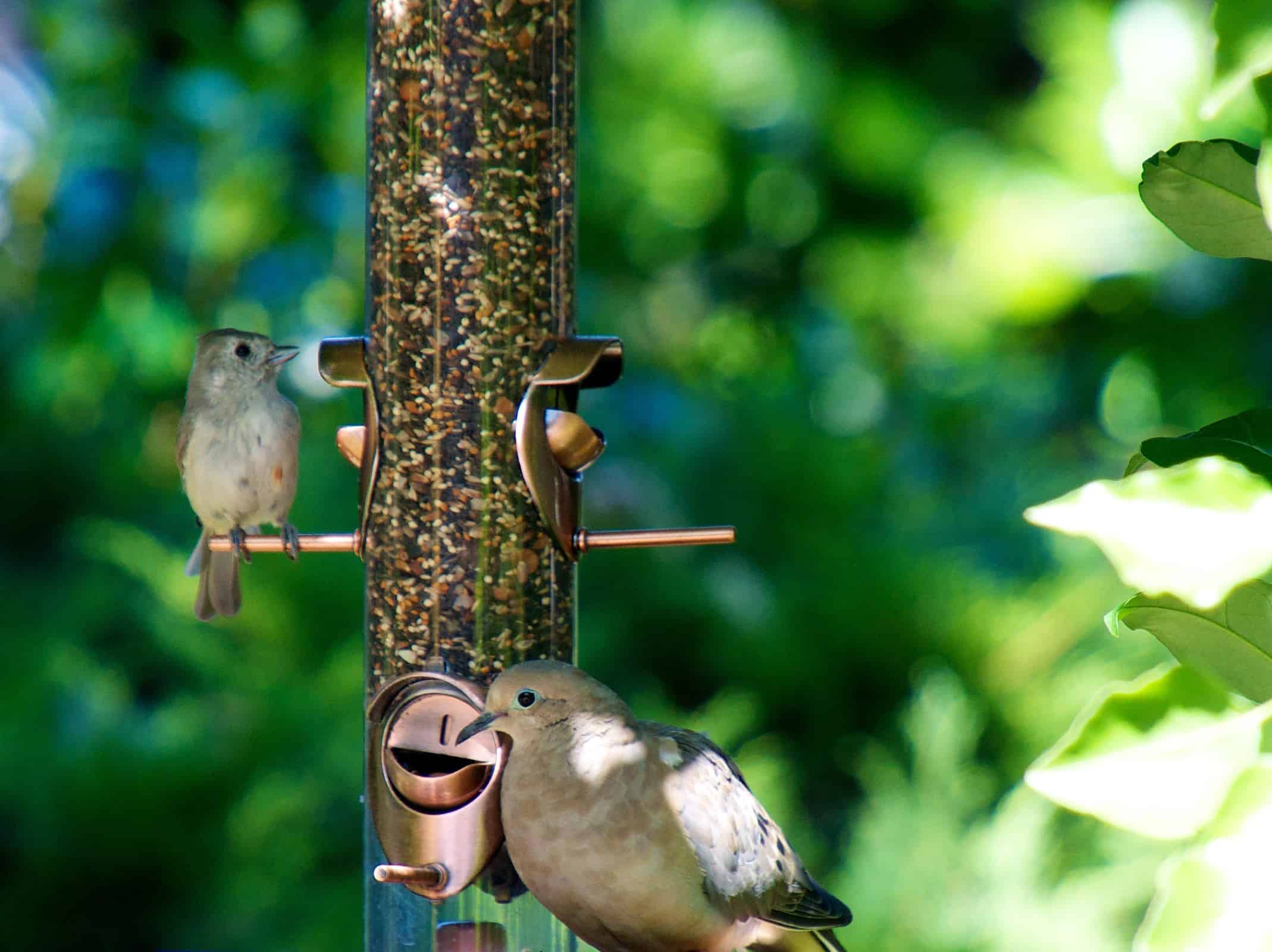
Creating a wildlife sanctuary is as easy as setting up a bird feeder.
One of the more gratifying ways to actually make a difference for wildlife positively is to basically invite them into your life. It sounds extreme, but it’s actually as simple as installing a bird feeder or bird bath in your yard. We all need sanctuary, and setting up some simple shelters can help local wildlife thrive even in otherwise inhospitable conditions.
You can also set up bee hotels or simply leave parts of your yard wild instead of perfectly and unnecessarily manicured. Another way to make wildlife feel comfortable is to remove potential hazards like loose netting or sticky traps. To protect local birds, consider adding patterns or decal stickers to your windows so they are less likely to collide with them. Even if you live in an apartment, a little place of peace on your balcony can make a world of difference for local wildlife.
Volunteer
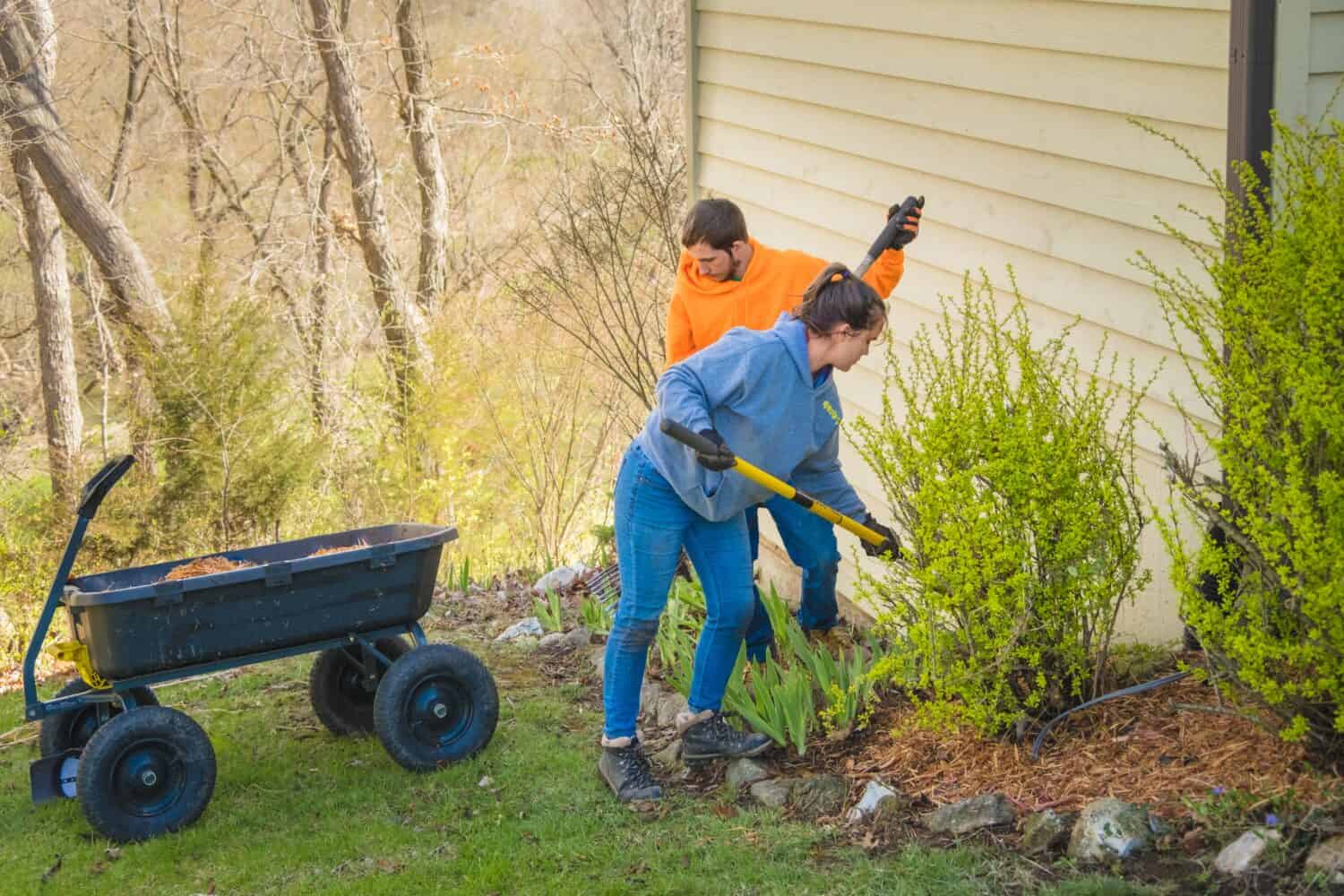
Volunteering means bigger action through collective effort.
©LanaG/Shutterstock.com
We are never alone when we can offer help. Donating your time through volunteering, activism, or advocacy is a great way to help local wildlife. Everyday lifestyle changes are great, but sometimes the best way to help is to do so directly. You can likely join plenty of local groups that volunteer to restore local habitats, conduct wildlife surveys, rehabilitate injured animals, or monitor habitat quality. Sometimes, the best habit comes in the form of consistently raising awareness for wildlife in need.