Quick Take
- 75% of all flowering plants, or more than 240,000 species, require pollination in the world
- Insect biomass can outweigh vertebrates by up to 10x in temperate terrestrial ecosystems.
- Insect seed predators may increase plant diversity by giving less aggressive species a chance to reproduce
When looking at a terrestrial ecosystem like a forest or grassland, the way plants are arranged across the landscape might seem random. To some extent, they can be. Wind or water may have dispersed a plant’s seeds so that it is now growing in that specific location, given the right light and soil. But even so, most plants are heavily influenced by tiny members of the natural world that have a profound impact on the way they are distributed and grow within the environment. You might even call them tiny ecosystem engineers because of how they shape plant communities. Often overlooked and underappreciated, they are insects.
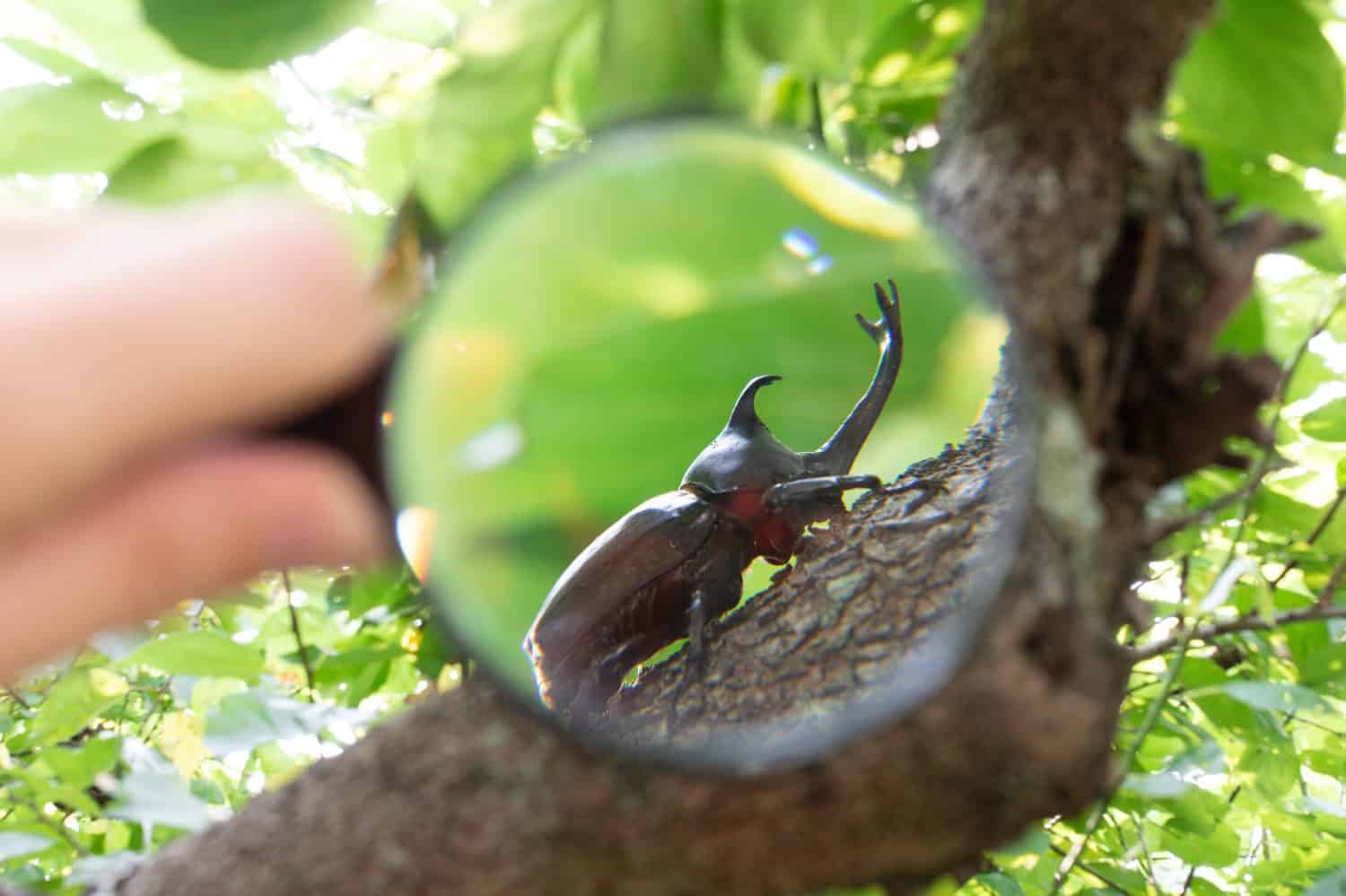
A rhinoceros beetle perches on a branch. Insects have a profound impact on the way that they shape terrestrial grassland and forest ecosystems.
©Hakase_420/Shutterstock.com
Through pollination and selectively feeding on seeds, leaves, roots, and seedlings, insects impact entire plant communities. Their foraging behavior affects which plants thrive and struggle, even causing some to disappear altogether in extreme cases, thereby influencing plant diversity in forests and grasslands. And with recent declines in insect populations across species, there is reason for concern, as small shifts can transform landscapes and may quietly be rewriting how ecosystems are formed.
How Do Insect Pollinators Shape Plants in Ecosystems?
Insects shape ecosystems through pollination because, without their help, plants that require pollination would simply not be able to exist. Pollination occurs in flowering plants when the pollen grains from the male part of a flower are transferred to the female part of another flower of the same species, most often on a different individual plant. This allows the plants to exchange genetic material and produce a seed to produce a new plant. While some plants like conifers rely on wind or water to spread their pollen, most flowering plants have evolved relationships with animals to help their pollen reach other flowers. Approximately 75% of all flowering plants across the world (more than 240,000 species) require pollination.
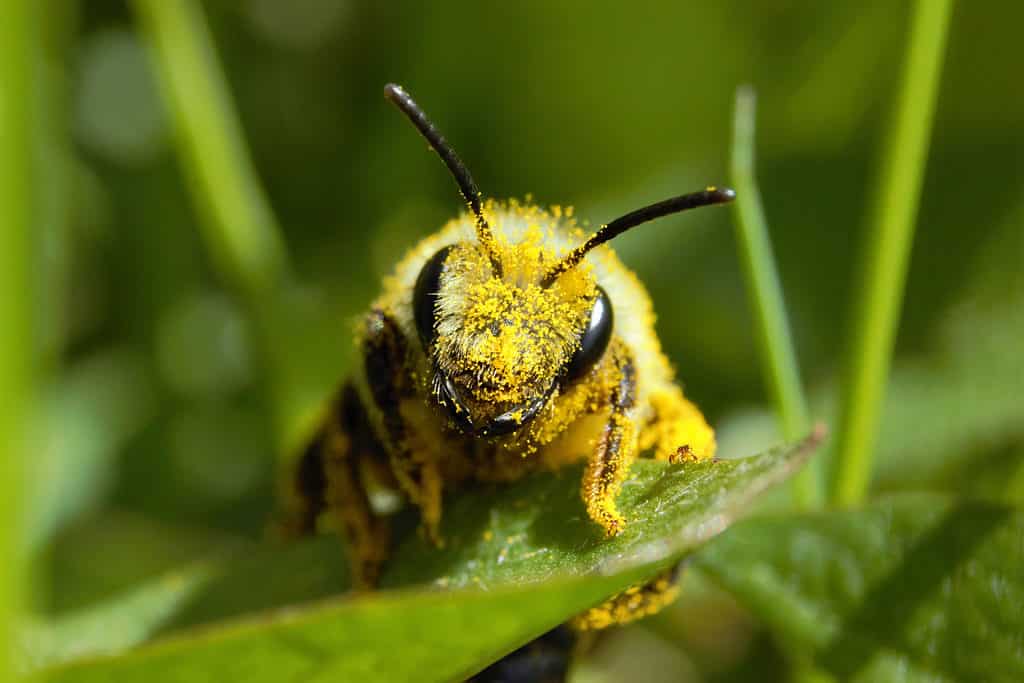
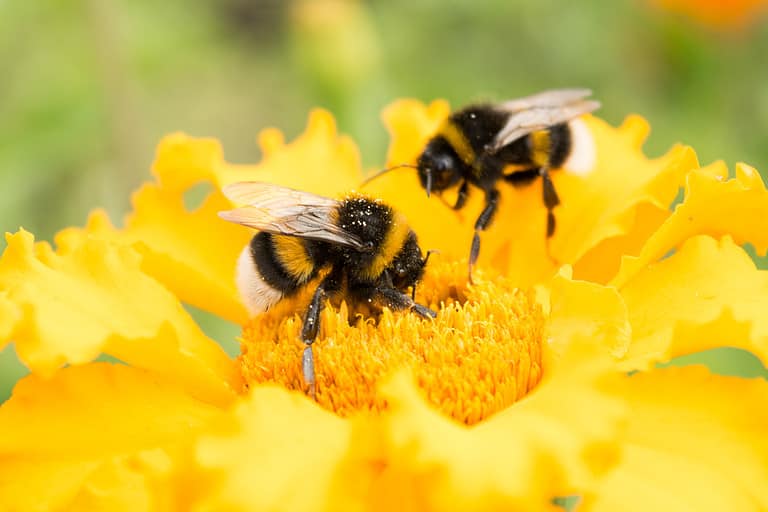
A pollen-covered ashy mining bee sits on a leaf. When bumblebees and other pollinators forage on flowers, they pick up pollen and transfer it to other flowers, allowing for genetic exchange.
©David James Chatterton/Shutterstock.com
Flowers provide food for insects, which visit primarily to collect nectar, but also pollen. When gathering nectar, pollen sticks to the insects’ bodies. When they leave that flower and visit a new one, the pollen can then fall off into that new flower, allowing for the genetic exchange of material between the two different plants and enabling fertilization, which leads to seed production.
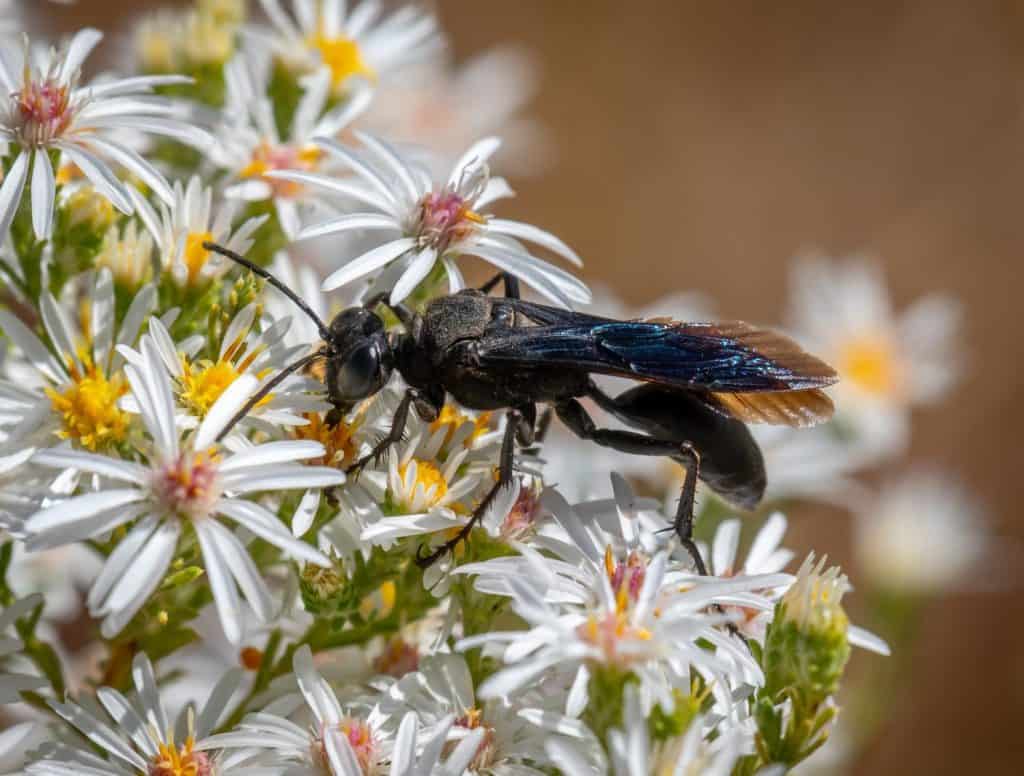
Wasps like this great black digger wasp on an aster flower are important and often underappreciated pollinators.
©Gerald A. DeBoer/Shutterstock.com
You’ve likely heard the importance of insects in terms of giving us the food we eat through pollination; up to 35% of the world’s crops require animal pollinators, and insect pollinators like bees, butterflies, moths, wasps, and more, are valued at over $34 billion US dollars. Beyond our forks, plant-pollinator relationships are priceless in the way that they impact our world by being a key driver for how ecosystems are formed.
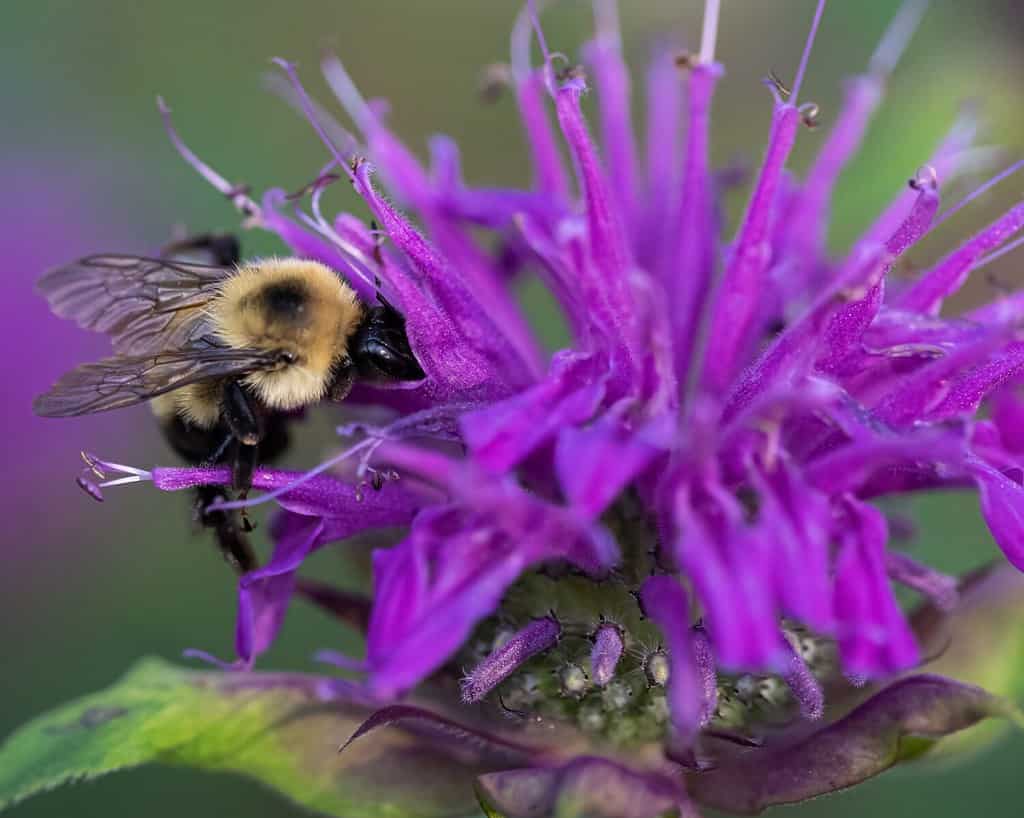
A common eastern bumblebee forages on nectar from a bee balm plant.
©Matt Cuda/Shutterstock.com
Although plants cannot move, insects enable their genetic material to travel long distances by carrying pollen from one flower to another. When seeds disperse after the plant is fertilized, the plant species can move to new areas where they can grow and flourish, given the right conditions. For example, carpenter bees can forage between flowers up to six kilometers away. This is much farther than what is likely to occur if the flower’s pollen were dispersed through the wind. The flowers of these plants will then bloom, attract more insect pollinators, and perpetuate the cycle, expanding their range.
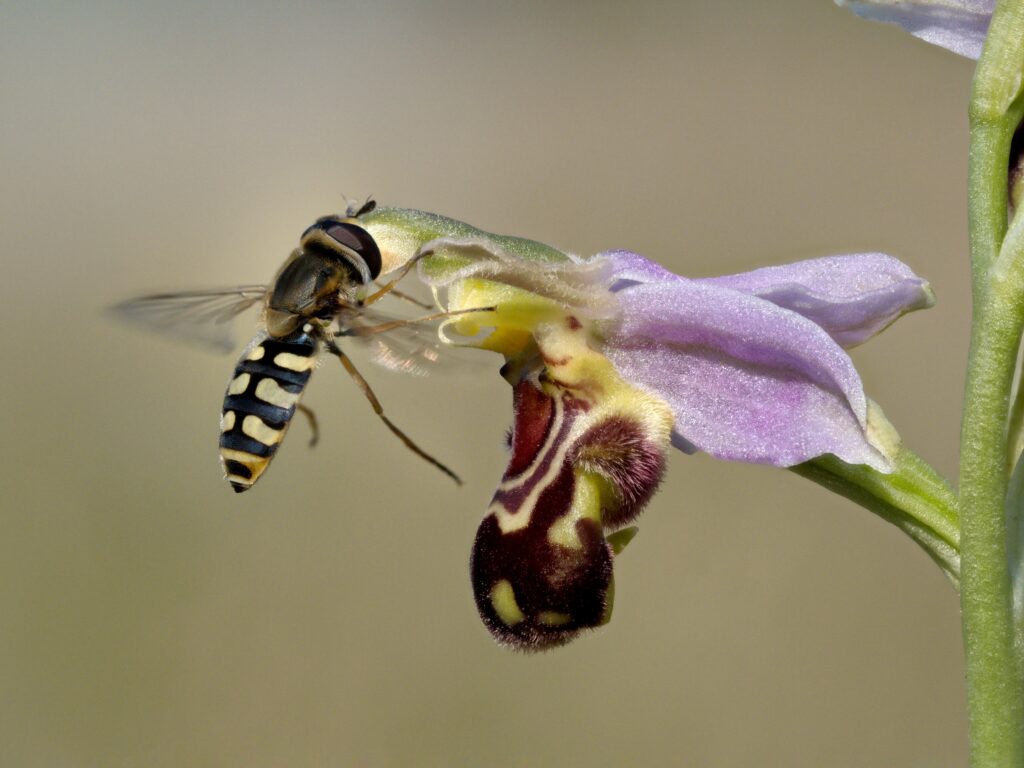
Hoverflies are important pollinators that are often mistaken for bees or wasps. This one is pollinating a bee orchid flower.
©David Osborn/Shutterstock.com
Some insects are generalists and will visit and therefore pollinate many different kinds of flowers. For instance, bumblebees pollinate many kinds of fruits and vegetables that we consume, including high-value crops like peppers, zucchini, eggplant, tomatoes, blueberries, and cucumbers, in addition to native wildflowers such as goldenrod, purple coneflower, milkweed, asters, and more. Hoverflies, a family of flies that is often mistaken for bees or wasps, are estimated to pollinate close to three-quarters of global food crops.
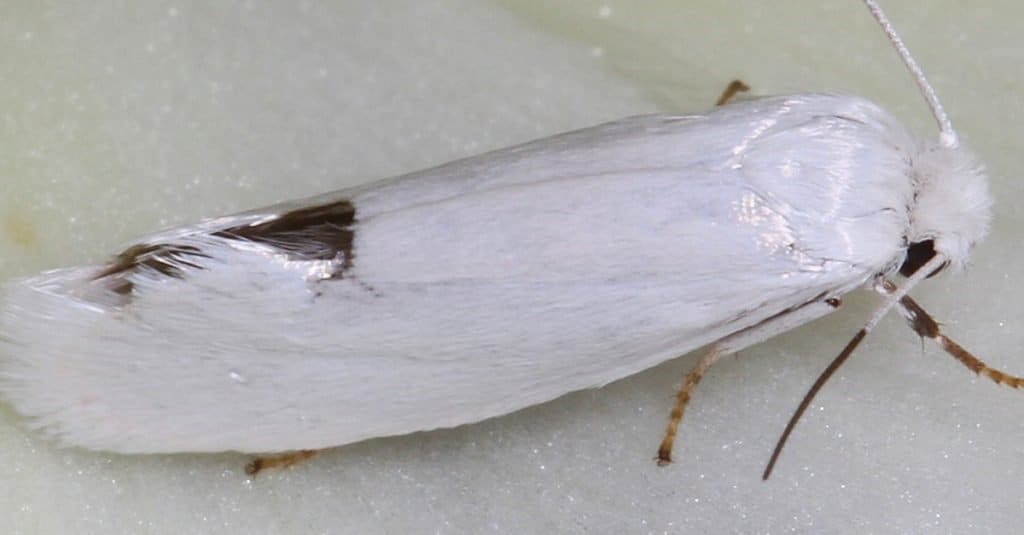
The yucca moth is the sole pollinator of the yucca plant. Without this moth, yucca plants would become extinct.
©Judy Gallagher / CC BY 2.0, via Wikimedia Commons – Original / License
Over long periods of time, some insects have developed incredibly specialized relationships with the flowers that they pollinate. In some cases, these insect pollinator relationships become so specialized that there may only be one pollinator for one plant. For example, the soapweed yucca plant (Yucca glauca) is only pollinated by one species of yucca moth, Tegeticulla yuccasella.
This relationship has been studied since the 1870s, and no other species has been observed pollinating this flower. If this species of yucca moth were to go extinct, the yucca plant would also become extinct, as it would not be able to reproduce. And if the yucca plant were to become extinct, the moth would also die out, as its young feed exclusively on yucca seeds.
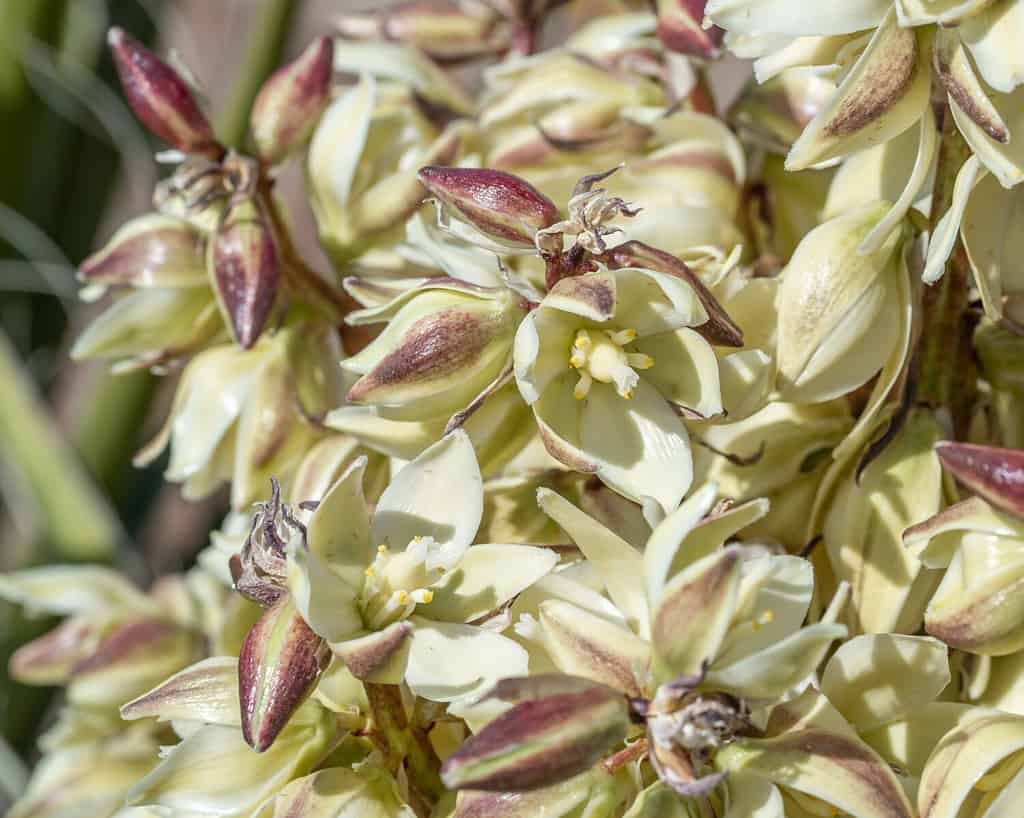
The yucca plant depends on a single species, the yucca moth, for pollination.
©Dominic Gentilcore PhD/Shutterstock.com
The Impact of Herbivorous Insects on Plants
While the plant-pollinator relationship is mutually beneficial—where insects help plants grow and receive nectar as a reward—some insects do the opposite and prevent plant growth through herbivory; that is, they eat plants. Just as deer or rabbits might eat your garden or favorite ornamental plant, insects can do the same.
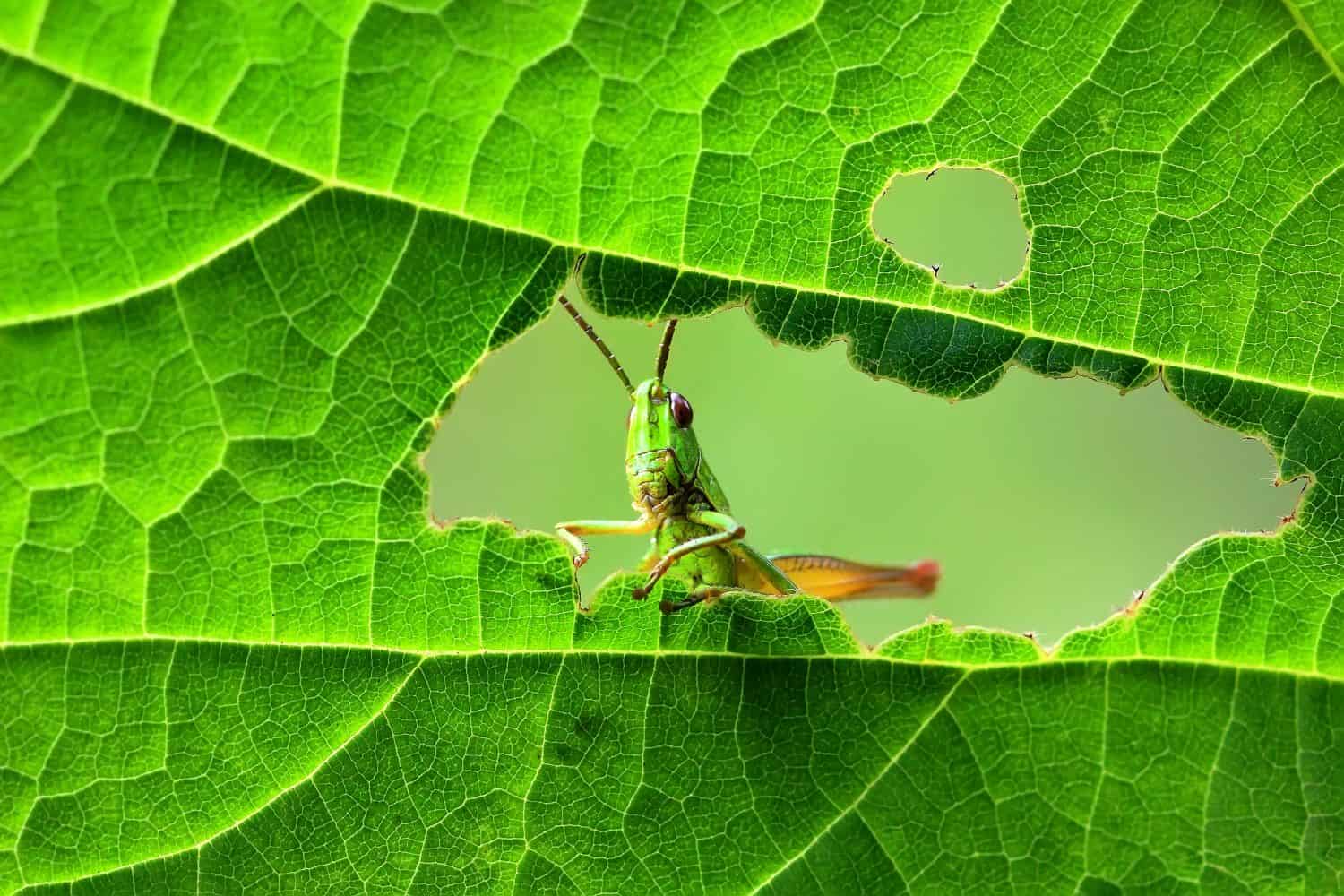
Many insects are herbivorous and forage on the different parts of plants, like this grasshopper consuming a leaf.
©Galina Gorkavay/Shutterstock.com
Most people likely think of herbivores as being larger vertebrates, but the biomass of insects in the ecosystem can actually outweigh vertebrates in temperate terrestrial ecosystems by up to ten times. At high densities, they can remove up to 30% of living plants in an area. Across the one million insect species described, with another possible nine million species in the world, collectively, insects eat every part of the plant from roots to leaves, including stems, flowers, fruits, seeds, and more.
A classic example of such extreme herbivory is the desert locust (Schistocerca gregaria), which, when aggregated into smaller swarms of up to 80 million individuals, can consume the amount of crops that could feed 35,000 people in just one day. In large swarms, desert locusts can consume up to 1.8 million metric tons of plants over the course of a major outbreak, which is enough to feed tens of millions of people.
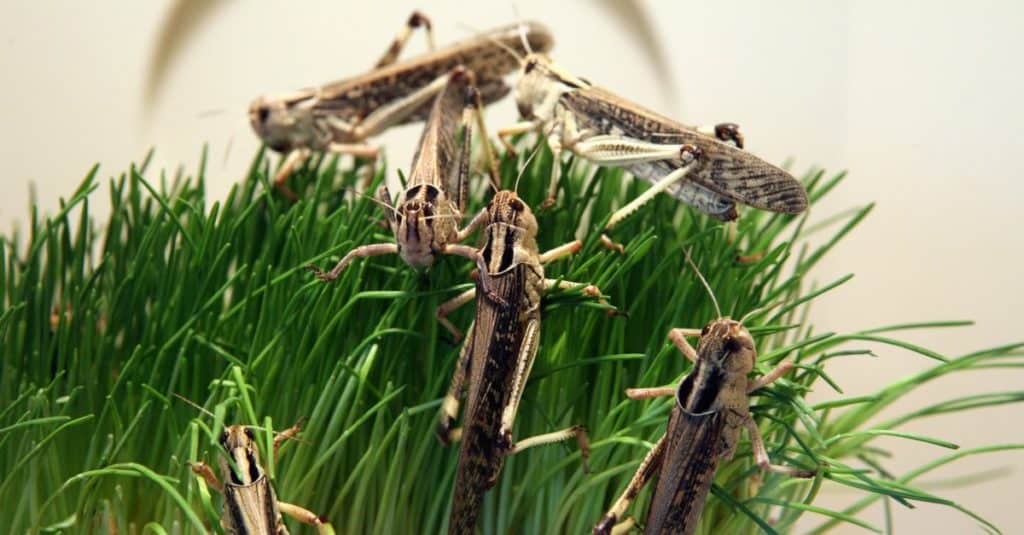
Desert locusts are voracious eaters, especially when aggregated in groups. In large swarms, they can eat up to 1.8 million metric tons of plants, which is enough to feed 81 million people.
©Vladimir Wrangel/Shutterstock.com
Although herbivorous insects consume plant matter, the vast majority do not have such a dramatic impact on vegetation as locusts do. In fact, in areas where there are more herbivorous insects and fewer herbivorous mammals, such as in the tropics of Central and South America, plant richness is the highest in the world. Locusts can cause such extensive damage to crops or grasslands because of their swarming behavior and their tendency to feed in areas dominated by only one or a few plant species, such as croplands or grasslands. But in more complex ecosystems with a variety of plant life, there is a diversity of herbivorous, non-swarming insects that still have an impact, but plants also have their own defenses.
Over millions of years, plants and insects have been in a so-called “arms race,” where insects forage on plants and, in response, plants evolve defenses to make themselves less palatable or even harmful to insects. For instance, plants have evolved to have thorns or small hair-like appendages called trichomes to make them more difficult to consume. They can also produce chemical defenses like alkaloids and phenolics, which can lead to bitter tastes and even toxicity. For example, milkweed is not only toxic to most insects, but also to humans, pets, and livestock.
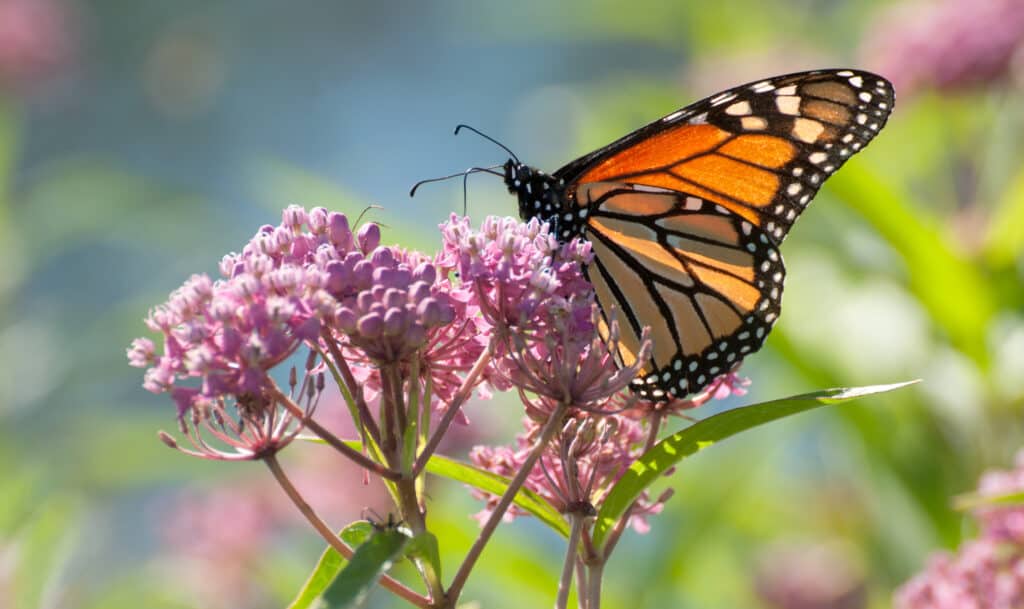
Milkweed is toxic to many insects as a defense mechanism, but monarch butterflies, an important pollinator of milkweed, have evolved specialized sodium pumps to avoid the plant’s toxicity.
©Nancy Bauer/Shutterstock.com
However, as an example of the never-ending arms race, monarch butterflies, an important pollinator of milkweed species, have evolved specialized sodium pumps that offset the toxic effect, enabling them to forage on milkweed. Monarchs are so connected to milkweed that they lay their eggs exclusively on it and the caterpillars only consume milkweed leaves. Therefore, although insects greatly impact the growth and distribution of plants in the ecosystem, the evolutionary responses of plants to insects counter this to some extent, allowing both to coexist.
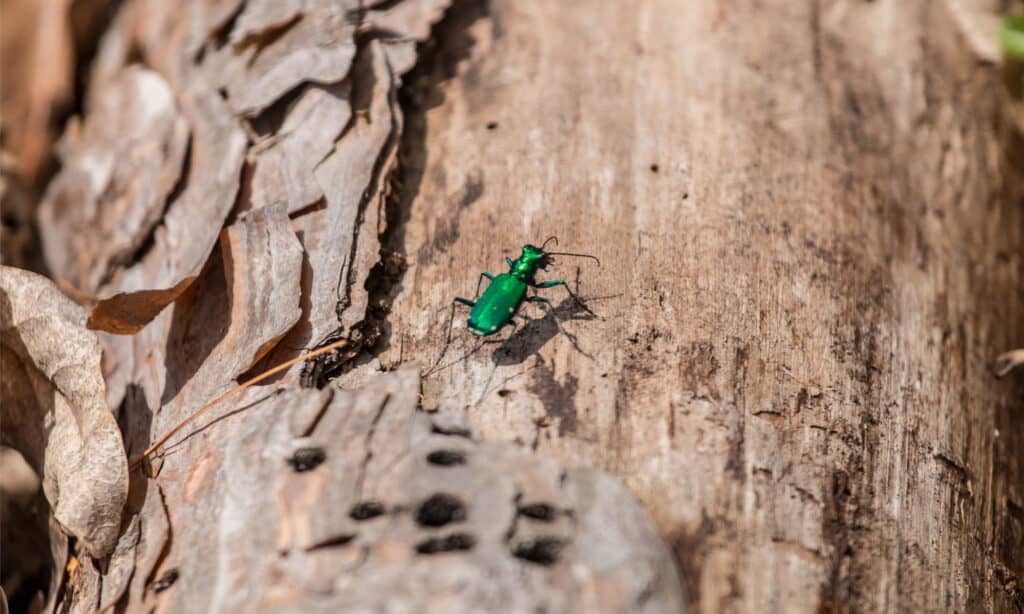
The emerald ash borer, an invasive species to North America, has decimated populations of ash trees throughout the region.
©iStock.com/Donald Bilski
In cases where plants are decimated by insect species, it is almost always because the insect is an invasive species. Invasive species are those from another area of the world that have usually been transported and did not co-evolve with the new environment. Being in this new environment gives them certain advantages that allow their numbers to explode.
For example, they may no longer have predators or may lack competition with other species. In North America, the emerald ash borer—a beetle from Northeastern Asia, where it typically exists at low population densities—has decimated ash tree populations. Without predators in North America and the time for disease-resistant trees to evolve, this insect has caused the death of at least hundreds of thousands and maybe even millions of ash trees.
Insects as Seed Predators
Some insects don’t even give plants a chance to grow before they start feeding on them. Seed predators consume plant seeds, preventing new plants from growing and limiting the dispersal of new individuals. Species of beetles, ants, wasps, moths, flies, and crickets are all insect seed predators.
On the surface, seed predation appears devastating to plants. If insects are consuming plants’ reproductive material, how could this possibly benefit them? It appears that insects are severely restricting a plant’s ability to expand its population, but like most things in ecology, it’s more complex.
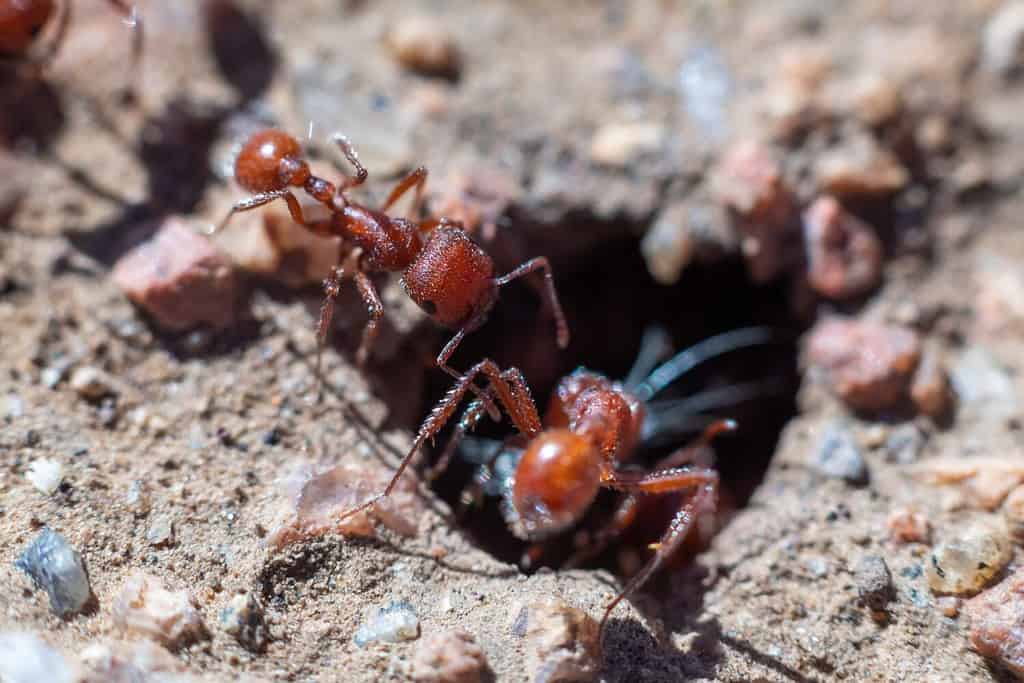
Some ants, like these red harvester ants, are seed predators.
©Kessler Bowman/Shutterstock.com
Although insects are consuming seeds, many plants have evolved dispersal strategies that can withstand such predation. For instance, they produce an abundance of seeds as a protective mechanism. The seeds that insects consume likely include those that would not have sprouted into full-grown plants anyway, due to the sheer abundance of seed production and the limited space for plants to grow. For instance, in a study on the potential of a bruchid beetle to control gorse, researchers found the beetles killed 98% of the seeds, but the 2% of the seeds that were left were enough to allow the population to persist and spread.
Some suggest that insect seed predators may even promote plant diversity because, by preying on the seeds of more aggressively reproducing plants, they give other species the opportunity to grow. This predation prevents one or a few plant species from taking over the ecosystem, resulting in greater species richness. Some insects, like ants, may even cache seeds, saving them for later. When animals cache seeds, they often do not recover all of them, thereby allowing the plant to grow in a location farther away. Therefore, ants can aid in the seed dispersal process.
Finally, some insects can be used as a biological control mechanism to rein in invasive plant species introduced by humans. For example, the weevil, Microlarinus lareynii, is a seed predator used to combat the spread of puncturevine (Tribulus terrestris), an invasive forb native to Europe.
The Insect Apocalypse and Changing Landscapes
The way that insects impact plant populations and species diversity is complex. In some cases, insects appear to be tremendous helpers to plants, increasing them in abundance, as is the case with plant-insect pollinators. In other cases, such as herbivory, it can appear that insects have a detrimental effect, limiting the growth and distribution of some species, which can allow others to flourish. But one thing is for sure: the decline of insects will negatively impact plants as a whole and change the way ecosystems are formed.
We are currently experiencing an insect apocalypse, with many insect species across the world experiencing steep declines. A global study in 2014 found that invertebrate populations declined by 45% over 40 years. With trends like these, plant populations will undoubtedly be impacted.
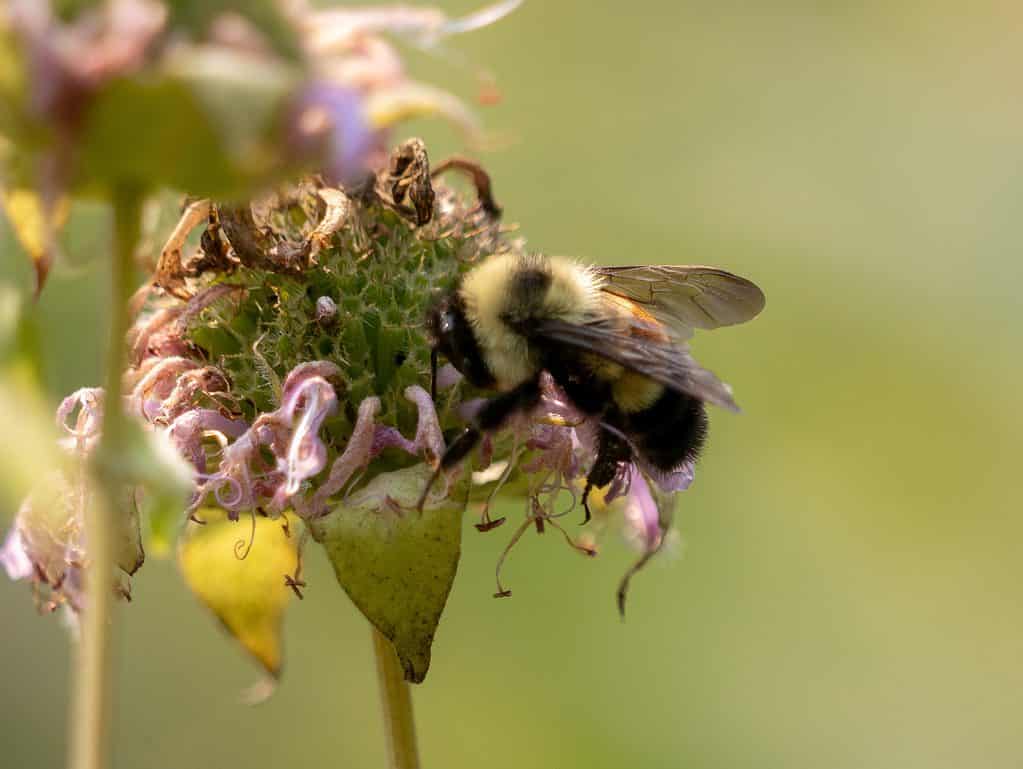
The rusty patched bumblebee is an endangered species of bumblebee in the United States.
©Taxomony/Shutterstock.com
It’s easiest to understand the impacts of declining insect populations on pollination. Revisiting the importance of bumblebees as pollinators, more than one-quarter of North American bumblebee species are of conservation concern. This means they are in decline or even near extinction, and another 20% of bumblebee species do not have enough data to be properly assessed. Without bumblebees, the important crops that they pollinate, like eggplant, tomatoes, and blueberries, would become limited in their abilities to spread their pollen, limiting their reproduction and ability to spread across the landscape.
While farmers and agricultural scientists may be able to develop high-tech solutions to help important crops pollinate for human consumption, this is not possible on a large scale for native plants that need their native insect pollinators to reproduce in the wild. While the exact outcomes are unknown, with the loss of insects, the species richness and diversity within plant communities will almost certainly decline, leading to the extinction of numerous species.