
A world without pollination is a world without many types of food, plant diversity, and a healthy ecosystem. Without pollinators, our world would slowly die out without new plant growth. While the thought is daunting, it’s also what makes the art of pollination so beautiful. The same yellow stuff that causes our allergies is what brings planet Earth to life, and it couldn’t be done without pollinators. In this guide, we’ll jump into why pollination is so essential, who’s responsible for it, how it happens, and how you can pollinate a garden yourself.
What Is Pollination?
Pollination is a simple act that causes a ripple effect. It’s defined as the transfer of pollen from one plant to another. Plants reproduce when the pollen grains from a male flower are brought to the stigma of a female flower. When this happens, the plant produces seeds, which are scattered and grow into new flowers. The cycle continues as long as the parent plants survive, until the new plants mature—usually the following spring—and continue the cycle.
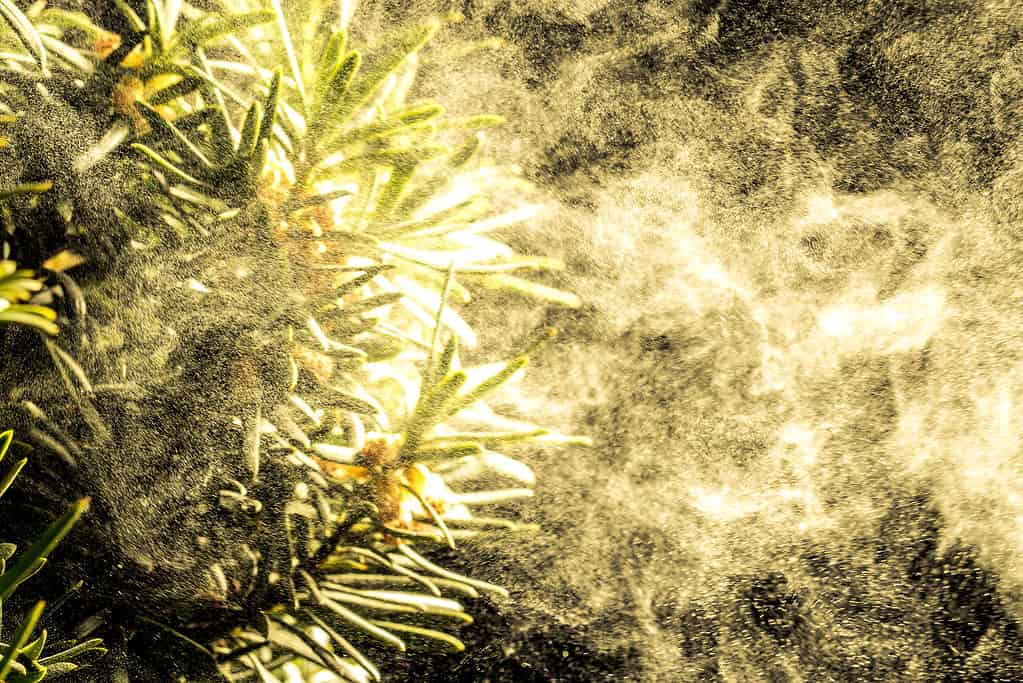
In the state of Georgia, springtime brings an abundance of tree pollen, serving as the primary allergen.
©Elisa Manzati/Shutterstock.com
Without pollination, the mature plant will bloom and die without producing seeds. When this happens on a massive scale, it causes significant plant die-off. Pollen must also be transferred between the same species; otherwise, no seeds will be produced. At the same time, pollen can be exchanged between two plants of the same species. Therefore, what begins as a simple process becomes increasingly complex without adequate pollinators.
Who or What Pollinates Plants?
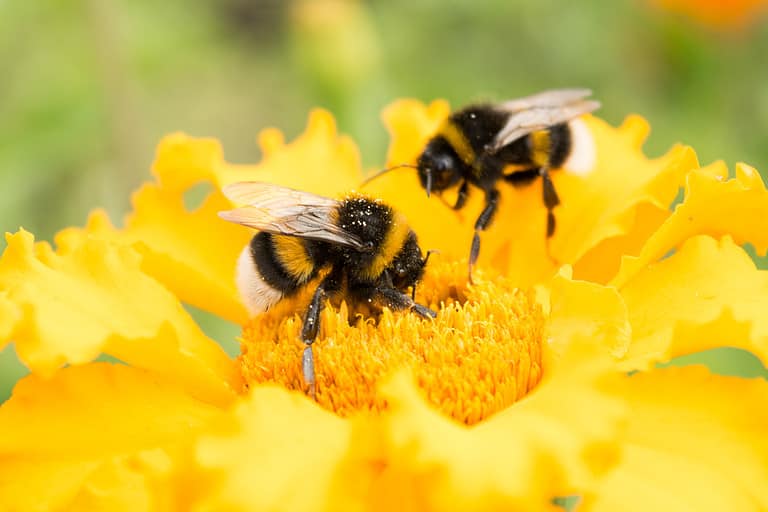
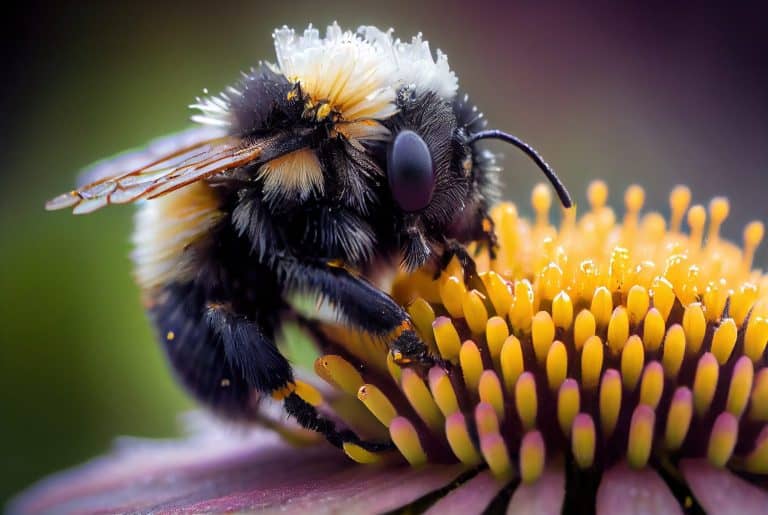
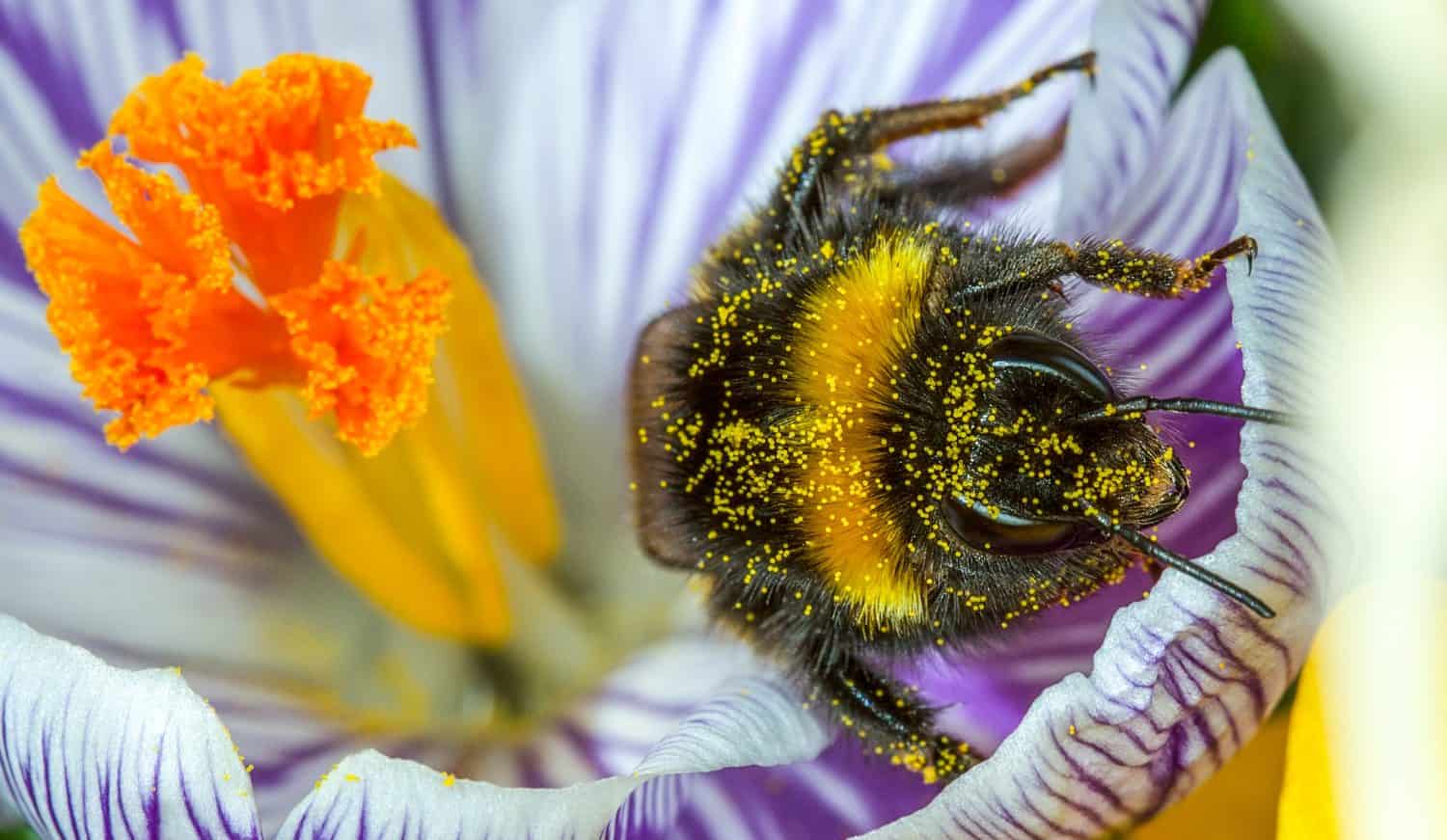
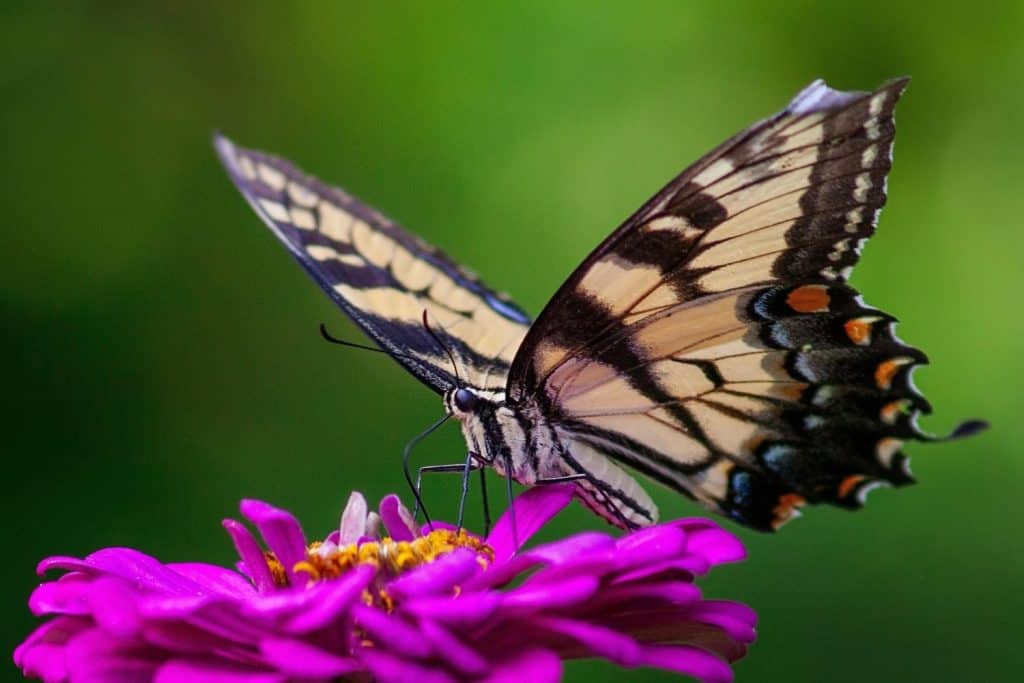
The first pollinator that often comes to mind for most people is the honey or bumblebee. While these are some of the world’s hardest-working pollinators, they are not the only ones. Pollinators are any insects that frequently come into contact with the pollen from plants and distribute it to others. Bees account for approximately 80% of the world’s flowering plant species. So, who accounts for the other 20%?
©Adrienne M Heed/Shutterstock.com
To find the answer, we need to go back in time to roughly 125 million years ago. This is when flowering plants first appeared on Earth, and before this, there were no bee pollinators. Bees are descendants of wasps, who were the dominant insect at the time. Since bees are vegetarians, they feasted on the pollen and nectar of blooming flowers. The result was pollination, which made the relationship mutually beneficial for both the bee and the plant. Today, about 75% of leading global food crops depend to some extent on animal pollinators, including bees. However, these animals and insects also pitch in to lend a hand in pollination:
- Moths
- Butterflies
- Beetles
- Flies
- Wasps
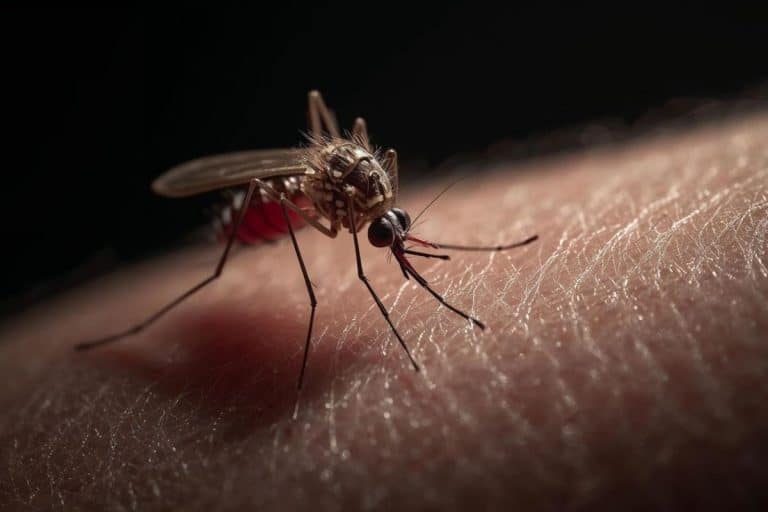
- Mosquitoes
- Ants
- Bats
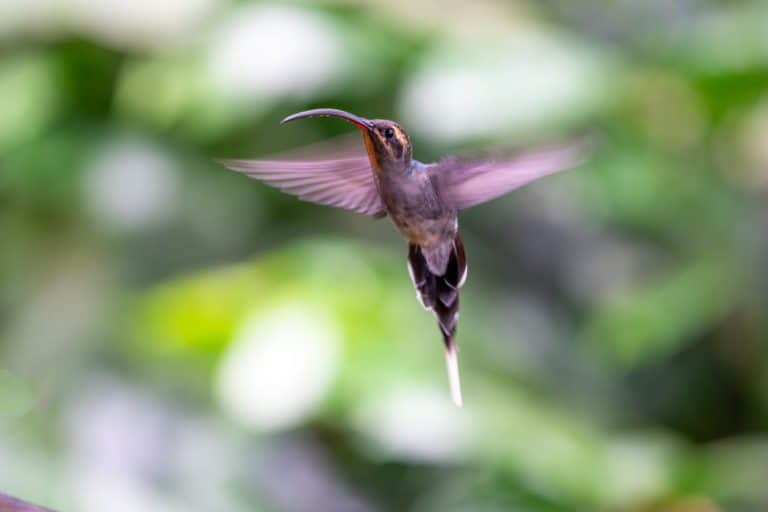
- Birds
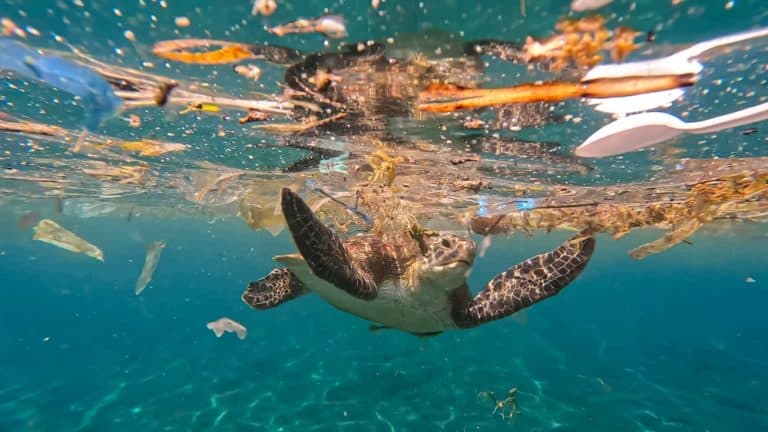
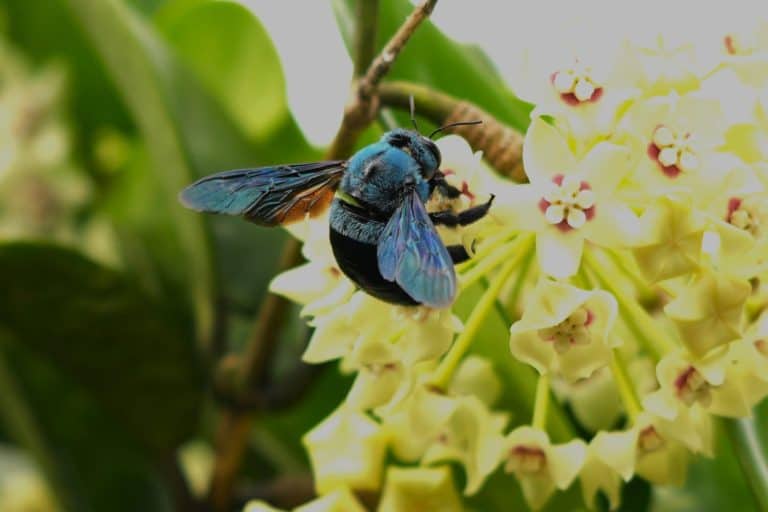
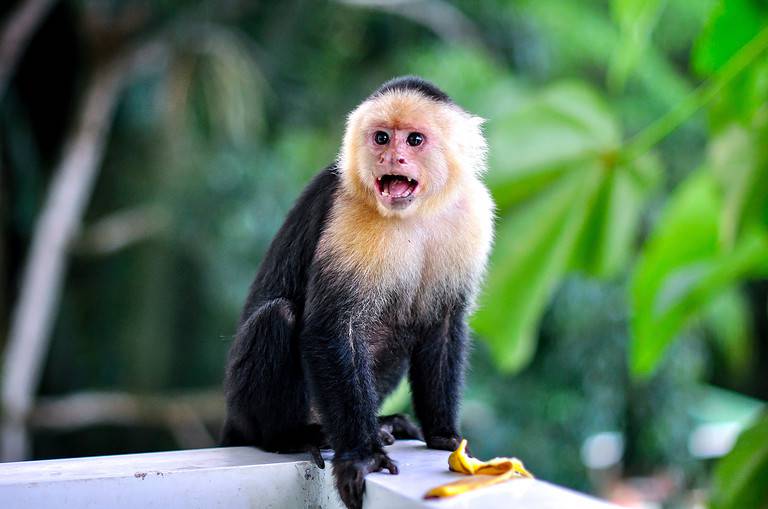
Essentially, any animal that has business in a garden can aid in pollination. Some of these pollinators, such as bats and birds, pollinate flowers while feeding on nectar, inadvertently transferring pollen as they move from bloom to bloom. Some insects, such as beetles and ants, transfer pollen by crawling along flower petals and distributing pollen grains as they go.
Types of Pollination
A misconception about pollination is that it only happens when insects or animals transfer pollen grains. There are two means of pollination: cross-pollination and self-pollination. Both of these play a crucial role in reproduction for some plant species.
Cross-Pollination
The process of pollen grains making their way from a male flower to a female is called cross-pollination. This occurs most often with pollinators, but can also be facilitated by other external factors. Wind is the primary cause of cross-pollination, as it frequently blows pollen from one flower to another. This is also how unintentional cross-pollination happens. Some fruits and vegetables are a result of the hybrids that grow from different pollen grains within the same species. This is something fruit farmers, specifically, try to avoid, but it’s not always possible. Cross-pollination can also occur if pollen grains become stuck to a person’s clothing or hands, or if pollen is transferred by an animal passing through.
Self-Pollination
As its name implies, self-pollination happens when a plant fertilizes itself. This can be achieved without the help of pollinators, ensuring the plant’s survival. Self-pollinating plants produce pollen from the anther of male flowers. This allows the plant to pollinate when it’s ready, transferring its own self-produced pollen to the stigma. Some flowers may contain both male and female parts, known as “perfect flowers,” while other plants grow both in separate blooms. Common plants known for self-pollinating include:
- Citrus trees
- Eggplants
- Beans
- Peas
- Peppers
- Peaches
- Peanuts
- Wheat
- Rice
- Oats
While self-pollination is beneficial for the plant overall, it also results in a lack of genetic diversity within the crop. This means less genetic diversity, making plants more vulnerable to diseases or imperfections.
Why Is Pollination So Important to Humans?
We know why pollination is so essential for plants and insects, but what about humans? Besides a food source, pollination makes the world go ’round in more ways than one:
- More Nutrition: Without pollinators, our fruits, vegetables, and nuts would lack a diverse range of nutrients. Pollinators play a crucial role in diversifying plant life, allowing us to obtain varying degrees of nutrition from our crops.
- Financial Stability: Beyond commercial agriculture, pollinators also help small farmers turn a profit. Farmstands, farmers’ markets, and small-scale produce businesses all rely on pollination for their livelihoods.
- A Biodeverse World: Just like pollinators diversify crops, they also diversify plant life. Rainforests, valleys, and meadows all depend on pollinators for new life. This sometimes produces unusual and rare flowers, as well as heartier genetics for plants that are intolerant to harsh weather.
- Healthy Ecosystem: Without pollinators, our ecosystem would lack the structure it currently has. Humans aren’t the only ones who depend on crops; insects and animals are also dependent on the work pollinators do.
- Medicine: Many of the world’s herbs are used in medicines to treat various ailments. Without pollination, these herbs would cease to exist, and so would our pharmacies.
- Working Materials: Many of the clothes, cotton, and other materials used in our day-to-day lives are derived from plant fibers. Fibers can’t be harvested if the plants don’t exist.
©Arina P Habich/Shutterstock.com
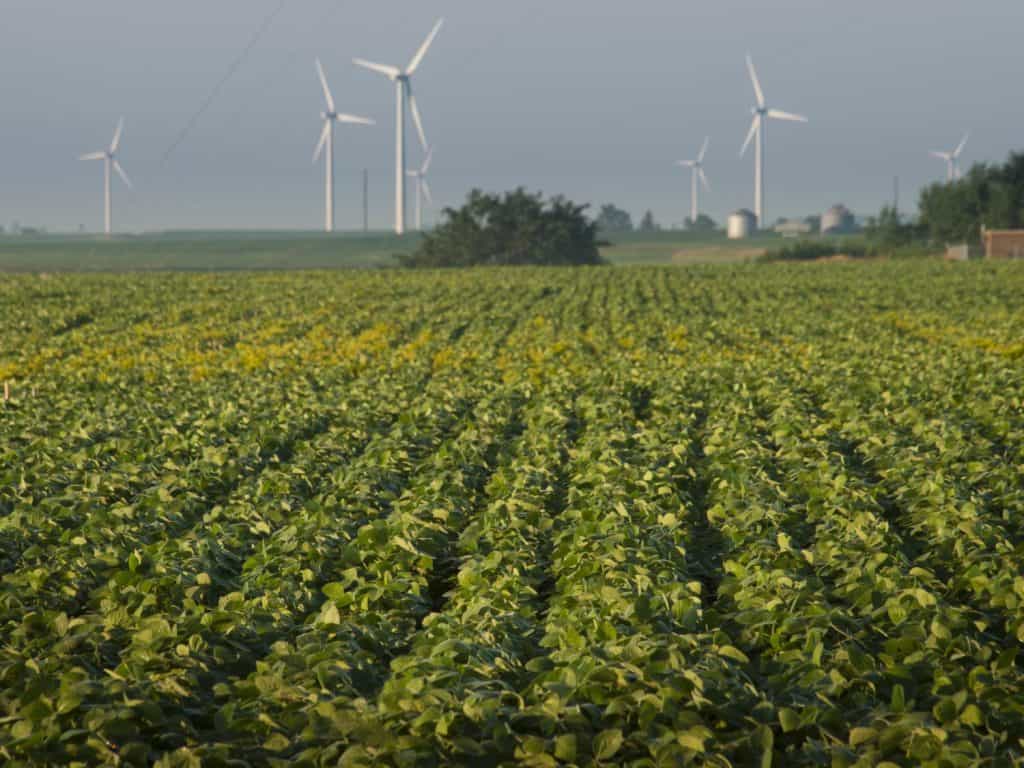
It’s estimated that of the roughly 1,400 plants we rely on for food and materials, about 80% of them require pollination. Even the things we use daily and don’t think about, for example, cooking oils, begin with a pollinated plant. The oxygen we breathe is produced by plants absorbing carbon dioxide from the air, and the roots of those plants keep our soil from eroding. Plants also contribute to the moisture content in the air, playing a crucial role in the world’s water cycle.
Humans Can Be Pollinators, Too
While bees are most effective at pollination, humans can also play a significant role in the pollination of plants. This is commonly done by gardeners and farmers, especially when they’re depending on a large harvest. With pollinators in decline over recent years, more people are learning how to support their plants. All it takes is a little know-how and some patience. This practice is often applied to crops such as squash, which produce large blossoms that require pollination.
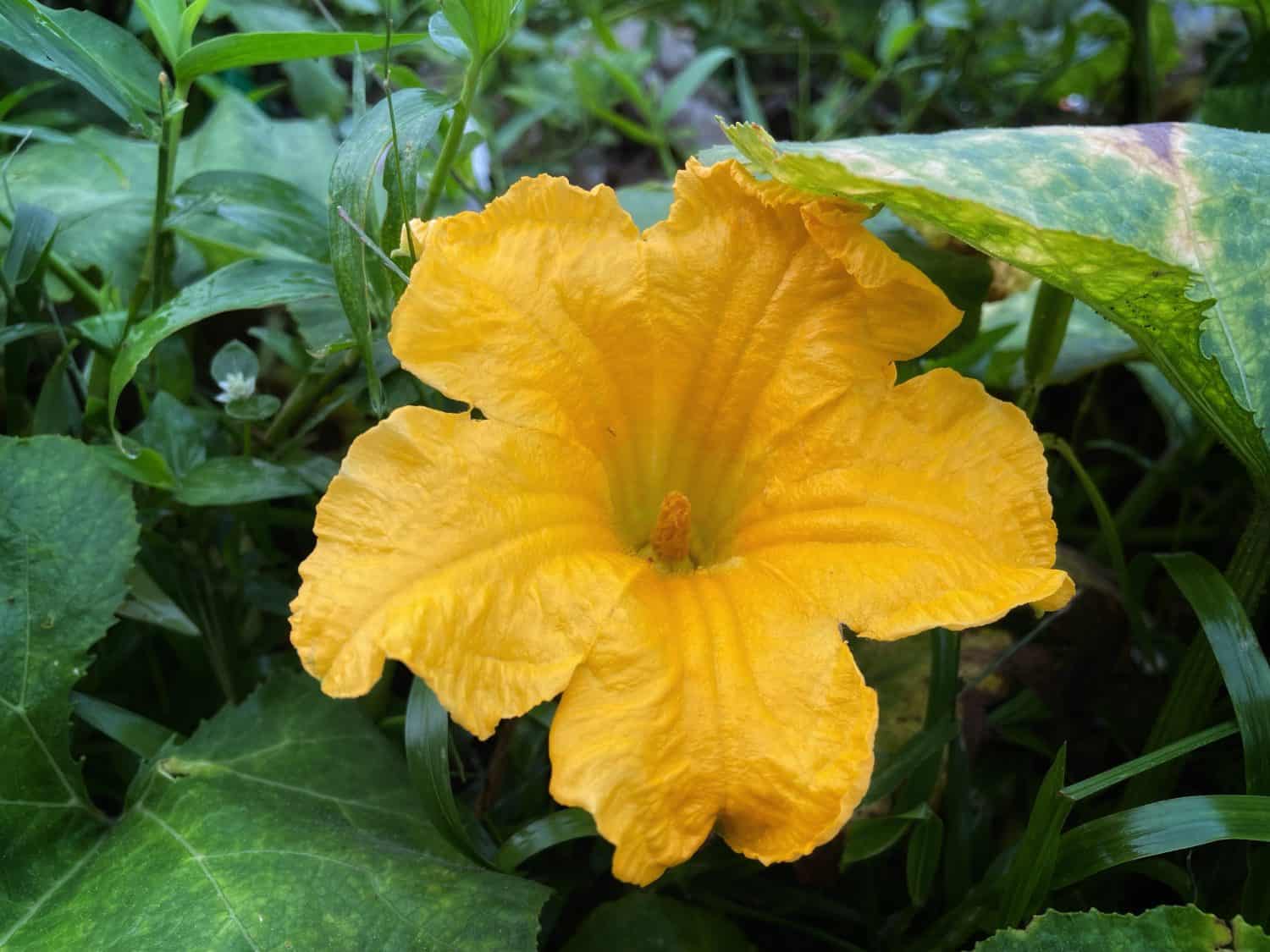
Close-up photo of Kabocha flower, Kabocha is a type of winter squash, a Japanese variety of the species Cucurbita maxima.
©Rofidd/Shutterstock.com
Since the male and female parts of the flower bloom at different times, pollination can sometimes be challenging. To pollinate yourself, you’ll need to find the male part of the flower, which contains the stamen. Using a Q-tip or a small brush, take some of the pollen from this flower and apply it to the female blossom. A female flower will have a bulbous shape at the base of the bloom, which indicates a soon-to-be fruit or vegetable. For self-pollinating plants, gently shake the flower to distribute the pollen grains evenly. Another way to aid in pollination is to plant pollinator-friendly flowers, which will attract helpful insects to your garden.