Quick Take
- A newer study suggests the parasite's mind games go far beyond cats.
- Only one kind of animal lets this parasite reproduce sexually, and it's likely in your home.
- Millions of people carry it and most never notice, but for some groups the stakes turn serious.
Did you know there’s a parasite that can reproduce in cats, cause serious symptoms in immunocompromised humans, and potentially strip rodents of their fear of felines? Toxoplasma gondii, which causes an infection called toxoplasmosis, is a common yet dangerous single-celled protozoan parasite that many people brush off as a minor nuisance. Here’s what you should know about the parasite, how it impacts its hosts, and ways to avoid infection.
What Is Toxoplasmosis?
Toxoplasmosis is an infection caused by the single-celled protozoan parasite Toxoplasma gondii. According to the CDC, the parasite infects most species of warm-blooded animals, including humans. Cats are common hosts of this parasite, often shedding unsporulated oocysts in their feces. The oocysts take about 1–5 days (typically 48-72 hours) in their environment to sporulate and become infective.
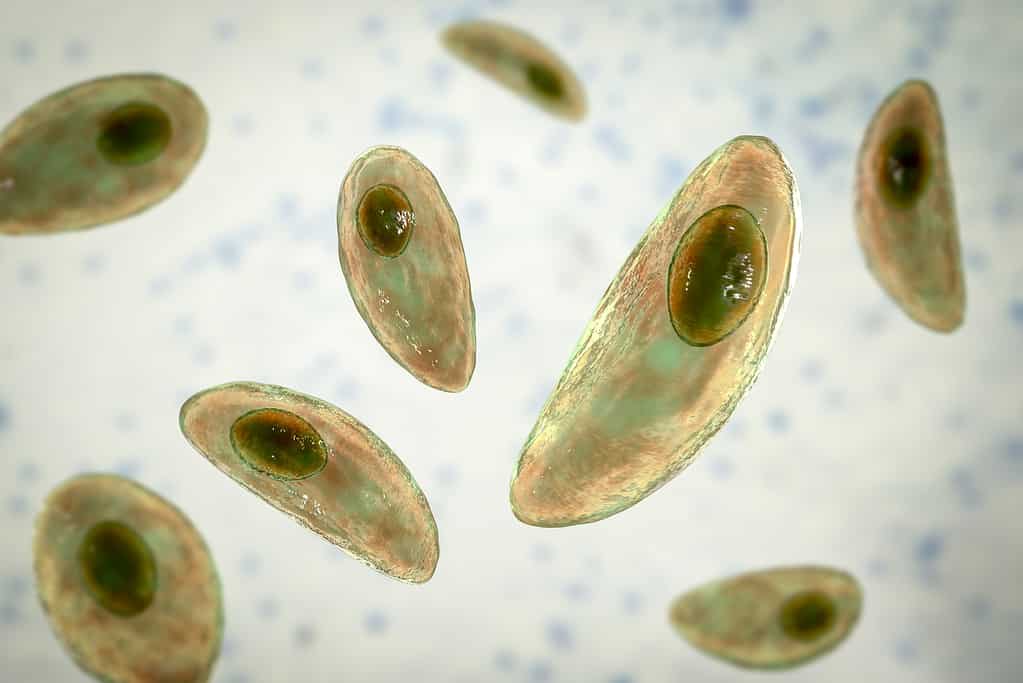
Toxoplasma gondii is a parasitic protozoan.
©Dr_Microbe/iStock via Getty Images
“Cats get toxoplasma from eating raw meat, such as birds, rodents, and small mammals, or by ingesting infected soil,” says Dr. Chyrle Bonk, Veterinarian at Embrace Pet Insurance. “The majority of cats won’t show any signs of illness when infected with toxoplasma. Those that do often show mild signs such as not eating, lethargy, or a low fever. Severe infections can result in pneumonia, neurological signs, or eye infections.”
Toxoplasma gondii can only reproduce sexually inside the intestines of cats and their relatives. In other warm-blooded animals, like humans, birds, and rodents, the parasite multiplies asexually.
General hygiene is the best way to prevent human toxoplasmosis.
Dr. Chyrle Bonk, Veterinarian at Embrace Pet Insurance
Effects of Toxoplasmosis in Rodents
For quite some time, research has found that rodents infected with Toxoplasma gondii show a reduced response to cat odor. Typically, rodents naturally fear their fierce predators and flee in response to their scent. However, older studies, like this one published in the journal Neuroscience, suggest that the parasite strips away the rodent’s fear of felines.
Another study, published in Infection and Immunity Journal in 2016, linked a Toxoplasma gondii infection in rodents to impaired fear memory through cortex and amygdala dysfunction.

One of the first uses of cats was to keep the mouse and rat population in check.
©Stefan_Sutka/Shutterstock.com
More recent research took this idea a step further. According to a 2020 study in Cell Reports, Toxoplasma gondii might decrease a rodent’s fear of all predators—not just cats. Additionally, the parasite might actually encourage overall fearless exploration in rodents.
“Using a set of complementary behavioral tests, we provide strong evidence that T. gondii lowers general anxiety in infected mice, increases explorative behaviors, and surprisingly alters predator aversion without selectivity toward felids,” the research authors summarized in Cell Reports.
In other words, studies suggest that toxoplasmosis leads to grave neurological changes in rodents, often impacting their survival instincts.
How Many People Have the Parasite?
According to the CDC, approximately 11% of the U.S. population aged 6 years and older have had a Toxoplasma infection. Globally, over 60% of some populations have had it. Humans can become infected through close contact with contaminated cat feces (e.g., by changing a cat’s litterbox). Additionally, there’s a chance of transmission through eating undercooked meat, getting a blood transfusion, or receiving an organ transplant. Mothers can also pass the infection to their fetus.
11%
%
of the U.S. population aged 6 years and older have had a Toxoplasma infection
Thankfully, most healthy humans infected with the parasite are asymptomatic or experience mild flu-like symptoms. However, the parasite poses health risks for pregnant people and those with weakened immune systems. This is why many of these individuals are told to avoid changing litter boxes.
As the CDC reports, immunocompromised individuals might experience fevers, confusion, headaches, seizures, nausea, and poor coordination. Mothers who become infected with the parasite during pregnancy might experience miscarriage or stillbirth. Babies might be born with signs of congenital toxoplasmosis, like an abnormal enlargement or smallness of the head. On the other hand, they might show no symptoms at birth but later develop vision loss, mental disability, and seizures.
Safety Tips to Prevent Toxoplasmosis

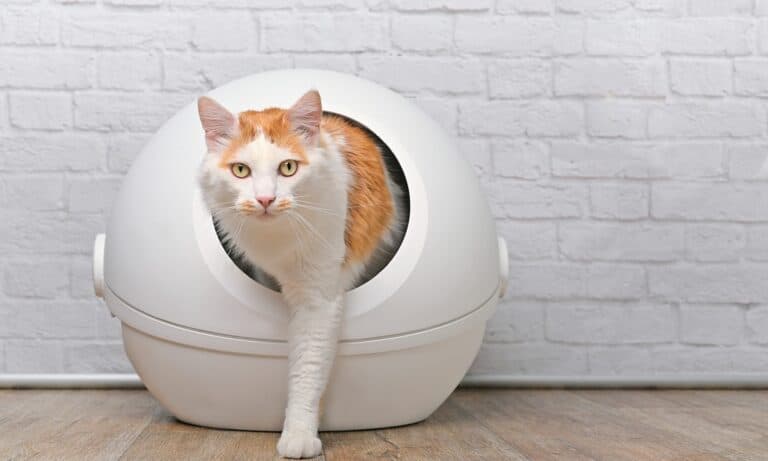
Changing your cat’s litter box every day can help prevent the shed parasite from becoming infectious.
©Oleg Opryshko/Shutterstock.com
To prevent toxoplasmosis, the CDC recommends rinsing produce, cooking food to a safe internal temperature, and avoiding unpasteurized goat’s milk, untreated water, and undercooked oysters, mussels, or clams. Additionally, maintain proper cleanliness, wear gloves when gardening, do not feed cats raw or undercooked meats, and change the litter box daily (unless you are pregnant or immunocompromised).
“General hygiene is the best way to prevent human toxoplasmosis,” Dr. Bonk tells A-Z Animals. “This means scooping the litter box at least once a day and cleaning and disinfecting at least once a week. Wash your hands after cleaning the litter box and after petting your outdoor cat.”
If you suspect you’ve been infected with toxoplasmosis, contact your healthcare provider to discuss possible exposures and supportive care.