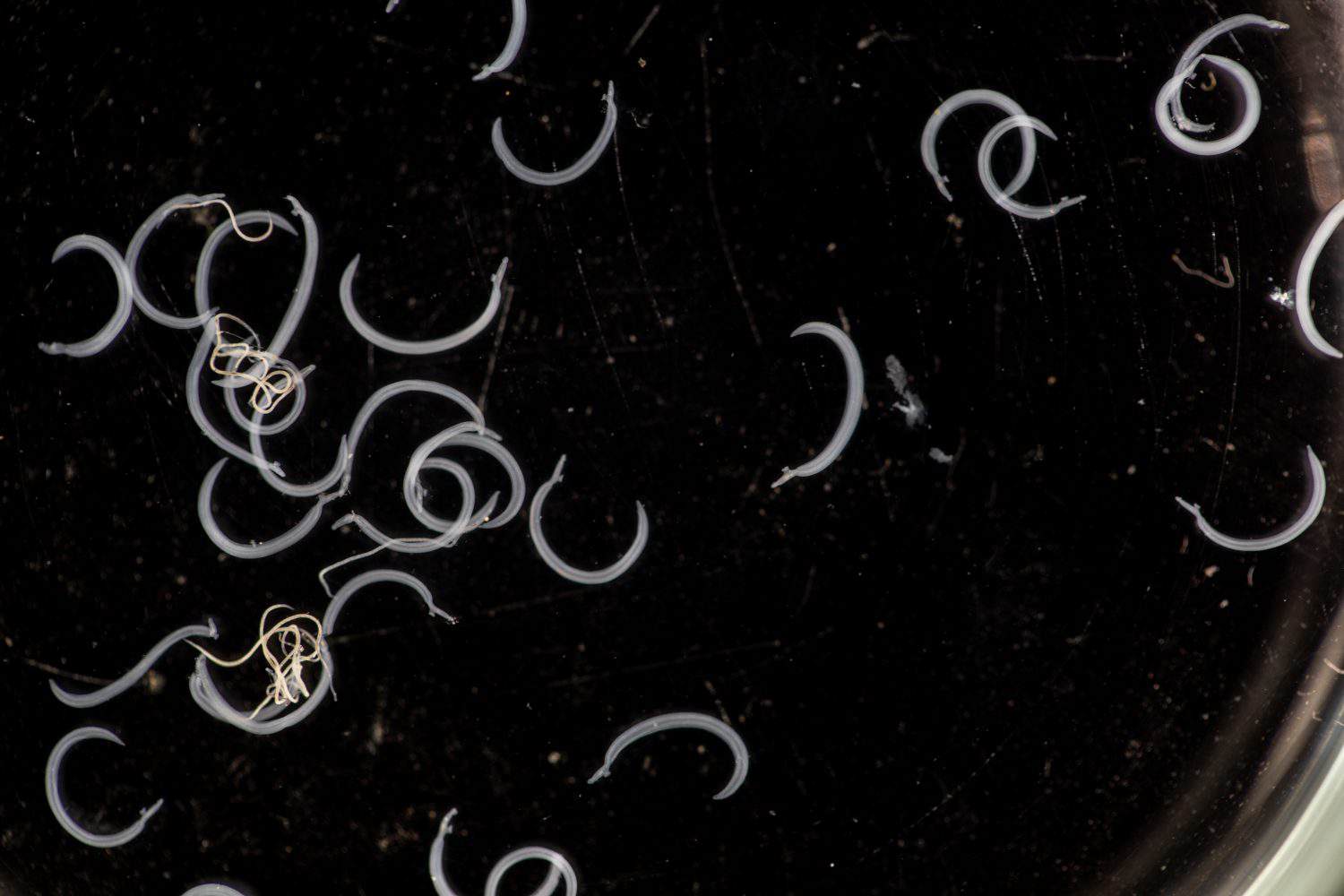

Parasites are organisms that feed off their hosts for survival. Such parasitic creatures can cause mild to serious symptoms and, in some cases, fatal infections in their hosts.
“Overall, parasites reach humans in different ways, including via ingestion of contaminated food or water, skin penetration from infected soil or water, or insect vectors that transmit parasites directly into the bloodstream,” says Dr. Michael Genovese, M.D. Chief Medical Advisor at Ascendant NY. “Upon infection, the parasite migrates to specific tissues like the intestines, liver, blood vessels, or the brain, where it feeds, grows, and reproduces.”
“The severity of infection and harm they cause depends on where they stay in the body; some steal nutrients, damage tissues, or trigger immune and inflammatory responses,” he continues. “Whether confined to a specific organ or spread systemically, these organisms are highly adapted to survive within human hosts and often go undetected for extended periods of time.”
Understanding the types of parasites and their associated symptoms is crucial to seeking the proper prevention and/or treatment. Here are 12 parasitic creatures that feed on humans—and how they find their hosts.
1. Tapeworms
©iStock.com/Artur Plawgo
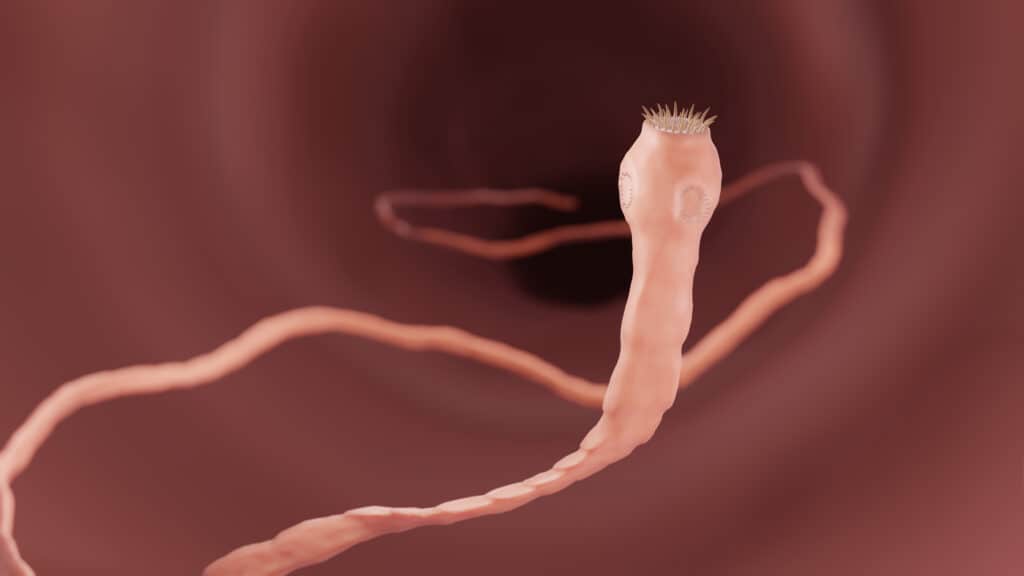
One of the most common parasites often found in animals and humans is the tapeworm. These parasites will actually feed on human intestines, causing distressing GI symptoms.
“Tapeworms, or cestodes, are flat, ribbon-like worms that can grow several meters long and persist in the intestines,” says Dr. Genovese. “Species such as Taenia saginata (beef tapeworm), Taenia solium (pork tapeworm), and Diphyllobothrium latum (fish tapeworm) infect people who consume raw or undercooked meat or fish containing larvae.”
Tapeworm infections typically cause symptoms like abdominal pain and discomfort, weight loss, vitamin and nutrient deficiencies, diarrhea, and salty food cravings.
“Once inside the intestines, the larvae mature into adult worms and take nutrients from the host,” Dr. Genovese explains. “In rare cases, larvae can migrate from the intestines into other organs, including the brain, causing a serious condition called cysticercosis, which can trigger seizures or neurological symptoms.”
2. Roundworms

©iStock.com/Michael Edwards
Another common parasite is the roundworm, which causes similar symptoms to tapeworms.
“Roundworms, such as Ascaris lumbricoides, are large intestinal worms that are common in tropical and subtropical regions with poor sanitation,” Dr. Genovese explains. “People become infected with roundworms by ingesting microscopic eggs from contaminated food or soil.”
Transmission can also occur through skin penetration from contaminated soil or through contact with infected animal feces.
“After hatching in the intestines, roundworm larvae travel through the bloodstream to the lungs, where they are coughed up and swallowed before maturing into adult worms in the gut,” Dr. Genovese says. “This life cycle can cause a variety of problems, including cough and fever during the lung migration stage, abdominal pain, malnutrition, and intestinal blockage.”
3. Hookworms
©Aut Pantian/Shutterstock.com
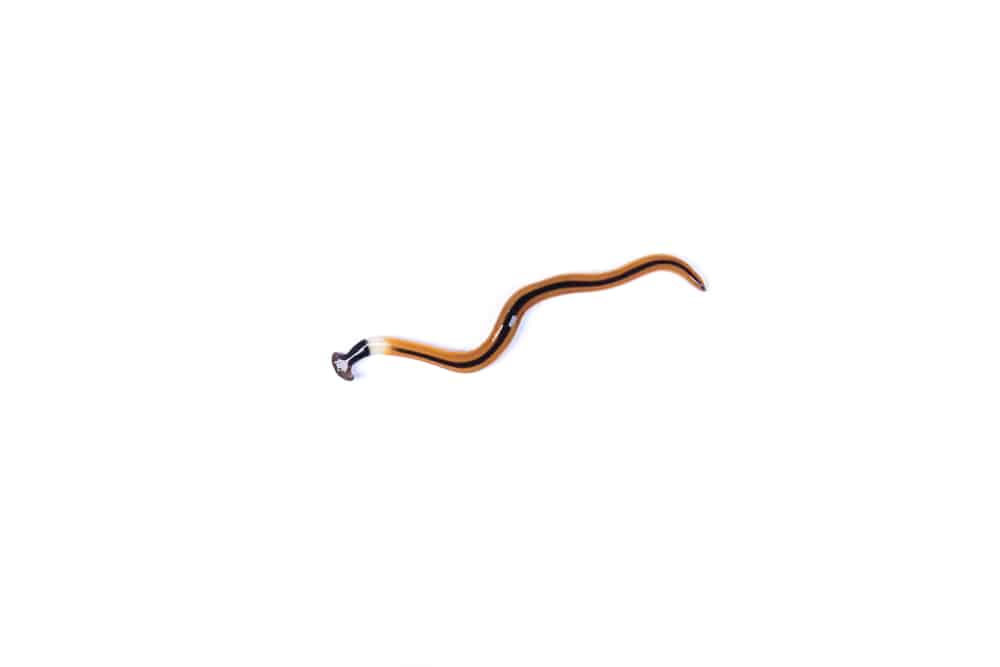
The hookworm is actually a type of blood-feeding roundworm.
“Hookworms (Ancylostoma duodenale and Necator americanus) are small parasites that live in the intestine and feed on blood,” explains Dr. Genovese. “Their larvae penetrate the skin, then travel through the bloodstream to the lungs and eventually reach the intestines.”
Unfortunately, hookworm infections can be dangerous, severe, and chronic, especially in children.
“Chronic infection with hookworms can lead to anemia, fatigue, and developmental delays in children due to ongoing blood loss,” Dr. Genovese says.
4. Pinworms
©Kateryna Kon/Shutterstock.com
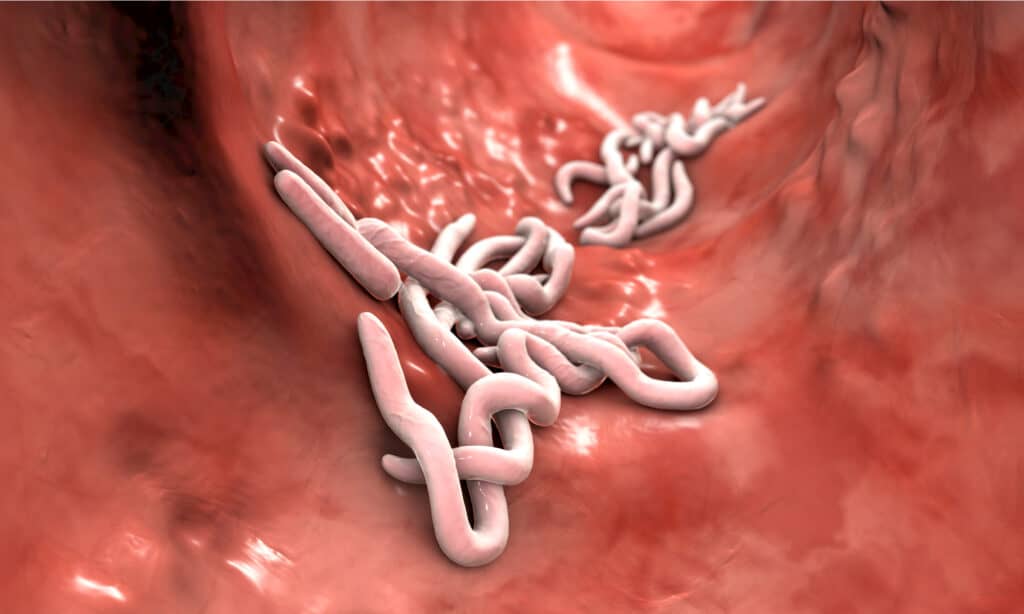
Another intestinal parasitic worm is the pinworm (Enterobius vermicularis).
According to Dr. Genovese, “Infection occurs when microscopic eggs are ingested from contaminated humans, bedding, or other surfaces.”
These parasites live in human intestines. At night, the female pinworms will migrate to the anus, where they lay their eggs. The host often experiences intense itching as a result.
Dr. Genovese adds that pinworm infections are usually harmless, causing mild symptoms. However, they can persist and spread easily. Although pinworms may not be as dangerous as hookworms, their symptoms are still unpleasant.
Whether confined to a specific organ or spread systemically, these organisms are highly adapted to survive within human hosts and often go undetected for extended periods of time.
Dr. Michael Genovese, M.D. Chief Medical Advisor at Ascendant NY
5. Screwworms
©Bayumuerti/Shutterstock.com
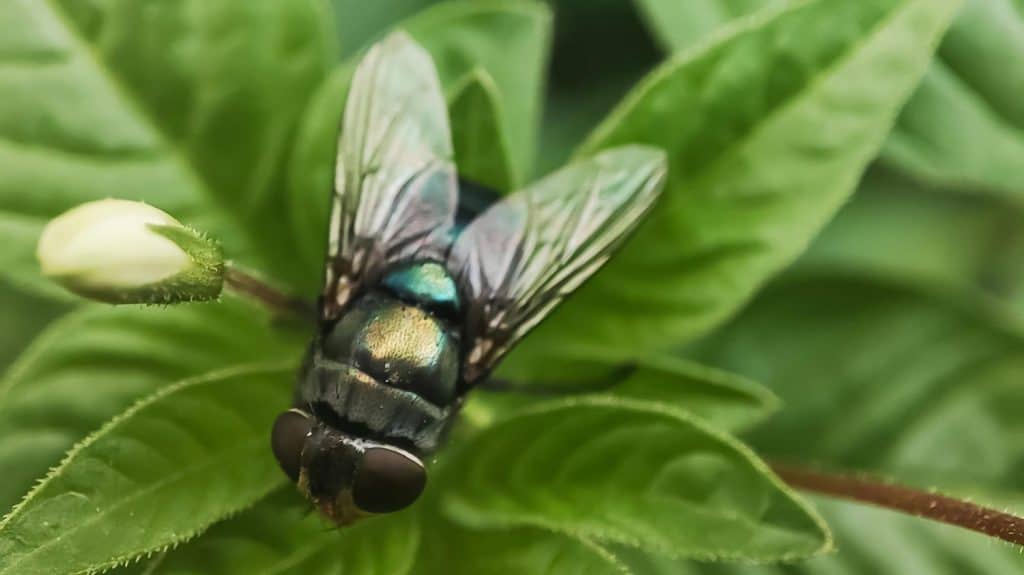
The New World screwworm (NWS) has become a pressing concern in places like South America, Cuba, Haiti, and the Dominican Republic. According to the CDC, this parasitic fly can cause myiasis, leading to a severe and often deadly infection.
“New World screwworm infestation occurs when NWS fly larvae (Cochliomyia hominivorax) infest the tissue or flesh of warm-blooded animals and people,” the CDC reports on its website. “Screwworm flies are attracted to and lay eggs on and in open wounds.”
NWS infestations are often painful and distressing, as people may feel maggots moving under their skin or in other areas of the body, such as the eyes or mouth.
6. Schistosomes
©Rattiya Thongdumhyu/Shutterstock.com
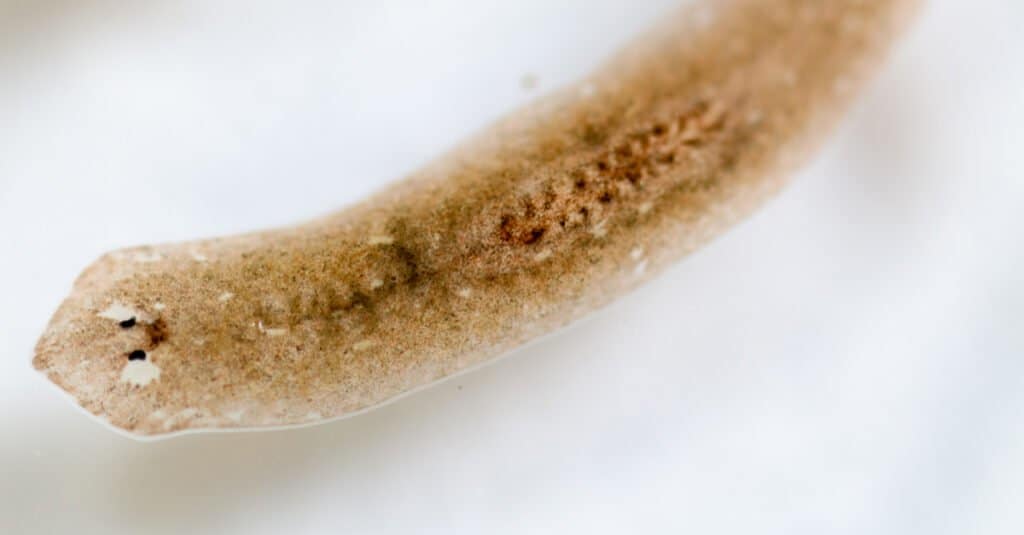
These parasitic flatworms often affect people in tropical or subtropical regions, residing in contaminated water sources.
“Schistosomes, also known as blood flukes, are flatworms that live in blood vessels and are common in regions of Africa, the Middle East, and Asia,” says Dr. Genovese. “Their larvae are released into freshwater by infected snails and penetrate human skin when swimming or bathing.”
These parasites can cause an infection called schistosomiasis, which “leads to chronic inflammation of the urinary tract, intestines, or liver, and often presents with blood in the urine or stool,” says Dr. Genovese.
Other symptoms include an itchy, burning rash, chills, aches, abdominal pain, and cough. Though rare, the infection can lead to seizures, brain damage, and infertility.
7. Giardia lamblia
©D. Kucharski K. Kucharska/Shutterstock.com
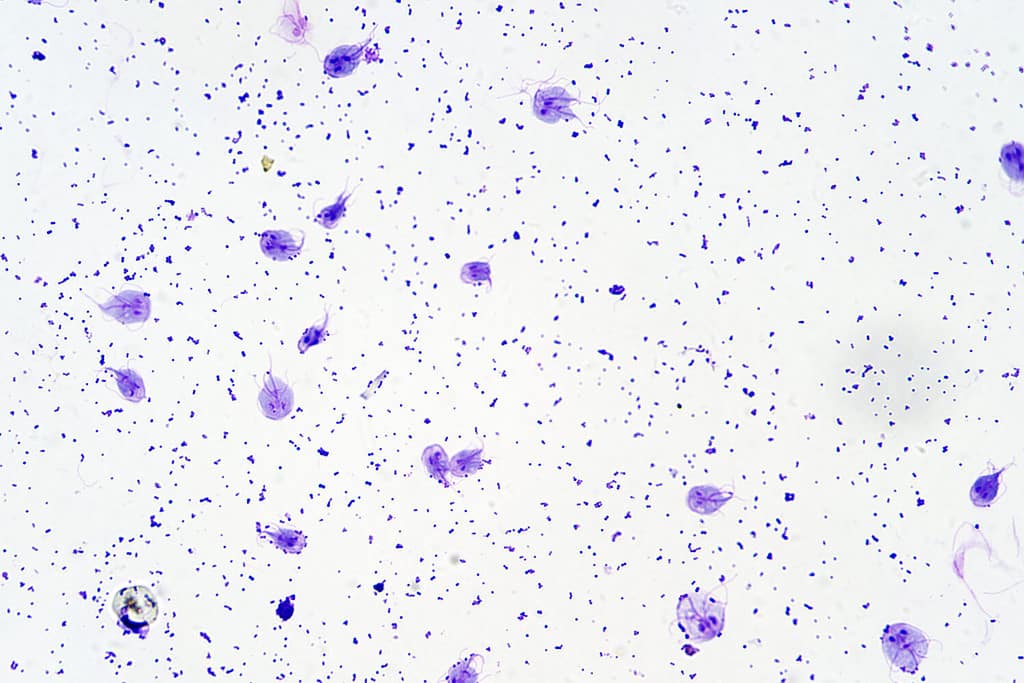
Giardia lamblia is a microscopic protozoan parasite known to cause the infamous “traveler’s diarrhea.”
“The protozoan spreads through cysts found in untreated water, contaminated food, or by direct contact with those infected,” Dr. Genovese explains. “Once inside the body, Giardia disrupts nutrient absorption, leading to bloating, greasy stools, and chronic diarrhea.”
8. Plasmodium

©9nong/Shutterstock.com
Another common protozoan is Plasmodium, the culprit behind the often fatal infection of malaria.
“Plasmodium, the protozoan causative agent of malaria, infects red blood cells and is transmitted through the bite of an infected mosquito,” Dr. Genovese says. “This parasite is primarily found in tropical regions and causes fever, chills, anemia, and, in severe cases, organ failure.”
9. Toxoplasma Gondii
©Dr_Microbe/iStock via Getty Images
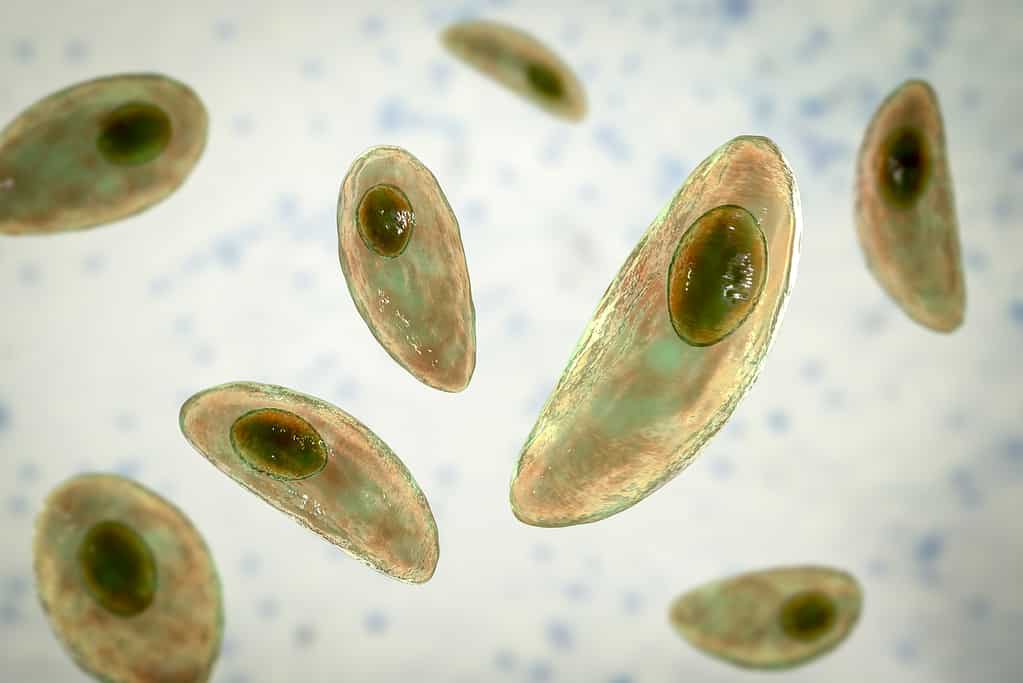
Toxoplasma gondii is a single-celled parasite that’s known to cause toxoplasmosis. Once it finds its way inside a human body, it will often reproduce within the cells of its host.
Typically, the parasite is transmitted through infected meat or contact with cat feces. Infected pregnant women can also pass it along to their babies.
According to the CDC, many people infected with Toxoplasma gondii are asymptomatic. Some simply get flu-like symptoms. However, many immunocompromised individuals or pregnant women end up severely ill, with some even dying from the infection. In such patients, toxoplasmosis can lead to brain, eye, and other organ damage if not properly treated.
10. Lice
©D. Kucharski K. Kucharska/Shutterstock.com
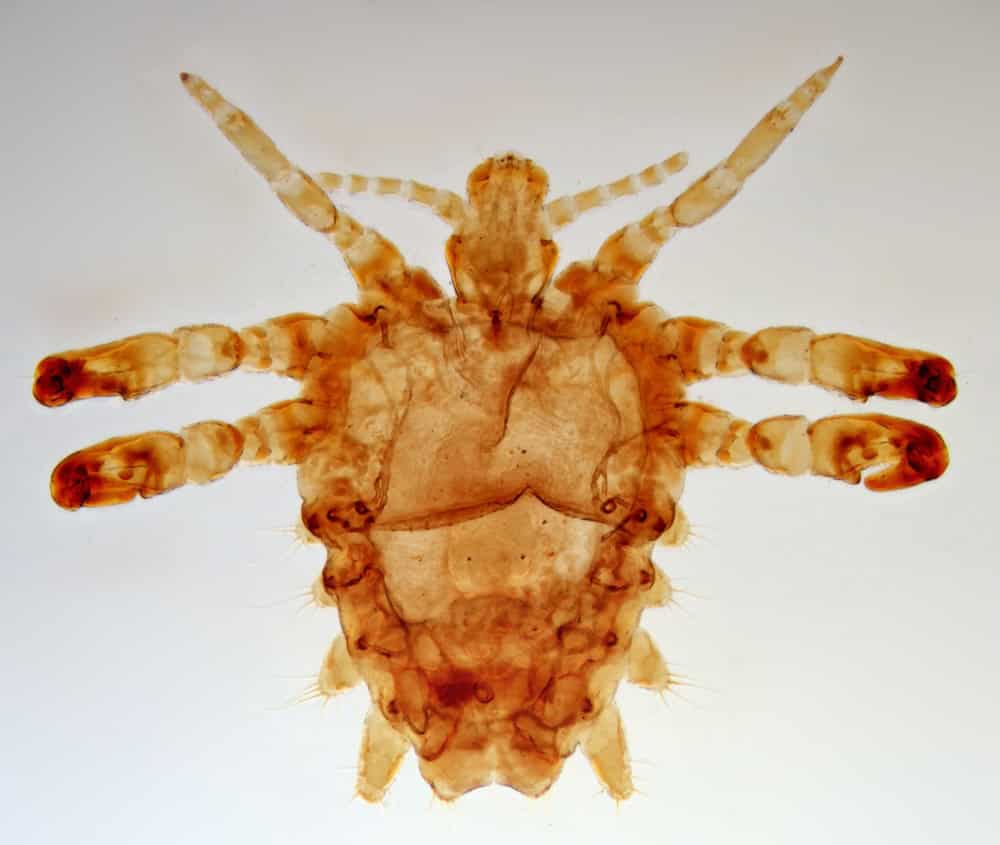
Odds are, you’ve heard of lice—those tiny parasitic creatures that feed on human blood and can be found in the hair of infected individuals. There are three types of lice: head lice, body lice, and pubic lice (also called crabs). They spread from direct contact with lice or lice eggs, typically through other infected individuals.
According to the CDC, symptoms of lice include itching, sores, bite marks, and swollen lymph nodes. These critters are about the size of sesame seeds, so you may be able to see them crawling if you look closely.
11. Itch Mite
©Zay Nyi Nyi/Shutterstock.com
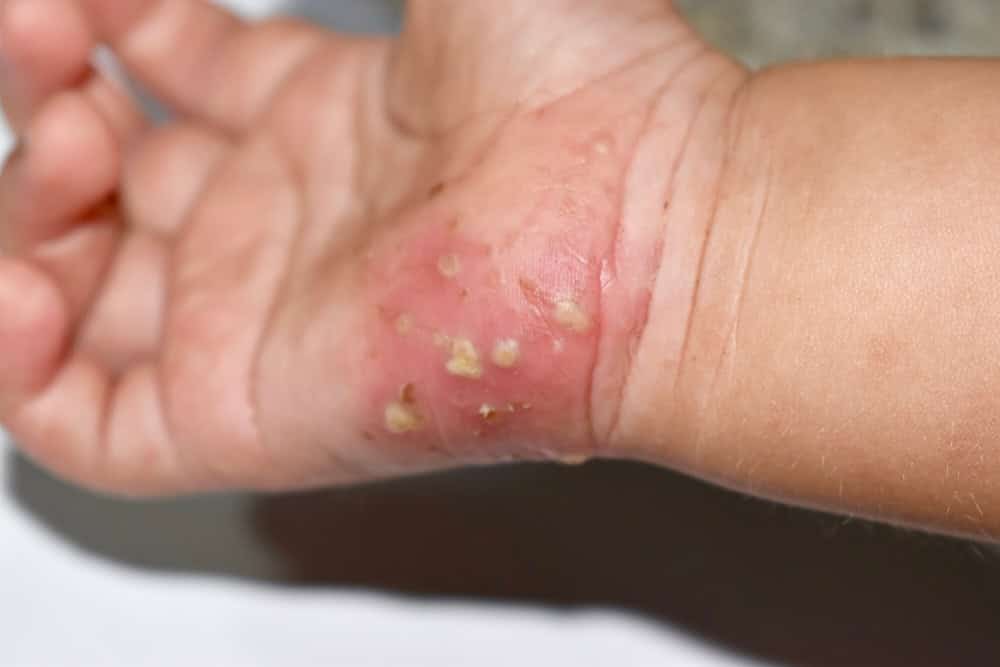
Also called Sarcoptes scabiei, the itch mite is the parasite responsible for the scabies infection. This parasitic mite is found worldwide, burrowing under its hosts’ skin to feed and lay eggs.
Itch mites typically cause a highly contagious, itchy rash. Scabies spreads easily through direct contact.
12. Ticks
©Jukka Palm/Shutterstock.com
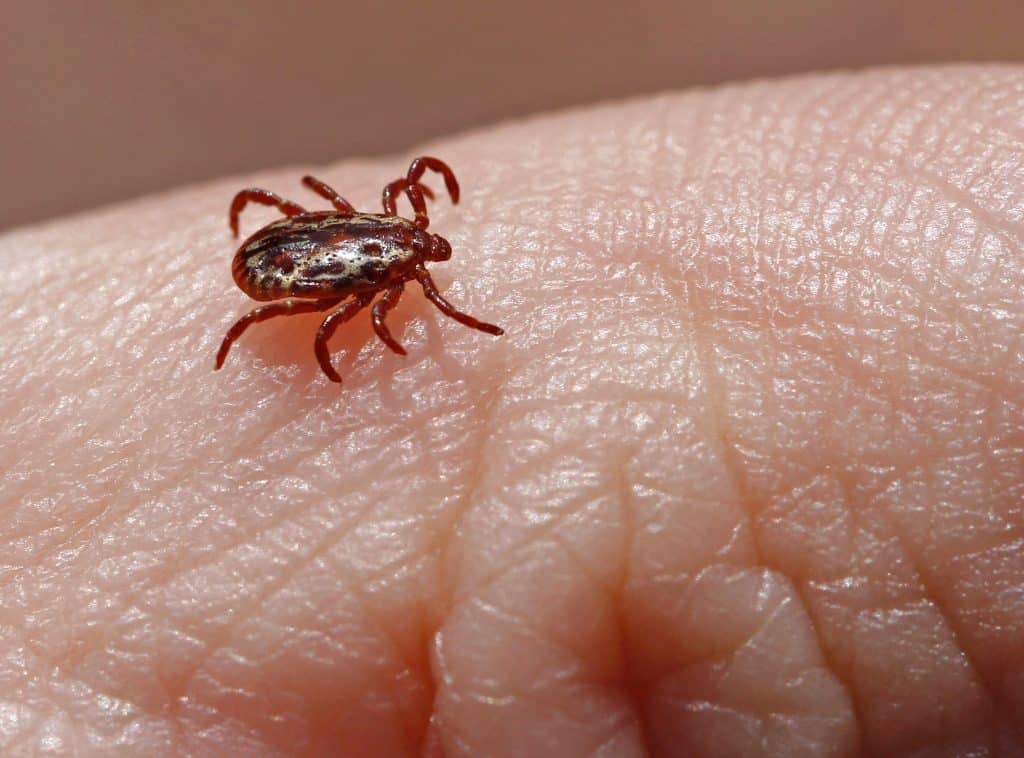
Ticks are common parasites that feed on human blood and can transmit various diseases. There are many serious tick-borne diseases, like Lyme disease, babesiosis, anaplasmosis, ehrlichiosis, and Rocky Mountain spotted fever, among others.
Sometimes, these illnesses can cause serious and sometimes deadly infections, especially for immunocompromised individuals.