
Quick Take
- Identifying and prioritizing the many unknown viruses circulating in animals is an important part of modeling future pandemic risk.
- Research reveals that habitat loss and climate change increase our risk of zoonotic pathogens.
- Performing sentinel surveillance in high-traffic zones is one way to capture early-stage spillover.
There’s an entire world of microbiomes living just under our noses. Although we can’t see them, bacteria, viruses, and other microorganisms are as much a part of our daily lives as the air we breathe. And, many times, we breathe some of these microscopic organisms in, too. This is not typically cause for concern, but the COVID-19 pandemic shifted how we view the viruses that make us sick. Specifically, those that jump from animals to humans and cause the pathogenic crossover so many fear.
However, a recent study brings both good and bad news about zoonotic, or animal-borne, pathogens. It seems many already exist, and while they don’t make us sick, they tell researchers that interspecies viruses are more easily transmitted than we realize.
The Origins of COVID-19 and Its Evolution
There has long been a theory that COVID-19 was created accidentally. This theory remains unproven, and the origins of SARS-CoV-2 are still under investigation. Both zoonotic and laboratory-related scenarios are considered possible by experts. The available evidence suggests a zoonotic origin, but the origins of SARS-CoV-2 are still under investigation and not all hypotheses have been ruled out. The first recorded case was in Wuhan, Hubei Province, China. Some early cases were linked to the Huanan Seafood Wholesale Market, but the identity of patient zero remains uncertain.
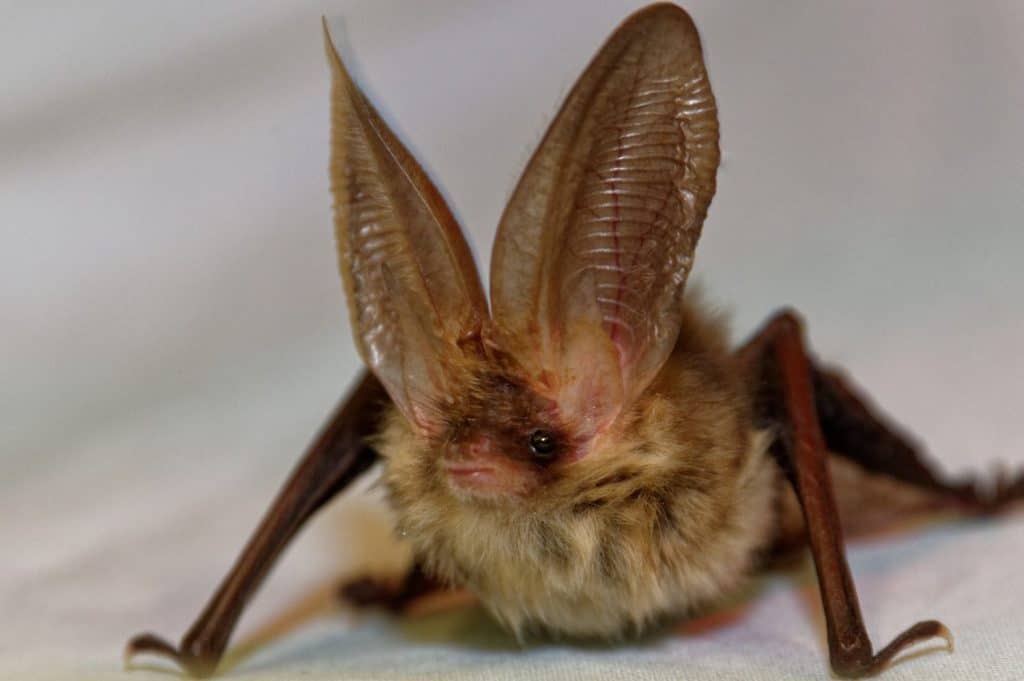
SARS-CoV-2 is widely thought to have ultimately originated in bats, possibly reaching humans either directly or through an as-yet-unconfirmed intermediate host.
©Colin Seddon/Shutterstock.com
From here, the genetic makeup of SARS-CoV-2 indicates that it’s closely related to a bat or pangolin species. The new study suggests the virus may not have needed major evolutionary changes before infecting humans. Once it infected patient zero, the virus continued mutating rapidly. Eventually, through highly contagious transmission, it infected more humans, sustaining the virus long enough for each case to worsen.
Interestingly enough, COVID-19, while rare, has been recorded in cats, dogs, ferrets, and hamsters. Wild animals, such as tigers, lions, and white-tailed deer, have also been reported to carry SARS-CoV-2. Documented transmission between humans and some animal species shows that SARS-CoV-2 can cross species barriers, making it one of the most consequential pandemic viruses in modern history. However, it’s not the first to jump from animal to human, and it won’t likely be the last.
Zoonotic Viruses and Their Spillovers
One of the most serious challenges in global public health is the emergence of a new virus in humans. Managing these spillovers is virtually impossible, only adding to the stress in the face of a new pandemic. Spillover risk rises under a range of conditions, including frequent animal-human contact, wildlife trade, land-use change, deforestation, and other disruptions that increase opportunities for exposure.
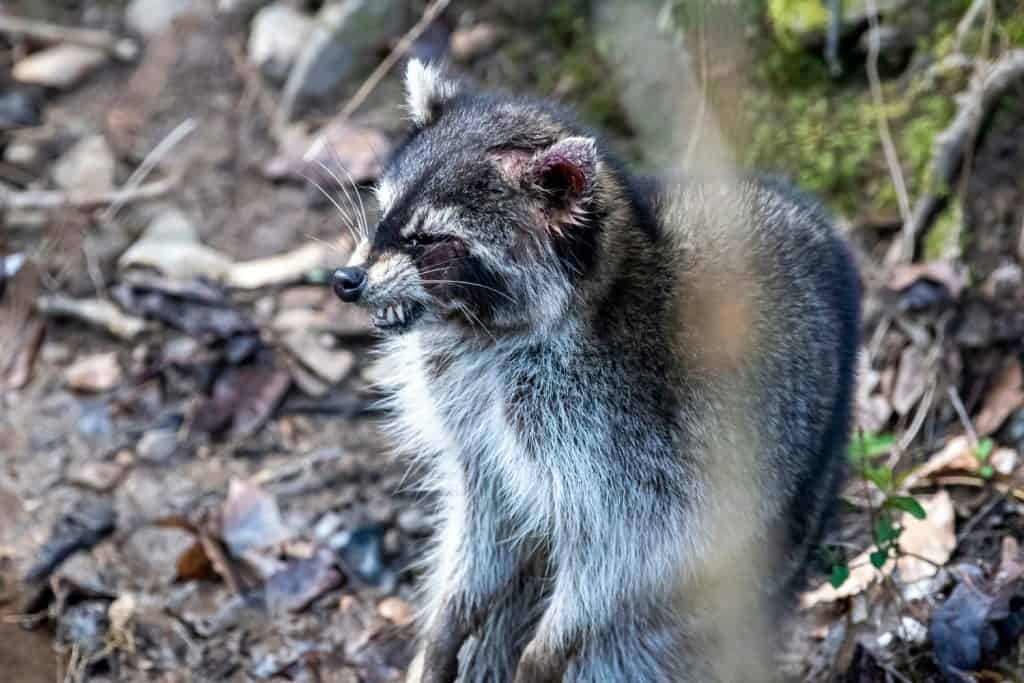
Rabies infects mammals, and once clinical signs appear, the disease is nearly always fatal.
©Christopher J Barger/Shutterstock.com
All of these factors increase the likelihood of a zoonotic virus emerging. Each time we tear down the habitats of native animals, we increase our chances of encountering unknown animals carrying mutable viruses. As climate change alters our ecological landscape, viruses are also affected by extreme heat and weather conditions. The most well-known zoonotic cases in the last century include:
- Ebola Virus: Originated as a bat-borne pathogen.
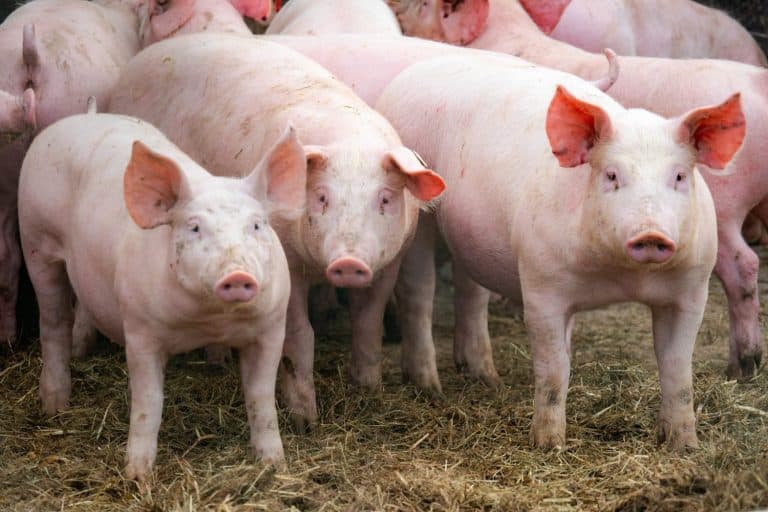
- Influenza: Originated in animals such as birds and pigs, creating groups of various strains that can be transmitted to humans.
- Hepatitis E: A virus that comes from eating uncooked pork.
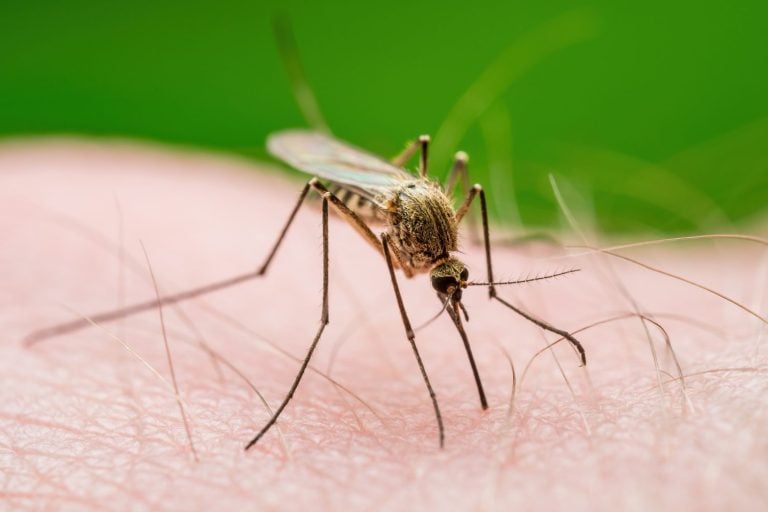
- West Nile Virus: Originated as a virus carried by mosquitoes.
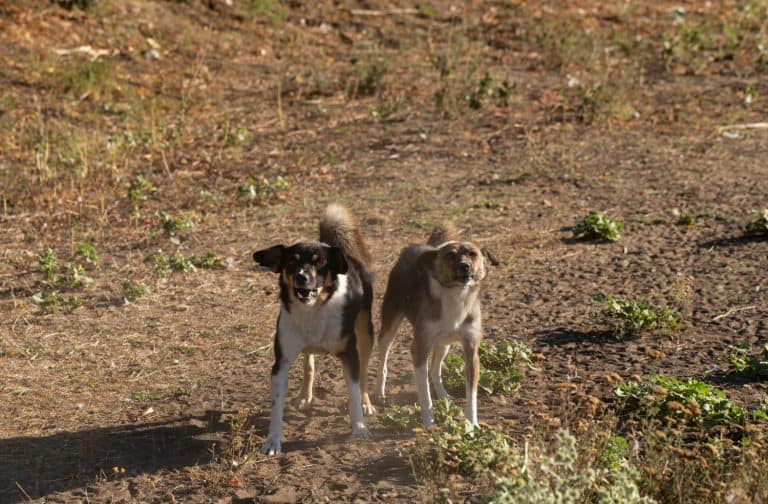
- Rabies: Primarily infects mammals, including dogs, bats, and raccoons. Rabies is almost always fatal once symptoms appear, but vaccination is effective if given before symptoms develop.
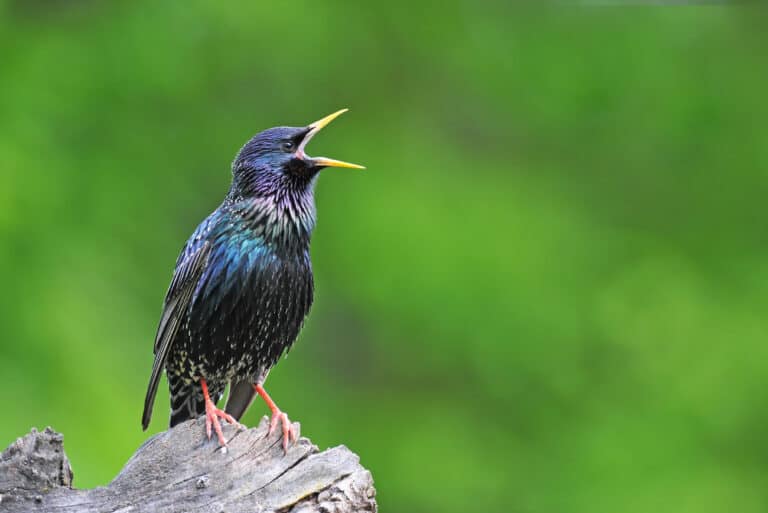
- Eastern equine encephalitis: A mosquito-borne viral disease that circulates naturally between mosquitoes and birds; humans and horses are dead-end hosts.
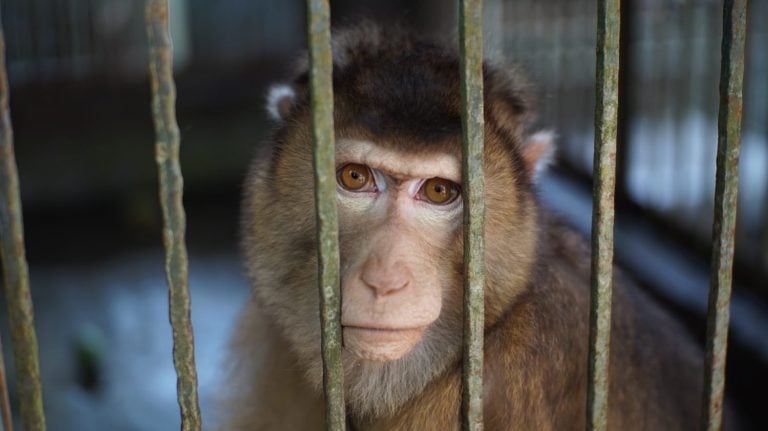
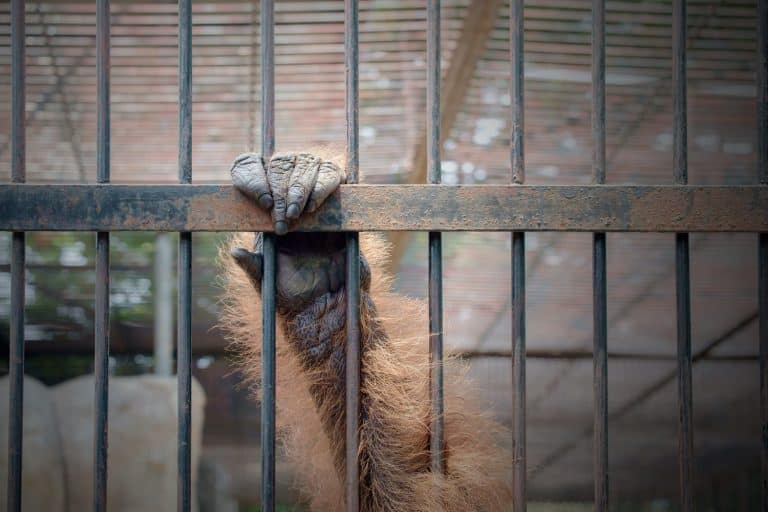
- AIDS: HIV-1, the virus that causes AIDS, is believed to have originated from simian immunodeficiency viruses in nonhuman primates before crossing into humans.
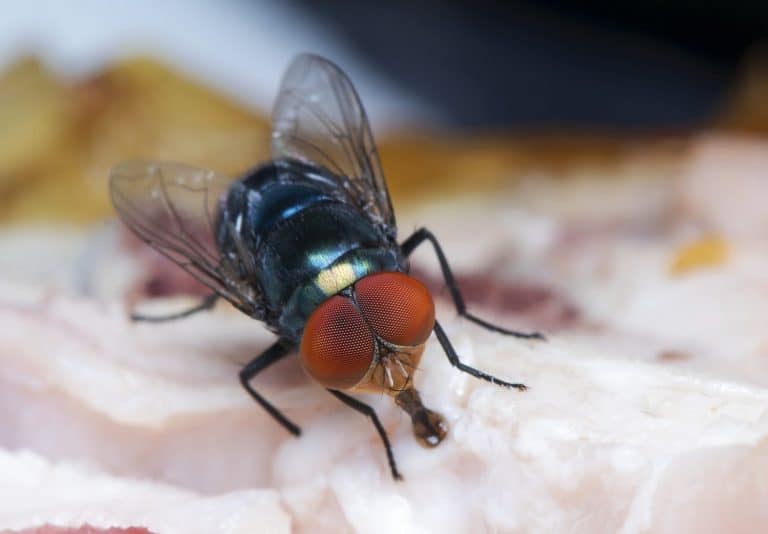
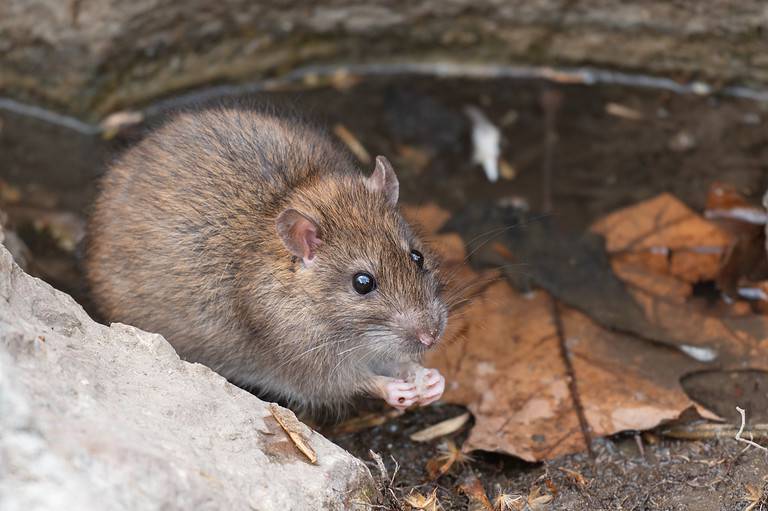
- Lassa Fever and Hantavirus: Viruses that are rodent-borne and infect humans via bite, scratch, urine, or feces.
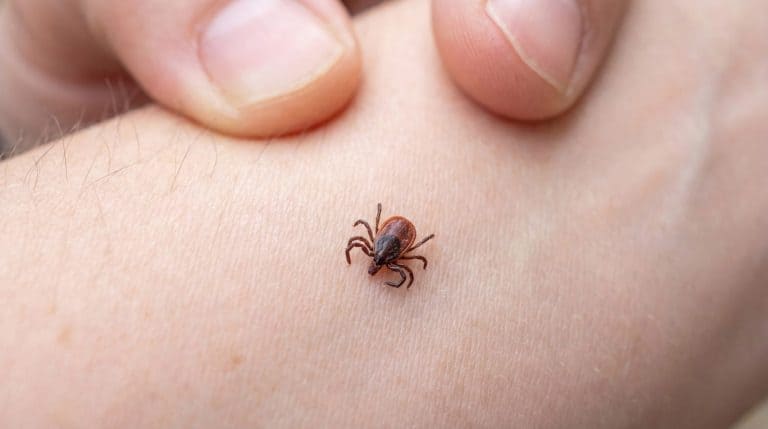
- Lyme Disease: A tick-borne illness that infects humans through a bite.
A Staggering Statistic Among Zoonotic Animals
It’s estimated that more than 60% of human pathogens are zoonotic. A shocking 75% of new diseases are also borne of animal pathogens. With more than half of all infectious diseases originating in wildlife, the task of preventing their spread is monumental. Determining which animal a pathogen came from is often the first step to preventing its spread among humans. More often than not, this includes rodents, bats, monkeys, foxes, livestock, reptiles such as snakes, turtles, and frogs, birds such as chickens, and biting insects such as ticks and mosquitoes. This only adds to the difficulty in predicting viruses with the potential to jump between species.
Even common pets can carry diseases that infect humans.
©New Africa/Shutterstock.com
Even cats and dogs can carry zoonotic pathogens, which is why routine checkups and vaccinations are essential. These pets can carry a range of zoonotic pathogens, including bacterial infections such as cat-scratch disease, parasitic infections such as toxoplasmosis and hookworm, and fungal infections such as ringworm. While many of these infections are uncommon or preventable, they show that close contact with animals can create opportunities for zoonotic transmission. A recent genome study by the University of California, San Diego, found that pathogens are far more transmissible than we realize.
Zoonotic Pathogens Do Not Need to Mutate Before Infecting Humans
One significant finding from the study was that SARS-CoV-2 may not have required significant evolutionary changes to infect humans. This suggests that many animal viruses may already be capable of infecting humans without extensive adaptation. In the case of SARS-CoV-2, the study suggests the virus may have been capable of infecting humans without first undergoing major adaptive changes. A scary notion, but one that Joel Wertheim, PhD, senior author and professor of medicine in the Division of Infectious Diseases and Global Public Health at UC San Diego School of Medicine, says changes the landscape of zoonotic pathogens.
“From a broad epidemiological standpoint, our findings challenge the idea that pandemic viruses are evolutionarily special before they reach humans,” Wertheim told Technology Networks. “Rather than requiring rare, finely tuned adaptations in animals, many viruses may already possess the basic capacity to infect and transmit between humans. What matters most is human exposure to a diverse array of animal viruses.”
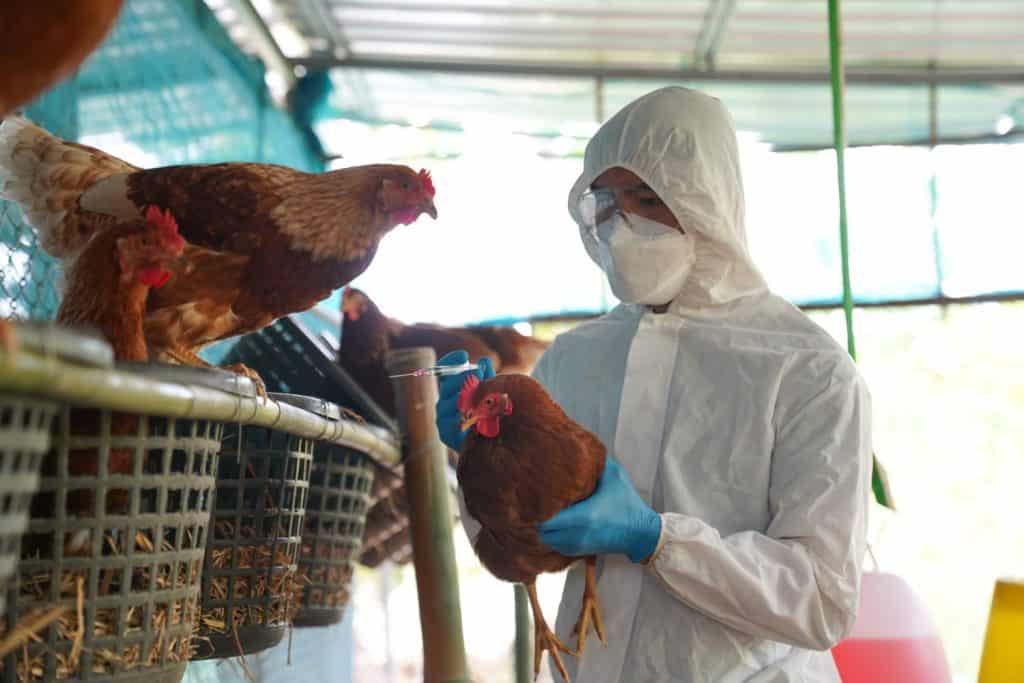
Routine genetic and DNA testing helps scientists get ahead of outbreaks before they start.
©Pordee_Aomboon/Shutterstock.com
He cites the reemergence of H1N1 (Influenza A) in 1977. The virus studied shows little genetic difference from the same strain that infected many people in the 1950s. The study describes the 1977 H1N1 reemergence as an unusual case with genetic signatures consistent with laboratory passage, and the authors note it may have been linked to a laboratory strain, possibly in the context of a failed vaccine trial. All of this evidence further substantiates how zoonotic pathogens spread. Rather than requiring genetic evolution, it’s strongly implied that animal-borne pathogens need only the right conditions. Therefore, the way we track animal-borne pathogens must adapt to their ease of spread.
How Scientists Are Monitoring Future Outbreaks
The COVID-19 pandemic shocked the entire world and, by late 2024, more than 776 million confirmed cases had been reported to the World Health Organization. Its mortality rate was a sobering reminder of how quickly an animal-borne pathogen can spread around the globe. This wakeup call prompted a stronger call to action to monitor high-risk animals and track new and emerging viruses.
To improve preparedness, One Health approaches have expanded cross-sector surveillance and laboratory capacity, and programs such as USAID’s PREDICT Project, led by the UC Davis One Health Institute, were created to identify pathogens with spillover potential. Additionally, livestock and wildlife are monitored in many surveillance programs, and sentinel animals such as birds or chickens are used in some regions to help detect mosquito-borne pathogens early.

Computational tools, including AI-based methods, are increasingly being used to help analyze sequencing data and flag patterns that may warrant closer investigation.
©Gorodenkoff/Shutterstock.com
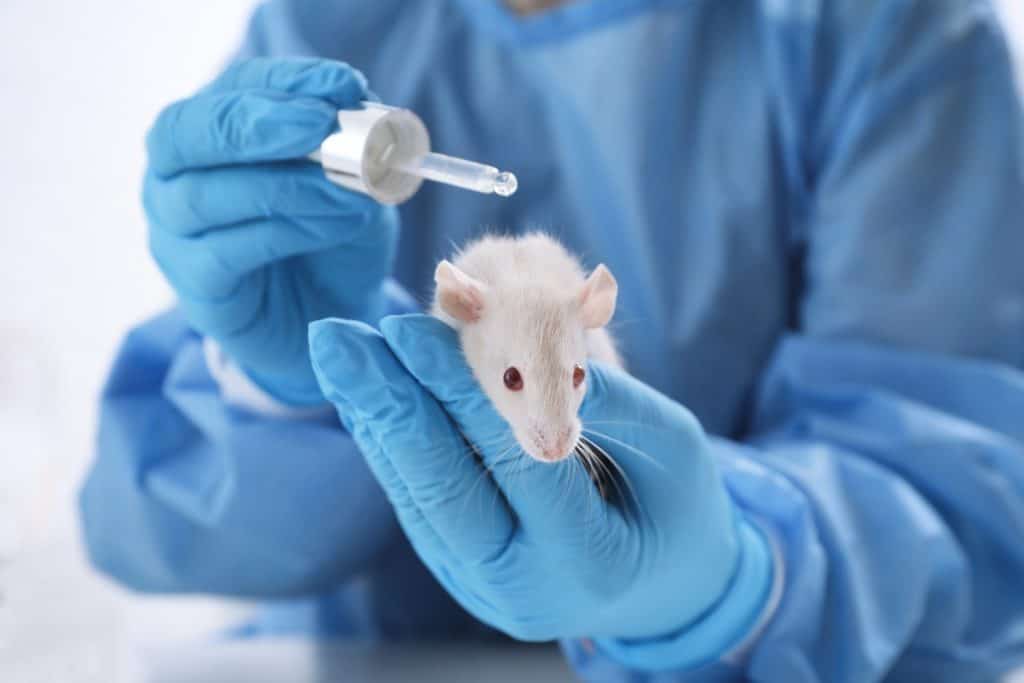
Through laboratory testing, scientists use Next-Generation Sequencing to quickly identify pathogen strains from animals. This helps detect viruses and diseases early, potentially preventing an outbreak. Polymerase Chain Reaction also aids in this by identifying markers using specific enzymes to detect harmful pathogens. Environmental sampling is increasingly being explored as a tool for pathogen surveillance in specific settings. At a high-tech level, AI also plays a role in monitoring and running these tests. This saves time while also rapidly detecting anything worth investigating.