
Quick Take
- Scientists first blamed the wrong force for these birds drifting off course. The real culprit is hiding in plain sight.
- Even with a coastline in view, these birds ignore a navigation aid most migrants rely on.
- A tiny clock error sends them astray, but how costly is the detour, and when could it turn deadly?
- Humans suffer from jet lag far more than these birds do. Their tricks could change how you pack for your next long flight.
Anyone who has flown across multiple time zones understands how debilitating jet lag can be. As it turns out, migrating seabirds also suffer from the condition. Because of avian jet lag, seabirds lose their way during migration. Righting themselves depends entirely on the resilience of their inner sun compass and how quickly it can adapt to time changes, leaving sea birds at the mercy of the sun’s position.
Seabirds Experience Jet Lag and Lose Their Way
Manx shearwaters travel more than 620 miles to forage. These seabirds are so fast that they can cross multiple time zones in a day. However, this extensive migration can complicate staying on course during flight.
According to a new study published in Science, Oxford University researchers found that shearwaters flying over the Atlantic Ocean experience jet lag. Their internal body clocks can be off by an hour, causing navigational errors when they use the sun as a compass.
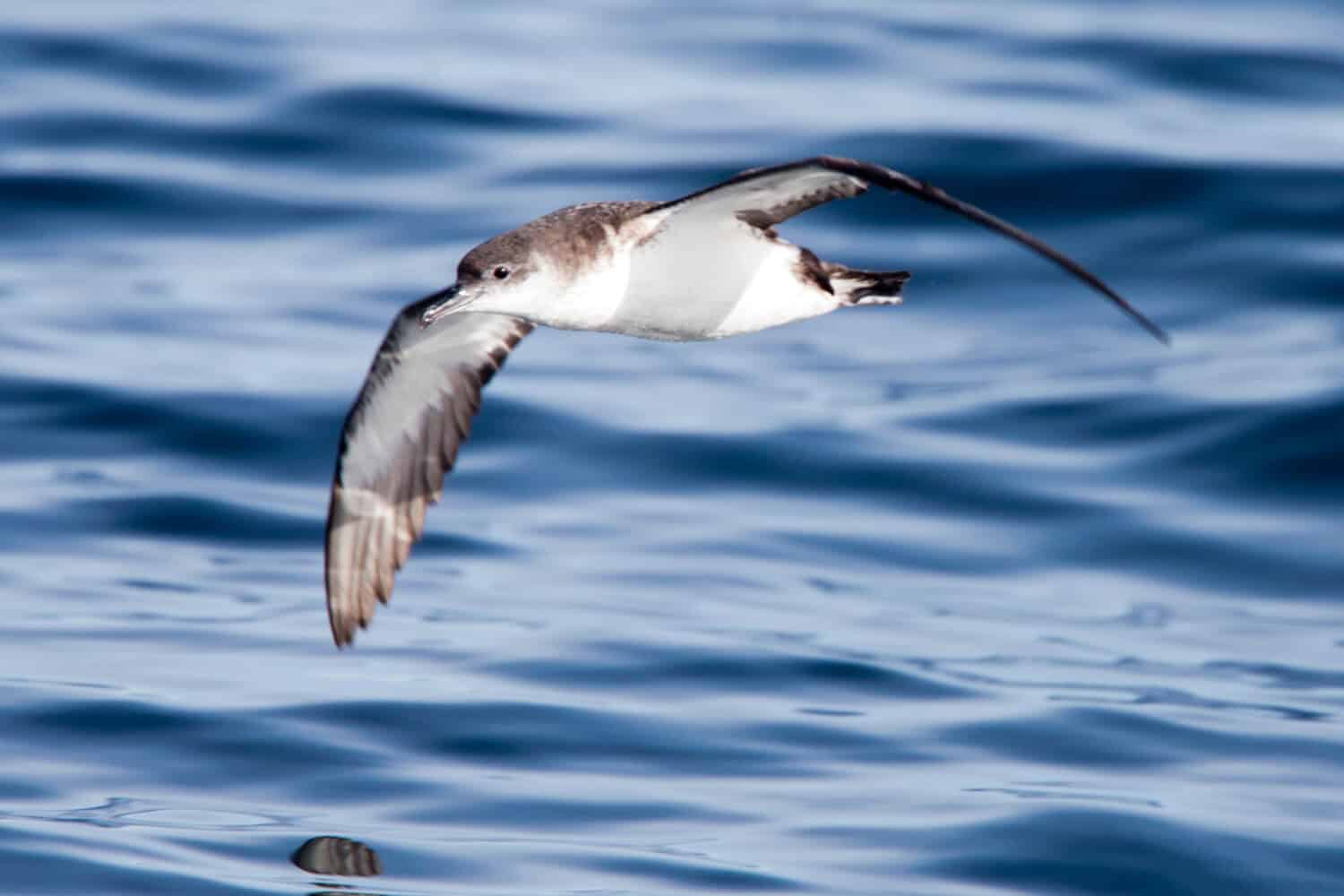
Manx shearwaters experience jet lag as they fly through different time zones.
©Charlie Fayers/Shutterstock.com
Errors occur when birds have not yet acclimated to the new time zone they have entered. Using an internal compass synced to a different time zone leads to miscalculated flight paths during foraging.
Researchers determined this after analyzing GPS flight paths of 1,045 Manx shearwaters over 20 years. These birds are known to fly hundreds of miles away from breeding grounds in search of food. As they returned to their breeding grounds, their internal clocks proved slightly off, as shown by the navigational errors they made. Fortunately, the errors were small, allowing the birds to return to their nests in a timely manner.
Why Seabirds’ Internal Clocks Get Out of Sync
Initially, researchers hypothesized that the Earth’s magnetic field caused Manx shearwaters to go off course. However, they now realize the true cause is the position of the sun.
Using 20 years of flight data, researchers looked at foraging patterns. According to the study, they quickly found that foraging path deviations aligned more closely with the sun’s position than with magnetic field changes. This was especially clear in eastbound travel, where the sun rose earlier as the birds crossed time zones.
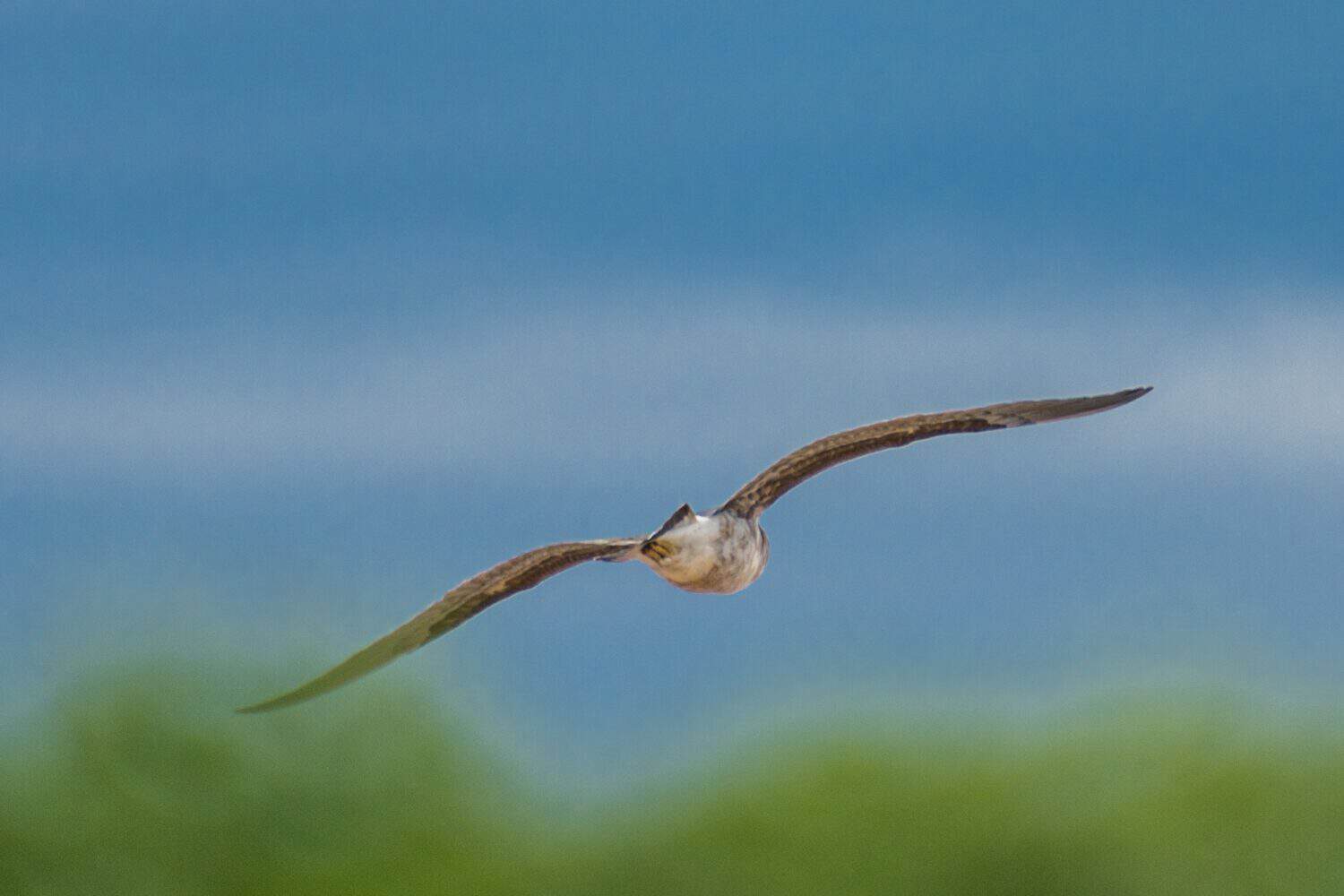
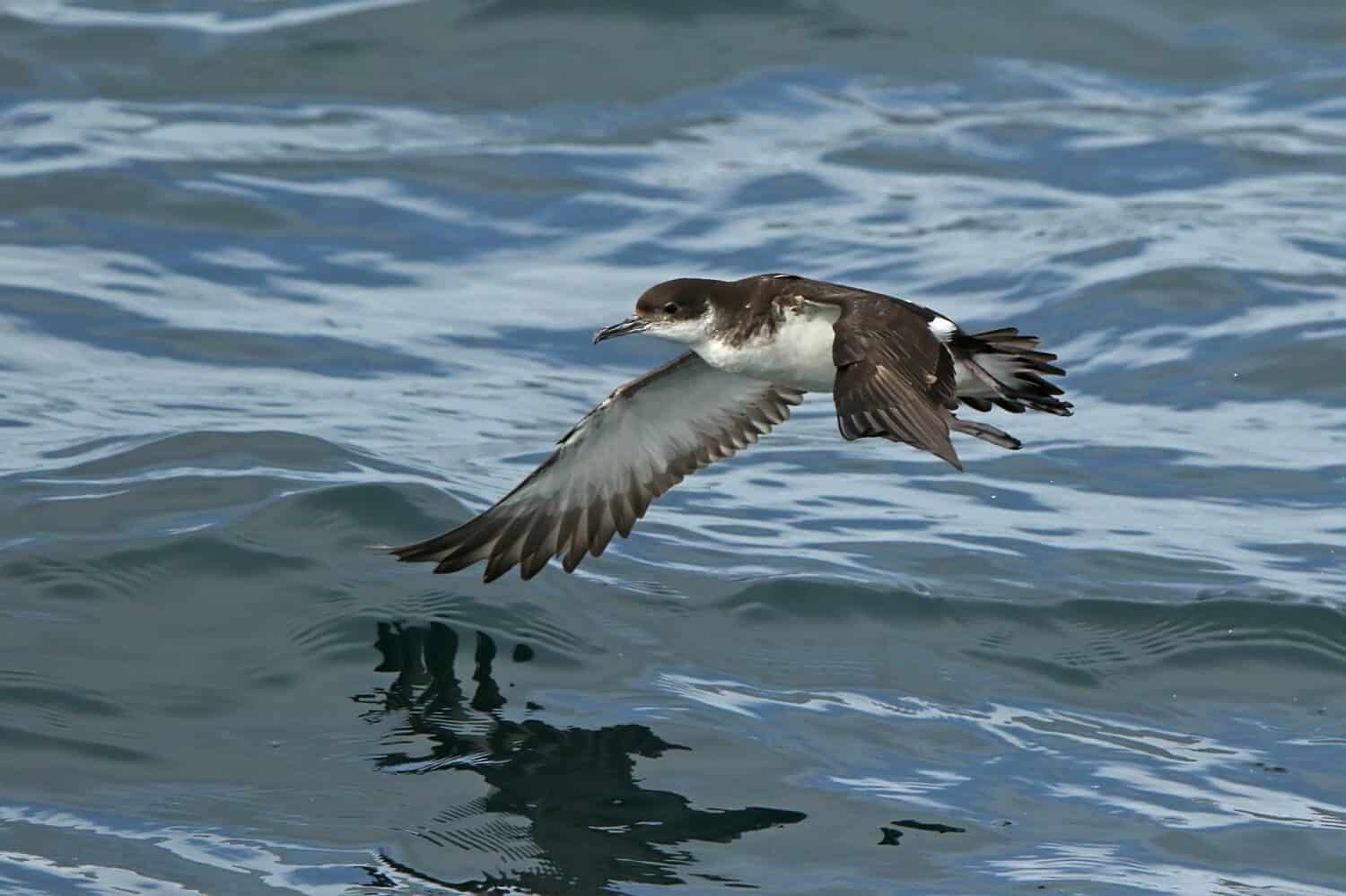
Manx shearwaters rely on the sun to navigate, so when their internal compass is based on a different time zone, they fly off course.
©Alla Khananashvili/Shutterstock.com
Using computer models to predict where the birds would fly based on the sun, researchers were able to accurately link eastbound and westbound travel deviations to the position of the sun. During eastbound travel, jet lag caused the birds to fly clockwise off course because their internal sun compass was miscalibrated. Researchers noted the internal clocks could be behind by as much as an hour. The opposite was true for westbound travel.
Therefore, unlike some birds that rely heavily on Earth’s magnetic field, shearwaters use the sun’s position to navigate from Point A to Point B. This is true even when other navigational options present themselves.
Does Finding Shoreline to Navigate Along Help?
Many migratory birds use landmarks to navigate to their final destination. In the case of the Manx shearwaters, landmarks did not appear to be a navigational tool during foraging. Instead, the sun was their consistent guide.
The seabirds could fly along the coastline during parts of their flight path. However, how close they came to the shoreline depended on how much “compass error” they had. The study noted that when their internal compass pointed them toward the coastline, they flew along it. But if their compass pointed them away from the coastline, they followed that instead.
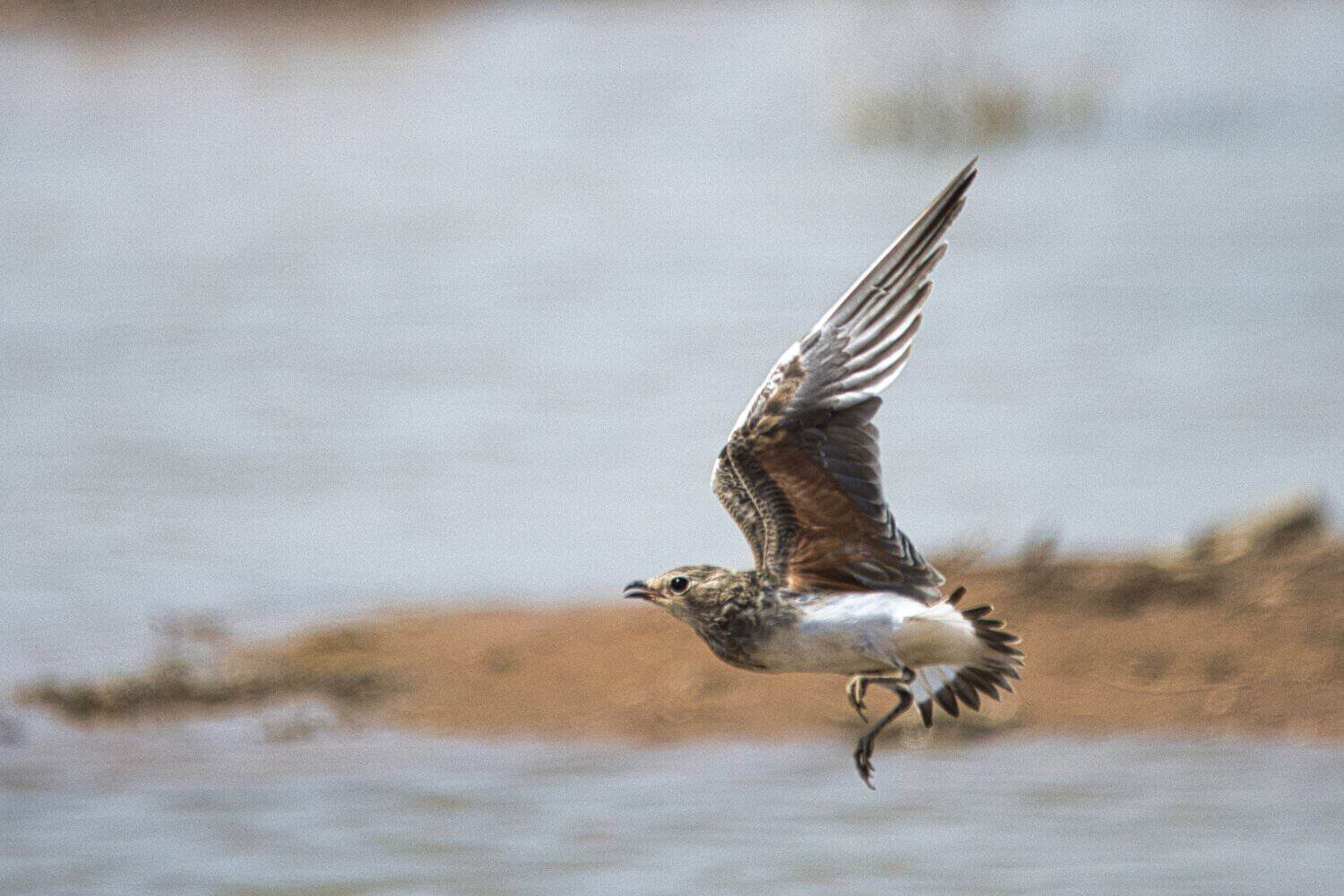
The coastline is not used as a landmark by Manx shearwaters, only the position of the sun.
©Wirestock Creators/Shutterstock.com
According to the study’s lead researcher, Dr. Patrick Lewin of Oxford University, this showed that the shearwaters relied heavily on the sun to navigate, even when landscape landmarks were available to guide them.
“It’s amazing to think that billions of migratory animals look up to the sun for direction,” Dr. Lewin said in a press release, “relying on clocks silently ticking away inside them, and that errors in those clocks can cause them to take tiny shifts off course.”
Fortunately for the shearwaters, those shifts off course are righted before too much can go wrong.
How Far Off Course Seabirds Fly When Jet-Lagged
Jet lag can affect cognitive function. In Manx shearwaters, jet lag did not appear to affect their ability to correct their foraging path while in flight. Although they did veer off course, the deviation was not significant relative to their overall flight from one coast to the other.
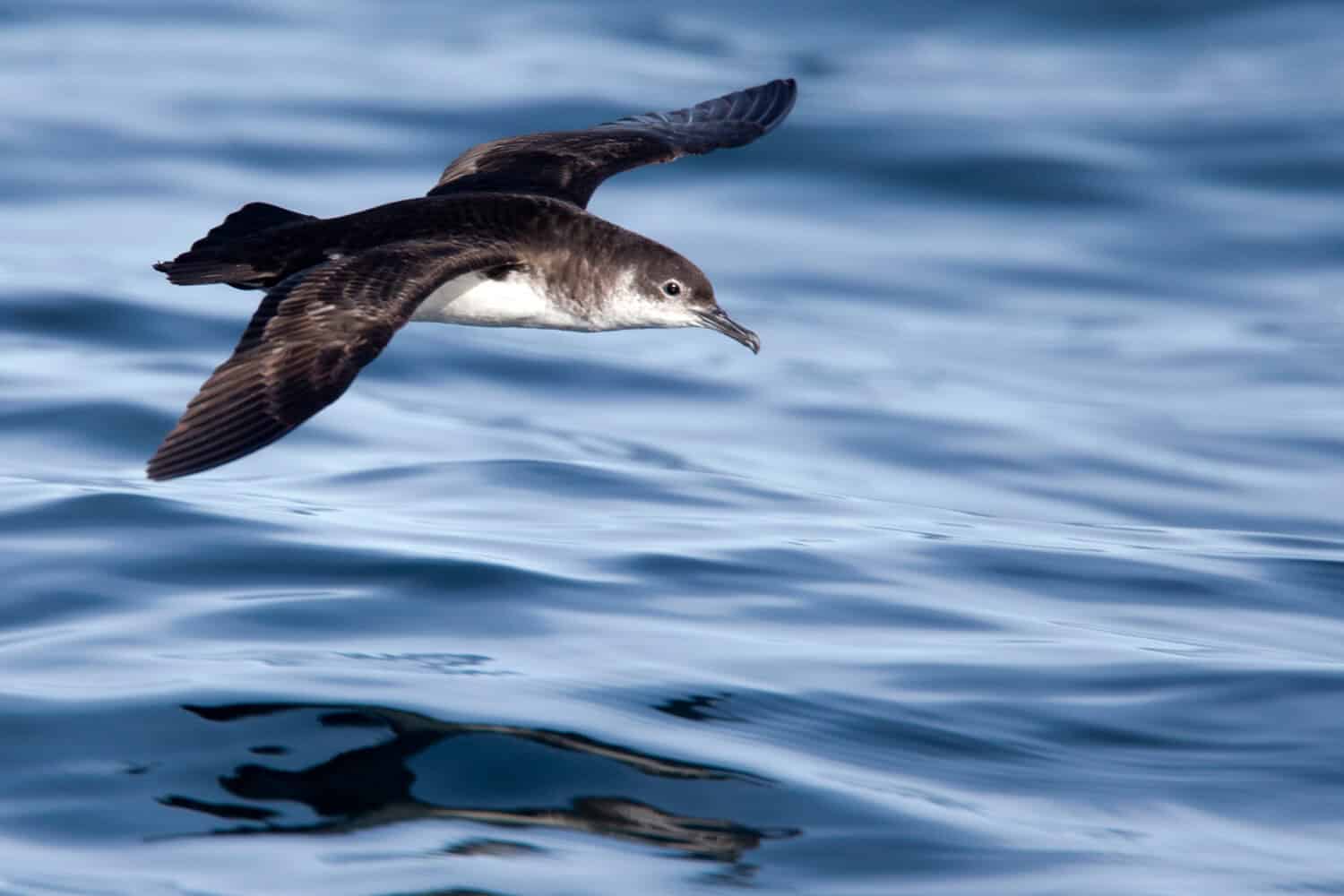
Manx shearwaters tend to only fly a few miles off course when experiencing jet lag.
©tony mills/Shutterstock.com
The data showed that over 20 years, the average seabird deviated by about 15 degrees from its course. As seabirds fly, they consistently correct their course. For the average Manx shearwater, which travels up to 621 miles to feed, the study found it flew about 3.1 miles farther than if it had stayed on course.
3.1
miles
miles farther than staying on course, for the average Manx shearwater feeding up to 621 miles away
An extra three miles is inconvenient, but not necessarily life-threatening for the seabirds. However, the study also noted that birds that experience jet lag and are less able to consistently correct their flight path may go an incredible number of miles off course. If this happens, these birds will not reach their final destination.
How Seabirds Can Help Humans Navigate Jet Lag Better
Manx shearwaters appear to bounce back from jet lag fairly easily. The same does not apply to people who travel through multiple time zones, whether flying east or west. Instead, jet lag disorders can cause long-distance travelers to have sleep problems, daytime fatigue, digestive issues, and concentration problems due to disruption of their circadian rhythm.
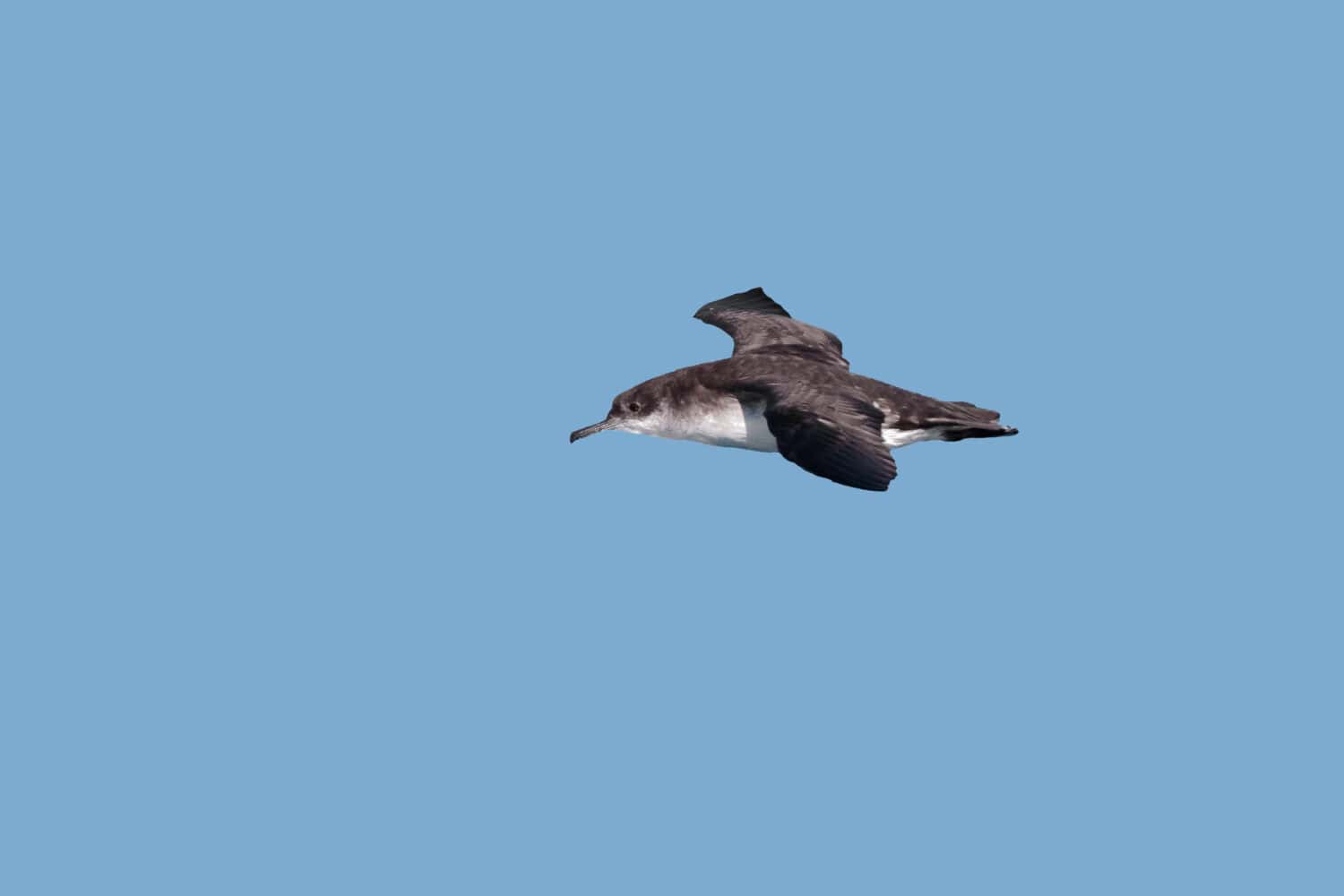
Understanding how shearwaters quickly overcome jet lag can help those who travel long distances and experience it.
©Keith Pritchard/Shutterstock.com
To keep our circadian rhythm from getting thrown out of balance, we can try to follow bird behavior. The following preventative steps can be taken before traveling
- Early adaptation to a new time zone: Migratory birds fly through time zones as they migrate. With each one, they take time to adapt. People can attempt to mimic this by adjusting their sleep-wake schedule in the days before travel to align with the new time zone they are traveling to.
- Scheduling travel and rest time appropriately: Each person adjusts to a time zone differently. Knowing how long it takes you to adjust allows you to book flights and plan rest times to keep your circadian rhythm from becoming unbalanced.
- Synchronizing the internal clock: Seabirds sync up their internal clocks to the sunrise each morning. The human body is wired to do the same. Instead of sleeping the day away after arriving in a new time zone, wake up with the sun to help improve jet lag.
The study shows that seabirds must and do resync their internal clocks when traveling long distances in fairly short intervals. For the birds, this helps them stay on course while foraging or migrating. The study authors believe that if people could learn to do this as well, they could eliminate many jet lag-related health issues.