
Light pollution is increasing worldwide, leaving a significant impact on our wildlife. Artificial light at night, also known as ALAN, is growing at an average annual rate of approximately 2-2.2%. A 2023 study by the Globe at Night project revealed that light pollution may double every 7 to 10 years, as observed by human eyes. If nothing is done to mitigate this damage, we will undoubtedly face a global environmental threat. Marine life is especially vulnerable to these drastic changes, and we spoke to an expert to learn what will happen if this trend continues.
Light Pollution’s Impact On Marine Life
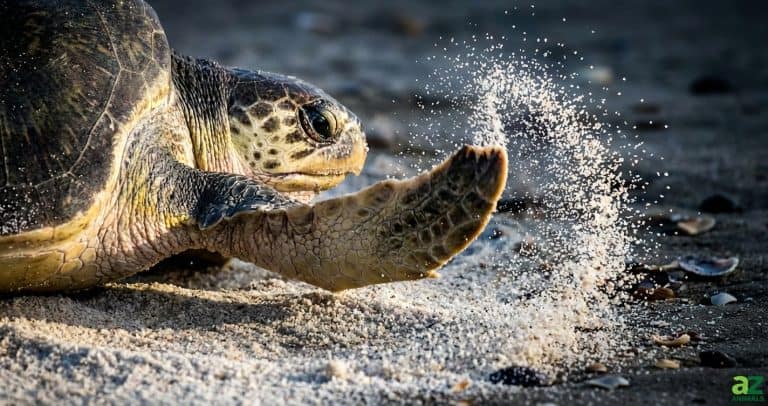
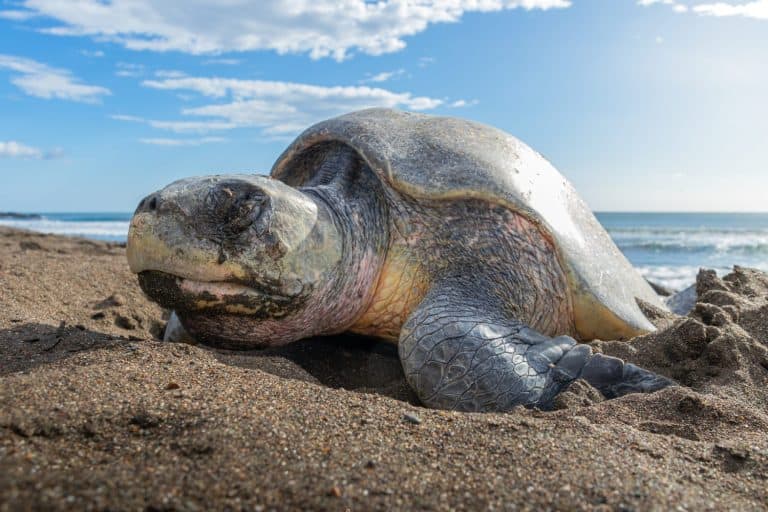
ALAN is especially potent near the ocean, where the only light sources are the sun or bioluminescence. Just as humans have a natural circadian rhythm after dark, marine life follows a light cycle. Artificial light interferes with that, causing changes in breeding, nesting, feeding, mating, and even camouflage. These effects are not limited to one species but affect many. If you’ve ever rented a beach house and were required to shut the lights after dark, this is likely why. Even low light from a nearby porch lamp can disrupt the behavior and natural cycles of nearby marine life, such as nesting sea turtles.
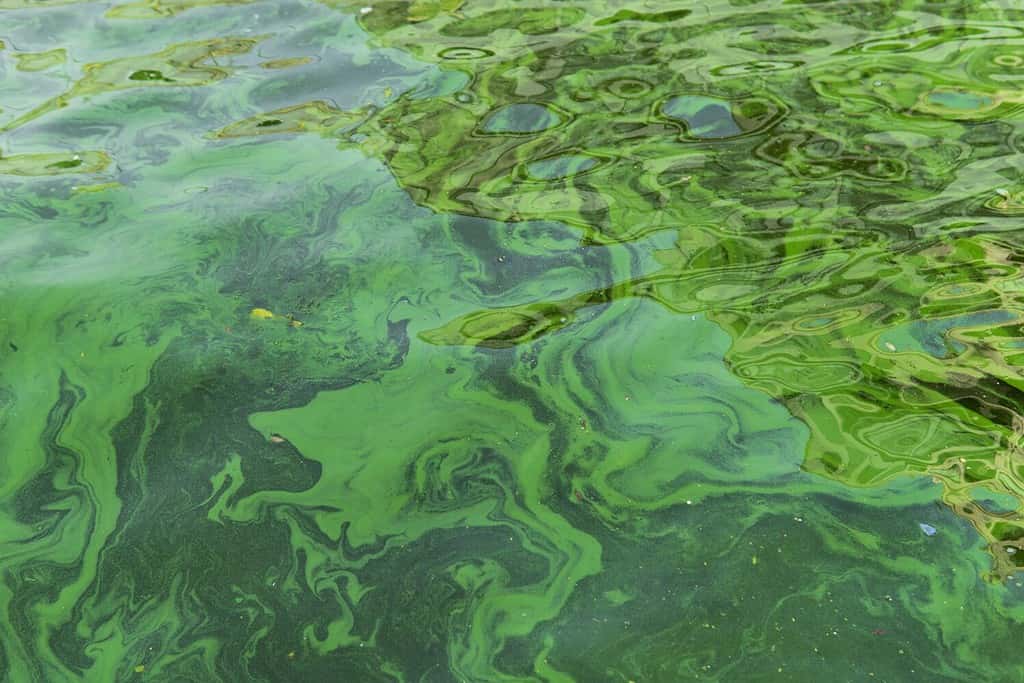
Don’t get into a body of water with cyanobacteria.
©Aleksandrkozak/Shutterstock.com
On the opposite end of the spectrum, artificial light can also lead to unnatural growth. Recent studies show that artificial light, specifically “skyglow” from urban areas, can promote toxic algae blooms. These algae blooms, such as those caused by cyanobacteria, affect humans, marine life, and surrounding wildlife. The findings suggest that even low levels of light pollution can impact carbon and nutrient cycling in the water. If these are not appropriately circulated, they lead to disruptions in the lives of microorganisms that keep lakes clear. Cyanobacteria have been detected in more than 9% of lakes sampled in a national USGS survey.
Tragic Consequences Along the Shoreline
Research shows that artificial light from white or blue-rich LEDs penetrates much further than we realize. Light from these sources can reach ocean depths up to 131 feet or 40 meters, depending on water clarity and density. This means ALAN can reach the mesophotic, or “twilight” zone, potentially impacting marine life we rarely see outside of scuba footage. We spoke with Daniel Kleinman, founder and CEO of Miami’s Seaworthy Collective, to find out which species are most affected by ALAN.
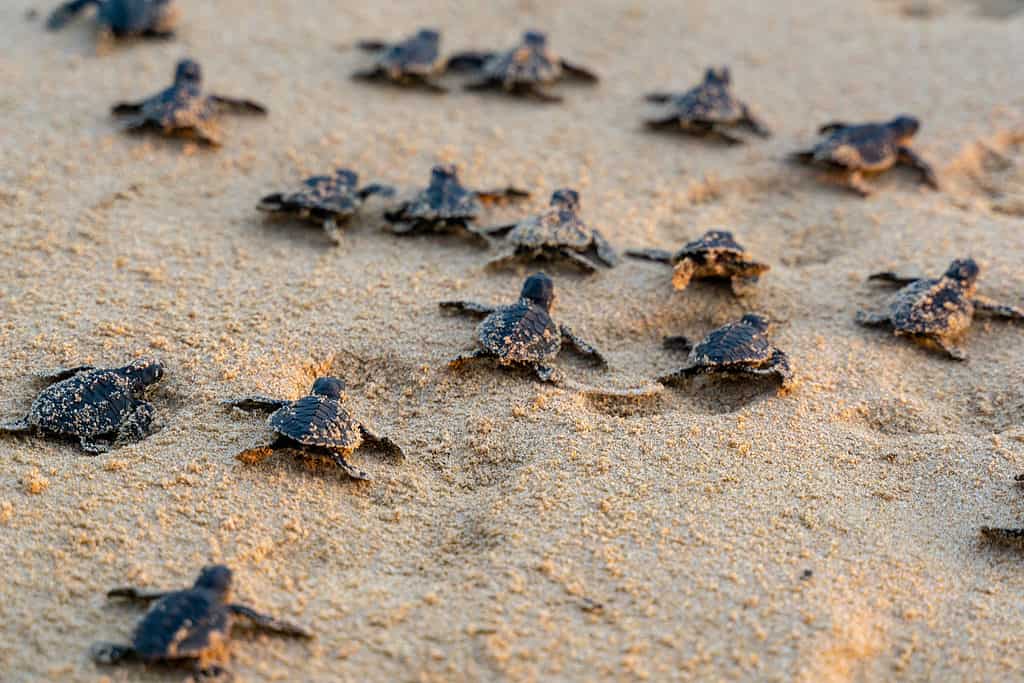
Sea turtles can become disoriented by light.
©Julian Wiskemann/Shutterstock.com
Kleinman informs us that sea turtles are particularly vulnerable to the adverse effects of artificial lighting, which confuses their instincts. “Lights along the beach are turned off to protect sea turtles,” he explains, adding, “female sea turtles lay their eggs on the beach, and once the hatchlings emerge, they rely on natural light cues—usually the moon and stars—to find their way to the sea.” Lights cause disorientation for sea turtles, making it difficult for them to navigate to the ocean. Artificial can prevent them from reaching the shoreline, and sadly, they sometimes travel backward toward ALAN.
Sea Turtles Aren’t the Only Ones Affected
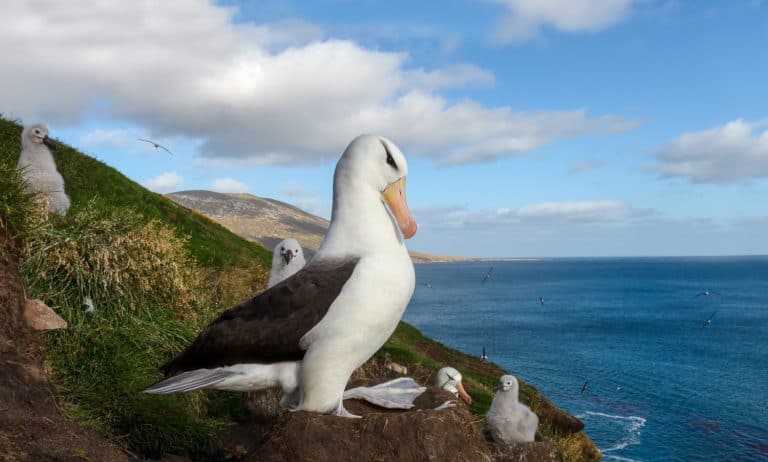
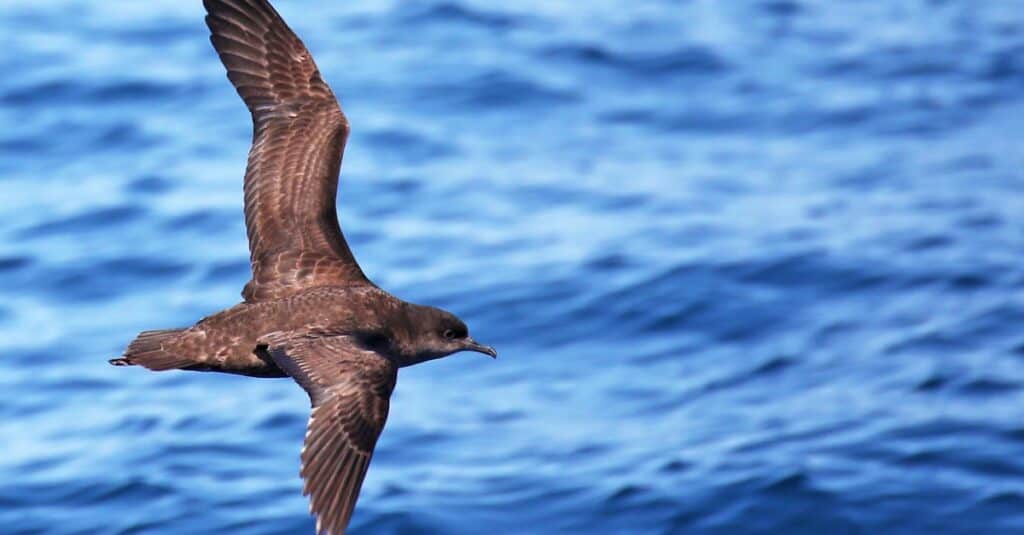
“In addition to sea turtles, artificial lighting can affect coastal biodiversity from coral spawning to seabird migration,” says Kleinman. According to Dark Sky, seabirds, like shearwaters and petrels, often get confused by ALAN. Artificial light causes them to fly erratically, crashing into ships or buildings at sea. When they’re drawn off-course, it can be difficult for them to regain their sense of direction. This can inhibit hunting, foraging, and even reproduction if it occurs during mating season.
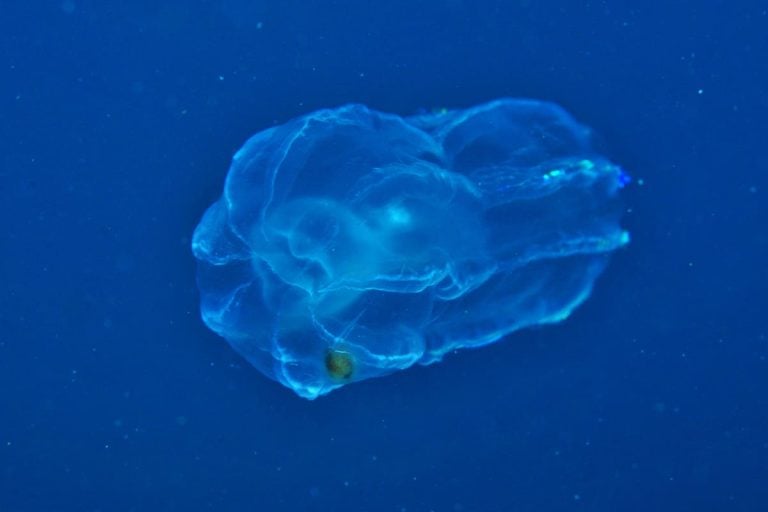
Dark Sky also reports that marine life, which we can barely see, such as zooplankton, is also heavily affected by ALAN. These tiny organisms migrate to the sea surface at night, but get confused in the presence of artificial lighting. The result is an organism that remains underwater for an extended period, disrupting its natural rhythms. When zooplankton don’t surface, the fish that prey on them go without a meal. Additionally, zooplankton feed on phytoplankton, which is left to thrive without predation from the zooplankton. At this stage, artificial light begins to impact entire food chains, rather than just a single species.
Artificial light can disrupt the food chain.
©iStock.com/Manakin
Kleinman notes that this can have the opposite effect, where artificial lighting illuminates potential prey, making it more difficult for nocturnal species to survive. “In addition to affecting navigation and migration, artificial lighting can affect the food chain by making prey easier to spot and attracting predators, leading to habitat avoidance and loss,” he says.
The Danger of ALAN On Coral Reefs
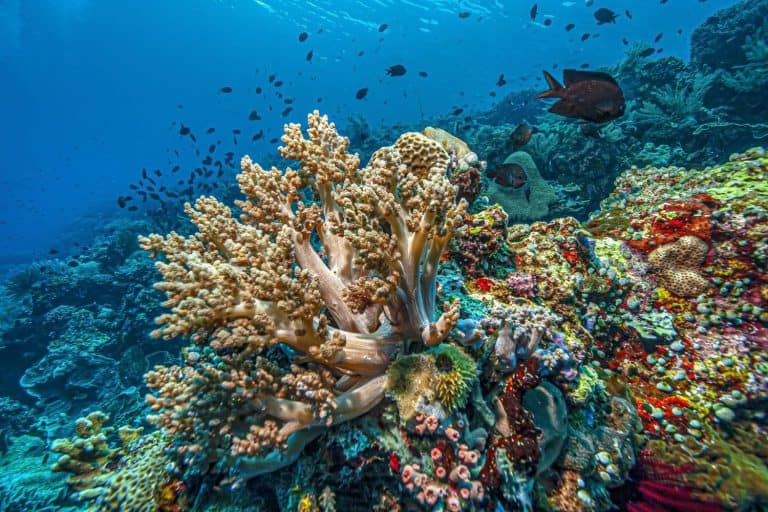
Coral reefs face a particularly harsh threat from artificial lighting. Coral spawning typically occurs after the full moon, signaling the release of eggs and sperm. Once these eggs and sperm are released from the coral, they are fertilized, resulting in the formation of new coral over time. If artificial lighting reaches the depths of the coral, it can interfere with the timing of reproduction. This means that a coral might release eggs far too soon, which can impact its survival rate.
Coastal urban areas and developed shorelines are the most at risk for light pollution.
Daniel Kleinman, founder and CEO of Miami’s Seaworthy Collective
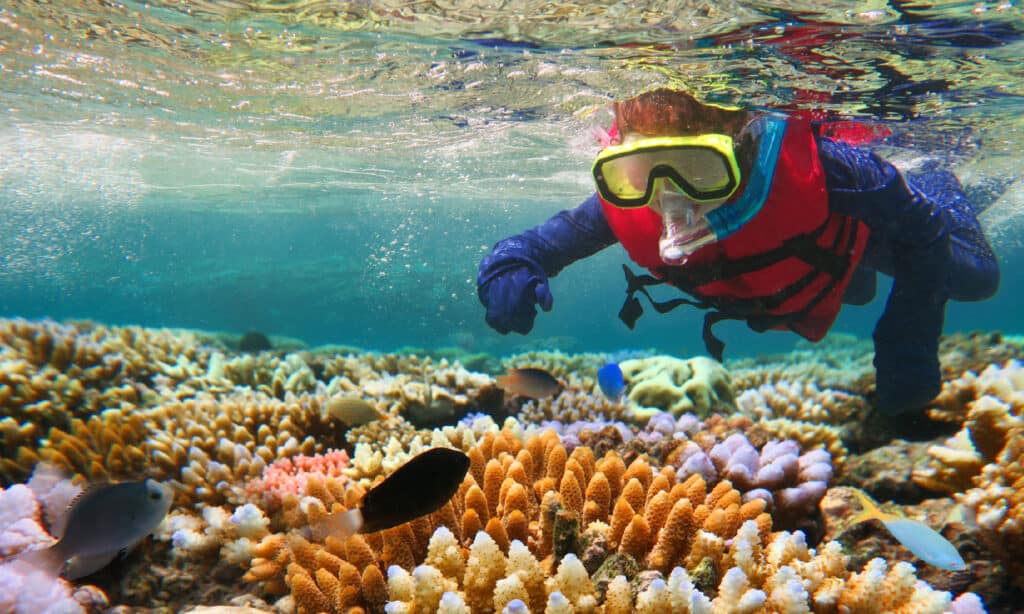
Coral perceive light changes.
©iStock.com/chameleonseye
A study published in eLife by the Australian Institute of Marine Science, the University of Queensland, Tel Aviv University, and Ilan University found that coral spawning directly correlates with moonlight. This discovery was studied at the Great Barrier Reef, where it was also determined that ALAN can interfere with natural light. The Great Barrier Reef generally experiences lower levels of artificial light compared to urban areas. However, some parts of the reef close to shore still see light pollution. In this study, it was determined that corals can sense changing light patterns with a protein similar to photosensitive melanopsin. In mammals, this is responsible for detecting the light change from day to night, causing our circadian rhythm.
These Areas Are More Vulnerable to Light Pollution
ALAN is less common in rural areas, but for seaside cities, this is not the case. However, light pollution goes beyond artificial lighting along the shoreline. “Coastal urban areas and developed shorelines are the most at risk for light pollution,” says Kleinman. “Offshore infrastructure like oil and gas platforms, wind farms, and even passing ships can extend light pollution out to sea, which can even affect phytoplankton’s daily movements between deeper and shallower waters.” While we can somewhat control the light pollution that happens along the shore, we’re often powerless to stop artificial lighting out at sea. Dark Sky reports that even the light from fishing vessels and seaports is adding to the growing ALAN problem.
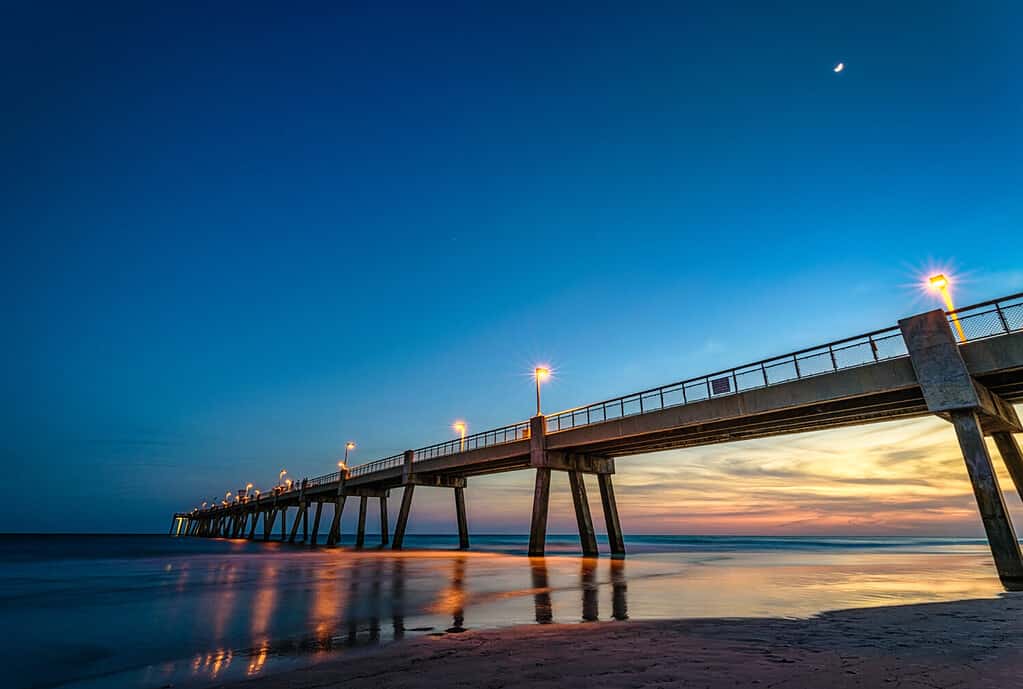
Light pollution is prevalent in coastal urban areas.
©Mike Whalen/Shutterstock.com
The Alaska Beacon found that these cities worldwide contribute significantly to marine light pollution:
- Tokyo, Japan
- Mumbai, India
- New York, New York
- Los Angeles, California
- Buenos Aires, Argentina
Additionally, the Persian Gulf, Red Sea, and Gulf of Aqaba are at risk due to their coastal populations and offshore development. The North Sea, Mediterranean, and coastal regions in Southern China are also at-risk locations. The NASA Earth Observatory created a map showing just how much light pollution is thrown off around specific bodies of water. One of their discoveries is that certain areas with clearer water, such as parts of the South China Sea, may experience light pollution at depths of 131 feet (40 meters) or less. While this is not true of all the South China Sea, it is nevertheless concerning.
What Can We Do to Slow Down Light Pollution?
In contrast to many other environmental issues, light pollution is one of the few that we can reverse. “While ideally we can push to turn off unnecessary lights, there are also mitigative solutions, including shielding lights and red or amber lighting for reducing light intensity,” Kleinman tells us. If you live in a coastal region, simply shutting off outdoor lights after dark is a good start. Directing light away from water sources and using energy-efficient bulbs, or only using light when necessary, are also helpful. Motion sensors are another way to monitor outdoor light usage, especially in rural or coastal areas. Staying up to date with organizations fighting light pollution, such as Dark Sky, is also a great idea.
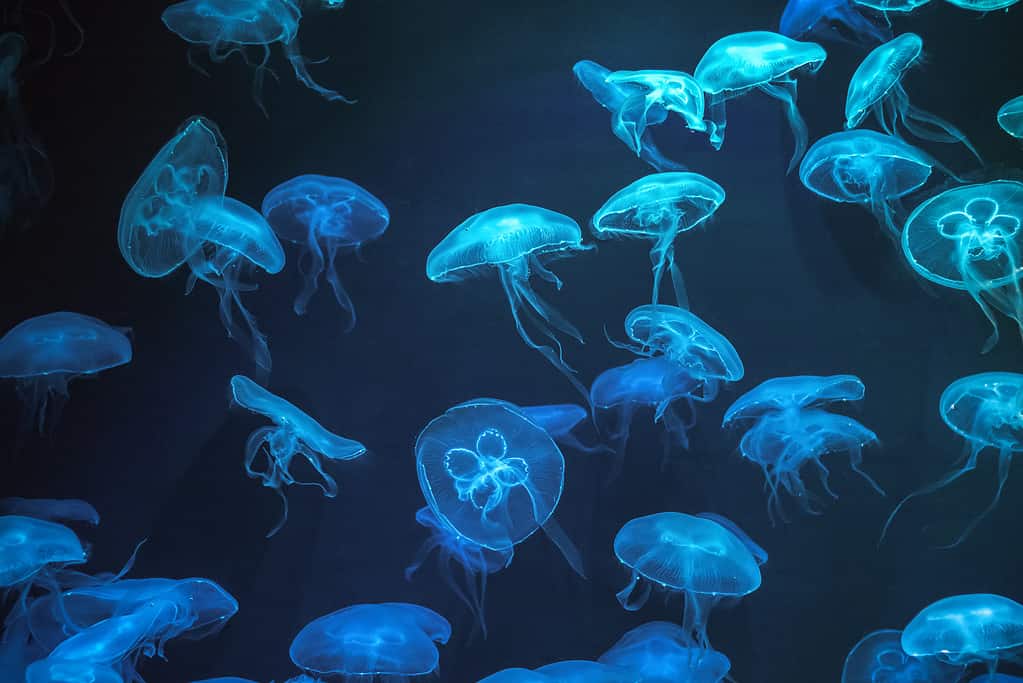
It’s important to identify light pollution hotspots.
©VictorHuang/iStock via Getty Images
Kleinman also tells us that AI may be able to help lead the fight in identifying light pollution hotspots. It can also help to predict the damaging effects of light pollution. This could potentially save marine environments in the long run by encouraging us to take action now. “Light pollution is just one example of anthropogenic impact on our coasts, and is ripe for emerging technologies and solutions such as AI-driven computer vision and other sensors to not only better understand our impacts, but also continue to improve our relationship with nature,” says Kleinman.