
Quick Take
- Magnetoreception is widespread across birds, turtles, insects, fish, mammals, and some bacteria.
- Movement through magnetic fields can induce tiny electrical currents in conductive tissues, especially in animals with strong electrosensory capabilities.
- Sea turtles rely on magnetite for long-distance navigation and natal homing, combining magnetic cues with smell and wave direction near shore.
Magnetoreception, an animal’s ability to sense Earth’s magnetic field, remains one of the most intriguing mysteries in biology. While this skill is surprisingly common across species, the inner workings behind it are notoriously elusive. Unlike senses such as vision or hearing, which rely on well-defined organs and measurable signals, magnetic perception leaves few anatomical clues and produces no obvious electrical patterns for researchers to track. To unravel how animals accomplish this remarkable feat, scientists have proposed three leading hypotheses: electromagnetic induction, chemical magnetoreception, and biogenic magnetite. This article explores each theory and the species that may use these remarkable navigational tools.
Electromagnetic Induction
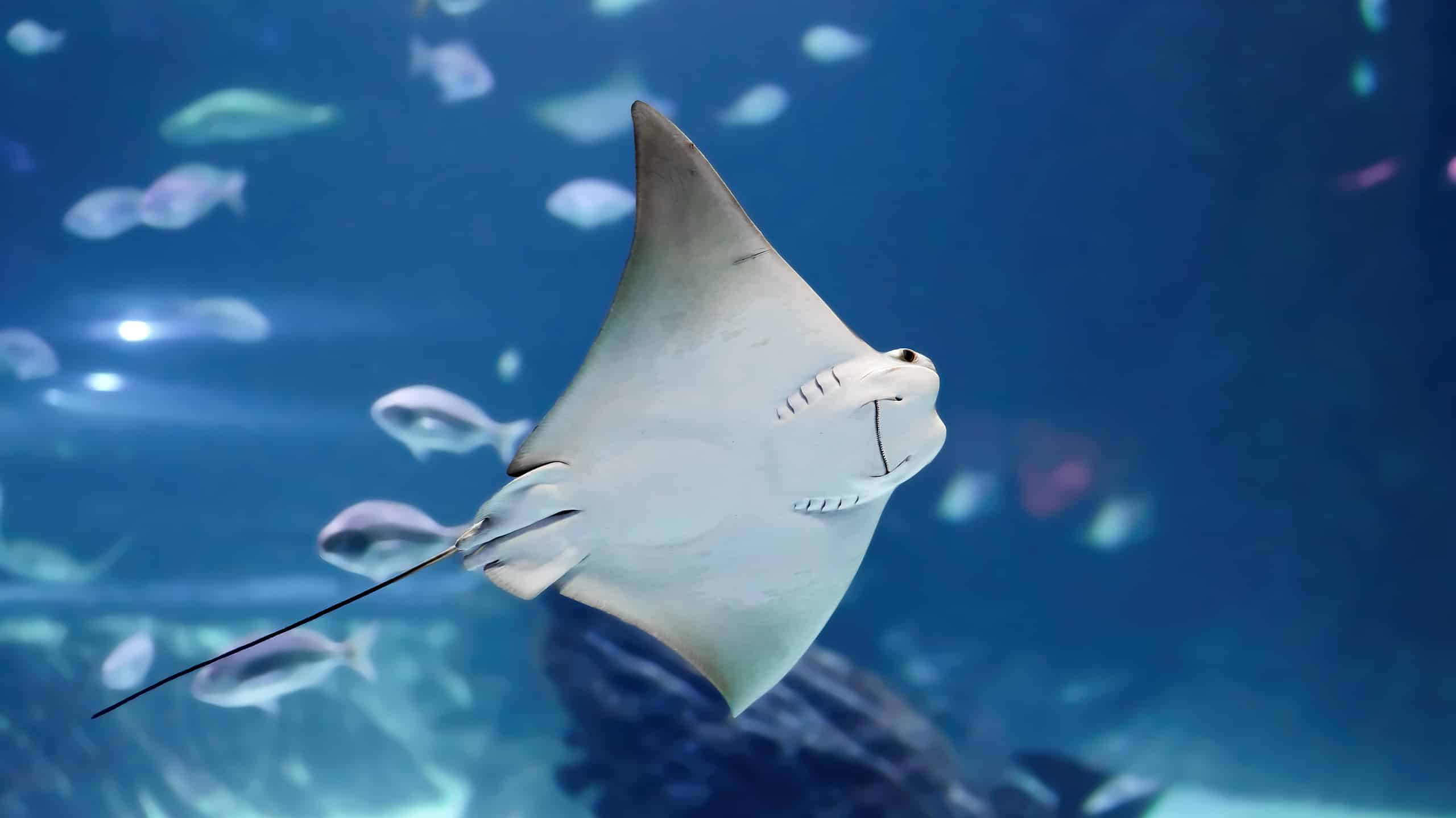
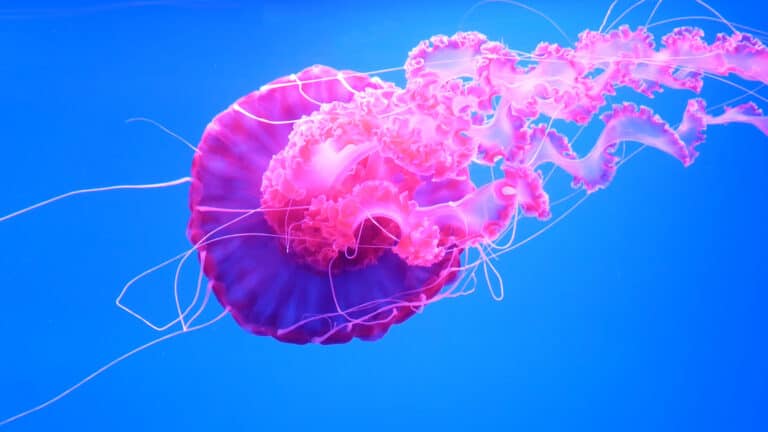
Electromagnetic induction is the process by which a changing magnetic field creates an electric current.
©BlackFarm/Shutterstock.com
Animals moving through a magnetic field can induce tiny electrical currents in conductive tissues, similar to how electrical generators work. This mechanism is most plausible for animals that already possess strong electrosensory capabilities.
These species rely on specialized, fluid-filled canals known as the Ampullae of Lorenzini, which are extraordinarily sensitive, capable of detecting tiny voltage differences generated by muscle movements, salinity gradients, or even the Earth’s magnetic field interacting with seawater. This makes electromagnetic induction a physically plausible mechanism for magnetoreception in aquatic animals. As a fish moves through Earth’s magnetic field, conductive seawater flowing around its body could induce weak electrical currents that these receptors might detect.
Animals that possess electrosensory capabilities:
- Sharks
- Rays
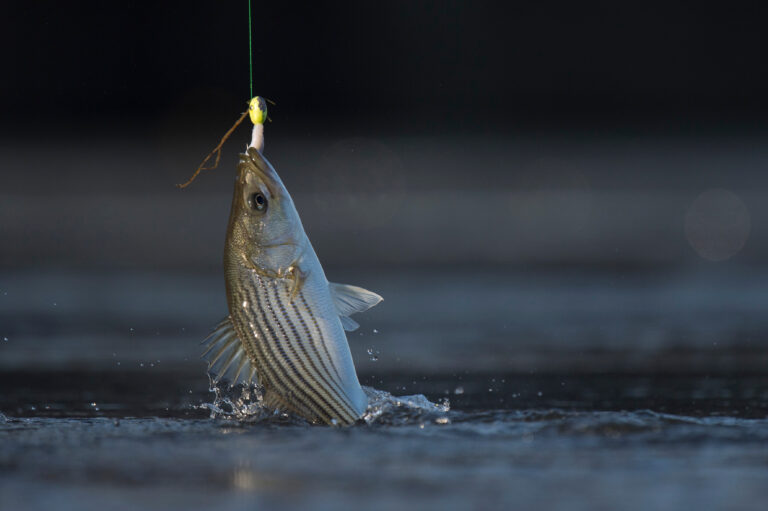
- Some bony fish
There is a lack of direct evidence that fish use electromagnetic induction specifically for magnetoreception. Their electrosensory organs clearly serve important functions, such as hunting prey and navigating complex seascapes, but whether they also provide information about magnetic direction or intensity remains an open question in magnetoreception research.
Chemical Magnetoreception
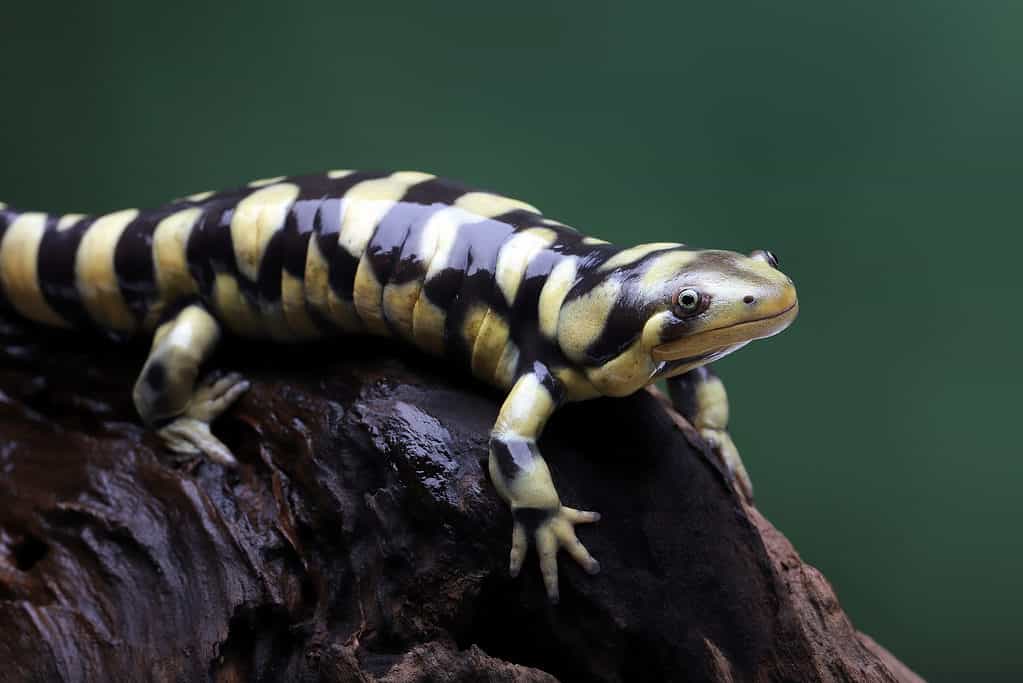
Some animals sense Earth’s magnetic field through light-sensitive molecules in their eyes.
©Lauren Suryanata/Shutterstock.com
Chemical magnetoreception involves cryptochromes, light-sensitive proteins found in plants, insects, and vertebrates. In birds, cryptochromes are concentrated in the retina, where they detect directional information via light-dependent chemical reactions.
Under this theory:
- Light excites cryptochrome molecules in the eye.
- This creates reactive pairs of electrons, whose spin states can be subtly altered by Earth’s magnetic field.
- These spin changes affect the outcome of chemical reactions.
- The resulting visual signals may produce an overlay, a sort of magnetic “filter” in the bird’s field of vision, revealing directional information.
This model is supported by:
- Bird behaviors that depend on light (they can’t orient magnetically in darkness)
- Disruptions caused by specific light wavelengths
- Disruption by weak radio-frequency fields
These clues all point toward a light-dependent compass in the eyes of many bird species. Migratory birds, salamanders, and newts are the strongest candidates for using chemical magnetoreception.
Biogenic Magnetite
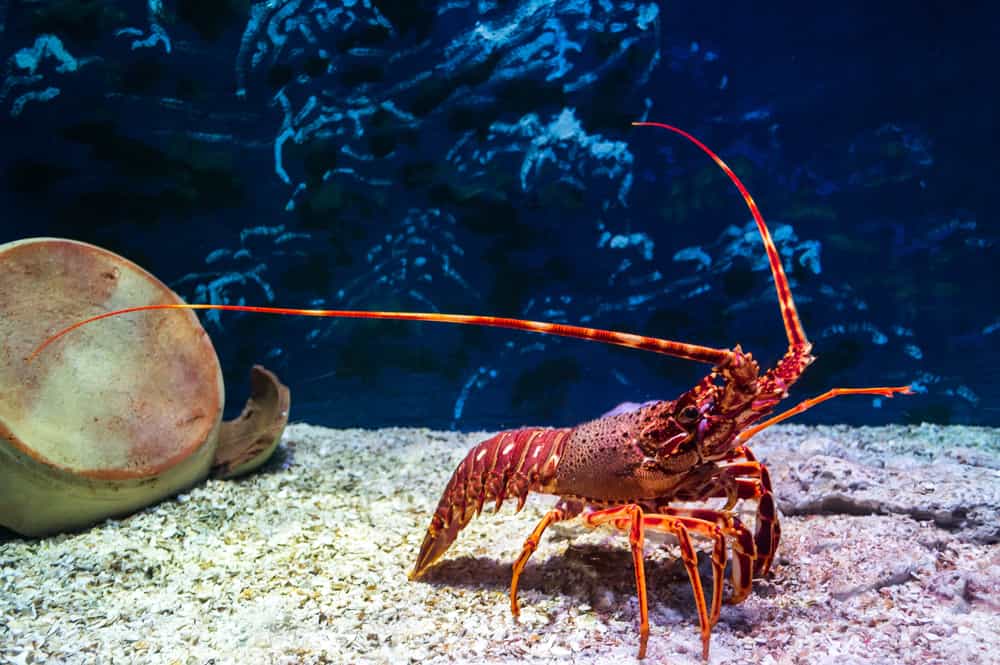
Biogenic Magnetite plays a crucial role in allowing animals to sense the Earth’s magnetic field.
©Haland/Shutterstock.com
Some animals may use microscopic crystals of magnetite, a naturally magnetic mineral found in magnetotactic bacteria. Because magnetite particles align with magnetic lines of force, they can generate tiny mechanical stresses when the magnetic field changes. If these particles are embedded in sensory cells, those stresses could stimulate nearby nerves, providing the animal with information about magnetic direction or intensity. This mechanism functions almost like a biological compass needle at the cellular scale.
Several lines of evidence support this magnetite-based sensing hypothesis:
- Magnetite grains have been identified in the tissues of diverse species, including fish, birds, and turtles, often in locations associated with sensory processing.
- Behavioral experiments show that when researchers alter magnetic fields, animals may become disoriented, choose incorrect migration routes, or display unusual searching behaviors.
- Neural activity patterns in certain brain regions appear to shift in response to magnetic stimulation, suggesting that some part of the nervous system is tuned to magnetic cues.
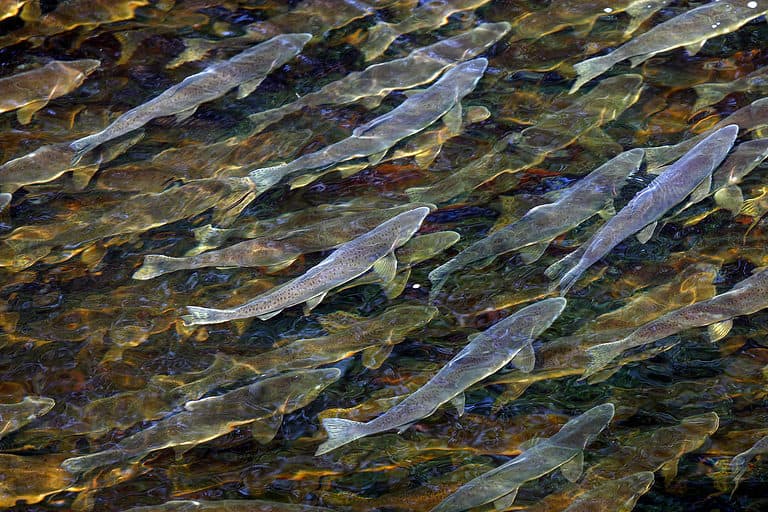
Yet despite decades of research, scientists have not discovered a fully characterized magnetic receptor organ in any vertebrate. The structures, if they exist, are likely incredibly small, sparsely distributed, or embedded among more familiar tissues, making them difficult to isolate and study. Even so, accumulating evidence indicates that species like sea turtles, salmon, spiny lobsters, and homing pigeons may use magnetite-based sensors to determine not just direction but also position, functioning somewhat like an internal GPS that helps guide long-distance migrations with remarkable precision.
Magnetic Minerals in Sea Turtle Brains Are a Built-in Navigation Map
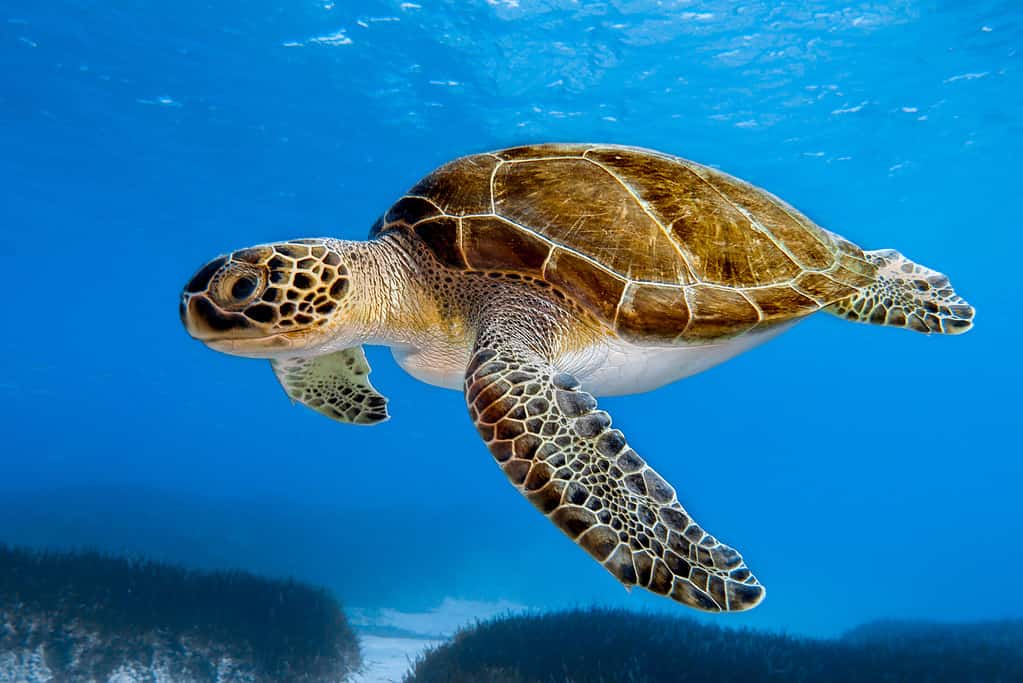
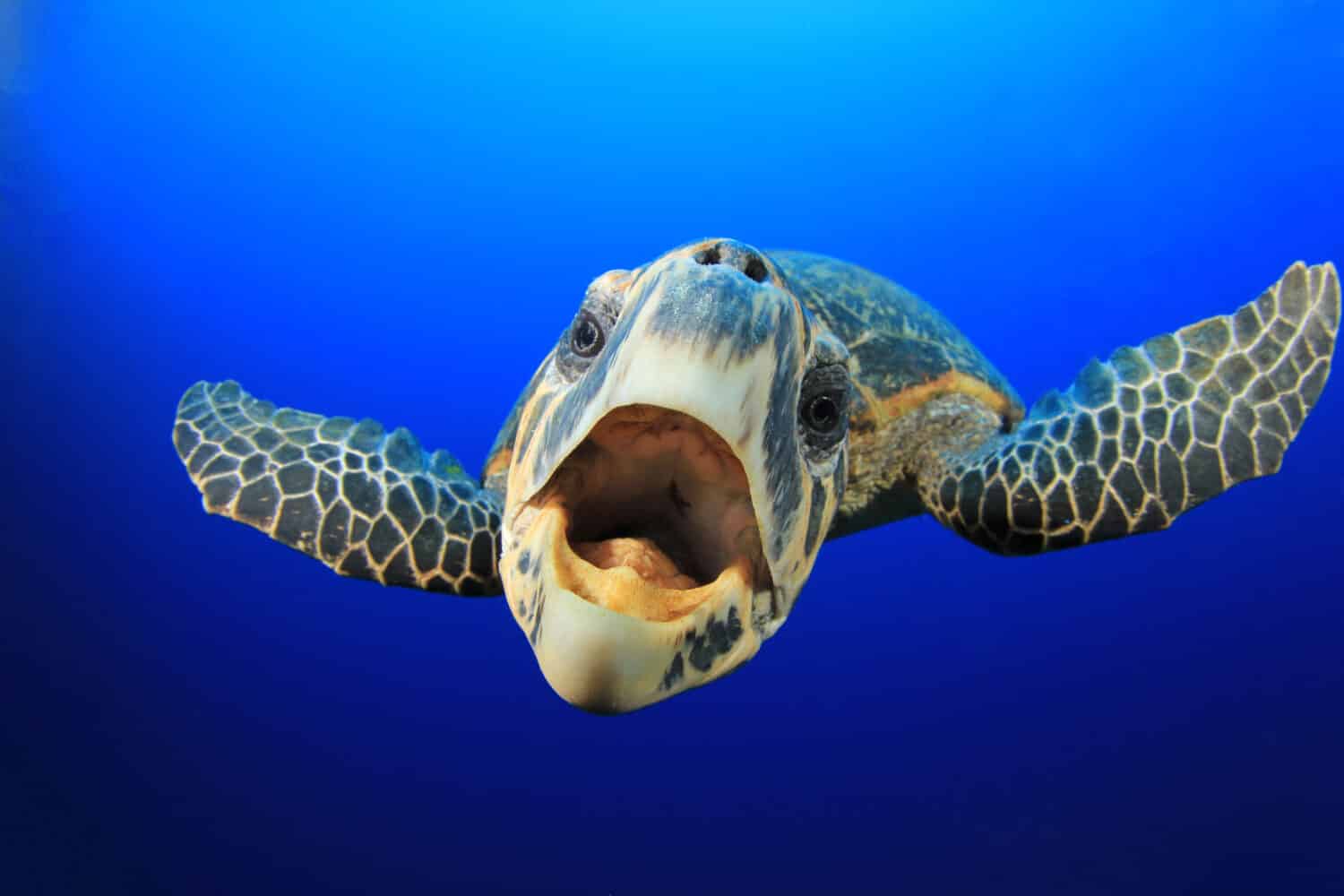
Sea turtles use magnetoreception, effectively turning Earth’s magnetic field into a built-in GPS.
©Sakis Lazarides/ via Getty Images
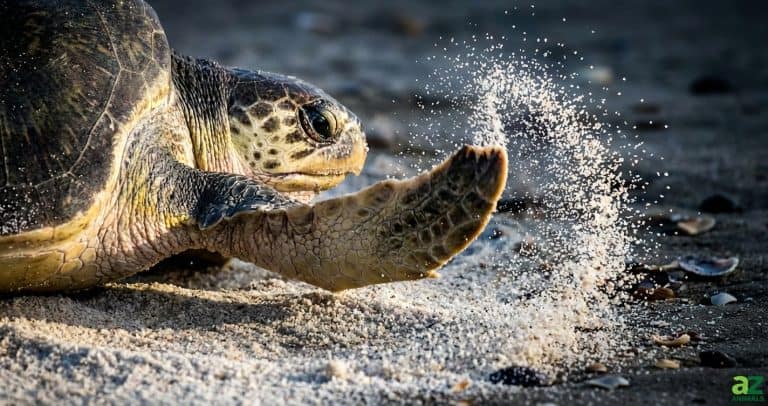
Sea turtles are remarkably long-distance navigators, capable of crossing entire ocean basins and eventually returning to the very beaches where they hatched, even after spending years or decades at sea. This ability, known as natal homing, has fascinated scientists for generations, and research now shows that turtles rely heavily on Earth’s magnetic field to achieve it.
Researchers have found:
- Microscopic magnetite particles in areas of the turtle brain associated with orientation and long-distance movement
- Behavioral shifts when magnetic fields are artificially altered, showing that turtles respond predictably to magnetic changes
- Clear correlations between global magnetic field gradients and major migratory routes used by sea turtle populations
Although scientists have not yet identified the exact sensory neurons involved, these findings strongly support the idea that turtles use magnetite, which functions much like an internal GPS.
- Magnetic inclination (the angle at which field lines intersect Earth’s surface)
- Magnetic intensity (the strength of the magnetic field)
- Magnetic declination (the difference between true north and magnetic north)
Because these parameters vary predictably across the planet, turtles can locate the region that matches their imprinted magnetic “address.”
This geomagnetic mapping system allows turtles to:
- Navigate across entire ocean basins
- Adjust course when drifting off-route
- Locate foraging grounds and breeding sites with impressive precision
While turtles likely rely on additional senses, such as olfaction and wave cues, when nearing shore, magnetite-based magnetoreception appears to be central to their long-distance navigational abilities.
How These Systems Work Together to Guide Animal Navigation

Despite relying on different biological structures, both birds and sea turtles navigate using similar properties of Earth’s magnetic field.
©Michel Guenette/Shutterstock.com
Although birds and sea turtles rely on different biological structures, they both navigate using similar properties of Earth’s magnetic field. Different species use magnetoreception in unique ways, depending on their ecological needs and migratory strategies. While some animals use it to determine direction, others use it to determine position. Many combine multiple sensory systems to navigate with incredible precision.
Birds – Direction (Compass)
Many birds rely on cryptochrome-based systems to sense the tilt of Earth’s magnetic field lines. This ability provides them with a magnetic compass, allowing them to determine which direction to fly during migration. While highly effective for orientation, this system does not give birds precise positional information—it tells them “which way” rather than “where.”
Turtles – Position (Map)
In contrast, sea turtles and some other animals use magnetite-based sensors to detect subtle variations in magnetic intensity and inclination across the globe. These cues provide a geomagnetic map, helping turtles determine their approximate position relative to large-scale magnetic gradients. While this system is excellent for navigation over long distances, it does not necessarily provide detailed directional guidance.
Complementary Systems
- Birds may use both cryptochrome and magnetite, with cryptochrome guiding compass heading and magnetite providing coarse positional information.
- Turtles rely on magnetite for long-distance mapping but switch to visual, olfactory, or wave cues when approaching familiar coastal areas.
- Other animals, such as salmon or lobsters, may integrate magnetic cues with chemical signals, water currents, or other environmental information to fine-tune navigation.
Because Earth’s magnetic field gradually shifts over time, animals must continually adapt or recalibrate their magnetic maps. This process remains poorly understood but is crucial for long-term migratory accuracy.
The Path Forward Using Modern Tools and Model Organisms
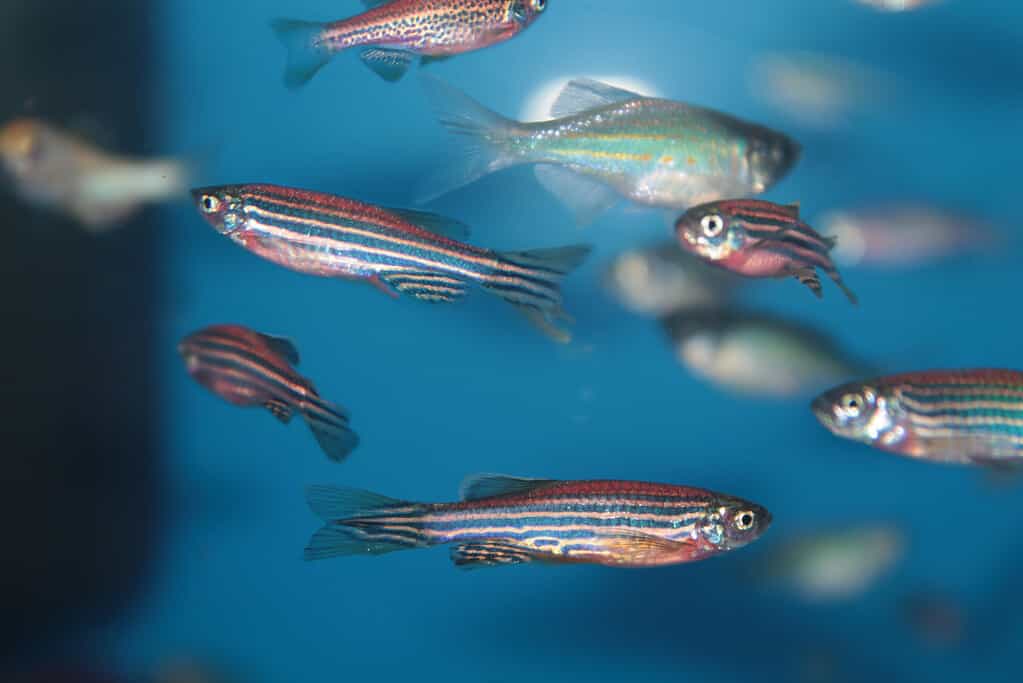
There are significant research challenges in the area of magnetoreception.
©kazakovmaksim/iStock via Getty Images
Magnetoreception has captivated scientists for decades due to its complexity and significance in navigation. From migratory birds journeying thousands of miles to sea turtles returning to specific beaches, this sensory capability plays a crucial role in the survival of many species. Despite its importance, studying magnetoreception presents numerous challenges, primarily stemming from the microscopic nature of magnetic receptors and the elusive nature of magnetic fields themselves. Understanding the mechanisms behind this phenomenon could not only enhance our knowledge of animal behavior but also shed light on broader questions of sensory biology and evolution.
Magnetoreception is a fascinating yet elusive sense, and studying it has proven exceptionally difficult for several reasons:
- Magnetic receptors may be microscopic, making them hard to locate within tissues.
- Magnetic effects at the cellular level are extremely weak, often producing signals that are difficult to measure.
- Magnetic sensors may be distributed, rather than concentrated in a single, easily identifiable organ.
- Magnetic fields themselves are invisible, complicating direct observation and experimental manipulation.
To overcome these challenges, researchers are increasingly turning to innovative models and techniques:
- Zebrafish, with transparent embryos and powerful genetic tools, allow real-time observation of cellular responses.
- Fruit flies, with simple nervous systems and well-characterized cryptochromes, provide a genetically tractable system.
- Magnetosensitive molluscs, which exhibit predictable behavioral responses under lab conditions, offer insight into basic sensory mechanisms.
- Advanced neuroimaging, including calcium imaging and optogenetics, enables visualization of neuronal activity linked to magnetic cues.
- Genome editing, such as CRISPR, allows targeted manipulation of genes suspected to be involved in magnetoreception.
- Materials science techniques, like electron microscopy, help locate magnetite particles within tissues.
By combining these approaches, scientists are gradually closing in on the elusive magnetic receptor, a discovery that has been sought for decades and could unlock a fundamental understanding of how animals navigate the world.
Conclusion

Birds and sea turtles navigate with astonishing accuracy thanks to magnetoreception.
©Ana Gram/Shutterstock.com
Magnetoreception is a remarkable and complex sense that allows animals to navigate vast distances with extraordinary precision. From birds following cryptochrome-based compasses to sea turtles using magnetite-based geomagnetic maps, animals have evolved multiple strategies to exploit Earth’s magnetic field. Despite decades of research, the exact receptors and mechanisms remain largely mysterious. Advances in genetics, neuroimaging, and materials science are finally beginning to illuminate this hidden sense, promising new insights into animal behavior, sensory biology, and evolution.