
More and more people are becoming health-conscious, especially when it comes to where their food comes from. Organic items without hormones and preservatives are thought to be the healthiest. Unfortunately, wild animals such as owls don’t have this luxury.
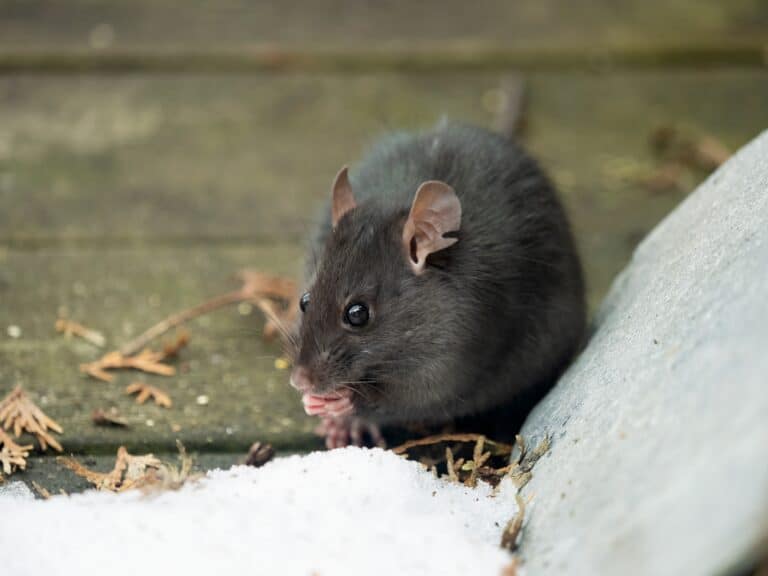
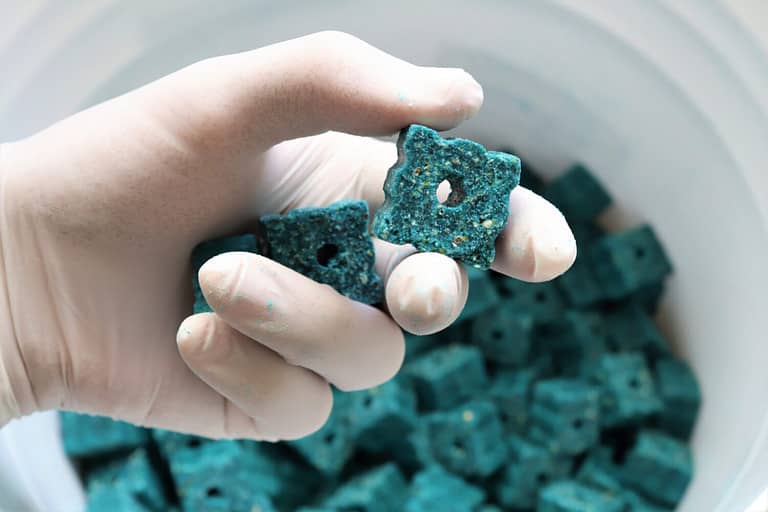
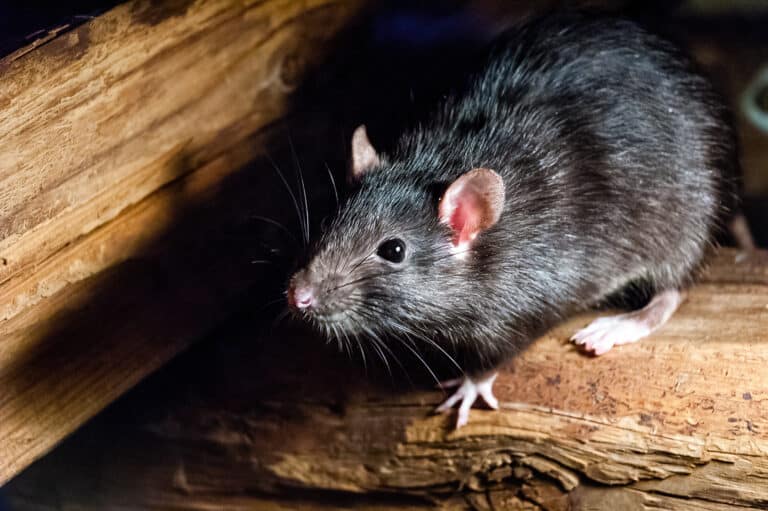
According to recent studies, blood-thinning rat poisons known as anticoagulant rodenticides are highly present in the circulatory systems of owls in the Lone Star State. When an owl consumes a rat that has encountered rat poison, the owl can get incredibly sick and even die.
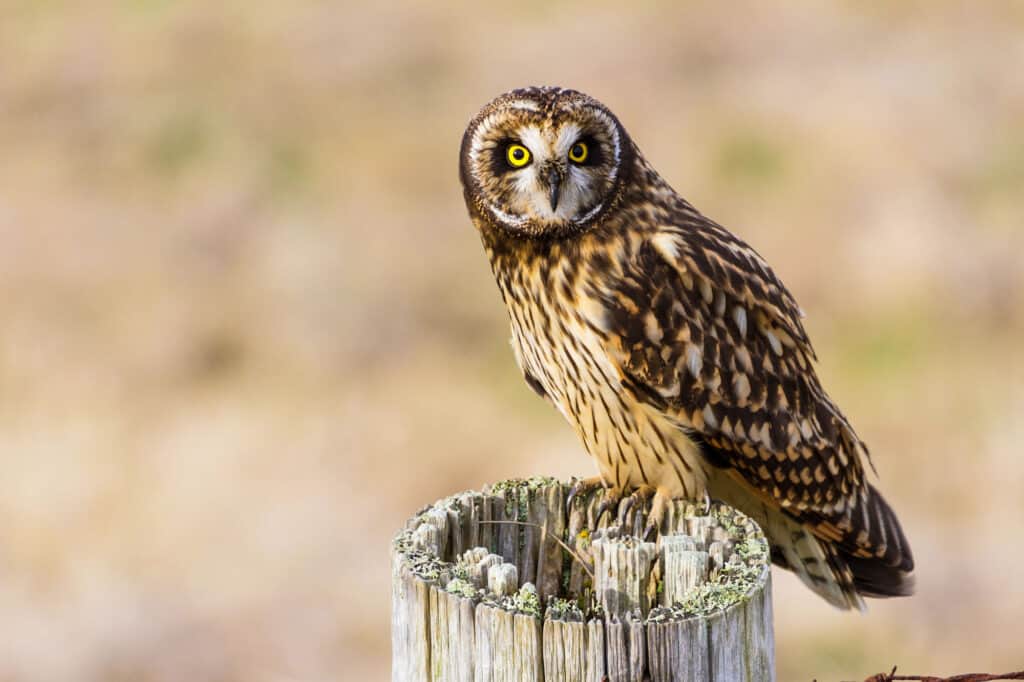
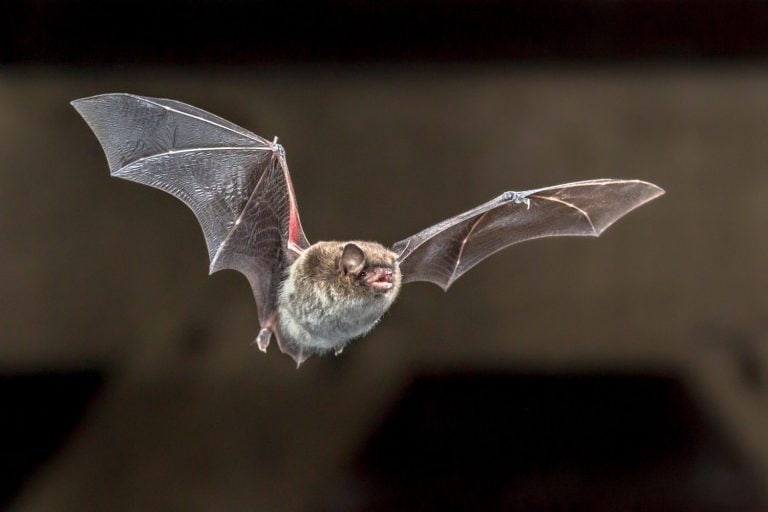
Owls eat anything from fish to birds to mice.
©iStock.com/Devonyu
The study shows the hazards that humans pose to wildlife in Texas. This southern state is a significant area for all types of owls. Human-made dangers are known as anthropogenic risks. Owls are great predators that aid in the reduction of rodent populations. This may be crucial for reducing the harm that rat pests do to crops and residential buildings as well as for controlling diseases brought on by mice.
In order to preserve their existence due to the crucial role they serve in the environment, it is of the utmost importance that we support conservation initiatives. By supplying solutions to lessen the consequences of owls’ anthropogenic dangers, this study can help achieve that goal.
What Does This Study Show?
To quantify the amounts of AR in liver samples taken from dead owls transferred to two wildlife rehabilitation centers that predominantly take in owls from South and Central Texas. The study used liver testing information as well as rehabilitation center data.
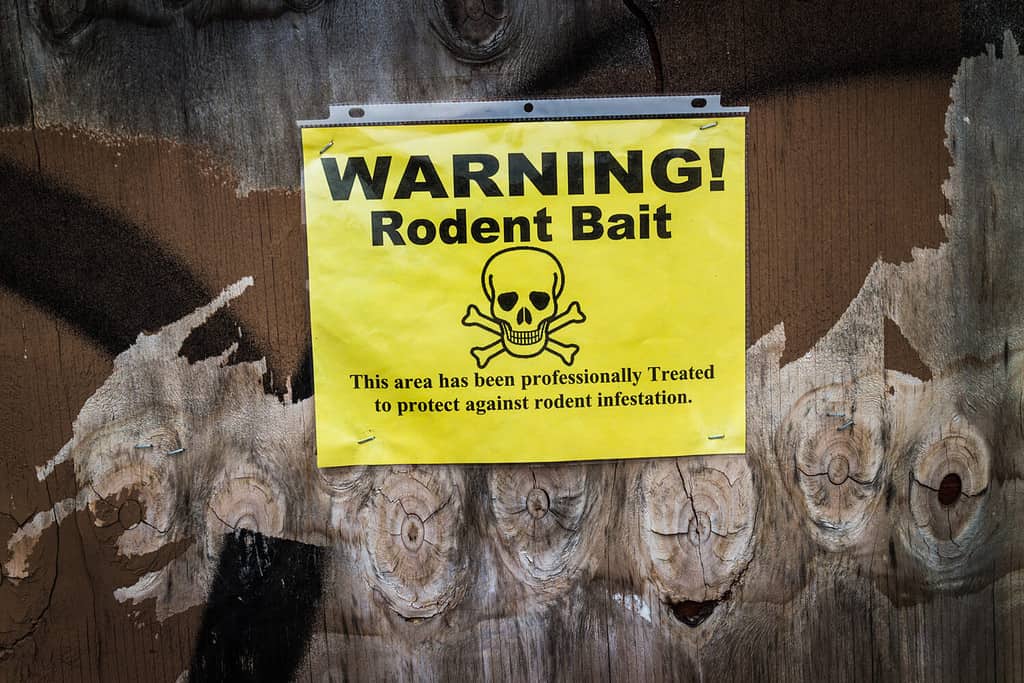
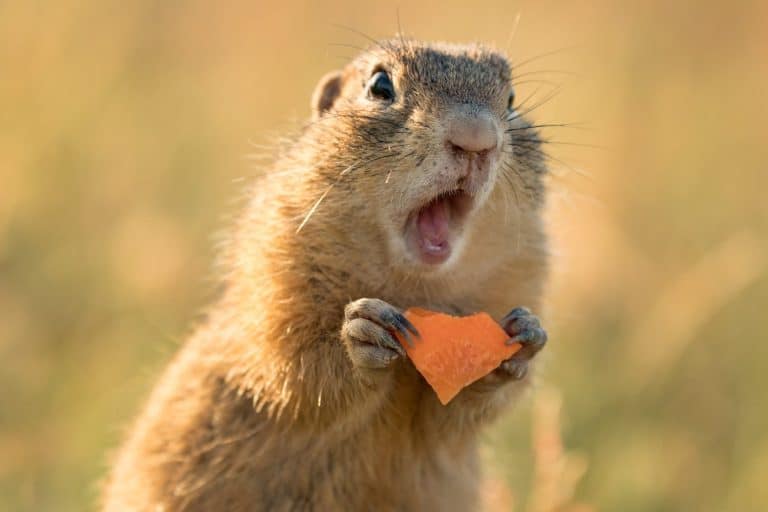
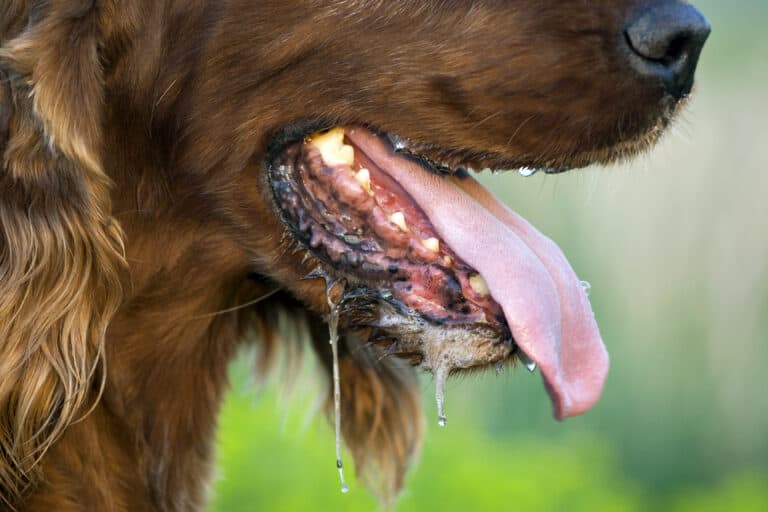
Rat poison is dangerous to domestic animals as well.
©gabriel12/Shutterstock.com
More liver samples were taken from dead owls discovered in their natural environment as well as from owl specimens kept at A&M University. Over half of the animals in the study tested positive for exposure to AR. This isn’t extremely shocking since AR exposure is pretty common.
In 2011, the Environmental Protection Agency made certain chemicals illegal to use in residential pest control products for the general public. These include both brodifacoum and bromadiolone. These two chemicals were found in the animals in the study.
Agricultural industries and pest control companies can still legally use products with these chemicals. This leads to sick owls from eating rats that consume this type of poison.
How Can You Help Owls?
We suggest utilizing other rodent control methods to lessen AR exposure. For instance, you can use natural approaches as a component of a holistic pest control plan. Have a plan takes into account a variety of nontoxic, deadly, or nonlethal techniques. This can include altering habitats, the use of traps, and nontoxic repellants.
In order to raise public awareness of the consequences of ARs on non-target animals, like owls, the research team also supports the creation of educational initiatives.