
Quick Take
- Urban centers often experience altered patterns of viral diversity due to changes in wildlife populations and habitat fragmentation, which can affect ecological equilibrium.
- How cities are connected and how people move through urban corridors can influence the spread of pathogens and the effectiveness of surveillance and health systems.
- In some cases, poorly managed green spaces can facilitate the spread of certain vector-borne diseases, though well-designed green spaces can also provide public health benefits.
- Biosurveillance efforts aim to identify potential viral entry points and emerging pathogens before widespread human infection occurs.
The Disease Bridge: How Our Cities Are Inviting Wildlife Viruses In
As suburbs expand into forests, grasslands, and wetlands, the boundary between human and wildlife spaces becomes less distinct. This shift not only alters the landscape but also affects how germs move between species. When development slices habitats into smaller pieces, certain animals adapt quickly.
Rats, mice, some birds, and many mosquitoes handle human mess and human leftovers extremely well. Those species can carry pathogens that rarely caused trouble for people in the past, mainly because contact stayed limited. Now contact happens daily, in yards, parks, and alleyways. This phenomenon is known as the “disease bridge”—a set of conditions that enables pathogens to move from wildlife into densely populated neighborhoods, increasing the risk of outbreaks.
Zoonoses and Spillover Pathways
Illnesses that spread between animals and humans are called zoonotic diseases, or zoonoses. They can come from viruses, bacteria, parasites, or fungi. In many cases, the pathogen circulates in wildlife for a long time without causing a noticeable problem for people. Trouble starts when the pathogen gets repeated chances to meet a new host.
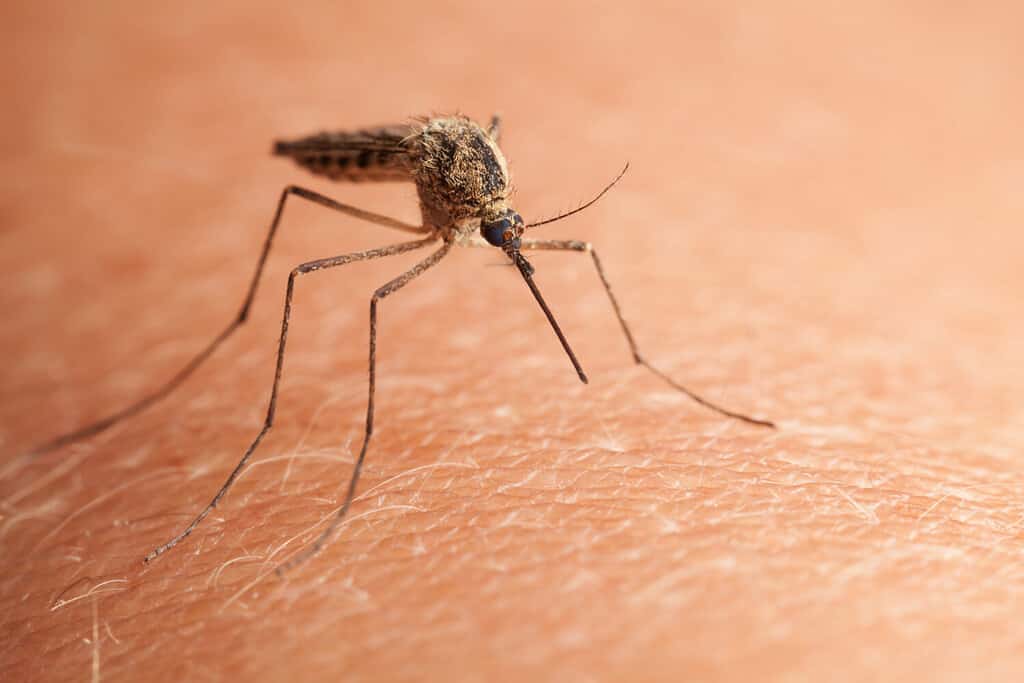
Spillover can occur when insects carry germs between wildlife and people.
©Anest/Shutterstock.com
Spillover happens when an infected animal, insect, or contaminated material puts germs into a human body. That can occur through bites, scratches, droppings, contaminated water, or an insect vector like a mosquito. Rabies, Lyme disease, and some types of influenza are common examples of zoonoses. Large outbreaks, such as repeated Ebola outbreaks, have involved animal-to-human transmission. Some coronavirus events, including the initial emergence of SARS-CoV-2, are also believed to have involved animal-to-human transmission, though subsequent spread has primarily been human-to-human. The key point is simple: land use choices shape how often spillover opportunities occur.
Fragmentation and the New Edge Economy
Cutting a continuous habitat into smaller patches is called landscape fragmentation. Roads, subdivisions, parking lots, and farmland can split forests and fields into isolated pieces. Each piece ends up with far more “edge,” the zone where natural cover meets lawns, buildings, and pavement.
Edge habitats tend to favor generalist species that can tolerate disturbance. These animals find easy food sources in trash, gardens, and pet bowls, and they seek shelter in sheds, crawl spaces, and brush piles. As edge habitat expands, those species can become more common than specialists that need larger, intact areas.
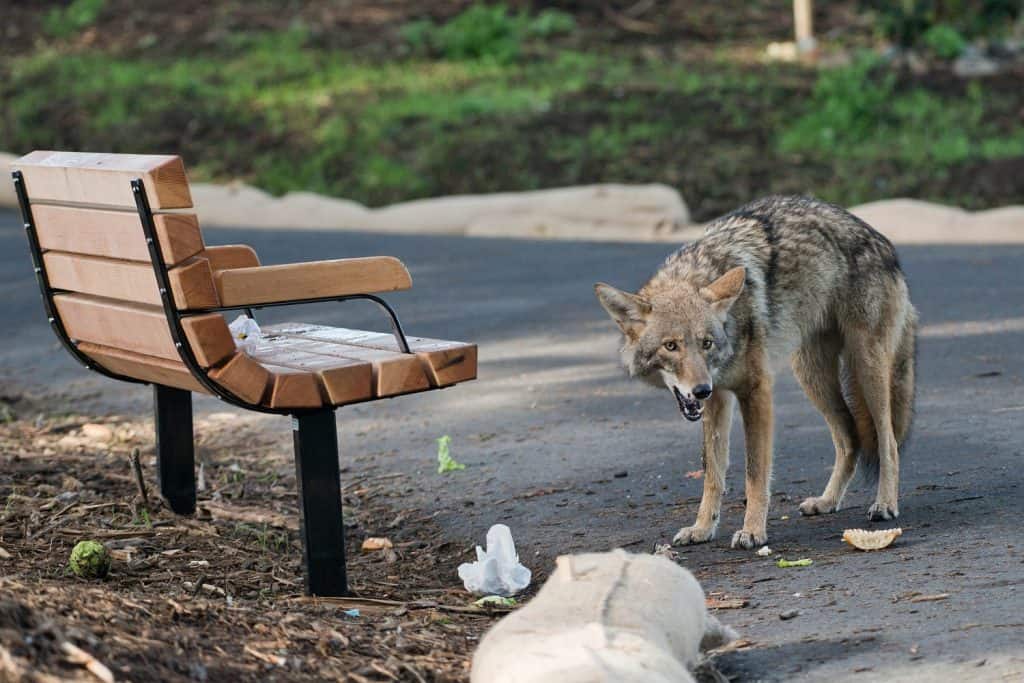
Coyotes are an example of a species that has learned to adapt to edge environments.
©Matt Knoth/Shutterstock.com
This matters for disease risk because some generalists host pathogens efficiently. Fragmentation can also force animals into smaller, more stressed populations, increasing the frequency of contact among them. This higher contact rate facilitates the spread of germs within wildlife communities and raises the likelihood that a pathogen will reach humans.
Wildlife Winners in Human Landscapes
Some species do not just survive near people; they do well. Rats and mice reproduce quickly and exploit almost any food source. They travel through sewers, walls, and vegetation strips that connect neighborhoods. Many can carry pathogens without obvious illness.
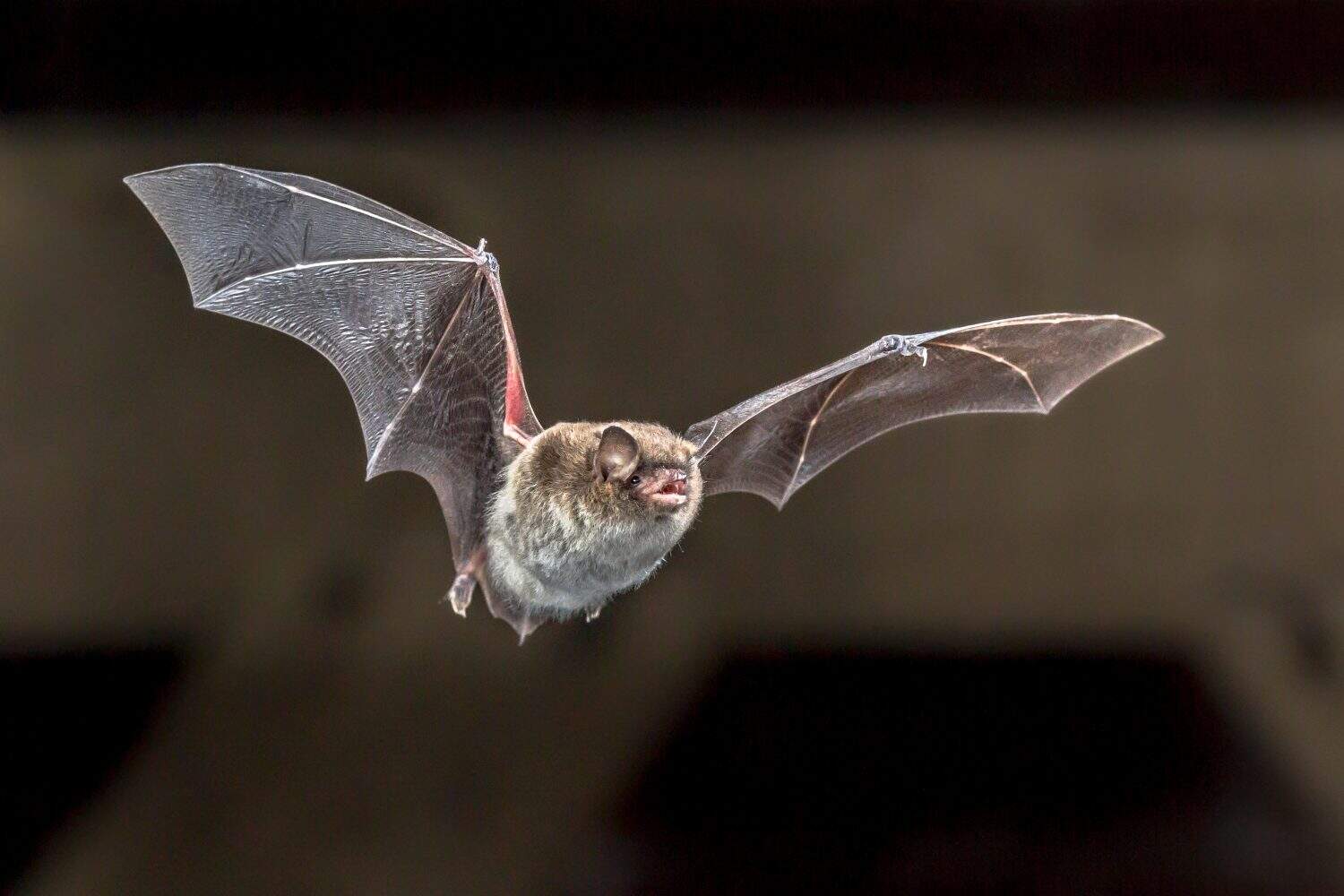
Bats also adapt to human structures. Certain bat species roost in attics, bridges, barns, and other sheltered spaces. They can host many viruses, and their social roosting can help pathogens circulate within colonies. That does not mean bats are “to blame.” It means that the way humans build and manage spaces can increase close contact.
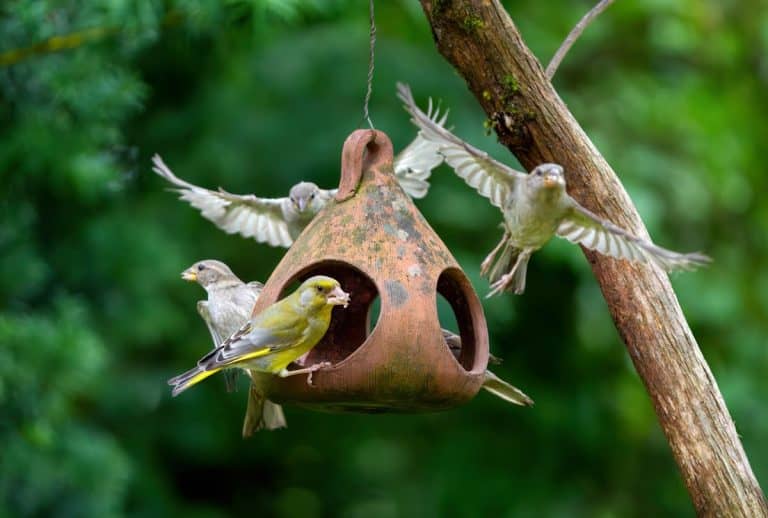
Other survivors include raccoons, skunks, and some birds that feed at trash sites or backyard feeders. The more these animals share space with pets and people, the more often pathogens have a chance to cross species boundaries.
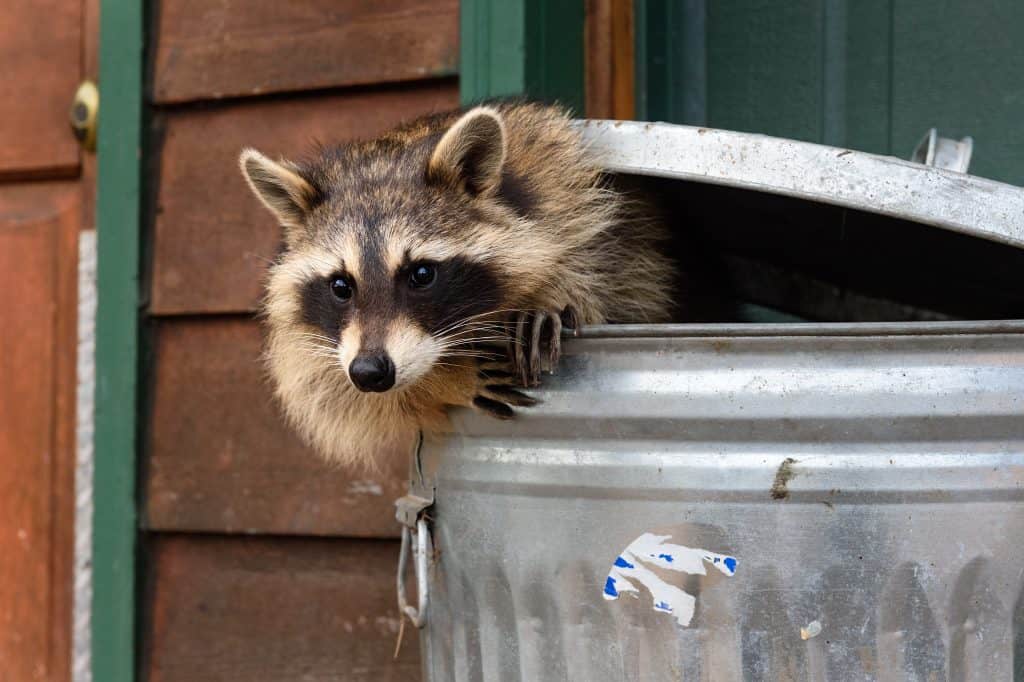
Some animals, like raccoons, thrive in human-built environments by using food and shelter people provide.
©Holly Kuchera/Shutterstock.com
Mosquitoes, Containers, and City Heat
Mosquitoes act as vectors, which means they can move viruses from one host to another through biting. Many mosquito species breed in small pools of water, including artificial containers. Clogged gutters, discarded tires, buckets, and poorly managed water storage can become breeding sites.
Cities also create urban heat islands. Pavement and buildings absorb heat and release it slowly, so urban areas often stay warmer than nearby rural zones. Warmer conditions can speed mosquito development and increase biting activity. Heat can also shorten the time some viruses need to become transmissible inside a mosquito.
When parks and ponds sit next to dense housing, mosquitoes can move between wildlife hosts and humans with little effort. Viruses such as West Nile can circulate between birds and mosquitoes, with humans infected as incidental hosts. In other regions, Aedes mosquitoes can spread viruses like dengue or Zika, especially where they are established.
Rodents, Waste, and the Suburban Fringe
Expansion zones—the half-built edges of metro areas—often create prime rodent habitat. Construction disturbs soil and vegetation, then leaves behind debris, dumpsters, and temporary storage. New neighborhoods may also produce abundant food waste before trash systems run smoothly.

Cluttered garages and storage spaces can provide food and shelter for rodents near homes.
©northallertonman/Shutterstock.com
Rodents thrive when predator populations decline. Habitat fragmentation can reduce suitable areas for foxes, owls, and other predators, especially in places with increased traffic and human activity. With fewer predators and more available food, rodent populations can rapidly increase.
Rodent-borne pathogens can spread through bites, urine, droppings, and contaminated dust. Risk often increases during cleaning, renovation, or yard work when people stir up enclosed spaces. Garages, sheds, crawl spaces, and storage areas can turn into long-term rodent shelters. Basic maintenance, sealing entry points, and safe cleaning practices can reduce exposure to rodents without making daily life feel like a constant battle with unwelcome pests.
Everyday Choices That Strengthen Transmission
Human behavior matters because it shapes wildlife’s access to food, water, and shelter. Leaving trash unsecured feeds rodents and scavengers. Overfeeding birds can cluster wildlife in unnaturally dense groups, which can increase disease transmission among them. Standing water creates mosquito nurseries. Outdoor pet food attracts animals you did not invite.
Pets add another link. Dogs and cats that roam can pick up ticks, fleas, or bites, then bring them indoors. They can also interact with wildlife directly, which raises the odds of cross-species exposure. Keeping pets on a leash, using vet-recommended parasite prevention, and supervising outdoor time reduces risk.

Keeping your cat treated for fleas and not allowing it to roam freely outdoors are ways to help prevent the spread of disease.
©newsony/Shutterstock.com
Smart development choices matter too. Preserving buffers, avoiding unnecessary habitat slicing, and planning drainage systems can lower the number of high-contact zones where wildlife, vectors, and humans overlap.
Climate Pressure and Shifting Disease Maps
Climate change can expand the geographic range of some vectors and hosts. Warmer average temperatures can allow mosquitoes to persist longer each year and move into areas that used to limit them. That change does not guarantee outbreaks, but it increases the potential window for transmission.
Rainfall shifts can also matter. Heavy rains can create standing water and flood debris into new breeding sites. Drought can drive wildlife toward limited water sources where humans and livestock also gather. Those shared resources can increase contact among species that normally stay apart.
Heat stress and habitat disruption can push animals into urban refuges. Green spaces, irrigated yards, and shaded infrastructure can become attractive in harsh conditions. When climate pressure stacks on top of fragmentation, the bridge gets wider. The system becomes more connected, and pathogens get more chances to move.
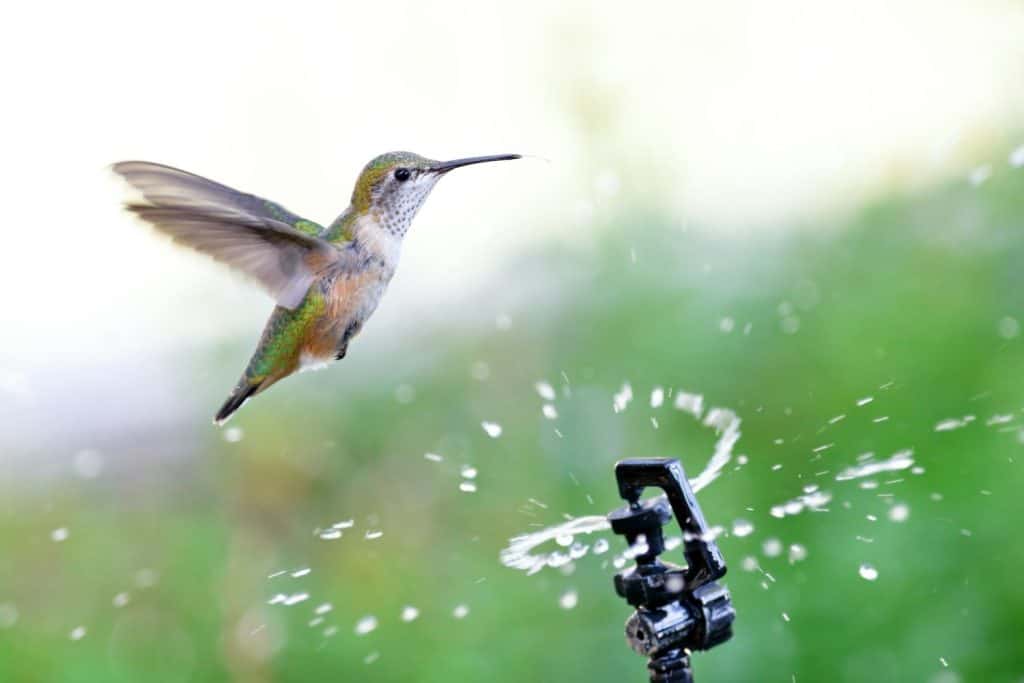
Irrigation is one of the factors that attracts wildlife to areas of human habitation, especially during heat waves and other harsh conditions.
©kojihirano/Shutterstock.com
One Health as a Practical Framework
Public health teams increasingly use the One Health approach. It treats human health, animal health, and environmental conditions as interconnected parts of one system. That idea sounds obvious, because it is, but institutions often act as if everything belongs in separate boxes.
One Health work can include monitoring wildlife and vectors, tracking human cases, and studying land use patterns that predict hotspots. Veterinarians can spot emerging risks in pets and livestock. Ecologists can identify which species thrive in fragmented areas and how they interact. City planners can adjust the design to reduce breeding sites and high-contact edges.
The value of One Health is not just academic. It helps communities focus on prevention, not just response. Identifying risk early, when case numbers are low, is far easier than trying to control an outbreak after it accelerates.
Planning Choices That Reduce Risk
Urban design can reduce spillover chances when it limits high-contact overlap. Preserving larger continuous habitats supports more diverse ecosystems and reduces dominance by a few hardy generalists. Green space design matters too. A park with thoughtful boundaries, vegetation management, and maintained water systems creates fewer concentrated edge zones.
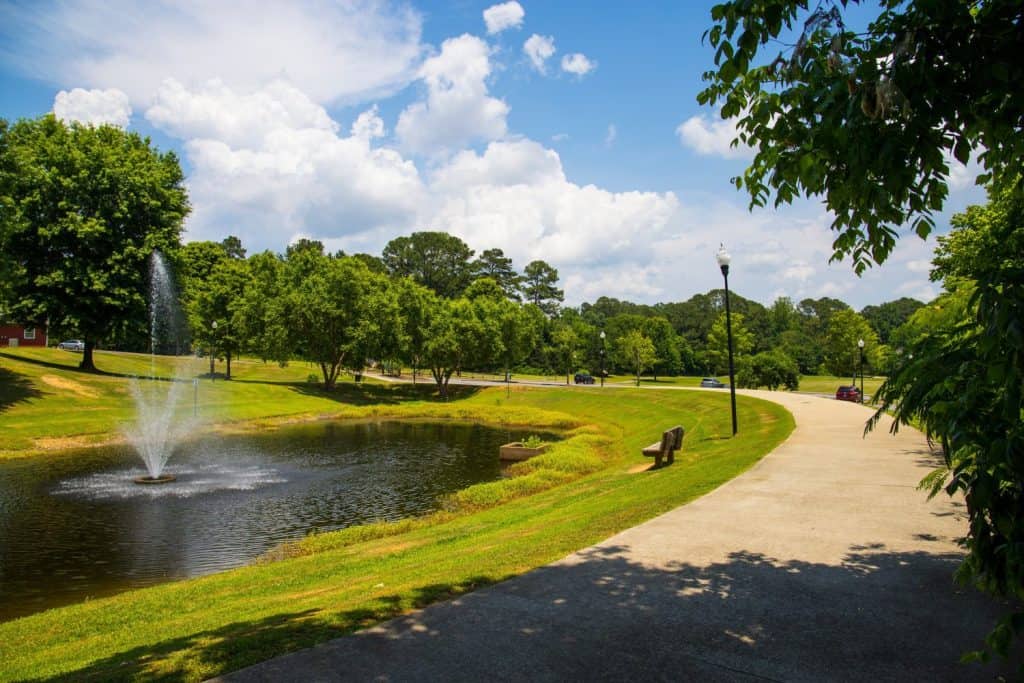
Well-managed urban and suburban parks can help make edge zones safer for controlling disease transmission.
©Marcus E Jones/Shutterstock.com
Infrastructure decisions carry disease consequences. Reliable drainage reduces standing water. Covered trash containers and frequent pickup cut food access for rodents. Building codes that discourage pest entry reduce indoor exposure. Lighting and landscaping choices can also influence insect behavior and patterns of human contact.
Community practices can support these goals. Neighborhood cleanup efforts reduce container habitats. Education campaigns help residents recognize standing water and safe wildlife practices. None of these actions requires panic; they require consistent effort, which people often overlook until a problem arises. It requires consistency, which humans famously struggle with until something forces them to care.
Breaking the Bridge Without Fighting Nature
Cities do not have to function as pathogen pipelines. The bridge forms when we create dense contact networks among wildlife, vectors, pets, and people. We build those networks through fragmented landscapes, unmanaged waste, and water that collects where it should not.
Reducing risk does not require eliminating wildlife. It requires shaping shared spaces so contact stays limited and predictable. That includes maintaining yards, securing trash, reducing standing water, and using pest-proof storage. It also includes supporting planning choices that preserve habitat continuity and reduce unnecessary edges.
Disease prevention often seems mundane because it involves tasks like maintaining drainage, practicing good sanitation, and performing routine maintenance. Those plain steps can lower the odds that the next spillover event starts close to home, then finds a crowded place to spread.