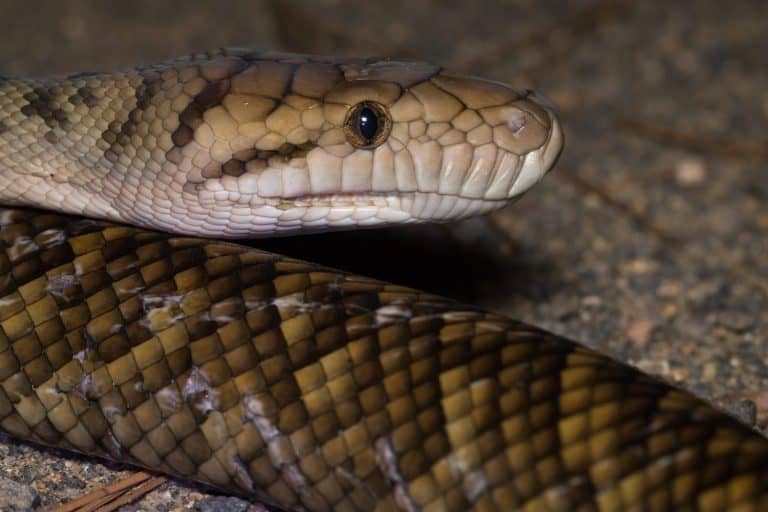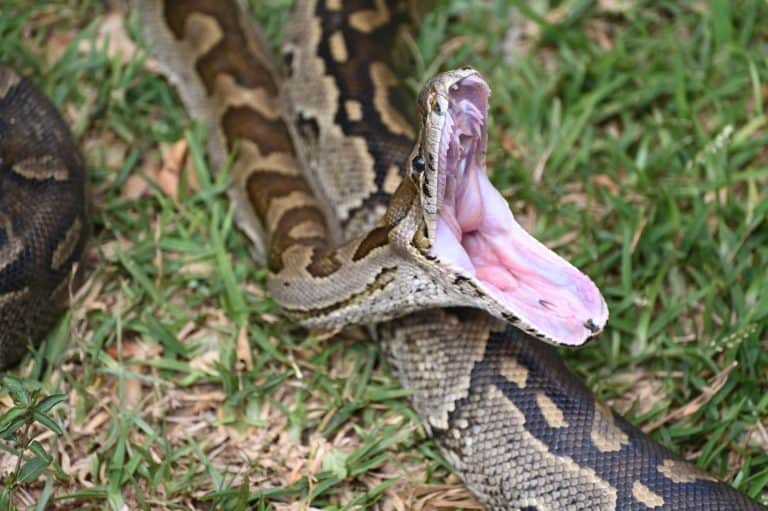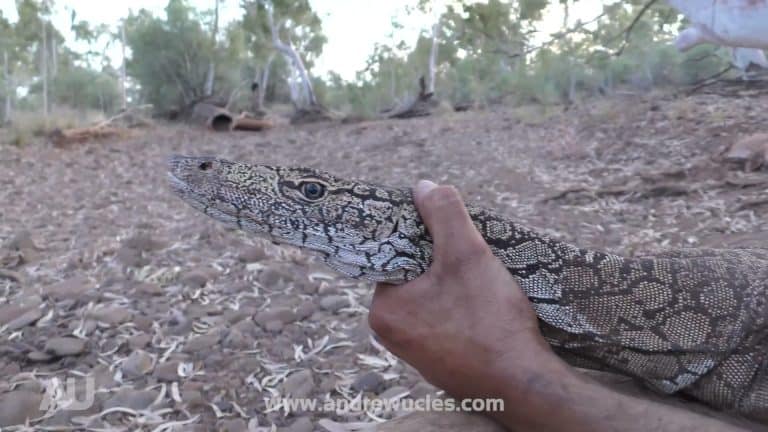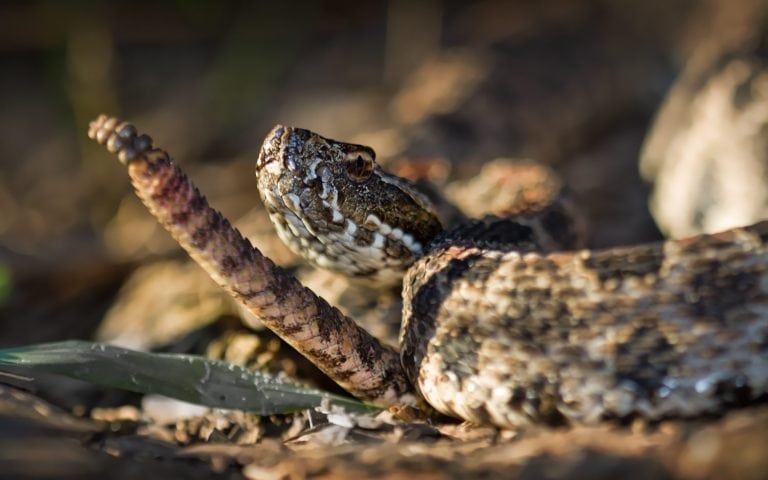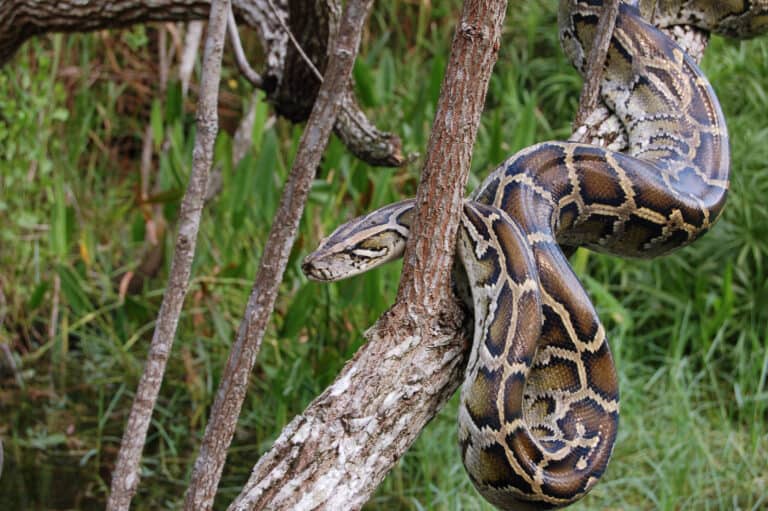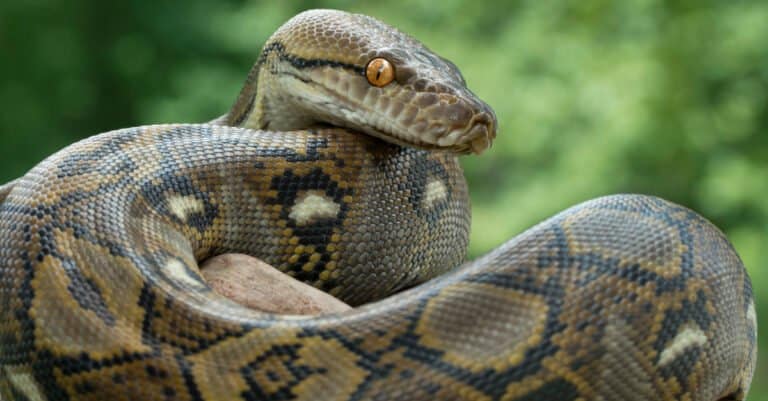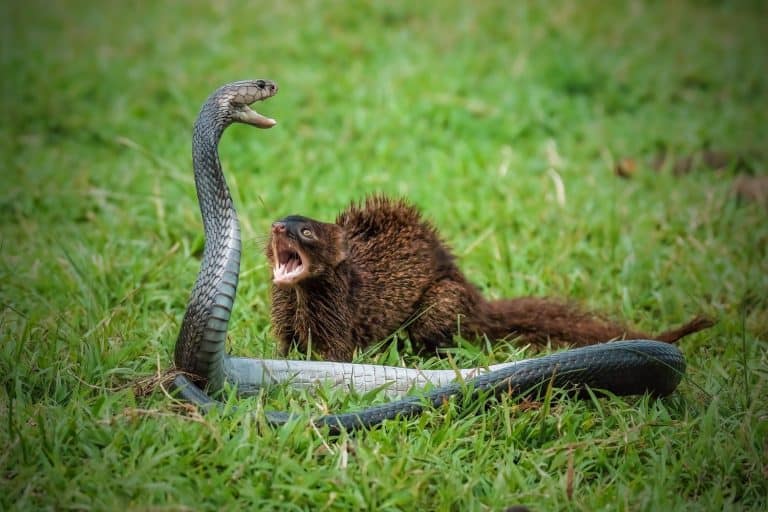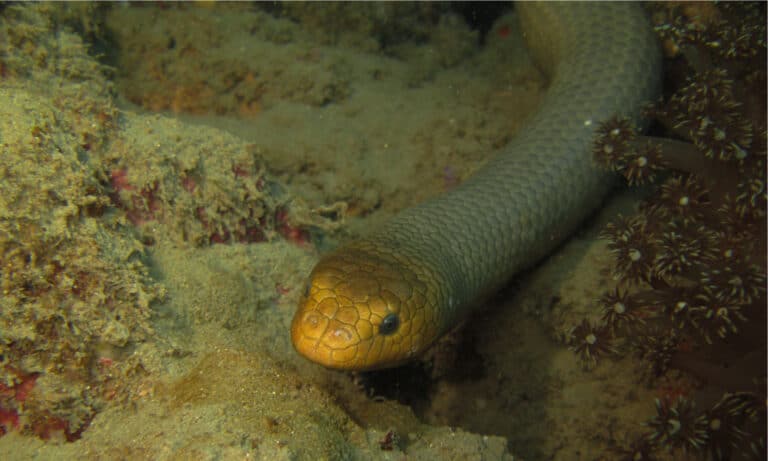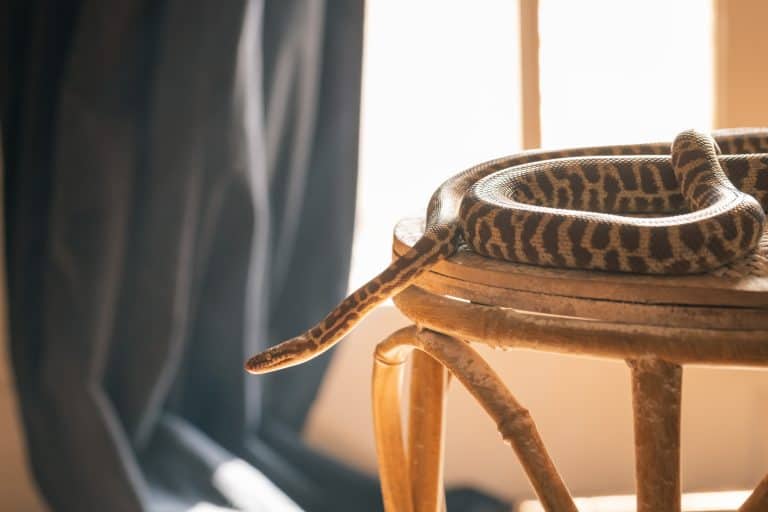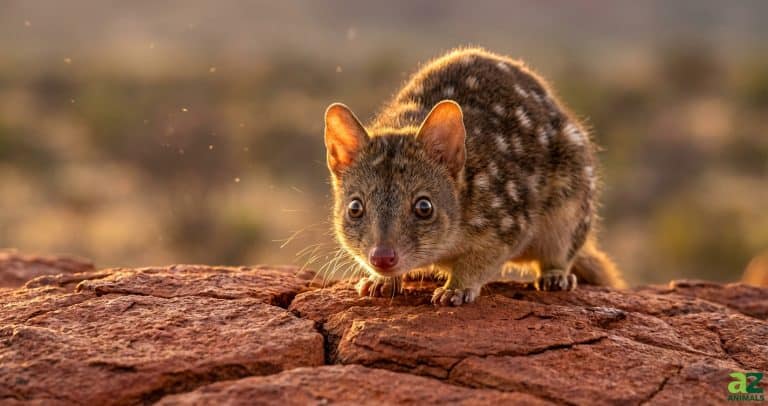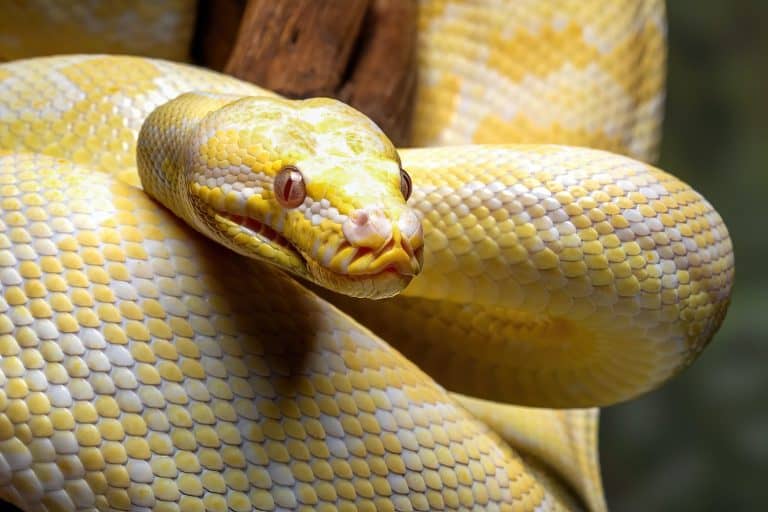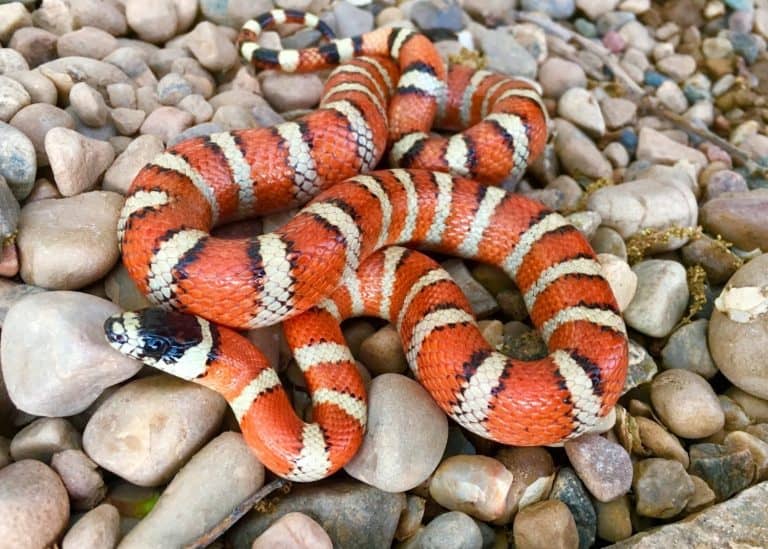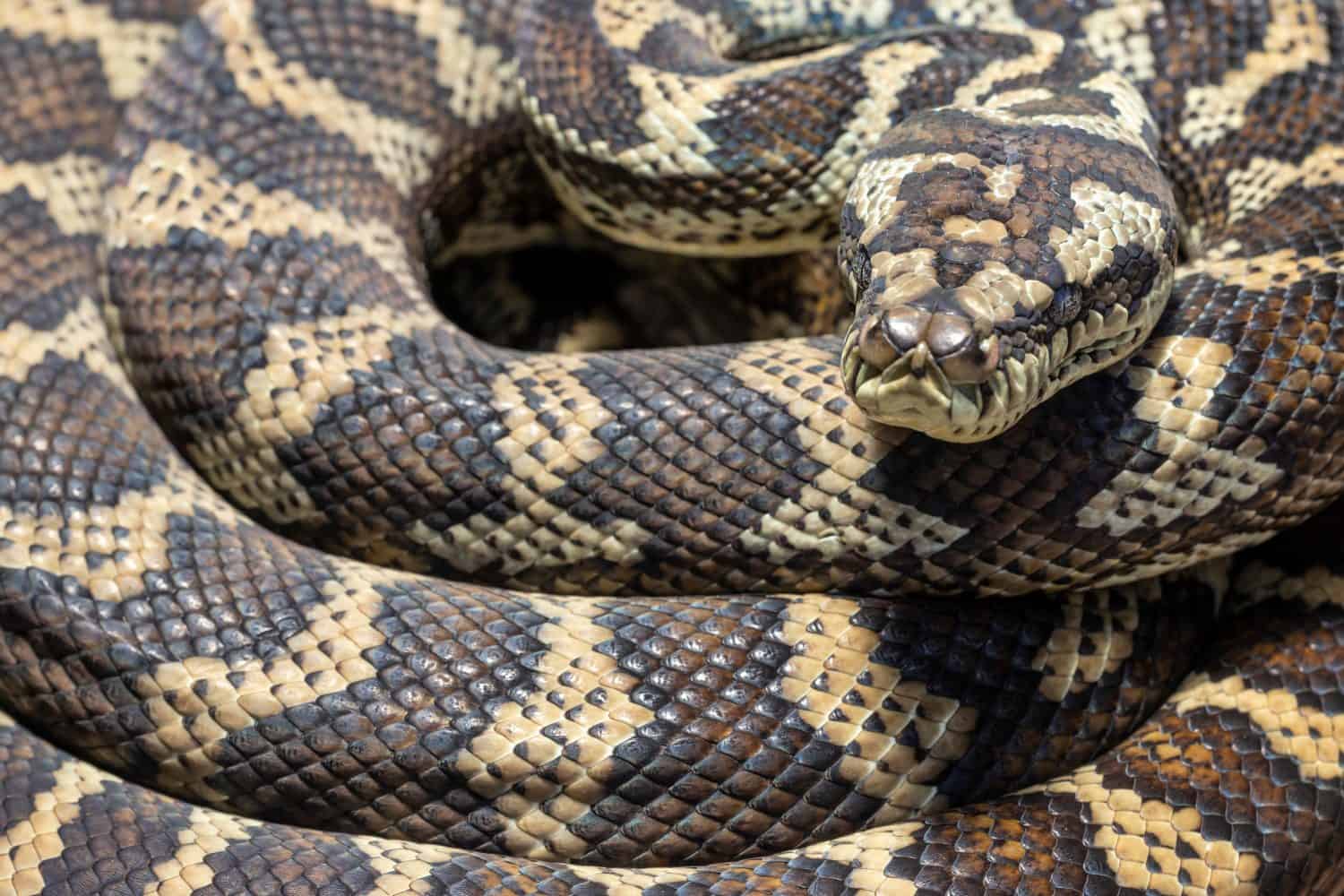

Australia is home to over 200 species of snake, some of them nonvenomous, like the Children’s python (Antaresia childreni), and some of them incredibly venomous, like the inland taipan (Oxyuranus microlepidotus). Snakes are a vital part of Australia’s diverse ecosystems. Australia is known for its large fauna, and its snakes are no exception. Continue reading to learn about the 5 largest snakes on the continent.
5. Mulga Snake
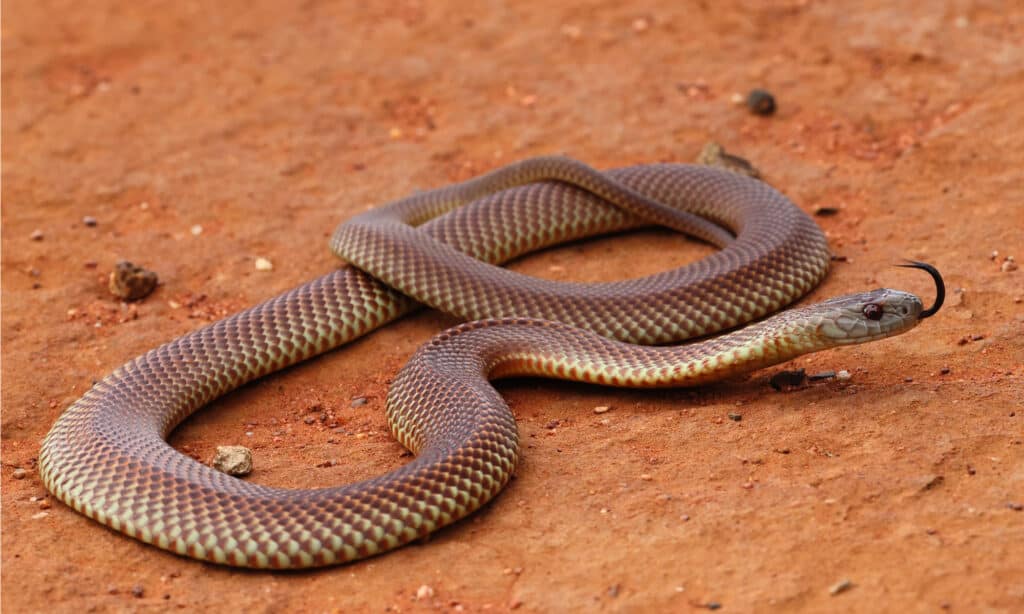
The mulga snake is one of the most widespread venomous snakes in Australia.
©Ken Griffiths/Shutterstock.com
Mulga snakes (Pseudechis australis), also known as king brown snakes, are among the most feared snakes in Australia. They measure 8.2 to 9.8 feet long, with the longest specimen recorded at 10.8 feet, and weigh 6.6 to 13.2 pounds. Mulgas have slender, smooth-scaled bodies that range in color from dark brown to pale red or green. They possess deadly myotoxic venom and are known to bite repeatedly; one man was reportedly bitten 9 to 12 times. Fortunately, the last recorded fatality from a mulga snake bite was in 1969.
Mulga snakes are found throughout Australia, except in Victoria and Tasmania. They are often found near sources of water and live in a wide variety of habitats, including wooded areas, deserts, and scrublands. Mulga snakes primarily hunt at dawn and dusk, making them crepuscular. Their diet consists of amphibians and reptiles, as well as small birds and mammals.
4. Oenpelli Python
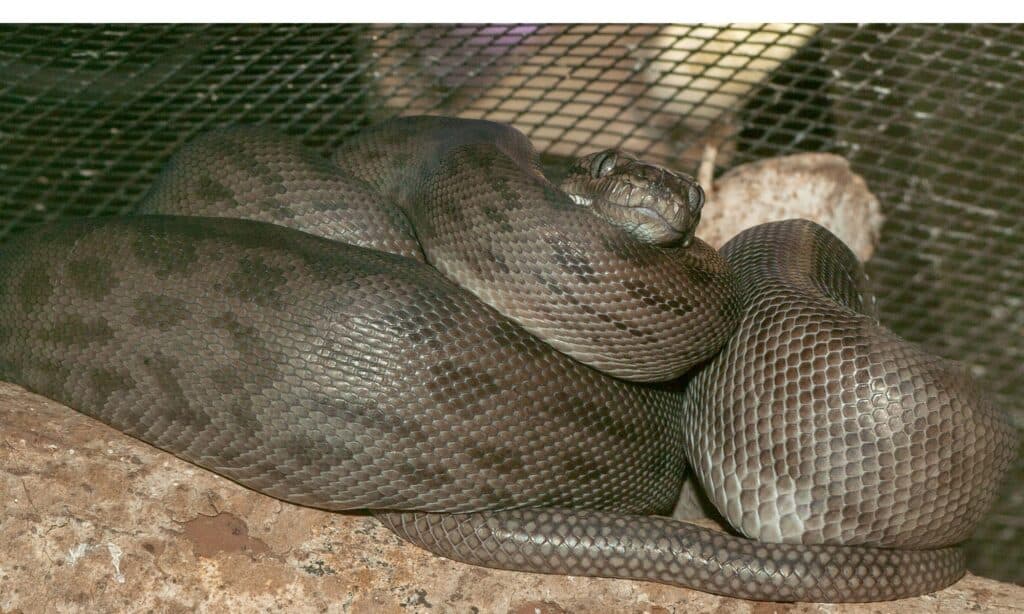
Oenpelli pythons are rare, and much is unknown about their behavior in the wild.
©iStock.com/Ken Griffiths
Nonvenomous Oenpelli pythons (Simalia oenpelliensis or Nyctophilopython oenpelliensis) measure up to 13 feet long and weigh up to 13 pounds. This species is endemic to Arnhem Land, Northern Territory, Australia. These nocturnal pythons have been observed to change color, shifting between being darker during the day and lighter at night. Their dorsal scales are dark olive with darker blotches, and their bellies are dull cream or dull yellow.
Oenpelli pythons live in trees, caves, and rock crevices. They are ambush predators that primarily prey on birds in fruiting trees, as well as medium-to-large mammals. Historically, the Bininj Aboriginal people have associated these pythons with the Rainbow Serpent, which is often considered the creator god.
3. Carpet Python
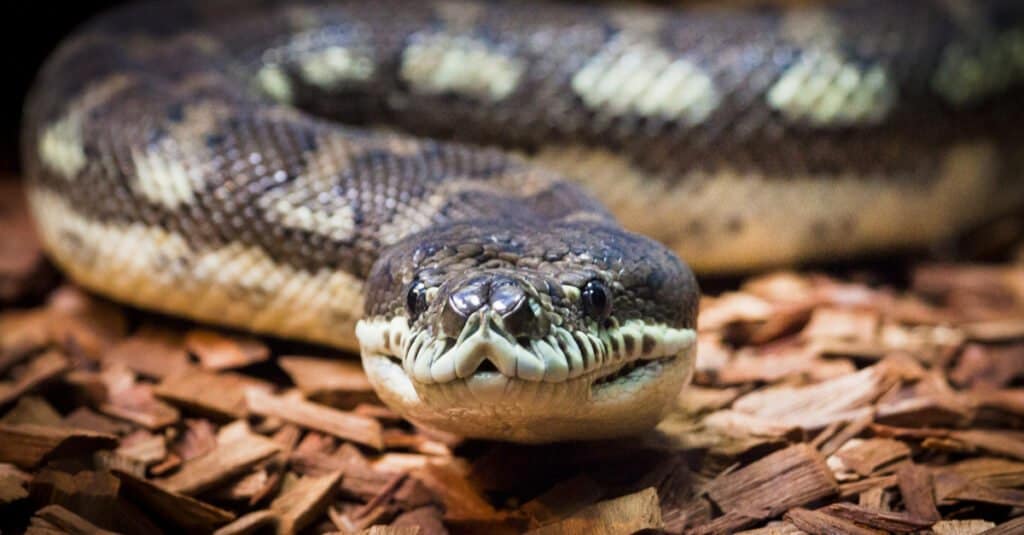
Carpet pythons are non-venomous and present little danger to humans.
©Jason Benz Bennee/Shutterstock.com
Nonvenomous carpet pythons (Morelia spilota) measure 6.5 to 10 feet long and weigh 11 to 33 pounds. Their size depends on the subspecies; the Coastal Carpet Python (Morelia spilota mcdowelli) is the largest, and its largest specimen on record was 13.8 feet long. They are olive green to yellow-brown, with highly varied darker brown markings along the length of their bodies. Often, the markings occur in regular patterns with black rings encircling yellow scales. Carpet pythons have large, triangular heads with elliptical eyes similar to those of vipers, like rattlesnakes.
Carpet pythons inhabit forested areas throughout Australia and are seldom found in arid desert regions. They are both terrestrial and arboreal, preying on reptiles, birds, and small to medium-sized mammals. Like many species of python, carpet pythons are prized among snake enthusiasts, although their large size puts off all but the most dedicated of snake handlers.
2. Olive Python
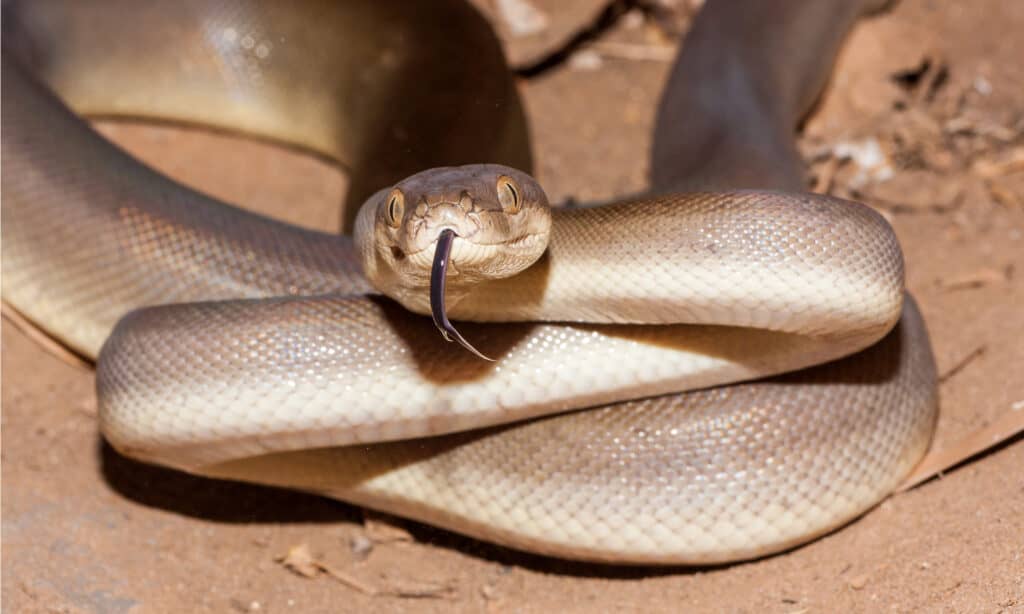
The olive python looks similar to the much more dangerous mulga snake and is consequently often killed by humans out of fear.
©Ken Griffiths/Shutterstock.com
Olive pythons (Liasis olivaceus) are nonvenomous, measuring 8 to 13 feet in length and weighing 22 to 44 pounds. They have heavy bodies with smooth olive or emerald coloring. Like all pythons, their heads are long and narrow, with large, flexible jaws designed for swallowing large prey whole.
Olive pythons inhabit a few restricted areas in Northern Australia, as well as a small part of Western Australia. They live near water sources and are often found slithering along rocks or in caves and crevices. These snakes are popular as pets, but they are not recommended for amateur snake handlers because of their large size. In the wild, they prey on birds, reptiles, and small to medium-sized mammals.
1. Australian Scrub Python
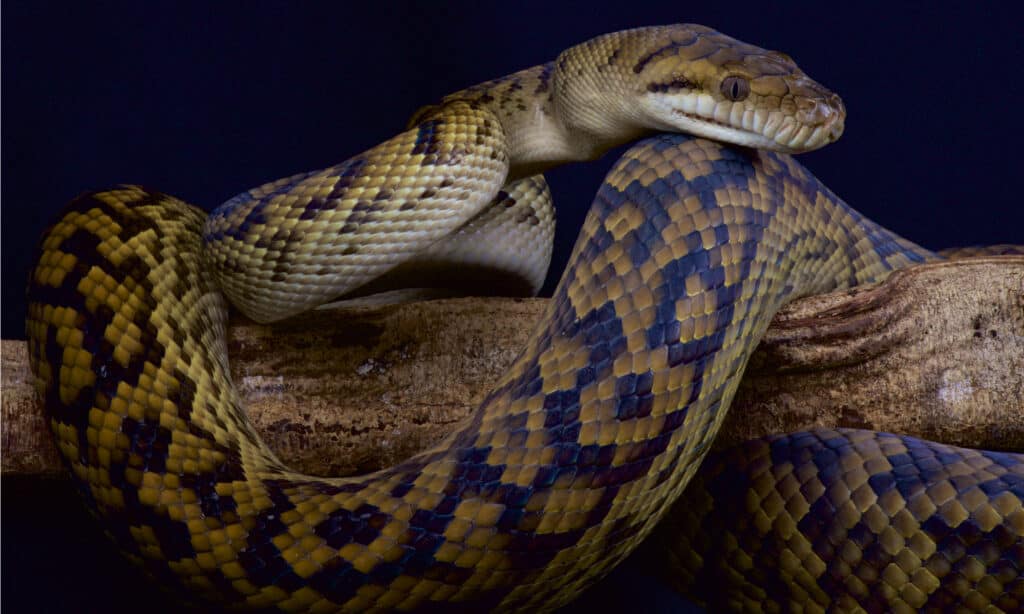
The Australian scrub python is sometimes confused with the amethystine python.
©reptiles4all/Shutterstock.com
The largest and longest snake in Australia is the nonvenomous Australian scrub python (Simalia kinghorni). These behemoths measure 16 to 18 feet in length and weigh 11 to 55 pounds. They are tan or light brown, with variegated dark brown markings along the sides and back. The undersides, including the chin, tend to be white or yellow-white. Scrub pythons have flat heads and round eyes with large nostril openings.
Australian scrub pythons live in Northern Australia, particularly Queensland and the Cape York Peninsula. They are forest dwellers that depend on their bulk to catch prey. Scrub pythons prey on small mammals, birds, and reptiles. They constrict their prey before swallowing it whole with their highly flexible jaws. Australian scrub pythons are notable not only for their size. They are also famous for their protective egg-rearing behavior. Females lay clutches of up to 20 eggs. After laying their eggs, females guard the nest, often lying on or near the eggs to keep them warm.