
Quick Take
- The honey badger survives venomous strikes by enduring a mandatory state of short-term impairment.
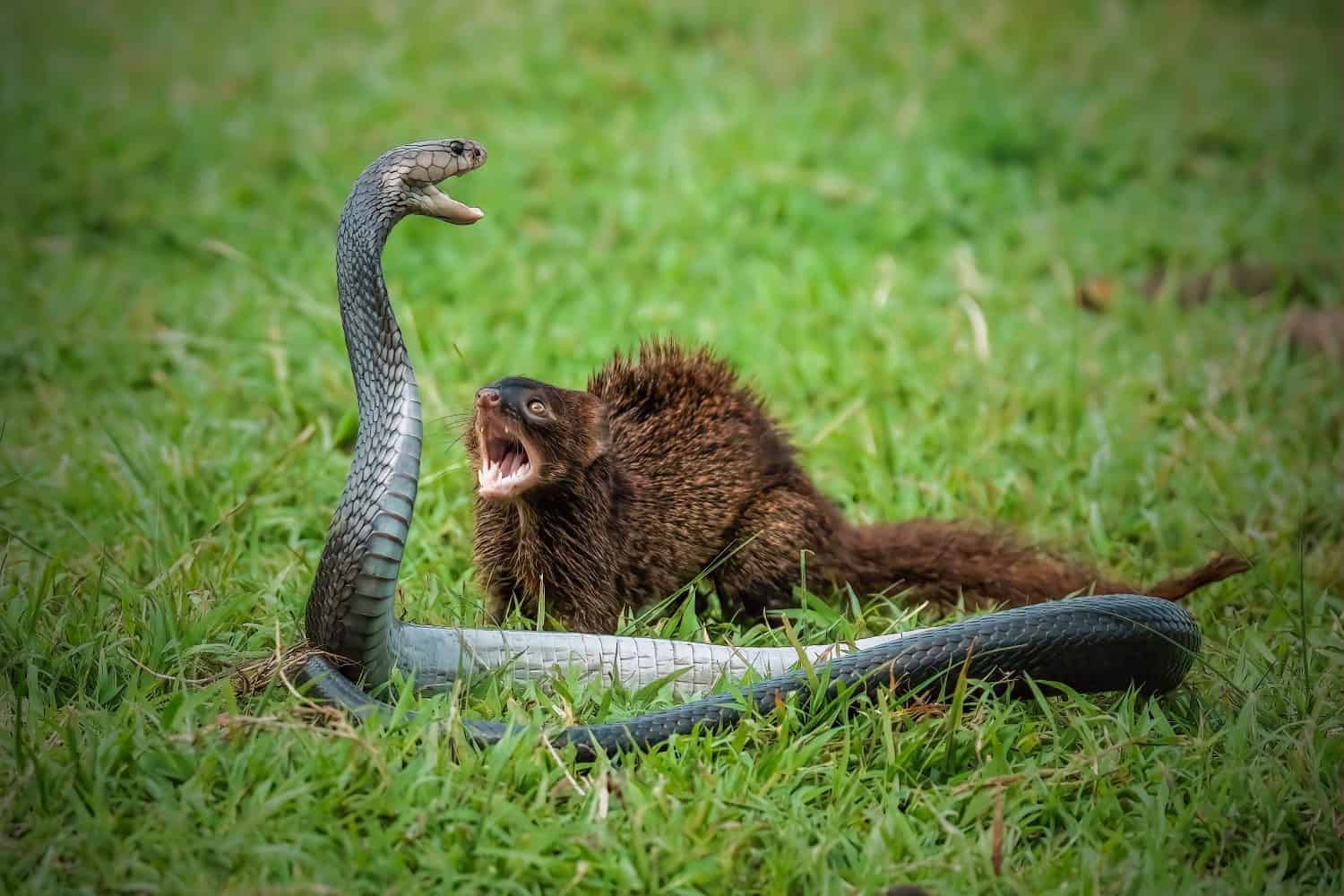
- A 2-pound mongoose encounters significant risk when targeting the Indian cobra.
- The kingsnake utilizes nonvenomous constriction to successfully prey upon lethal and venomous species.
- Secretary birds must maintain wide foraging paths to ensure consistent snake detection in tall grass.
Snakes rank among the most feared animals on Earth, yet in natural ecosystems, they are far from invincible. Many predators have evolved the ability to hunt snakes or survive encounters with them through speed, strength, protective anatomy, or venom tolerance. These predators range from small mammals to large birds and powerful carnivores. Each uses a different strategy, but all can turn a dangerous reptile into food.
Studying animals that prey on snakes reveals how predator and prey shape one another over time. Snakes evolve venom, camouflage, and warning displays. Their predators respond with faster reflexes, thicker skin, or specialized hunting methods. These interactions influence behavior, population balance, and survival across ecosystems worldwide.
Honey Badgers
Honey badgers are stocky, powerful mammals about 2 to 3 feet long and typically weighing 20 to 35 pounds. They live across sub-Saharan Africa, the Middle East, and parts of India, often in dry savannas, scrublands, and open forests where venomous snakes are common. Their thick, loose skin, strong jaws, and fearless behavior enable them to confront dangerous prey that most animals avoid.
With long claws and crushing bite strength, honey badgers can overpower snakes by seizing the head and delivering repeated bites. They dig into burrows, rip apart logs, and probe rocky crevices where snakes hide. Their diet includes highly venomous species such as puff adders, Egyptian cobras, and other vipers. This willingness to hunt deadly snakes results from their tough anatomy, bold behavior, and opportunistic feeding style.
Secretary Birds
Secretary birds are tall, striking birds of prey found throughout the open savannas and grasslands of sub-Saharan Africa. Adults stand about 3 to 4 feet tall, with long legs and a wingspan of nearly 7 feet. Unlike most raptors that hunt from the air, secretary birds hunt mainly on foot, striding through grass in search of prey.
Their long legs are covered with thick scales that help protect them from bites when confronting snakes. They prey on a variety of species, including cobras, puff adders, and other venomous snakes common in African grasslands. When attacking, a secretary bird delivers rapid, powerful kicks aimed at the snake’s head or spine.
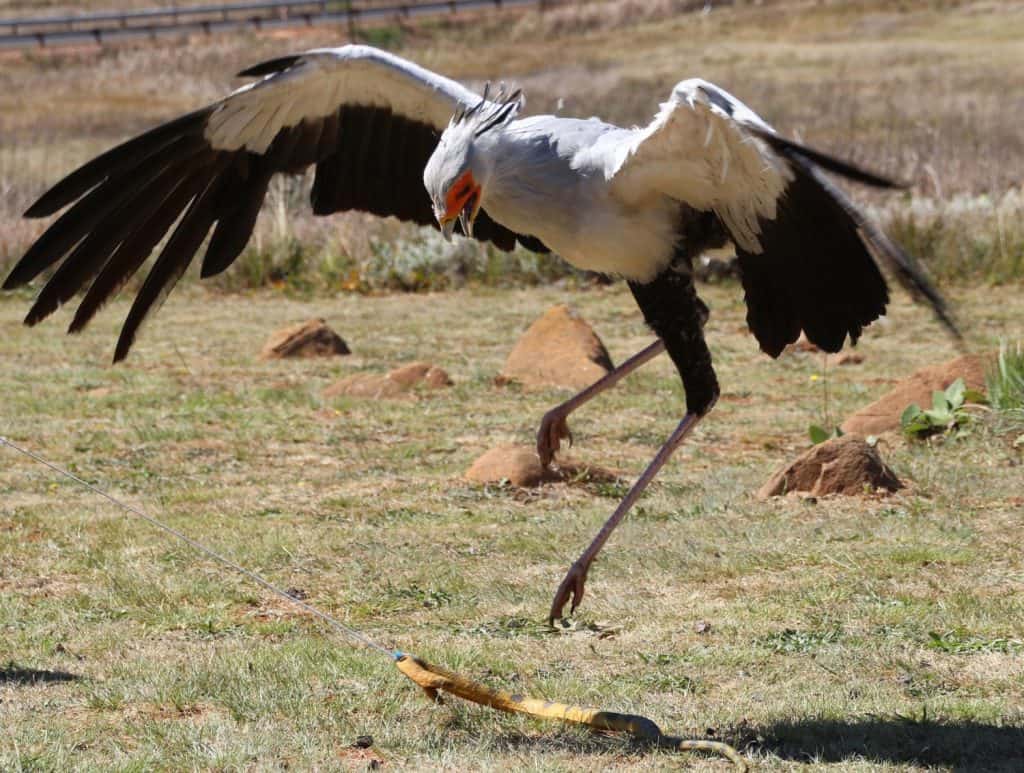
A secretary bird kills a snake with powerful stomps.
©Mike van Kal/Shutterstock.com
Repeated stomping quickly disables or kills the snake. Then the bird uses its hooked beak to tear and swallow the prey. Their height allows them to spot movement above tall grass, and they may walk many miles each day while foraging. This combination of size, vision, and specialized kicking behavior makes secretary birds one of the most effective snake-hunting birds in the world.
Mongooses
Mongooses are small, agile carnivorous mammals, typically measuring about 1 to 2 feet long (not including the tail) and weighing between 2 and 10 pounds, depending on the species. They live across Africa, southern Europe, and Asia, often in grasslands, forests, and scrub habitats where snakes are common. Mongooses are especially famous for confronting venomous snakes such as Indian cobras, Egyptian cobras, puff adders, and other vipers.
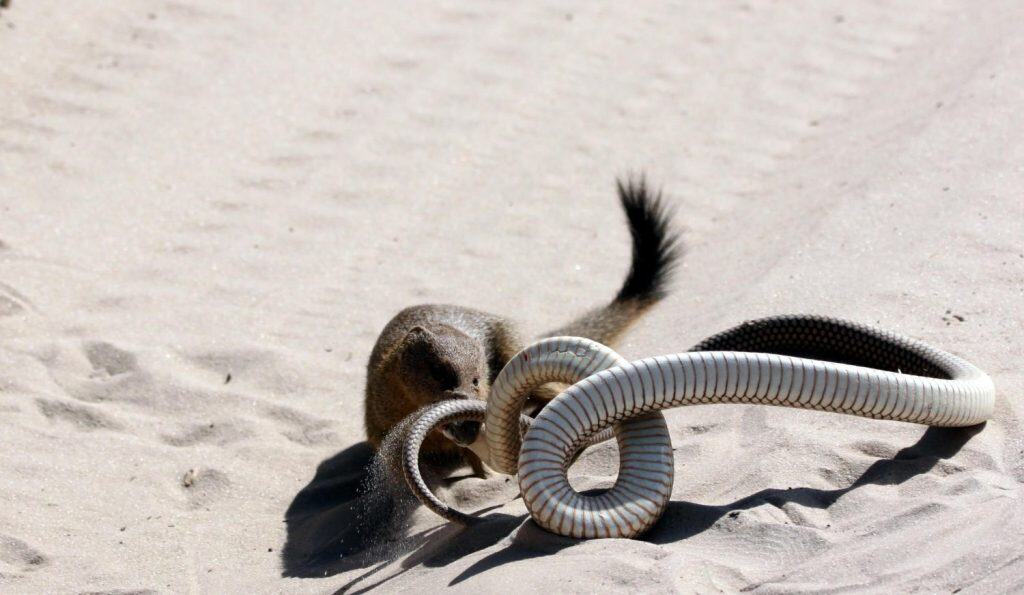
A mongoose and a rufous beaked snake are fighting for survival in Botswana.
©Rocher Photography/Shutterstock.com
Their long, low bodies allow them to twist and change direction quickly, while sharp teeth and claws help them deliver fast, precise bites. During a fight, a mongoose relies on speed rather than brute strength, darting in and out to avoid strikes before biting the snake’s head or neck to disable it.
Some species, including the Indian gray mongoose, have partial resistance to certain cobra venoms, which can reduce the effects of a bite. This resistance is not complete, but it may give the animal extra time to continue fighting. Thick fur can also help prevent fangs from sinking deeply. Many mongooses live in social groups, which improves their ability to spot snakes early and respond as a group. These adaptations make mongooses some of the most well-known predators of venomous snakes.
King Cobras
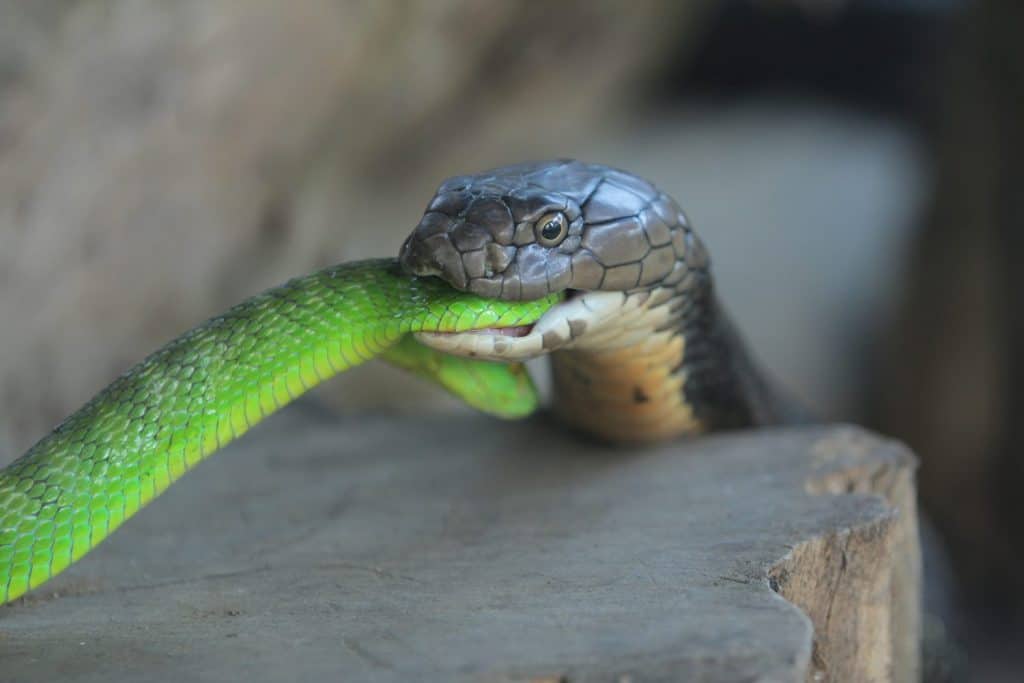
A king cobra is consuming a venomous green pit viper.
©Mufti Adi Utomo/Shutterstock.com
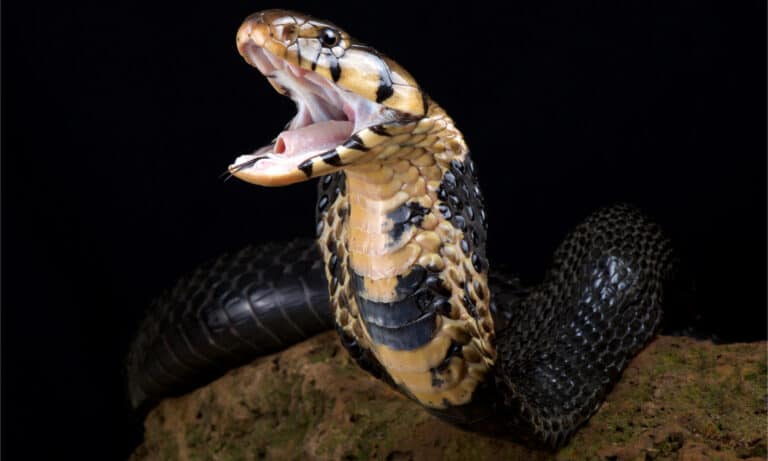
King cobras are the world’s longest venomous snakes, reaching lengths of 10 to 13 feet. Uniquely, they primarily eat other snakes. Their genus name, Ophiophagus, literally means “snake-eater.” King cobras live in the forests, bamboo thickets, and agricultural edges of South and Southeast Asia, including India, Thailand, Malaysia, Indonesia, and southern China.
They hunt by following scent trails with constant tongue flicking, locating prey hidden in dense vegetation, termite mounds, or burrows. Their diet includes rat snakes, pythons, kraits, and even other venomous cobras. Once they strike, king cobras inject powerful neurotoxic venom that rapidly weakens or paralyzes their victim. They then swallow the snake whole, sometimes consuming prey nearly as long as they are.
As apex predators in many Asian ecosystems, king cobras consume other snakes and can help regulate their populations, though their own numbers are currently listed as Vulnerable by the IUCN due to habitat loss and human pressures. Although they can be highly defensive if cornered or protecting a nest, they generally avoid humans whenever possible.
Kingsnakes
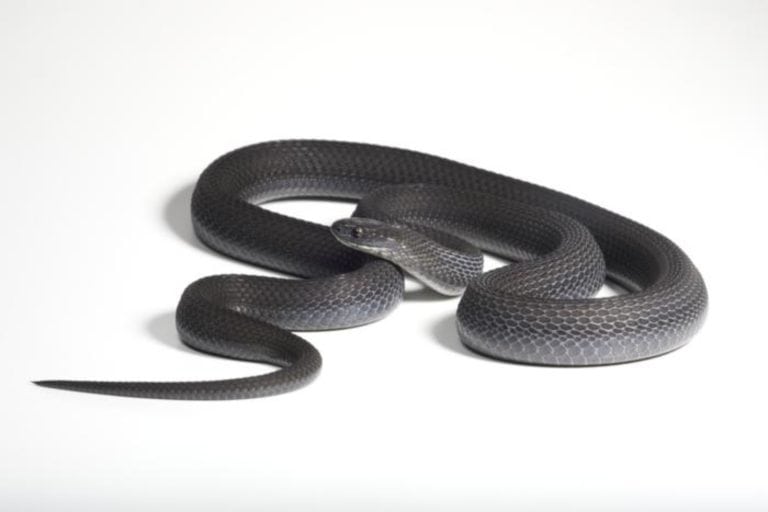
Kingsnakes are non-venomous constrictor snakes found throughout North and Central America, especially in the United States and Mexico. Most species grow to about 3 to 5 feet long, with some reaching over 6 feet. They live in a wide range of habitats, including forests, grasslands, deserts, and even suburban areas where other snakes are common.
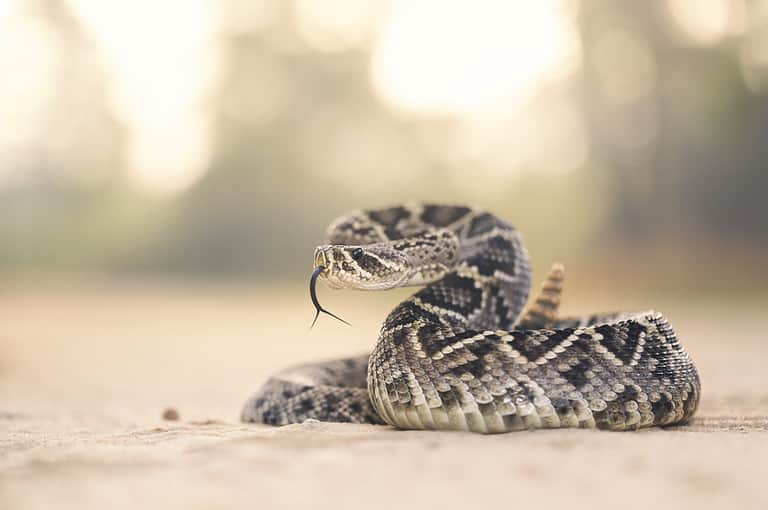
These snakes are well-known for preying on other reptiles, including venomous species. Their diet often includes rattlesnakes, copperheads, cottonmouths, and other small snakes. Kingsnakes kill through constriction, coiling their muscular bodies tightly around their prey until it can no longer breathe or circulate blood.
Many kingsnakes have a natural resistance to the venom of local pit vipers, allowing them to survive bites that would be deadly to other predators. This combination of strength, venom resistance, and opportunistic feeding makes kingsnakes important predators that can help limit the numbers of dangerous snakes in their ecosystems.
Snake Eagles and Aerial Predators
Snake eagles are medium-to-large birds of prey found throughout Africa, southern Europe, and parts of Asia, where they specialize in hunting reptiles. Species such as the short-toed snake-eagle in Europe and Asia and the brown snake eagle in Africa are especially known for feeding heavily on snakes. These raptors typically measure about 2 to 2.5 feet long, with wingspans ranging from 5 to 6 feet.
They hunt in open habitats such as grasslands, savannas, scrublands, and semi-deserts, often perching on trees or soaring high overhead while scanning for movement below. Once a snake is spotted, the eagle dives quickly and grabs it with powerful talons. Their legs are covered with thick scales that help protect them from bites during the struggle.
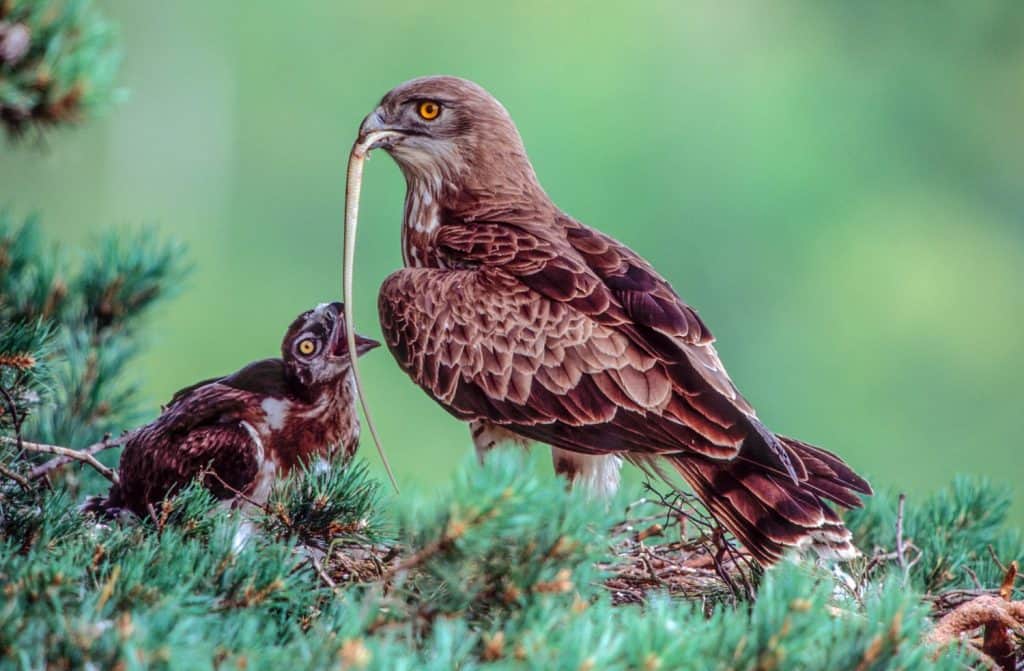
A short-toed snake eagle is bringing a small reptile home for dinner.
©COULANGES/Shutterstock.com
Smaller snakes may be carried off to a perch and swallowed whole, while larger or more dangerous species are pinned to the ground and subdued with repeated strikes. Snake eagles commonly prey on vipers, colubrids, and other reptiles, depending on the region. By removing snakes from the landscape, these specialized raptors help regulate reptile populations across their extensive territories.
American Alligators
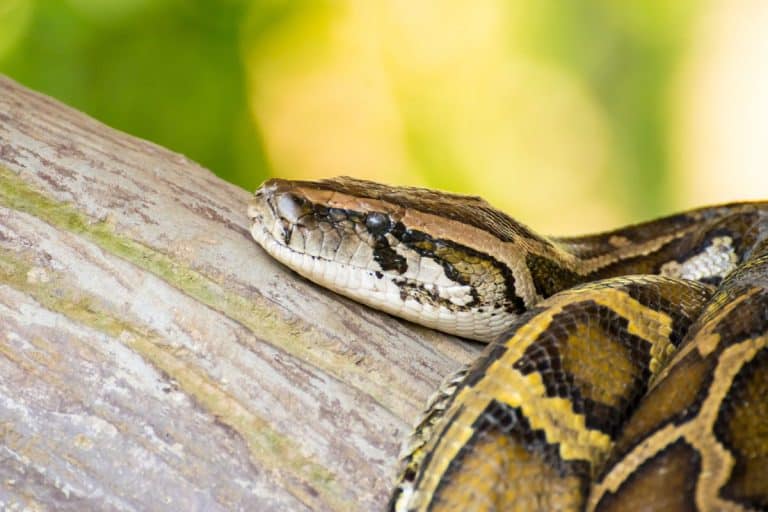
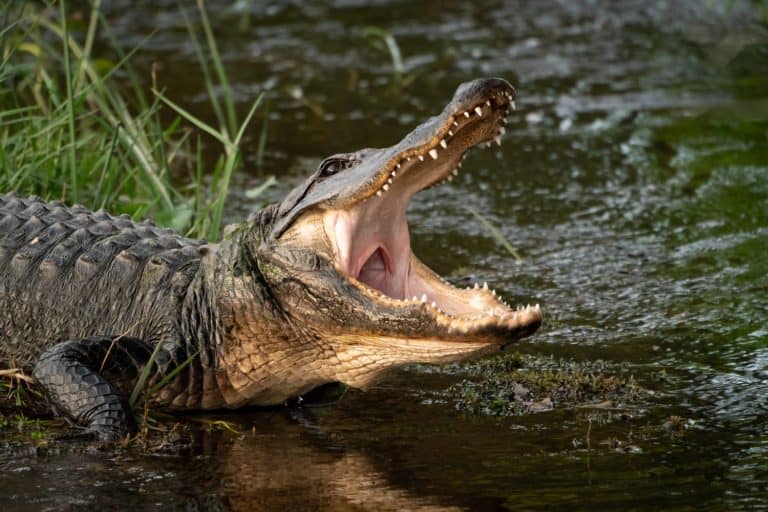
American alligators are powerful reptiles found throughout the southeastern United States, especially in freshwater wetlands such as swamps, marshes, rivers, and lakes. Adults commonly reach 8 to 12 feet long and can weigh several hundred pounds. Although they are not specialized snake hunters, alligators are capable of killing and eating large snakes when the opportunity arises. In South Florida, this includes encounters with invasive Burmese pythons, which share the same habitats along canals and in the Everglades.
Alligators hunt primarily through ambush, striking quickly from the water’s edge and using their immense jaw strength to seize prey. Smaller snakes may be swallowed whole, while larger constrictors are pinned, drowned, or torn apart. While snakes are not a regular food source, documented cases show that alligators can act as important opportunistic predators of large snakes, particularly in ecosystems where pythons have become established.
Snakes as Predators and Prey
Animals that successfully prey on snakes often share key adaptations, such as speed and agility to avoid strikes, protective skin or scales to reduce injury, partial venom resistance for added safety, and effective hunting strategies involving precise attacks aimed at the head or spine to end encounters quickly. These traits show how evolution equips predators to exploit a dangerous but energy-rich food source.
Snakes themselves play an important role in the food web as both hunters and prey, transferring energy through ecosystems and influencing the populations and behaviors of rodents, birds, and other animals.
This balance can even reduce human–wildlife conflict in some regions. Ultimately, snake predators are not heroes or villains—they are part of natural survival systems, and their presence reflects healthy habitats where predator–prey relationships help maintain ecological stability.