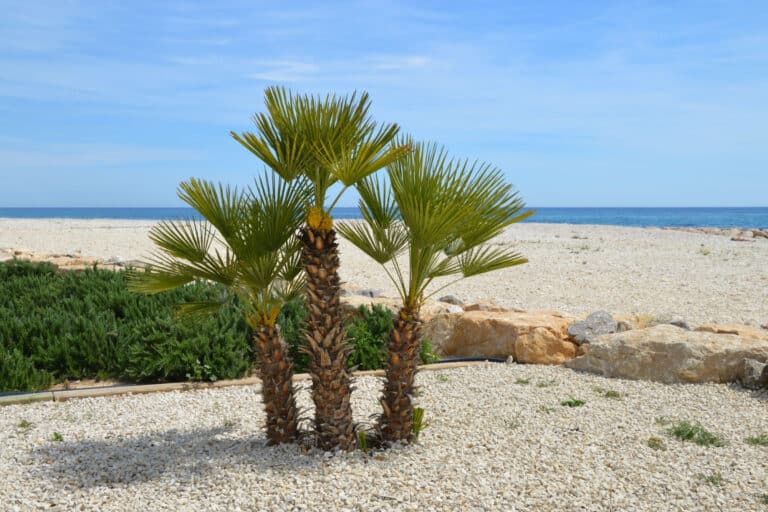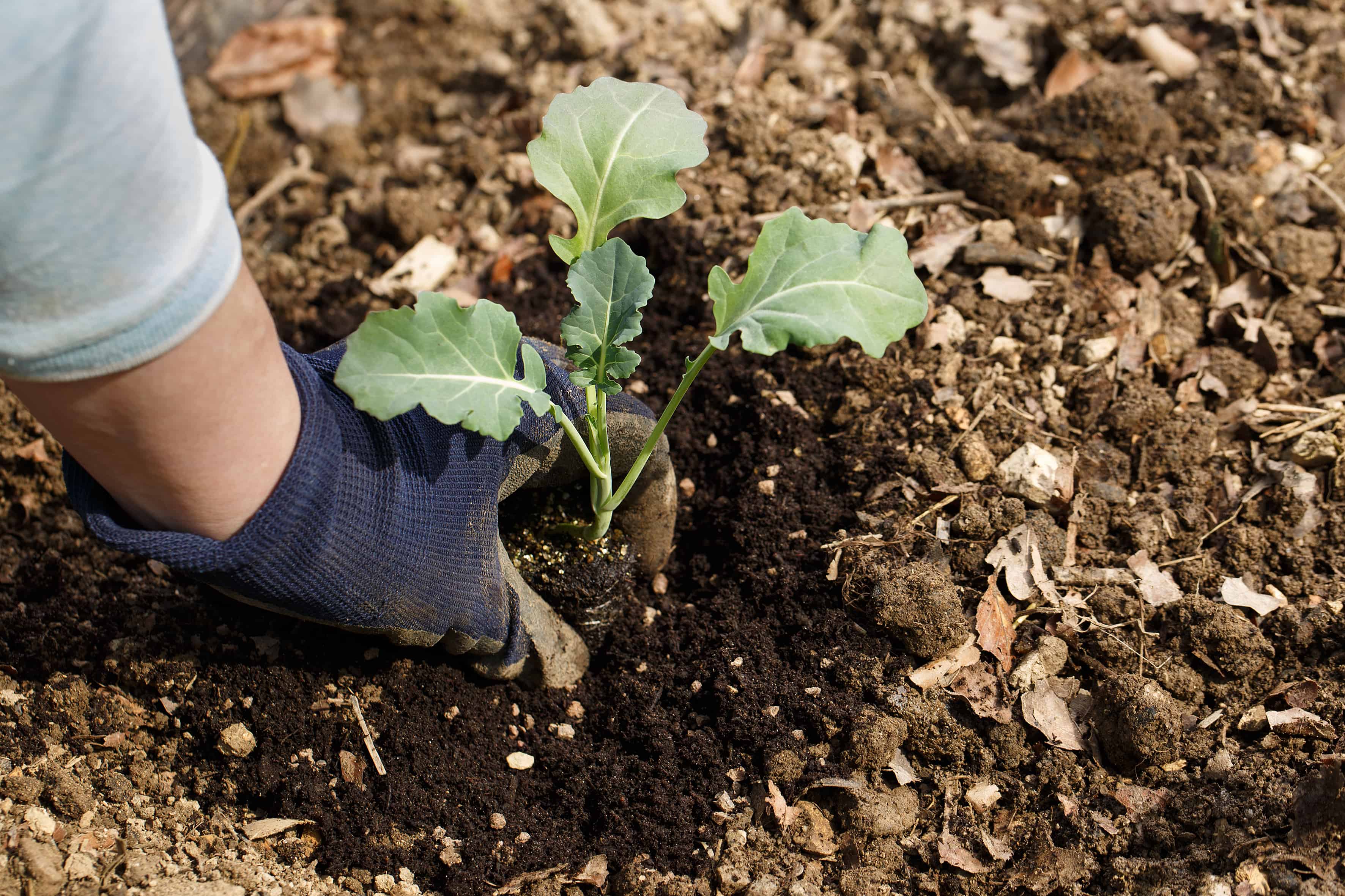

From the coast to the Piedmont to the Smoky Mountains, North Carolina has a diverse topography and climate. This southeast state has a hardiness zone ranging from 6a in Western North Carolina to 8a in Eastern North Carolina. Check out these 10 best things to plant in North Carolina in September, including flowers, herbs, and vegetables. Plus, get tips and tricks!
1. Peonies
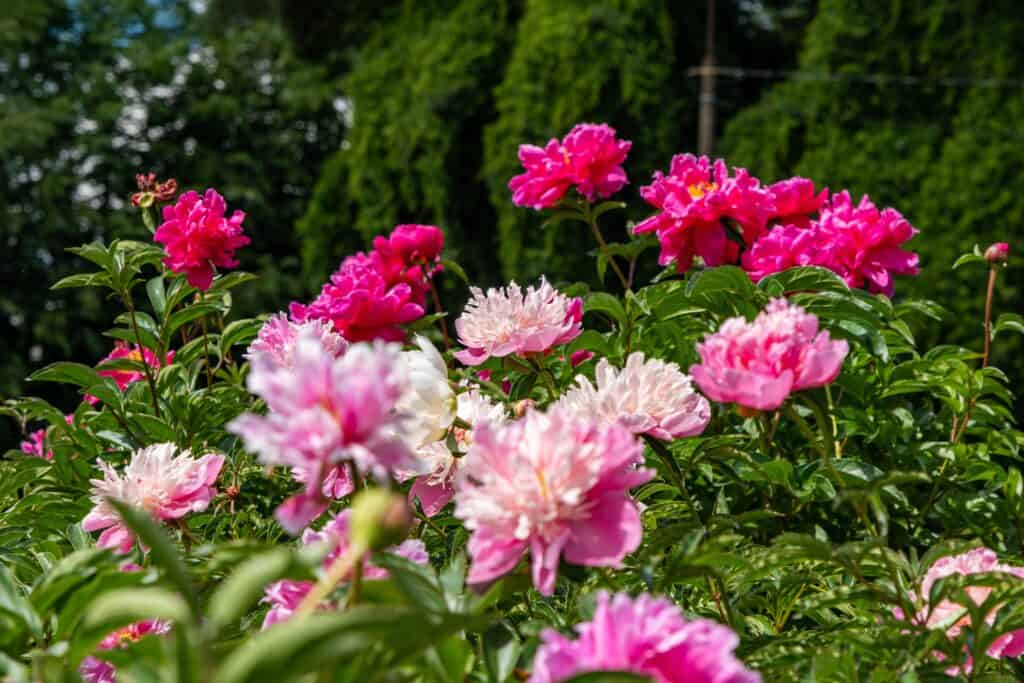
Peonies are not fussy flowers but require full sun.
©360VP/Shutterstock.com
You can plant the peony anytime between September and December for the best results. Peonies are not fussy flowers, but they do require full sun for at least six to eight hours a day and some shade if you’re in a warmer area. When planted in the autumn, peonies will bloom in the spring. While you could plant these flowers in the spring, they don’t do as well.
2. Parsley
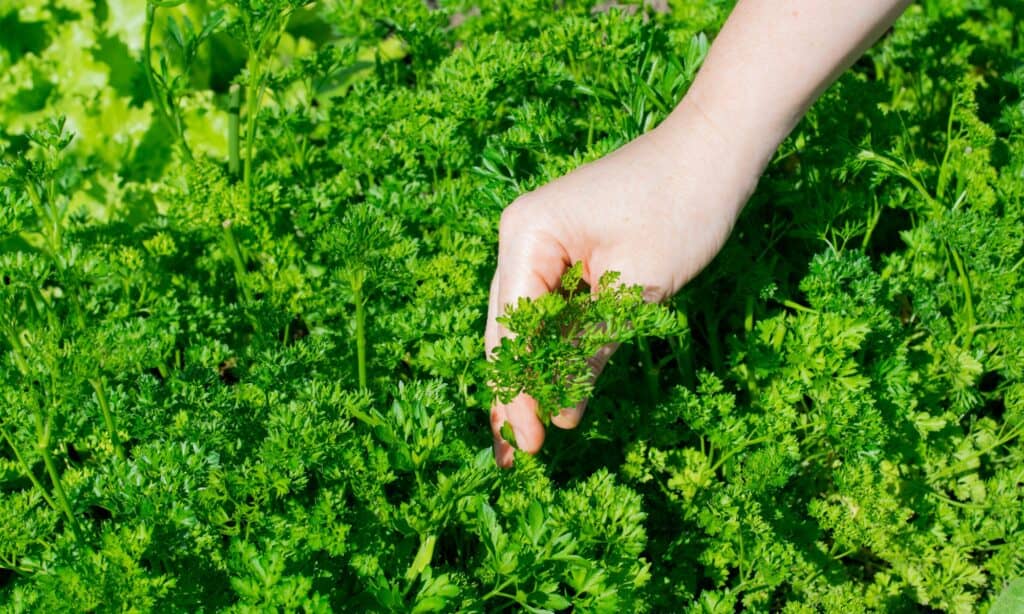
Parsley has both curly and flat leaf varieties.
©iStock.com/Oksana Chaun
Annual herbs can be planted in September and be harvestable through fall and winter. Parsley, in particular, is very hardy and survives extremely low temperatures. You can sow this herb indoors or outdoors and use it to flavor many dishes. If you plant it in autumn, it will bloom in May or early June.
3. Broccoli
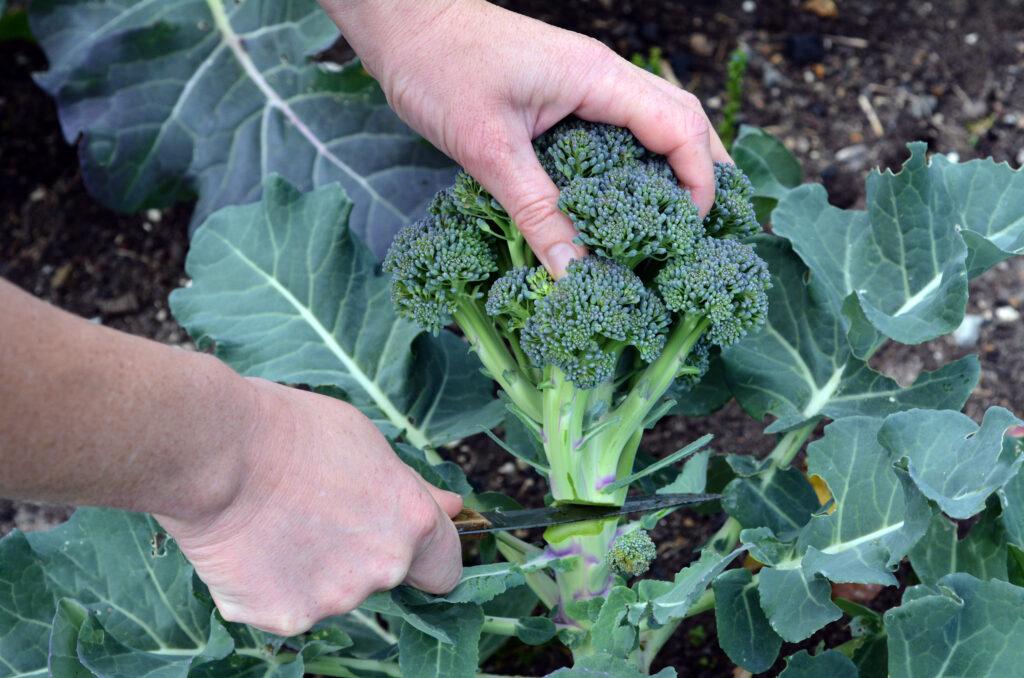
You can plant broccoli in late summer or fall.
©ChameleonsEye/Shutterstock.com
Broccoli does well when it’s planted in late summer or fall and takes around 60 to 90 days before it’s ready to harvest. Broccoli likes full sun and loamy soil, and you can seed them directly in the ground or buy plants from your local nursery. Some of the best varieties include Green Goliath, Romanesco Italia, and Purple Peacock.
4. Pansies
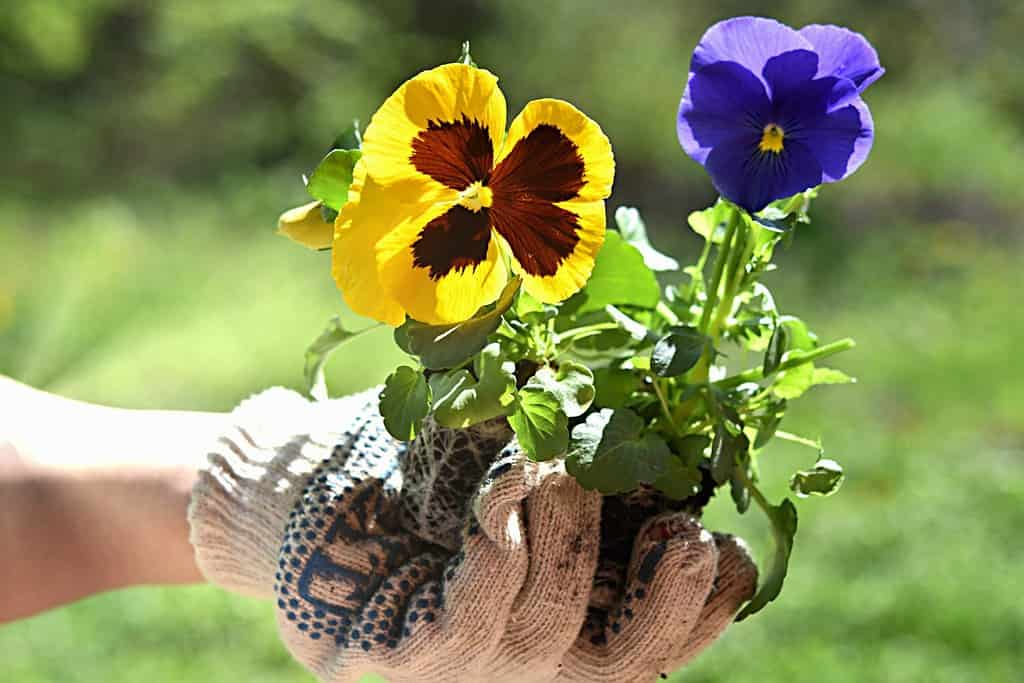
Pansies need plenty of time to secure their roots.
©Michkasova Elena/Shutterstock.com
Those residing in hardiness zones 4 through 7 can plant pansies in September and October. And if you transplant them, they have plenty of time to grow and secure their roots before winter. These flowers need abundant sunshine when establishing their roots and need proper care and maintenance if you want them to show throughout the winter.
5. Cilantro
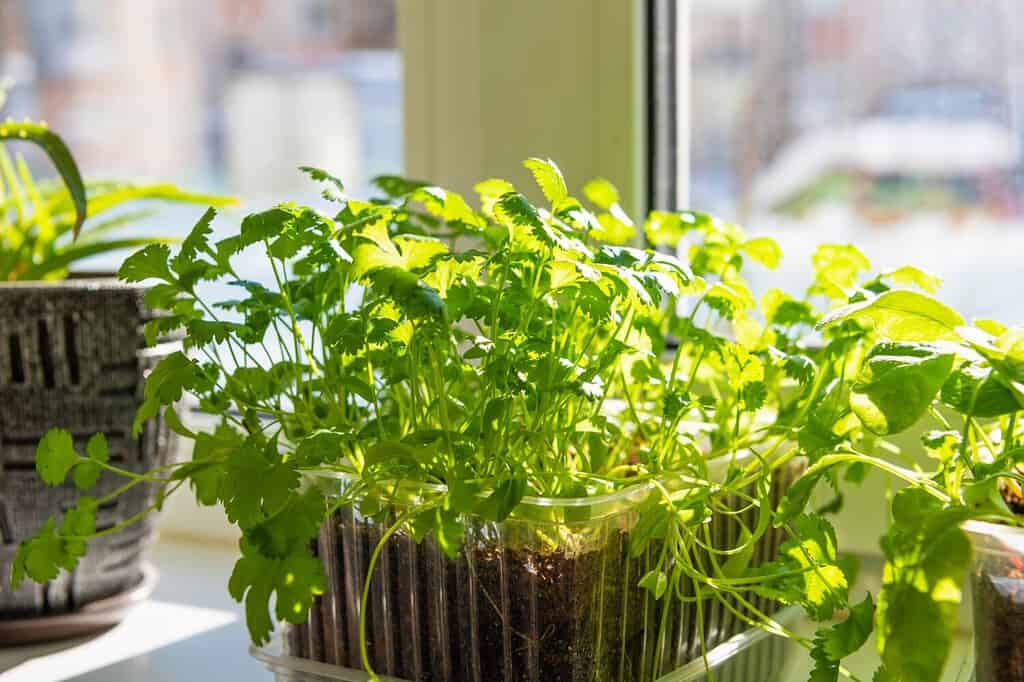
Cilantro needs full sun but doesn’t do well in heat. Plant it in North Carolina in September.
©Valeriia Duggan/Shutterstock.com
This cool-weather plant can be planted in September and harvested when the stems are at least 6 inches long. And it grows profusely in the cool atmosphere of the fall or spring. While this herb may not like heat, it does like full sun and rich, well-draining soil. When you harvest cilantro, pull the leaves from the outside of the plant and leave the center leaves to keep growing.
6. Mustard Greens
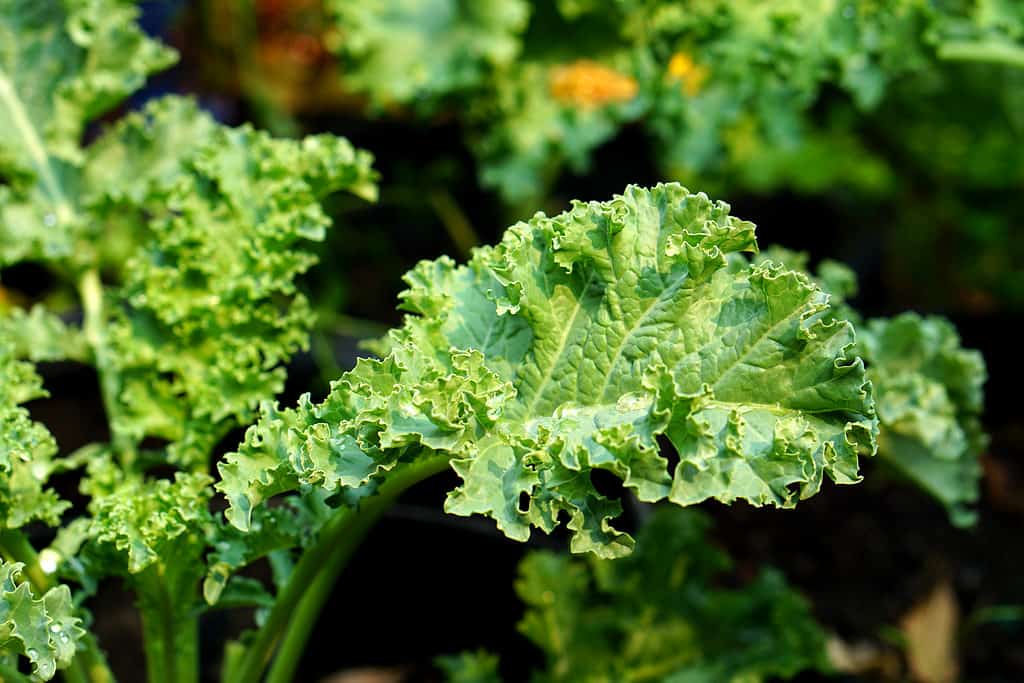
Mustard greens and kale belong to the same genus Brassica but are cultivars of different species.
©BlueSky_31/Shutterstock.com
While you can plant mustard greens in the spring, they also do well in the fall. Plant this delicious vegetable six to eight weeks before the first frost, which for North Carolina would be in September or October depending on your exact planting zone. They grow well in raised beds, in the ground, or containers during the cool weather. Mustard greens is one of the best things to plant in North Carolina in September.
7. Chervil
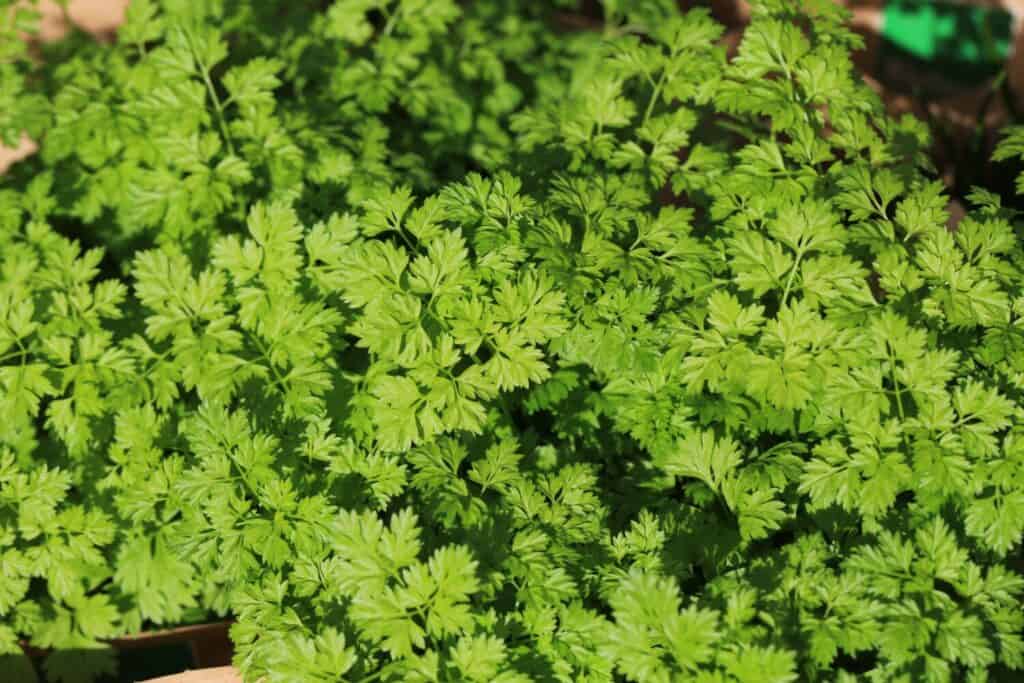
Chervil does well in cool weather.
©Traveller70/Shutterstock.com
Chervil gets tough and bitter when it grows during hot weather, so it grows and tastes best when planted in late August through September. The cool late summer and early fall evenings in North Carolina will produce a delicious herb you can use in many recipes. It needs cool soil and at least two frost-free months to grow, meaning you can harvest within 60 days.
8. Kale
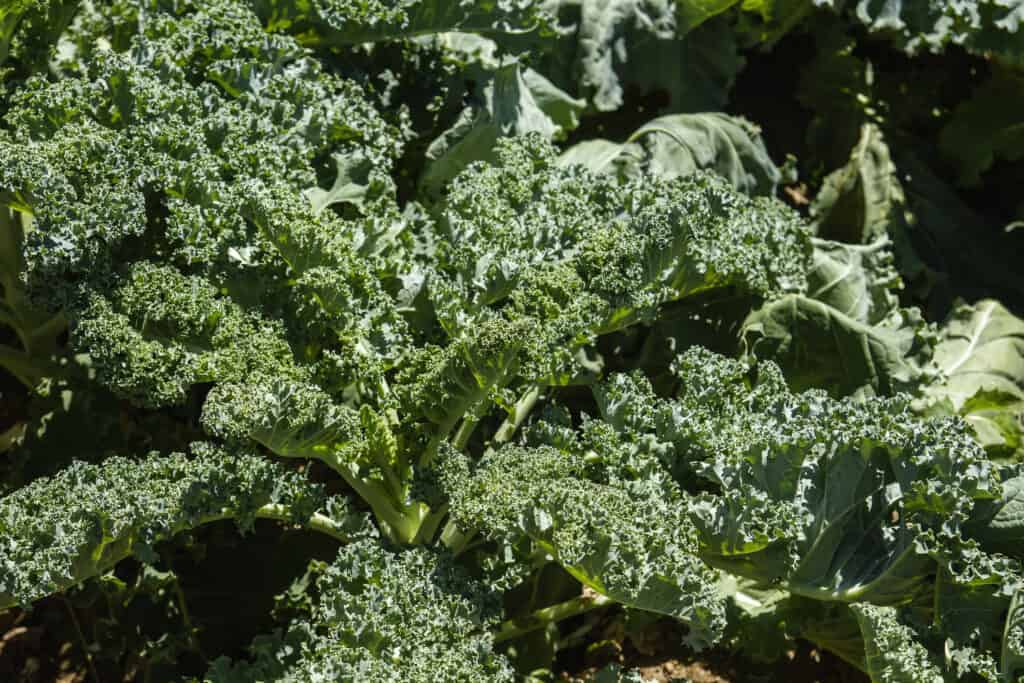
Kale is a very hardy plant that can grow unprotected during the winter.
©iStock.com/jessicahyde
If you plant kale in September, you can expect small harvests throughout the winter. And once spring hits, you will get a larger return. Kale is a very hardy plant and will grow unprotected in your winter garden. You should sow seeds into the soil about six weeks before the first frost, making September the perfect month to plant kale in North Carolina.
9. Onions
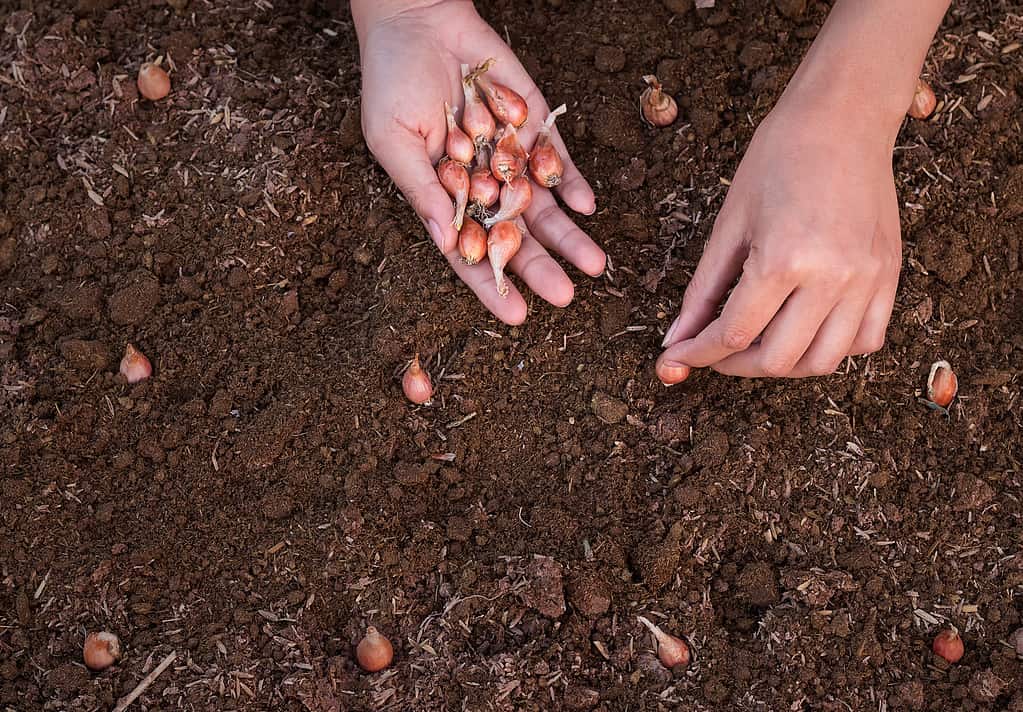
Onions need four to six weeks in the ground before winter.
©Niran Phonruang/Shutterstock.com
Fall-planted onions need four to six weeks before winter sets in, so September is a perfect time to get them in the ground in North Carolina. Planting them in September will ensure they have plenty of time to grow and produce a large harvest. If you plant onions in October, you may get medium-sized vegetables.
10. Radishes
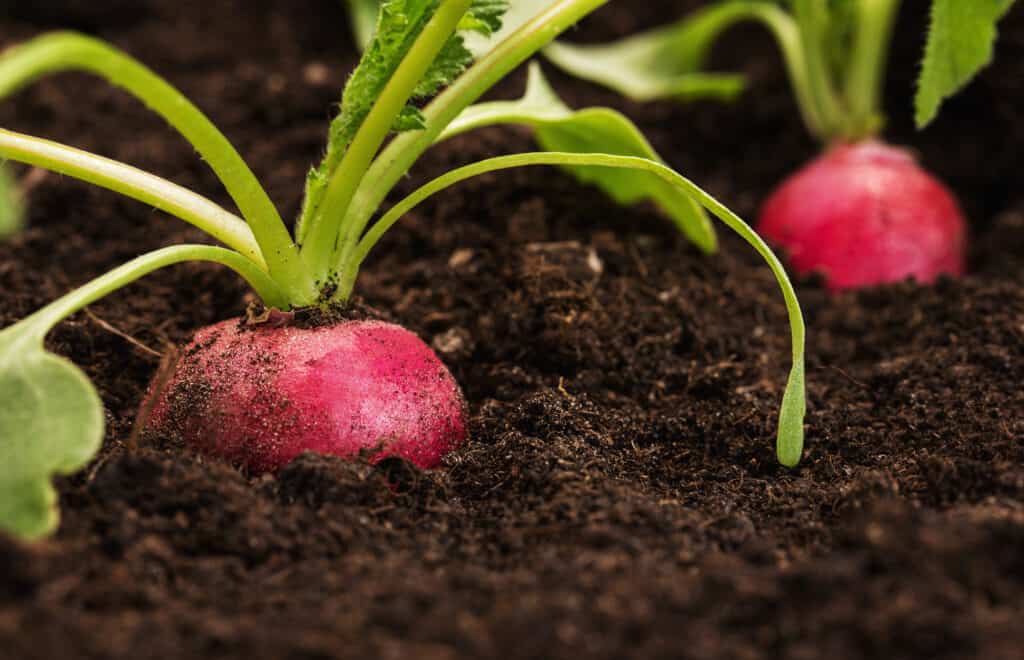
Radishes planted in the fall can take longer to mature.
©iStock.com/Nastco
If you plant radishes in April, you will get a spring crop. But if you plant them in August or early September, you can expect a fall crop. Radishes planted in the fall can take longer to mature, about 60 days. And they may also be starchier and more fibrous. Some of the best varieties for your garden include Black Spanish, Daikon, and Watermelon.
A Recap of the 10 Best Things to Plant in North Carolina in September
| Number | Things to Plant in North Carolina in September |
|---|---|
| #1 | Peonies |
| #2 | Parsley |
| #3 | Broccoli |
| #4 | Pansies |
| #5 | Cilantro |
| #6 | Mustard greens |
| #7 | Chervil |
| #8 | Kale |
| #9 | Onions |
| #10 | Radishes |