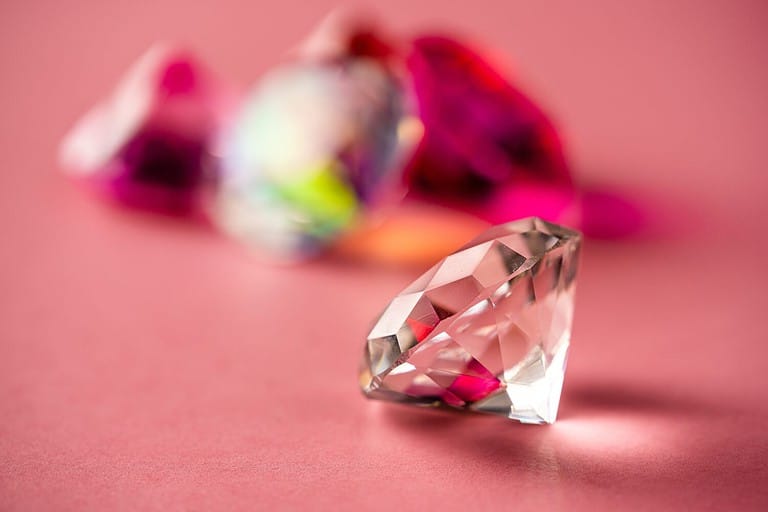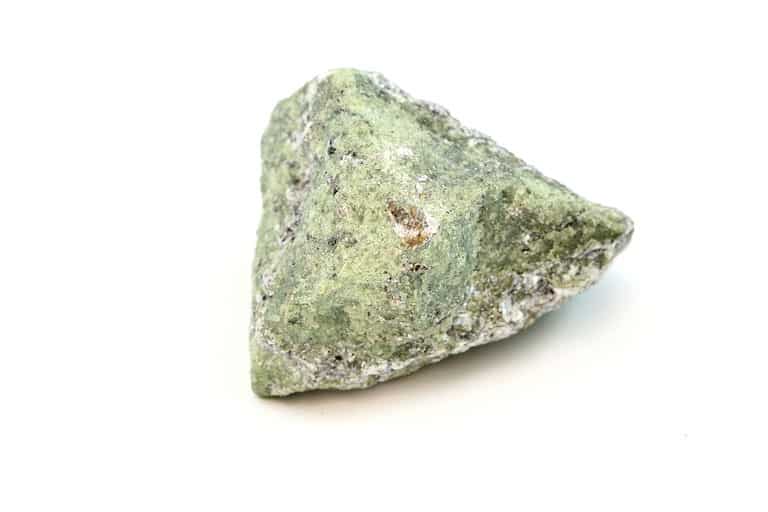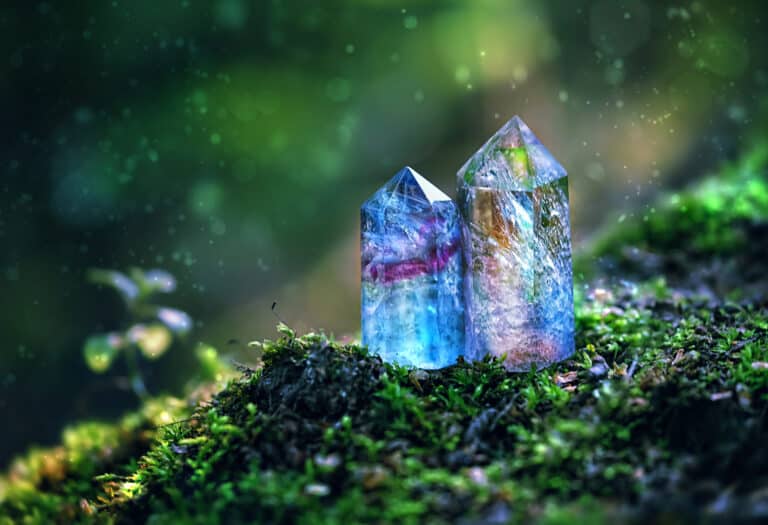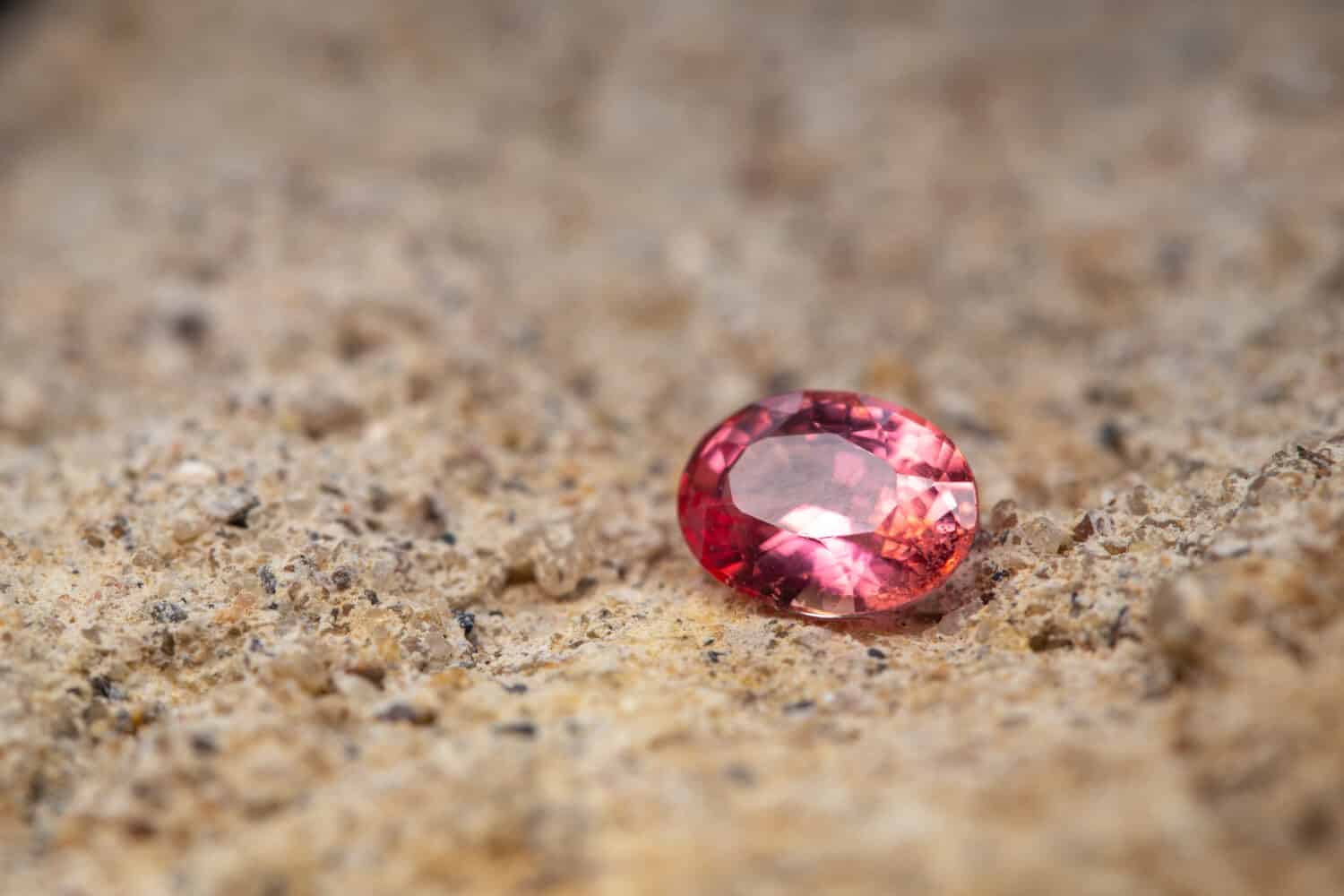

When it comes to gemstones, rarity often directly affects value. And few stones can rival the near-mythical status of taaffeite. This extraordinary gem was actually discovered by accident and mistaken for another mineral for years. Taaffeite is truly the unicorn of the gemstone world, a crystal so rare that most gemologists will never see one in person. With only about 50 known samples ever identified, taaffeite has earned its reputation as the rarest crystal on Earth.
What makes taaffeite truly remarkable isn’t just its scarcity, but how it was initially documented and why it remains so elusive. Found in small quantities and often confused with spinel, it shows up only under extremely specific geological conditions. This article explores the fascinating discovery of taaffeite and why so few examples exist despite decades of global gem exploration.
What Is the Rarest Crystal on Earth?
©Edward Westmacott/Shutterstock.com
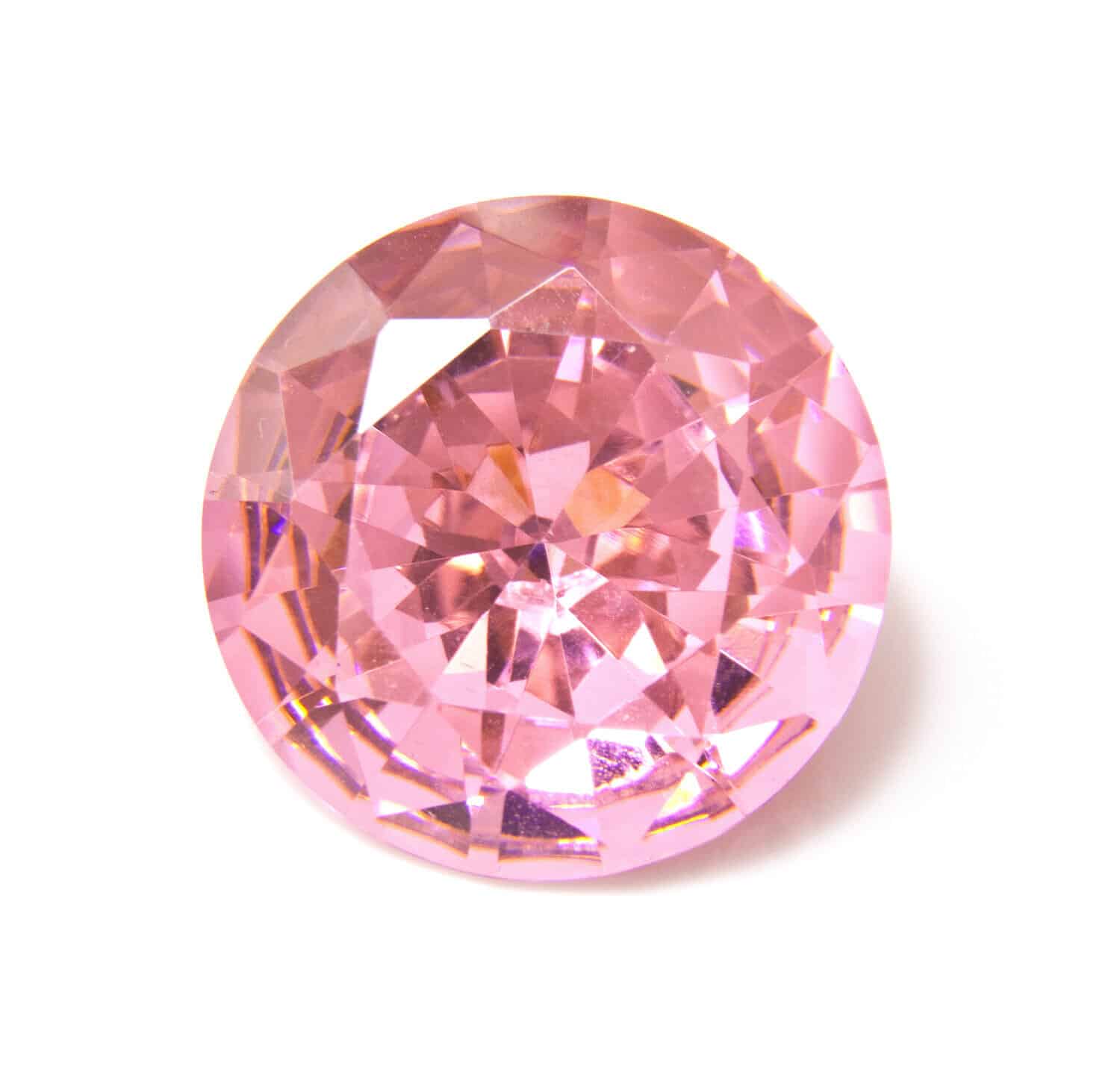
Taaffeite is the rarest crystal on Earth. It was discovered by Richard Taaffe in October 1945 and is the only example of a new mineral species first being discovered as a faceted gem. By 1982 the summer issue of Gems & Gemology stated that only around 10 taaffeite specimens had been identified at the time. Today it is believed that around 50 samples exist.
How Did Richard Taffe Discover Taaffeite?
©Roy Palmer/Shutterstock.com
A brilliant gemologist from Dublin, Taffe came across the small, mauve stone while examining a collection of unassuming crystals. Taffe purchased these crystals from a local watchmaker and jeweler, according to a paper from B.W. Anderson and G.F. Claringbull.
It appears that the reason taaffeite went unnoticed is that it was long mistaken for spinel, a common mineral that comes in a variety of stunning colors thanks to chromium. However, taaffeite is double refractive, while spinel is single refractive.
Taffe noted this while examining his puzzling new stone. The realization that the crystal was double refractive led him to send it to B. W. Anderson of the Laboratory of the London Chamber of Commerce for help in identification. By his own account, Taffe included the note:
“This time a new riddle: What is this mauve stone? It seems to me to answer all characteristics of spinel, yet it shows double refraction: doubling of facets visible under the Greenough, extinction when polarized, though with queer colour effects. Could anomalous double refraction be so strong? R.I. too high for topaz, S.G. too low for corundum. What is it ?”
Where Is Taaffeite Found Naturally?

©evan_huang/Shutterstock.com
Some of the first few examples of taaffeite occurred when gemologists discovered the mineral already cut and polished, mistaken for spinel, and sent on its way. So where does taaffeite naturally occur? According to Gemdat.org, natural taaffeite deposits were eventually discovered in Sri Lanka and southern Tanzania. Some lower-grade taaffeite also occurs in limestone sediments in China.
Appearance
©RTimages/Shutterstock.com
Taaffeite comes in a variety of colors. The stone described by Taffe was mauve (a pale bluish-purple), but other color variations include pink, lavender, and peach, according to Bluestreak Crystals. Unlike crystals like spinel, diamonds, and garnet, taaffeite is a double-refractive crystal.
Taaffeite is a relatively durable crystal with a Mohs hardness rating of 8-8.5. Taaffeite also contains an almost translucent quality, which allows light to pass through and makes the stone even more beautiful. It’s rare to own a piece of taaffeite jewelry. When the crystal is cut, experts typically try to choose a shape to maximize its carat weight. The best shapes for this are typically oval or cushion cuts.
Price
©ElenaR/Shutterstock.com
Unsurprisingly, taaffeite can be very expensive, thanks to its rarity. More accessibly priced pieces tend to be lighter in saturation. Carl Larson of gem dealer Pala International stated that the light-pink and dark-purple material tends to cost around $800 to $2,500 per carat, according to National Jeweler.
For top-quality pieces, the price tag goes up. Taaffeite gemstones with higher color saturation fetch a price between $5,500- $7,500 per carat. This is far from the most expensive rate for taaffeite, however. Some of the highest-quality gems can sell for as much as $15,000 per carat. National Jeweller even mentions an instance of a lavender kite-shaped taaffeite weighing 5.34 carats selling at an auction for $20,000.
Other Rare Crystals
©gualtiero boffi/Shutterstock.com
Jadeite and Red Beryl are a few other rare crystals worth mentioning. Jadeite belongs to the pyroxene family and is one of two distinct minerals known as jade. According to the International Gem Society, jadeite is the rarer and harder variety. The most highly valued jadeite has a rich green color and is known as “Imperial jade.” Imperial jade can be found in Myanmar and is valued at around $400 per carat.
Red Beryl is another extremely rare crystal. Its beautiful red color comes from manganese ions and small amounts of iron, chromium, and calcium. Red beryl is typically the color of raspberries but can have other tints such as bright ruby or even orange. According to the Utah Geological Survey, red beryl is so rare that one red beryl crystal is found for every 150,000 diamonds. Red beryl is also estimated to be 1,000 times more valuable than gold.