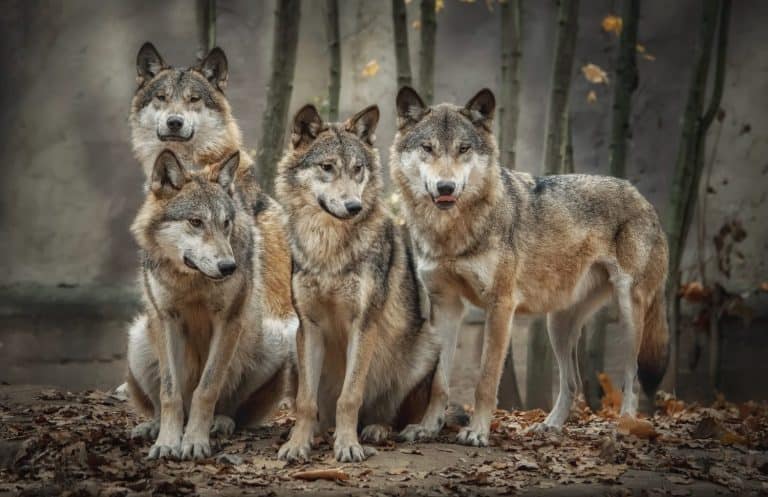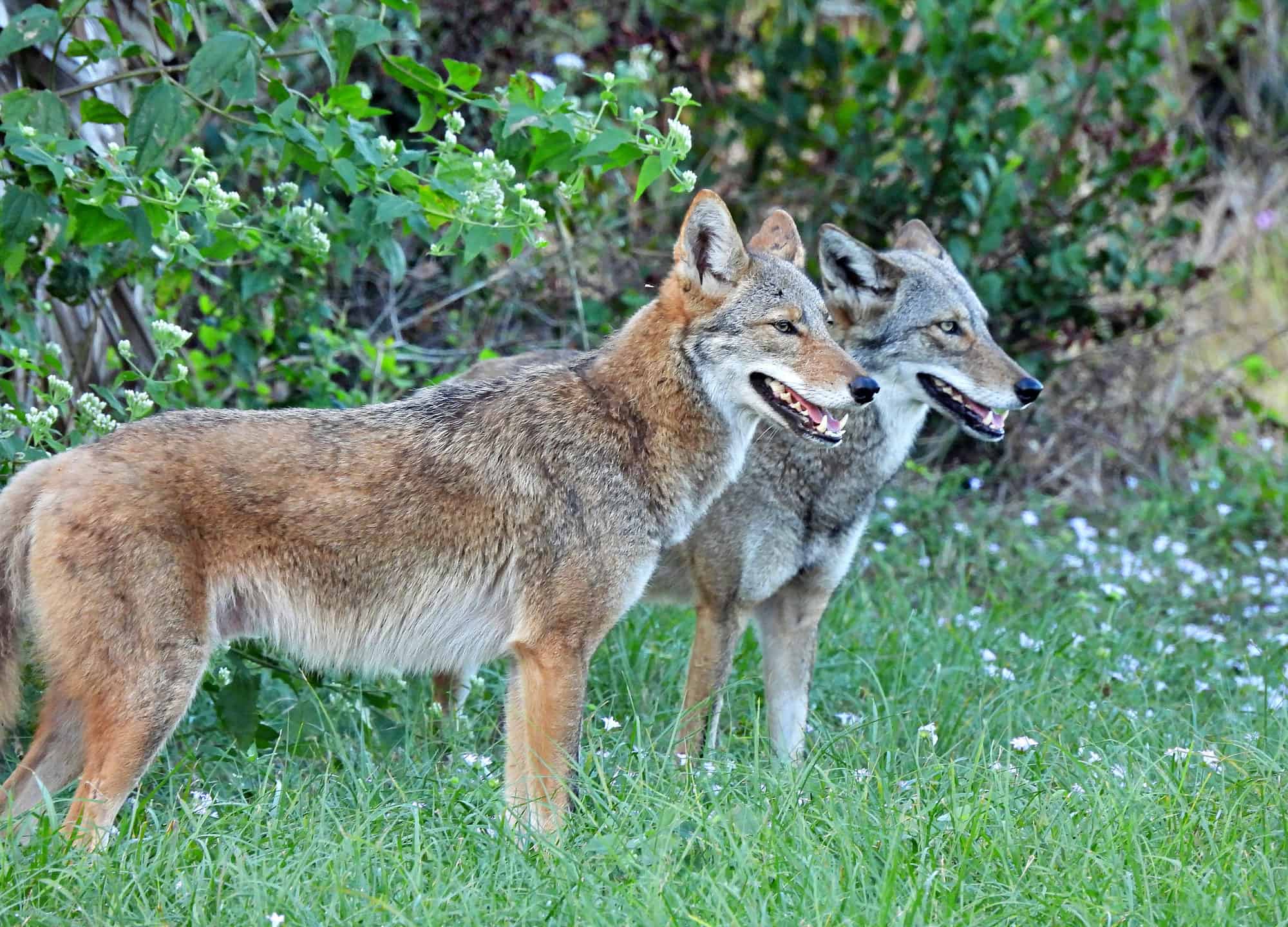

Once thought of as solitary hunters, coyotes have revealed themselves to be far more social than many people realize. Across specific portions of the United States, clever coyotes are forming unusually large packs. These animals are adaptable and can thrive in a variety of environments, from remote wilderness to the outskirts of major cities. Their intelligence, flexibility in diet, and ability to easily coexist alongside human development have allowed their populations to grow dramatically.
In certain states, conditions are especially ideal to support a large number of coyotes. These states are home to dense coyote populations with complex pack structures. Factors that lead to favorable environmental conditions include plenty of prey, open landscapes, and limited natural predators. Due to flourishing populations in certain areas, new questions are on the table regarding wildlife management and human–coyote interactions. This article explores the states where huge coyote packs are most common.
1. Texas is, Without a Doubt, the Coyote Capital of the U.S.
©iStock.com/SteveByland
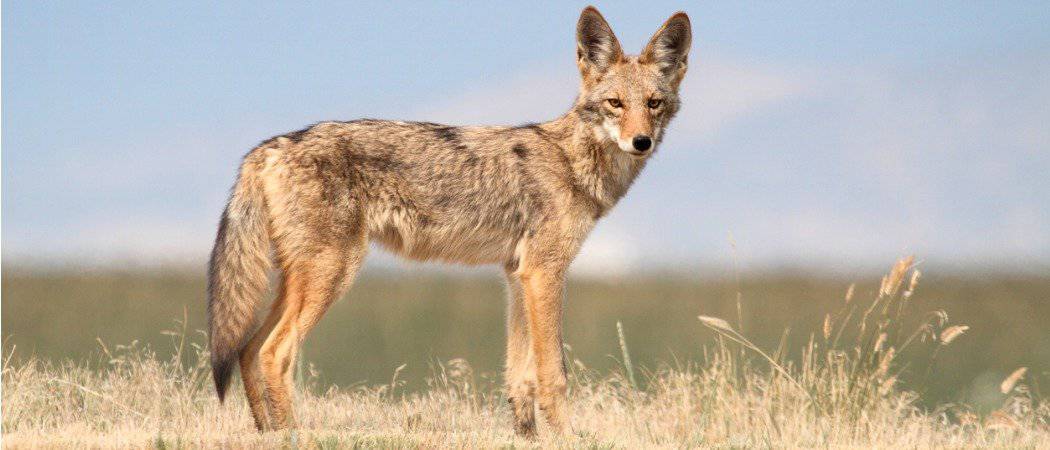
Have you ever heard that phrase “everything is bigger in Texas”? Well, that also includes the coyote population. The wide open spaces and the minimal natural predators make this state an ideal place for this breed to flourish in. Coyotes will not only roam the wide open plains they will even dip into parts of suburban neighborhoods. Yes, ranchers have worked hard to fight and protect their livestock, but coyotes continue to keep bouncing back. And while state agencies have used both lethal and non-lethal methods, Texas remains to be #1 in the list of states for coyotes to be found in.
2. The Urban Coyotes Aren’t Going Anywhere in California
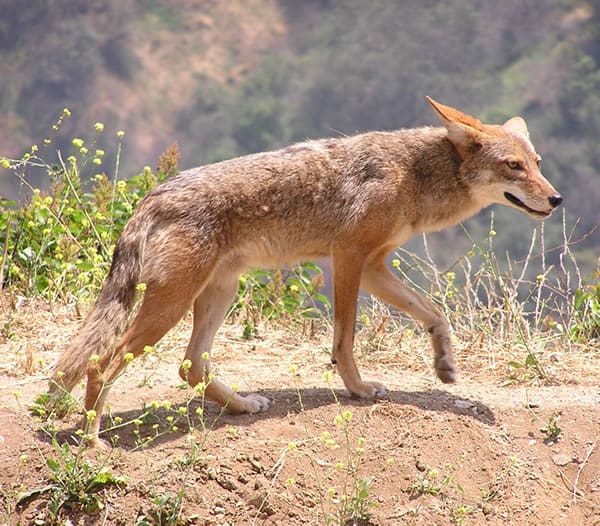
California is a mixture of suburban streets and city parks. And coyotes have been themselves right at home in the mixture between them both. These animals are the masters at navigating the busiest areas in this great state. One of the best benefits to having coyotes around is that they are a great rodent clean-up crew. California likes to focus on the benefits of coexistence versus just trying to erratic them from the ecosystem.
3. The Wild Terrain of Colorado Makes Room for Coyote Packs
©Jukka Jantunen/Shutterstock.com
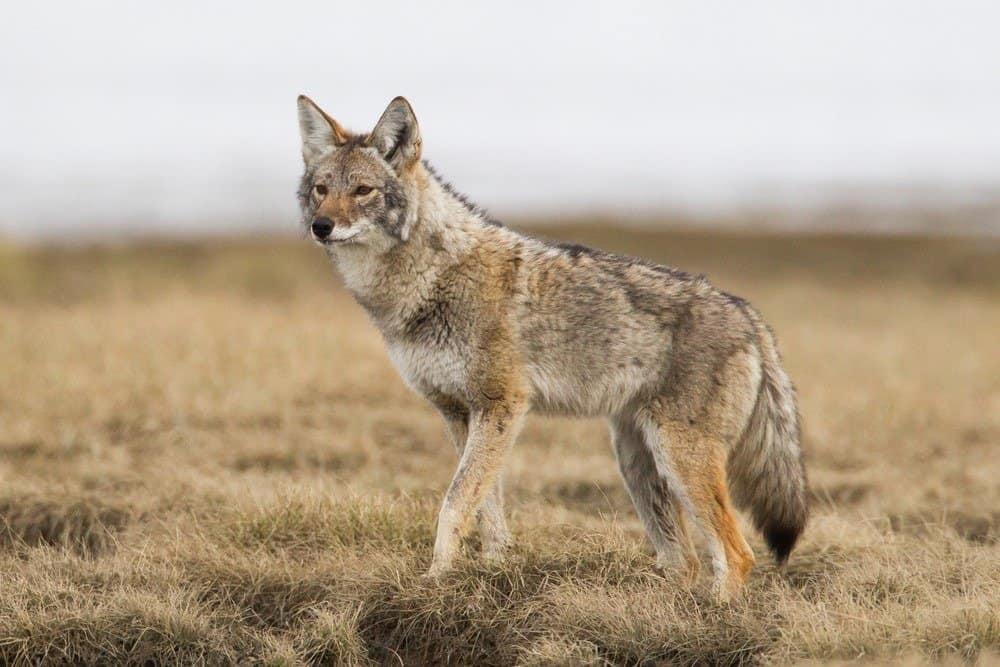
Colorado offers ideal terrain for coyotes to thrive in, such as the mountains, forests, and open plains. Coyote packs tend to be larger in this state due to the availability of prey like rabbits and rodents. However, in urban areas like Denver, sightings are even more common. Colorado encourages non-lethal deterrents just like California. They offer educational campaigns to try to educate the public on the benefits of having coyotes throughout the state. Interestingly, research in Colorado helps shed light on coyote behavior and how they manage to survive even under the threat of human pressure.
4. Illinois Is Where the City Coyotes Run the Night
©Mark Byer/Shutterstock.com
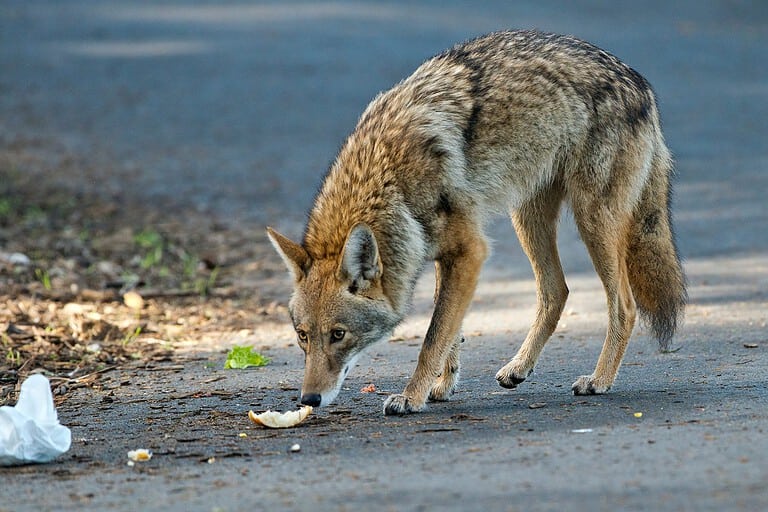
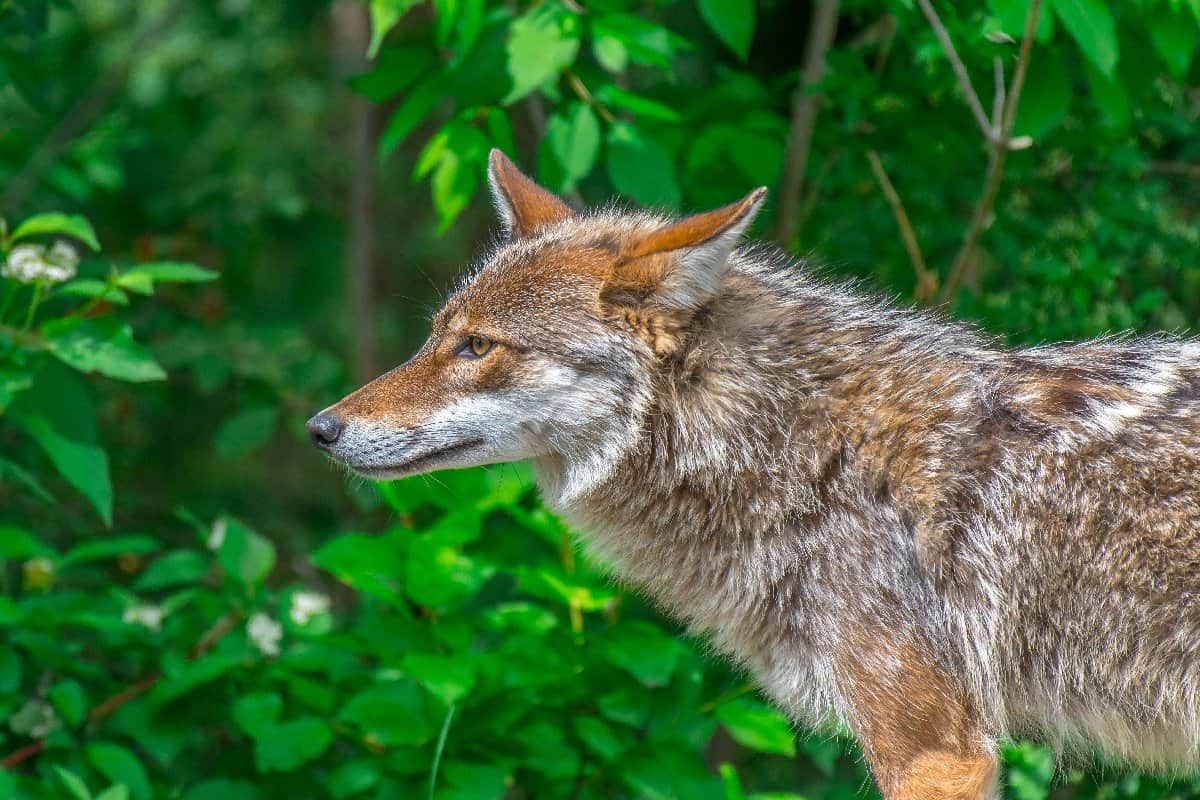
Illinois has one of the most studied urban coyote populations in the country. In Illinois, the coyotes are street-smart predators that thrive on garbage, rats, and even small pets. There are even some coyotes who have even been spotted using crosswalks…talk about a city animal! Of course, because of this, public safety concerns remain. But, city officials mostly promote the ability to coexist with them and proper trash control to manage the population.
5. Coyotes Rule the Dry Desert Heat of Arizona
©Warren Metcalf/Shutterstock.com
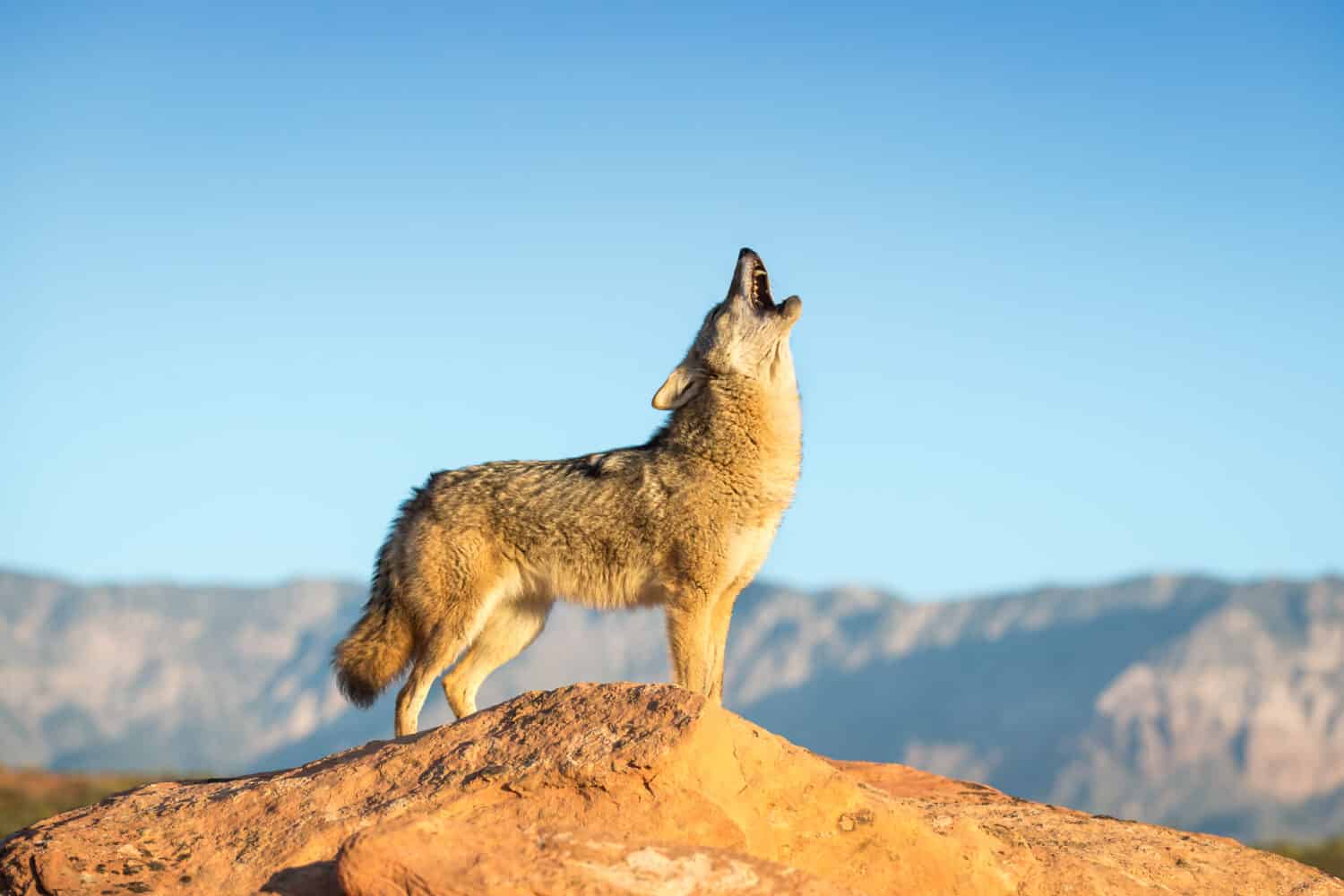
Desert climates were actually the original home base for coyotes, so it’s no surprise that they dominate Arizona. But coyotes are not just desert dwellers anymore—coyotes here wander into public places such as suburbs, golf courses, and even schoolyards. Packs continue to grow with the easy access to water and food sources scattered around. Arizona does allow for legal hunting and trapping under certain conditions, but many communities are shifting toward public awareness campaigns to reduce risk.
6. Coyotes Go From Forest Trails to the City Streets of New York State

©Zachary Byer/iStock via Getty Images
New York might be known for its city and Broadway lights, but it’s also home to thousands of coyotes. They’re found not just in upstate forests but even in parts of the Bronx and Central Park. The key to their survival in New York State is that they are able to be adaptable. They switch up their diet and avoid human contact at all costs. In many areas, residents are encouraged not to feed or engage with coyotes at all.
7. Florida’s Sunshine Packs Are Growing Fast
©Betty4240/iStock via Getty Images
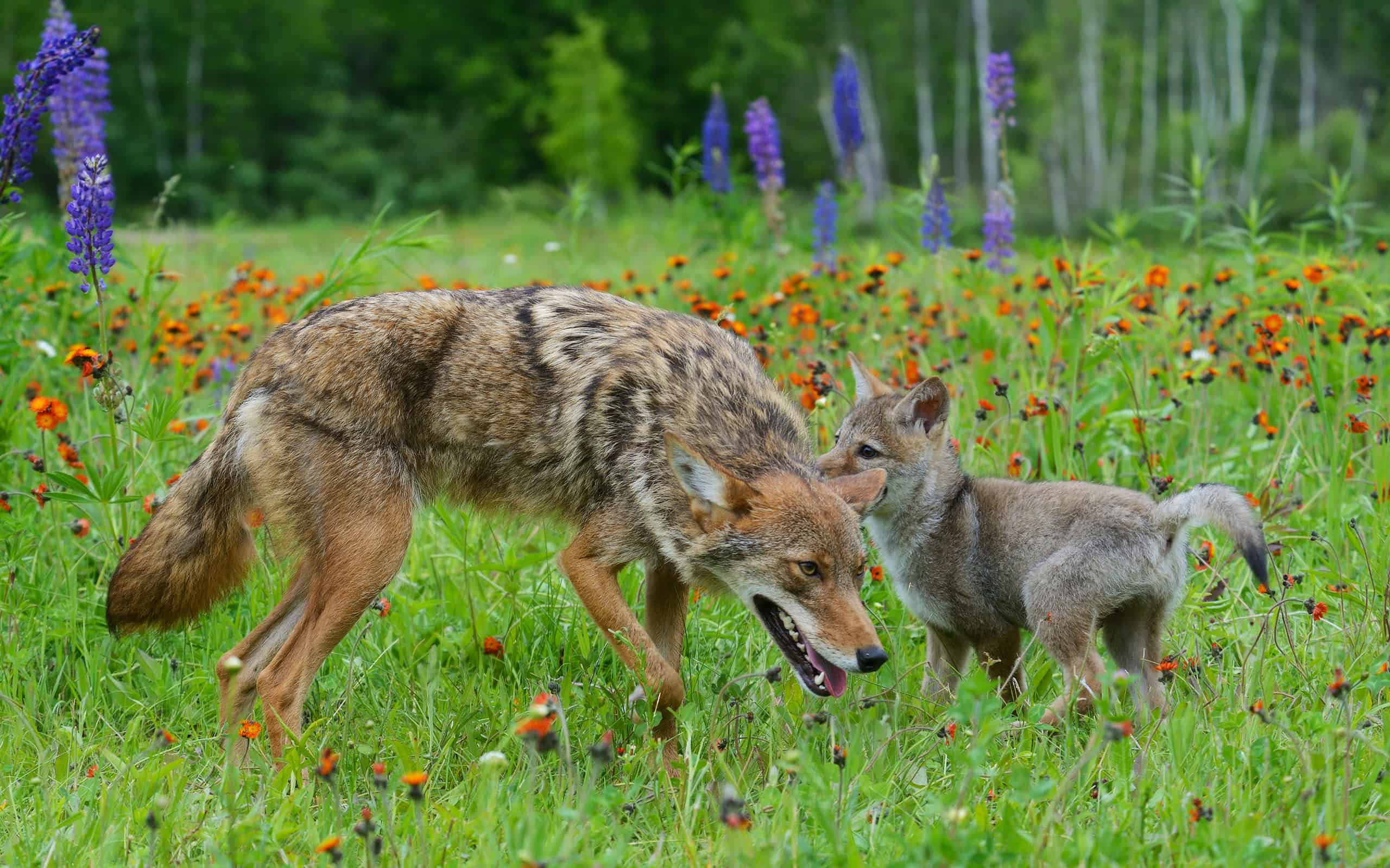
Coyotes have spread rapidly across the Sunshine State, even into the Everglades and downtown Orlando. Coyotes are able to eat just about anything, from dirty raccoons to fresh fruit. This undoubtedly gives them a leg up in the animal kingdom of Florida. The warm climate means that they can breed year-round, and some packs have grown impressively large because of this.
8. Casinos and Coyotes Coexist in Nevada
©iStock.com/kojihirano
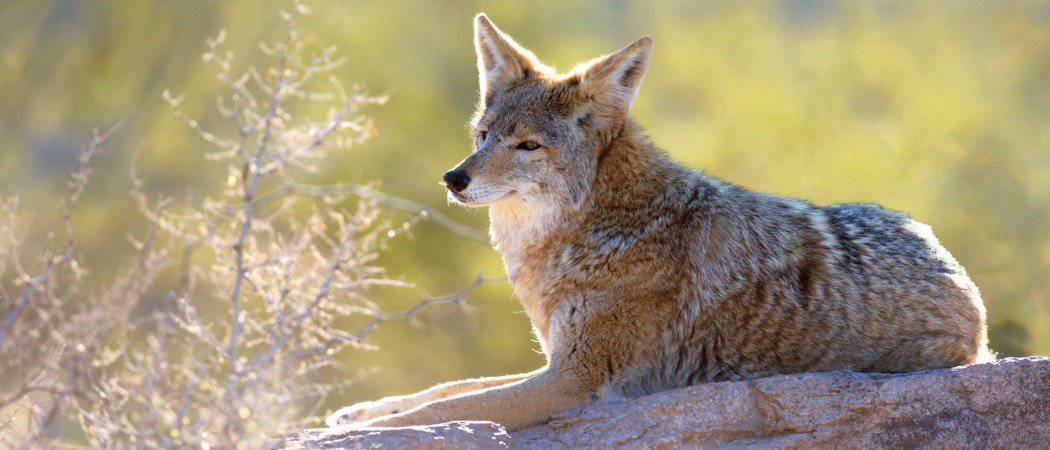
Las Vegas is known for its nightlife, and even then, the Coyotes don’t mind a little noise. Because even in Las Vegas, these clever creatures roam the outskirts and dart between neighborhoods at night so as to stay out of human sight. The surrounding desert and rocky terrain offer the perfect base. And coyotes’ natural stealth helps them avoid human detection. So, even though they are around, we would hardly ever see them.
9. Oregon Goes from Forests and Fields to Fearless Coyotes
©Trevor Clark/Shutterstock.com
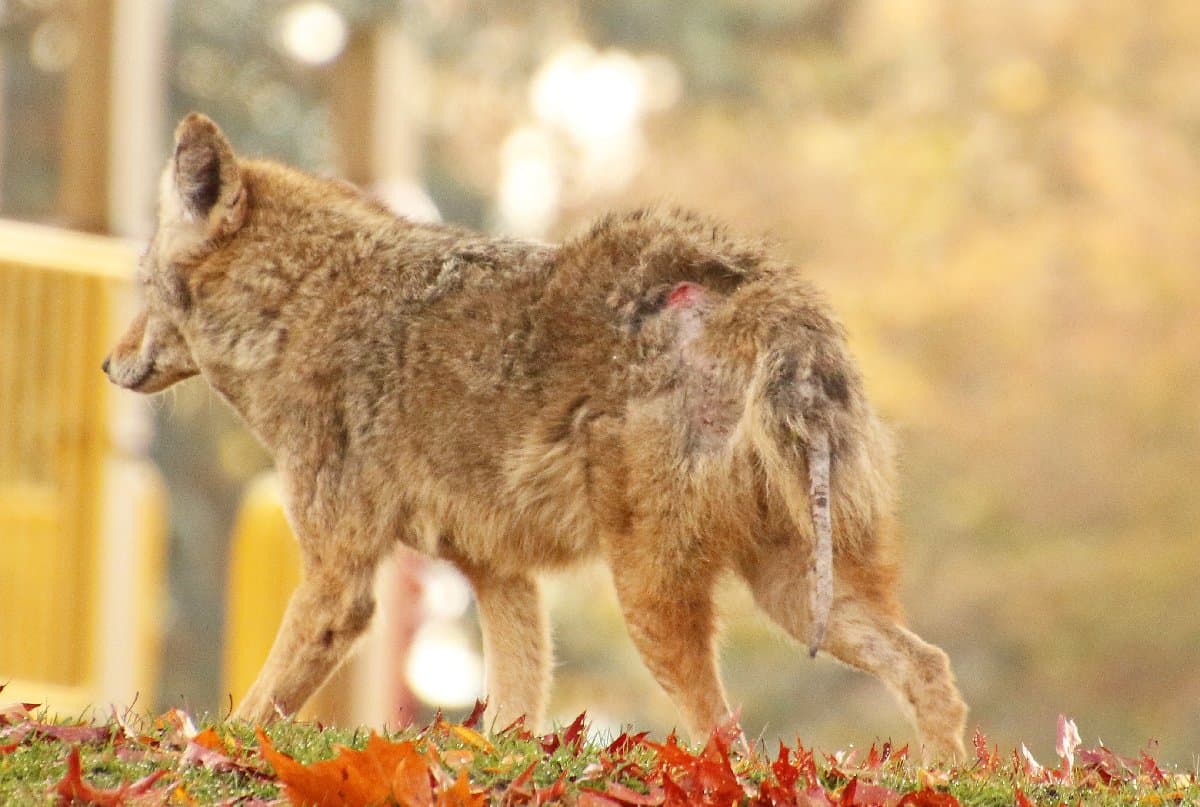
Oregon’s landscape offers a lot in the way of prime places for coyote packs to thrive in. Their main prey here includes small mammals and birds, but they’ve been known to snatch chickens and small livestock too. Of course with this brings about worry from local farmers for their livestock. However, it is worthy noting that coyotes play a crucial role in keeping rodent and feral cat populations in check across the state.
10. The Fast-Growing Packs in the Peach State
©Tim Ross - Public Domain
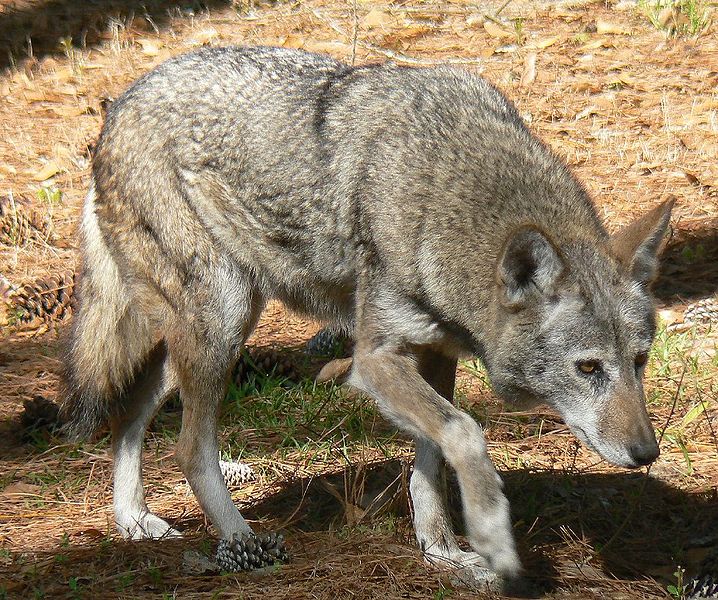
Coyotes in Georgia are thriving, and they’re doing it at a fast pace. They were once limited to the northern parts of the state; however, they now cover almost every county. The warmer winters and abundant food help them raise more pups each year. Public workshops teach homeowners to understand that coyotes often help balance local wildlife populations.
11. The Suburbs of North Carolina Are the New Hunting Grounds
©graphicphoto/iStock via Getty Images
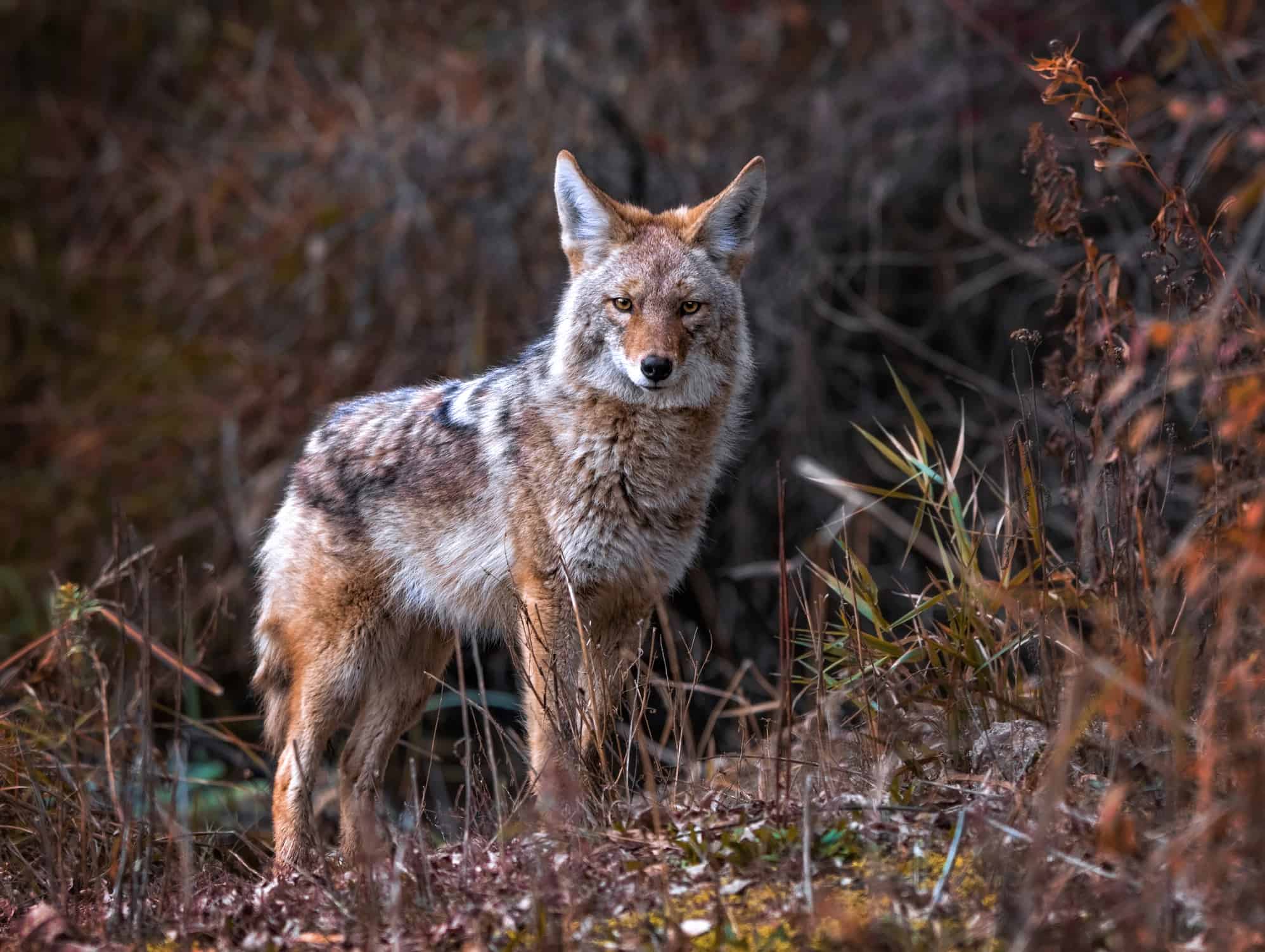
In North Carolina, coyotes have settled comfortably in both the mountains and the coast. But it’s the suburbs is where they’re actualy booming. These smart predators use wooded backyards and neighborhood parks as hunting grounds. Citizens are, of course, worried about pet safety. So, this has sparked community-led deterrent programs. While lethal control is legal, state agencies stress non-lethal approaches and public education as the most effective way to reduce unwanted encounters. Basically, if they aren’t bothering you, then don’t bother them.
12. Coyotes Thrive in the Harsh Terrain of Utah
©Mircea Costina/Shutterstock.com
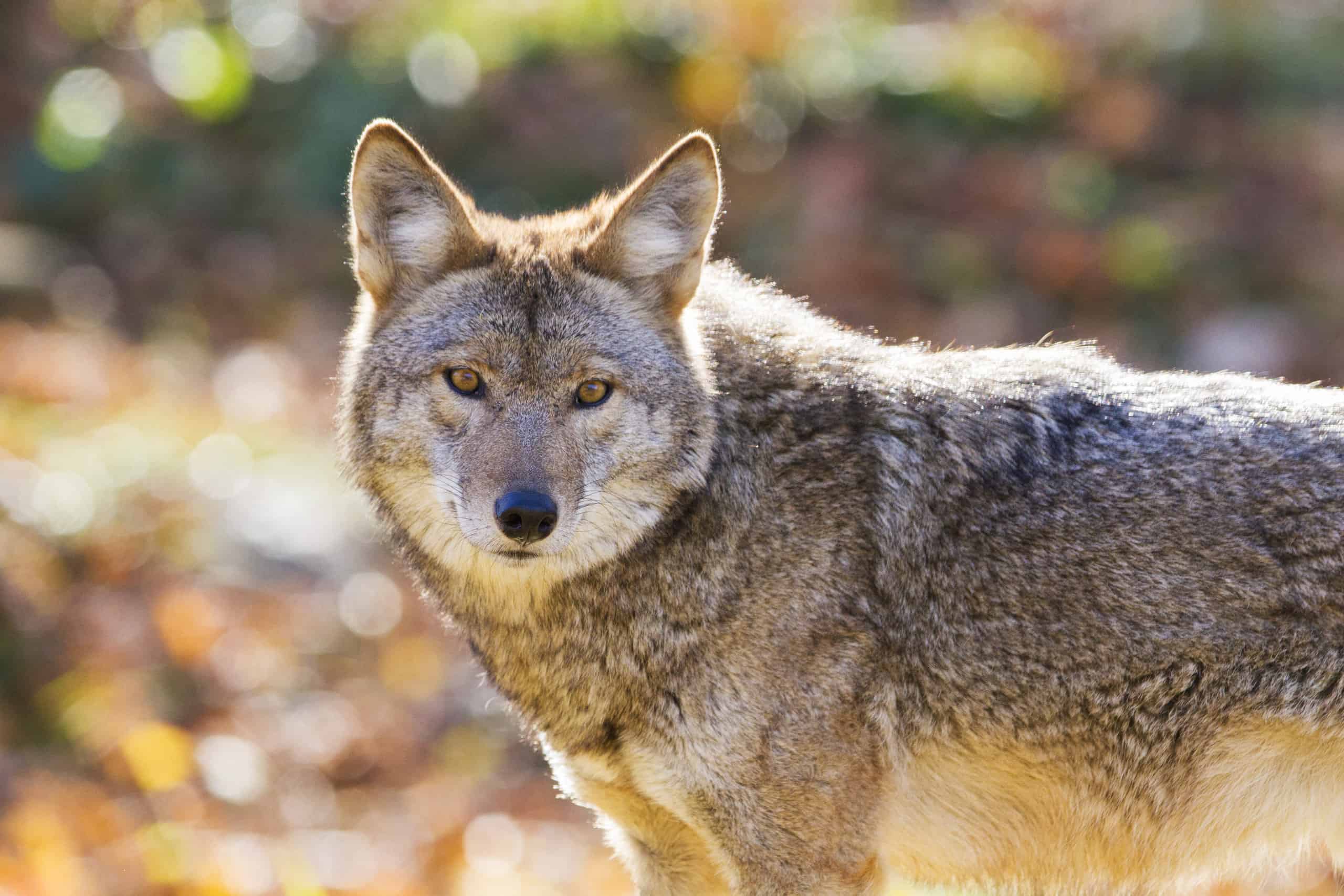
Despite Utah’s extreme climate and rugged geography, coyotes thrive there. And thanks to their ability to survive on nearly anything, these animals can easily adapt to cold winters and dry summers. Packs are often smaller in Utah; however, they are much more mobile. Utah has a bounty program encouraging hunters to reduce numbers in certain regions. Still, environmentalists urge caution, reminding its citizens of coyotes’ role in maintaining ecological balance across the remote landscapes.
13. Coyotes Thrive in Washington State
©Betty4240/iStock via Getty Images
In Washington, coyotes flourish in farmlands, mountain areas, and even neighborhoods near Seattle. They’re incredibly stealthy and often operate under the radar, where you might never see them. Residents are encouraged to scare coyotes away by making loud noises or using motion-sensor lights. The state doesn’t actively round them up unless specific threats arise.
14. One of the Coyote Strongholds is Kansas
©Karel Bartik/Shutterstock.com
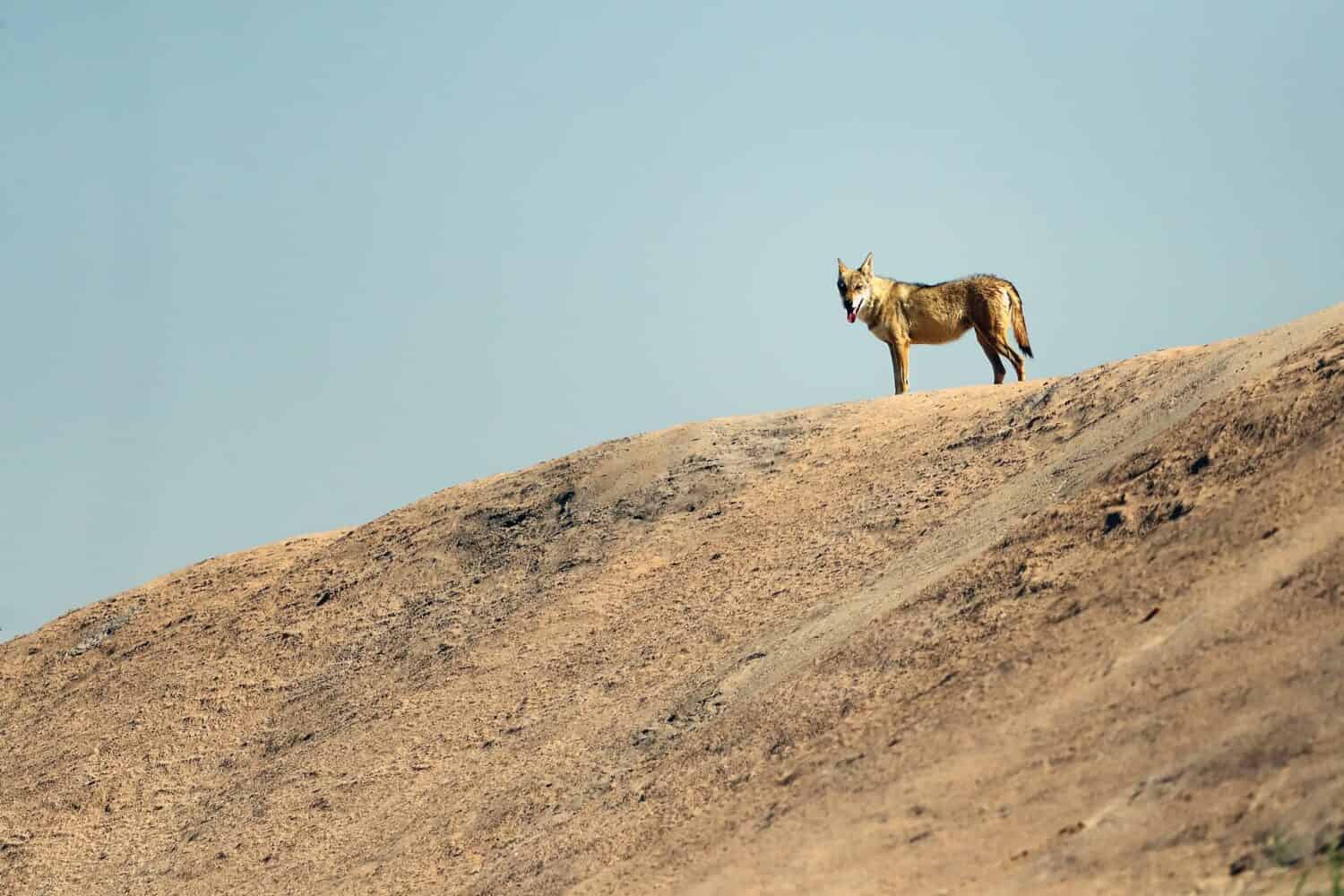
With its flat landscapes and endless fields, Kansas may seem quiet, but it’s a major coyote hotspot. Coyotes typically thrive in a cooler environment, so the cool weather of Kansas is a welcoming invitation to these animals. The wide open spaces of Kansas are perfect for hunting rodents, rabbits, and even young deer. Packs are widespread and highly active. And farmers keep their eye on their livestock for any potential issues that might arise.
15. Pennsylvania Isn’t Just Amish Country – Coyotes Thrive Here Too
©Fiona M. Donnelly/Shutterstock.com
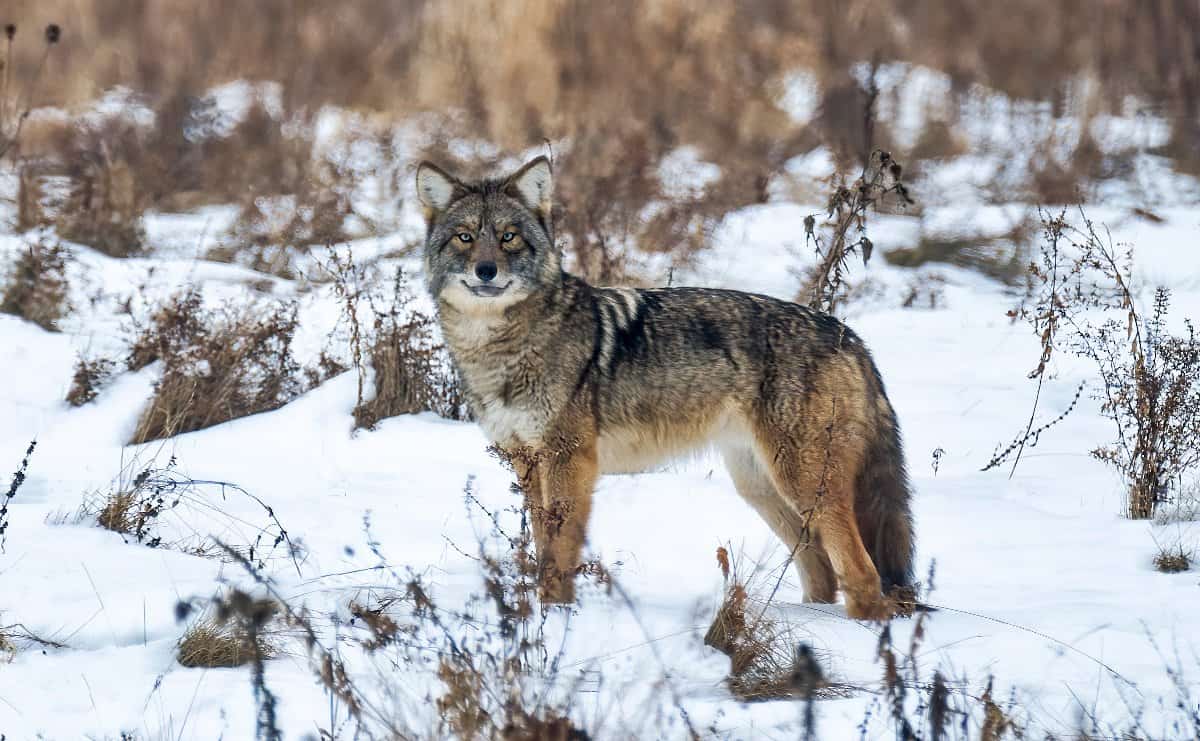
Pennsylvania’s mix of woodlands, farmlands, and growing suburbs makes it a perfect blend for coyote survival. These predators have gradually spread across all counties. Coyotes are mostly nocturnal and keep to themselves, but issues arise when they get too comfortable near homes. The state offers educational guidance on preventing conflicts and protecting your pets. However, the biggest education is in understanding that we need coyotes to balance our ecosystems out.