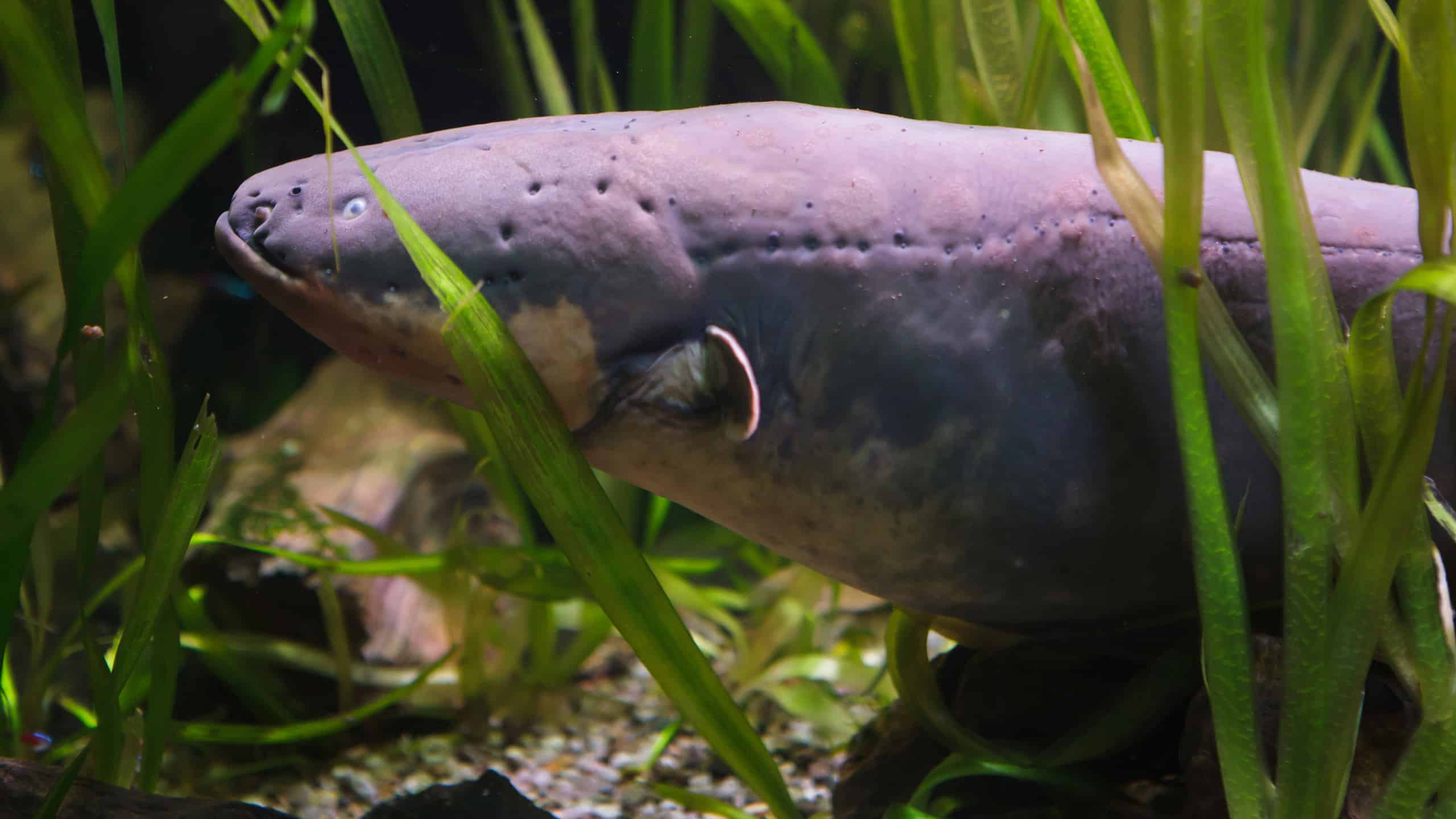

Quick Take
- When bitten, an electric eel can release a rapid-fire discharge exceeding 800 volts—enough to bypass a crocodile’s thick skin and directly hijack its nervous system.
- The shock doesn’t just hurt; it causes involuntary muscle tetany, a phenomenon where the crocodile’s muscles contract so violently that it may become temporarily paralyzed or unable to release its jaw.
- While viral videos show crocodilians thrashing in agony, there is no scientific evidence that these shocks are routinely lethal to healthy adult crocodiles; the encounter is usually a painful lesson in “predator’s remorse.”
Crocodiles are apex predators in many freshwater ecosystems, but even they can encounter prey capable of fighting back. One such animal, as shown in the video clip, is the electric eel, a South American fish capable of delivering one of the most powerful electrical discharges in the animal kingdom.
Videos occasionally surface showing a crocodilian biting an electric eel and reacting violently, thrashing, or releasing its grip after being shocked. While these encounters can look dramatic, claims that electric eels routinely kill crocodiles are not supported by scientific evidence.
What Happens When a Crocodile Bites an Electric Eel?
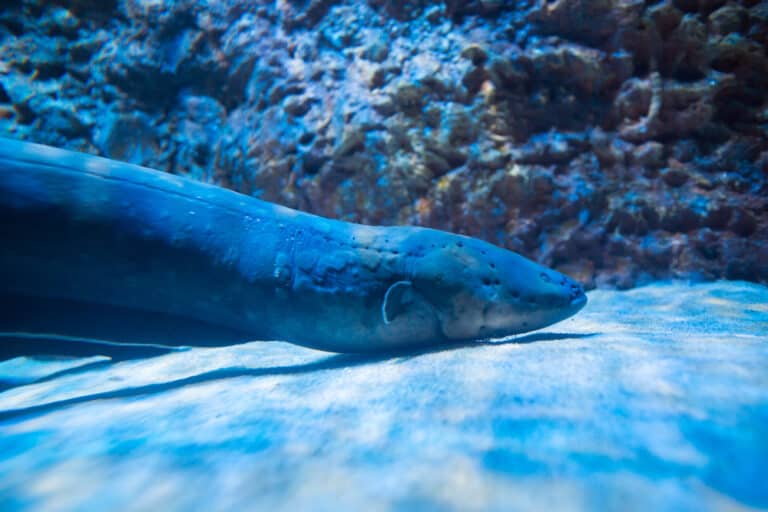
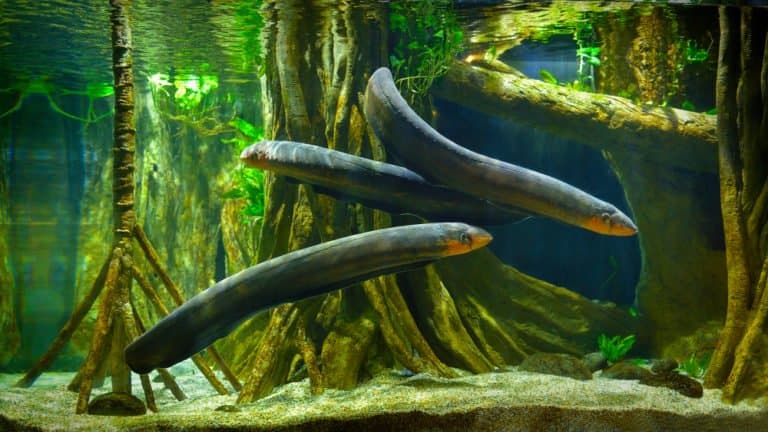
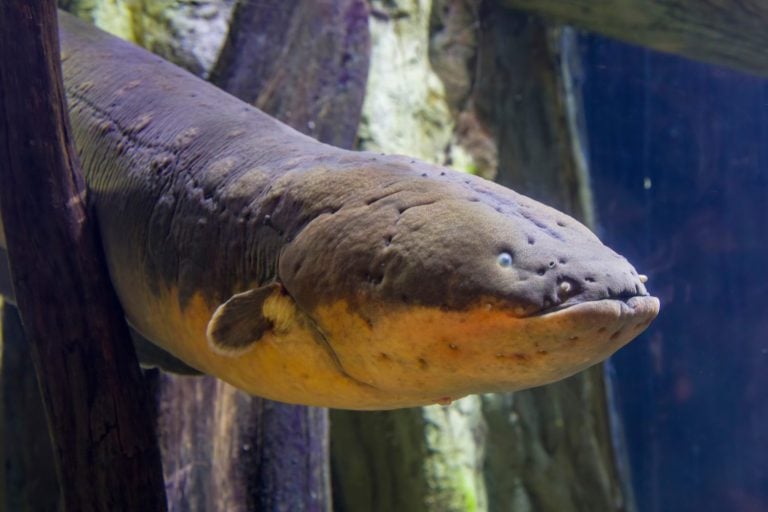
Electric eels belong to the genus Electrophorus and are native to the freshwater rivers and floodplains of South America. Despite their name, they are not true eels but a type of knifefish.
When threatened, an electric eel can deliver a high-voltage discharge that may exceed 600 volts. Some species, including Electrophorus voltai, have been recorded producing discharges exceeding 800 volts under laboratory conditions.
If a crocodilian bites an eel, the eel can release a rapid series of high-voltage pulses. These pulses activate the predator’s motor neurons, causing involuntary muscle contractions. The sudden tetany can make the crocodile twitch, thrash or temporarily lose control of its jaw muscles.
However, voltage alone does not determine lethality. Electric eel discharges are extremely high in voltage but relatively low in current and very short in duration. While the shock can be painful and disabling, there is no documented scientific evidence showing electric eels regularly killing healthy adult crocodilians solely through electrical discharge.
In most plausible scenarios, the crocodile would release the eel after being shocked.
Do Crocodiles Normally Eat Electric Eels?
Crocodilians are opportunistic predators that eat fish, birds, mammals and reptiles. However, electric eels are not considered a typical prey item.
The eel’s electrical defense likely deters most predators. That said, electric eels are not without natural threats. Large fish, river dolphins, caimans and humans have all been documented preying on or capturing electric eels.
The idea that electric eels have “no natural predators” is inaccurate. Their shock provides strong protection, but it does not make them invulnerable.
How Electric Eels Generate Electricity
Electric eels produce electricity using specialized cells called electrocytes, arranged in stacks that function like biological batteries. When the eel’s nervous system sends a signal, thousands of electrocytes discharge simultaneously.
They possess three electric organs:
- The main electric organ
- Hunter’s organ
- Sachs’ organ
The main organ and part of Hunter’s organ generate powerful, high-voltage discharges used for hunting and defense. The Sachs’ organ produces low-voltage pulses used for navigation and communication, allowing the eel to sense its surroundings in murky water.
High-voltage discharges require significant energy and are used strategically, not constantly.
Can an Electric Eel Kill Large Animals?
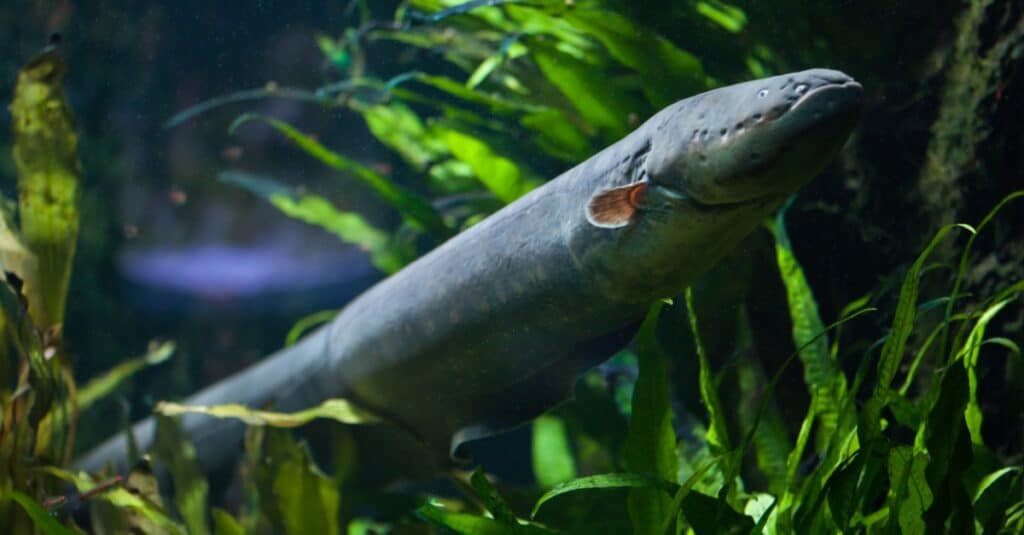
The electric eel is found in freshwater and uses its electric current to defend itself from its prey.
©iStock.com/wrangel
Electric eels are capable of stunning prey, deterring predators, and even causing humans to lose muscle control temporarily. In rare circumstances, repeated shocks could contribute to drowning if a large animal becomes immobilized in deep water.
However, there is no reliable scientific documentation demonstrating that electric eels routinely kill adult crocodilians.
The Bottom Line
A crocodile biting an electric eel would likely experience powerful muscle contractions and may quickly release the fish. The encounter would be dramatic, but claims that electric eels commonly kill crocodiles are not supported by available research.
Electric eels are formidable animals, capable of generating some of the strongest biological electricity on Earth. But like most predator-prey interactions in the wild, the outcome depends on size, health, experience, and circumstance.