
Quick Take
- One tiny shrimp can detonate something that briefly outshines the surface of the sun, and it does so using nothing but a single claw snap. See the claw snap →
- A frog native to North America has cracked suspended animation, and its heart literally stops in the process. How the frog freezes →
- Scientists study one aquatic creature hoping to unlock human organ repair, given that it regrows something even more impressive than limbs. Discover axolotl regeneration →
- A microscopic animal has survived something no human technology can fully protect astronauts from, and it managed to do so without any equipment at all. Tardigrade space survival →
Nature is full of creatures that can do things that seem impossible, almost as if Mother Nature handed out superpowers. These abilities may sound like something from the Marvel Universe, but they are very real adaptations that took millions of years to evolve. These biological feats either help animals catch prey, aid them in defending against predators, or protect them during times of stress. The animals listed here challenge our understanding of what living beings are capable of. Here are eight animal “superpowers” that sound completely made up.
1. Tardigrades – Surviving the Extreme
©Tobetv/Shutterstock.com
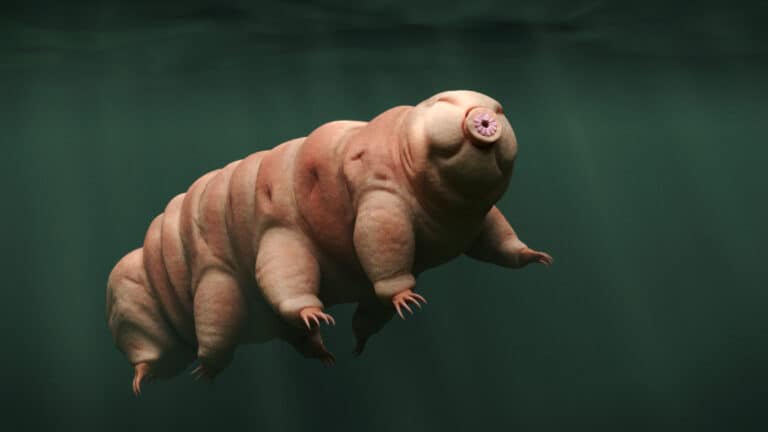
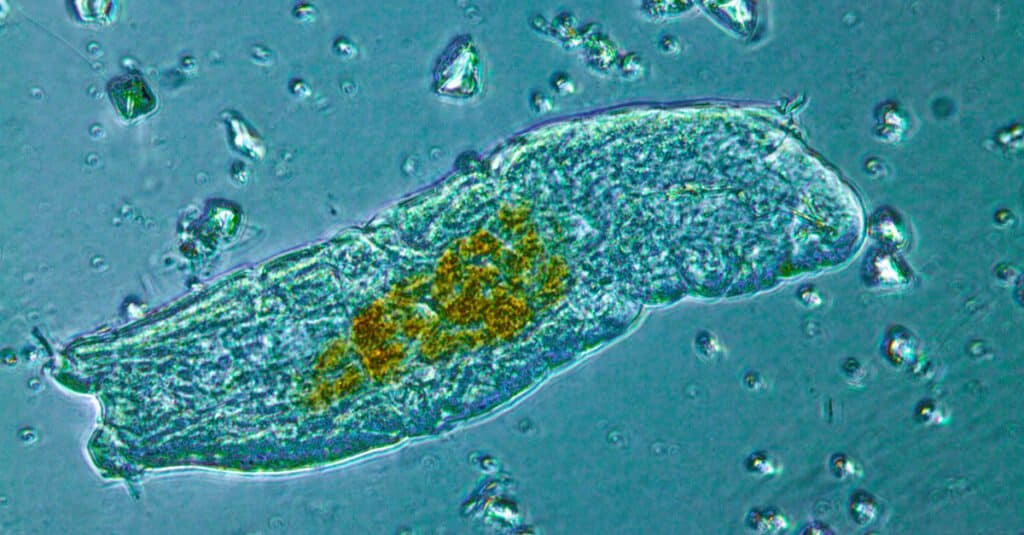
Tardigrades, often called water bears, are microscopic animals. These exceptionally tiny organisms are known for their extraordinary survival abilities. When conditions become harsh, they essentially escape by entering a dormant state known as cryptobiosis. In this form, they can survive extreme temperatures, including brutal cold and intense heat. They can even cope with radiation. Their most remarkable survival ability was revealed when experiments proved that some tardigrades can survive exposure to outer space. Their resilience is unlike that of any creature on Earth.
2. Electric Eel – Generating Shocks
©SNAPSY/Shutterstock.com
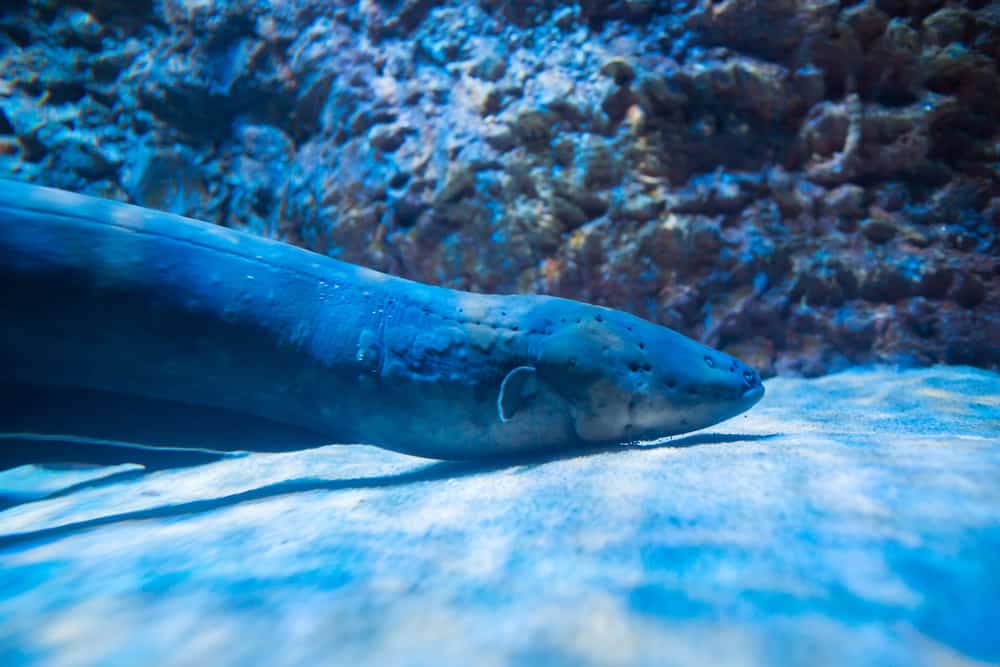
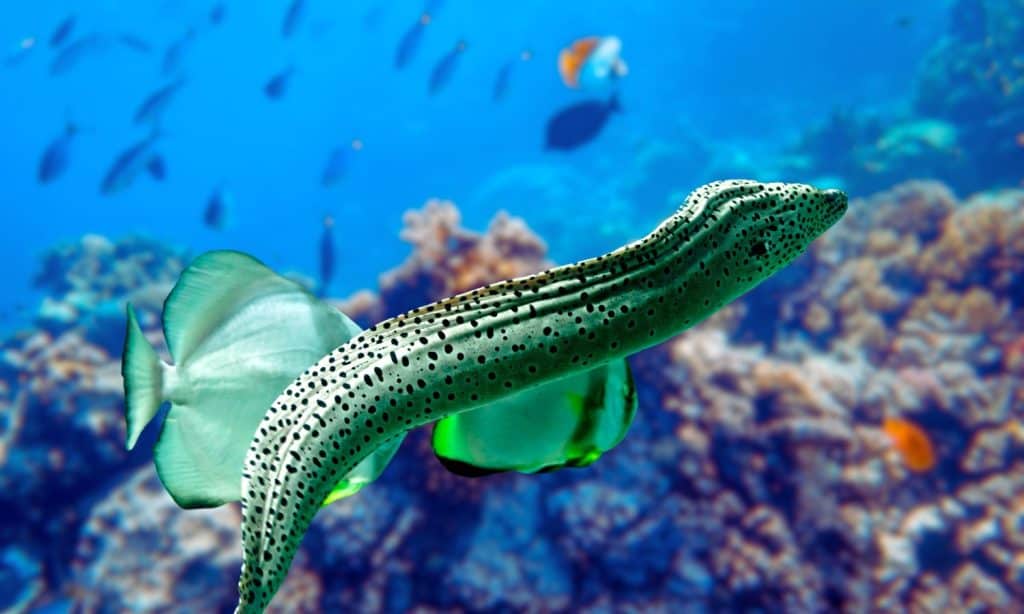
Electric eels have a truly unique power rarely seen in the animal kingdom. They have a built-in defense in the form of electricity generation. These eels can produce bursts of electricity strong enough to stun prey and keep predators from approaching. The superpower comes from specialized organs that function like biological batteries. Large eels can generate hundreds of volts in a single discharge. In addition to rendering prey motionless and warding off predators, they use these shocks to locate objects in murky water. It is one of nature’s most impressive weapons.
3. Mantis Shrimp – Detecting Invisible Colors
©Maxfield Weakley/Shutterstock.com
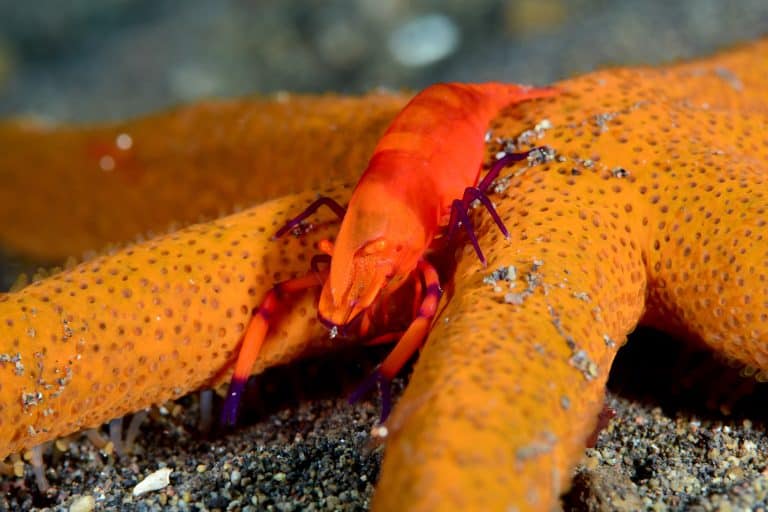
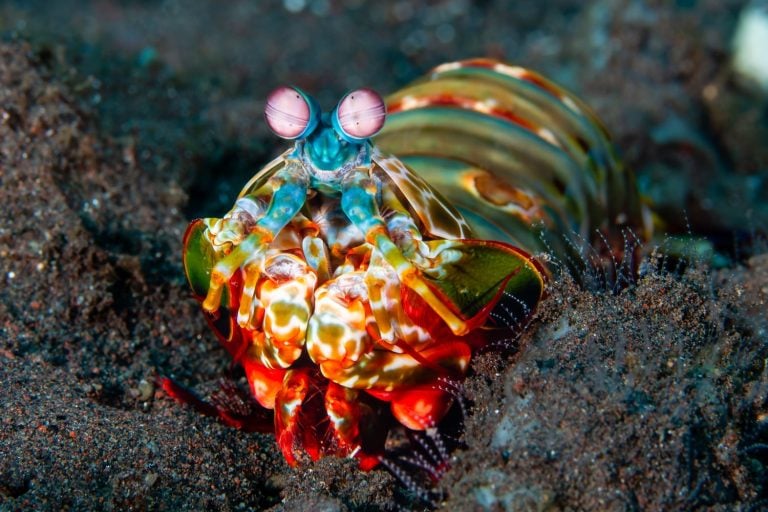
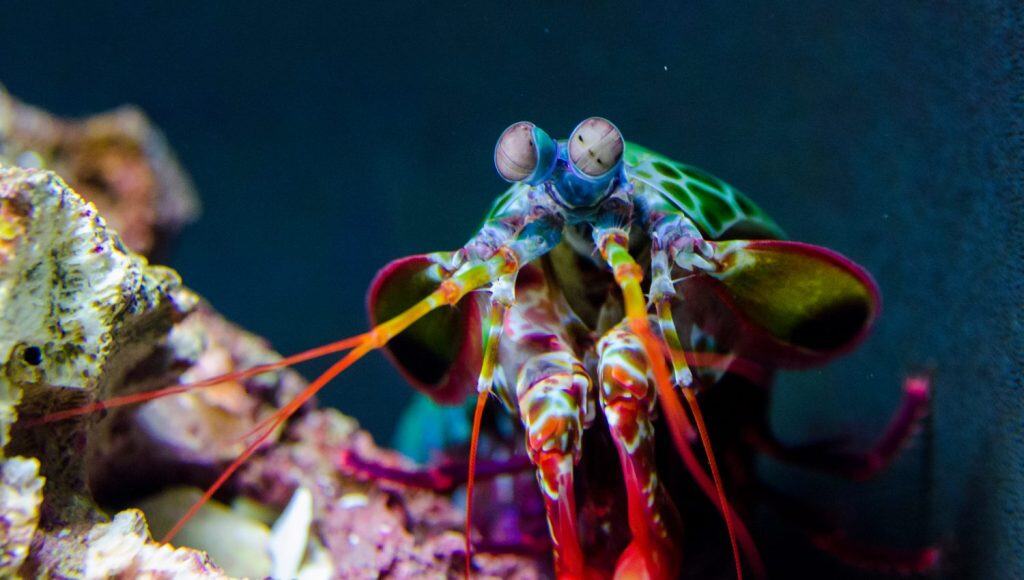
The human eye is capable of seeing a wide range of colors and sensing perspective. But our sight is puny compared to the mantis shrimp. This tiny crustacean has one of the most complex visual systems ever documented in nature. In particular, their ability to see color is extraordinary. To put it in perspective, humans have three types of color receptors, while mantis shrimp have up to 16. They can detect forms of light that are invisible to us, including polarized light. Scientists believe the shrimp use their enhanced vision to detect prey, communicate with other shrimp, and find their way through complex reef environments. These tiny creatures have the gift of super sight.
4. Axolotl – Regenerating Body Parts
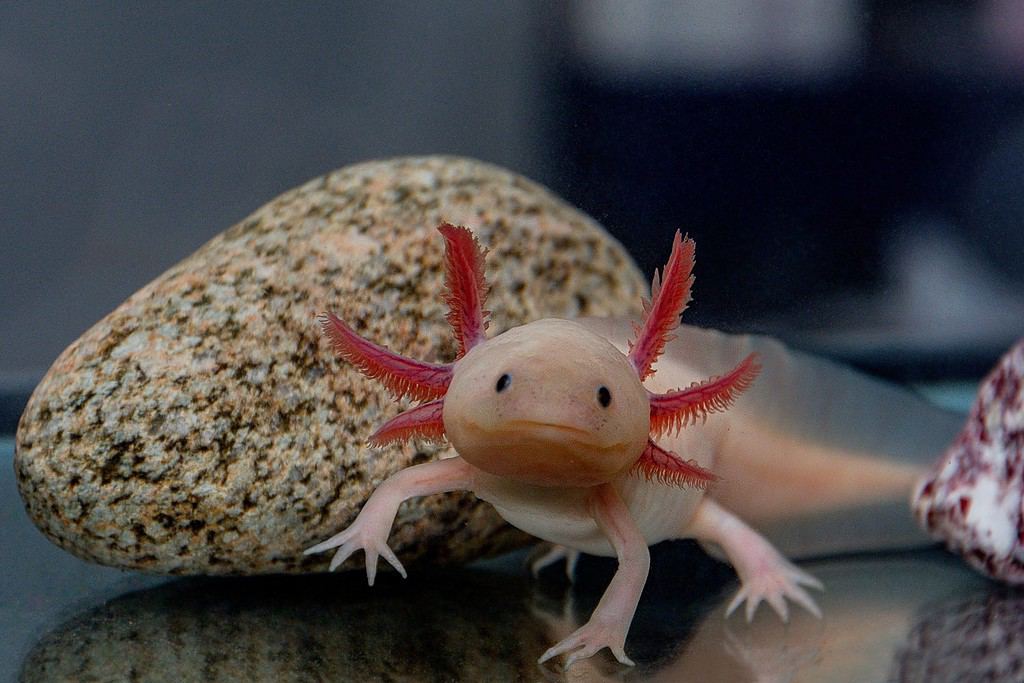
©Iva Dimova/Shutterstock.com
Humans have come a long way with prosthetics, but we can only dream of growing new body parts as easily as the axolotl. These water dwelling creatures have a regenerative ability that seems almost impossible. Not only can they regrow lost limbs, but they can also recreate portions of their spinal cord, and even parts of major organs like their heart and brain. Most fascinating, they accomplish this with very little scarring. Scientists study axolotls, seeking the key to new medical treatments for humans. Their self- healing powers are truly magical.
5. Pistol Shrimp – Detonating Underwater Explosions
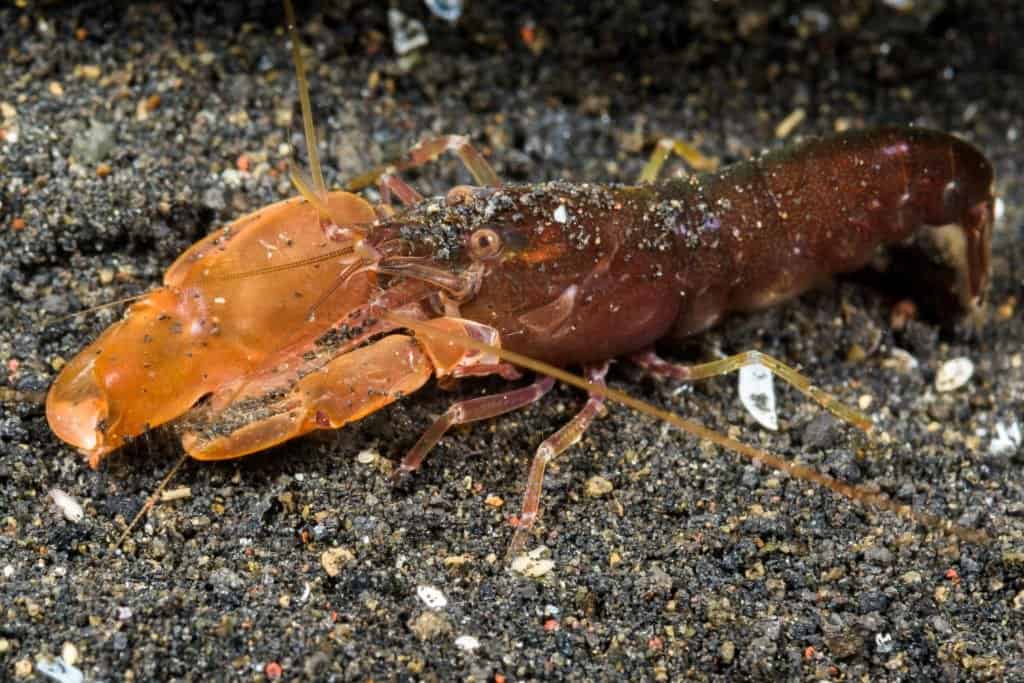
©Subphoto.com/Shutterstock.com
Pistol shrimp possess one goofy-looking, oversized claw. But this oddly large appendage lies the key to their superpower. It can make a powerful and surprisingly loud shock wave. The physics of the act is extraordinary; When the claw snaps shut, it creates a bubble that temporarily reaches extremely high temperatures, leading to a blast. The mini bomb can stun and kill small prey. Like real bombs, the bubble even produces a tiny flash of light, a phenomenon known as sonoluminescence. It’s amazing that one small shrimp species can unleash an underwater explosion with one claw.
6. Wood Frog – Freezing Solid
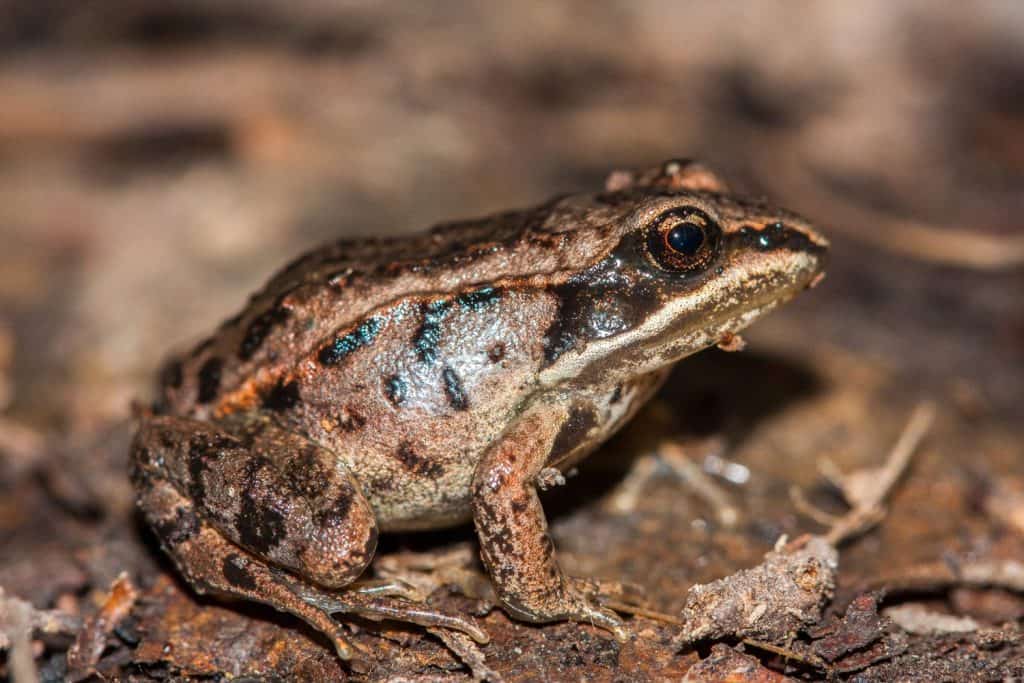
©Viktor Loki/Shutterstock.com
During winter, wood frogs living in Alaska and northern Canada cope with chilly temperatures by freezing a large portion of their bodies. During this process, ice forms in their tissues and their heart stops beating entirely, almost like they press pause on living. Their body releases special chemicals to protect their cells from damage. When temperatures warm, the frogs spring back to life by thawing out. These frogs have discovered the secret to suspended animation.
7. Bombardier Beetles – Shooting Boiling Chemicals
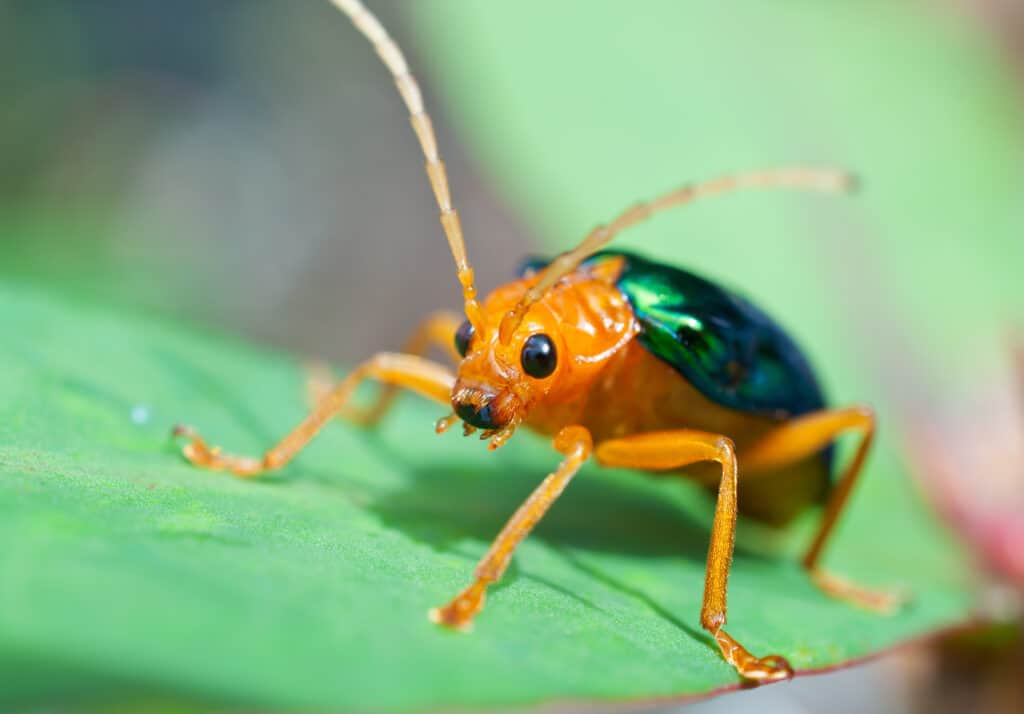
©johannviloria/Shutterstock.com
Bombardier beetles defend themselves using a self-made chemical weapon. They mix compounds inside a special chamber inside their bodies, like a miniature chem lab. The result is a real chemical reaction, which forms a pressurized spray. The liquid can reach near-boiling temperatures. The beetle shoots the substance at attackers. Few insects have such a complex defense system.
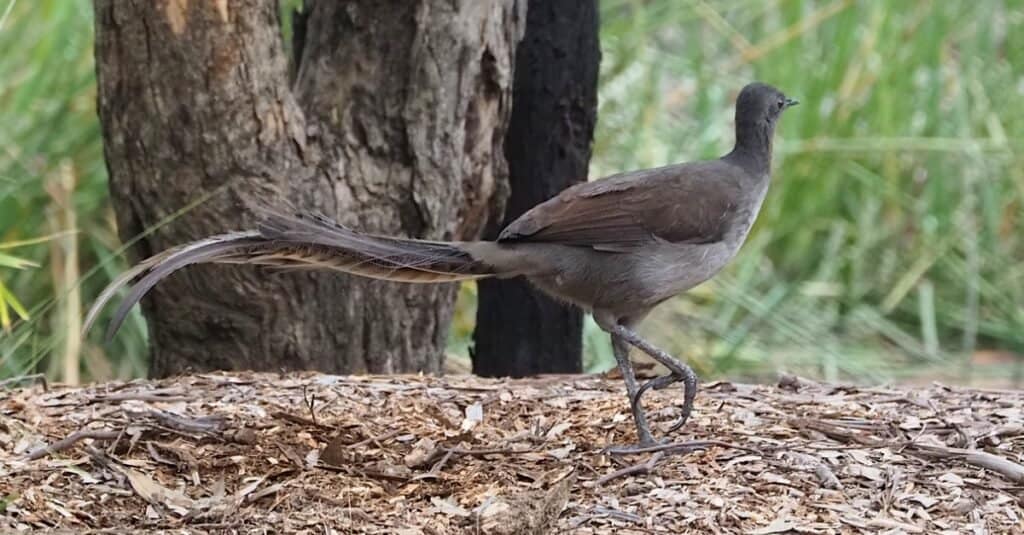
8. Lyrebirds- Expert Mimicry
©iStock.com/John Porter
We’ve all been blown away by human impressionists that are able to vocally impersonate any human to an uncanny degree. But even the most skilled actor cannot match the ability of the lyrebird. These birds possess a true talent for vocal imitation. They can reproduce the sounds of seemingly anything, from chainsaws to camera shutters to car alarms. If it’s a sound they’ve heard in their environment, they can mimic it. Some lyrebirds copy noises so exactly that the difference is indiscernible. When impressing mates, the birds turn these sounds into next level vocal performances.