
Quick Take
- One animal on this list isn't a predator at all, and yet it may be the hardest of all 11 for a carnivore to kill. Why rhinos stump carnivores →
- For one of these apex predators, the deadliest threat it faces comes from smaller members of its own species. Komodo cannibalism explained →
- The smallest animal on this list regularly kills prey heavier than itself and has almost no natural enemies despite its size. The owl's outsized impact →
- One creature here defends itself with a weapon so extreme that scientists only recently measured its true power, and the number they found is hard to believe. The eel's shocking voltage →
Healthy adult animals at the top of a food web are rarely easy targets, but “nothing hunts them” is almost never literally true. Young, injured, or isolated individuals may still be killed, and humans remain a major threat to many dominant species. Even so, the animals below are protected by an extraordinary combination of size, armor, venom, electricity, intelligence, or coordinated hunting. Some are true apex predators, while others are powerful herbivores or defensive specialists with almost no regular natural enemies once fully grown. These 11 animals are so formidable that most predators avoid testing them.
1. Komodo Dragon
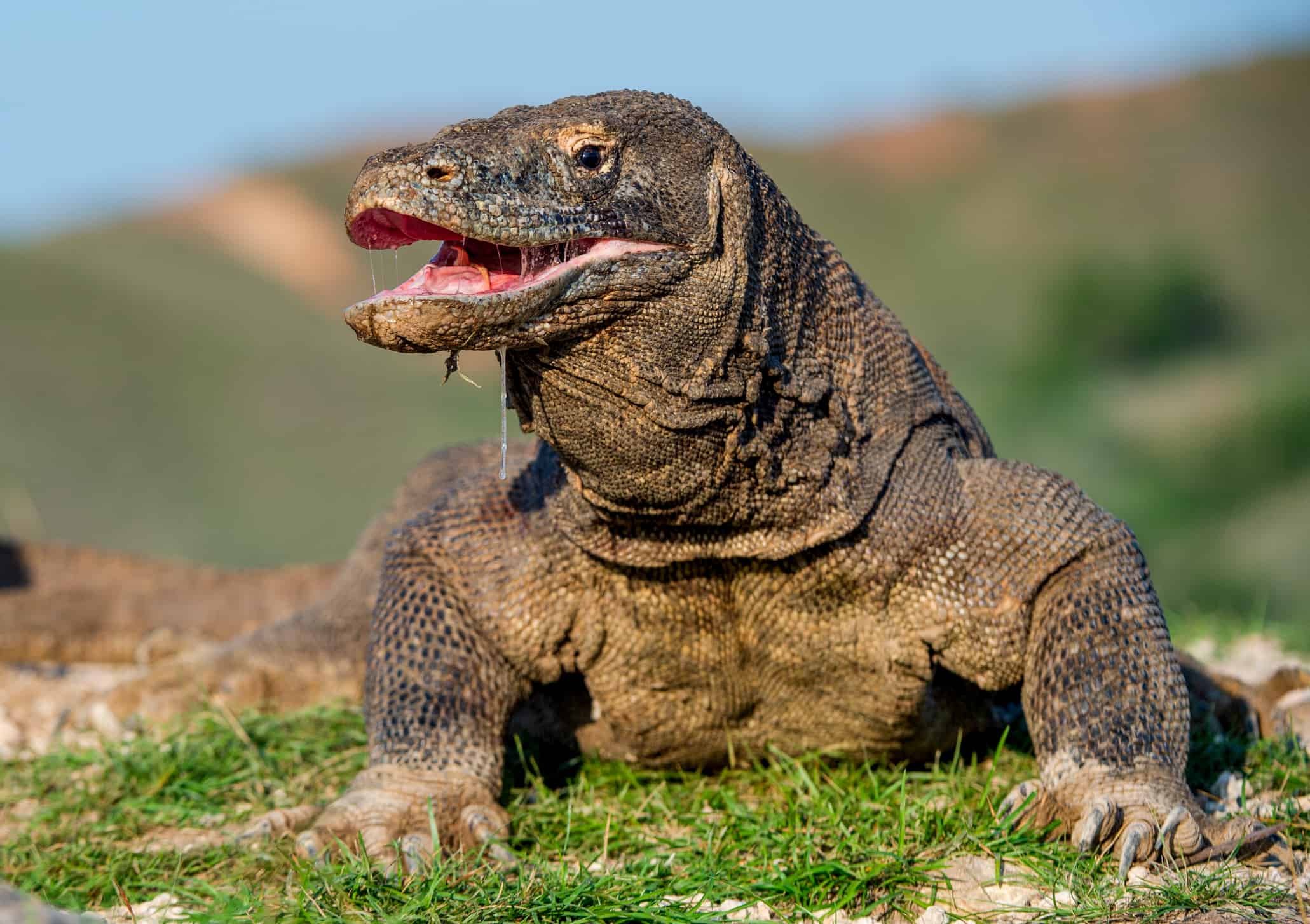
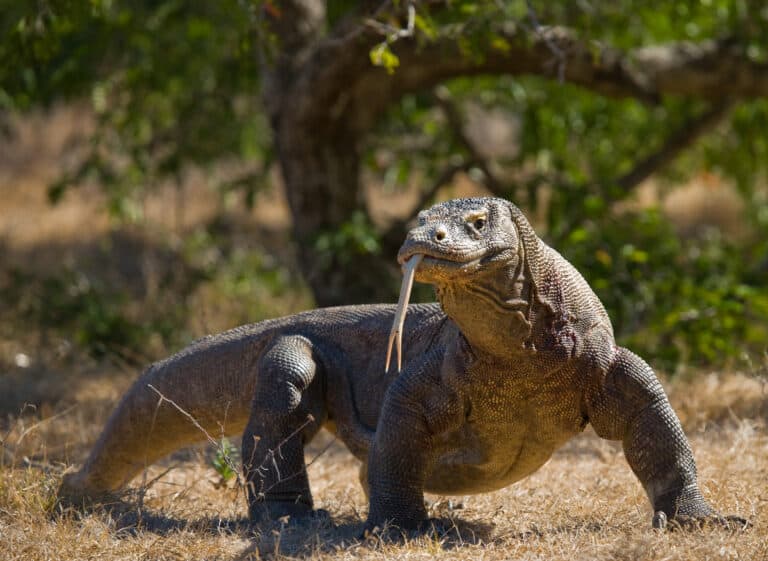
The Komodo dragon (Varanus komodoensis) is the world’s largest living lizard, with exceptional males approaching 10 feet in length and roughly 300 pounds. Mature dragons dominate the Indonesian islands where they live, using muscular bodies, sharp claws, about 60 serrated teeth, and venom that contributes to blood loss and shock. Healthy adults have few regular predators other than larger members of their own species, but young dragons face a very different world. Adults may cannibalize juveniles, so smaller dragons spend much of their early lives in trees where the heaviest animals cannot follow. Their power does not make them immune to injury, rival dragons, habitat loss, or human pressure.
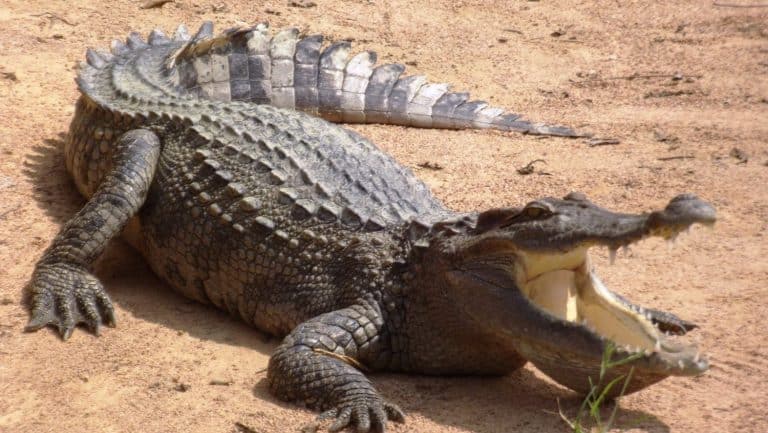
2. Nile Crocodile
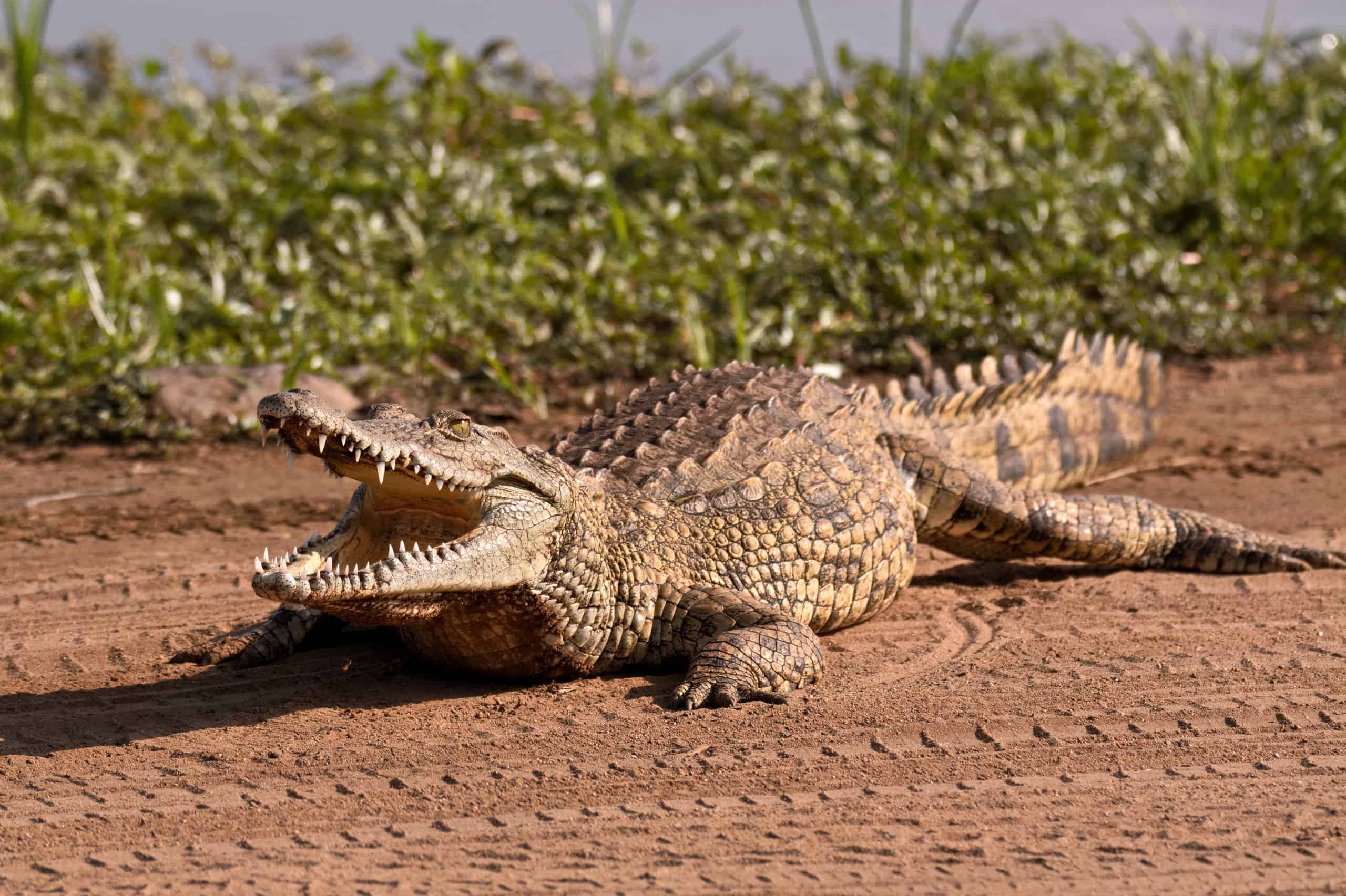
The Nile crocodile (Crocodylus niloticus) is one of Africa’s largest freshwater predators, living across much of sub-Saharan Africa and on Madagascar. Large adults can exceed 15 feet, although most are smaller, and their armored bodies and explosive ambush attacks leave few animals willing to target them. Fish are important throughout their lives, but diet changes with size. Bigger crocodiles can capture birds, turtles, antelope, wildebeest, and other mammals approaching the water. They do not routinely hunt healthy adult hippos, which can seriously injure them. Eggs and hatchlings are vulnerable to monitor lizards, birds, fish, and other crocodiles, while full-grown animals have very few natural enemies besides humans and rival crocodiles.
3. Orca
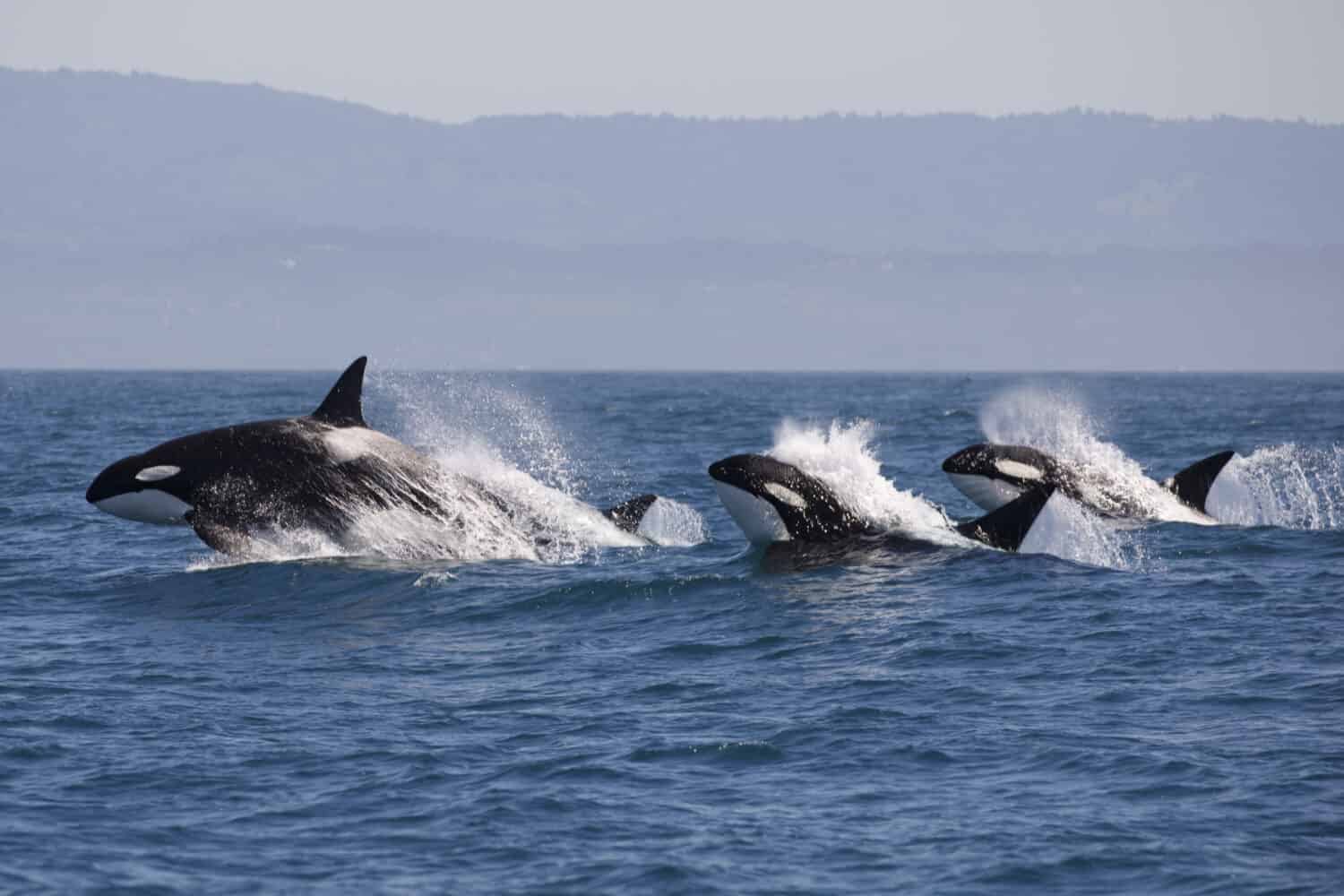
Orcas (Orcinus orca) are widely regarded as the ocean’s top predators, and no animal regularly hunts healthy adults. Their greatest weapon is not simply size, but intelligence and cooperation. Different populations specialize in different prey, with some feeding largely on fish and others hunting seals, sea lions, sharks, rays, or whales. Certain orca groups have been documented killing sharks and consuming their energy-rich livers, while coordinated pods can overwhelm prey far larger than one whale could tackle alone. That does not mean every orca hunts the same animals, and attacks on large whales can be difficult and dangerous. Their culture, communication, speed, and teamwork place them at the top of marine food webs across every ocean.
4. Polar Bear
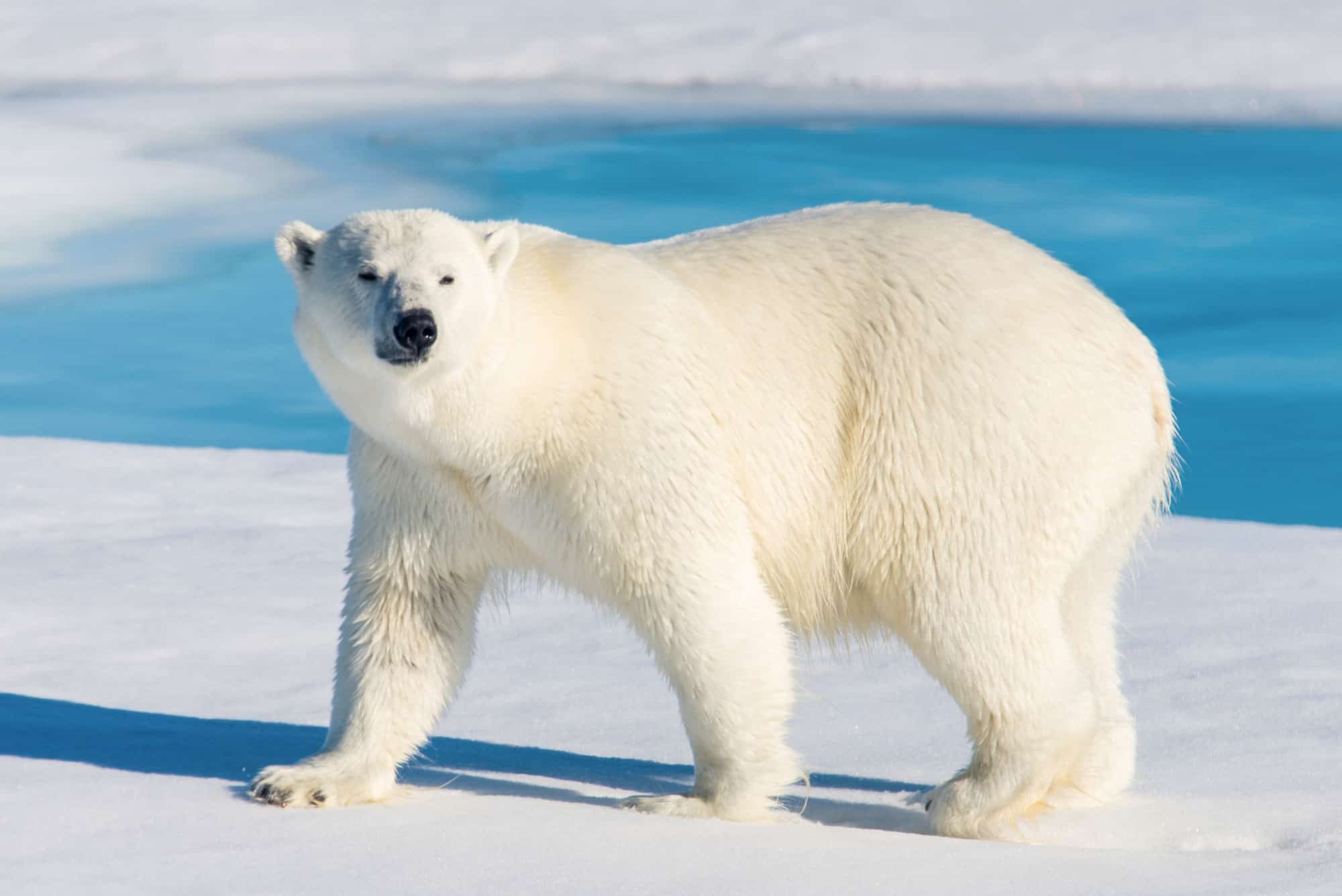
The polar bear (Ursus maritimus) is the largest living bear and the dominant land-based hunter of the Arctic sea-ice environment. Powerful adult males can measure more than eight feet long and weigh hundreds of pounds, giving them few regular nonhuman predators. Other polar bears can kill cubs or weakened individuals, and large walruses may injure a bear during a hunt, but healthy adults are rarely treated as prey. Their main food is seals, which they catch at breathing holes, ice edges, and birthing areas. The greater danger comes from sea-ice loss, pollution, and conflict with people. U.S. officials estimate about 26,000 polar bears worldwide, but trends differ among the 19 recognized subpopulations and remain uncertain in several regions.
5. Lion
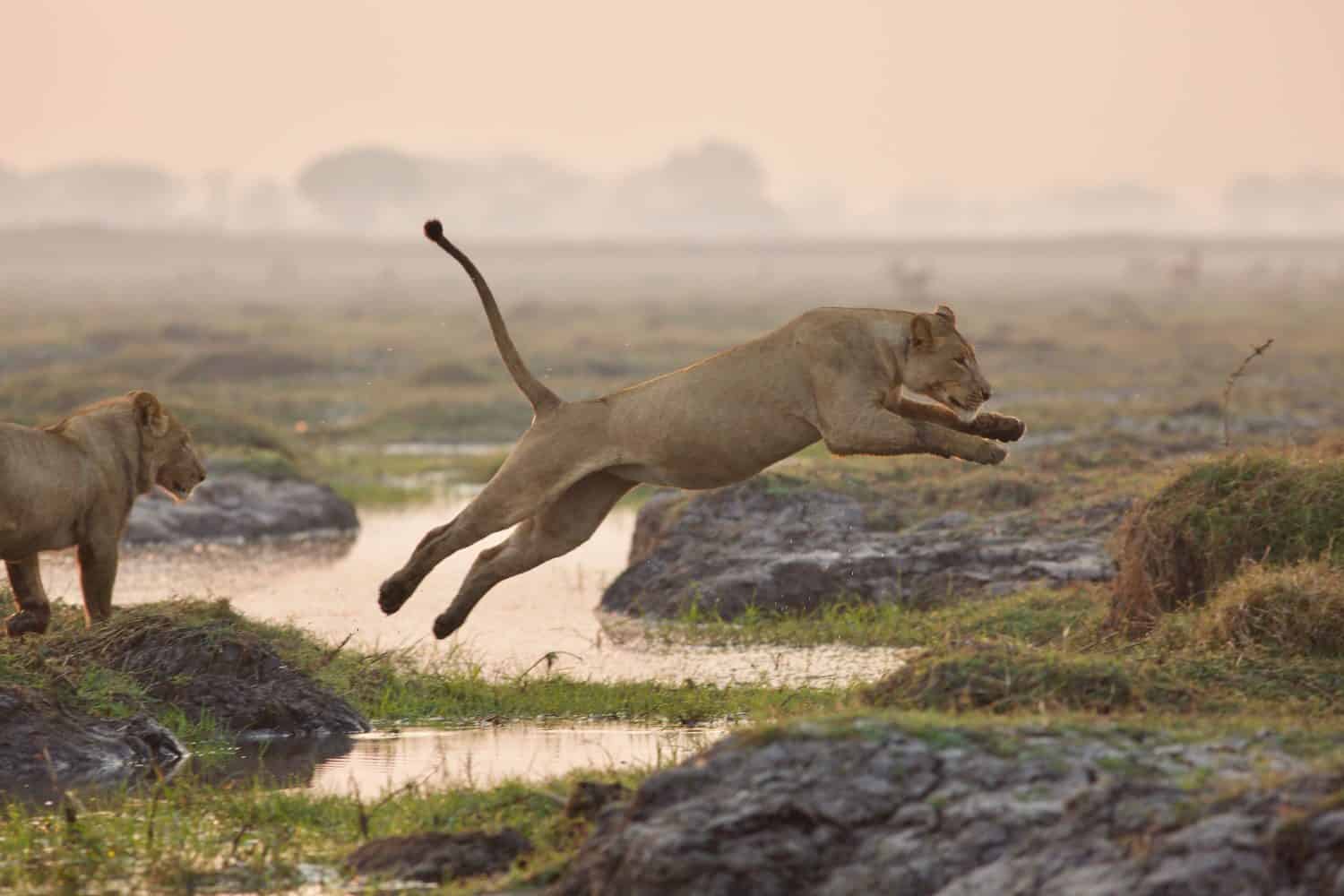
Lions (Panthera leo) sit near the top of Africa’s terrestrial food webs, but calling them completely predator-free hides a brutal reality. Healthy adults are seldom hunted for food, yet rival lions, hyena clans, crocodiles, and people can kill them. Cubs face much greater danger, especially when a new male takes over a pride. Lions use teamwork to bring down zebra, wildebeest, buffalo, and other large hoofed animals, while solitary males can also overpower substantial prey. They eat smaller mammals and reptiles when necessary, steal kills from other predators, or lose their own meals to large groups of hyenas. Their strength, social organization, and willingness to defend territory make adult lions risky opponents, even for other major carnivores.
6. American Alligator
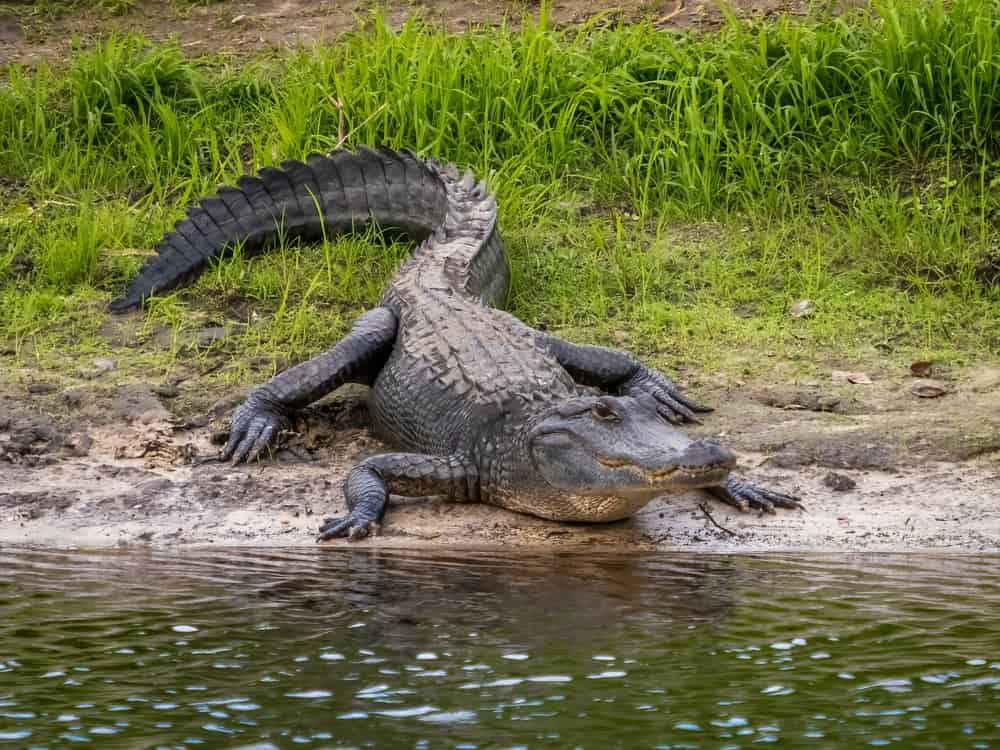
The American alligator (Alligator mississippiensis) is an armored ambush predator found across wetlands and waterways of the southeastern United States. Large males can grow beyond 13 feet, and Florida’s verified length record exceeds 14 feet. Once an alligator reaches full size, very few wild animals attempt to kill it, although other alligators can be dangerous rivals. Hatchlings and juveniles are far more vulnerable to birds, raccoons, large fish, snakes, and bigger members of their own species. Adults are opportunistic feeders, taking fish, turtles, snakes, birds, and mammals that are accessible. Thick skin, a powerful tail, stealth in water, and a crushing bite make a mature alligator one of the most difficult animals in its habitat to challenge.
7. Rhinos Are Almost Untouchable as Adults
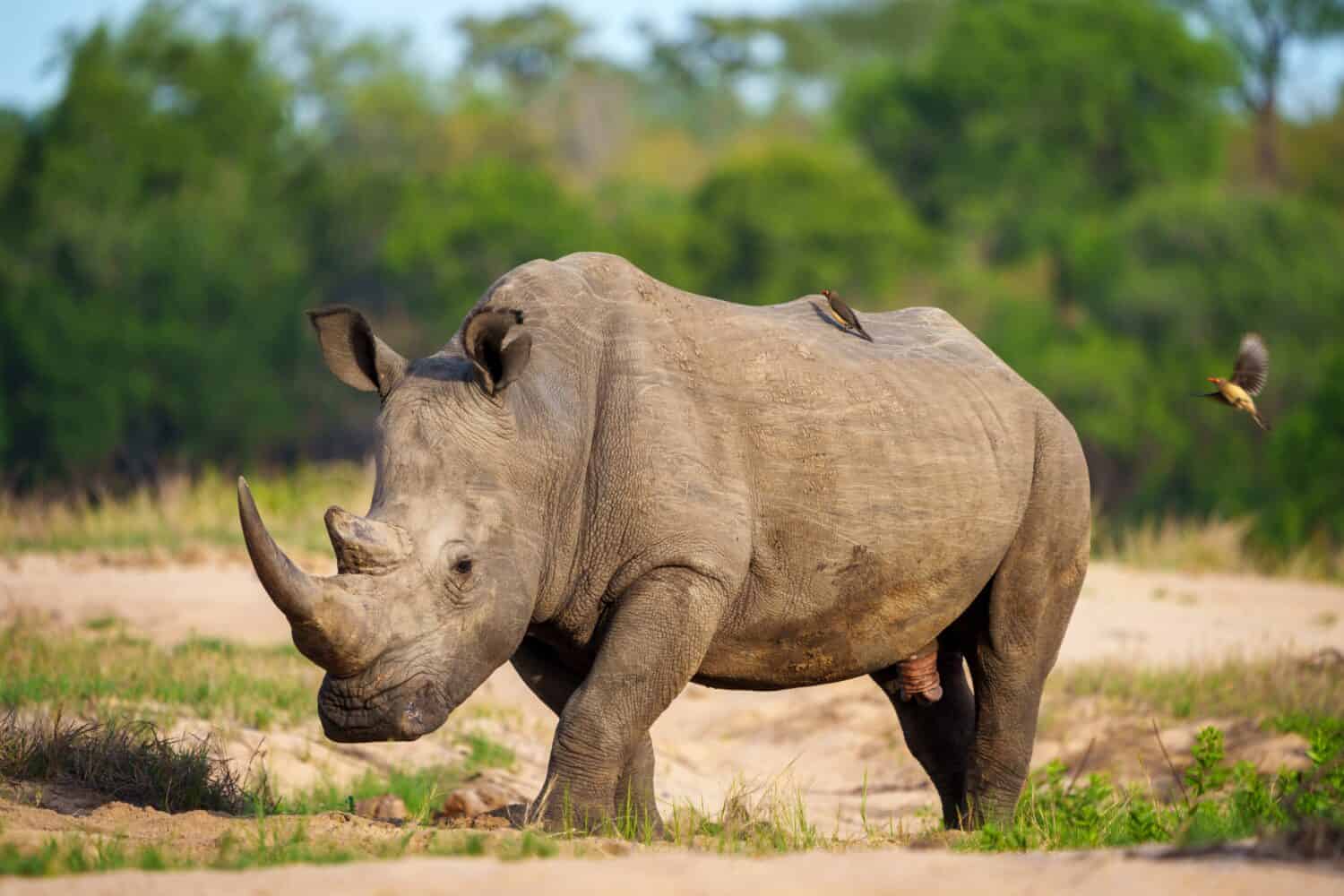
Rhinos are not predators, so they are not technically apex predators, but healthy adults are still among the hardest land animals for carnivores to kill. White rhinos (Ceratotherium simum) and black rhinos (Diceros bicornis) combine massive bodies, thick skin, speed, and formidable horns. Lions have occasionally killed weakened or isolated adults, but attacks are uncommon and risky. Calves are more vulnerable to lions, hyenas, and crocodiles, which is why mothers guard them aggressively. The greatest threat is human activity, particularly poaching for horns and habitat loss. Their inclusion here is based on defensive dominance rather than hunting behavior: once fully grown, a rhino is simply too dangerous for most natural predators to test.
8. Grizzly Bear
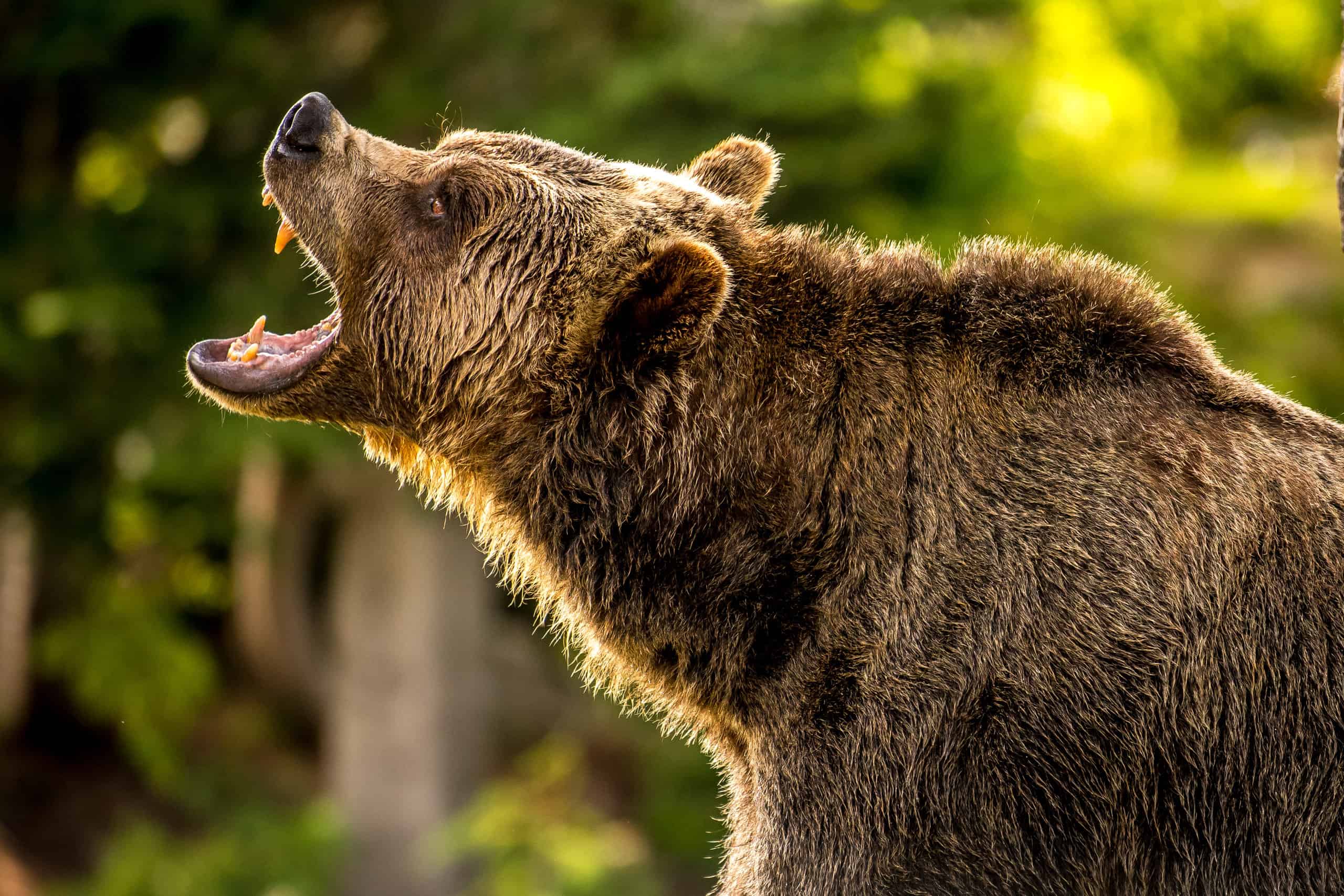
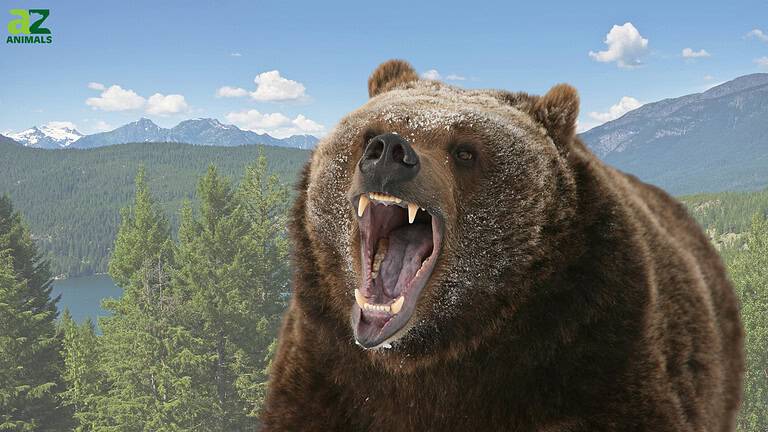
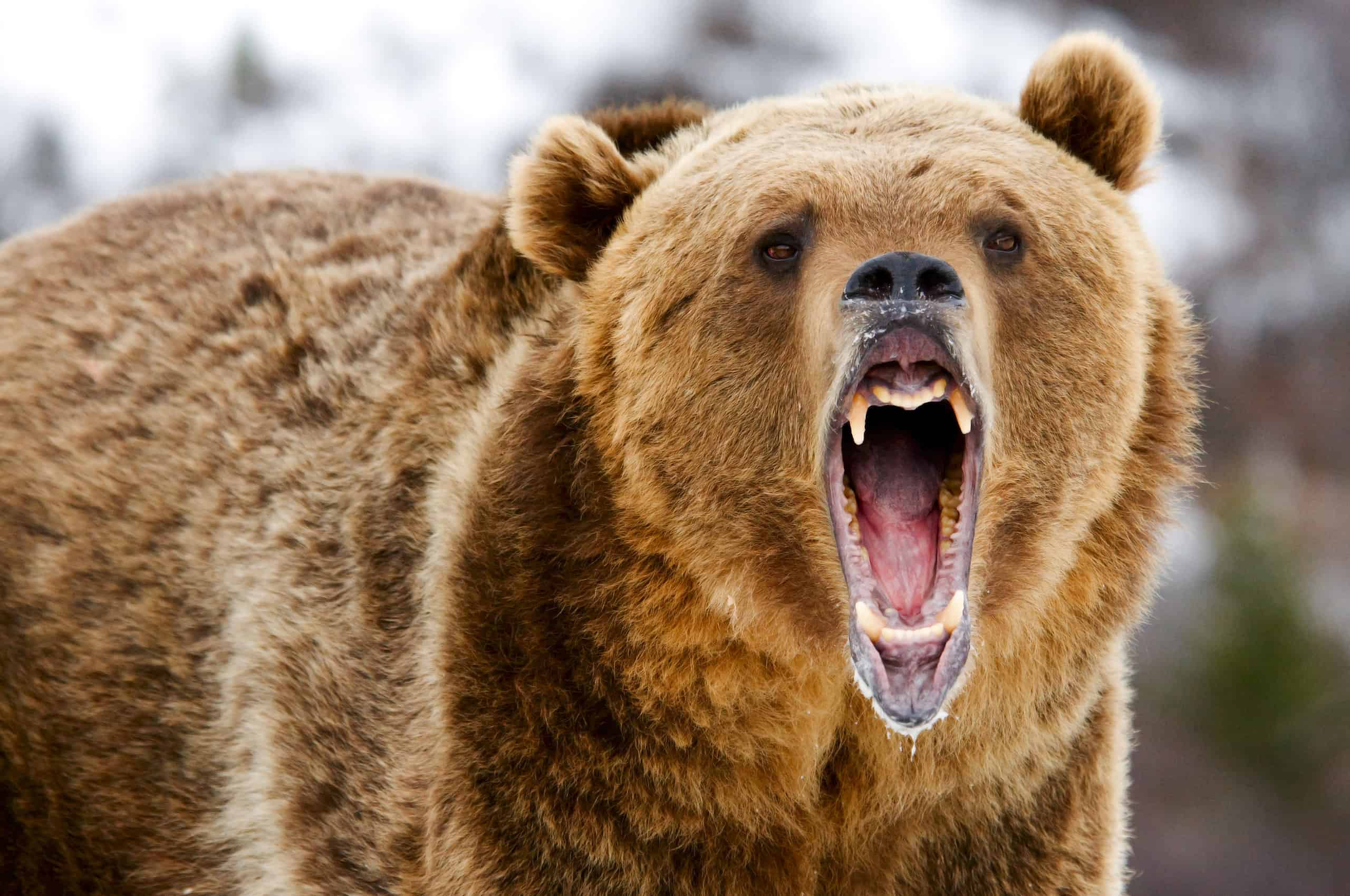
The grizzly bear (Ursus arctos horribilis) is a powerful North American brown bear with few regular predators after reaching adulthood. Wolves, mountain lions, and other bears may compete with grizzlies for carcasses, but healthy adults rarely become prey. Cubs are more exposed and can be killed by wolves, cougars, or male bears. Despite their fearsome reputation, grizzlies are omnivores whose diets change by place and season. They may eat grasses, roots, berries, insects, fish, carrion, and young elk, caribou, or moose. Their size also varies with food availability, with coastal brown bears often growing larger than inland grizzlies. Strength, speed, claws, and defensive aggression make adults an opponent most animals wisely avoid.
9. Great Horned Owl
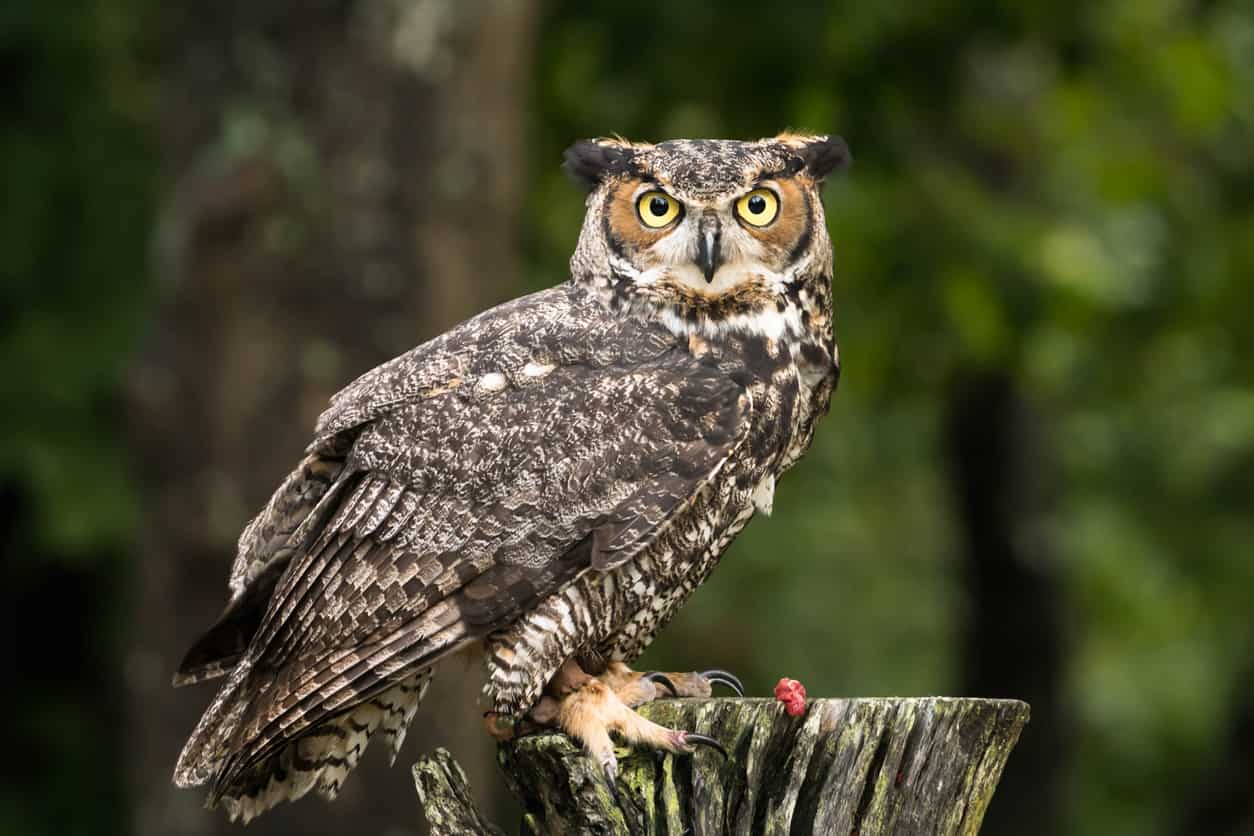
Great horned owls (Bubo virginianus) prove that an apex predator does not need to be enormous. These widespread North American raptors have powerful talons, excellent night vision, silent flight, and a remarkably broad diet. They take rodents, rabbits, skunks, snakes, frogs, ducks, and other birds, sometimes killing prey heavier than themselves. Healthy adults have few consistent natural predators, although eagles, larger owls, and other great horned owls may occasionally kill them. Eggs and nestlings face greater risks from mammals, crows, ravens, and climbing predators. Great horned owls also prey on other raptors. Their adaptability allows them to dominate forests, deserts, wetlands, farmland, and suburban edges from the Arctic to the tropics.
10. Bald Eagle
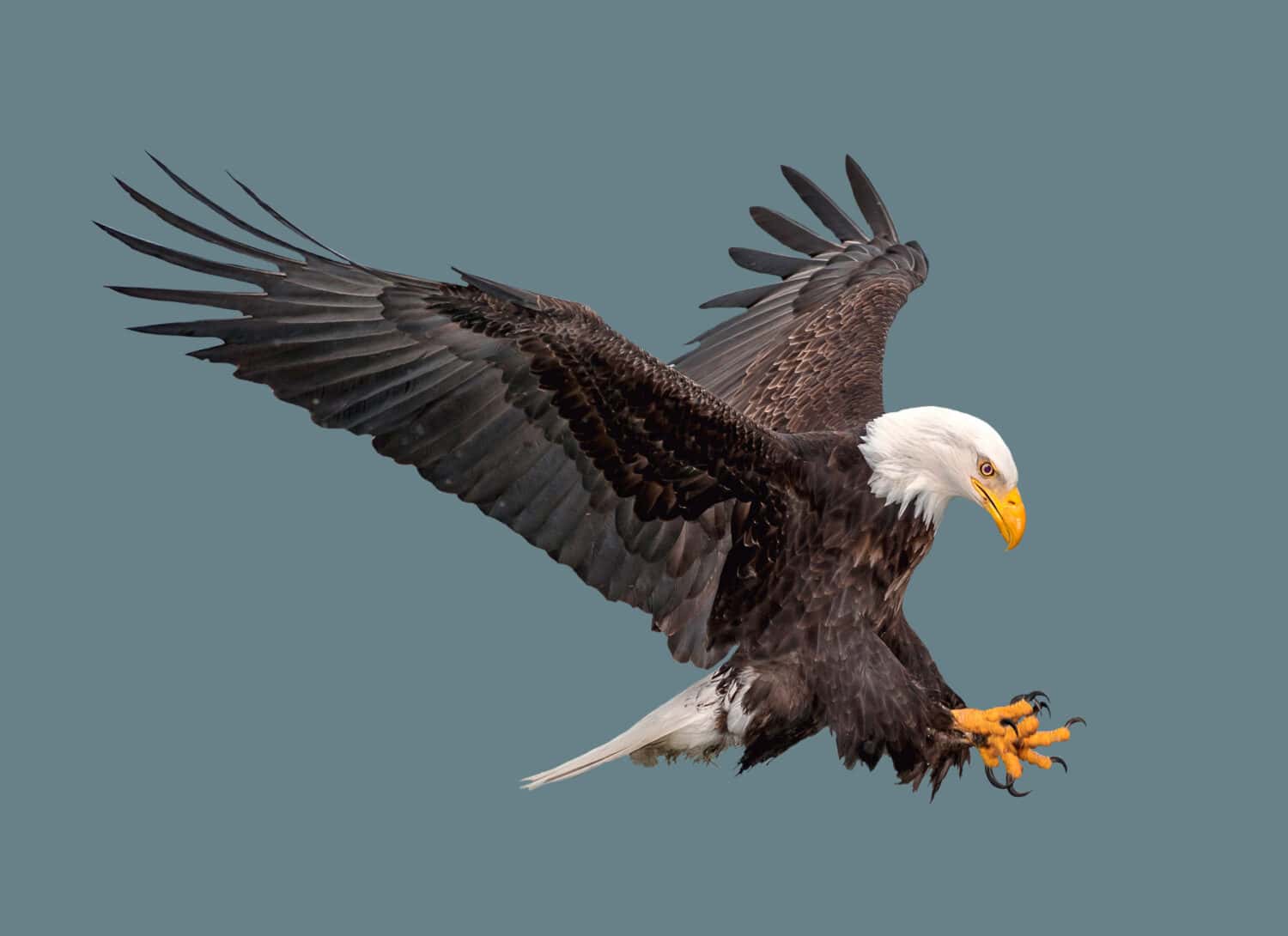
The bald eagle (Haliaeetus leucocephalus) is a dominant aerial predator and scavenger around North American rivers, lakes, marshes, and coastlines. Fish make up much of its diet, but bald eagles also take waterfowl, turtles, rabbits, snakes, and other small animals. They readily feed on carrion and are famous for stealing prey from ospreys, other eagles, mammals, and even people who have just landed a fish. Healthy adults have few regular natural predators, although territorial fights, larger raptors, and accidents can still be fatal. Eggs and young birds are more vulnerable to nest raiders. A wingspan near seven feet, powerful talons, sharp vision, and flexible feeding behavior help keep mature bald eagles near the top of their food web.
11. Electric Eel
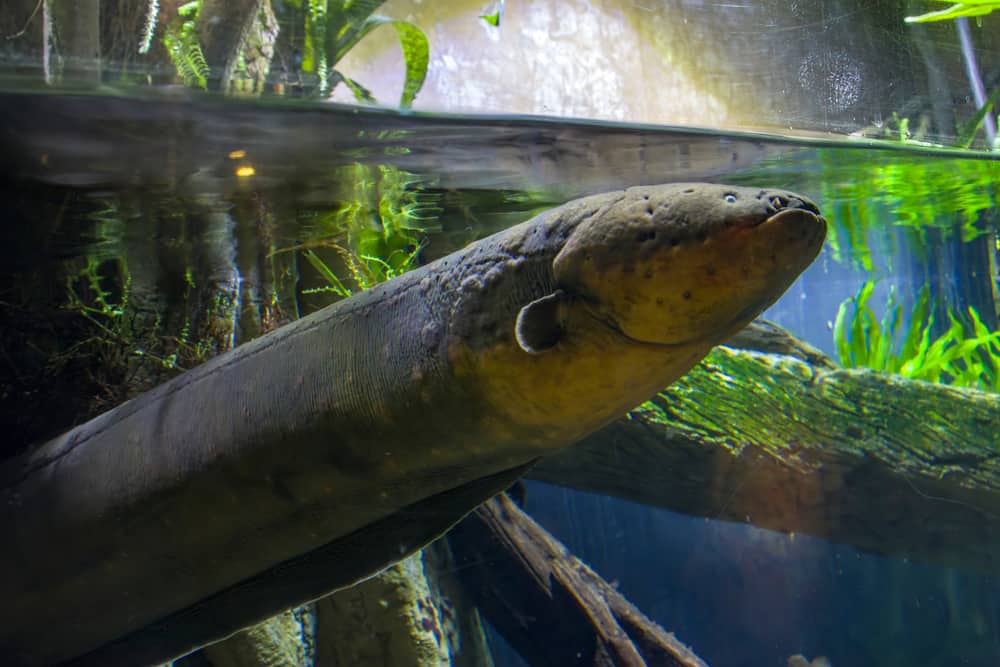
Electric eels are South American knifefish rather than true eels, and scientists now recognize three species in the genus Electrophorus. They live in rivers, streams, floodplains, and murky freshwater habitats, not mainly in caves. Poor eyesight is offset by electrical sensing, and powerful discharges can stun prey or discourage attackers. Volta’s electric eel (Electrophorus voltai) has produced a measured discharge of up to 860 volts, the highest voltage from any animal. Electric eels mainly eat fish, with some species also taking crustaceans, amphibians, and other small animals. They are not untouchable, but their size, air-breathing ability, and repeated shocks mean few predators can attack a healthy adult without taking a serious risk.