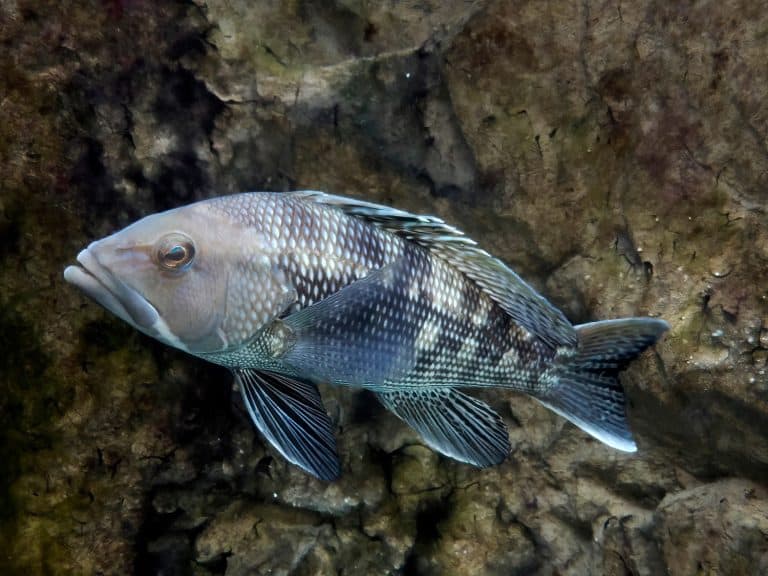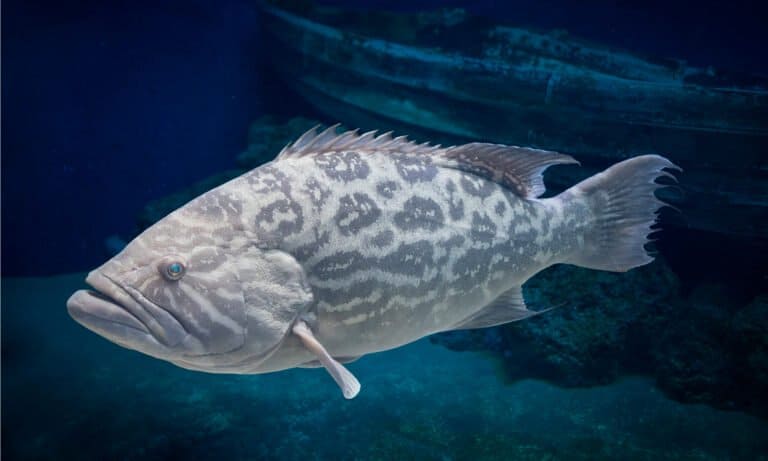
Neptune Grouper
Deep reef royalty in purple and gold

Sequential hermaphroditism is a reproductive strategy in which an individual changes functional sex during its lifetime, reproducing first as one sex and later as the other (protandry: male→female; protogyny: female→male). Fertilization still involves mating between two individuals, but an individual's sex role during mating depends on its current developmental stage and cues that trigger sex change.
Sequential hermaphroditism is when an animal starts life as one sex and later changes to the other, with shifts in gonads, hormones, traits, and behavior; males make sperm and females make eggs. The switch (protandry or protogyny) is driven by social rank, size, age, sex ratio, or environment. Common in marine fishes (clownfish, wrasses, groupers), some mollusks, and crustaceans.
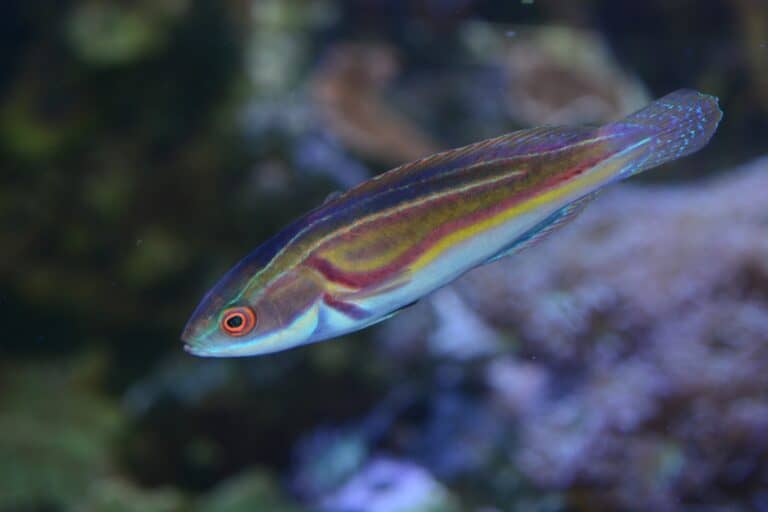
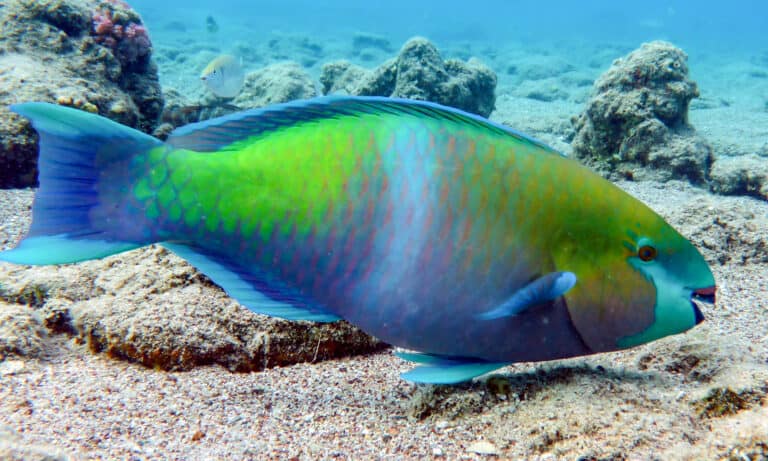
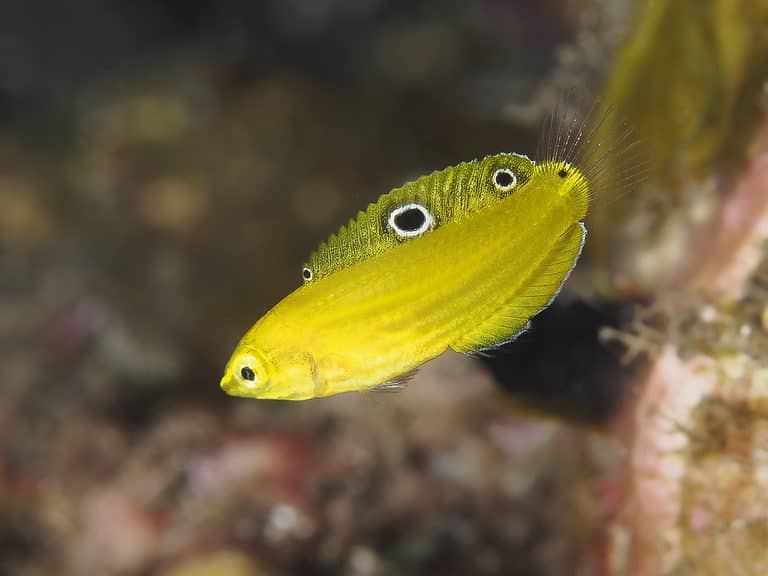
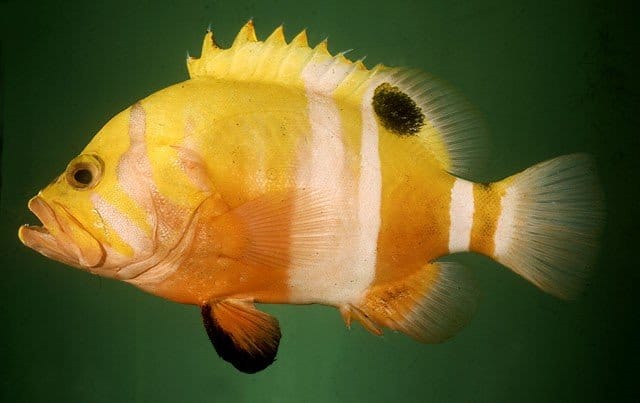
Found across: Bony fishes (teleosts; especially many reef fishes such as wrasses, parrotfishes, groupers, gobies, damselfishes), Mollusks (notably gastropods like slipper limpets; also some bivalves including oysters), Crustaceans (reported in some groups, though less common than in fishes and mollusks)
It's often not about "finding a mate," but about maximizing lifetime reproduction: many species switch sex when being the other sex becomes more profitable (e.g., when bigger bodies can make far more eggs, or when a large male can monopolize mates).
In some reef fishes, sex is socially controlled: removing the dominant male can trigger the largest female to begin transitioning into a functional male within days-behavior changes can appear before the gonads fully remodel.
Switching sex can be the 'best deal' for small individuals: in protandrous species (male→female), starting life as a male can be efficient because producing sperm is cheap, and later switching to female pays off when the animal is big enough to carry or produce many eggs.
The transition can be a full-body makeover, not just gonads: hormones can rewire behavior, coloration, courtship displays, and even brain structures tied to social dominance-so the animal often "acts like" the new sex before it's fully fertile.
Sequential hermaphroditism can stabilize a whole social system: in species with harems, it prevents reproductive collapse when a breeder dies-one individual can shift roles and keep the group reproducing without needing a new adult to arrive.
Thank you for reading! Have some feedback for us?
We appreciate your help in improving our content.
Our editorial team will review your suggestions and make any necessary updates.
There was an error submitting your feedback. Please try again.