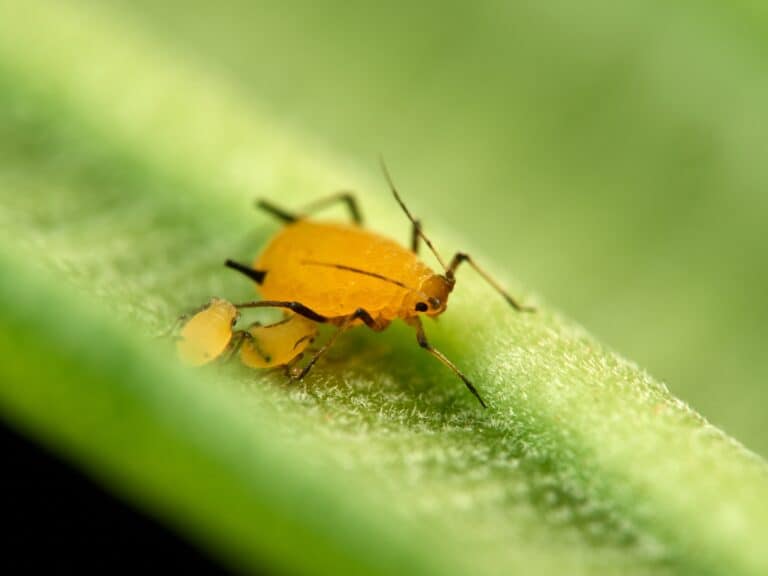
Yellow Aphids
Tiny sippers, big garden impact.

Tiny sippers, big garden impact.
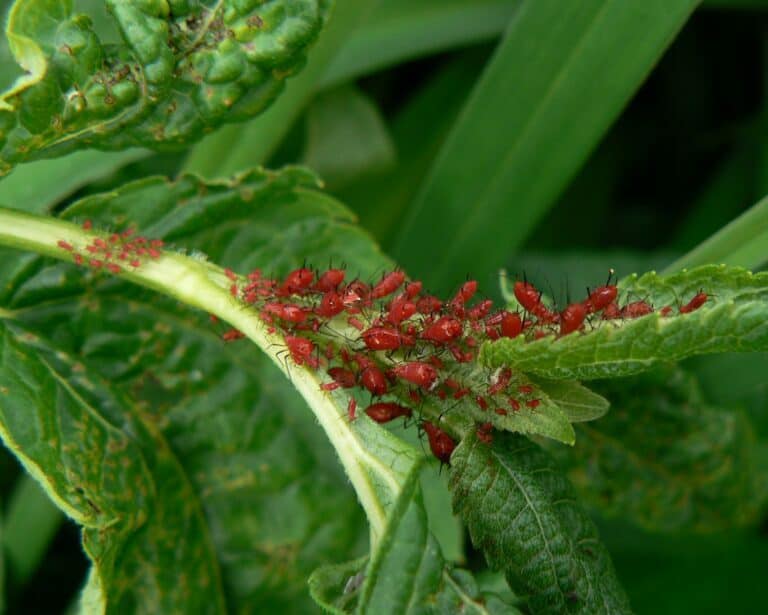
Tiny red sap-sippers, big plant impact
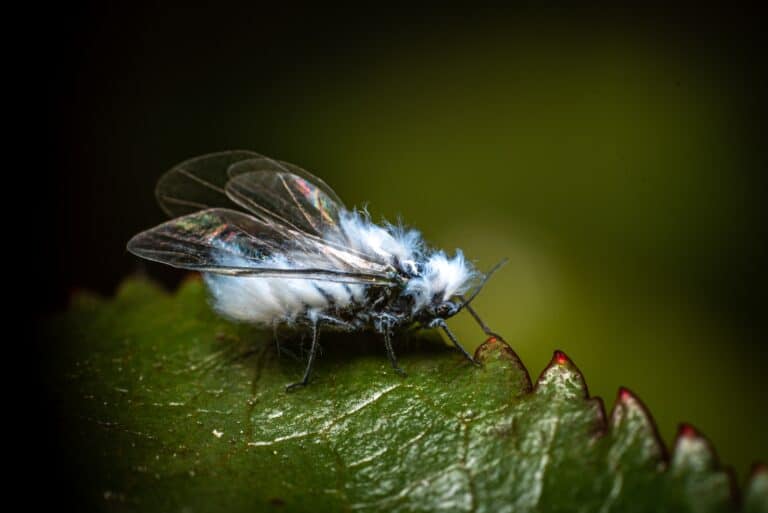
Tiny bugs, big cottony colonies
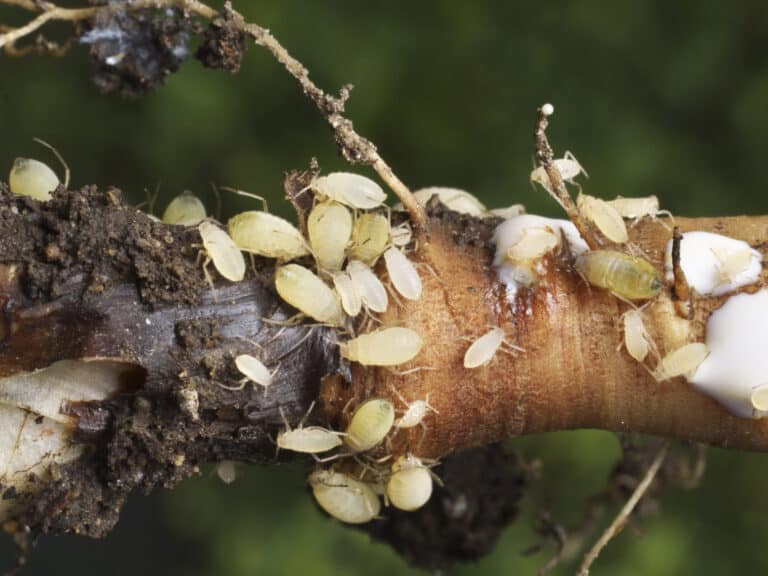
Small sap-feeders, big ecosystem impact
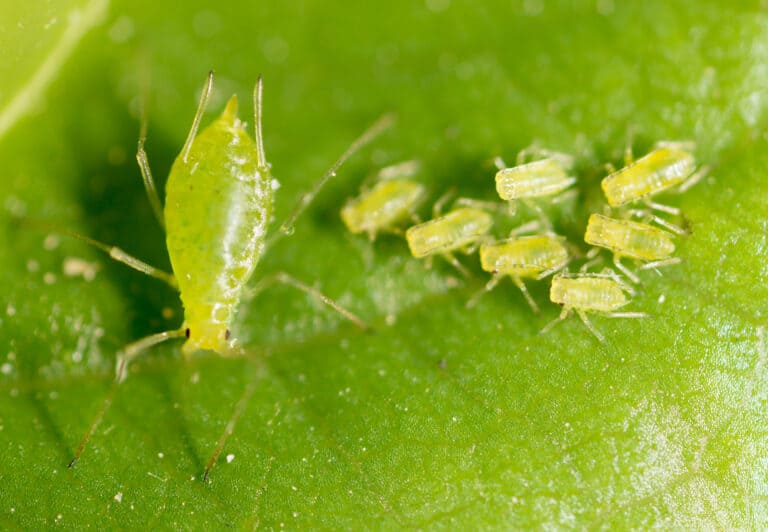
Tiny sapsuckers, huge plant impact
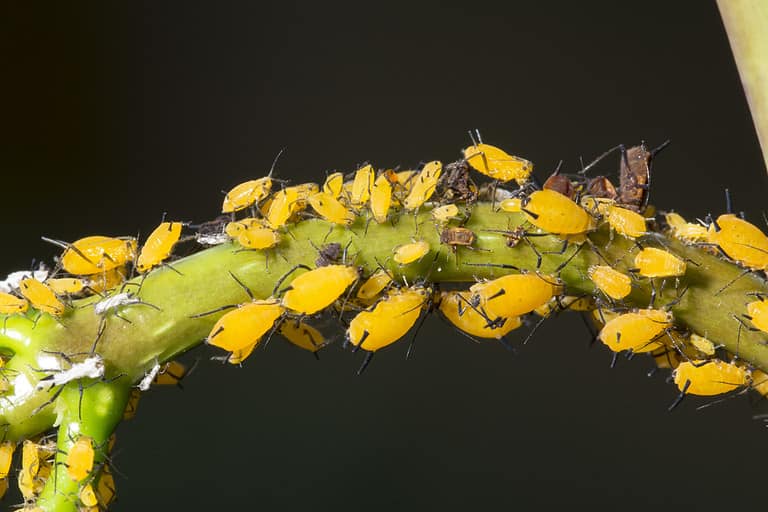
Golden sap-sipper of milkweed
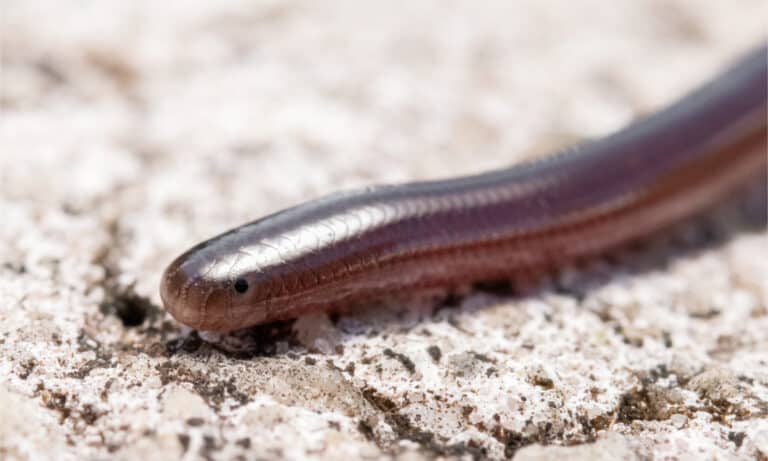
The world-traveling all-female snake
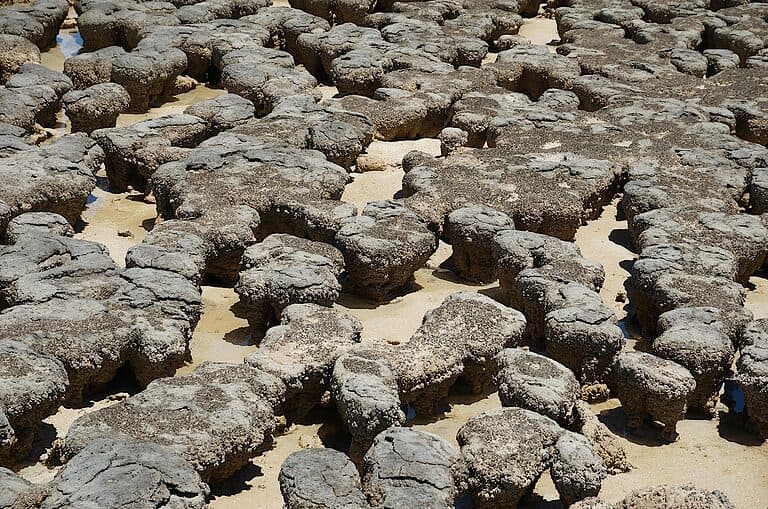
Rocks built by microbes, for eons
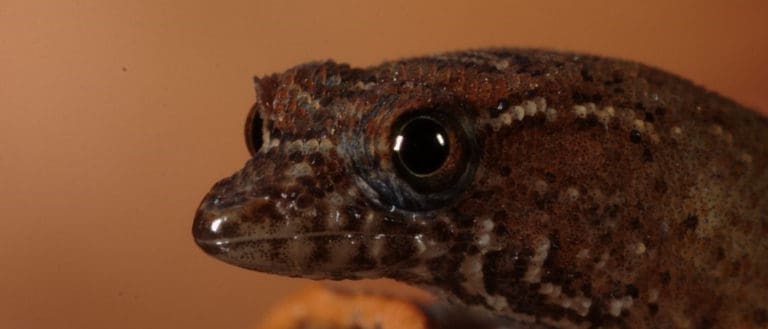
Tiny guardian of Virgin Islands leaf litter
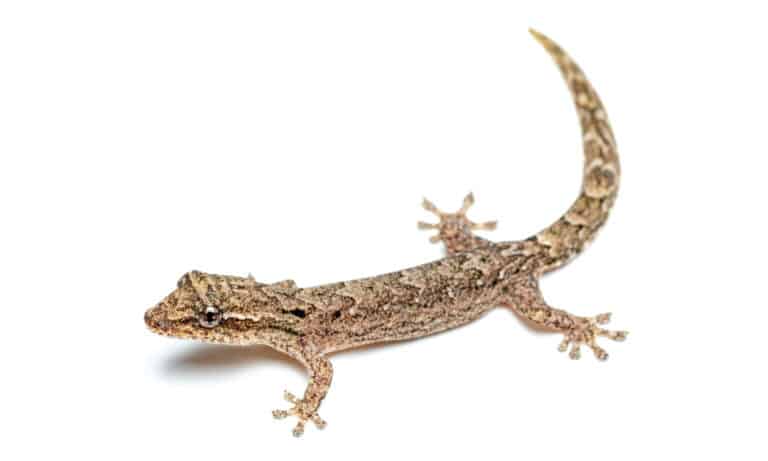
One gecko can start a colony
Parthenogenesis is a form of asexual reproduction in which an embryo develops from an unfertilized egg, producing offspring without genetic contribution from sperm. It can occur as an obligate life-history strategy or facultatively when mates are absent.
Parthenogenesis is when females make eggs that develop without fertilization. Types include arrhenotoky (haploid eggs in many Hymenoptera), automixis, and apomixis, which keep different amounts of genetic variation. It helps rapid growth, colonizing by one female, or surviving when mates are rare. It occurs in aphids, stick insects, some bees/wasps/ants, Daphnia, rotifers, and some lizards, snakes, sharks, and birds.
Found across: Insects (e.g., aphids, bees/wasps/ants, stick insects), Arachnids (some mites, ticks, and spiders), Crustaceans (e.g., Daphnia; some crayfish), Rotifers (notably bdelloids), Nematodes (some lineages), Reptiles (many lizards; documented in snakes and monitor lizards), Fishes (including some sharks and rays; some bony fish lineages), Amphibians (some salamanders and frogs via hybrid/complex systems), Birds (rare, but documented in a few species)
Parthenogenesis isn't always "all-female": in species with ZW sex chromosomes (like Komodo dragons), unfertilized eggs can produce ZZ offspring-males-so a lone female can found a new population by first producing sons and later breeding sexually.
"Virgin birth" doesn't necessarily mean cloning. Many vertebrate cases use automixis (the egg fuses with one of its own products), which restores diploidy but often makes offspring much more genetically uniform (increased homozygosity) rather than identical copies.
Some animals treat sex like a seasonal "mode switch." Aphids and water fleas (Daphnia) can crank out multiple generations of parthenogenetic daughters when conditions are good, then switch back to sexual reproduction to make tougher, genetically mixed resting eggs for hard times.
Parthenogenetic lizard species still perform courtship and mating-like behavior. Female whiptail lizards often "pseudocopulate," and the behavior is linked to higher egg output-sex-like behavior can boost reproduction even when sperm are irrelevant.
Parthenogenesis can be an emergency exit rather than a lifestyle. In sharks, snakes, and some birds, facultative parthenogenesis can occur when females are isolated from males-producing rare offspring without fertilization, but not necessarily creating a thriving long-term lineage.
Tiny guardian of Virgin Islands leaf litter
The world-traveling all-female snake
Tiny red sap-sippers, big plant impact
Small sap-feeders, big ecosystem impact
Tiny sippers, big garden impact.
Tiny sapsuckers, huge plant impact
Tiny bugs, big cottony colonies
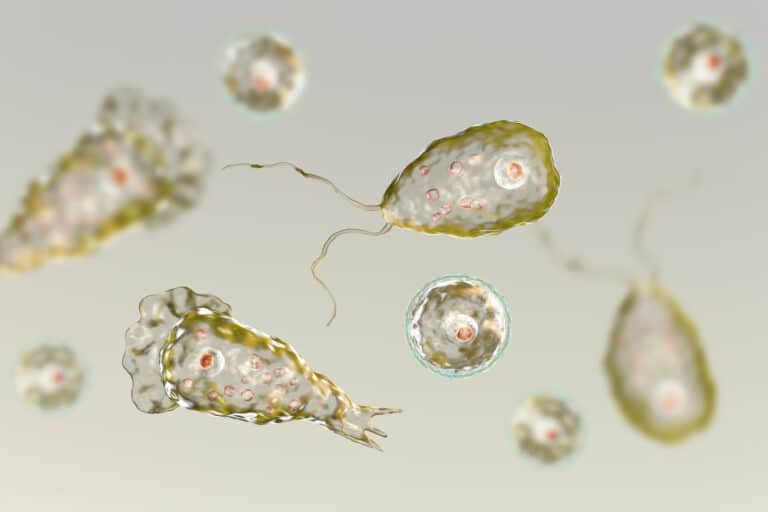
Warm water, wrong way-protect your nose
Golden sap-sipper of milkweed
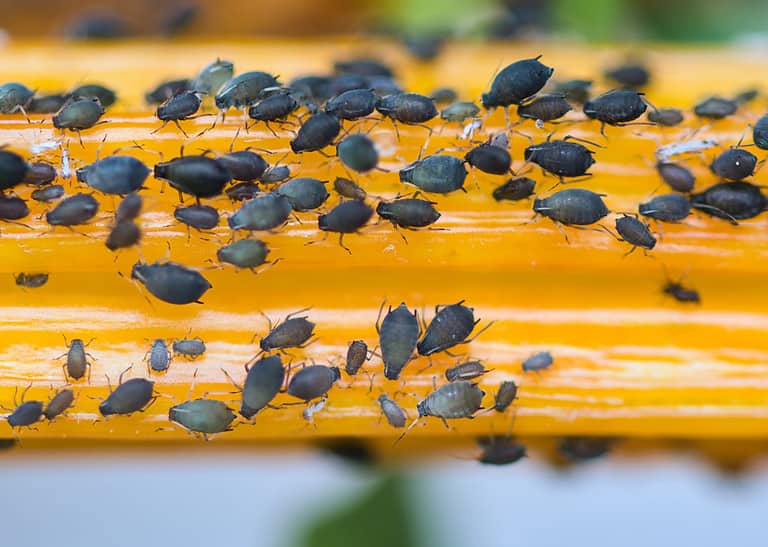
Tiny bugs, huge plant impact
Rocks built by microbes, for eons
One gecko can start a colony
Thank you for reading! Have some feedback for us?
We appreciate your help in improving our content.
Our editorial team will review your suggestions and make any necessary updates.
There was an error submitting your feedback. Please try again.