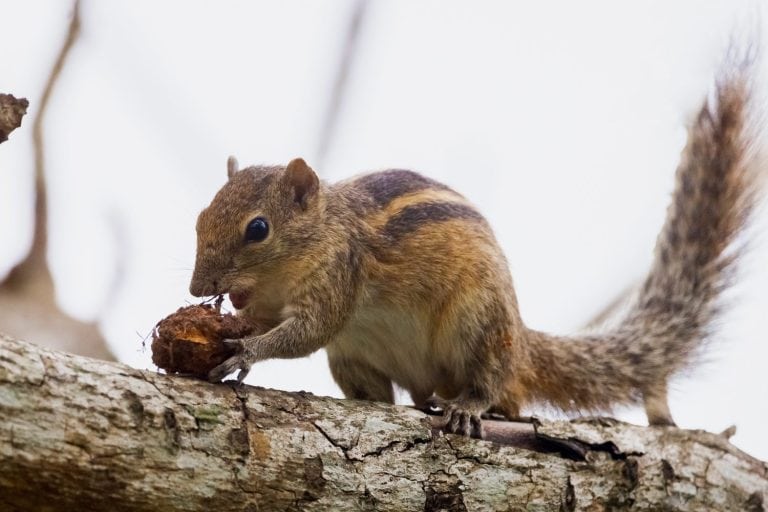
Indian Palm Squirrel
Three stripes. Big city attitude.

Three stripes. Big city attitude.
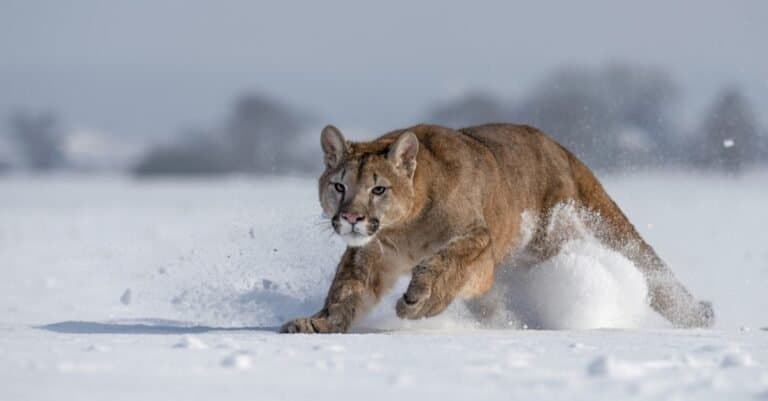
One cat. Two continents.
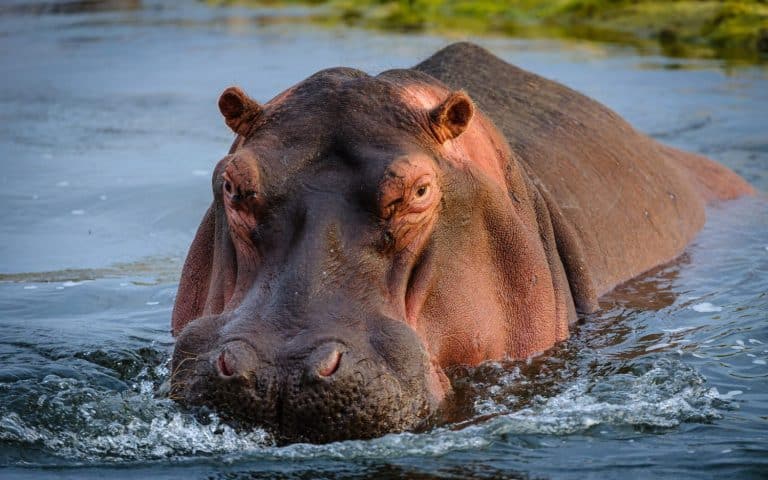
Big river grazer, bigger attitude
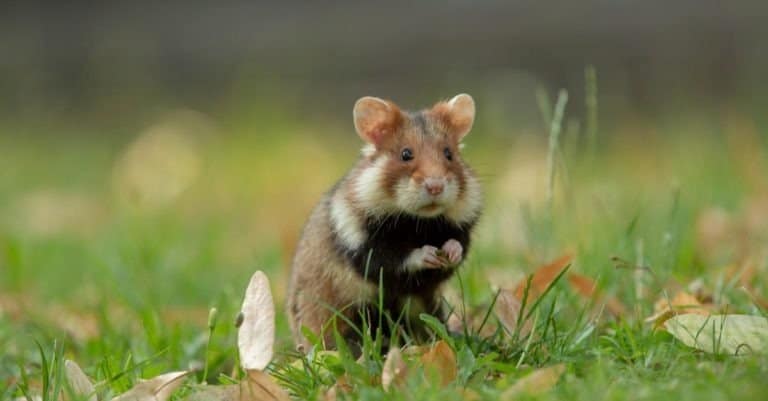
Pouches, burrows, and big impacts
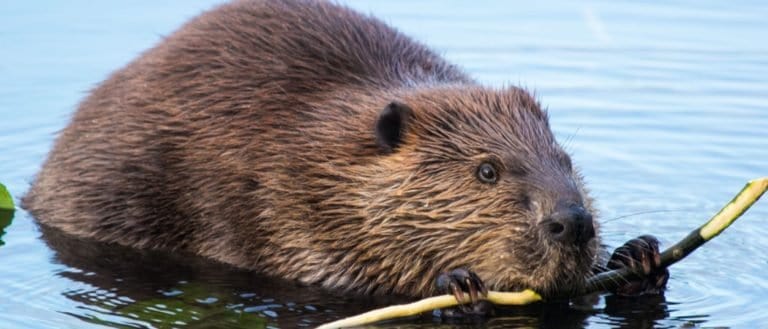
Build wetlands, shape worlds.
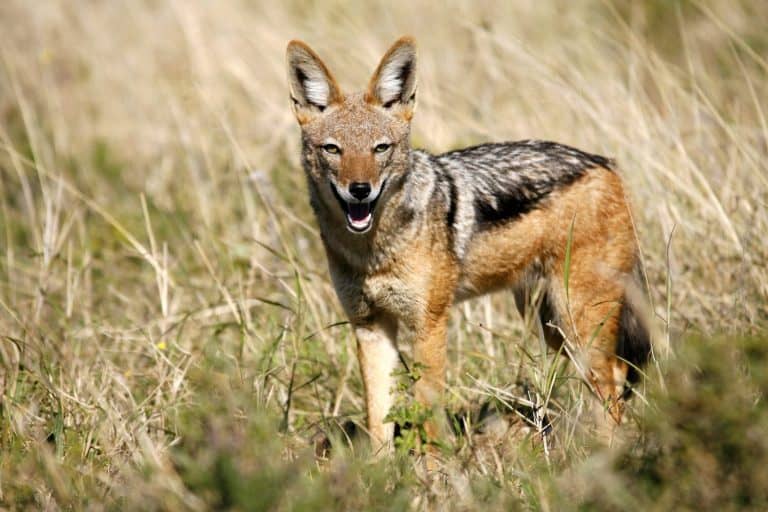
Small canids, big survival skills
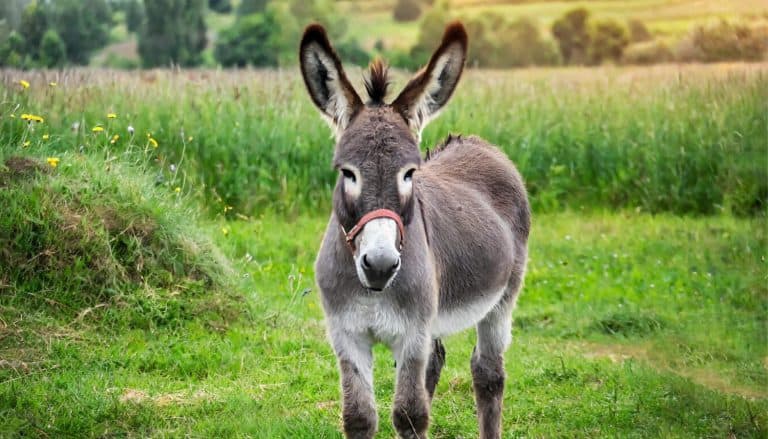
Sure-footed partner of people
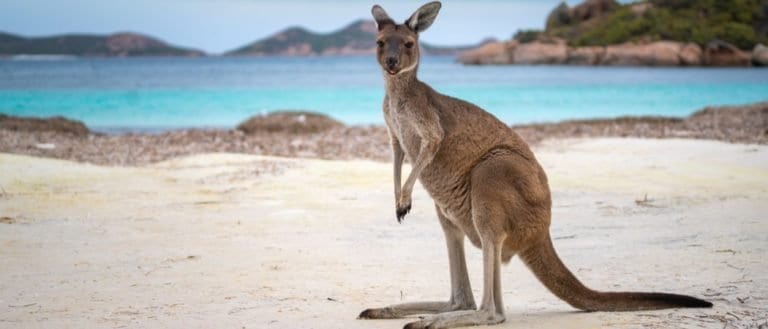
Big hops, big pouches, big variety
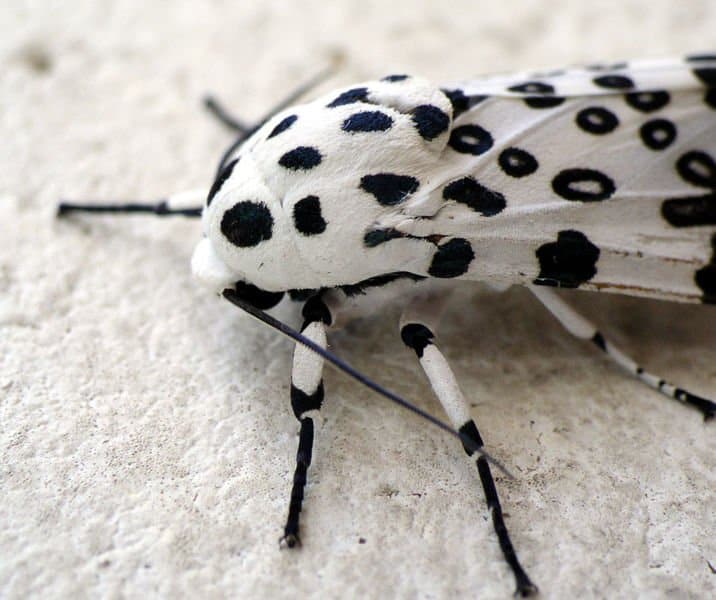
Six legs, endless lives.
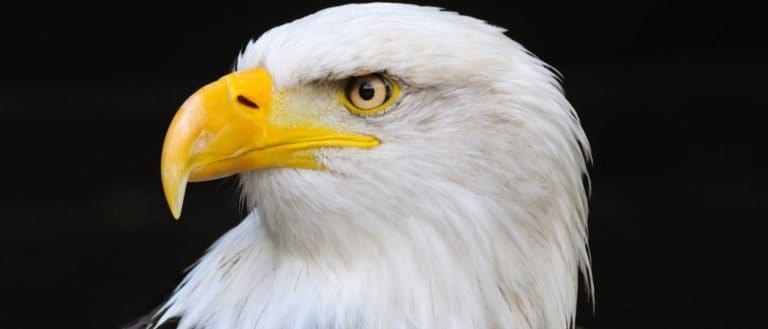
Built to soar, born to strike
Internal fertilization is a reproductive mechanism in which sperm is introduced into the reproductive tract or body cavity of a mate and unites with an egg inside the body of one parent, forming a zygote before any egg or embryo is released. It contrasts with external fertilization, where gametes meet outside the body, typically in water.
Internal fertilization occurs when sperm are put inside the egg-producing partner during mating or by organs like penis, claspers, hemipenes, or spermatophores. Fertilization happens in oviducts; sperm can be stored. Offspring may hatch from eggs (oviparity), be born from yolk (ovoviviparity), or get nutrients from the mother (viviparity). It is common in many land and some aquatic animals.
Found across: Mammals (Mammalia), Birds (Aves), Reptiles (Reptilia), Many fishes-especially cartilaginous fishes like sharks and rays (Chondrichthyes) and some bony fishes (Actinopterygii), Many insects (Insecta), Other arthropods such as scorpions and spiders (Arachnida), Some amphibians (Amphibia)
Internal fertilization doesn't automatically mean "live birth." Many animals fertilize internally but still lay eggs (birds, most reptiles, many insects, and some sharks), so the key feature is *where sperm meets egg*, not how babies exit.
Females of many species can store sperm for astonishingly long periods and use it later-sometimes choosing among stored sperm (a phenomenon called "cryptic female choice"). This lets fertilization happen long after mating and can decouple "sex" from "conception."
Some species make internal fertilization into a competitive sport: males may evolve structures or behaviors to displace rival sperm from the female's reproductive tract before adding their own-turning reproduction into a microscopic arms race.
Internal fertilization has evolved many times independently across animals. Similar challenges (keeping gametes from drying out, protecting embryos on land, ensuring paternity) repeatedly produced similar solutions-intromittent organs, sperm storage, and complex reproductive tracts.
The "best" internal fertilization strategy depends on ecology: in some cases, it favors fewer, better-provisioned offspring (common in mammals), but in others it supports extremely high output (common in insects and some fish/sharks), because fertilization is reliable even when mates are scarce or environments are harsh.
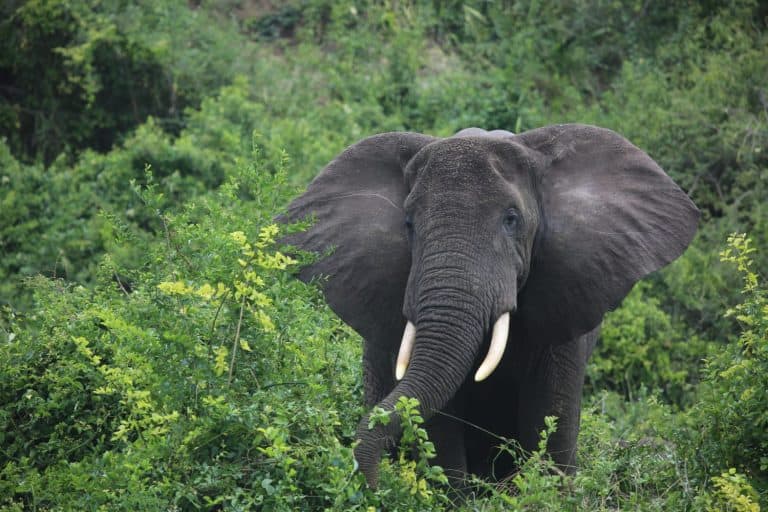
The rainforest's master gardener
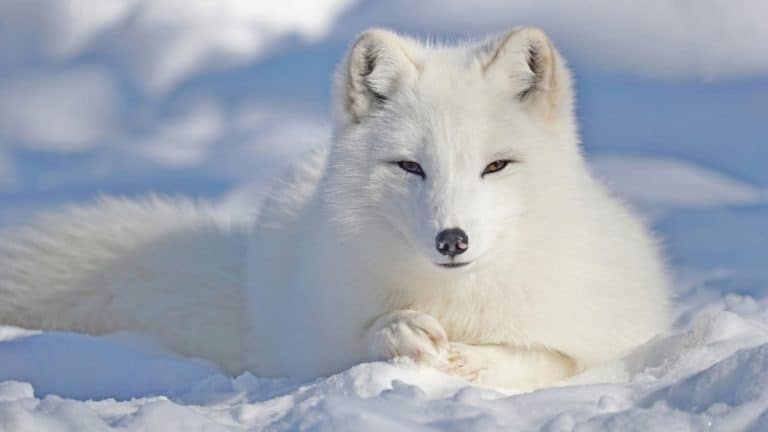
Built for blizzards, born for tundra
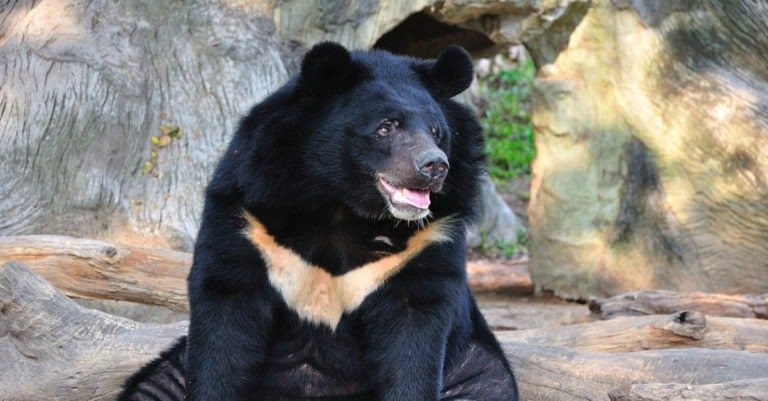
Moon-marked climber of Asian forests
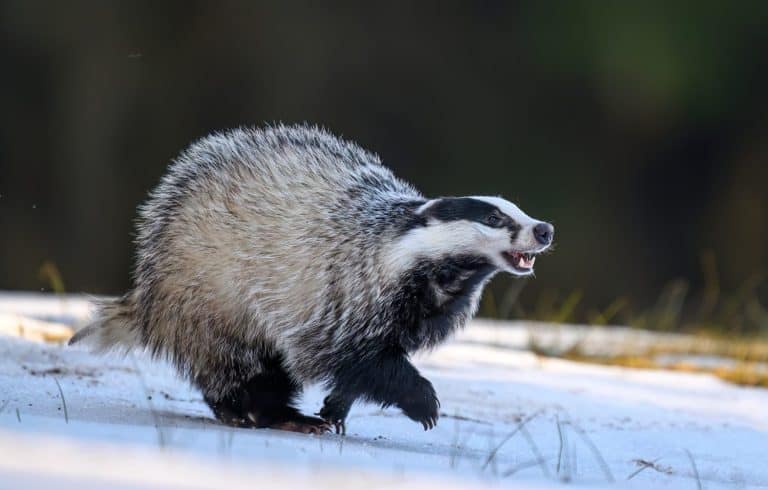
Built to dig. Born to endure.
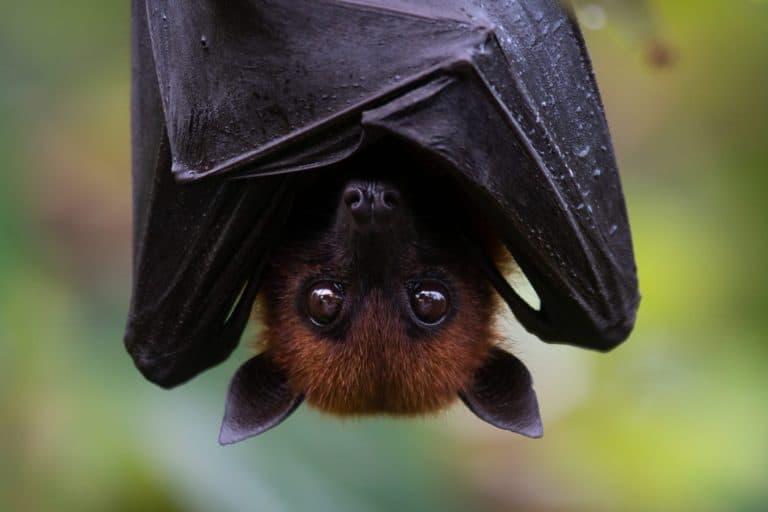
Night pilots of the mammal world
Build wetlands, shape worlds.

Humps of fat, miles of grit
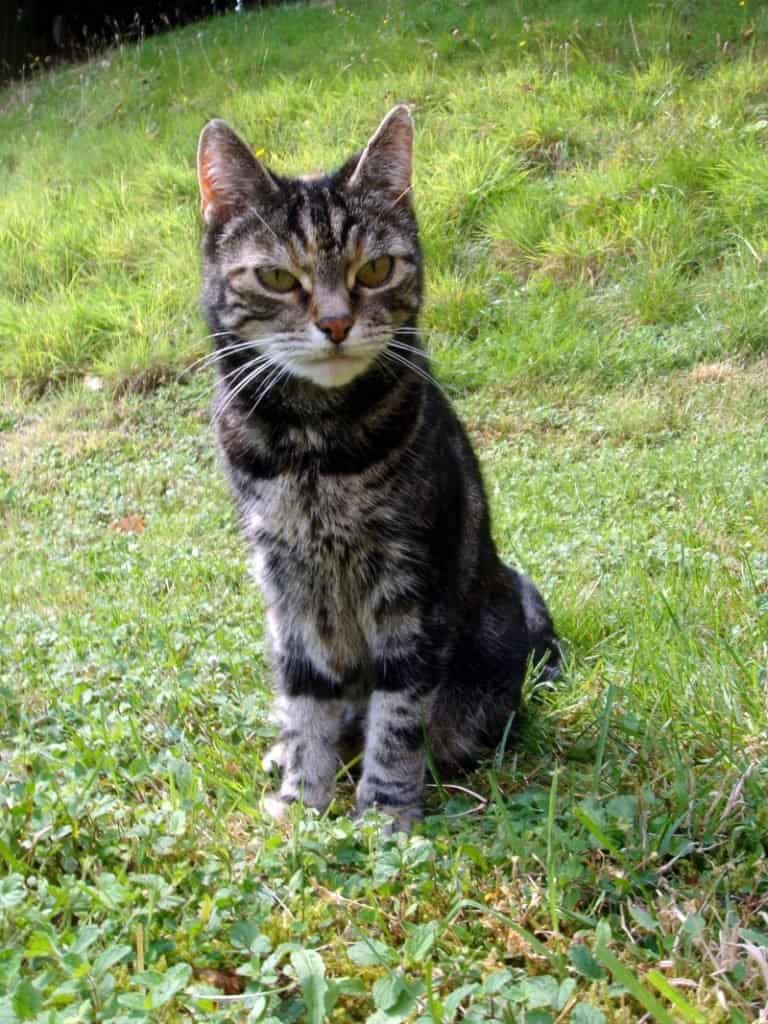
Small hunter, big household legend
One cat. Two continents.
Sure-footed partner of people
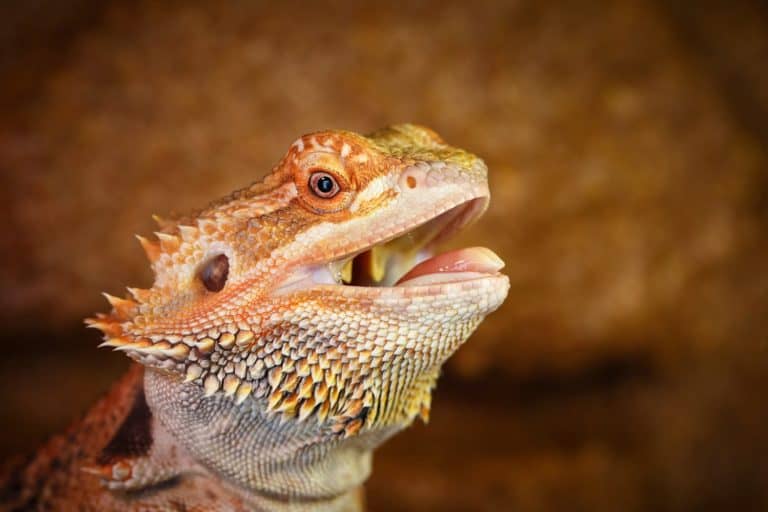
Big beard, bright sun, bold attitude.
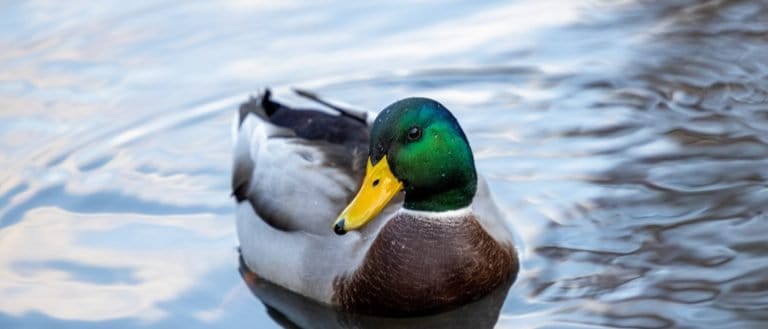
Webbed feet, world travelers.
Built to soar, born to strike
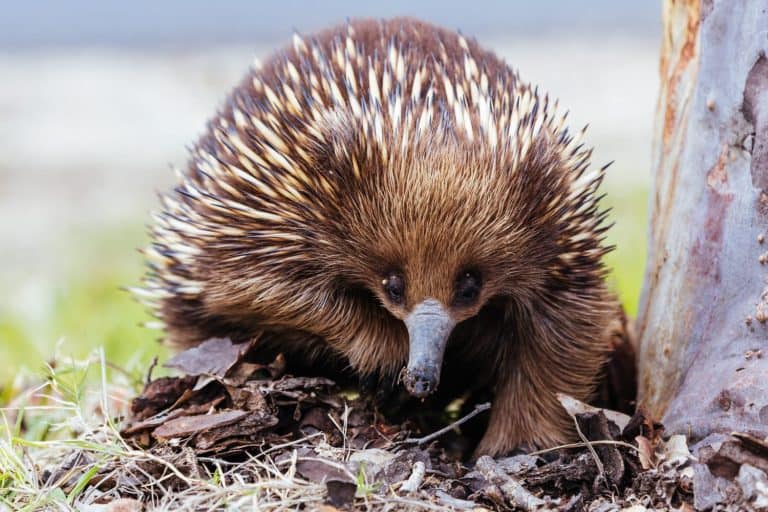
Spines, eggs, and ant-eating mastery
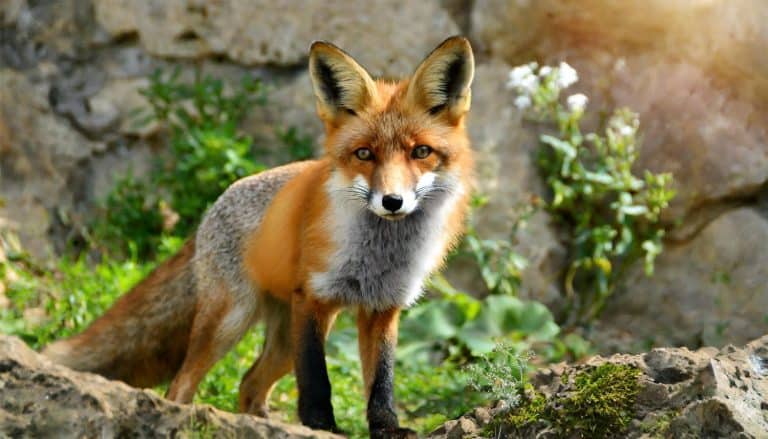
From dunes to tundra-fox smart.
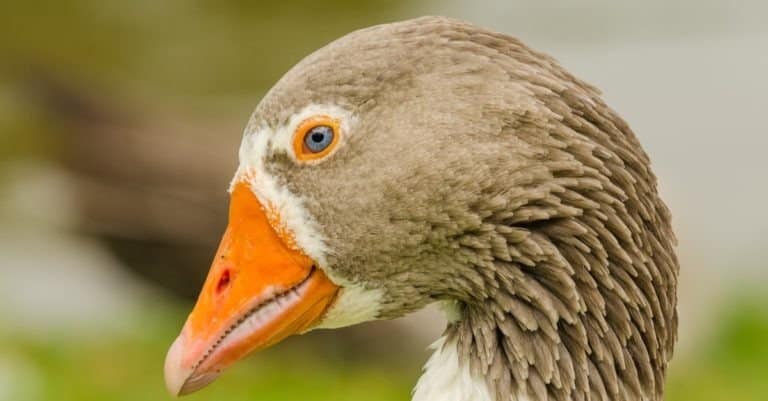
Webbed feet, sky roads, wetland lives
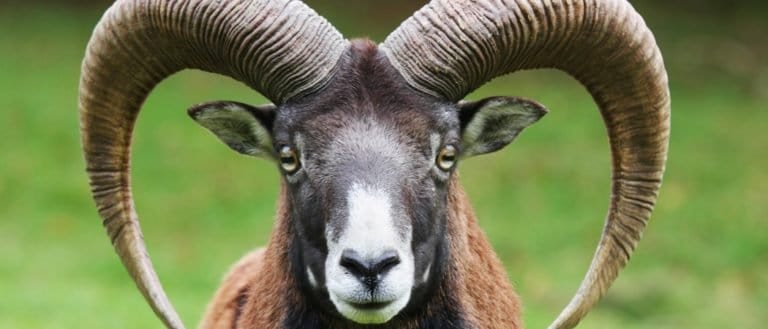
Sure-footed masters of rock and range
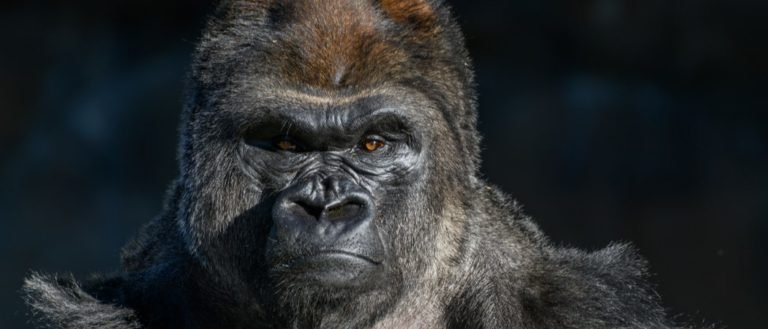
Gentle giants of the African forests
Pouches, burrows, and big impacts
Big river grazer, bigger attitude
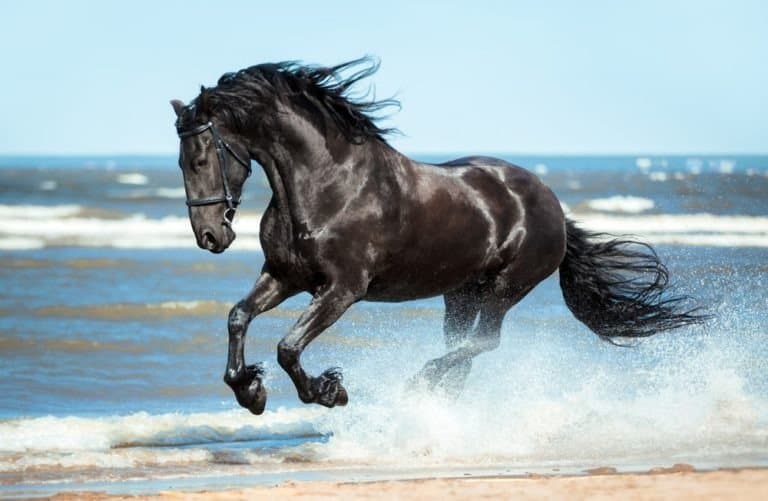
One hoofbeat, a thousand histories
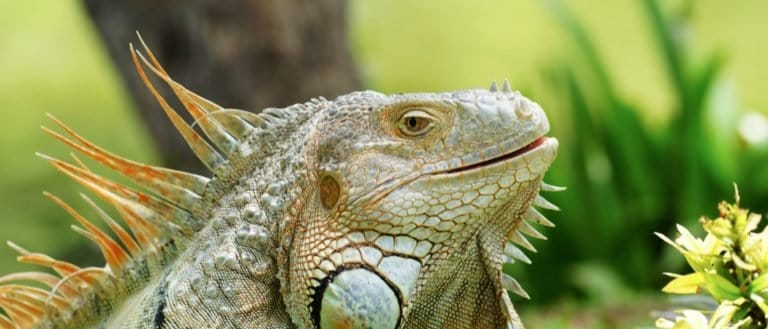
Sun-powered lizards of the Americas
Three stripes. Big city attitude.
Six legs, endless lives.
Thank you for reading! Have some feedback for us?
We appreciate your help in improving our content.
Our editorial team will review your suggestions and make any necessary updates.
There was an error submitting your feedback. Please try again.