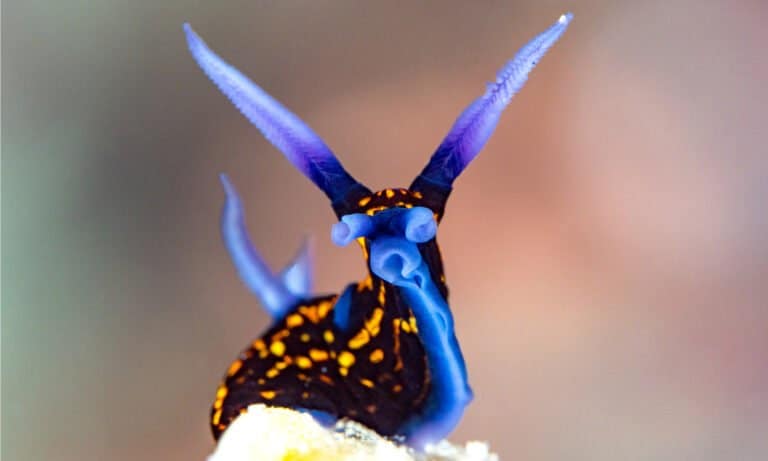
Sea Slug
Naked gills, wild skills.

Naked gills, wild skills.
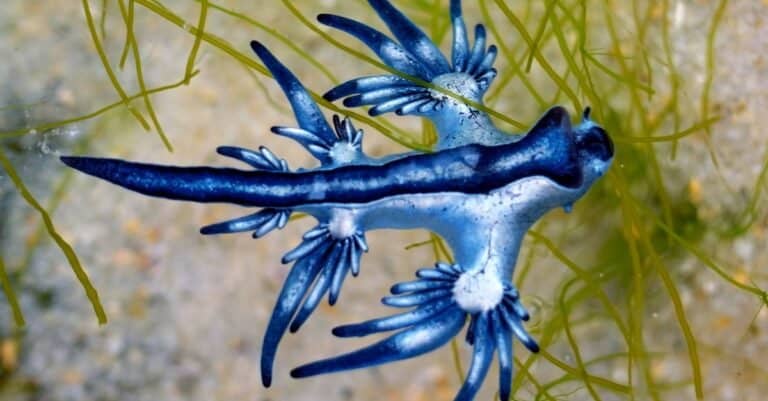
Steal the sting. Ride the waves.
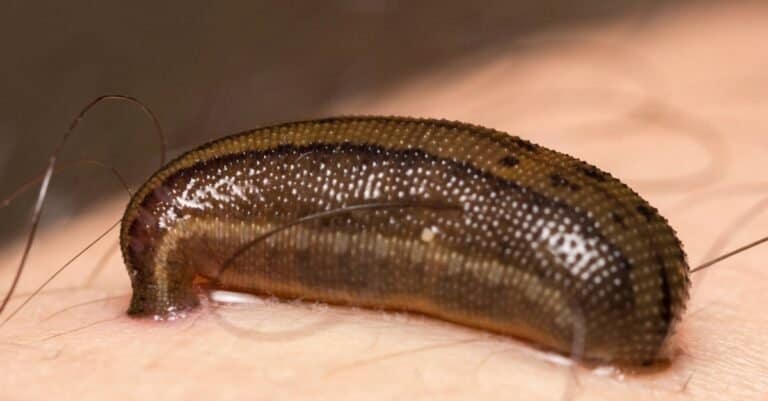
Two suckers, many lifestyles.
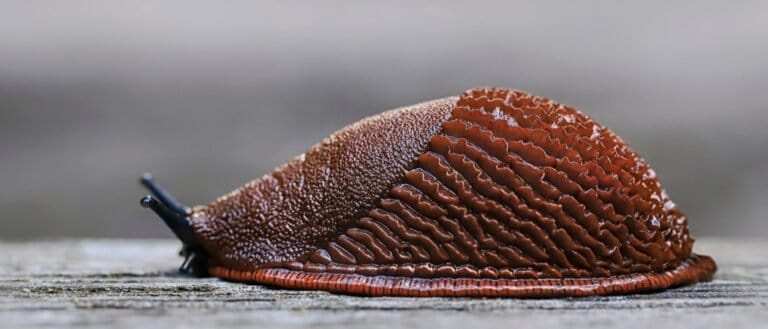
Mucus-powered recyclers of the land
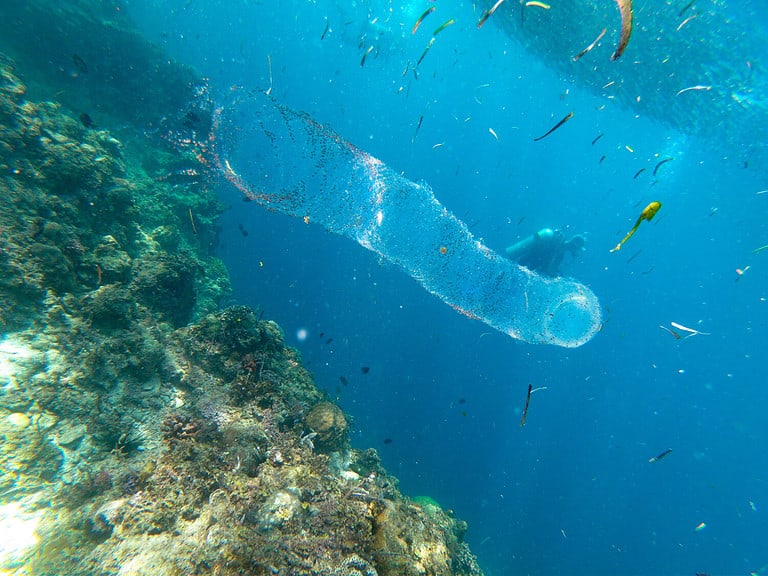
Glowing tubes that filter the sea
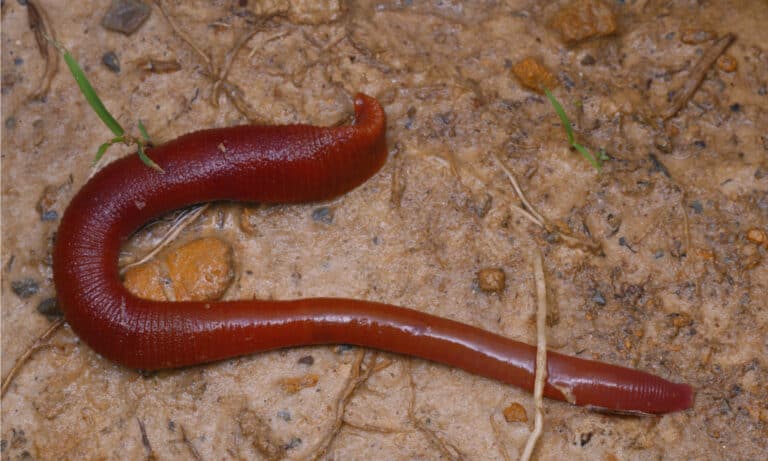
Kinabalu's scarlet forest crawler
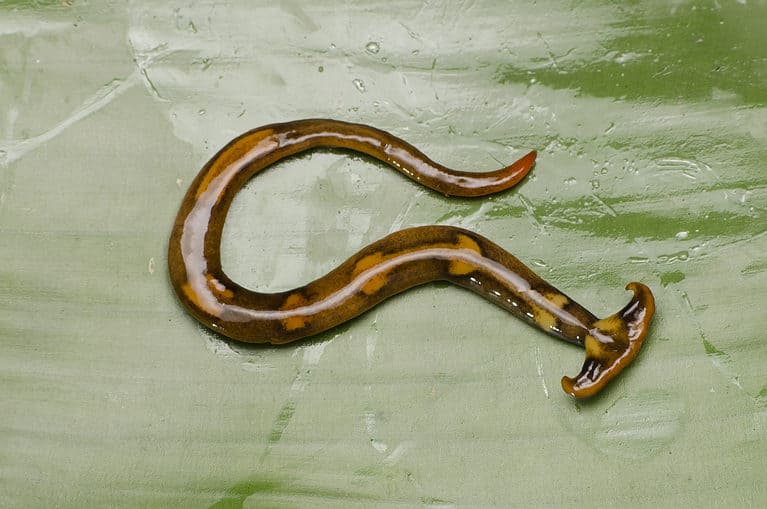
Hammerhead hunters of the soil
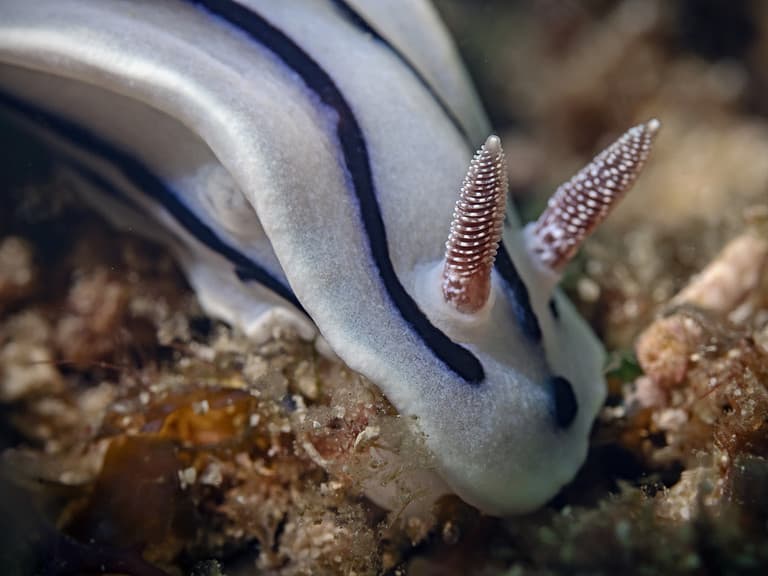
Bright colors, borrowed chemistry
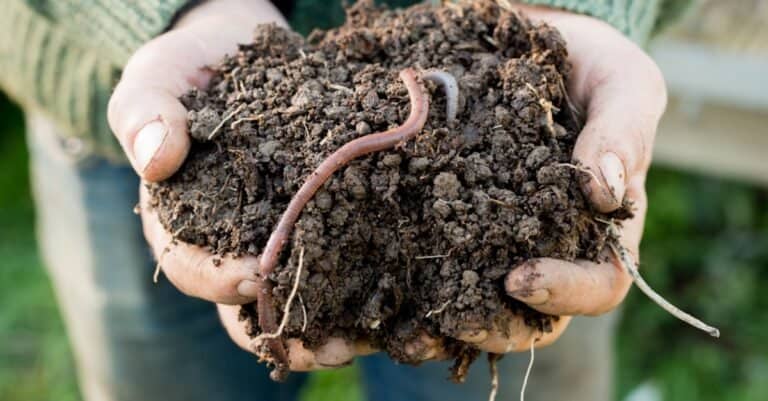
Nature's living soil mixers
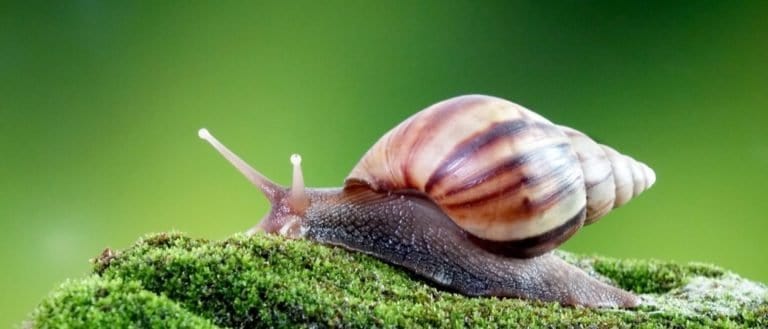
Big shell, bigger invasion story
Simultaneous hermaphroditism is a reproductive mechanism in which a single individual has functional male and female reproductive organs at the same time and can produce both sperm and eggs during the same reproductive period. Depending on the species, reproduction may occur via reciprocal mating with sperm transfer (often with sperm storage and internal fertilization) or via external fertilization through the release of eggs and sperm into the environment (e.g., broadcast spawning in some marine invertebrates).
Simultaneous hermaphroditism: each adult makes sperm and eggs at the same time. Pairs often swap sperm (reciprocal insemination) and store it (e.g., in spermathecae) until eggs are fertilized. Selfing can occur if mates are scarce, lowering genetic diversity. This form fits sedentary or low-density animals and is common in snails, earthworms, leeches, flatworms, and some sessile marine animals.
Found across: Mollusca (especially gastropods: snails, slugs, sea slugs; also some bivalves), Annelida (earthworms, many leeches, other polychaete groups), Platyhelminthes (flatworms, including many planarians), Cnidaria (some corals and other anthozoans), Chordata: fishes (notably some serranids like hamlets; a few other exceptional vertebrate cases), Arthropoda (in some crustaceans, e.g., certain shrimps)
Being both sexes doesn't eliminate competition-it can double it. In many simultaneous hermaphrodites, each partner prefers to donate sperm (the "male" role is often cheaper) and avoid investing in eggs, creating a tug-of-war over who gets to be "female" this time.
They can mate as both sexes in a single encounter. Many snails, slugs, and earthworms exchange sperm reciprocally, then each later uses the received sperm to fertilize its own eggs-so one date can make both partners pregnant.
Some species can store sperm for a long time, turning one mating into many clutches. Certain land snails keep viable sperm in specialized storage organs and use it later when conditions are favorable for egg-laying.
Hermaphroditism doesn't guarantee selfing-many can't or won't self-fertilize. A surprising number have physiological barriers (or strong inbreeding costs) that favor outcrossing even though they carry both sets of organs.
Sex can involve "weapons" and coercion. In several hermaphroditic flatworms, mating resembles a duel (including attempts to inject sperm through the skin), showing that sexual conflict exists even when both partners can play both roles.
Naked gills, wild skills.
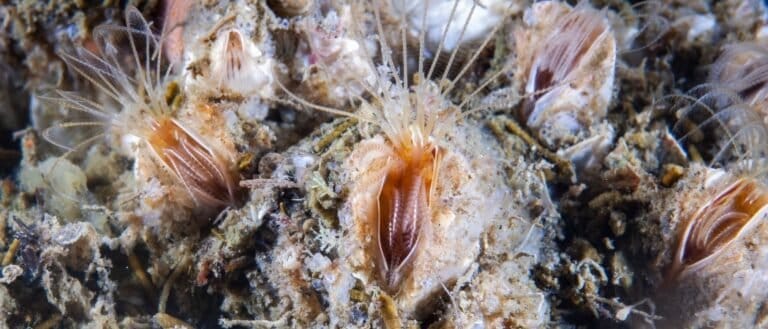
Crustaceans that live like living glue
Big shell, bigger invasion story
Mucus-powered recyclers of the land
Nature's living soil mixers
Two suckers, many lifestyles.
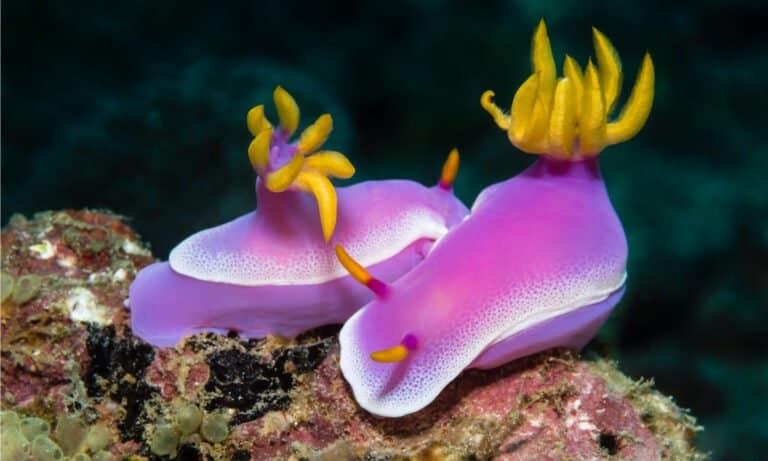
Nature's neon, toxin-borrowing sea slugs
Kinabalu's scarlet forest crawler
Glowing tubes that filter the sea
Steal the sting. Ride the waves.
Bright colors, borrowed chemistry
Hammerhead hunters of the soil
Thank you for reading! Have some feedback for us?
We appreciate your help in improving our content.
Our editorial team will review your suggestions and make any necessary updates.
There was an error submitting your feedback. Please try again.