
Quick Take
- Several Labradoodle 'colors' on this list aren't actually colors, and those may be the most visually striking of all. Phantom markings explained →
- One shade is so unique, it can look actually appear pink or slightly purple depending on the lighting. Lavender's shifting hues →
- Many Labradoodles are born looking completely different from their adult coat, and the transformation can span years. Parchment's dramatic fade →
- The rarest color requires both parents to carry a recessive gene, though even that is no guarantee a puppy will show it. Red's recessive gene requirements →
A Labradoodle is a Labrador and Poodle crossbreed. These dogs have grown significantly in popularity as “designer dogs.” Today, we’ll talk about their coat colors, from the most common to the rarest. Labradoodles can have any coat color or combination of colors possible in their parent breeds. Let’s take a look at 12 Labradoodle coat colors, from the ones you’ll recognize immediately to coat colors you may never see in person.
12. Black
Black is often cited as the most common Labradoodle color. This comes as no surprise since both black labs and black poodles are very common. Black occurs in the puppies when both parents carry the dominant black gene.
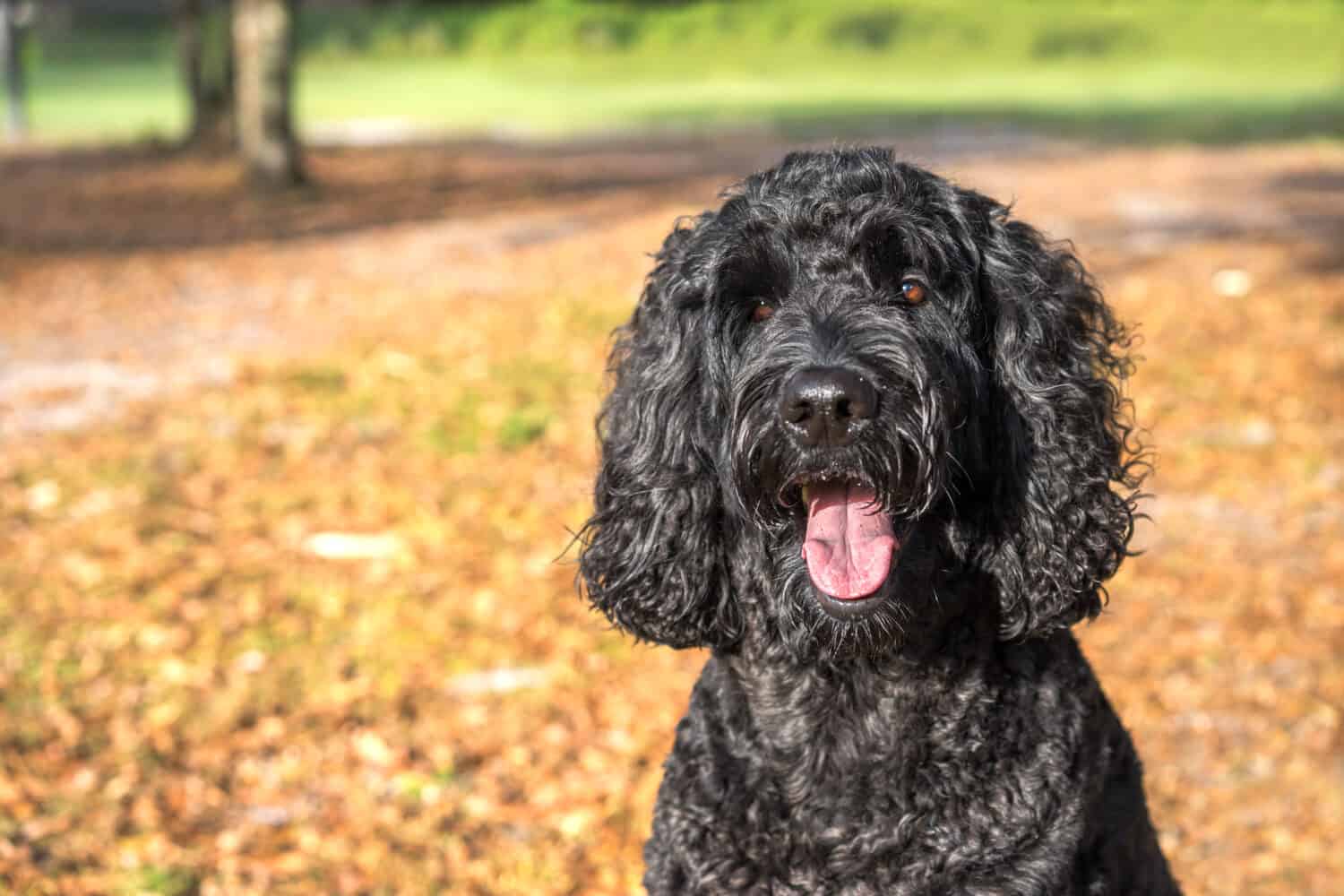
The most common Labradoodle color is black.
©Lindsay Helms/Shutterstock.com
11. Chocolate
A deep brown color in Labradoodles is called chocolate. This is similar to a chocolate lab or brown Poodle. This color is caused by recessive genes, so both parents must carry the chocolate gene for this shade to appear. The puppies often have very dark brown to nearly black fur that gradually lightens.
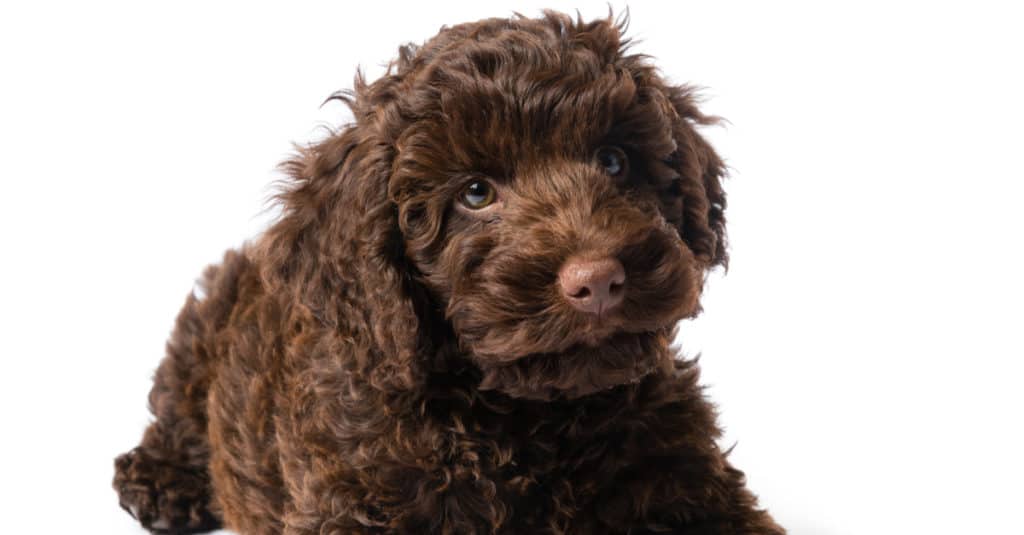
Chocolate is a dark brown color.
©KariDesign/Shutterstock.com
10. Apricot
Apricot is also sometimes called golden or caramel. These dogs have golden orange coats that are in-between cream and red. Apricot doodles are the result of recessive genes. These puppies are frequently born a lighter color and darken as they mature.

Apricot is a golden orange color that ranges in hue between cream and red.
©jadimages/Shutterstock.com
9. Cream
Cream is darker than white but lighter than apricot or chocolate. It’s a very light tan similar to a light yellow lab, and it is just as common in both parent breeds.
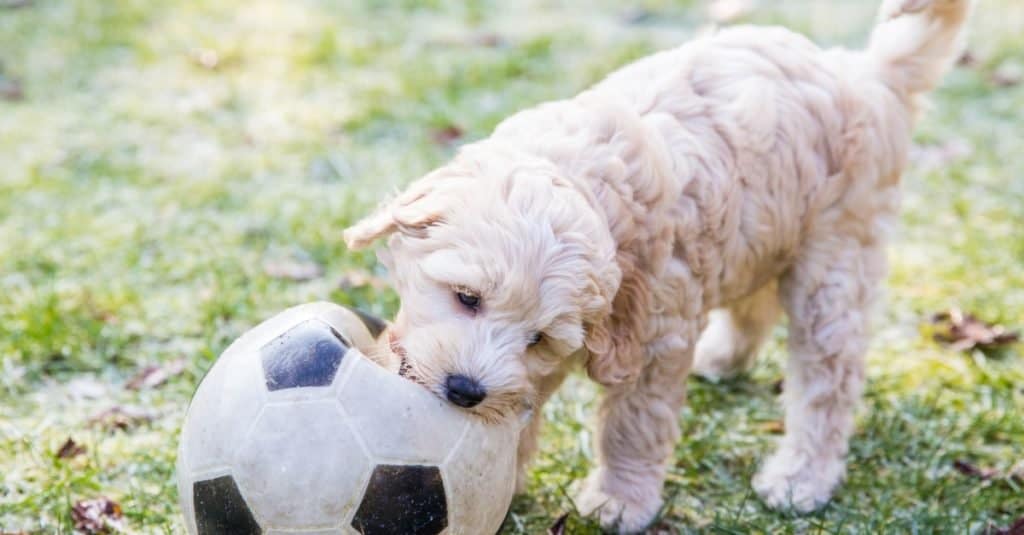
Cream is also a common coat color, as it’s seen regularly in both parent breeds.
©Angeline Dobber/Shutterstock.com
8. White
White dogs with dark noses (not albino) are often referred to as chalk-white. They may also be an off-white color. It is sometimes difficult to tell them apart from light cream Labradoodles, but side by side, the differences are obvious. Although Labrador retrievers are not white, they can be very pale yellow, and white is a very common color in poodles.
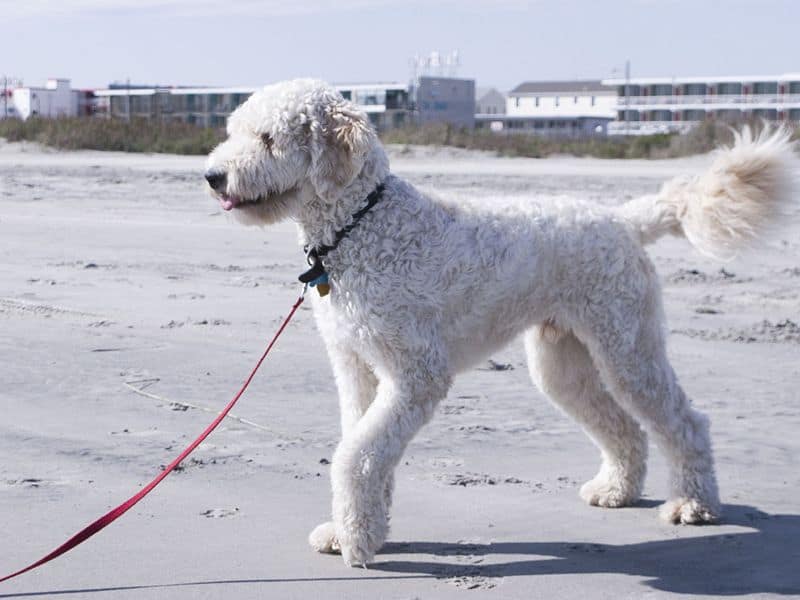
White Labradoodles may also be called chalk-white.
©lyrandian, CC BY 2.0, via Wikimedia Commons – Original / License
7. Blue
Blue is a dark grey with a silvery-blue tinge. It’s also described as dilute black. The progressive fading gene found in poodles dilutes the black pigment and the fur fades as the dog matures. These dogs also typically have blue/grey skin pigmentation.
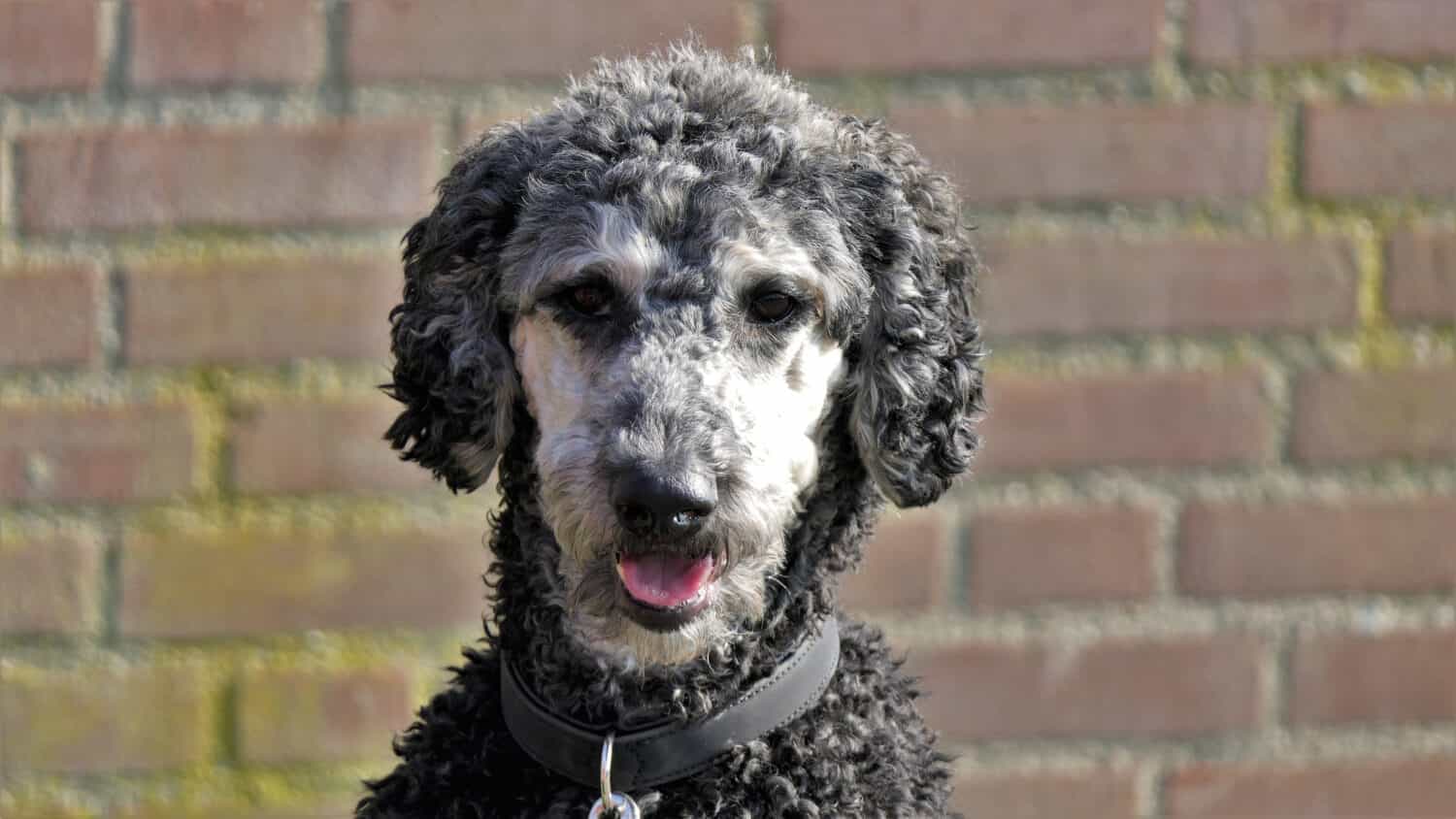
Blue Labradoodles are a dilute black color.
©Yvonne60/Shutterstock.com
6. Parchment
Parchment Labradoodles are born a milk chocolate color and due to the recessive dilution gene, they will fade to a smoky tan or creamy beige in the first 1-3 years. They generally have brown or reddish-brown noses and may have light-colored eyes.
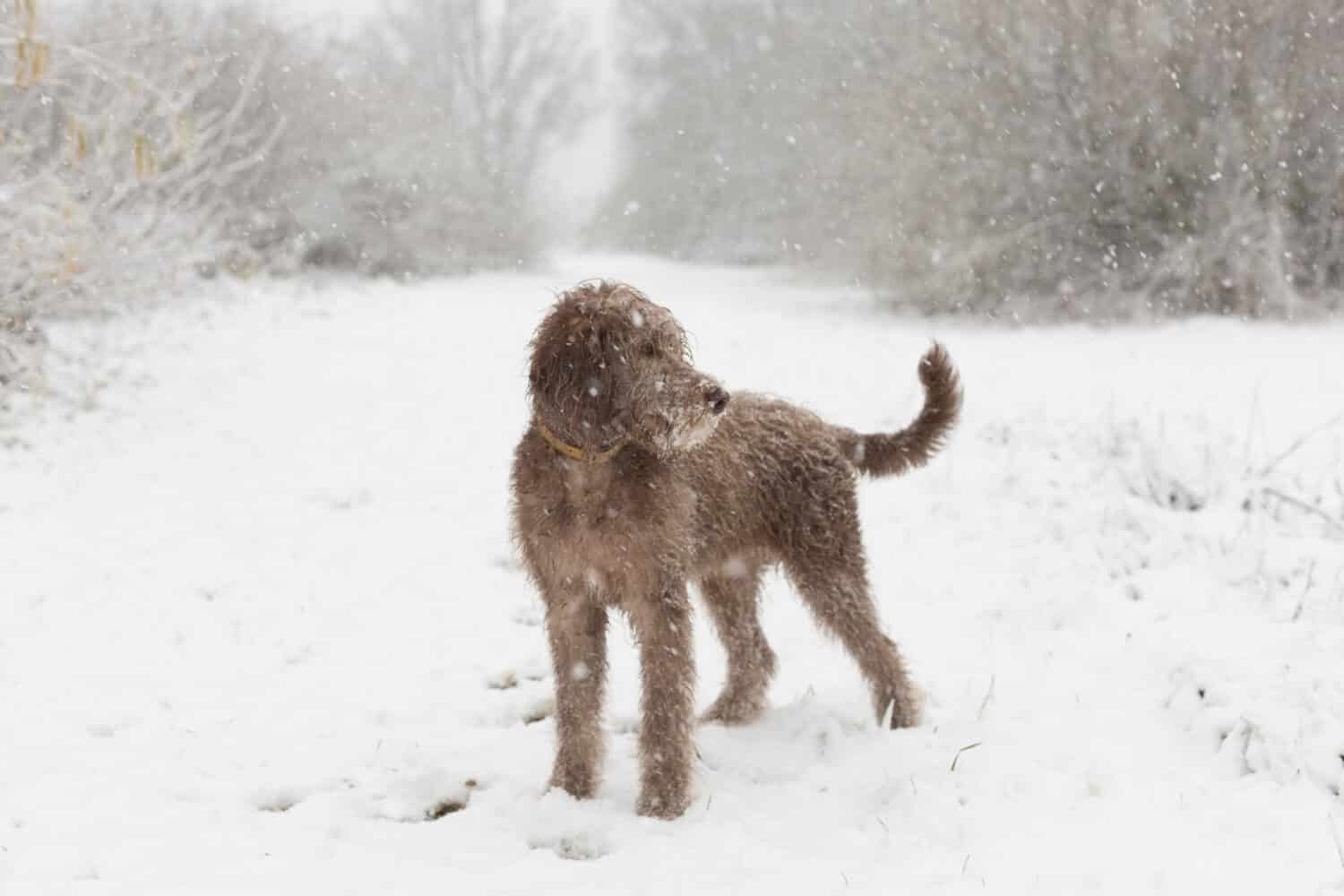
The color parchment in Labradoodles is caused by a recessive dilution gene.
©Tom de Jong/Shutterstock.com
5. Parti
A parti coat in Labradoodles means that the dog is at least 50% white alongside one other solid coat color, usually black or brown. Parti coats used to be rare, but they are becoming increasingly common as the pattern grows in popularity.
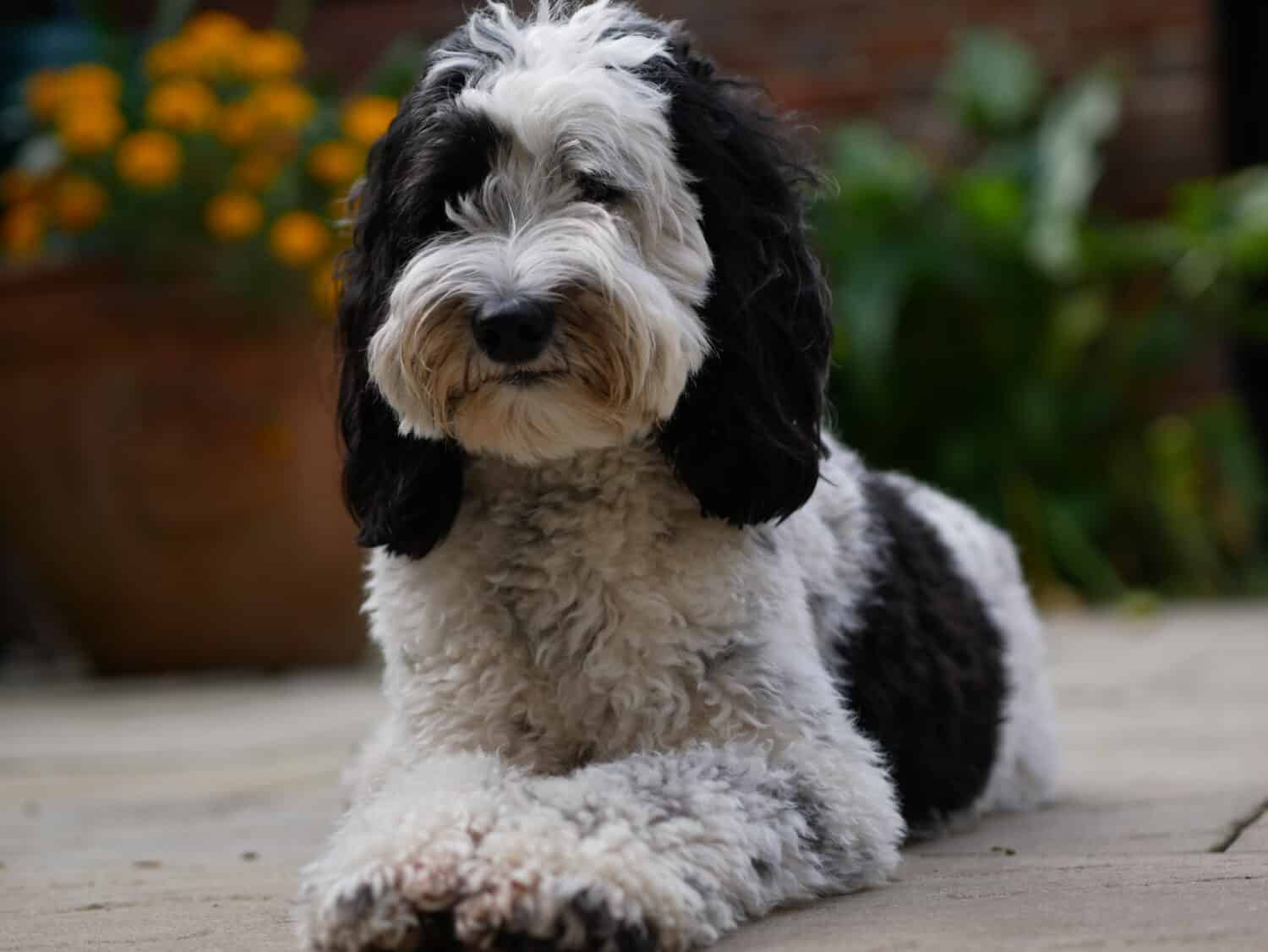
Labradoodles with parti coats are over 50% white with patches of another solid color.
©Flyby Photography/Shutterstock.com
4. Silver
Silver, or grey, Labradoodles are also relatively uncommon. This coloring is due to the progressive dilution gene in the Poodle parent. They are born black and fade to a smoky-grey or smoky-silver within the first 3 years. Silver is generally lighter than blue, and these dogs retain their black skin pigment.
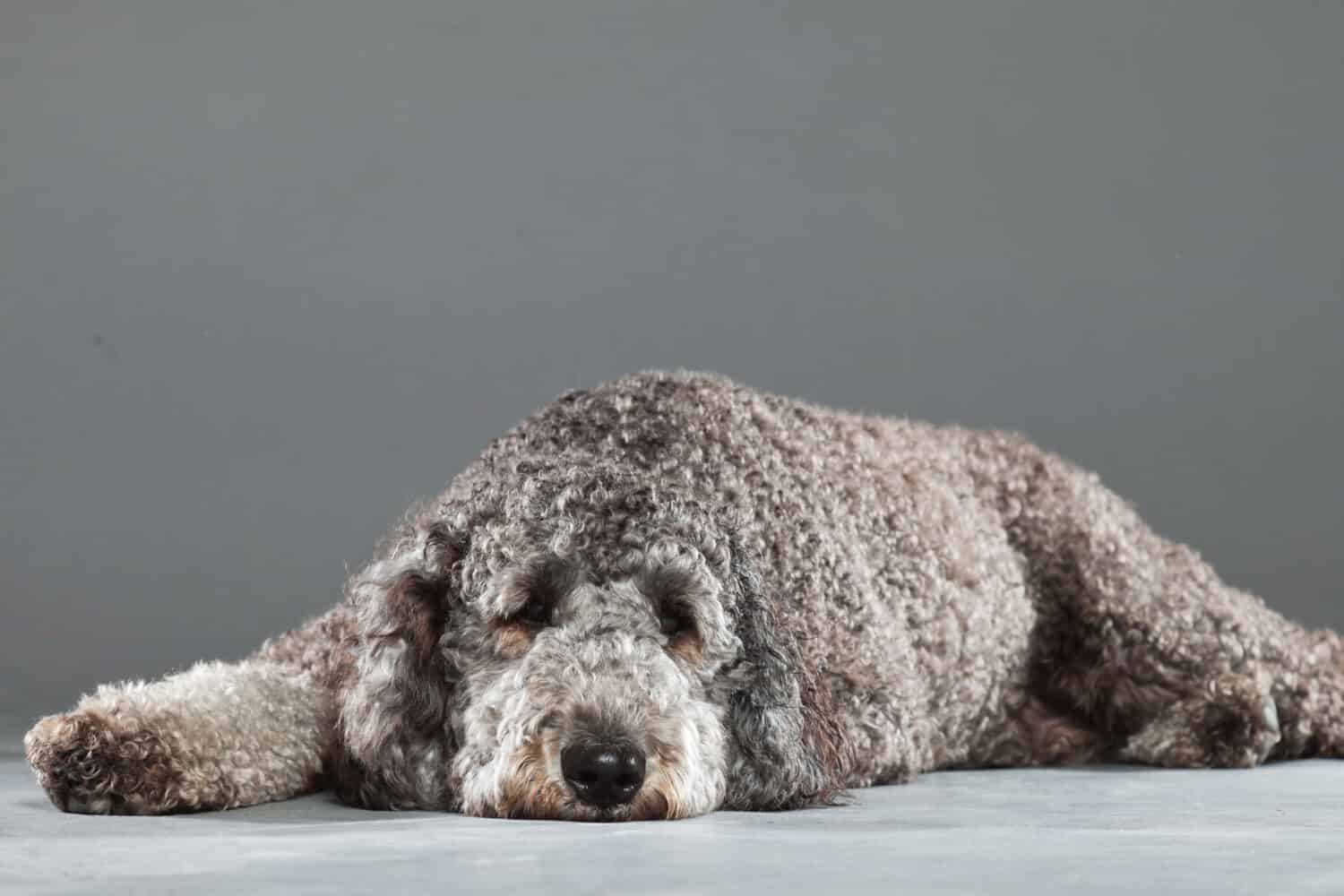
Silver Labradoodles retain their black skin pigment, unlike blue Labradoodles.
©Ysbrand Cosijn/Shutterstock.com
3. Phantom
Phantom is not a solid color but rather a pattern that describes specific markings. These Labradoodles may be any color, with a secondary hue above their eyes, along the outsides of the muzzle, on the chest, below the tail, and on all legs and feet. They are usually black or chocolate with lighter tan markings.
2. Lavender
Lavender is a light brown color that can appear to have a pink or purple tinge in some lighting. Just as blue is a dilute black, lavender is a dilute brown shade. Puppies may appear to be darker brown and fade into lavender within the first 3 years. Their skin pigment also fades, so their noses will be a rosy color instead of black.
1. Red
A deep red color in Labradoodles is the rarest of all. It’s especially rare for the red to stay dark throughout the Doodle’s life. Both parents must carry the recessive red gene, but this still does not guarantee that every puppy will be red, and many will fade to cream or apricot as they mature.
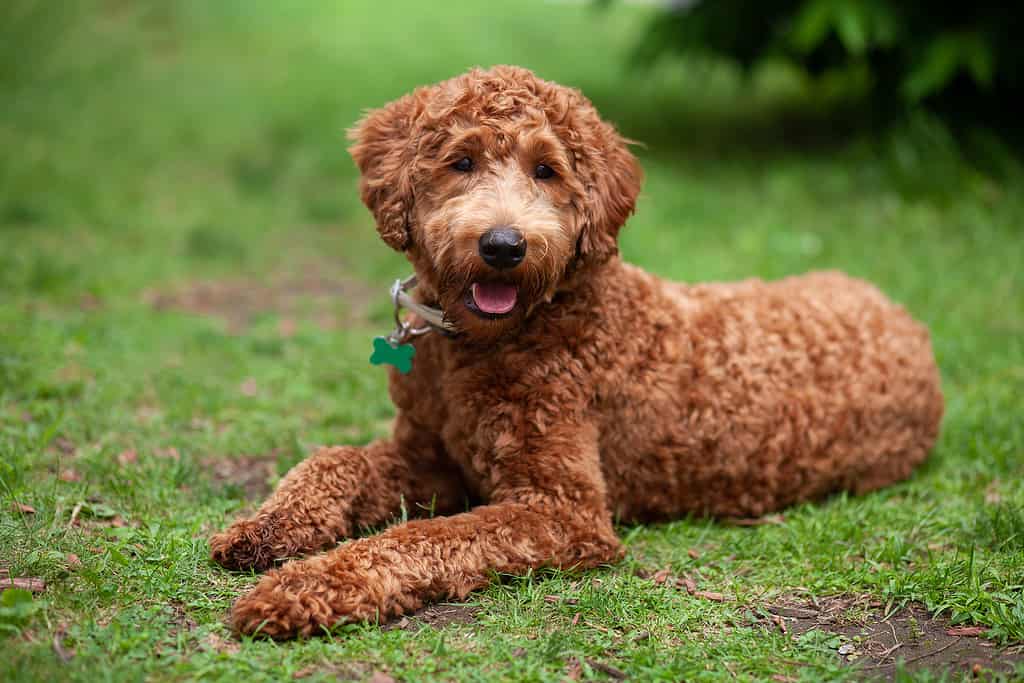
Red Labradoodles have deep, reddish-brown fur.
©iStock.com/EvgeniiAnd