
Quick Take
- One breed nearly vanished after a political upheaval, and a tiny group of survivors rebuilt it.
- This dog's ancestors are gone forever, yet their legacy is still trotting around today.
- Two literary giants reportedly kept this breed as a companion.
- Their signature walk is instantly recognizable, and there's an anatomical reason behind it.
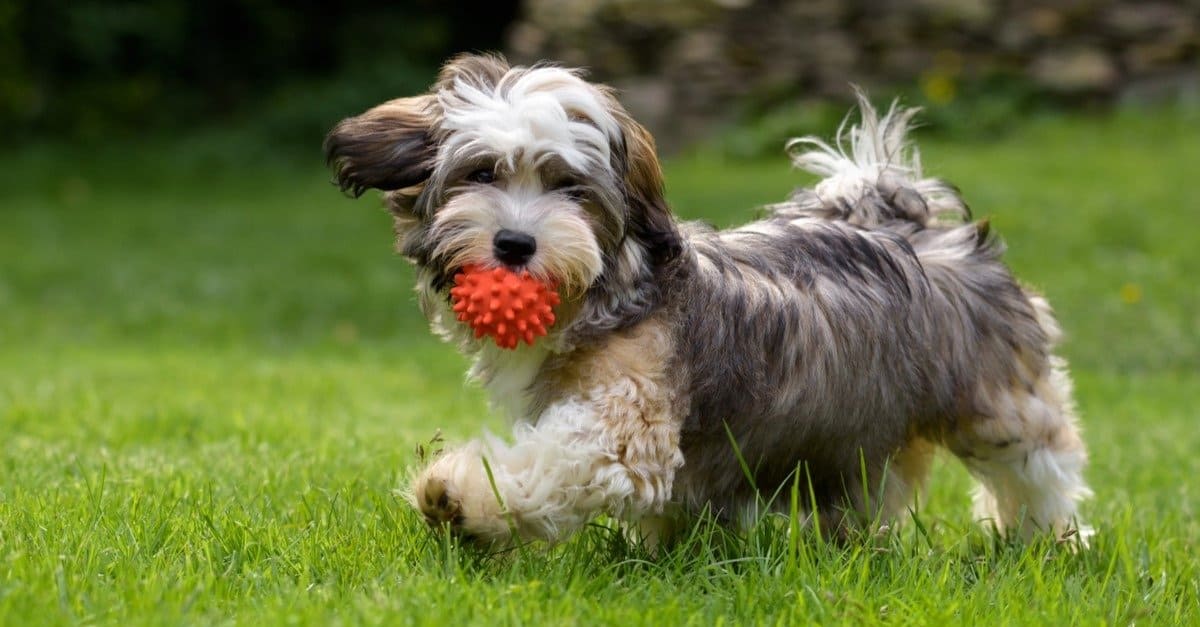
The Havanese is a bichon-type dog that has a sturdy physique, a long, silky coat, drooping ears, and a plumed tail carried arched over its back. Its bouncing movement makes it quite unique. They are a lively breed said to make fantastic pets and companions and are tolerant of most environments. However, the Havanese have high social needs and require regular grooming. Ready to learn more? Here are 10 incredible Havanese facts complete with adorable photos.
1. Havanese Were Developed From an Extinct Dog Species
Havanese are believed to be descended from the now-extinct Bichon Tenerife over 500 years ago. They lived on Tenerife Island, which is the largest island in the Canary Islands, located off the northwestern coast of Africa. According to the Havanese Club of America, Bichon-type dogs bred with Maltese dogs and Poodles created the Havanese.
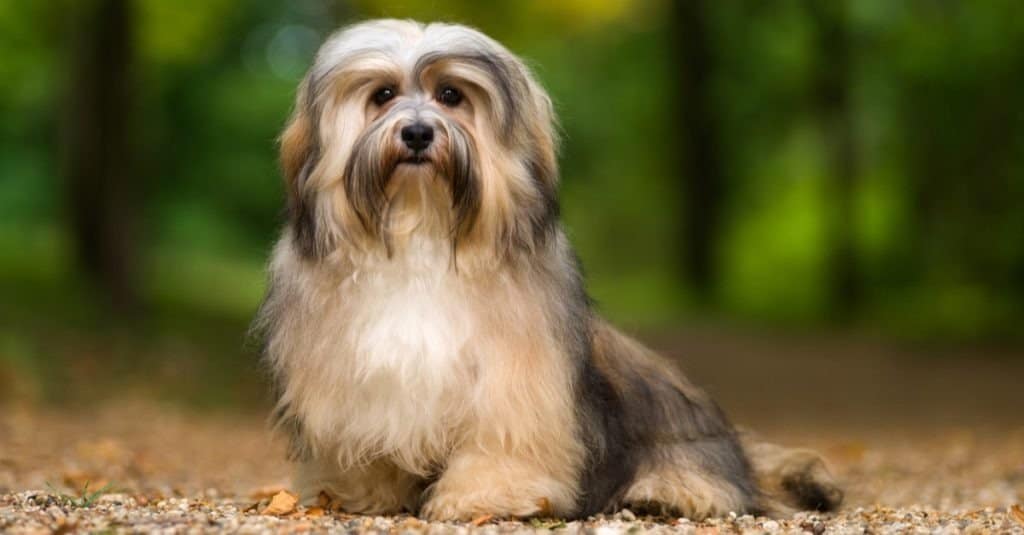
Havanese are descendants of the Bichon Tenerife.
©Dorottya Mathe/Shutterstock.com
2. Havanese Go By Different Names
The Havanese have a wide variety of other names, including the Havanese Cuban Bichon, Bichón Havanés, Havaneser, Havanezer, and Bichon Habanero. These dogs are also sometimes called the “Havana Silk Dog,” the same alternative name used for their predecessor, the Blanquito de la Habana.
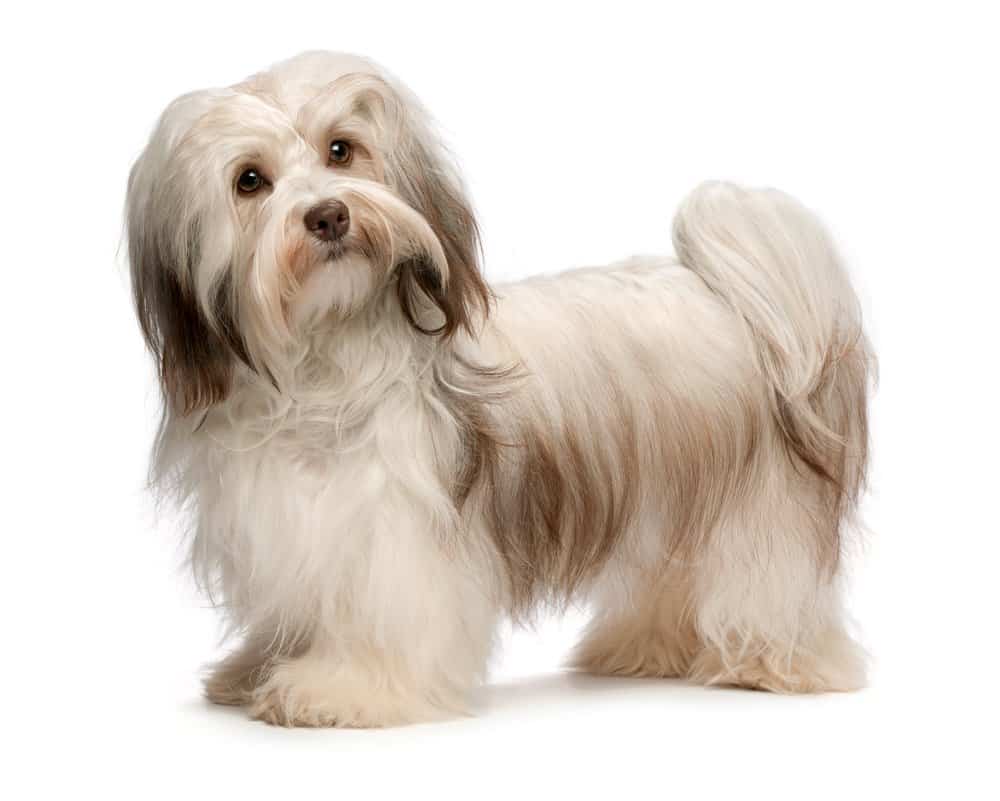
The Havanese dog is also referred to as the Havanese Cuban Bichon, among other names.
©Dorottya Mathe/Shutterstock.com
3. The Havanese Is the National Dog of Cuba
During the 1500s, trading ships’ logs indicated that Tenerife dogs were taken to Cuba. Ships’ captains were said to have given these dogs to wealthy Cubans as gifts to encourage trade. During the 18th and 19th centuries, the dogs were viewed as status symbols for the country’s upper classes. Today, the Havanese is the national dog of Cuba.

Havanese are the only dog breed native to Cuba.
©Kyle Reynolds/iStock via Getty Images
4. Havanese Almost Went Extinct
When Fidel Castro came to power in 1959, many Cubans fled the country, but few were able to escape with their dogs. In the 1970s, U.S. breeders acquired a stock of 11 dogs that had made it out of Cuba with their families. Through careful line-breeding, these breeders were able to save the Havanese from extinction.
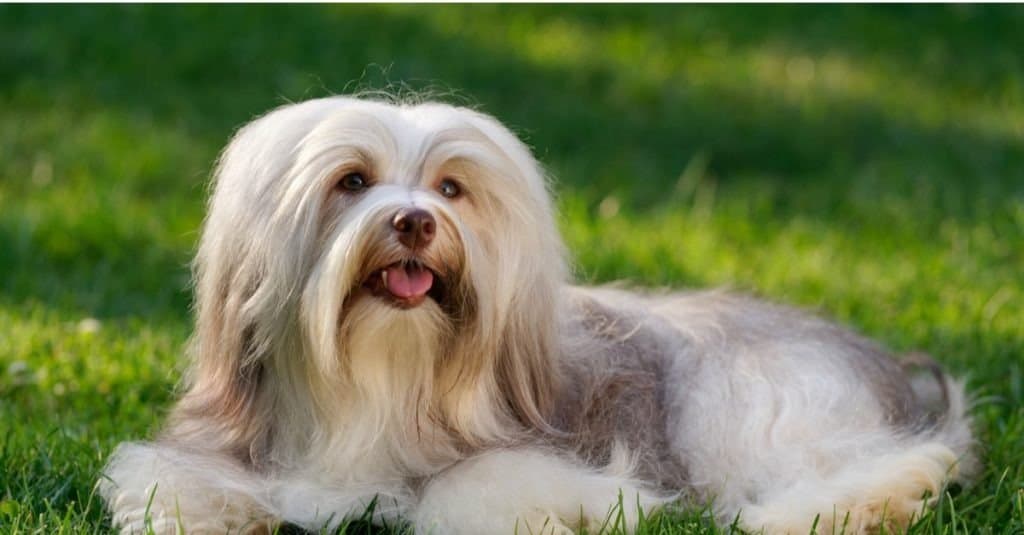
The Havanese almost went extinct in the 20th century.
©Dorottya Mathe/Shutterstock.com
5. Famous Writers Have Had Pet Havanese
In the mid-1800s, Charles Dickens is believed to have owned a Havanese named Timber Doodle that he acquired on a visit to America. Hemingway is also said to have owned either one or two Havanese during his 20 years of living in Cuba.
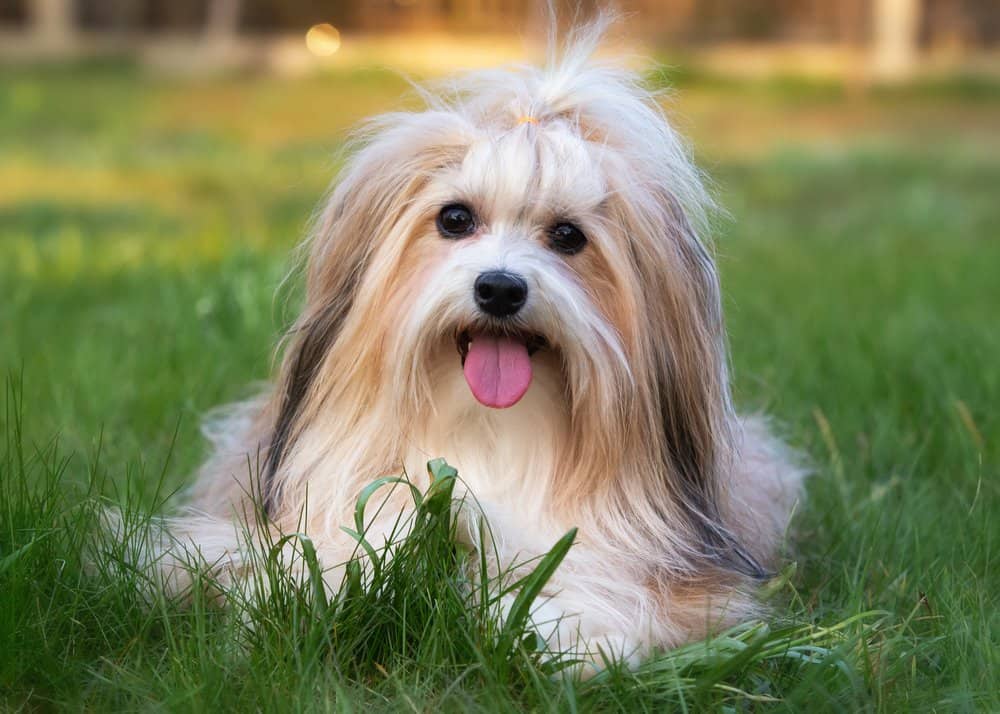
Charles Dickens owned a Havanese during the Victorian period in England.
©Sandra Huber/Shutterstock.com
6. Havanese Are Smart and Easy to Train
Havanese are intelligent and eager to please their owners. This is why they are typically easy to train using positive reinforcement methods. Havanese work as assistance dogs, therapy dogs, and even signaling dogs for the hearing impaired. They do very well in dog sports, including agility, flyball, musical canine freestyle, and obedience training. Havanese even have a history as circus performers.
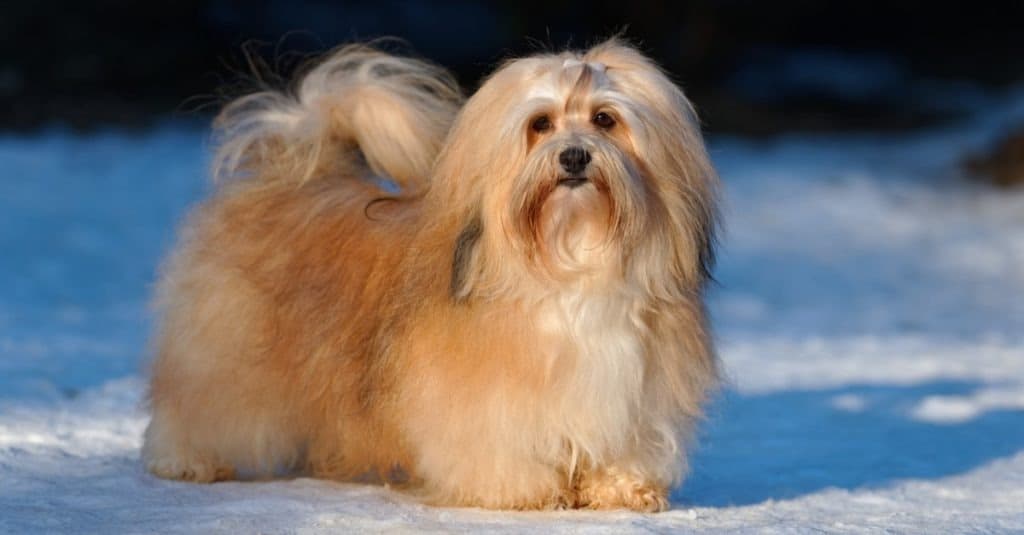
Havanese make excellent show dogs and are easy to train.
©Dorottya Mathe/Shutterstock.com
7. They Are Some of the Most Loyal Dogs in the World
One of the most incredible facts about Havanese dogs is how loyal and affectionate they are. Make sure you don’t mind having a “shadow” behind you all the time before you adopt a Havanese as a pet. When you move around the house, this “velcro” dog experiences what is known as “separation anxiety,” which makes them immediately fear that they will be left behind. On the plus side, these dogs also make some of the world’s best companions. Because of their bond to their owners, they are incredibly loving and devoted.
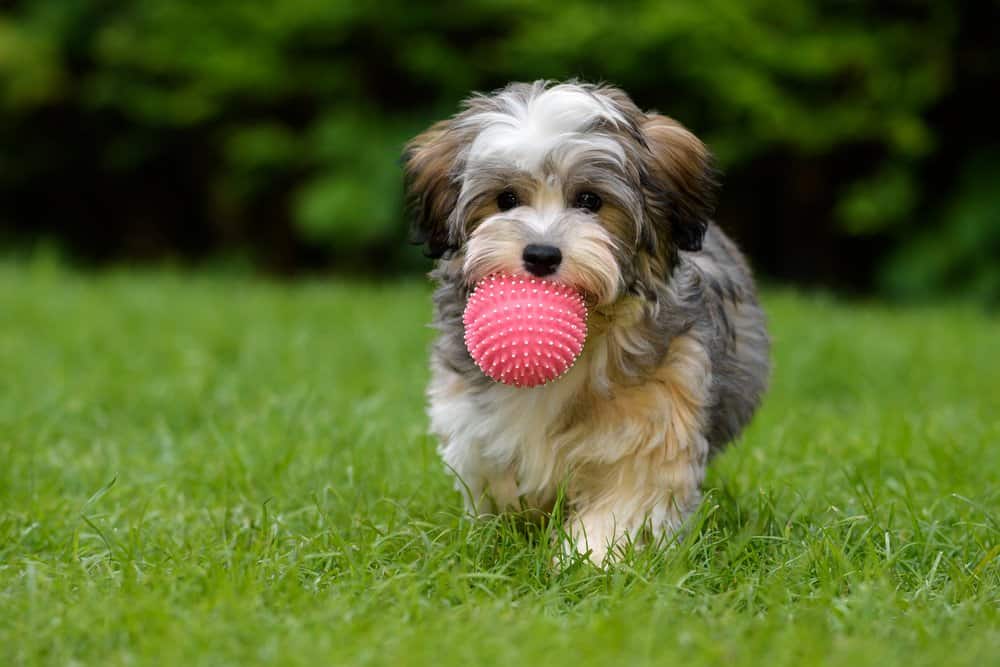
Havanese are loyal and devoted companions.
©Dorottya Mathe/Shutterstock.com
8. They Have a Particular Type of Walk
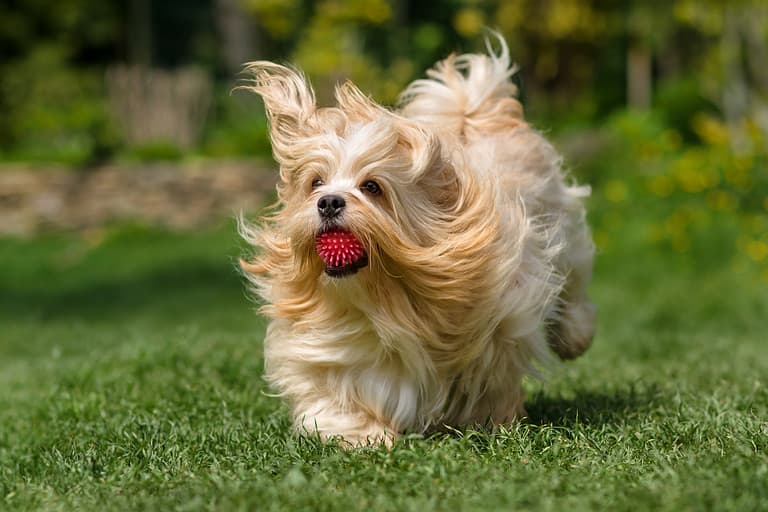
One of the most amazing things about Havanese dogs is that they can be immediately identified by their light-footed, “springy” gait. Their signature gait is believed to result from their relatively short upper limbs and the good extension and drive from their hind legs. As a result, rather than just walking, Havanese dogs seem to be bouncing.
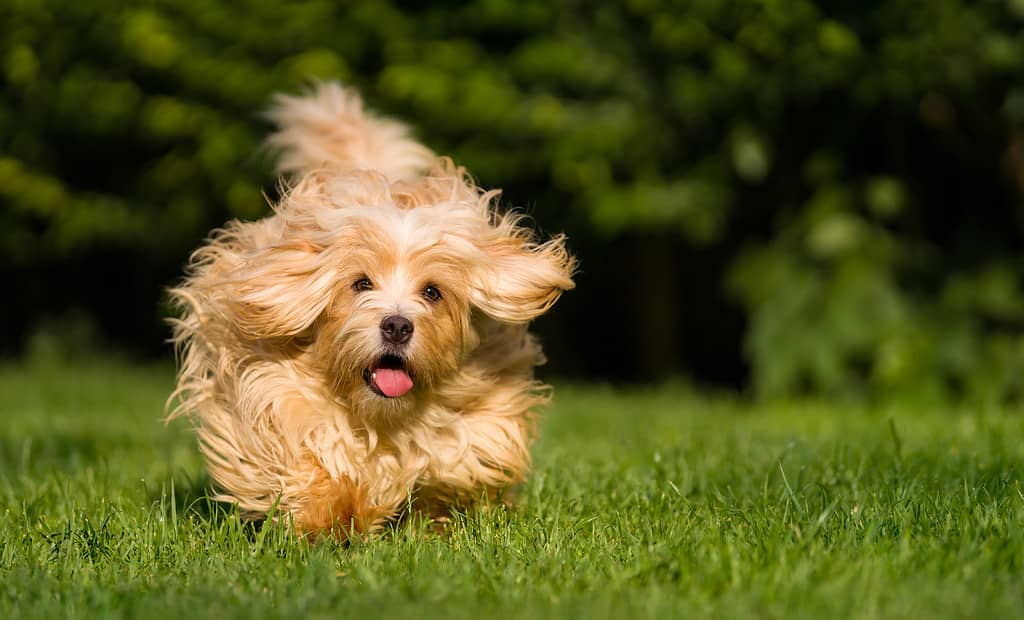
Havanese dogs have a unique, springy gait due to their strong back legs and short front limbs.
©Dorottya_Mathe/iStock via Getty Images
9. Havanese are Very Curious, Active Dogs
Havanese are some of the most bouncy and inquisitive dogs. These dogs need plenty of playtime or a few brisk walks each day. They enjoy exploring, learning new tricks, and having fun while accompanying their owner, whom they follow everywhere they can.

Havanese dogs enjoy being active, exploring, and doing activities with their owners.
©Sandra Huber/Shutterstock.com
10. They Are Considered Low Shedding
Havanese shed less than most breeds. Although no breed is truly allergy-proof, the Havanese could be a great choice for those with mild to moderate allergies. Havanese have a long, silky, double coat, and any loose hair tends to get caught in their coat instead of getting on your clothes or furniture. However, they do need daily brushing to ensure they remain free of mats.
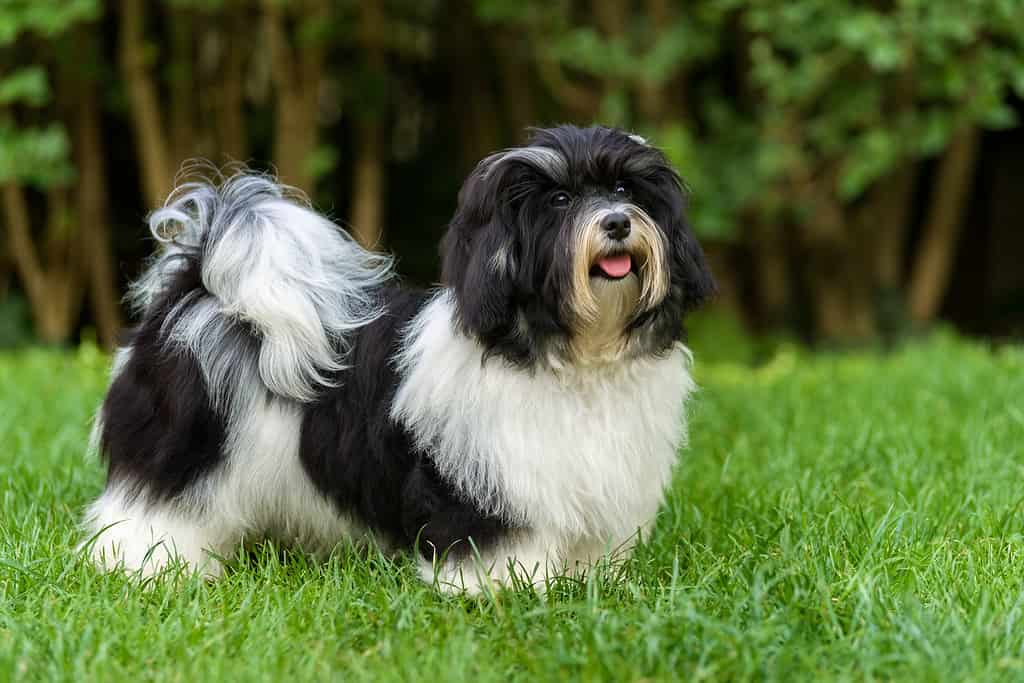
Loose hair tends to get caught in the Havanese’s coat instead of getting on you or your furniture.
©Dorottya_Mathe/iStock via Getty Images