Tiny ants can be big characters in popular books. Even though their world may be insect-sized, ants fascinate readers of all ages for both their industriousness and their role in the ecosystem. Books about ants are available for every reading level, from children’s picture books to research-based scientific papers and guides.
There are also plenty of books about caring for ants. You can have these fun little insects as pets and watch how they work together to create their environment. Conservation and eco-friendly steps can also protect ants and make sure that they are able to play their role in the environment.
Whether you have a child who loves ants or just wants to learn more about them yourself, here are our favorite books about ants.
#1 Best Overall: National Geographic Kids Ultimate Bugopedia by Darlyne A. Murawski (Author), Nancy Honovich (Author)
In our review, the best overall book about ants is the National Geographic Kids Ultimate Bugopedia. Even though our top pick isn’t exclusively about ants and includes information on other insects from ladybugs to honeybees, it is one of the best guides out there. This hardcover book features information on various species, including their scientific name, habitat, eating habits, and other fun facts. It has plenty of pictures, many of which are close-ups. It is one of the best that we’ve seen for getting a really close look at bugs’ bodies.
The Bugopedia also has sections that show how different species interact and how they are related within the larger animal kingdom. Because ants are so plentiful and interact with so many other insects around the world, we love that this book goes into detail about all of those things. You can see how an insect is born, how colonies work, and other fun facts. The colorful backdrops and call-out boxes make it easy for even young readers to stay interested as they read.
The “How to Use” section should get special attention. It introduces readers to the concept of an encyclopedia and provides helpful tips to make the most out of the book and their study. This is a valuable skill that your reader can apply to other reference books as well. Overall, this book does a great job not only teaching readers about ants but preparing them to be curious readers about a variety of topics.
A few reviewers said that this book isn’t as engaging as some other bug books.
Pros and Cons of #1 Best Overall: National Geographic Kids Ultimate Bugopedia by Darlyne A. Murawski (Author), Nancy Honovich (Author)
| Pros | Cons |
|---|---|
| This book is one of the best guides to bugs of all kinds, not just ants. | It’s only available in hardcover format. |
| It includes on a wide variety of species, including their scientific name, habitat, eating habits, and other fun facts. | A few reviewers said that this book isn’t as engaging as some other bug books. |
| It features lots of pictures, including many close-ups of bugs’ bodies. | |
| It shows how different bug species interact and how they are related within the larger animal kingdom. | |
| Your child will learn how ants are born, how colonies work, and other fun facts. | |
| Colorful backdrops and call-out boxes maintain kids’ interest. | |
| The “How to Use” section introduces young readers to the concept of an encyclopedia and teaches them how to make the best use of the book. |
2. Best for Babies: Discovering the Active World of the Anthill by Petra Bartikova and Magdalena Takacova (Author)
Discovering the Active World of the Anthill by Petra Bartikova and Magdalena Takacova (Author) is a board book that’s extra sturdy for baby and toddler hands. The pages are shaped like an anthill and your reader can pull them back to reveal more facts and illustrations that teach them all about ants. The illustrated ants are also adorable, with little speech bubbles as they talk to each other about their habitat, eating habits, and lifecycle.
The illustrations of the various types of ants are particularly good. From the queen ant who wears a tiny crown to the guard ants on duty, they are easy enough for even young children to understand. The book is a bit busy for tiny babies. But, they will enjoy turning the anthill-shaped pages and interacting with the different viewing holes for the anthill. Older siblings will probably get more out of the information and facts.
A couple of reviewers said that this book didn’t hold their child’s attention.
Pros and Cons of Discovering the Active World of the Anthill by Petra Bartikova and Magdalena Takacova (Author)
| Pros | Cons |
|---|---|
| This board book is extra sturdy. | The book may be a bit “busy” for tiny babies. |
| The pages are shaped like an anthill and your child can pull them back to reveal more facts and illustrations to teach them all about ants. | It’s only available in board book format. |
| The illustrated ants are adorable, with speech bubbles that explain about their habitat, eating habits, and lifecycle. | A couple of reviewers said that this book didn’t hold their child’s attention. |
| The illustrations of the different types of ants, such as the queen, are particularly good and easy for even young kids to understand. | |
| Babies will enjoy turning the pages, but older kids will understand more of the information and facts. |
3. Best for Social Skills: I Have Ants in My Pants by Julia Cook (Author) and Carrie Hartman (Illustrator)
I Have Ants in My Pants by Julia Cook (Author) and Carrie Hartman (Illustrator) is perfect for kids who can’t sit still like they, well…have “ants in their pants.” This fun book references ants that must be in main character Louis’ pants because he just can’t sit still. A former teacher and school counselor — who knows just how much kids can struggle to keep ants in check — wrote the book.
The book, which is available in Kindle and paperback picture book format, also includes strategies that readers can use to “be the boss of their ants.” Fun songs and a wiggle dance are good ways that kids can control their own ants. This book is best for elementary-aged kids who are starting to develop and practice impulse control.
A couple of readers said that they found this book to be annoying and that their children couldn’t focus on the story.
Pros and Cons of I Have Ants in My Pants by Julia Cook (Author) and Carrie Hartman (Illustrator)
| Pros | Cons |
|---|---|
| This book is about a kid who can’t sit still like he has “ants in his pants.” | A couple of readers said that they found this book to be annoying and that their children couldn’t focus on the story. |
| It was written by a former teacher and school counselor. | |
| It includes fun songs and a wiggle dance designed to help kids control the ants in their pants. | |
| It’s best for elementary-aged kids who are starting to learn how to practice impulse control. | |
| It’s available in Kindle and paperback picture book formats. |
4. Best for Ant Farmers: Ant Farms – The Ultimate Formicarium Handbook by Angela Hayes
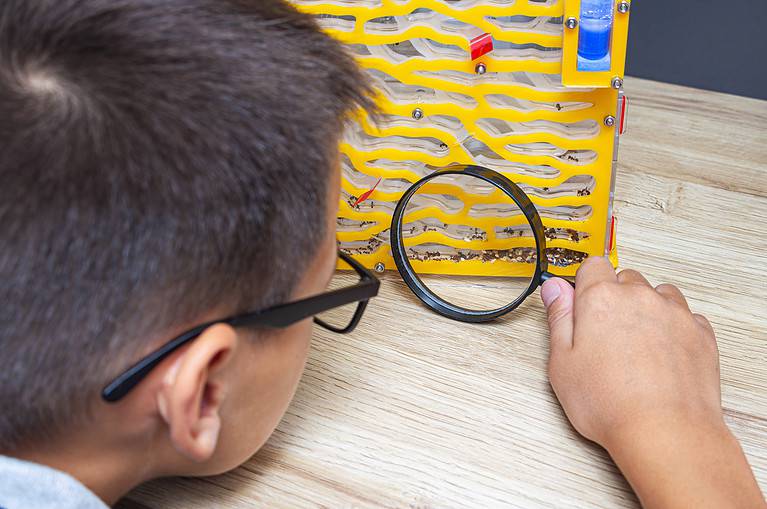
If you want to start an ant farm, also known as a formicarium, Ant Farms – The Ultimate Formicarium Handbook by Angela Hayes is the guide that you need. It details how to grow and sustain an ant colony. The queen ant is the most important member of the colony and this book focuses on how to keep her healthy and thriving. It also has plenty of information about their feeding habits and what they need in an environment. There are recommendations for the right setup, size guides, and even information about different ant species and how to care for them.
Even if you already have an ant farm, this guide, which is available in Kindle and Paperback formats, will explain any unusual behavior or problems that you may face. The sections on “Ants Under the Microscope” and “Exploration of Ant Behavior” will be particularly helpful for those who already have established colonies but want to help their ants live their best lives. It can also help you manage a growing population and even start new colonies. The reading level is a bit above most elementary-aged kids, who may be the primary caretakers of an ant farm. It does require some adult help with the material, but the recommendations and action steps are simple enough for kids to take care of.
A couple of readers were unimpressed by the quality of the information in this book, saying that most of it was readily available on the internet and that some of it was inaccurate.
Pros and Cons of Ant Farms – The Ultimate Formicarium Handbook by Angela Hayes
| Pros | Cons |
|---|---|
| This guide will teach you how to start and sustain an ant colony. | The reading level is beyond most elementary-aged kids, who may be the primary caretakers of an ant farm, so they’ll need you to help with the reading material. |
| You’ll learn how to keep the queen ant healthy and thriving. | A couple of readers were unimpressed by the quality of the information in this book, saying that most of it was readily available on the internet and that some of it was inaccurate. |
| It includes lots of info on ants’ feeding habits and environmental requirements. | |
| You’ll find recommendations for the right setup, size guides, and even information about different ant species and how to care for them. | |
| If you already own an ant farm, this guide will help you troubleshoot any issues that you may experience. | |
| It’s available in Kindle and Paperback formats. | |
| It can help you manage a growing population and even start new colonies. |
5. Best Conservation Book: Bees, Wasps, and Ants: The Indispensable Role of Hymenoptera in Gardens by Eric Grissell
If you’ve ever wondered what role ants play in the larger ecosystem, Bees, Wasps, and Ants: The Indispensable Role of Hymenoptera in Gardens by Eric Grissell is for you. This author holds a doctorate in entomology from the University of California, Davis, and has worked in conservation with the Florida Department of Agriculture and the U.S. Department of Agriculture at the National Museum of Natural History. He brings all of that experience and knowledge to a guide that even the average person can read and enjoy.
This book, which is available in hardcover and paperback, divided into two parts so you can flip through it as needed without having to sit down and read it cover-to-cover. Part one focuses on the anatomy of ants, as well as bees and wasps. This is also where it details ways that you can design and grow a garden that is hospitable for these little guys. Not only is that good for the environment but ants, bees, and wasps are good for your garden as well.
Part two goes into more detail about the different species. The book as a whole includes information about many members of the Hymenoptera, not just ants. There are over 150,000 species within the order, but don’t worry. This helpful guide only focuses on the most well-known ones that gardeners are likely to come in contact with. These include sawflies, horntails, woodwasps, parasitic wasps, predatory wasps, bees, and ants.
One reviewer said that the book was “a bit of a slog,” a bit more technical than they would have liked. A couple of other readers didn’t like how the author grouped all three insects together instead of breaking them up into separate sections.
Pros and Cons of Bees, Wasps, and Ants: The Indispensable Role of Hymenoptera in Gardens by Eric Grissell
| Pros | Cons |
|---|---|
| This book was written by Eric Grissell, who holds a doctorate in entomology from the University of California, Davis and has worked in conservation with the Florida Department of Agriculture and the U.S. Department of Agriculture at the National Museum of History. | One reviewer said that the book was “a bit of a slog,” a bit more technical than they would have liked. |
| It’s available in hardcover and paperback and is divided into two parts. | A couple of other readers didn’t like how the author grouped all three insects together instead of breaking them up into separate sections. |
| The first part covers the anatomy of ants, bees and wasps and details how you can design and grow a garden that’s hospitable to these insects. | |
| Part two goes into detail about the different species, focusing on those that gardeners are most likely to come into contact with. |
6. Best Field Guide: National Geographic Pocket Guide to Insects of North America by Arthur Evans
National Geographic Pocket Guide to Insects of North America by Arthur Evans is another book that focuses on insects and spiders broadly rather than just ants. But it is a fantastic guide that provides all of the information that you need to identify and understand ants that are commonly found in North America. It is also pocket-sized and perfect for taking “into the field” or the backyard with you to explore.
The real benefit of carrying this guidebook, which is only available in paperback, is how easy it is to identify ant species with the photos, illustrations, and descriptions included. The book organizes the various species by taxonomy, so you can learn more about other insects that are closely related as well.
Several reviewers said that this guide doesn’t include all North American insects and that it doesn’t include enough photographs for identification.
Pros and Cons of National Geographic Pocket Guide to Insects of North America by Arthur Evans
| Pros | Cons |
|---|---|
| This guide covers insects and spiders, not just ants. | It’s only available in paperback. |
| It’s pocket-sized and perfect for taking into the field. | Several reviewers said that this guide doesn’t include all North American insects and that it doesn’t include enough photographs for identification. |
| It includes photos, illustrations, and descriptions to help you identify insects and spiders. | |
| It organizes various species by taxonomy. |
How to Choose the Best Book about Ants
A few things to consider before selecting a book are listed below.
- Reading Level
- Interaction with Ants
- Portability
Let’s look at each one of these in more detail.
Reading Level
Books for children, such as board books and picture books, are typically written at a lower reading level than those for adults. They include simpler language and shorter sentences, and can also have illustrations and photos to help explain scientific concepts. They may have some scientific vocabulary, especially when it comes to scientific naming.
This doesn’t mean that kids’ books aren’t fun for adults to read, however. Some of the best encyclopedias about animals and insects are written with a younger audience in mind. They are still a fun and informative resource for adult readers.
Interaction with Ants
No, ants may not interact with your book. But you should think about how and if you plan to interact with ants before choosing the right book for your needs. If you want to start an ant farm, look for a book that gives you the steps and best practices for taking care of ants. For gardeners who want ants in their outdoor space, look for a book with gardening tips. If you just want to learn more about these amazing little insects, an encyclopedia is the best bet.
Portability
Going outdoors to get an up-close look at ants in their natural habitat? You’re going to need a book that is portable and full of helpful pictures and diagrams for easy identification. A field guide or pocket guide is designed to be carried with you and can fit into a bag or pocket easily. Larger books can also be carried outside but may not be as portable. They can include more detailed illustrations and diagrams, however.
The 4 Different Types of Books about Ants
Books can be written for different audiences and purposes. Here are some of the most common types of books about ants.
- Children’s Books: Board books and picture books fall into this category. They are made for smaller hands that can be more rough-and-tumble with their books. Board books are especially good for infants and toddlers who pull or chew on the corners of their books. They often feature ants as fun characters, although they can also be educational.
- Encyclopedias: These can be written for children or adults. But both are full of information, fun facts, diagrams, illustrations, and photos. You can encyclopedias that include many species of insects or those focusing just on ants. They will almost always have information about the ant’s species, scientific name, and taxonomy to help you understand how they fit into the larger world.
- Care Guides: Whether you are starting an ant farm or a garden, these books are good guides to help you take care of the environment and make it conducive for ants. Ants are relatively self-sufficient and industrious, two qualities that make them so fascinating. With the right environment, they can do amazing things.
- Field Guides: Want to identify ant species out in the wild? You need a field guide. These focus on distinctive characteristics, behavior, and habitat that make it possible to identify insects, including ants. The best have many species, are organized easily, and have plenty of detailed photographs. They can be large or small, although most can fit into a bag or pocket to take with you in the field.