
Quick Take
- One gator's stomach held five dog tags. What else was inside?
- A hunting trio spent two hours battling a near-record reptile on one river.
- Scientists strapped GPS trackers to gators, and the results defy the idea that they stay put.
- Gators turn up in a city park, far from any swamp. Which river sends them there?
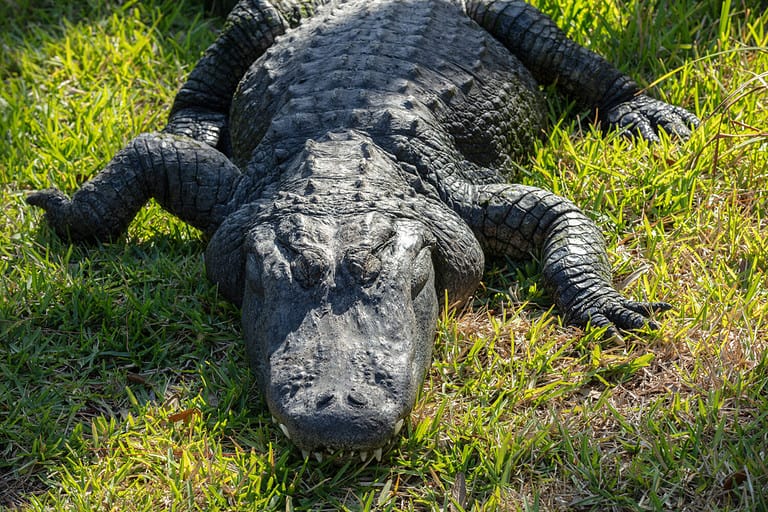
Over 100,000 alligators live in South Carolina’s coastal areas, lakes, swamps, and 29,898 miles of meandering rivers. South Carolina is divided by the Fall Line, a 900-mile-long natural boundary. It runs alongside U.S. Highway 1. Above the Fall Line is the Piedmont plateau region, and below is the Atlantic Coastal Plain. The Coastal Plain is where most alligators reside. Let’s discover the top seven most alligator-infested rivers in South Carolina.
Great Pee Dee River
The 232-mile-long Great Pee Dee River is named for the Native American tribe that resided along the banks. The river begins in North Carolina’s Appalachian Mountains and pours into the Atlantic Ocean near Georgetown. Anglers and hunters say the Pee Dee River has its fair share of alligators, and these gators travel up Jeffries Creek into the City of Florence.
The lower part of the Pee Dee River, from Highway 378 to Winyah Bay, is a scenic river with numerous boat landings. However, it’s still a wild river with many animals living in the waters and on its shores. Bald eagles frequent its waters alongside herons and alligators.

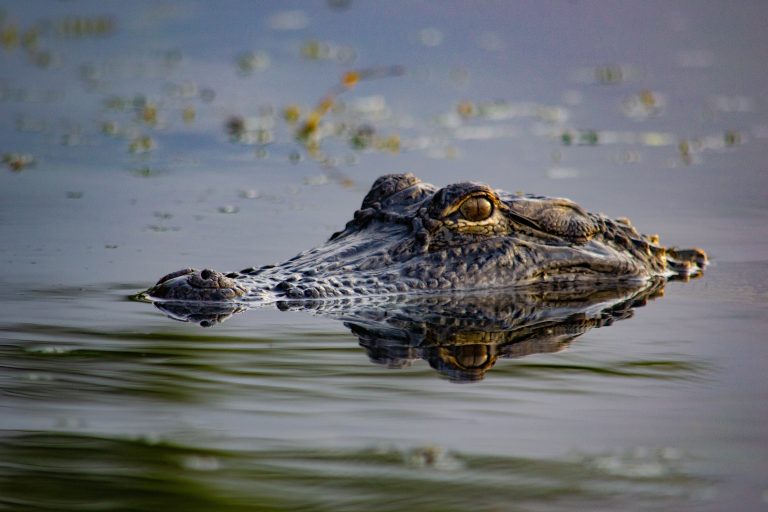
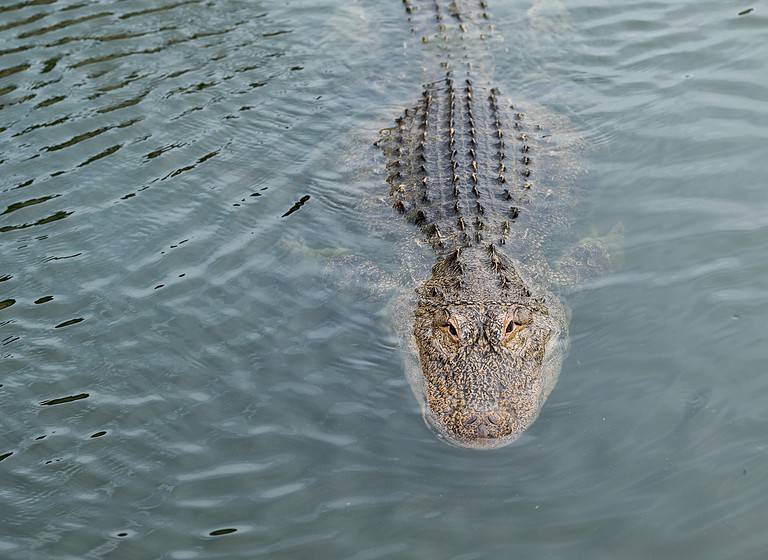
Alligators live in the Great Pee Dee River alongside herons, numerous fish species, and turtles.
©Don Fink/Shutterstock.com
Little Pee Dee River
The 116-mile Little Pee Dee River joins the Great Pee Dee River, so it’s no surprise alligators inhabit its waters, too. From U.S. Highway 378 Bridge to its merge with the Great Pee Dee, this river is a State Scenic River. It flows through Marion County and Horry County before joining the Great Pee Dee River near Yauhannah.
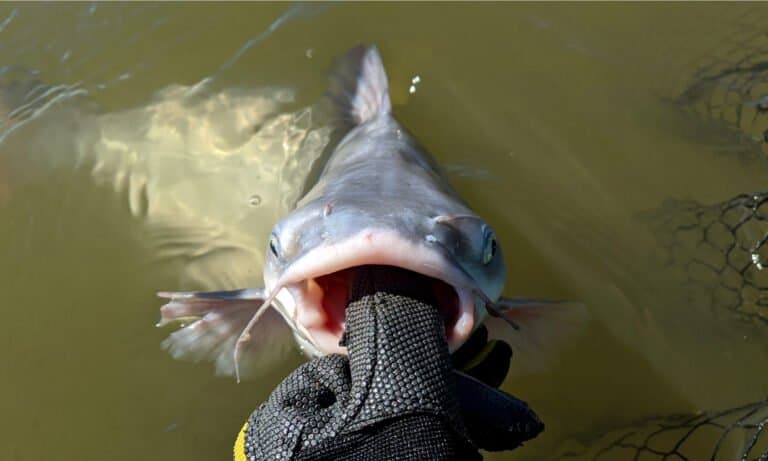
The scenic river section includes cypress-tupelo swamps, freshwater sandy stream bars, and all good alligator habitats. Freshwater fish like redbreast, bluegill, bass, crappie, and catfish keep the plentiful alligator population well-fed. Other animals thriving in and around Little Pee Dee River are water snakes, turtles, otters, and beavers.
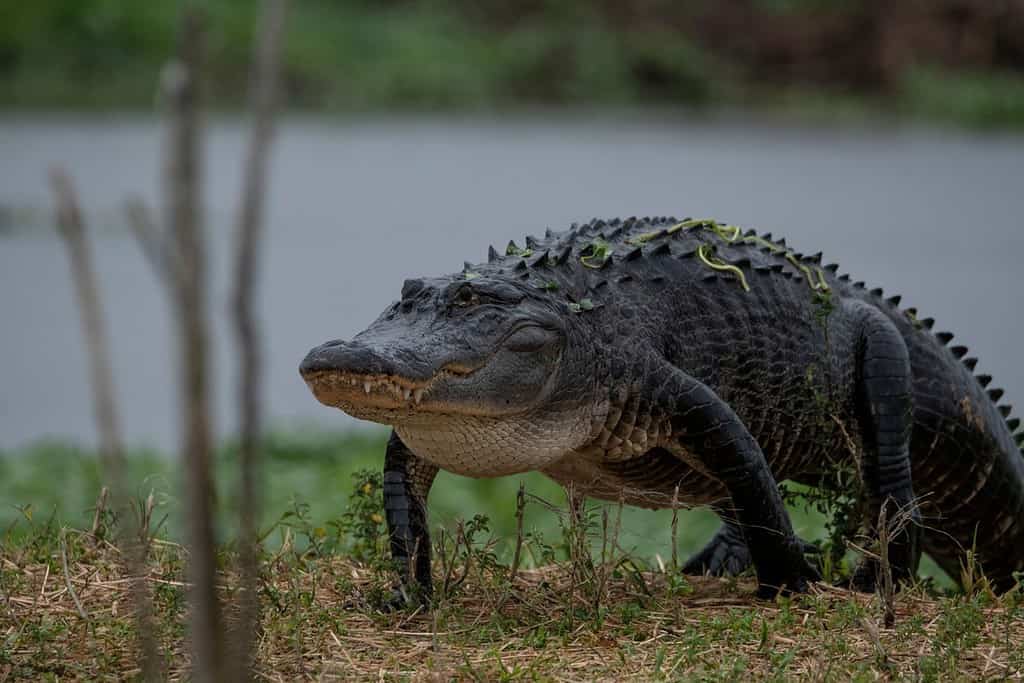
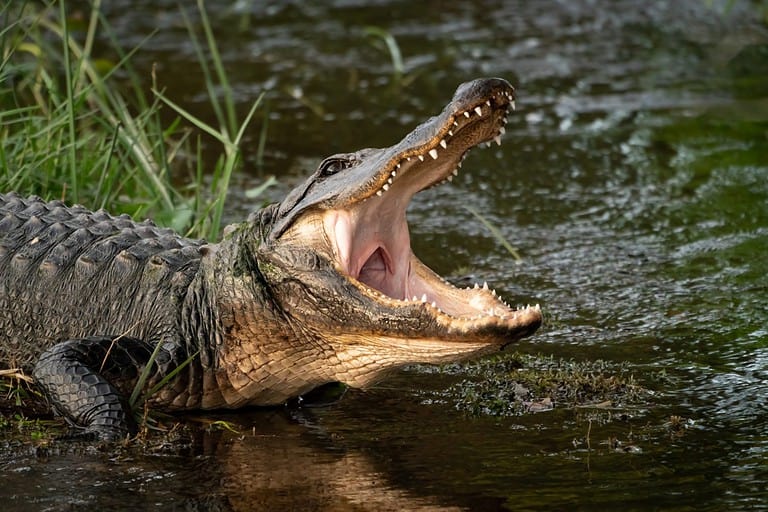
Alligators inhabit the cypress-tupelo swamps and riverbanks of the Little Pee Dee River.
©Wirestock Creators/Shutterstock.com
Edisto River
The Edisto River winds its way through the low country. It’s slow-moving and surrounded by palmetto thickets, swamps, and marshes, which are perfect alligator environments. In 2021, a 12-foot-long, 445-pound alligator was found along the Edisto River. When its stomach was opened, five dog tags, bobcat claws, and turtle shells were discovered inside. That’s a real eye-opener into what alligators in the Edisto River eat.
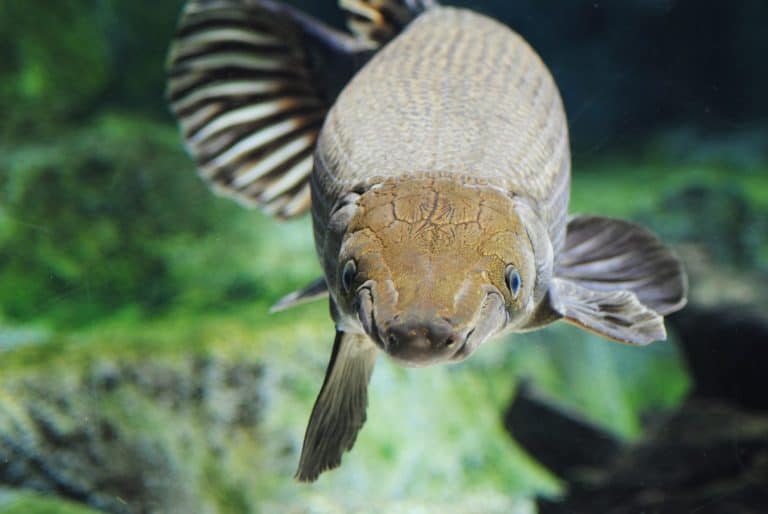
This river is a long, free-flowing blackwater river. It stretches over 150 miles from Saluda and Edgefield Counties to the Atlantic Ocean via South Carolina’s Edisto Beach. Carp, longnose gar, American eel, and redbreast sunfish also thrive in its waters.

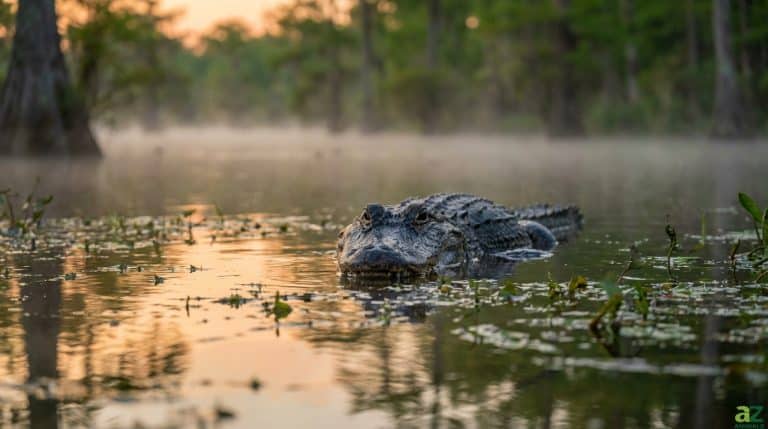
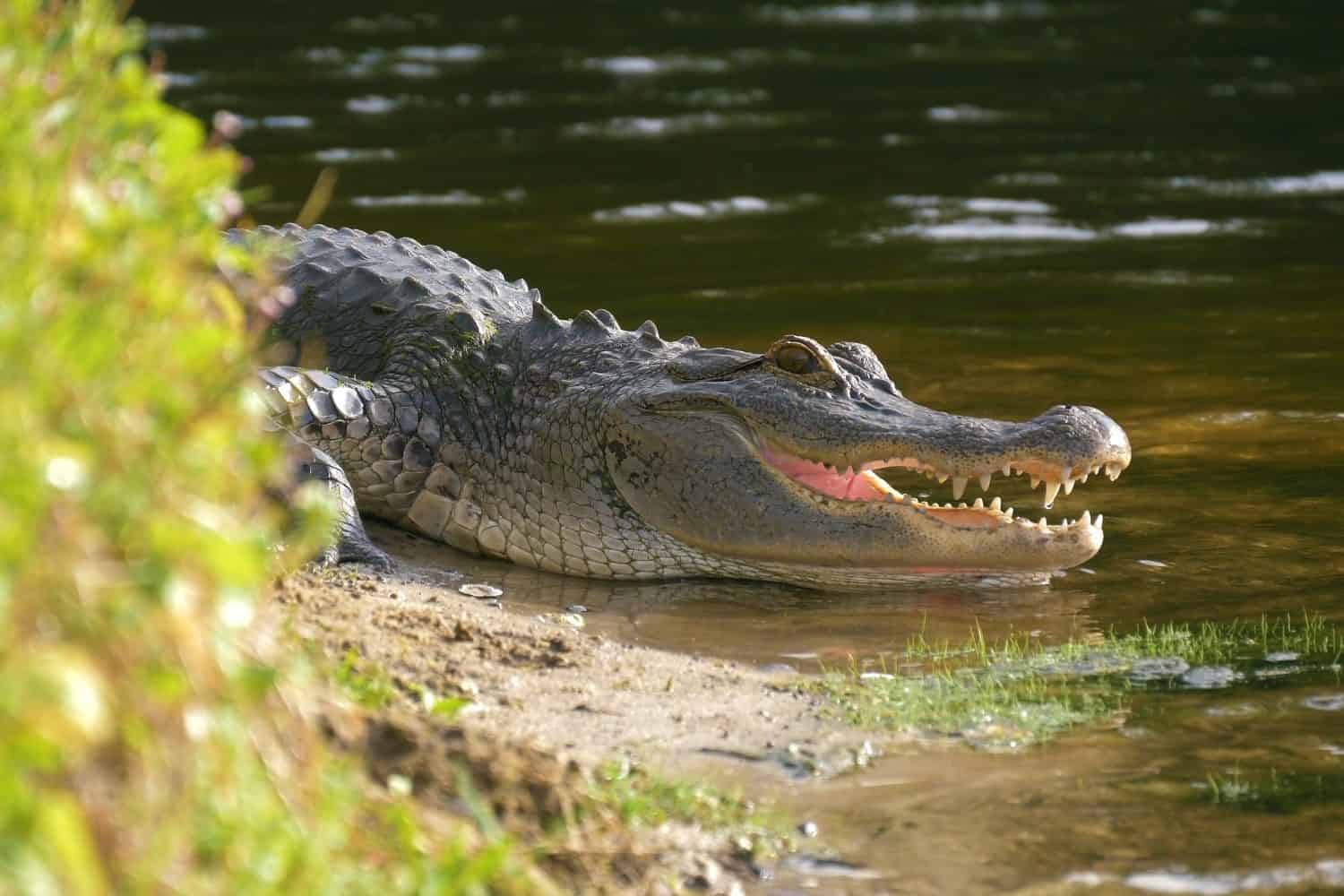
The Edisto River provides perfect habitats for alligators.
©Serge Skiba/Shutterstock.com
Waccamaw River
One of South Carolina’s longest alligators was recently captured in the Waccamaw River. A 12-foot-8-inch alligator weighing nearly 600 pounds was captured in September of 2026 along the Waccamaw River between Georgetown and Myrtle Beach. Locals have reported multiple alligator sightings along this stretch of slow-moving water for decades.
Waccamaw River flows from Lake Waccamaw in North Carolina to Winyah Bay in South Carolina. The wildlife habitat areas here are second to none. This is a wild area of the Coastal Plain and an alligator stronghold. The sturdy but pliable riverbanks create excellent alligator holes and nesting sites. Numerous water bird species and fish provide rich nutrition, too.
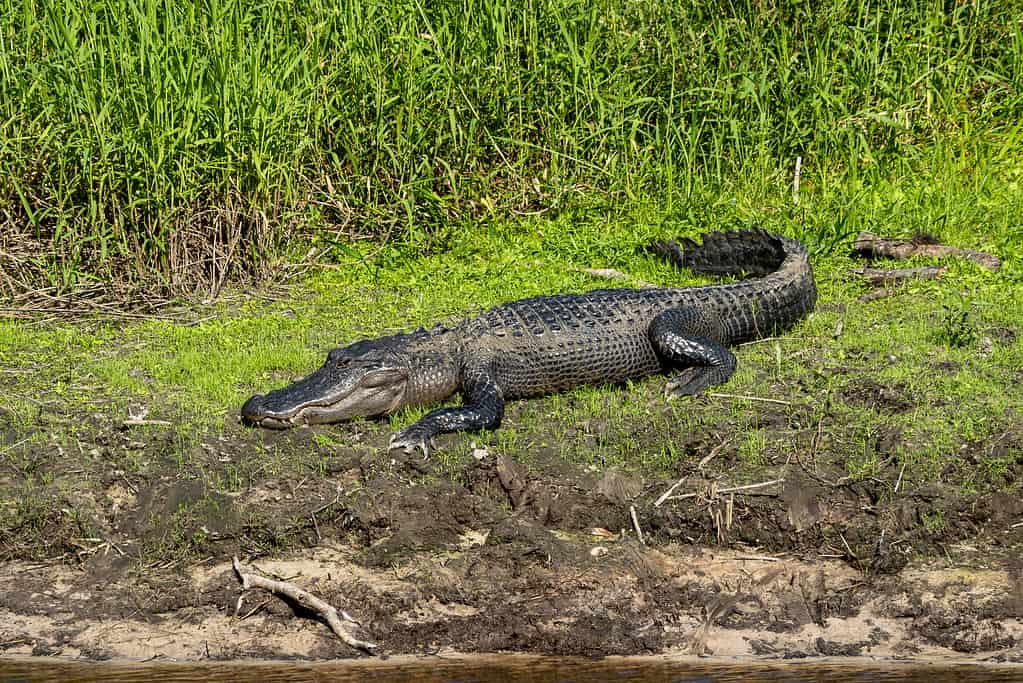
South Carolina’s longest-ever alligator was captured in the Waccamaw River.
©FlagtailsPhotography/iStock via Getty Images
Santee River
The Santee River is home to a thriving population of alligators feeding on its abundant fish, water birds, and mammals. Wildlife officials note that very large alligators are common in the Santee National Wildlife Refuge. The Santee River system forms the northeast boundary of the refuge.
143-mile-long Santee River drains most of southeastern South Carolina and flows into Lake Marion’s northwest corner. Lake Marion has over 100 alligators in its shallows, swamps, and coves. Santee River is alligator-infested from its headwaters at the confluence of Congaree and Wateree Rivers, through Lake Marion, and into Santee Point, where it flows into the Atlantic Ocean.
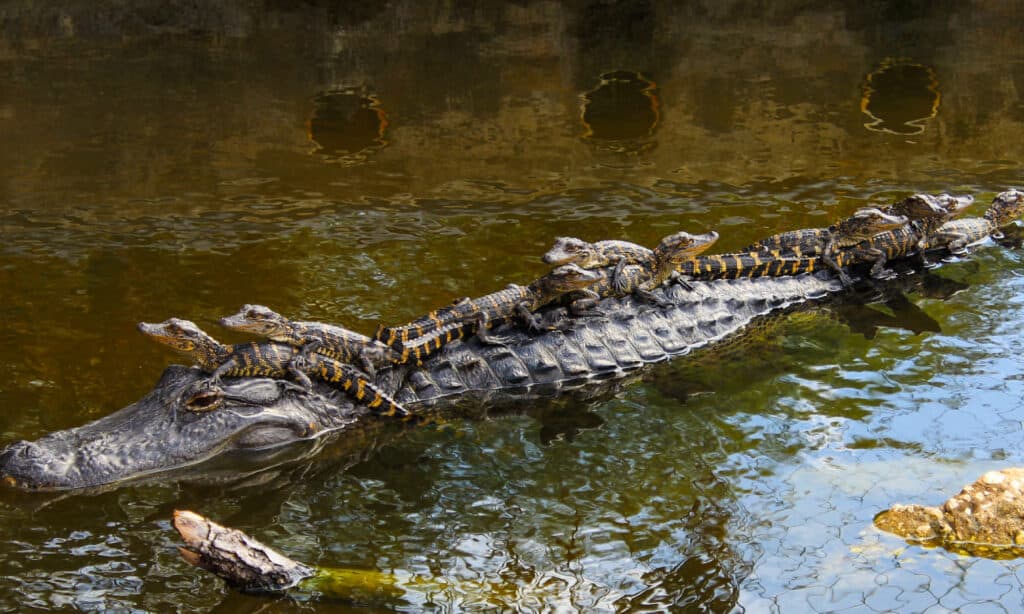
The Santee River flows to Lake Marion, one of South Carolina’s well-known alligator habitats.
©Marc Pletcher/Shutterstock.com
Congaree River
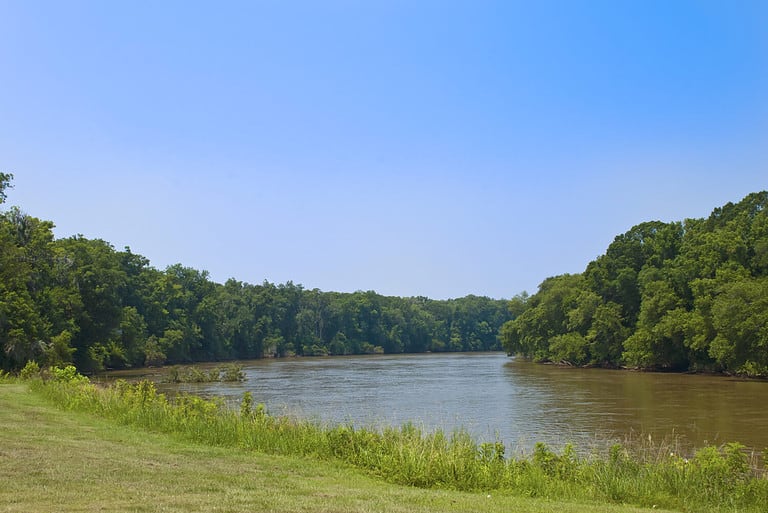
The Congaree River is one of the hot spots for alligators in South Carolina’s Midlands. The approximately 47-mile-long river flows from its headwaters at the confluence of Broad and Saluda Rivers on the Fall Line. It then merges with the Wateree River to create the alligator-infested Santee River.
The Congaree’s swampy, marshland areas make suitable gator habitats, but alligators are also frequently spotted in urban Riverfront Park and Canal in Richland County, where they bask on riverbanks. Other animals that inhabit the Congaree River and its surrounding wetlands include cottonmouth and brown water snakes, otters, turtles, bobcats, and wild turkeys.
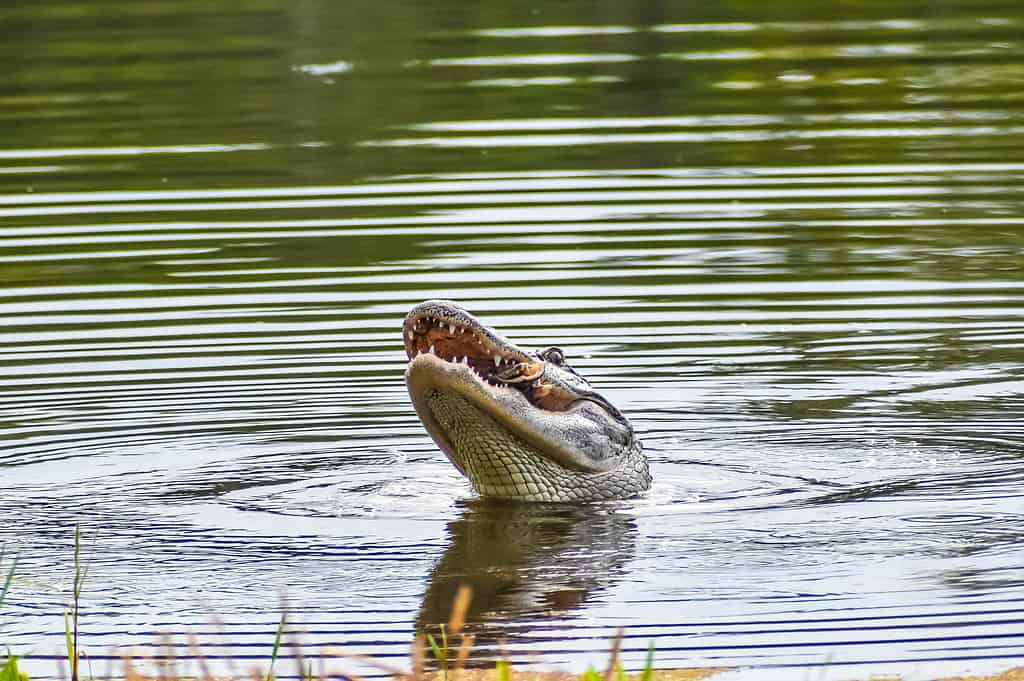
Alligators prey on abundant turtles in the Congaree River.
©Jaimie Tuchman/iStock / Getty Images Plus via Getty Images
Savannah River
According to wildlife officials, the 301-mile-long Savannah River is among the most alligator-infested rivers in South Carolina. It flows from Hartwell to Savannah, Georgia, then into the Atlantic Ocean, creating the South Carolina–Georgia border on its winding way. This epic river is home to rare wildlife, including 12 endangered species. Many alligators live in the Savannah River due to its abundant fish and bird life, and female gators dig out nests in the riverbanks to raise their babies.
The Savannah River Ecology Laboratory (SREL) studies alligators here to discover how pollutants affect long-lived reptiles. They track individuals using GPS satellite transmitters attached to their bony neck plates. It turns out that alligators in the Savannah River don’t stay put; they move about a lot. One Savannah River resident alligator undertook the same ten-mile trip through rivers, creeks, and even over land several times.

The Savannah River is possibly the most alligator-infested river in South Carolina.
©Denton Rumsey/Shutterstock.com