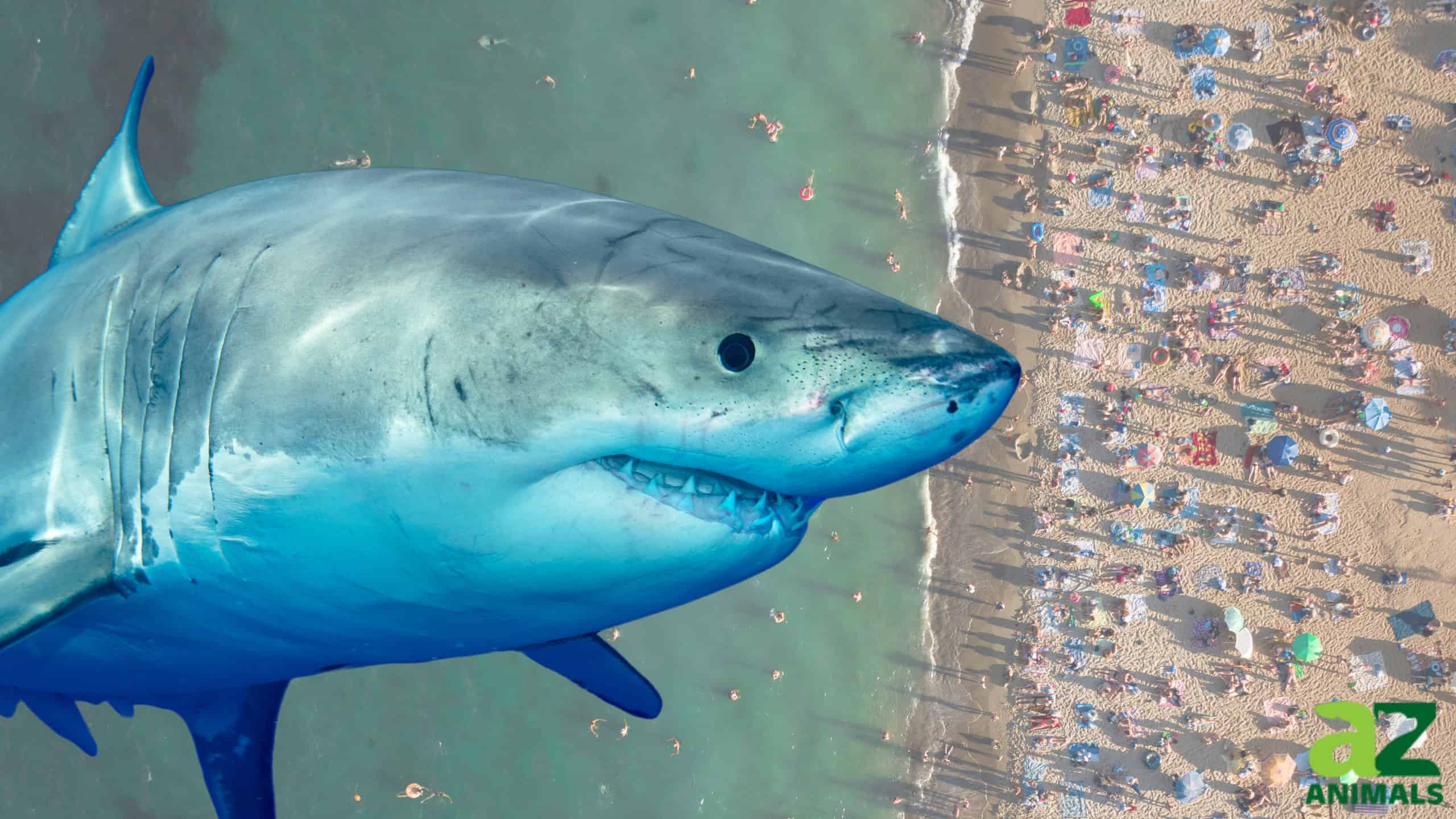

When shark bites make the news, it is typically Florida that is in the headlines. This is because of the shark attacks that occur in the United States, Florida leads the pack. In 2024, there were 14 attacks, with a total of 28 happening nationwide. However, this summer’s shark bite hot spot is a popular South Carolina vacation destination. Currently tied with Florida for shark bites in 2025, Hilton Head Island has experienced two shark attacks. More concerning to residents and visitors alike is that the attacks took place within a few days of one another. Some are now giving a second thought to going into the water, wondering if the waters off Hilton Head Island are safe to swim and play.
Two Shark Bites In One Week Recently Occurred On Hilton Head Island

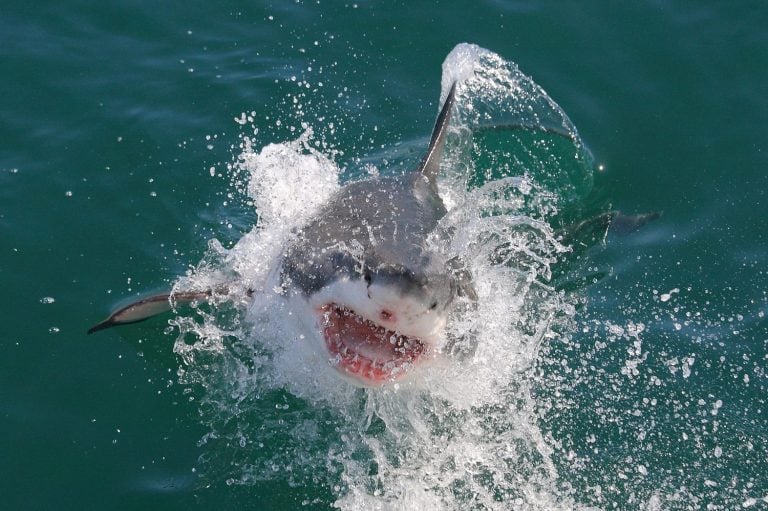
Blacktip sharks are generally the culprit behind shark attacks on Hilton Head Island.
©Dray van Beeck/Shutterstock.com
In 2024, U.S. News & World Report listed Hilton Head Island as having the best beach in South Carolina. The beach is a constant draw to visitors, with 2.8 million visiting in Summer 2024, which was a 30% increase from the previous year.
The increase in visitors means that more people are entering the water. When there are more people in the water, the likelihood of a shark attack increases. However, what is interesting is that there has been a consistent number of two to three shark attacks over the last several years on Hilton Head Island, despite an increase in the shark population and the number of visitors. The most recent shark attacks occurred within the same week of one another. Consequently, the attacks have made headlines, despite still falling within the normal average for the island.
The first attack occurred on June 17, 2025. The victim, whose name has not been released, was a 12-year-old girl who was in the water near mile marker 24 at Sea Pines Beach. The pre-teen was bitten on the leg, but the injury was not life-threatening, according to a Hilton Head Island Fire Rescue official.
“The incident involved a patient with a leg injury consistent with lacerations typically associated with a shark bite,” a press release from a Hilton Head Island Fire Rescue official to USA Today explains.
The girl was flown to Savannah, Georgia, to receive further medical treatment.
The second attack occurred on June 22, 2025. The victim was a teenage girl who was also bitten in the leg. The attack happened at Coligny Beach Park as the teen was enjoying time in the water. Her injuries were determined to be non-life-threatening, but the girl was taken to a local hospital for treatment. With these attacks in the news, it makes it appear that shark attacks are on the rise. But are they?
Shark Attacks Are Rare On Hilton Head Island

While shark attacks do not happen often, they are not unheard of on Hilton Head Island.
©Gino Santa Maria/Shutterstock.com
While shark attacks on Hilton Head Island are “rare, they are not uncommon.” This is because the fish population has rebounded thanks to the Magnuson-Stevens Fishery Conservation and Management Act, which was enacted in 1976. With more fish and more people in the water during the summer, there is an average of two to three shark attacks annually on Hilton Head Island.
Last summer, there were three attacks on Hilton Head Island. Those attacks include:
| Location Of Attack | Type Of Attack | Date Of Attack |
| Sea Pines | Foot bitten | July 4, 2024 |
| Sea Pines | Foot bitten | July 22, 2024 |
| Burkes Beach | Foot bitten | July 27, 2024 |
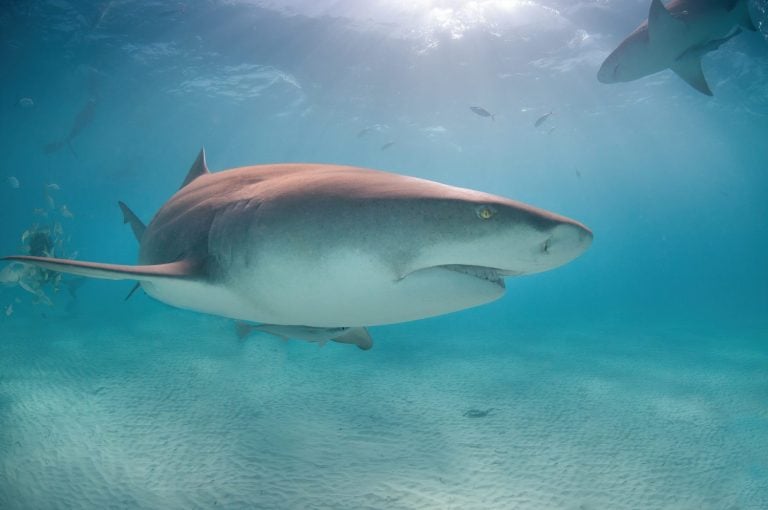
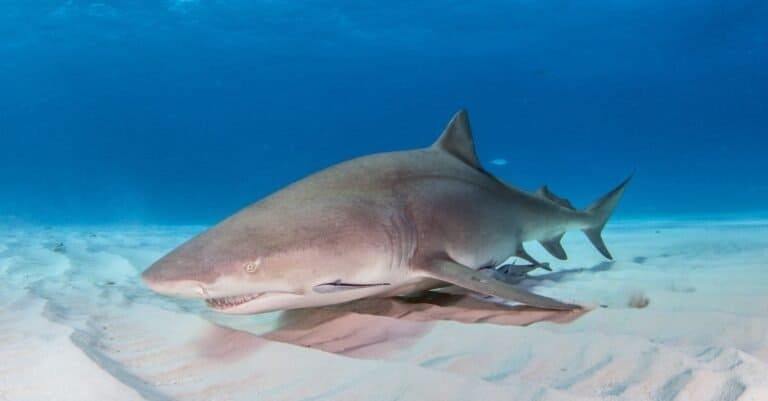
The sharks most likely to attack are blacktip sharks, which swim near the shore in search of food. Lemon sharks are also known to swim near the shoreline, but they are less likely to attack. Neither is specifically targeting people. Instead, attacks are often due to curiosity or mistaken identity.
Shark Attacks Are At An All-Time Low

Despite media attention, shark attacks are at an all-time low.
©NNER/Shutterstock.com
With the recent shark attacks in South Carolina, it may be easy to assume that shark attacks are on the rise. However, the most recent data compiled for 2024, released in February 2025, shows that shark attacks are actually decreasing.
The odds of being bitten by a shark are one in 11.5 million. However, when the summer months come and more people are in the water, shark attacks appear to be on the rise. This is only because fewer people are in the water during the colder months of the year.
Additionally, the populations of some shark species are on the rise. But, to clarify that statement, it is only a slight increase. This is because, by the early 2000s, some shark species had experienced significant declines, with certain populations decreasing by as much as 70% to 90%. Therefore, while there is guarded optimism about shark populations rebounding, the increase has not proven to cause an uptick in shark attacks.
Since 2015, there has been a significant decrease in shark attacks. While some years have had more shark attacks than others, over the past several years, despite increased media attention, there have been fewer than in decades past.
| Year Of Shark Attack | Number Of Shark Attacks |
| 2015 | 59 |
| 2016 | 53 |
| 2017 | 53 |
| 2018 | 31 |
| 2019 | 41 |
| 2020 | 30 |
| 2021 | 46 |
| 2022 | 41 |
| 2023 | 36 |
| 2024 | 18 |
Of these shark bites, in 2021 and 2022, one was fatal, in 2023, there were two fatalities, and in 2024, one attack was fatal. These were all unprovoked shark attacks. But there are different types of shark attacks to consider, some of which do not need to occur and only do because of poor choices people make.
Different Types Of Shark Attacks
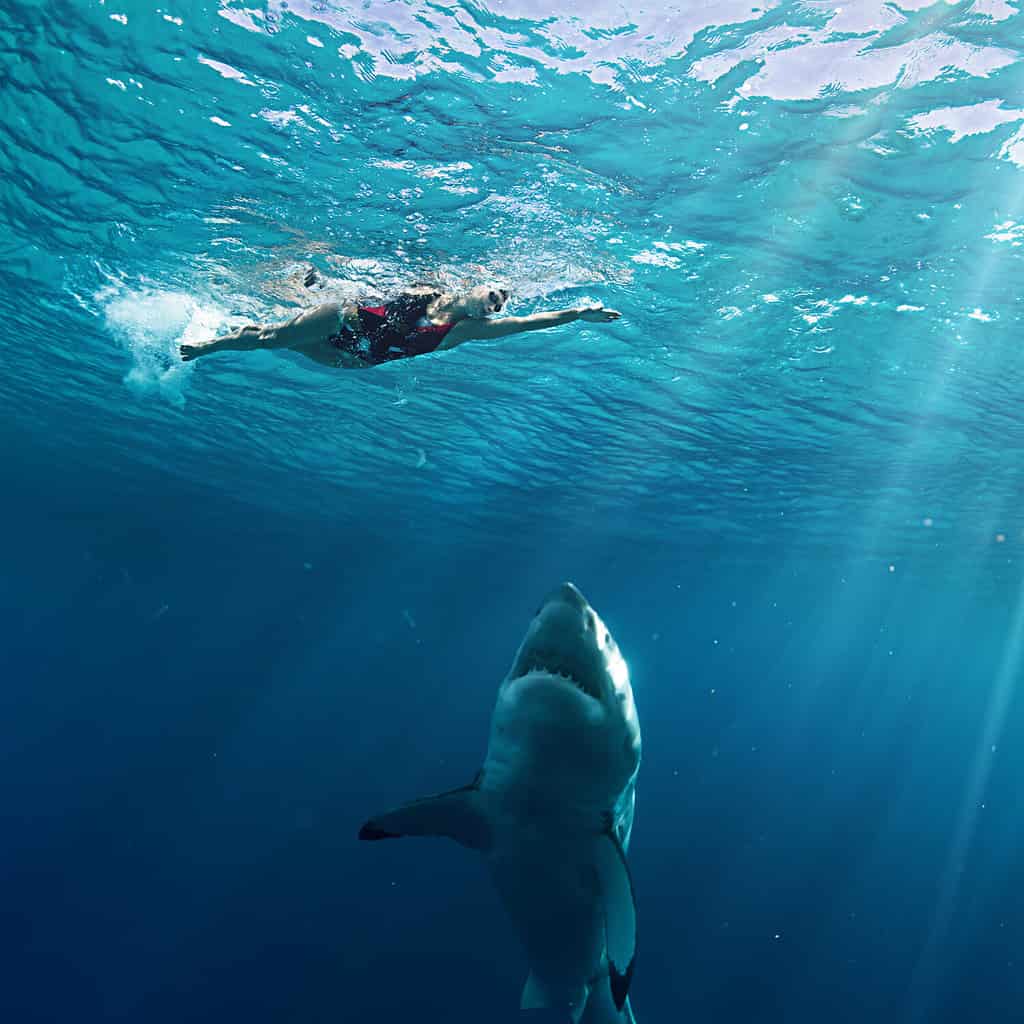
The majority of shark attacks that occur are unprovoked.
©Willyam Bradberry/Shutterstock.com
While the majority of shark bites that happen annually are unprovoked, other shark bites occur. Therefore, when examining the data on shark bites, it is essential to understand how shark bites are classified.
| Type Of Shark Attack | Why The Shark Attack Happens |
| Provoked Shark Attack | Provoked shark attacks happen when people begin the interaction with sharks. This can be by trying to touch them, taking them off a hook, or anything where the shark goes on the defensive and does not approach a person first. |
| Unprovoked Shark Attack | Unprovoked shark attacks are those where people did nothing to try and get the shark’s attention. More often than not, unprovoked attacks are a case of mistaken identity on the shark’s behalf. |
| Hit-And-Run Bites | Hit-and-run bites are another unprovoked shark bite. Sharks that swim in more shallow areas will mistake feet and legs for fish. The sharks will bite and let go when they realize they did not grab a fish. Rarely causes more than minor injuries. |
| Sneak Bites | Sneak bites are unprovoked and occur in deep water. The diver remains unaware of the shark’s presence until the bite occurs. Injuries are generally significant and life-threatening. |
| Bump-And-Bite | Bump-and-bite attacks are unprovoked. Sharks will circle a person for a time before they come in and bump the person. A bite generally accompanies the bump and may occur repeatedly until a person can reach safety. Injuries from this type of attack can be life-threatening. |
By understanding the different types of bites, people can recognize what they may encounter when entering the ocean. Fortunately, some things can be done to help minimize the occurrence of shark attacks, so a day of fun in the sun does not become a tragedy.
What People Can Do To Stay Safe From Shark Bites
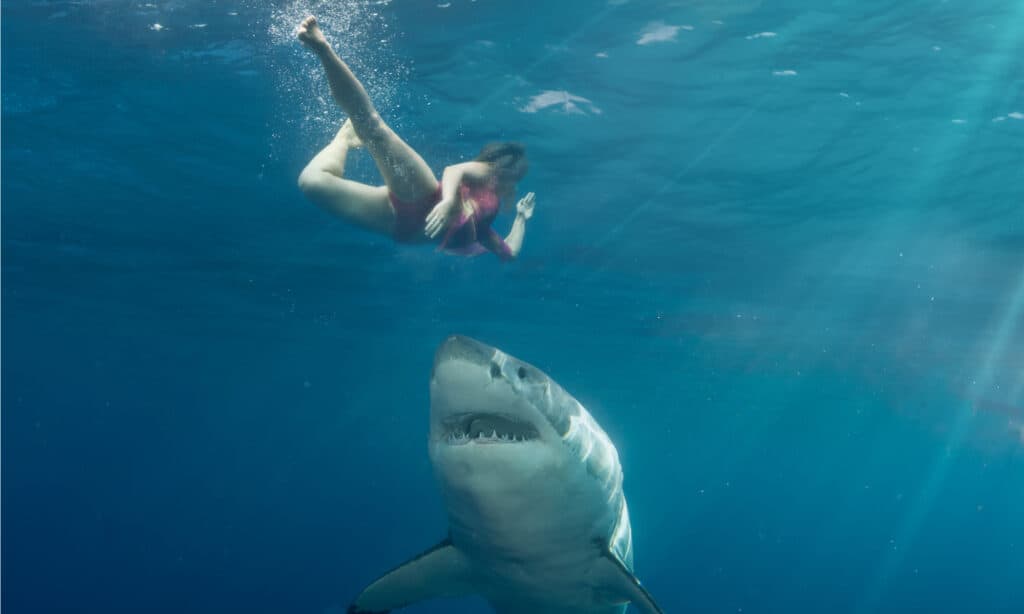
The following recommendations can dramatically decrease the chances of being bitten by a shark.
©Willyam Bradberry/Shutterstock.com
As people spend more time in the water, the likelihood of them having an encounter with a shark increases. For those who choose to wade or swim in the ocean where there is known shark activity, there are steps to take that minimize the chances of becoming a victim.
The ways beachgoers can help keep sharks at bay include:
- Always swim with a buddy, as sharks are more likely to attack when a person is solo in the water
- Stay out of areas of the water that are murky, like those next to a river mouth or water churning after a rainstorm
- Leave shiny jewelry at home as the sparkle can resemble fish scales, confusing sharks into believing they are attacking a school of fish
- Do not splash or move erratically in the water, as sharks can think it is an animal in distress and an easy target
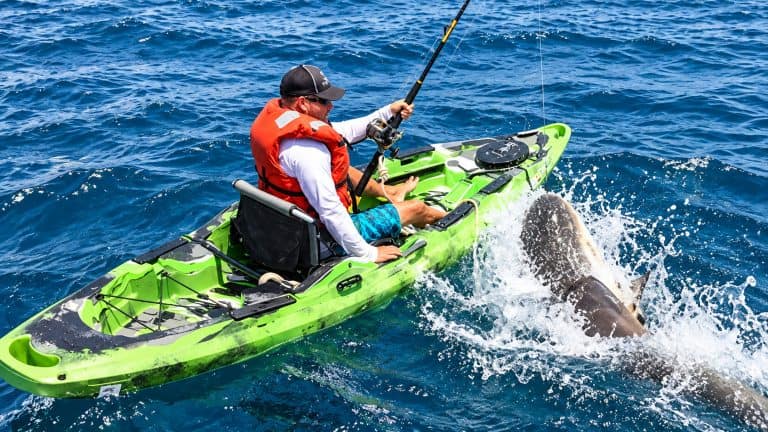
- Stay away from areas where fishing is taking place, as sharks will be drawn to both the bait and the fish caught on the line
- Do not wear bright colors in the water, as the colors attract sharks to investigate
- Stay close to shore when swimming, as sharks are most likely to stay near reefs and drop-offs
- Pay attention to the signs posted at the beach, and if shark activity is ongoing, staying out of the water may be the best option
Even following these recommendations does not ensure that a shark attack will not happen. After all, when people enter the ocean, they are entering a shark’s environment. However, if these steps are followed, the chances of an attack decrease dramatically, allowing beachgoers to enjoy a day of fun rather than one ending in injury or, in some cases, worse consequences.