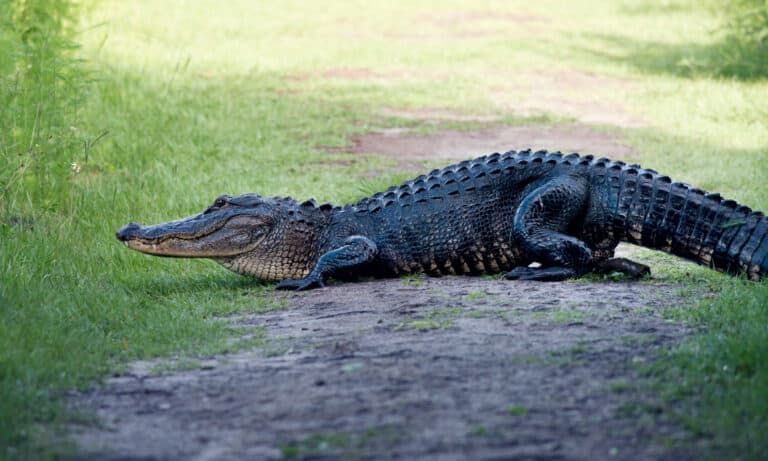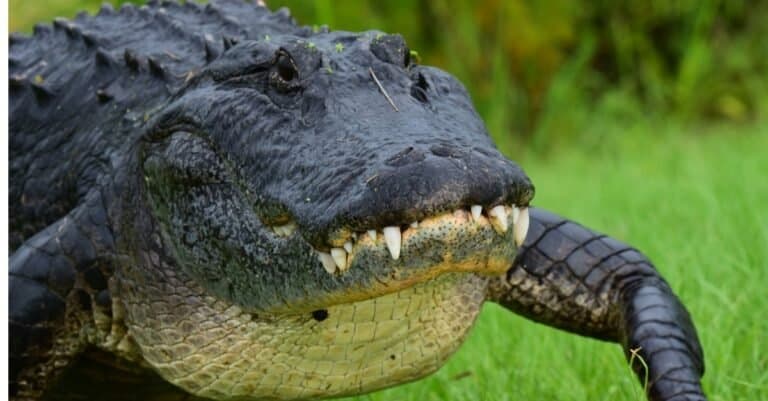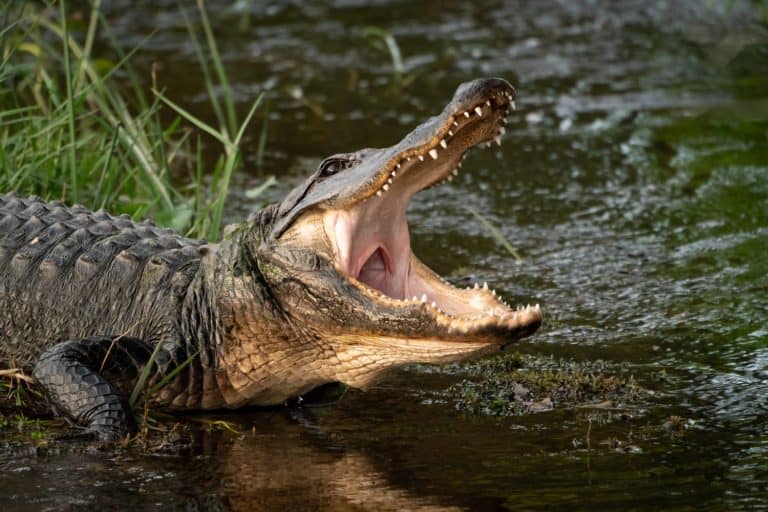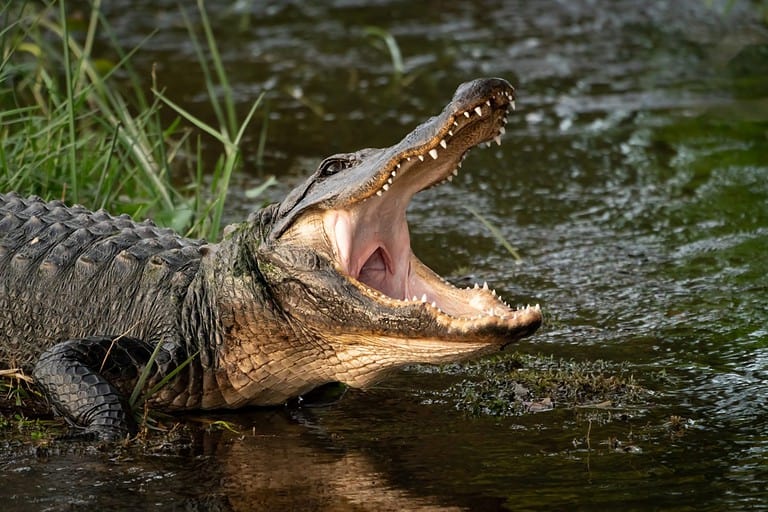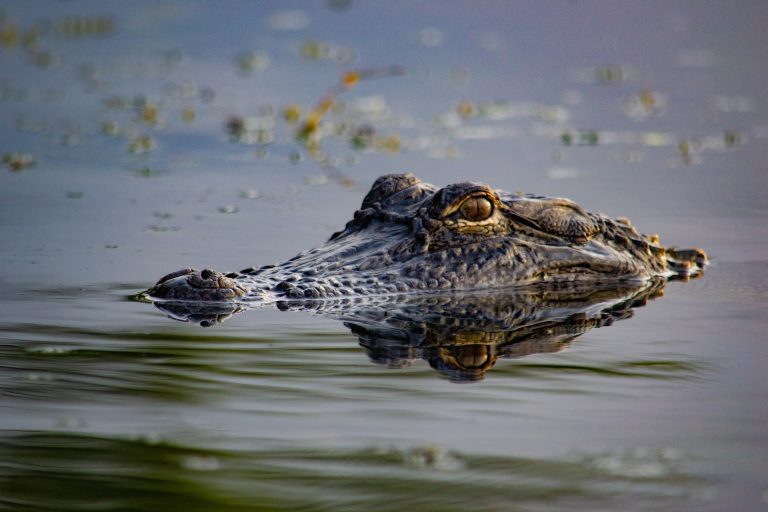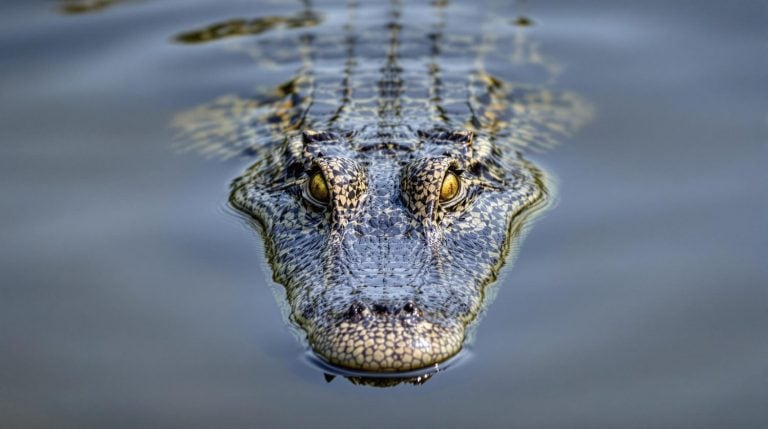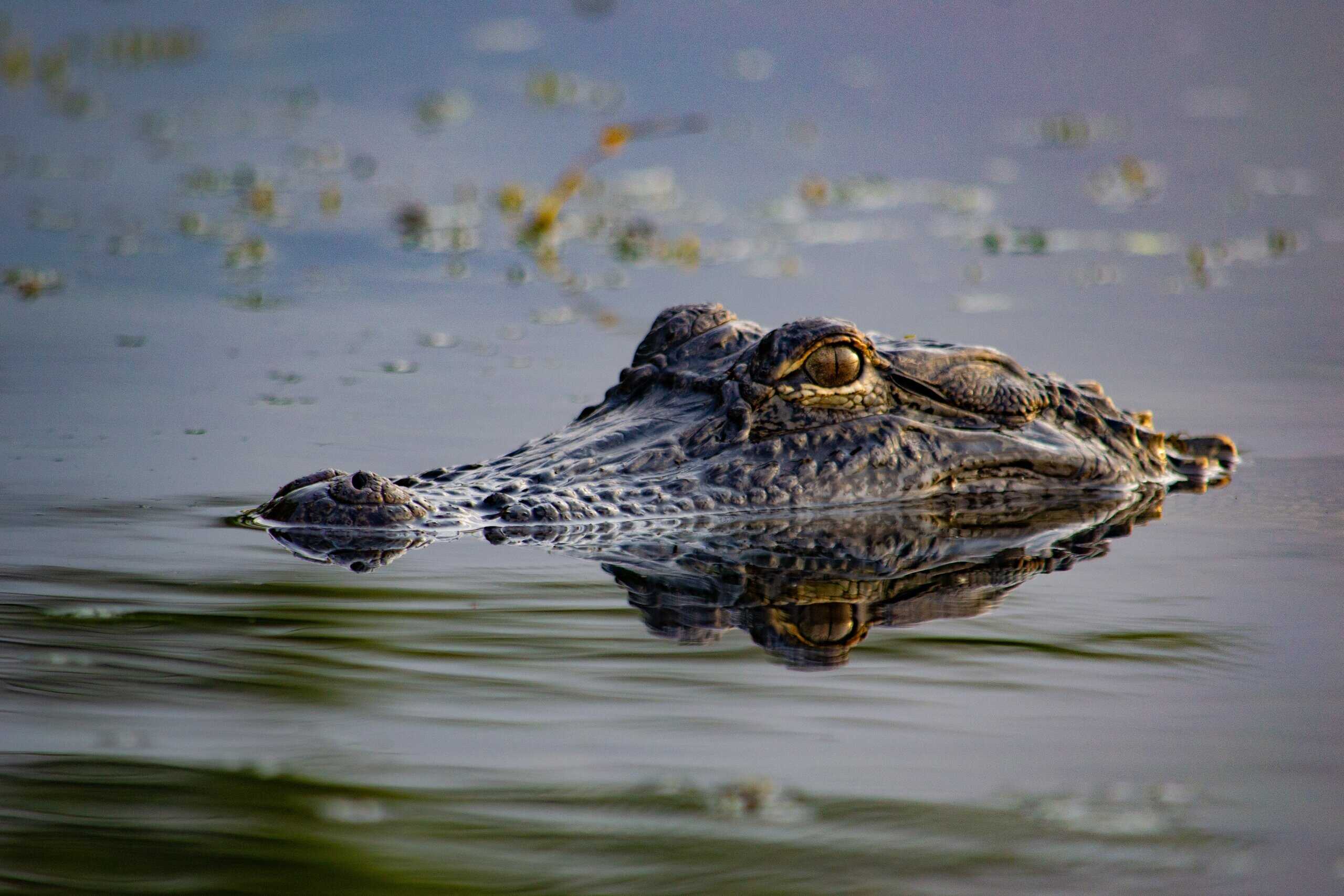

Florida’s fresh bodies of water are perhaps best known for the southern state’s most iconic resident: the American alligator. These formidable reptiles live all across Florida, with an estimated population of over a million across the state. Since alligators thrive in warm, slow-moving freshwater, many of Florida’s rivers are prime habitats for them. These ecosystems offer the perfect mix of food, warmth, and nesting ground. Some waterways are so ideally suited to these living dinosaurs that they seem to dominate the landscape. For anyone spending time in Florida, whether locals or vacationers, understanding which rivers are home to the highest concentrations of alligators is key to staying safe among wildlife.
While nearly any fresh waterway in Florida likely contains alligators, certain rivers stand out for their dense populations and supportive ecological conditions. Exploring the most alligator-infested rivers not only highlights where these ancient reptiles thrive but also reminds us of their resilient nature and adaptability.
Fun Facts About Gators
©slowmotiongli/iStock via Getty Images
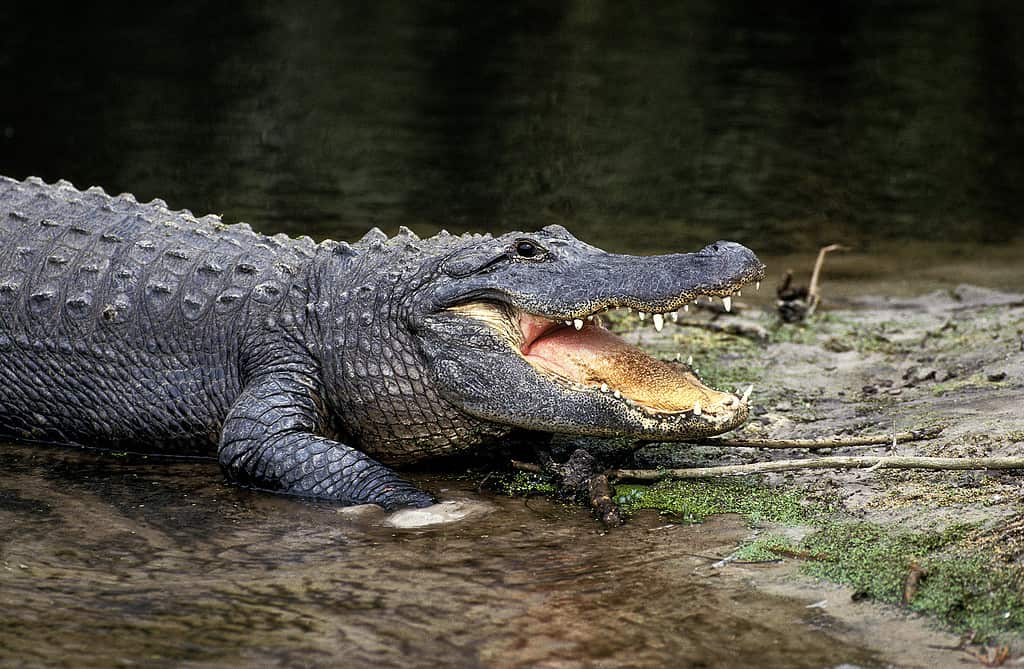
Once thought to be nearly extinct due to unrestricted hunting, Florida’s alligator population has thankfully recovered. The U.S. Fish and Wildlife Service formally removed alligators from the endangered species list in 1987. Now, biologists confirm alligators reside across all of Florida’s 67 counties and in any body of freshwater. As the state’s largest reptile, alligators can grow up to 13 feet long and 800 pounds. The largest alligator recorded in the state of Florida was a whopping 17 feet, 5 inches, according to Everglades National Park. In the wild, alligators can live 35-50 years, whereas they can live a long 60-80 years in the care of humans. Click here to learn 10 more incredible alligator facts!
How Do We Count the Alligator Population?
©Alexander Lukatskiy/Shutterstock.com
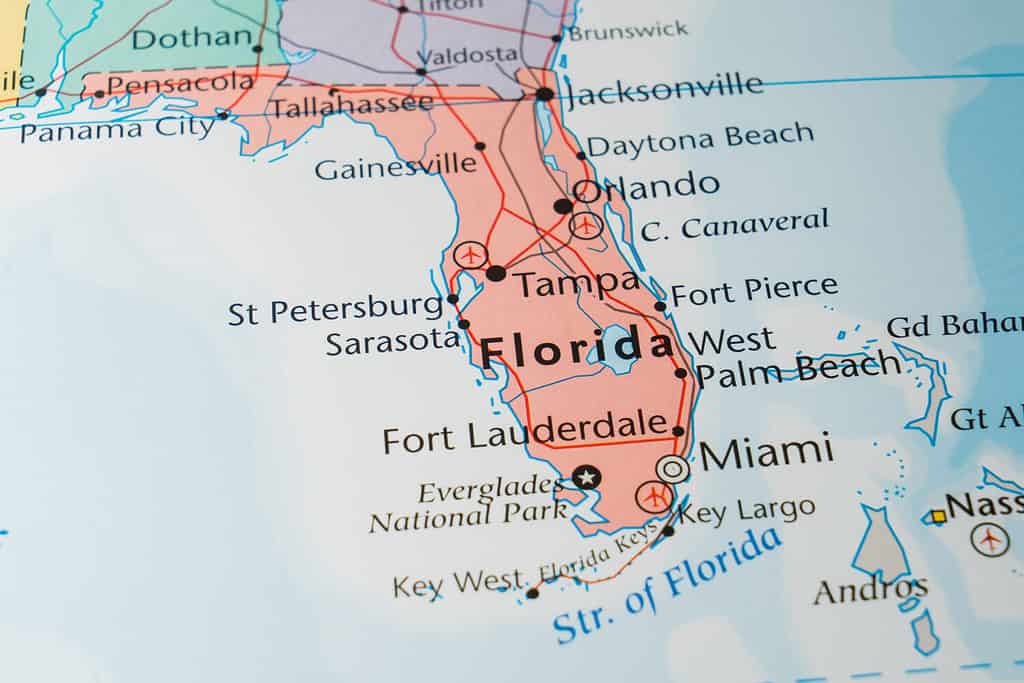
Because the Florida alligator population was once completely depleted, the state has made maintaining a healthy gator population a much higher priority. Each year, biologists venture out into the Florida waters to take count of the gators found in their rivers, lakes, streams, and marshes to calculate the appropriate amount of hunting licenses to issue for the upcoming season. Updated in June of this year, check out this interactive map of Florida from Donovan Myrie, Ph.D., showing how many alligators were counted in various bodies of water throughout the state!
The Top 5 Most Alligator Infested Rivers in Florida
©jaimie tuchman/Shutterstock.com
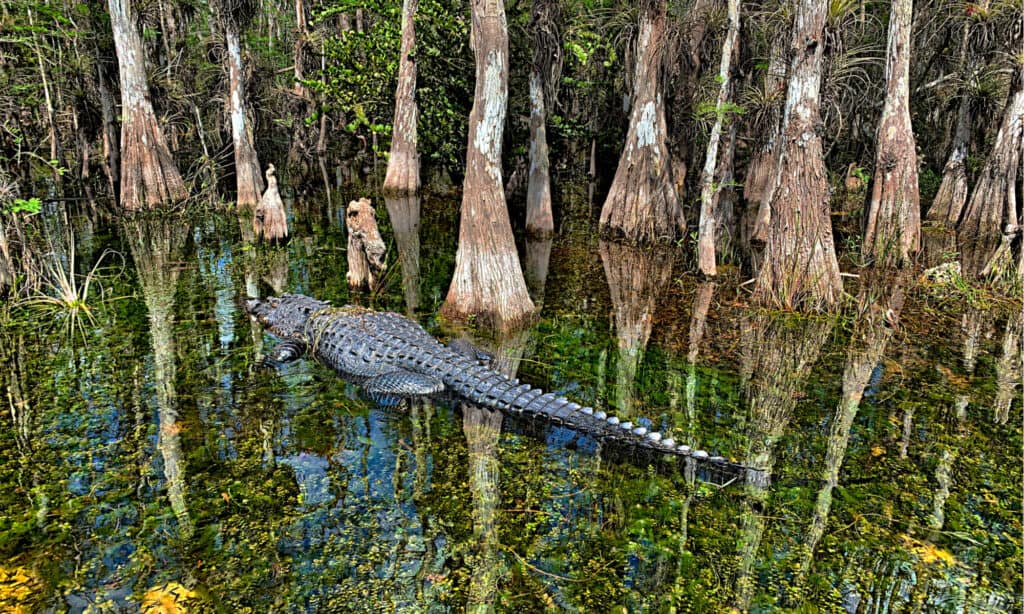
Let’s take a closer look at 5 Florida rivers that have bragging rights for being the most alligator-infested in the state.
1. St. Johns River
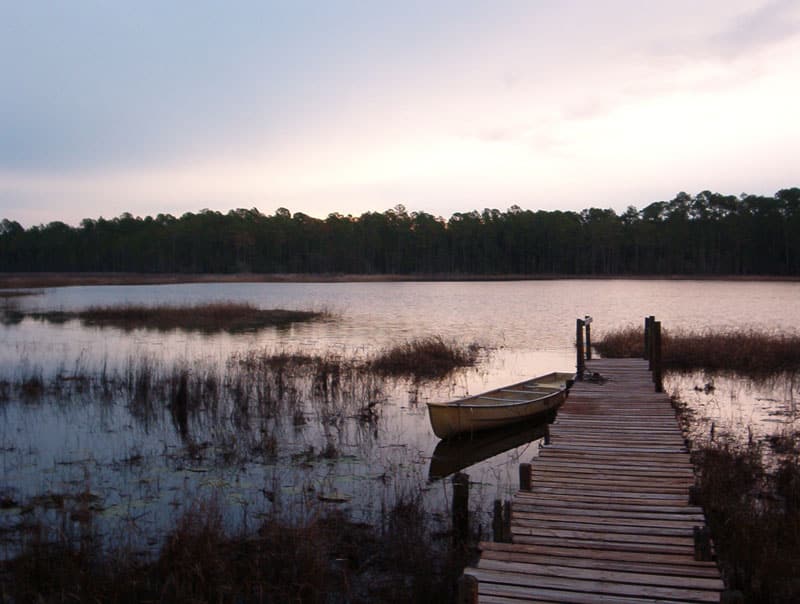
- Location: St. Johns Marsh to Jacksonville, FL
- River Length: 310 Miles
- Alligator Count: 5,109
St. Johns River is the longest river in Florida. Due to its massive size, it is no mystery as to why St. Johns River is also the most alligator-infested river in the state. St. Johns River is a popular location for several outdoor activities, such as fishing, paddling, hiking, manatee watching, and birdwatching. Explore more about the St. Johns River here.
2. Kissimmee River
©Thomas Barrat/Shutterstock.com
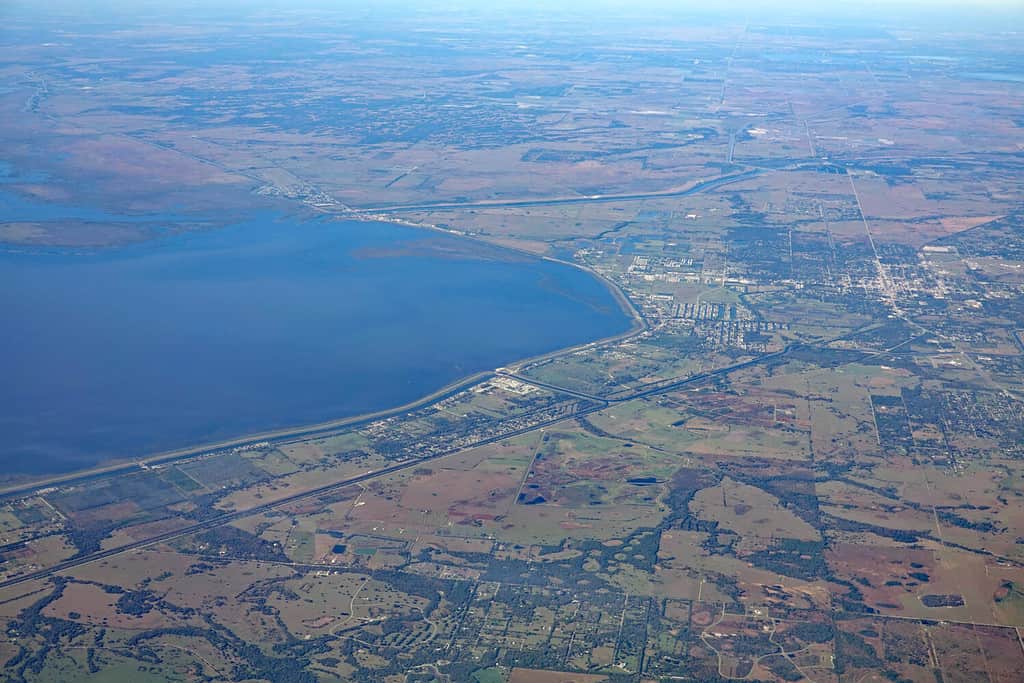
- Location: East Lake Tohopekaliga to Lake Okeechobee
- River Length: 134 Miles
- Alligator Count: 2,387
In second place, the Kissimmee River is less than half the length of the St. Johns River but is still home to an impressive number of alligators. The Kissimmee River is less popular for outdoor recreation than the St. Johns River. It forms the northern part of the Everglades wetlands area, which is why it creates such a hospitable home for alligators and other wildlife. Additionally, the Kissimmee River has been the subject of one of the largest ecosystem restoration projects in the world.
3. Harney River
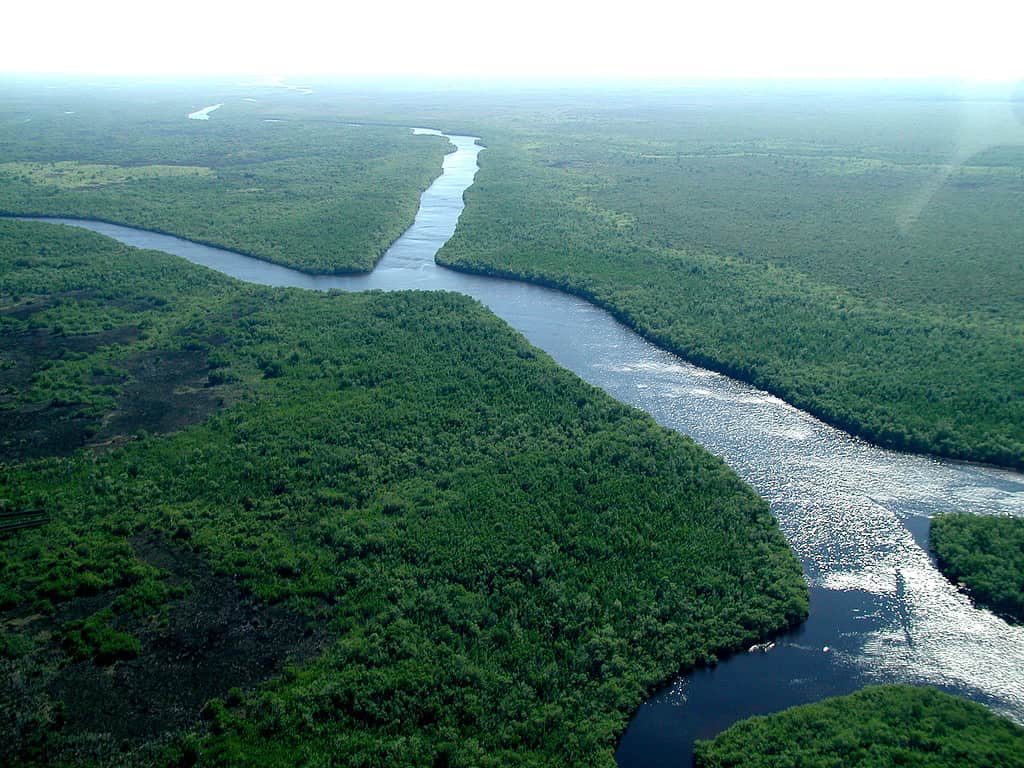
- Location: Monroe County, FL
- River Length: 10.19 Miles
- Alligator Count: 1,579
The Harney River is the shortest waterway to make this list, at just over 10 miles. However, despite its short length, the Harney River is reportedly the home of hundreds of alligators. This river is located in Monroe County and provides anglers with gratuitous amounts of shallow banks perfect for fishing.
4. Withlacoochee River
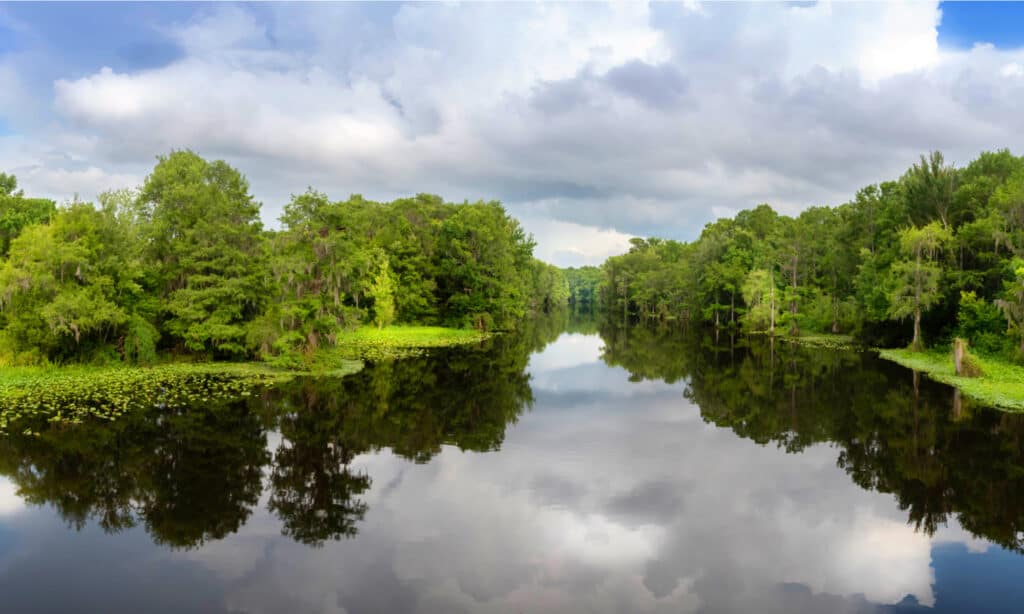
©Essence of a Memory/Shutterstock.com
- Location: Green Swamp (East of Polk City) to the Gulf of Mexico (Near Yankeetown)
- River Length: 141 Miles
- Alligator Count: 596
The Withlacoochee River is best known for its nearby rail trail. Area residents and visitors can enjoy the beautiful views of Florida wildlife while walking, running, and biking the 46-mile-long paved Withlacoochee State Trail alongside the river. Additionally, the Cypress Lake Preserve, Nobleton Wayside Park, and the Southwest Florida Water Management District natural preserve are local favorites for outdoor fun along the Withlacoochee River.
5. Myakka River
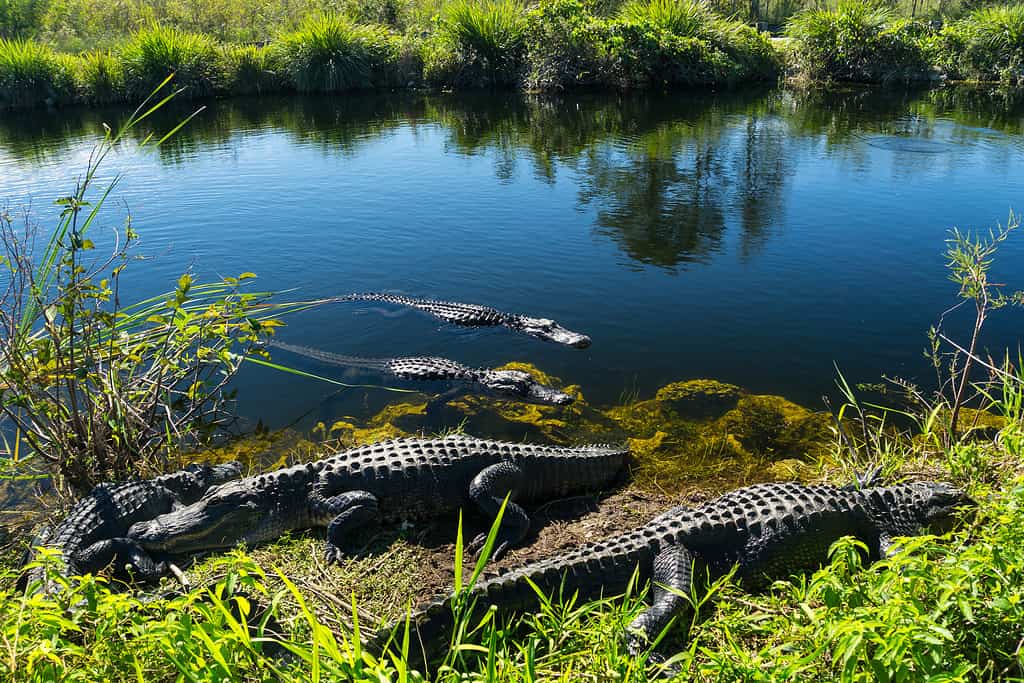
©Simon Dux/iStock via Getty Images
- Location: Hardee-Manatee County Line to Charlotte Harbor (Gulf of Mexico)
- River Length: 72 Miles
- Alligator Count: 239
Rounding out the top 5 alligator-infested rivers in Florida is the Myakka River. As Florida’s first state-designated wild and scenic river, the Myakka River is a popular location for kayaking, paddleboarding, and canoeing, despite being an alligator haven. This river also flows through one of Florida’s oldest and largest parks. Myakka River State Park is home to some of the state’s best camping, hiking, and biking. Click here to learn more about Myakka River State Park and plan your visit!
Florida Water Safety
©PERO studio/Shutterstock.com
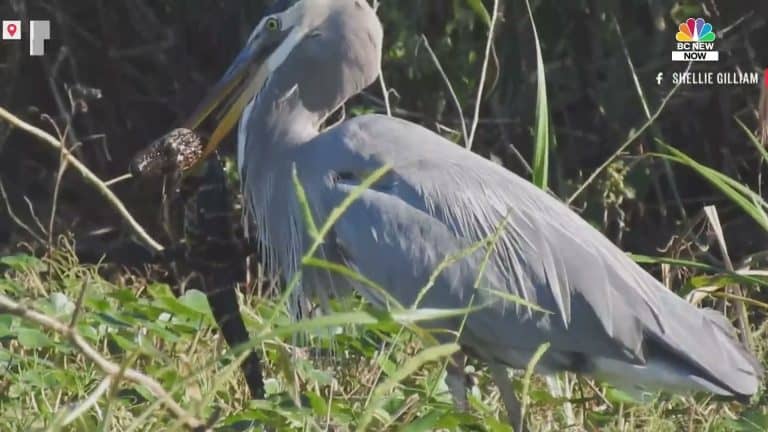
Now that you know alligators can be found in any freshwater in Florida, how can you stay safe? Is it time to accept that you’ll never swim again? First, it’s important to remember that alligators do not consider humans to be a food source. Instead, gators prefer to eat birds, fish, and small mammals. Occasionally, they have been known to hunt larger animals, such as deer, smaller alligators, and the Florida panther. The chance run-in with alligators does happen, but attacks on humans are relatively rare, averaging only six fatal attacks per year in the United States.
Safety Tips When Encountering Alligators
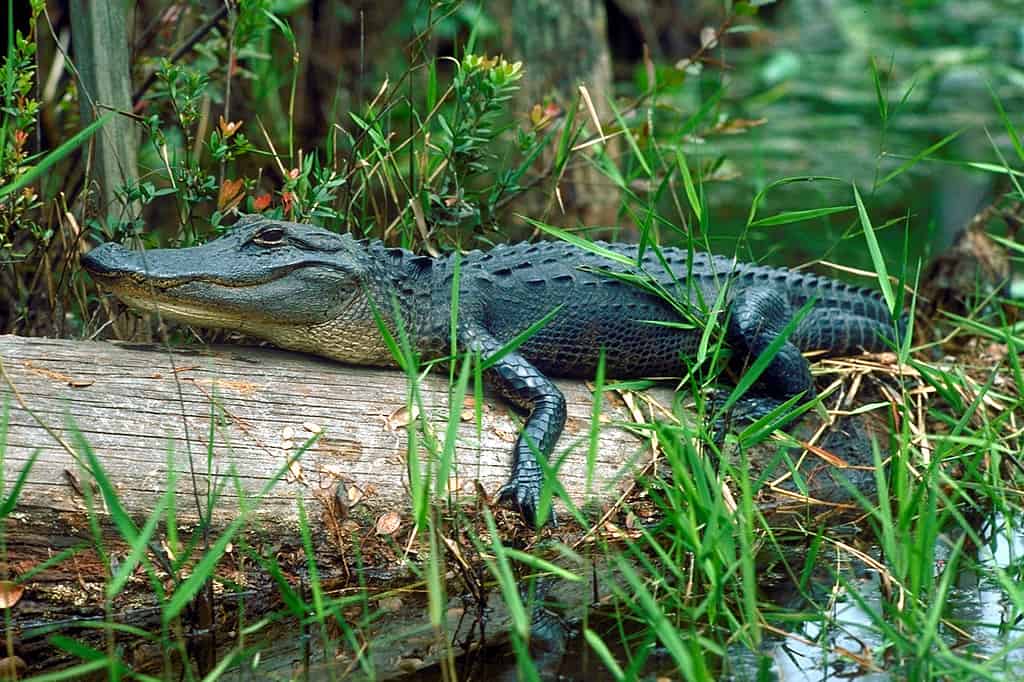
©Jonas N. Jordan, U.S. Army Corps of Engineers, Public domain, via Wikimedia Commons - Original / License
Follow these simple safety tips to coexist with Florida gators:
- Do not feed alligators.
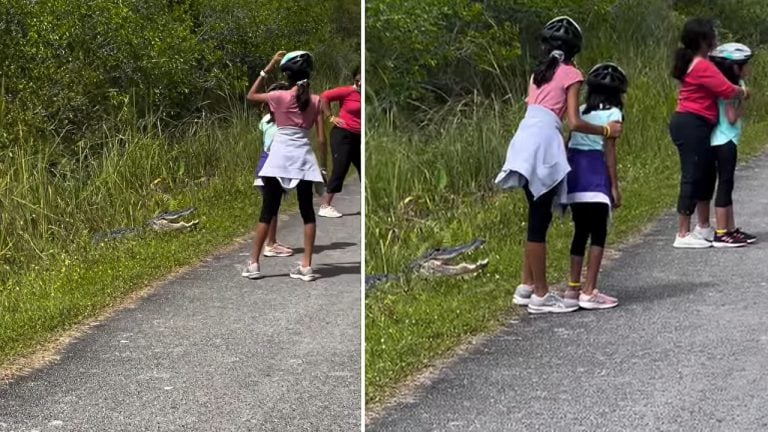
- If you see an alligator, give it plenty of space. Do not approach to investigate or take selfies.
- Observe any safety signs when spending time in or around water.
- Stay vigilant and check regularly for any signs of alligator activity.
- Never swim alone.
Safety Tips When Encountering Alligators (Cont.)
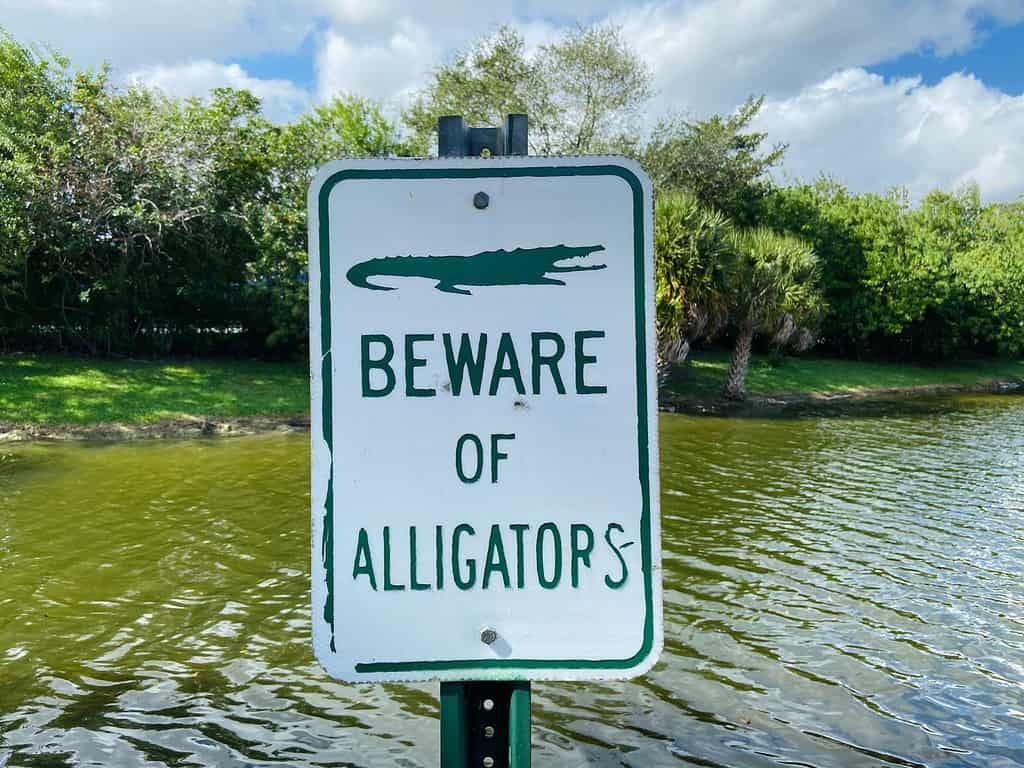
©Catalina Villegas/Shutterstock.com
- Do not swim after dark.
- Swim only in designated swimming areas.
- Avoid swimming in any murky water.
- Leash your pets and ensure they are kept far from the water’s edge.
- Take extra caution from April through June. Alligators are more aggressive during courting, mating, and nesting seasons.
See Ya Later, Alligator!
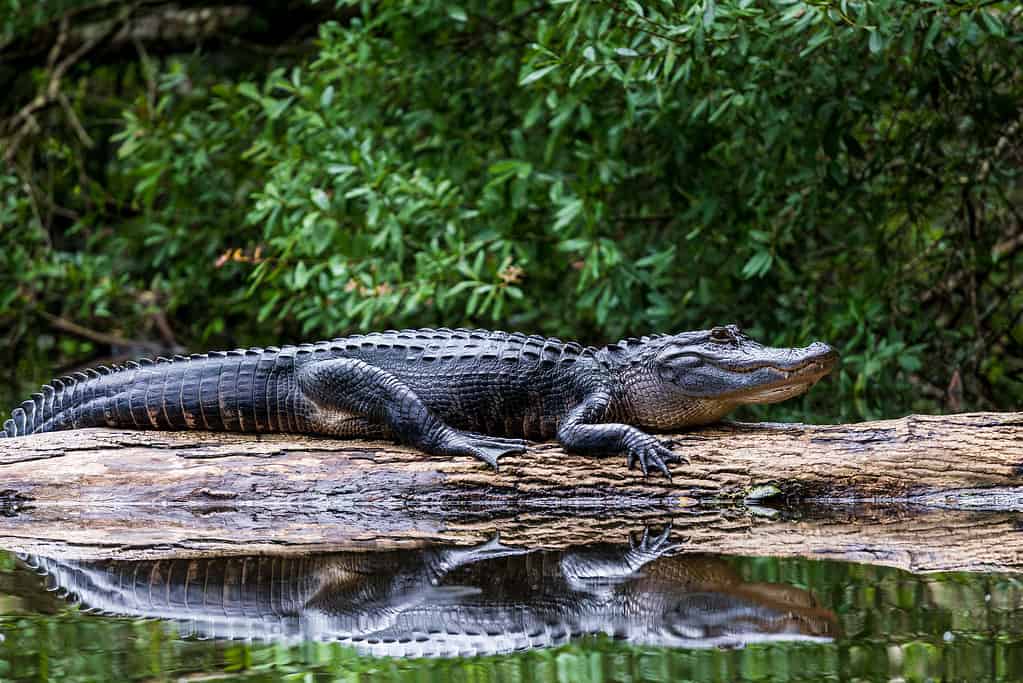
©Joe Pearl Photography/iStock via Getty Images
Spending time outdoors is great for your health and soul. While Florida may be home to 1.3 million alligators, there are still plenty of ways for us to soak up the sun while cohabitating with these apex predators. Check out these stunning five Florida alligator-infested rivers and follow safety precautions to ensure everyone makes it home in one piece.