
Quick Take
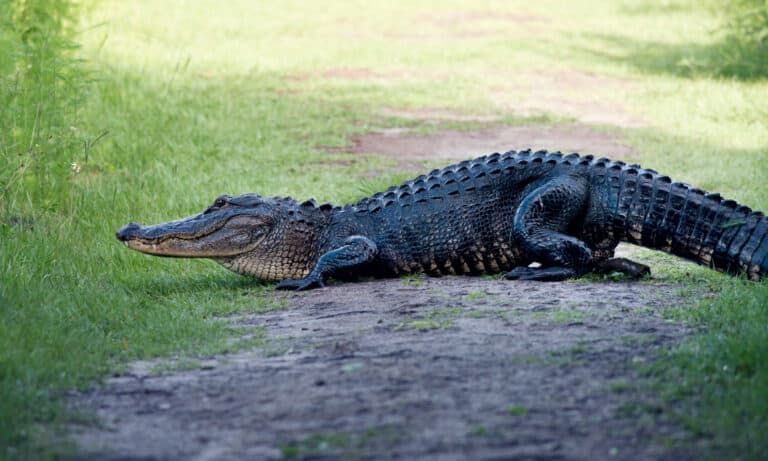
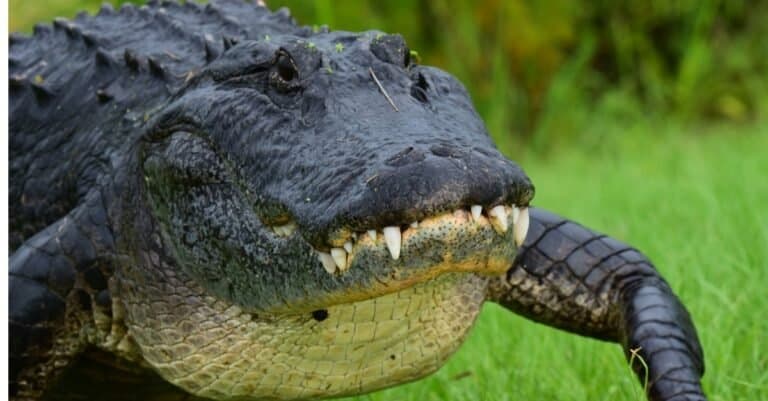
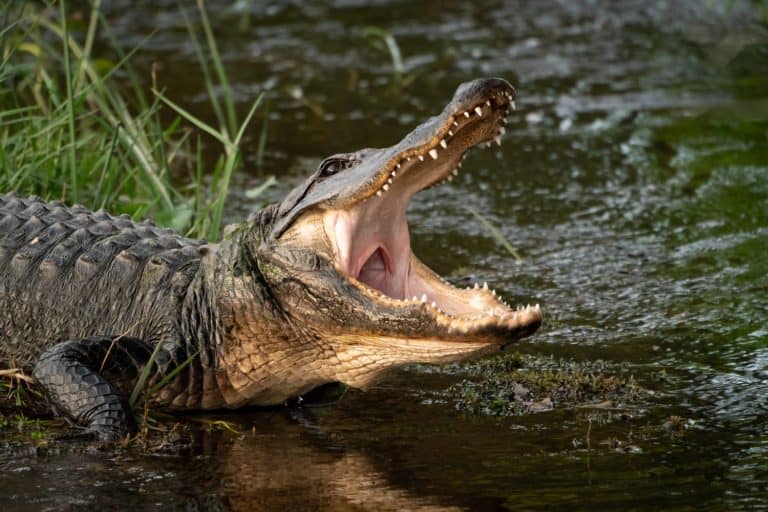
- Alligators have many surprising traits that many people don’t know about.
- Louisiana is the state with the most alligators, with populationsfar exceeding Florida.
- Contrary to their vicious reputation, these apex predators are extremely caring mothers.
- The brumation process is essential for survivingwinter temperatures.
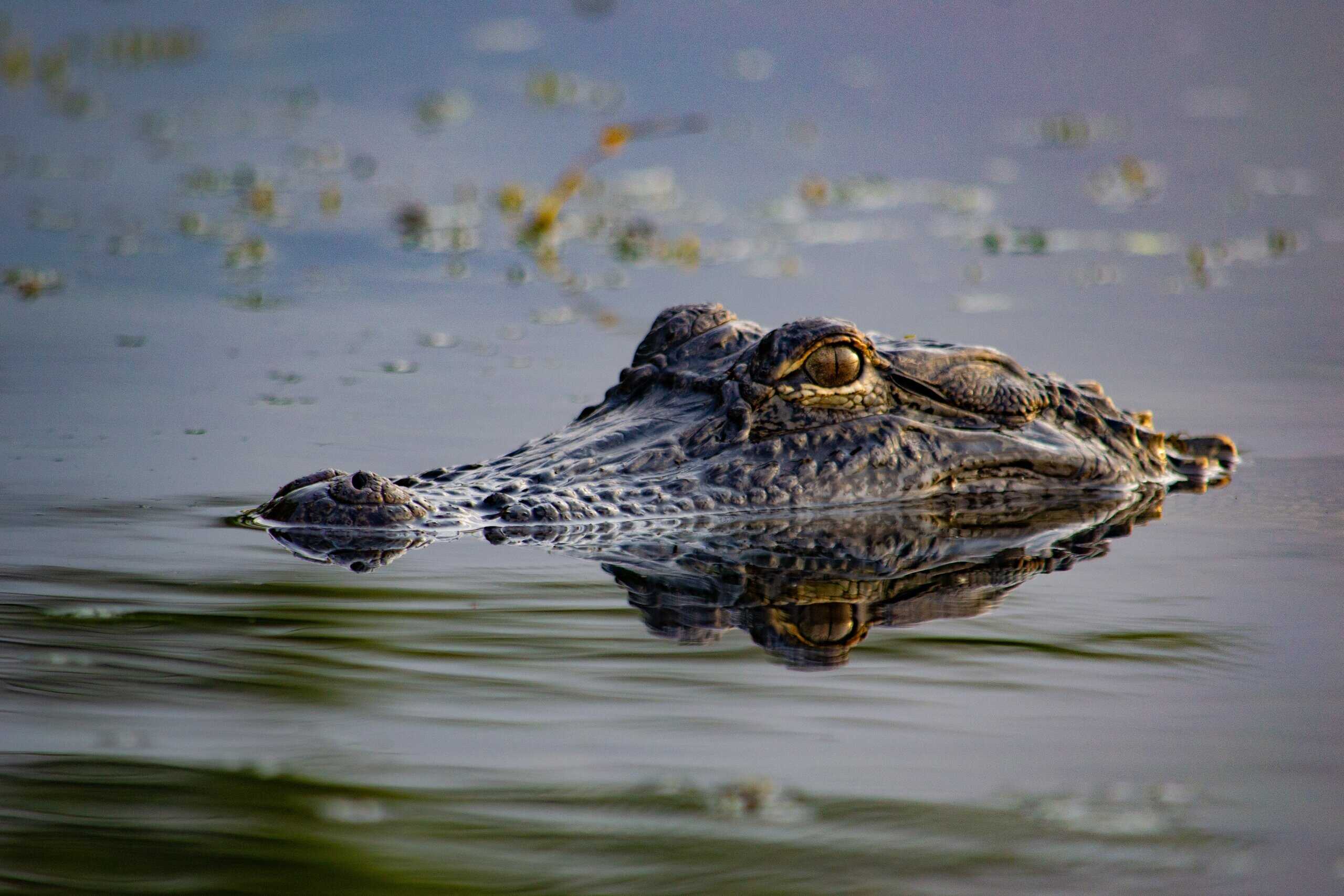
Alligators are among the most fascinating and mysterious reptiles on Earth, a perfect combination of ancient lineage and surprisingly complex behaviors. These predators often seem prehistoric, thanks to their armored bodies, powerful jaws, and lurking presence in swamps and wetlands. Despite their fearsome reputation in movies and pop culture, real alligators do not pose much risk to humans. They are endlessly fascinating, featuring unique adaptations that help them thrive in challenging environments.
Alligators have several surprising traits that many people don’t know about. For example, they are devoted mothers, remaining attached to their young for over a year. If you’re curious about their biology, behavior, or conservation history, this list will likely amaze you. These massive reptiles are truly extraordinary.
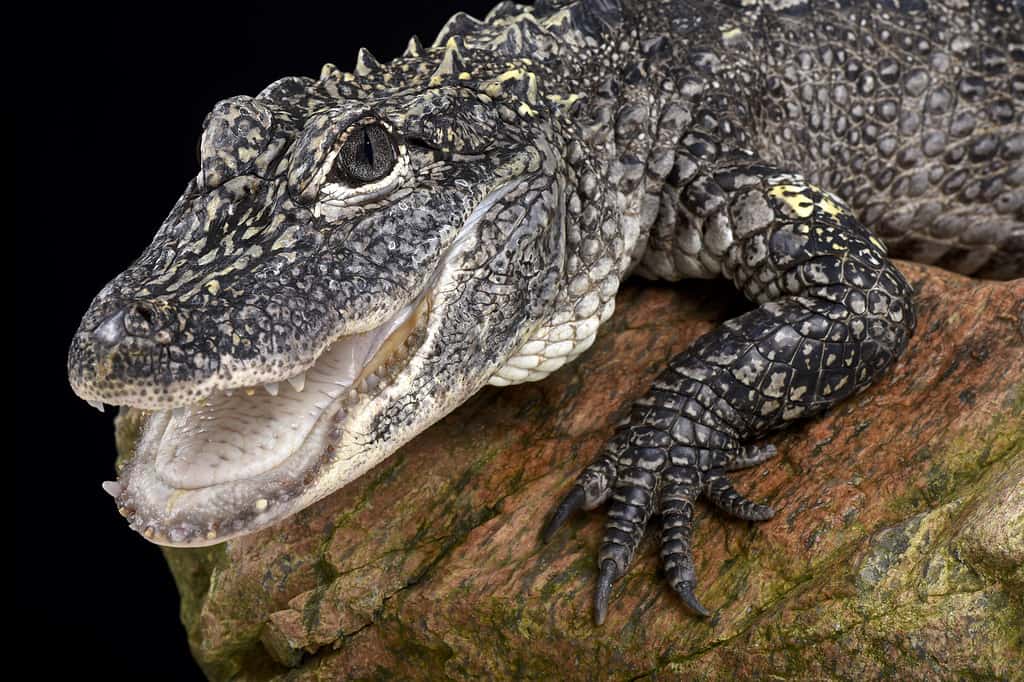
1. There Are Only Two Alligator Species
©reptiles4all/iStock via Getty Images
When people refer to alligators, they are talking about one of two species: American alligators or Chinese alligators.
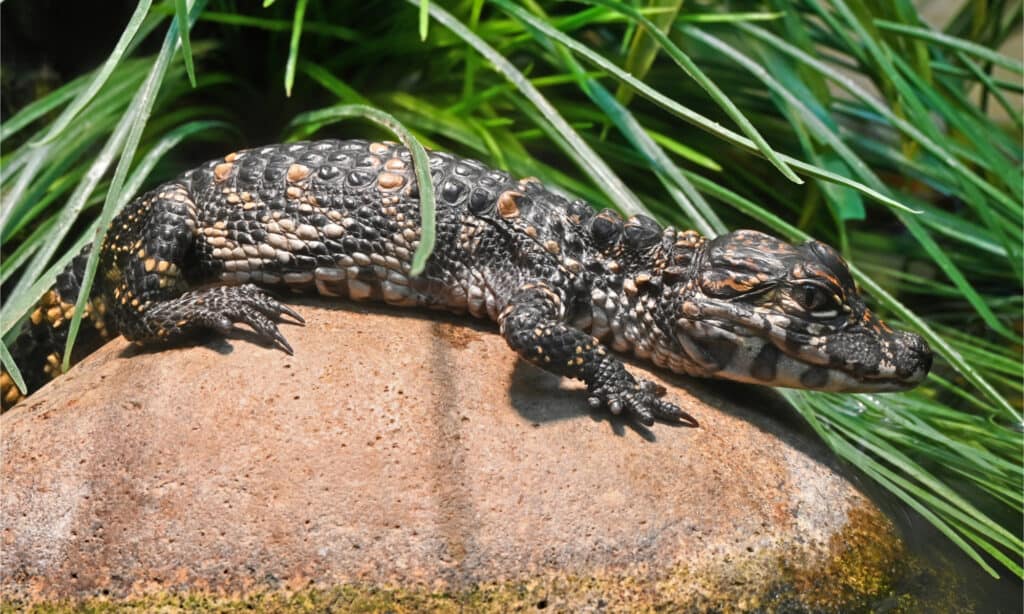
2. Chinese Alligators Are Smaller
©Andy Crocker/Shutterstock.com
Compared to American alligators, Chinese alligators are a lot smaller. They only reach about 7 feet long, while American alligators can easily exceed 10 feet.
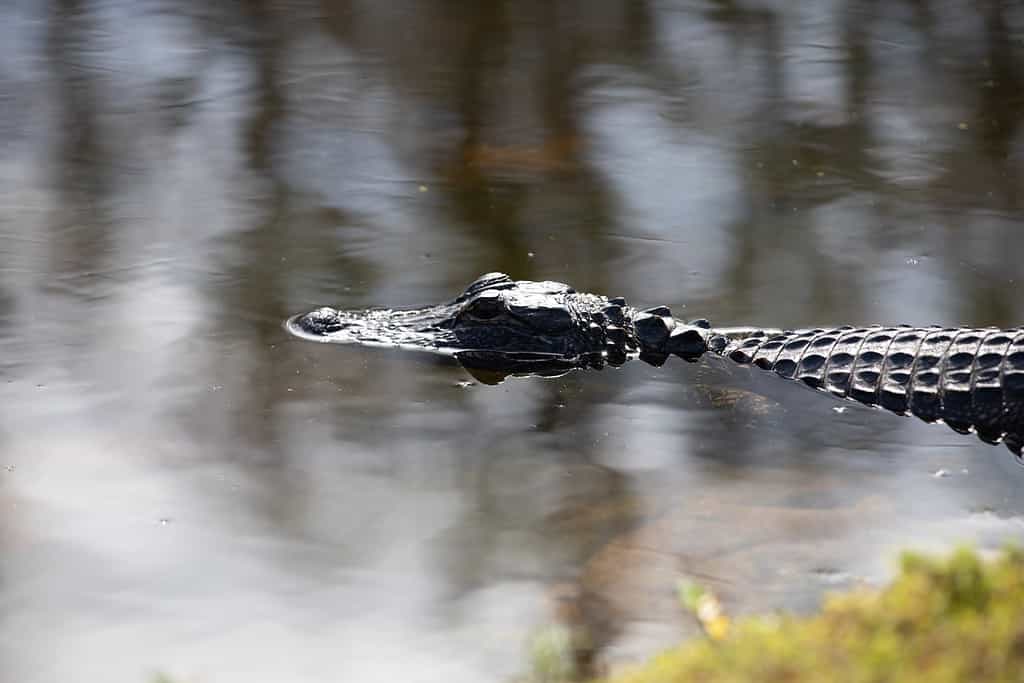
3. Louisiana Has Far More Alligators Than Florida
©Heather Schor/Shutterstock.com
While Florida is known for its substantial alligator population, Louisiana has the largest population of American alligators in the United States, thanks to its vast wetlands and favorable habitat. Louisiana has roughly 2 million wild alligators, while Florida is home to about 1.2–1.3 million alligators statewide.
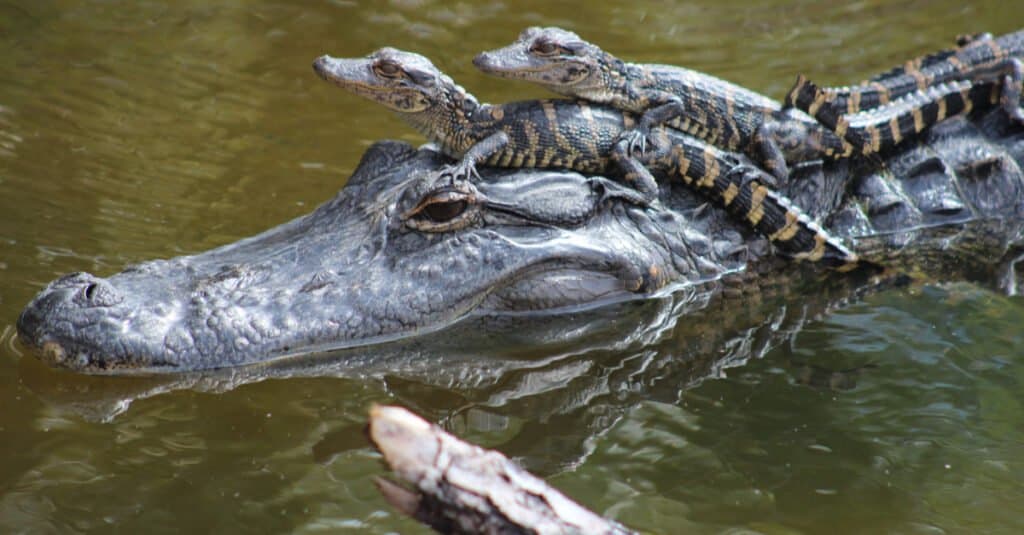
4. Alligators Are Great Moms
©Marc Pletcher/Shutterstock.com
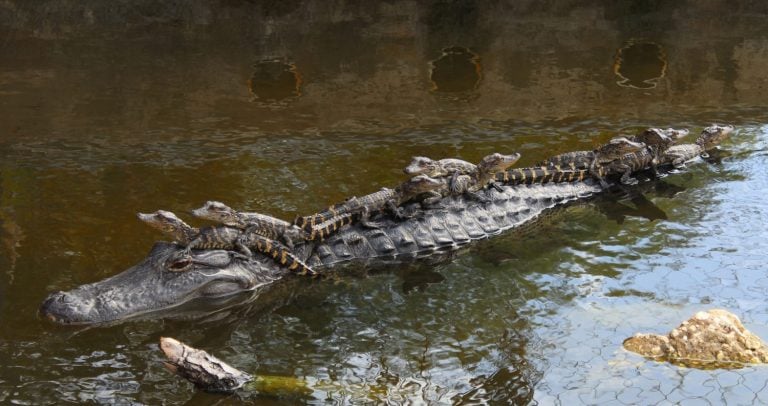
Both Chinese and American alligators are great mothers. They are defensive and take care of their young, often swimming with their babies inside of their mouths. Unlike other reptile species, young alligators typically stay under their mother’s protection for about one to two years after hatching.
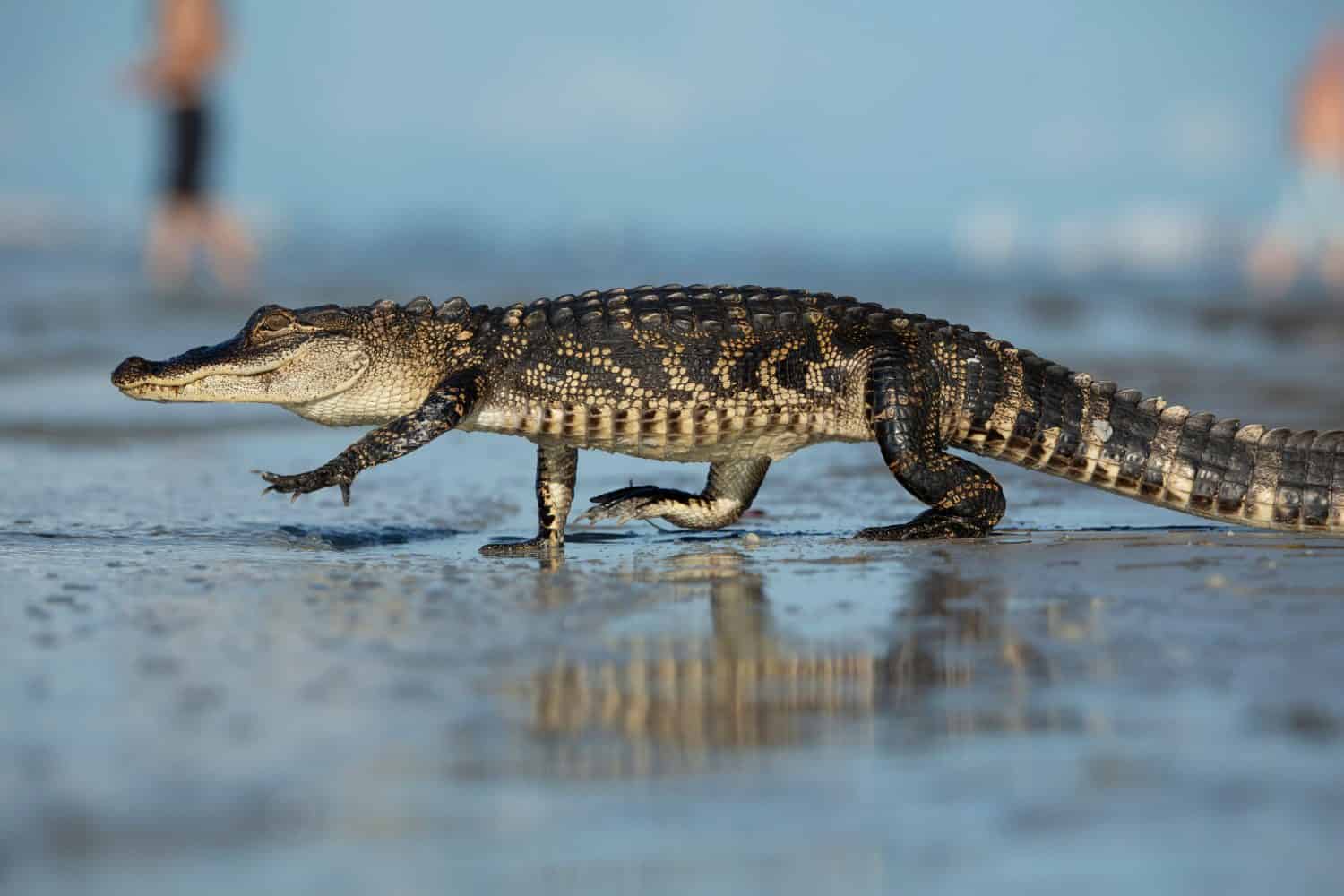
5. Alligators Are Faster Than You’d Think
©Dave Litterio/Shutterstock.com
Alligators can sprint on land in short bursts at speeds of about 15 to 20 miles per hour, though they cannot sustain this pace for long distances. In the water, they are powerful swimmers and can reach speeds of around 20 miles per hour using their muscular tails for propulsion.
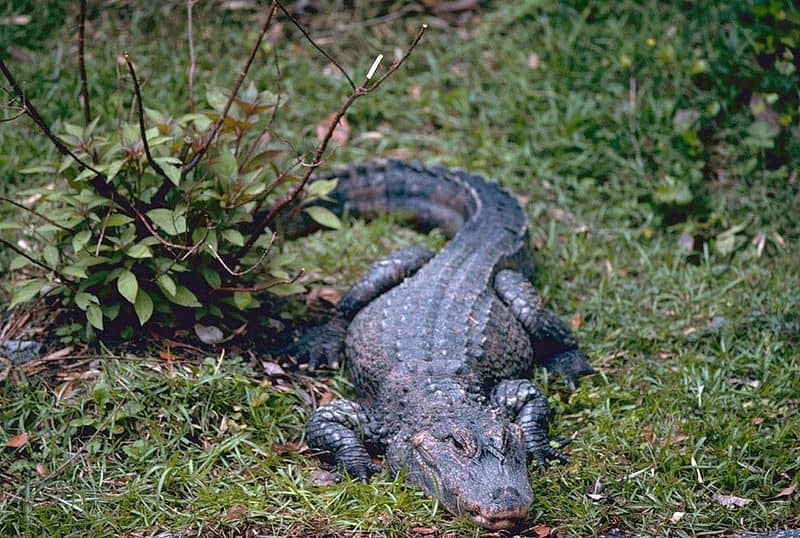
6. There Are Few Chinese Alligators in the Wild
©Stolz, Gary M, Public domain, via Wikimedia Commons - Original / License
In the wild, experts estimate there are only about 100 to 150 Chinese alligators left. In captivity, there are at least 20,000 Chinese alligators.
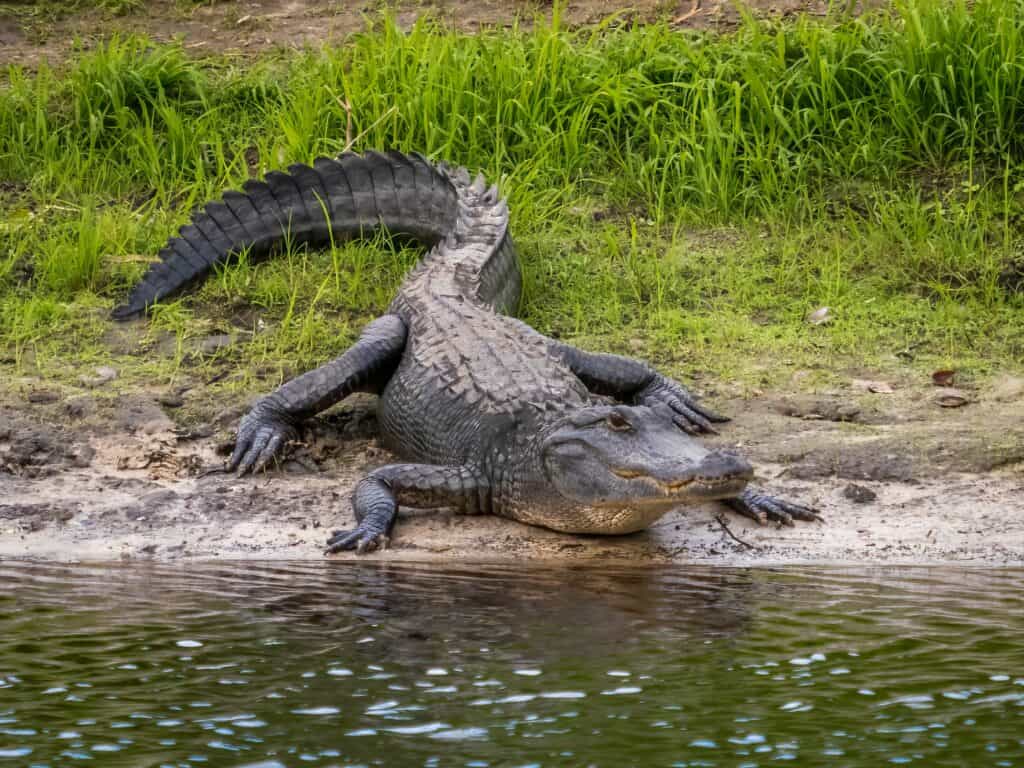
7. American Alligators Can Live For Up to 70 Years
©Jim Schwabel/Shutterstock.com
In the wild, American alligators typically live between 30-50 years. In captivity, they can live far longer, up to 70 years.
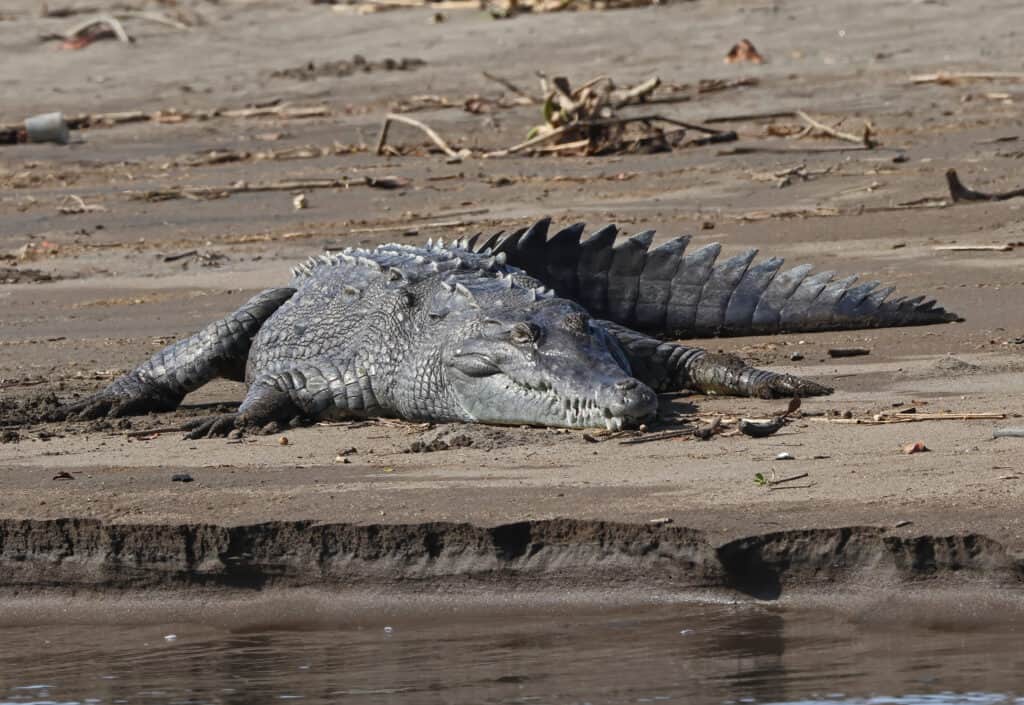
8. American Alligators Live Alongside American Crocodiles
©iStock.com/neil bowman
American alligators and American crocodiles naturally coexist in only one place on Earth: the southern tip of Florida, in and around the Everglades. This area’s mix of fresh and brackish waters allows both species to share the same ecosystem, even though they usually prefer slightly different environments.
9. Alligators Can Reach Massive Proportions
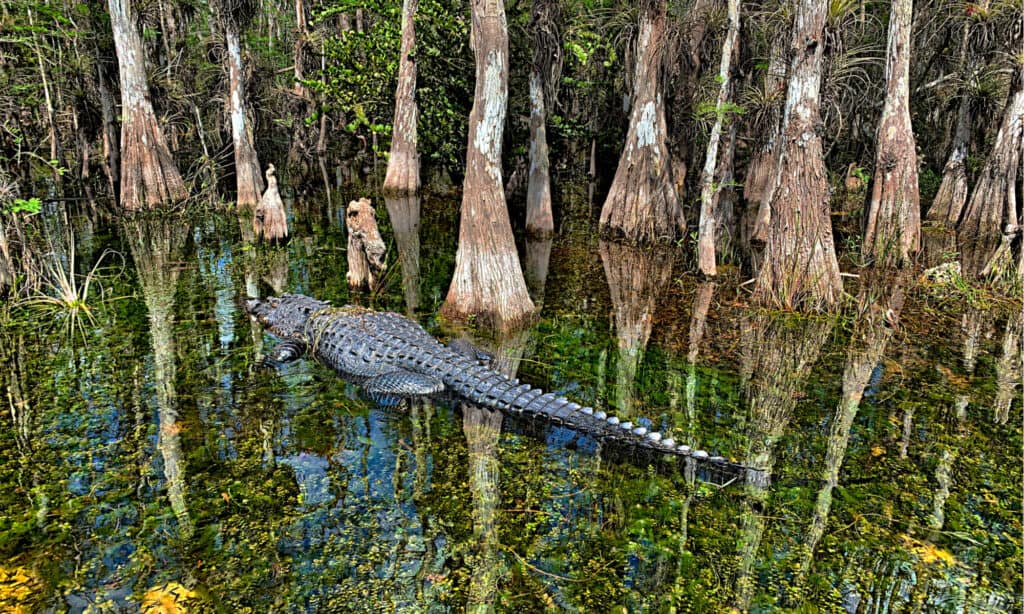
©jaimie tuchman/Shutterstock.com
American alligators are among the largest reptiles in North America, with adult males commonly reaching 10 to 13 feet in length and weighing several hundred pounds. The biggest individuals can exceed 14 feet and weigh close to 1,000 pounds, making them both impressively long and heavy.
10. American Alligators Have Around 80 Teeth
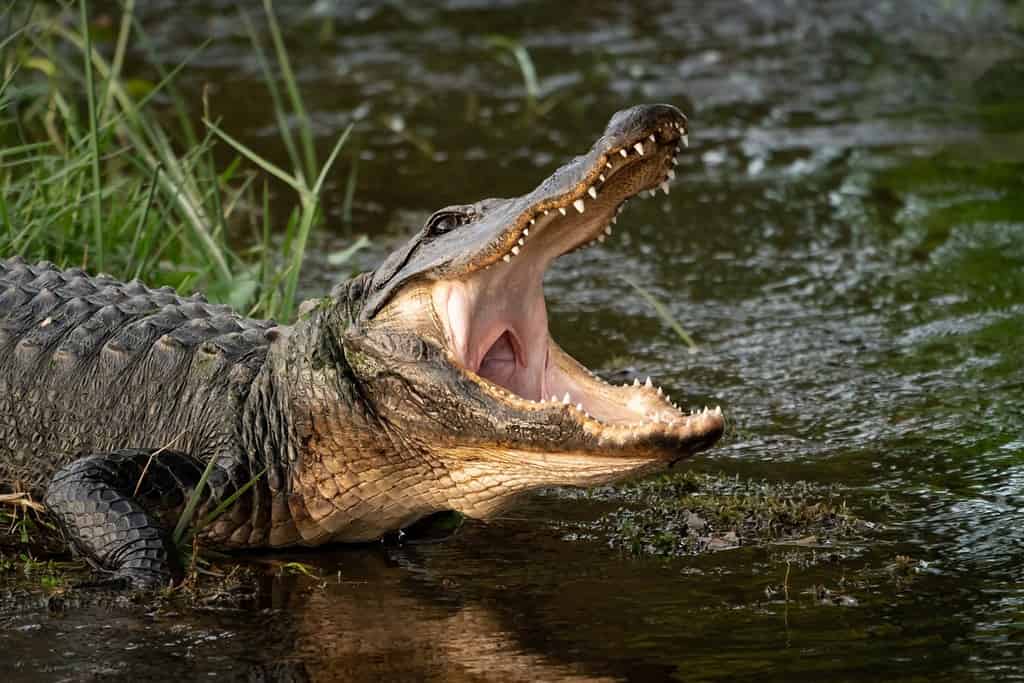
©Deborah Ferrin/Shutterstock.com
When looking at the size of their mouth, it’s hard to believe American alligators only have 80 teeth. Although limited in number of chompers, their teeth are replaced up to 50 times throughout their lifespan!
11. Baby Alligators Have a Very Cute Name
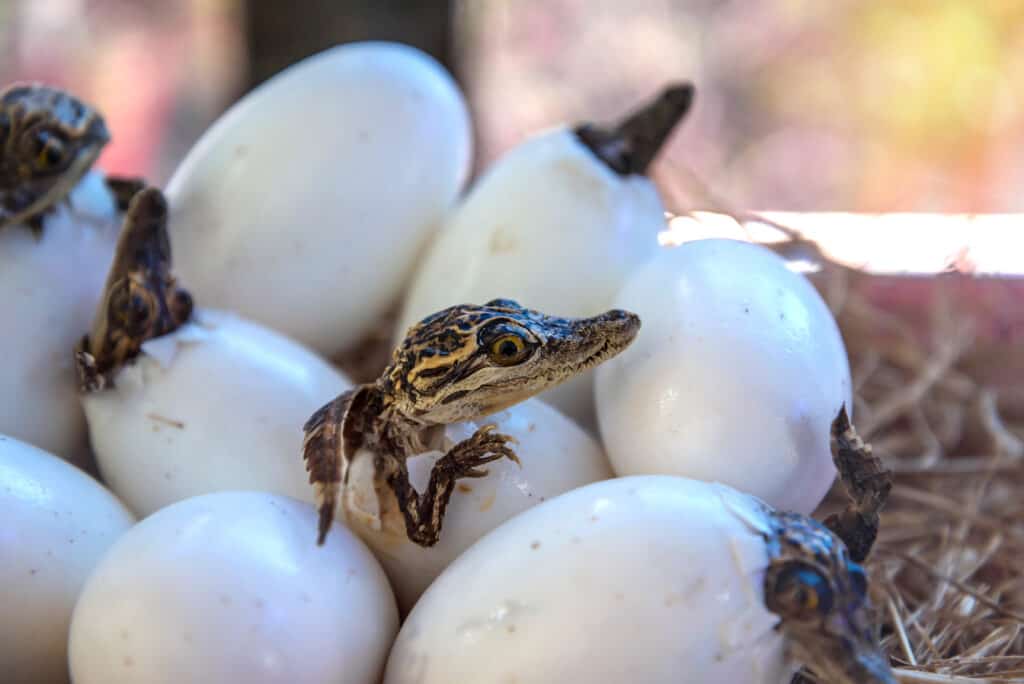
©iStock.com/Casanowe
Baby alligators are called hatchlings. As adorable as these small reptiles are, it is best to stay away from them in the wild. Always assume mama is nearby.
12. Adult Alligators Don’t Eat Everyday
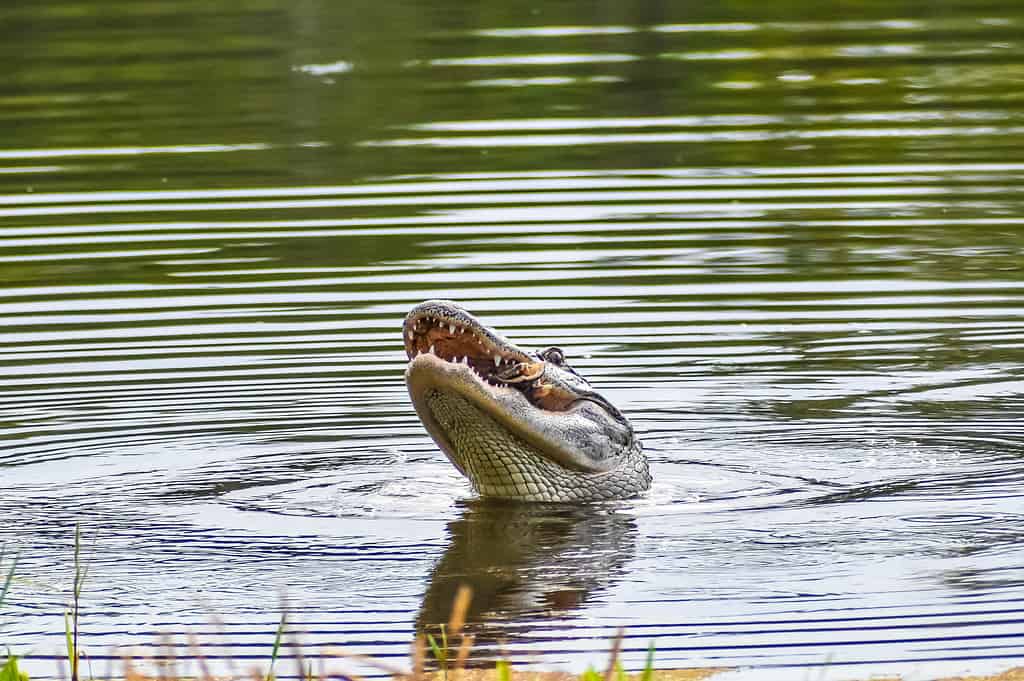
©Jaimie Tuchman/iStock / Getty Images Plus via Getty Images
Don’t let the movies fool you. American alligators aren’t ravenous creatures always looking for their next meal. They only eat about once a week, and sometimes less.
13. Male Alligators Don’t Participate in Parenthood
©ccarvell/Shutterstock.com
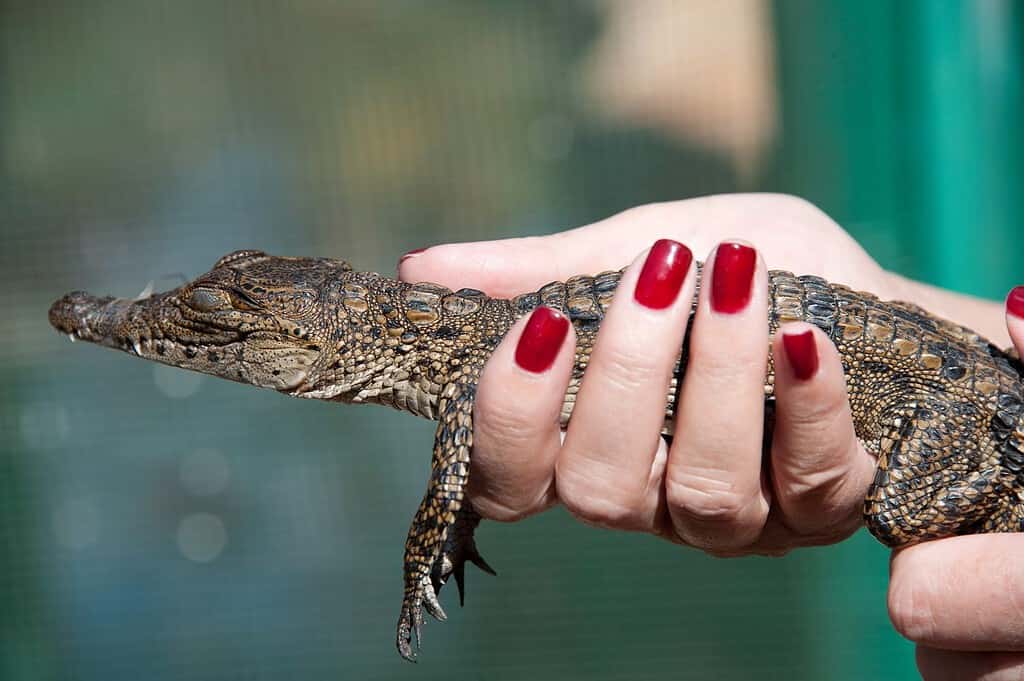
While mama alligators are excellent parents, male alligators rarely care for young. They may not even recognize their hatchlings.
14. These Reptiles Seem to Practice “Polygamy”
©iStock.com/mrolands
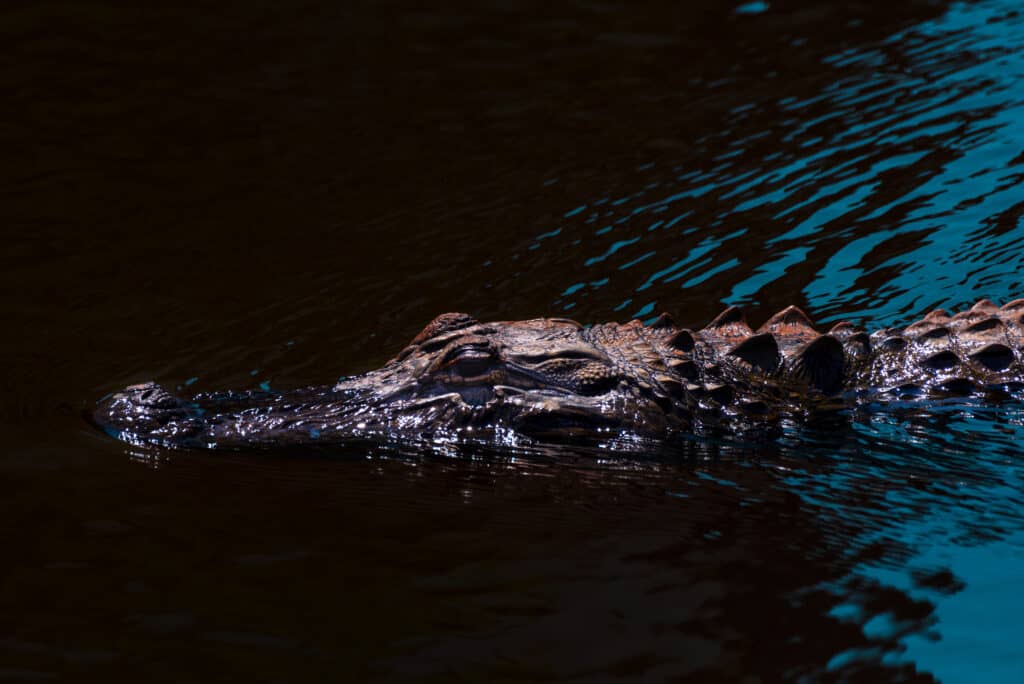
While not monogamous, alligators frequently maintain the same mates over multiple breeding seasons. They generally have multiple partners, but these mates can remain consistent over time.
15. Alligator Eggs Hatch in About Two Months
©Heiko Kiera/Shutterstock.com
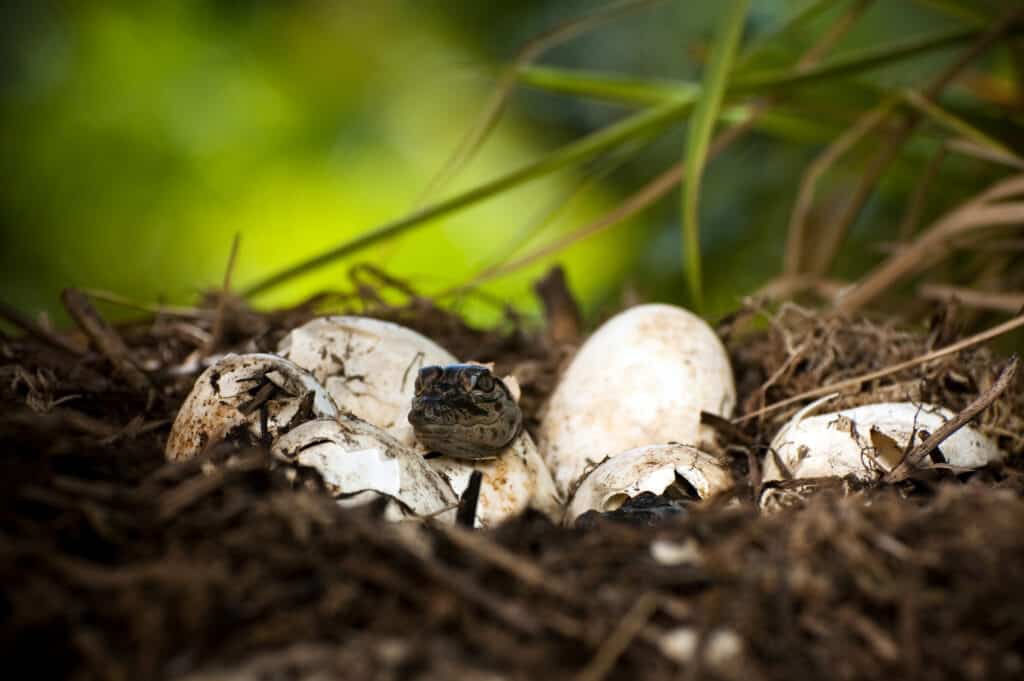
American alligator eggs incubate for about 63-68 days.
16. American Alligators Nearly Went Extinct
©Catalina Villegas/Shutterstock.com
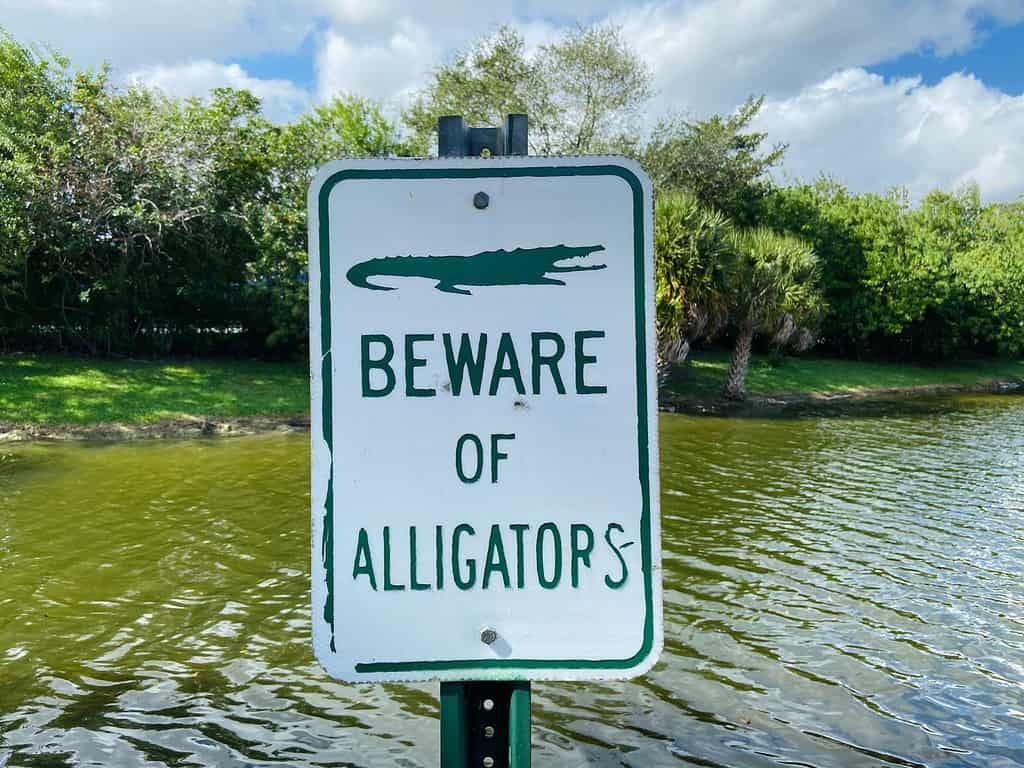
These reptiles have so perfectly evolved that it’s difficult to imagine they almost went extinct. Overhunting decimated the population in the United States so much that the species was listed as endangered by the Endangered Species Act of 1973.
17. Alligators Are Opportunistic Feeders
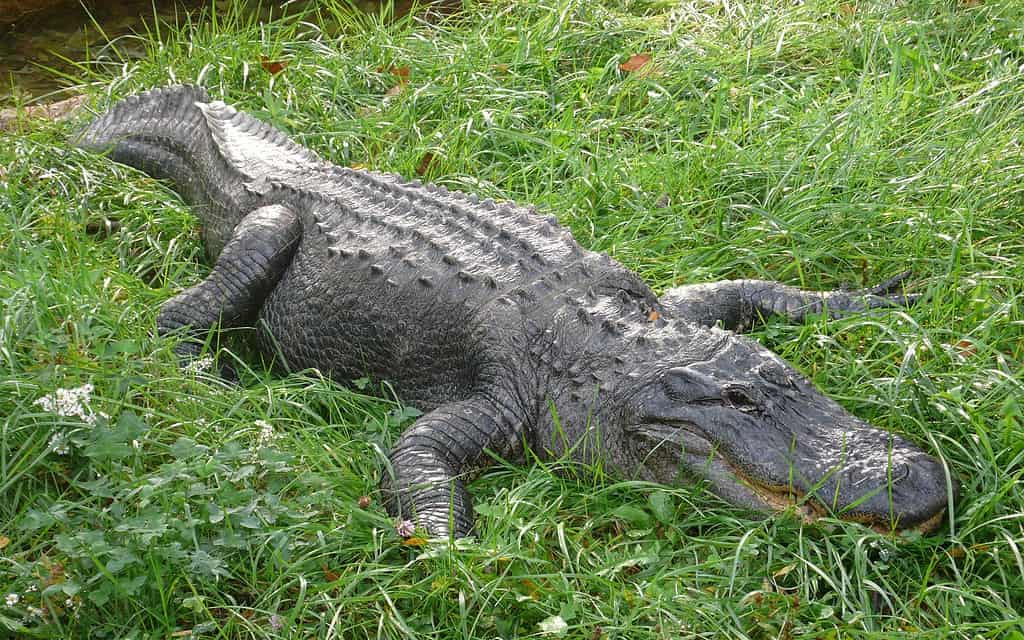
According to the Florida Fish and Wildlife Conversation and Commission, alligators are opportunistic feeders. They would rather attack an injured or already deceased animal than risk a more formidable target.
18. A Large Portion of Alligator Nests Don’t Survive
©DimaSid/Shutterstock.com
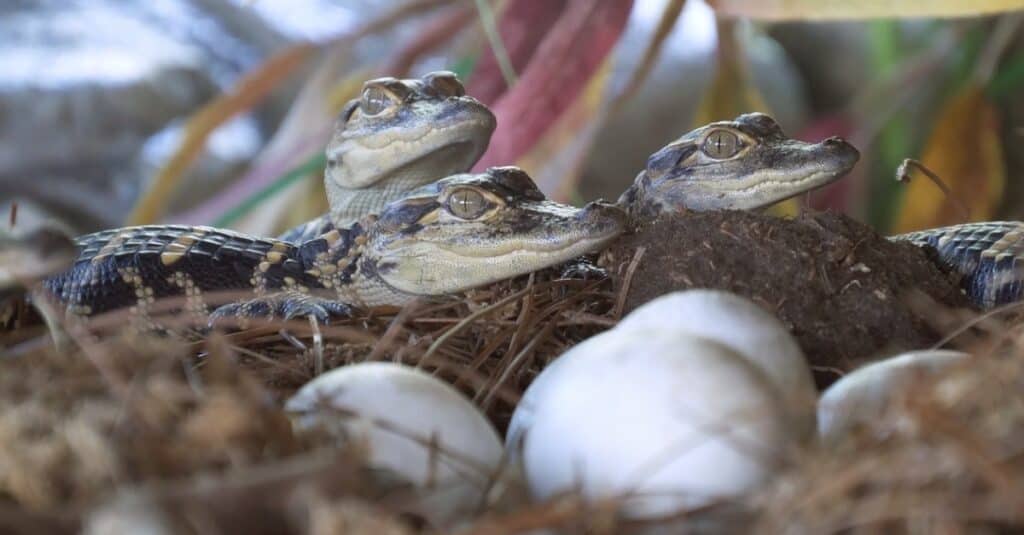
Because predators and flooding destroy about a third of alligator nests, only about two-thirds of nests survive.
19. American Alligators Have a Wide Range
©Ben Nissen/iStock via Getty Images
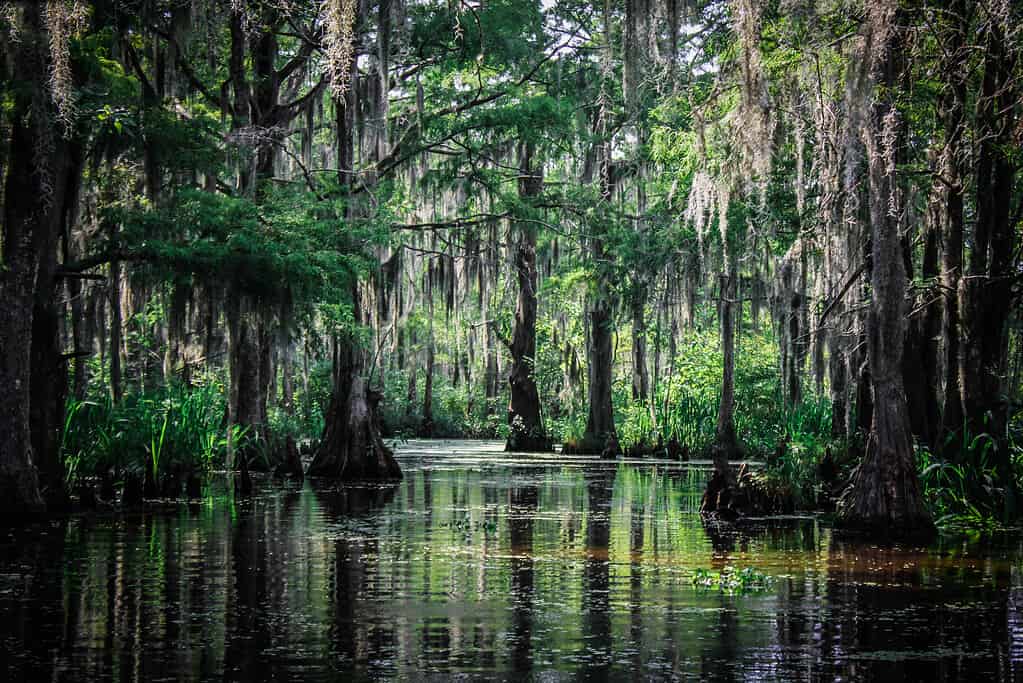
American alligators can be found across the southeastern United States from Texas, all the way to sections of North Carolina. You can even find alligators in southeast Oklahoma.
20. Fatal American Alligator Attacks Are Rare
©tswinner/Shutterstock.com
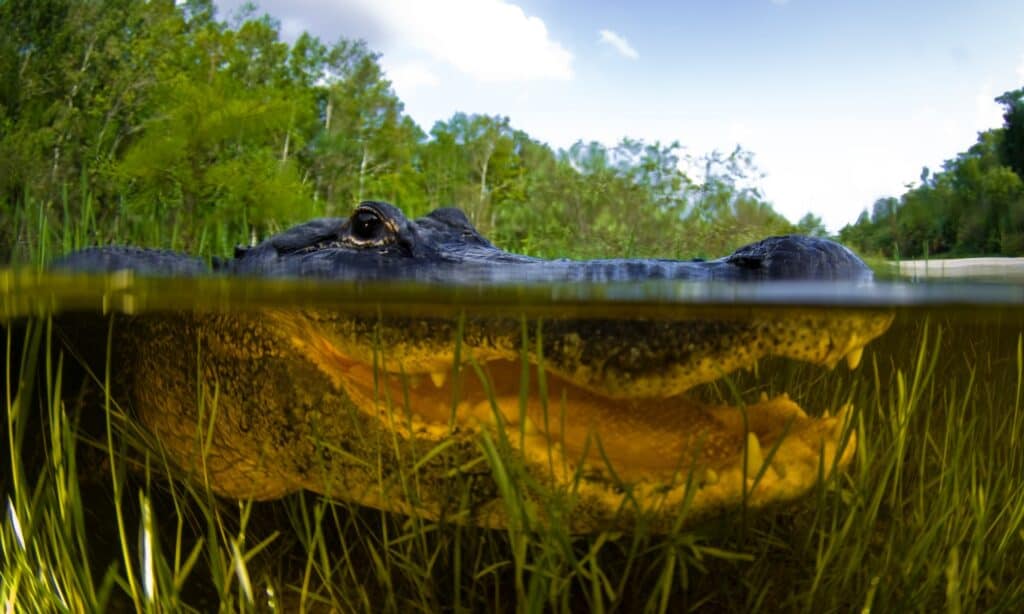
While we don’t recommend jumping into a swamp filled with alligators, fatal attacks are rare. According to the Florida Museum of Natural History, only about 4.3% of alligator attacks on humans are fatal.
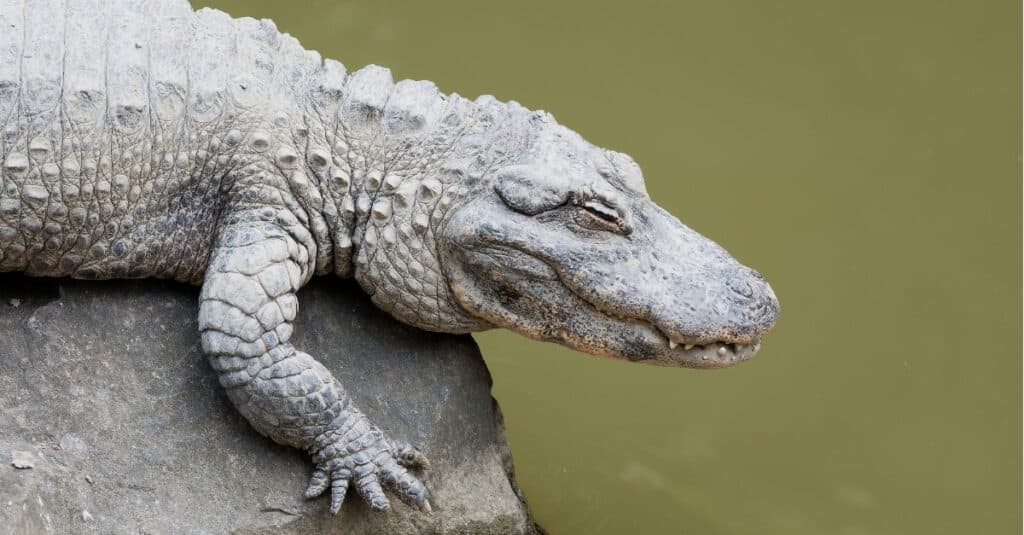
21. Wild Chinese Alligators Are Only Found in a Tiny Area
©yanjf/Shutterstock.com
Chinese alligators are highly endangered, with fewer than 200 left in the wild. As of now, the few remaining live in the lower Yangtze River in the Anhui province of China.
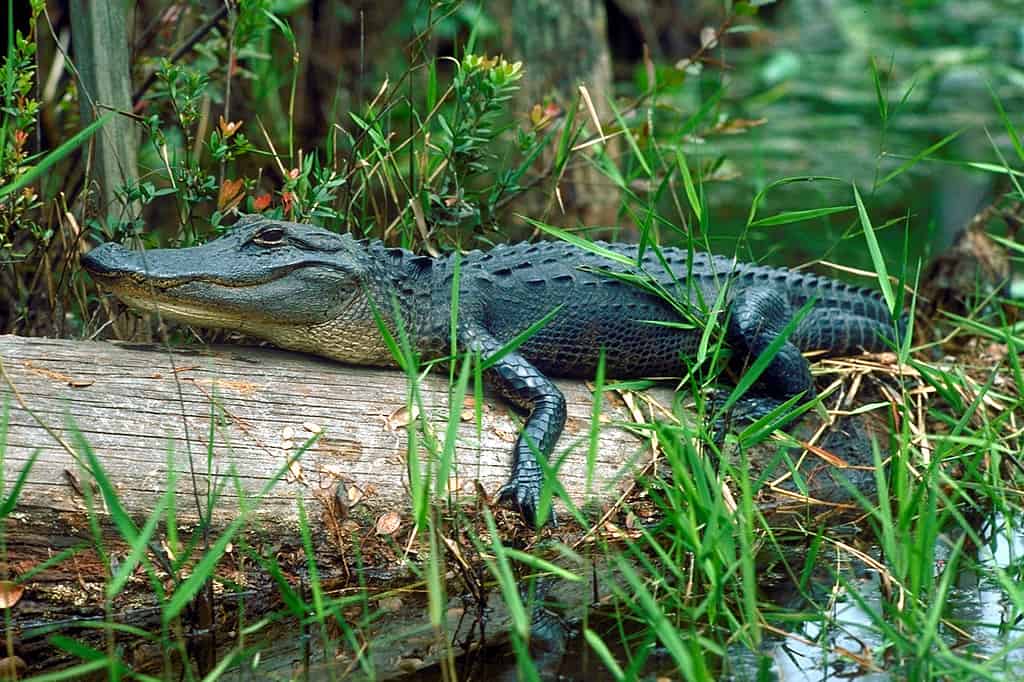
22. Alligators Are Ancient
©Jonas N. Jordan, U.S. Army Corps of Engineers, Public domain, via Wikimedia Commons - Original / License
Modern crocodilians date back roughly 80 million years, but ancestors go back over 200 million years.
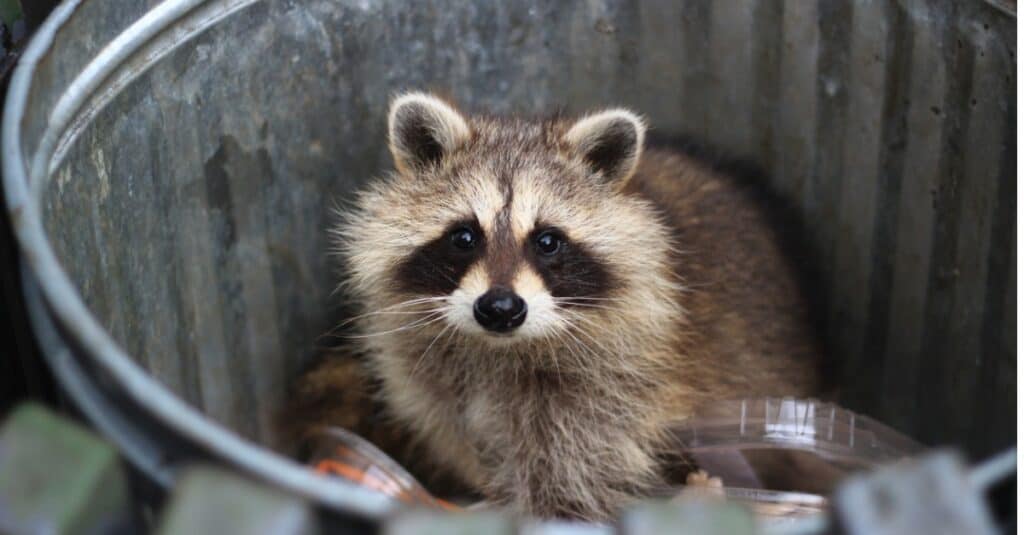
23. Young Alligators Have Many Predators
©iStock.com/Dahrs
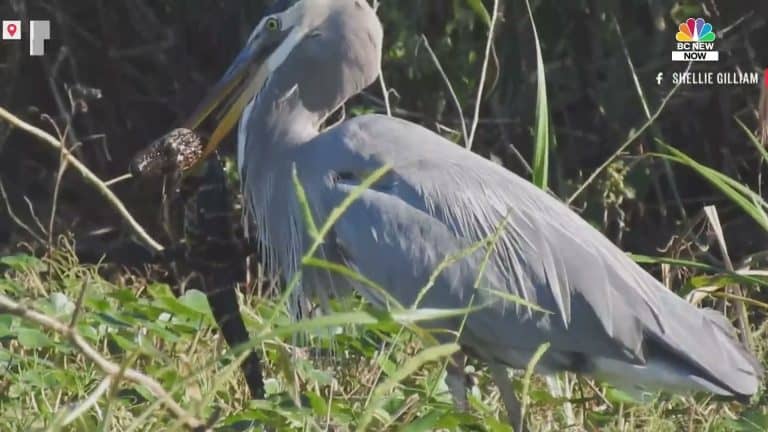
While adult alligators are high on the food chain, young alligators are extremely vulnerable to predation. A few of their predators include other gators, large fish, birds, snakes, and raccoons.
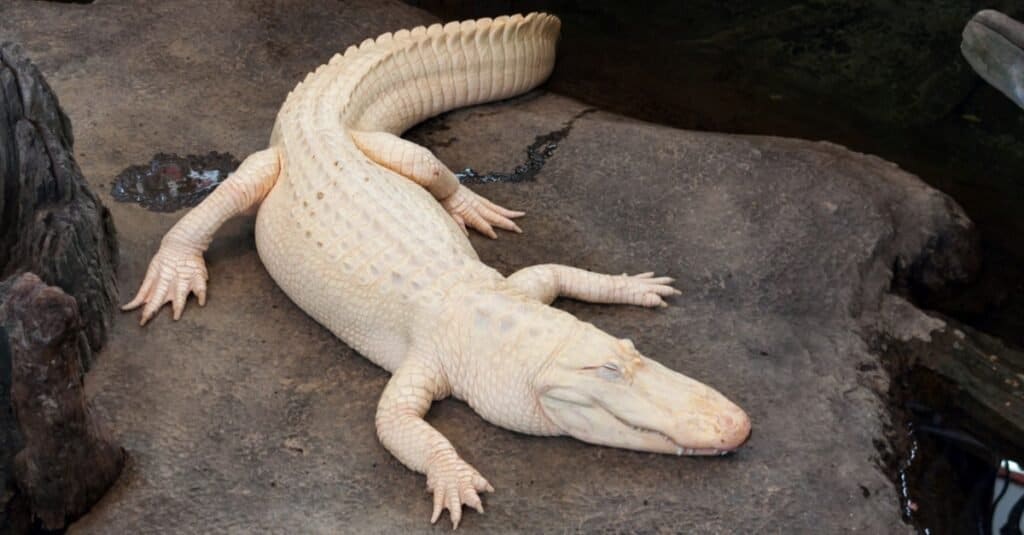
24. Albino Alligators Are Incredibly Rare
©one5zero/Shutterstock.com
Very few alligators are albino. Many of these live in captivity as they are very vulnerable in the wild; their coloring makes them easy for predators to find.
25. Bull Sharks and American Alligators Interact
©Harry Collins Photography/Shutterstock.com
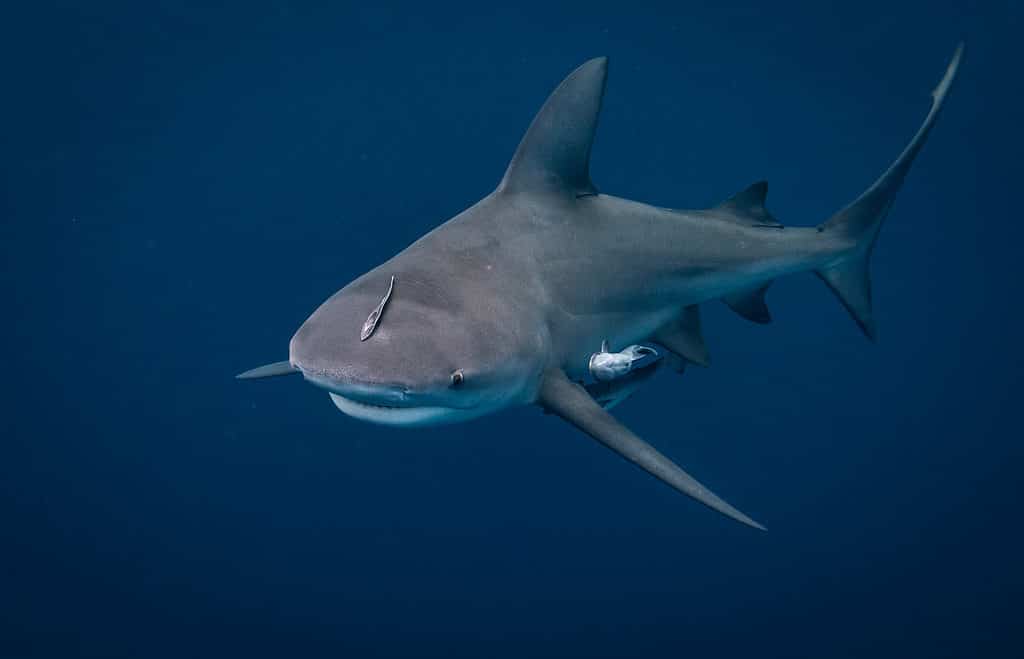
American alligators and bull sharks sometimes cross paths in brackish water, such as Lake Pontchartrain in south Louisiana. They generally leave each other alone; however, while uncommon, fights have been documented.
26. The Most Alligator-Infested Lake
©Thomas Decot/Shutterstock.com
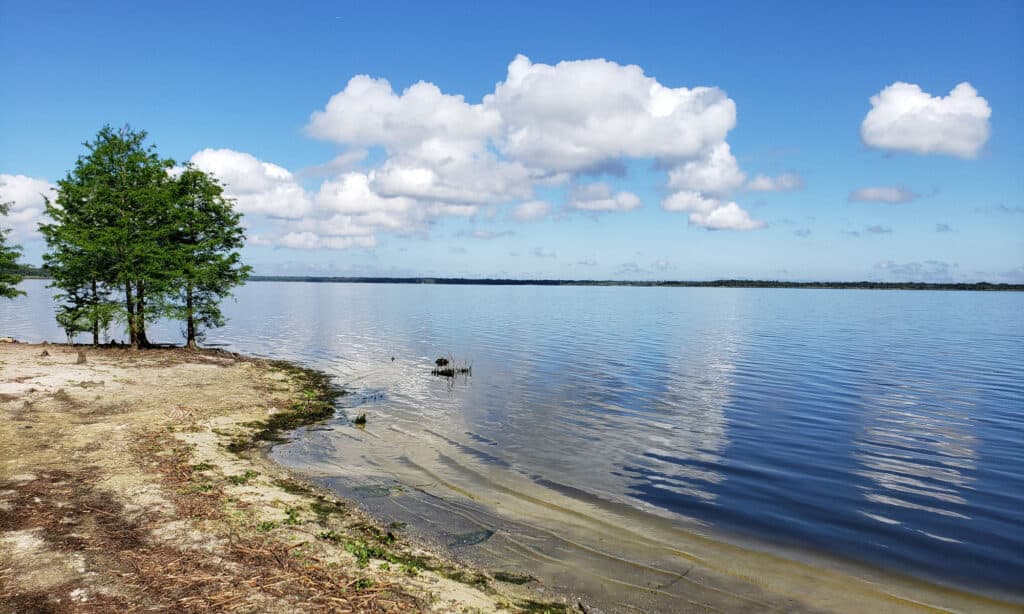
While estimates vary, Florida’s Lake Jesup is widely considered the most alligator-infested lake. Some estimates claim at least 13,000 gators call the waters home.
27. Alligators Are Not Solely Nocturnal
©Ruslan Mussin/Shutterstock.com
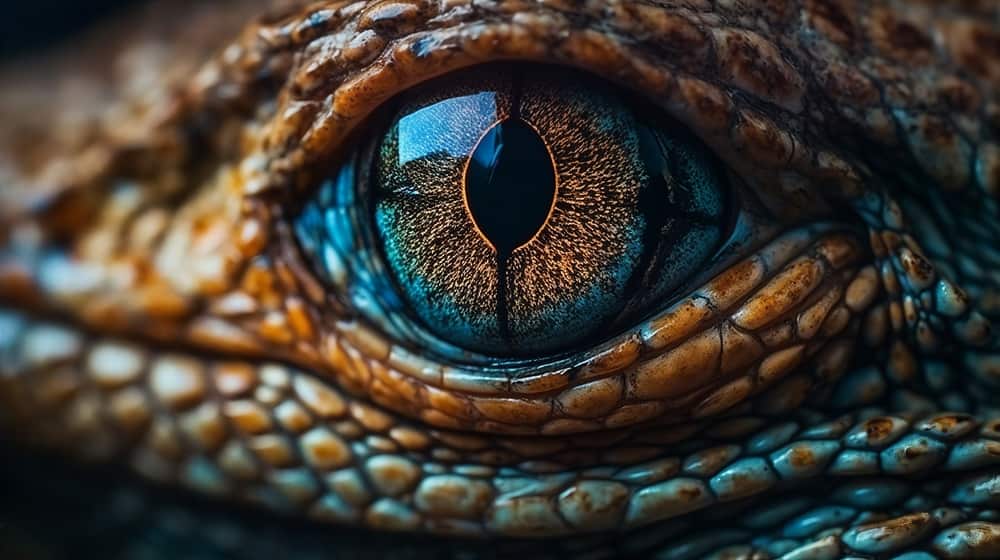
Alligators are primarily crepuscular/nocturnal; however, this doesn’t mean they are never spotted during the day. Alligators remain active during daytime for feeding and basking in the sun.
28. Alligator Nests Are Hard to Miss
©William A. Morgan/Shutterstock.com
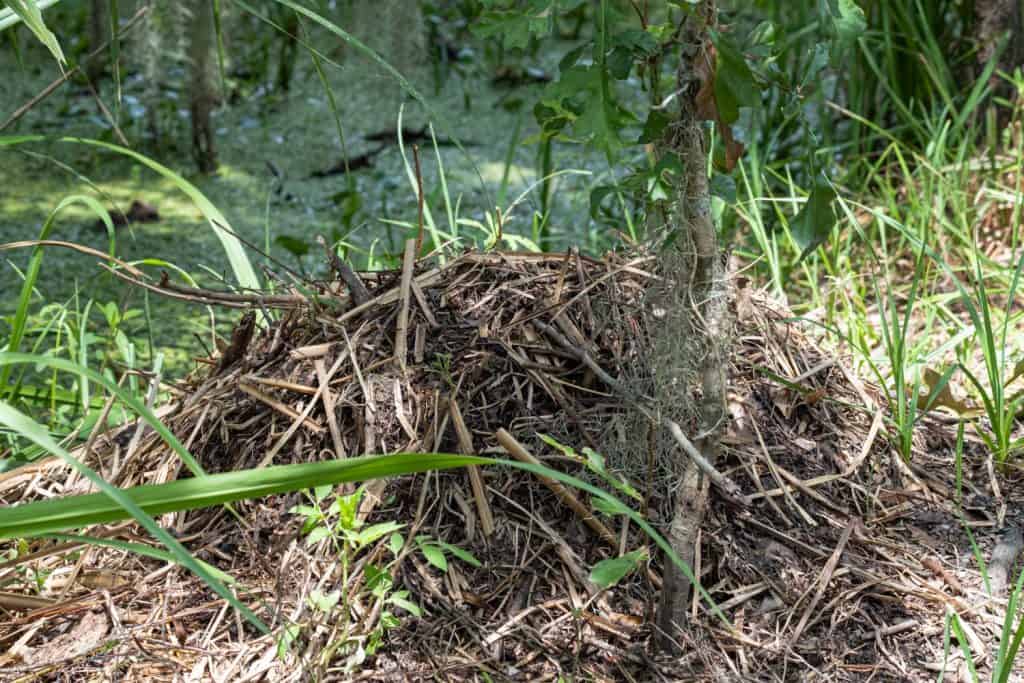
American alligator nests are large. As stated by the Texas Parks and Wildlife, their nests are 3 to 6 feet across and 1 to 2 feet tall!
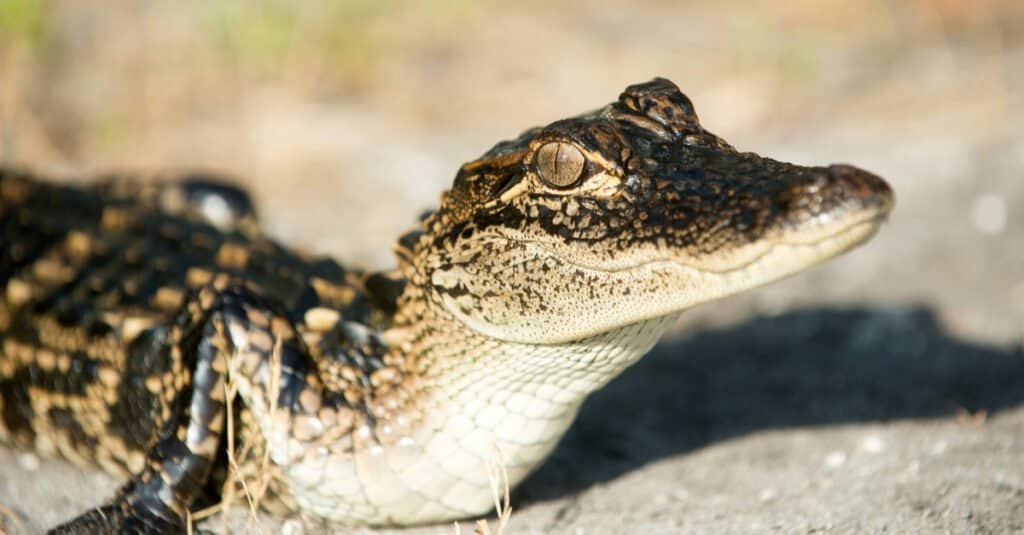
29. Each Year, Baby Alligators Grow 9 to 10 Inches
©Tony Campbell/Shutterstock.com
Baby alligators grow quickly. According to the Texas Parks and Wildlife, until baby gators turn five, they grow 9 to 10 inches each year.
30. Some States Allow People to Own Alligators
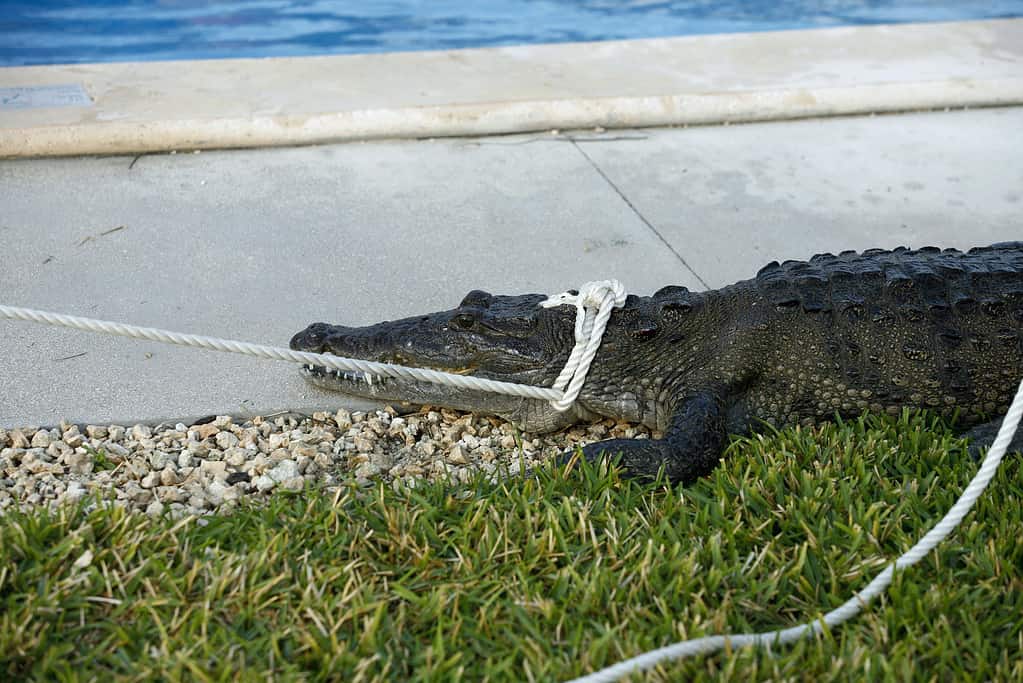
©strathroy/iStock via Getty Images
Some states allow alligator ownership with proper licenses. These states include Florida, Indiana, and Michigan.
31. Temperature Changes Gender

©kein, CC BY 2.0 KR <https://creativecommons.org/licenses/by/2.0/kr/deed.en>, via Wikimedia Commons - Original / License
The temperature of egg incubation determines the sex/gender of alligator hatchlings. Temperatures above 93°F produce males, while temperatures below 86°F produce females.
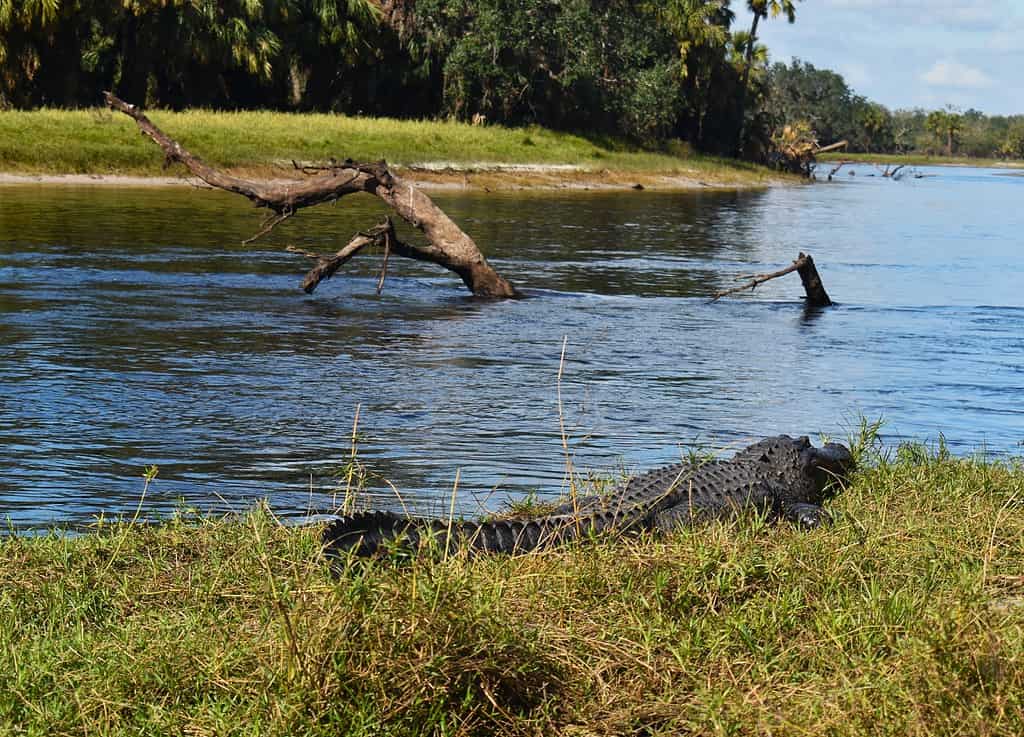
32. During Winter, Alligators Enter Brumation
©SuJo Studios/Shutterstock.com
During cold months, alligators experience something similar to hibernation. These reptiles slow down and conserve energy throughout the winter.
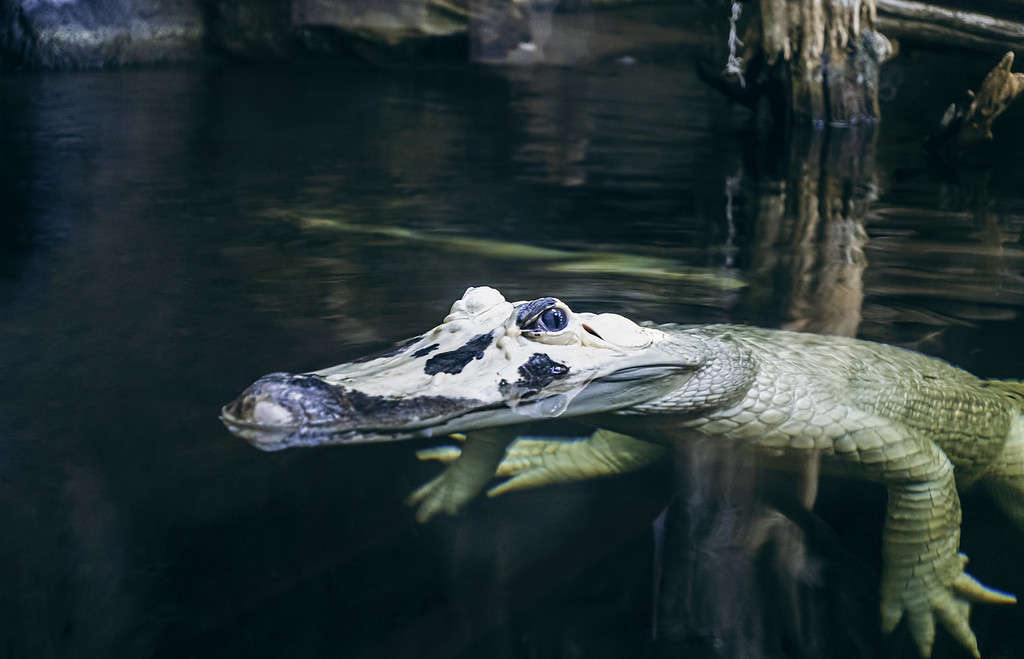
33. American Alligators Also Eat Vegetation
©sfe-co2/iStock via Getty Images
American alligators aren’t entirely carnivores. Though rare, they have been known to eat vegetation like wild grapes!
34. Alligators Are Loud
©THIERRY EIDENWEIL/iStock via Getty Images
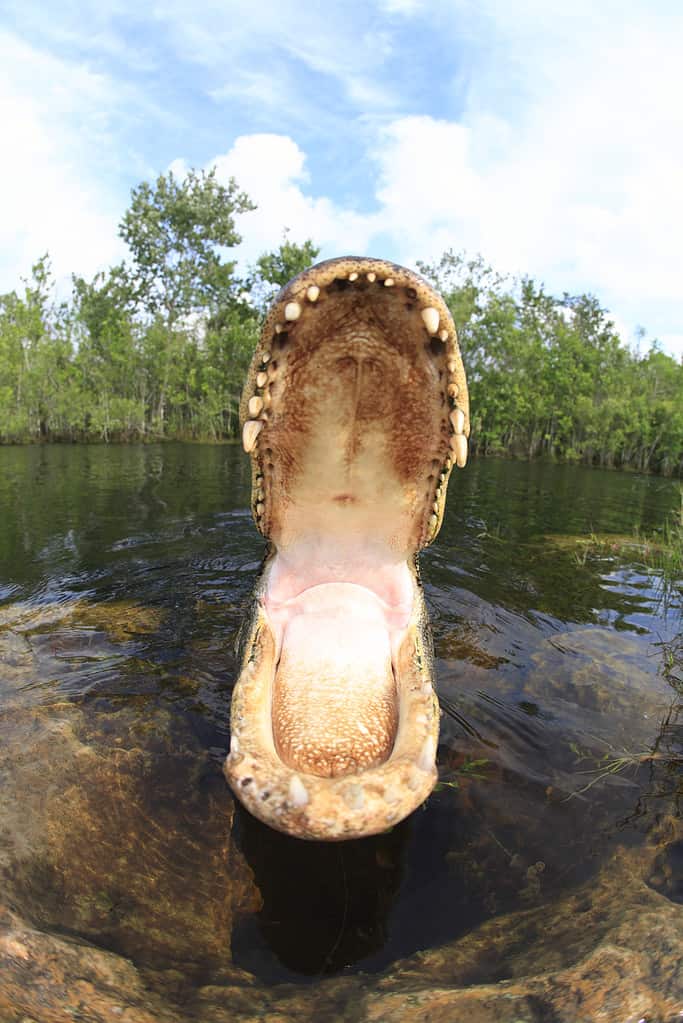
For reptiles, American alligators are especially loud and noisy. They bellow, growl, and hiss (the latter is a warning to stay away). You might hear this terrifying sound if you wander too close to their nests or babies.
35. Alligators Might Take a Dip in Your Pool
©AG's photos/Shutterstock.com
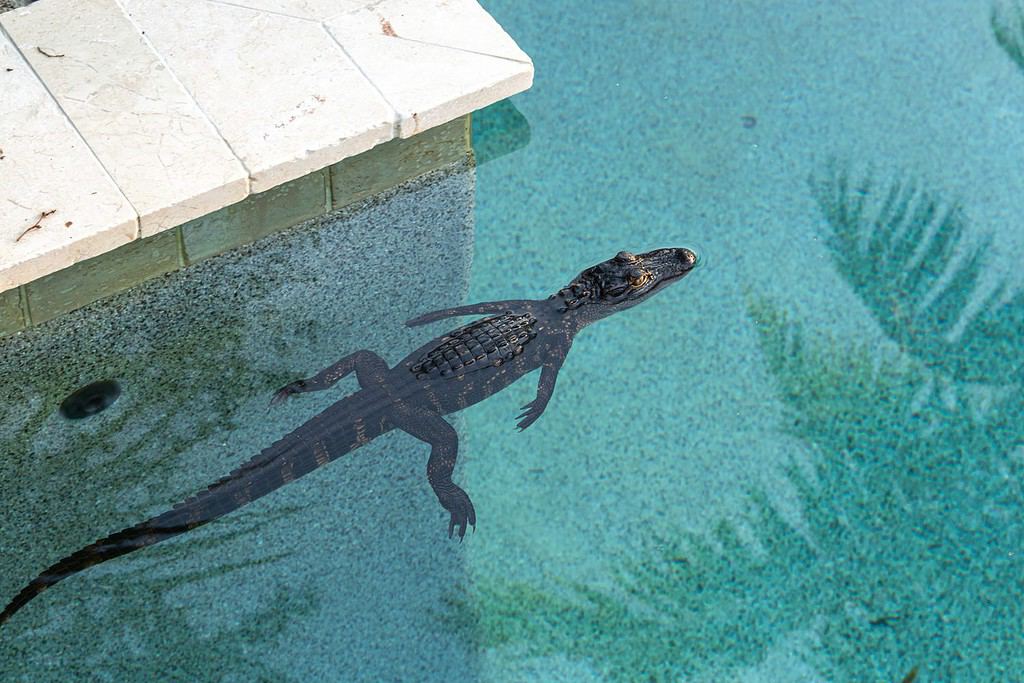
While not super common, alligators have occasionally found themselves in backyard swimming pools after hurricanes and tropical storms. Flooding may push them into unknown areas, including your private pool.