
Quick Take
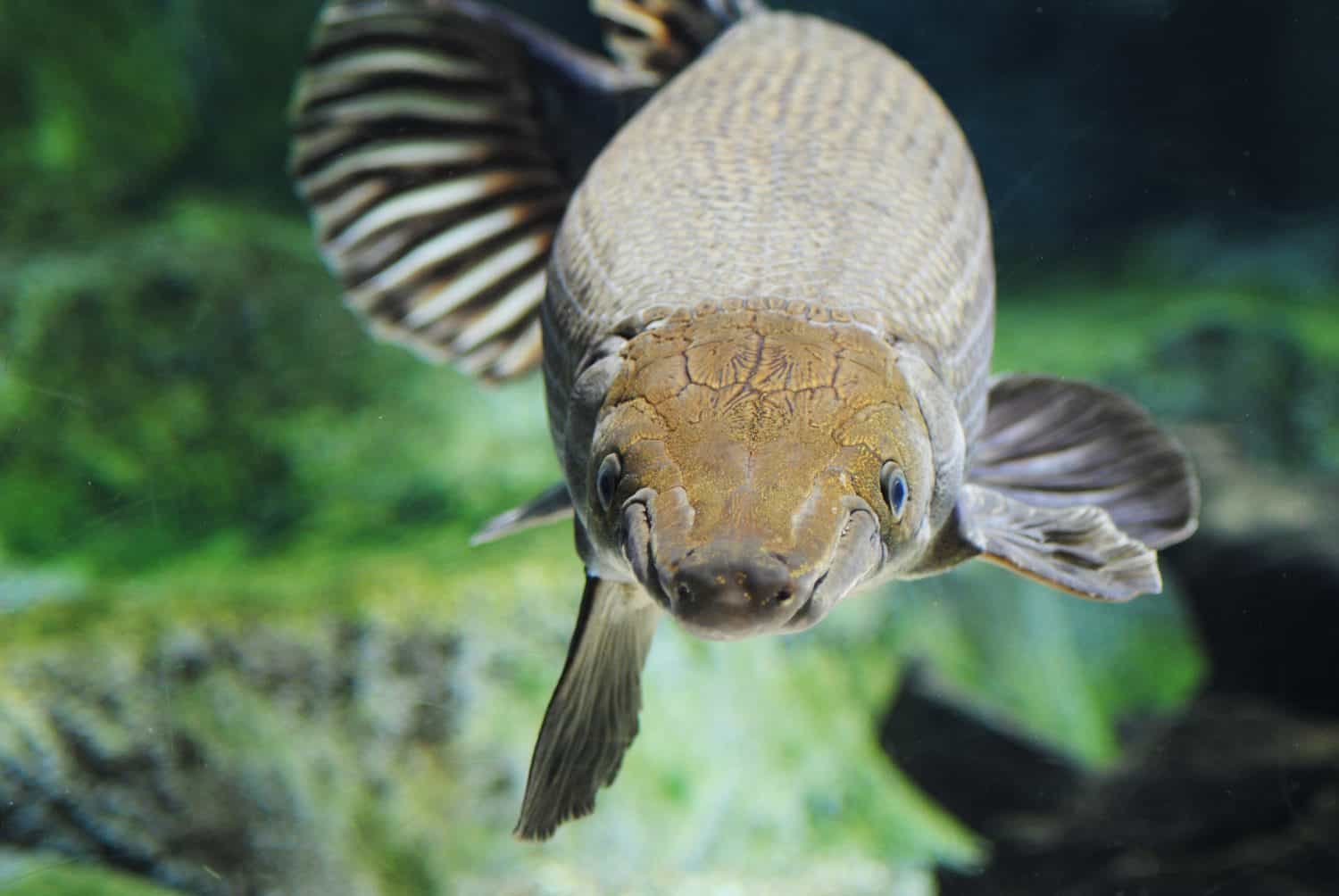
- One Mississippi River fish has been doing something no typical fish should be able to do, and it has been doing so for millions of years. Meet the air-breathing gar →
- The American paddlefish's scientific name literally means 'many-toothed spatula,' yet its actual anatomy tells a completely different story. Explore the paddlefish anatomy →
- American eels in the Mississippi begin their lives somewhere most people would never guess, a place thousands of miles away. Discover the eel's origin →
The Mississippi is arguably one of the most fascinating rivers in the U.S. It spans 2,350 miles from Minnesota to the Gulf of Mexico, with its deepest point reaching roughly 200 feet just outside of New Orleans. Despite its name, the Mississippi River flows through or along the borders of 10 states on its journey south. But within these waters exist some unusual–and even bizarre–species.
Many of these fish exist where the rushing water meets the deep south. Here, water can reach a total depth of 100 feet, supporting a variety of marine life. Murky water, muddy riverbeds, sharp bends, and carved channels make the perfect shelter for some of Mississippi’s most fascinating species. Whether due to their unusual appearance or strange behavior, these are the fish that visitors are most surprised to see swimming in the river’s depths.
Alligators Abound, But So Do Alligator Gar
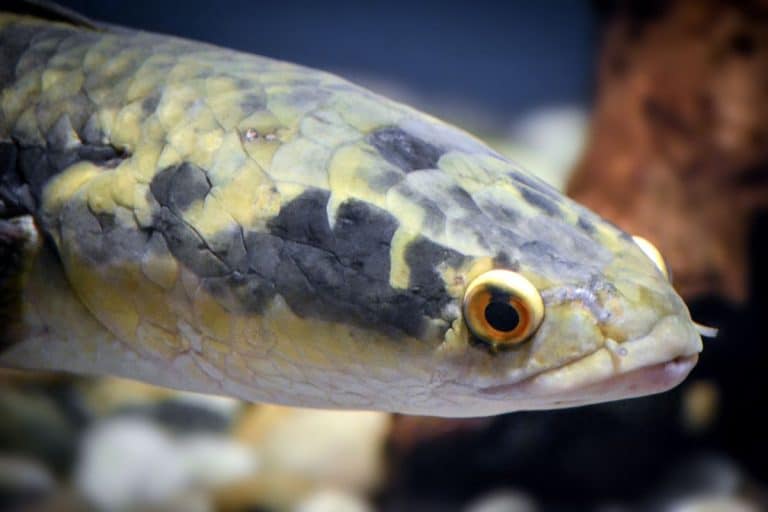
It’s not unusual to find alligators in the Mississippi River, as they inhabit the low-lying river delta from Louisiana through Mississippi. But one species you won’t find sunning on a riverbank is the alligator gar (Atractosteus spatula). This fish is entirely aquatic and only shares its name with its partially terrestrial neighbor.
“The alligator gar is a very unique species for several reasons,” Greg Glotzbecker, PhD, and Fisheries Coordinator for Mississippi Wildlife, Fisheries, and Parks, tells us. “First, the gar family (Lepisosteidae) is a very primitive, old group of fishes that can live in both fresh and brackish water. They have heavy, armor-like, ganoid scales that are very different from more modern species.”
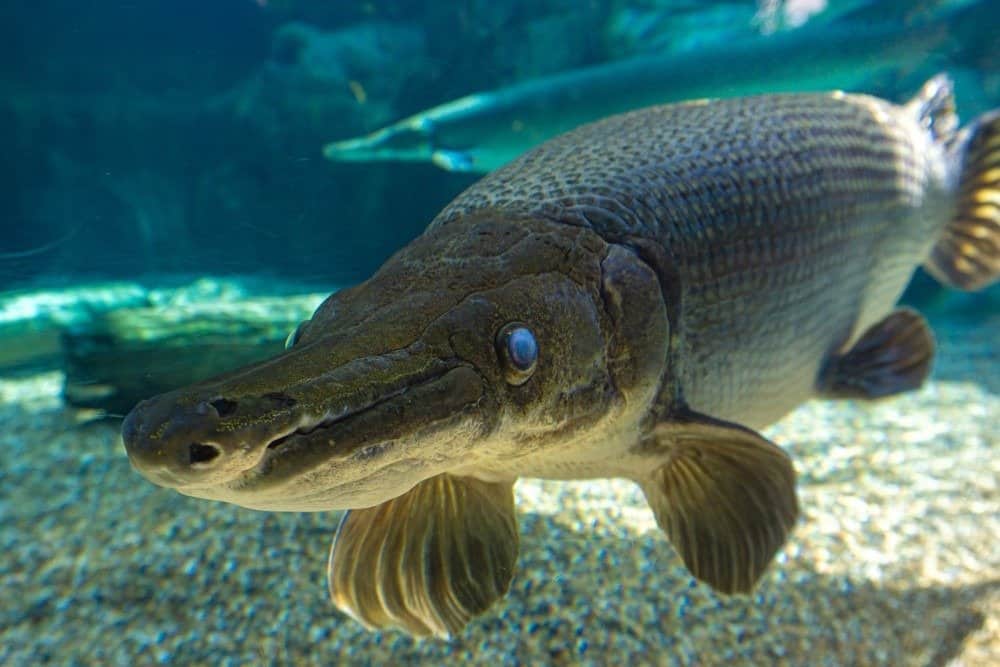
The alligator gar is a ray-finned euryhaline fish related to the bowfin in the infraclass Holostei.
©TKBackyard/Shutterstock.com
He adds that the alligator gar can gulp air to breathe when dissolved oxygen levels drop during the hot summer months, providing an incredible survival tactic. “Lastly, alligator gar are an extraordinarily large species of freshwater fish that can reach over nine feet in length and weigh over 300 pounds. They are not related to alligators; they just share the name due to their large, flat snouts,” Glotzbecker says.
Even more unusual is the lifespan of this particular species. An individual alligator gar can live anywhere from 50 to 90 years in the wild, making it one of the longest-lived residents of the Mississippi River.
The American Paddlefish Is Often Mistaken for a Shark
Found in the Mississippi River along the Louisiana and Mississippi portions, the American paddlefish (Polyodon spathula) is one of its most bizarre-looking fish. Often mistaken for a small shark because of its bullet-like body, it has an elongated snout, known as a rostrum, giving it a unique advantage in the Mississippi’s murky waters.
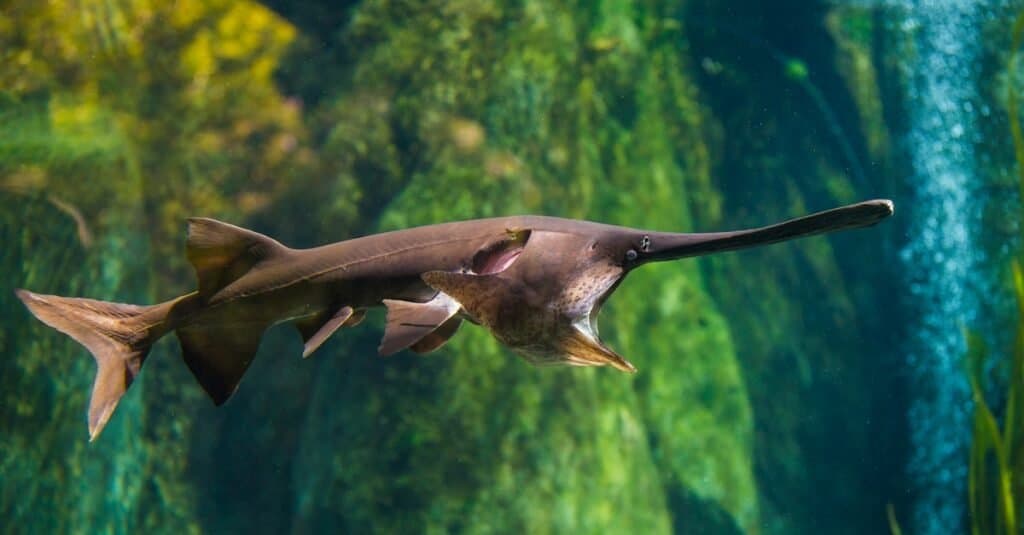
The American Paddlefish is smooth-skinned and almost entirely composed of cartilage.
©Saran Jantraurai/Shutterstock.com
“The American paddlefish is a planktivorous, large-river species. It is well adapted to living in large river systems such as the Mississippi River, which is rich in phytoplankton and zooplankton,” Glotzbecker explains. “These fish have specialized gill rakers to strain this microscopic food from the water. It is currently believed that their ‘paddle’ is primarily used for locating food in murky water.”
The American paddlefish has thousands of electroreceptors covering its rostrum. As it swings its head across the muddy riverbed, it can detect weak electrical signals that help it find prey. And despite its name meaning “many-toothed spatula,” its diet only consists of phyto- and zooplankton, and it actually has no teeth at all.
An Eel Was Recently Found in the Mississippi, But Is This Common?
Eels are typically found in coastal marine waters and deep oceans but sometimes thrive in freshwater rivers. After a fisherman recently caught an American eel in the Mississippi River, many people are wondering if the species is common. As it turns out, the answer is yes–and they not only inhabit the river, but they also thrive in its habitats.
“American eels (Anguilla rostrata) are common in the Mississippi River,” Glotzbecker explains. “This species is found statewide from large rivers to smaller streams. American eels have been harvested by commercial fishermen in Mississippi for decades, for sale to Asian fish markets. This species spawns in saltwater, and the juveniles migrate back up coastal rivers to grow. This is known as an anadromous life cycle.”
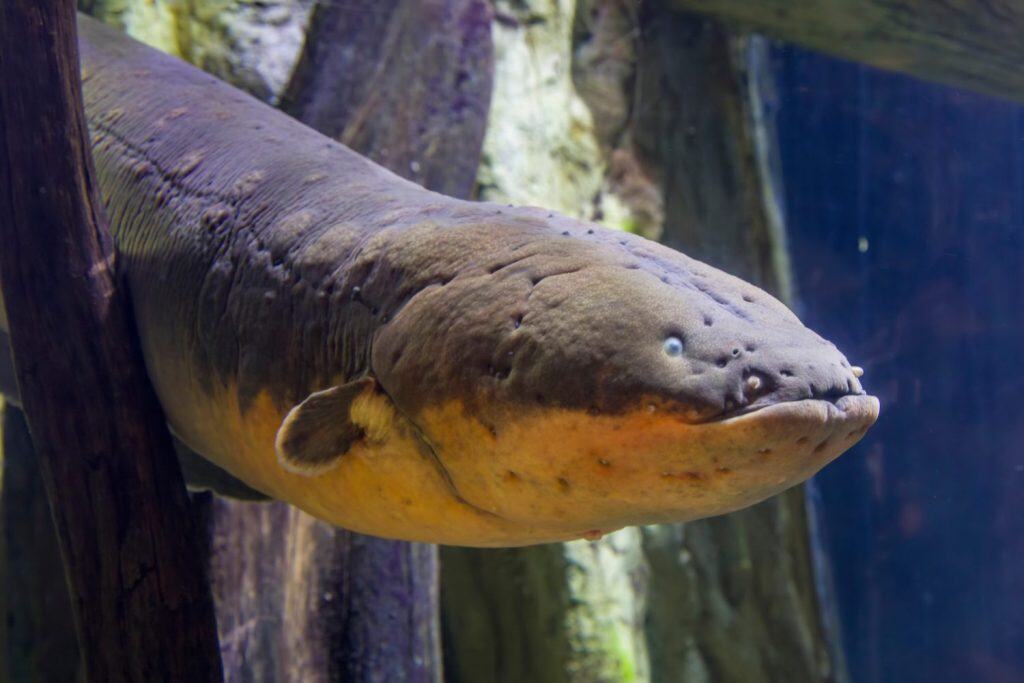
American eels are a rare sight in the Mississippi River, but they do inhabit it.
©Danny Ye/Shutterstock.com
The American paddlefish is a planktivorous, large-river species. It is well adapted to living in large river systems such as the Mississippi River, which is rich in phytoplankton and zooplankton.
Greg Glotzbecker, PhD, and Fisheries Coordinator for Mississippi Wildlife, Fisheries, and Parks
And while spotting them is increasingly rare, it doesn’t mean they don’t live in abundance. Most start their lives by hatching in the Sargasso Sea near Bermuda. From there, they migrate north toward the Mississippi River delta. Anglers sometimes catch females by accident, as they’re more likely to inhabit freshwater tributaries. Males tend to remain in brackish water, making them far more elusive. Populations have declined over the last 50 years, but American eels remain present in the Mississippi ecosystem.
One More Bizarre Fish for the Road
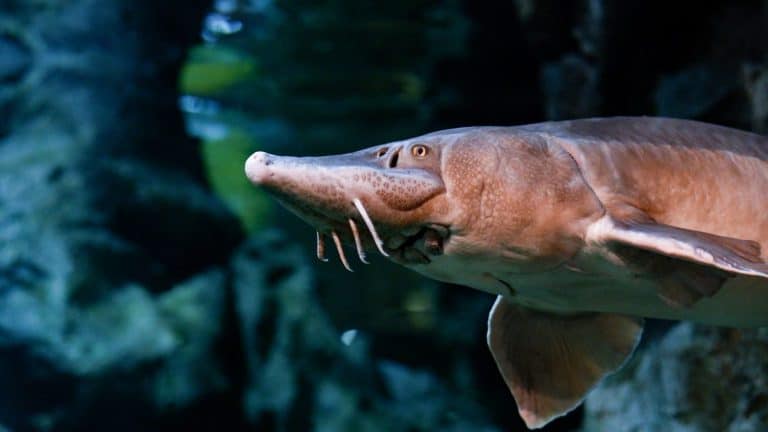
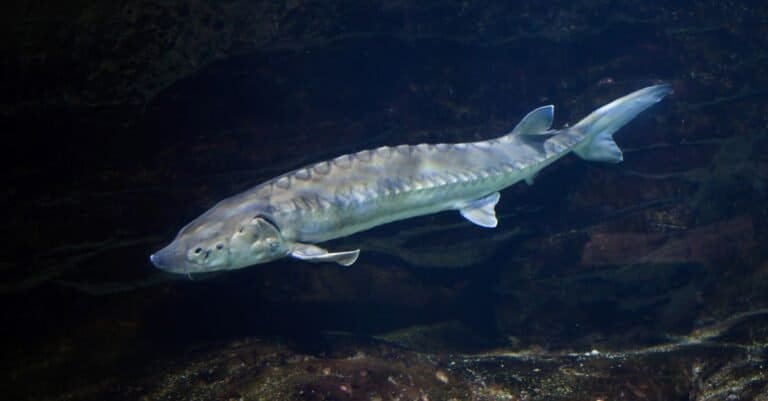
Another unusual fish that Glotzbecker points out is the sturgeon. While this fish is well known among locals, two species in particular are worthy of their bizarre reputations. “There are several species of sturgeon that live in the Mississippi River that most people do not know about. These species include the shovelnose and pallid sturgeon,” Glotzbecker says.
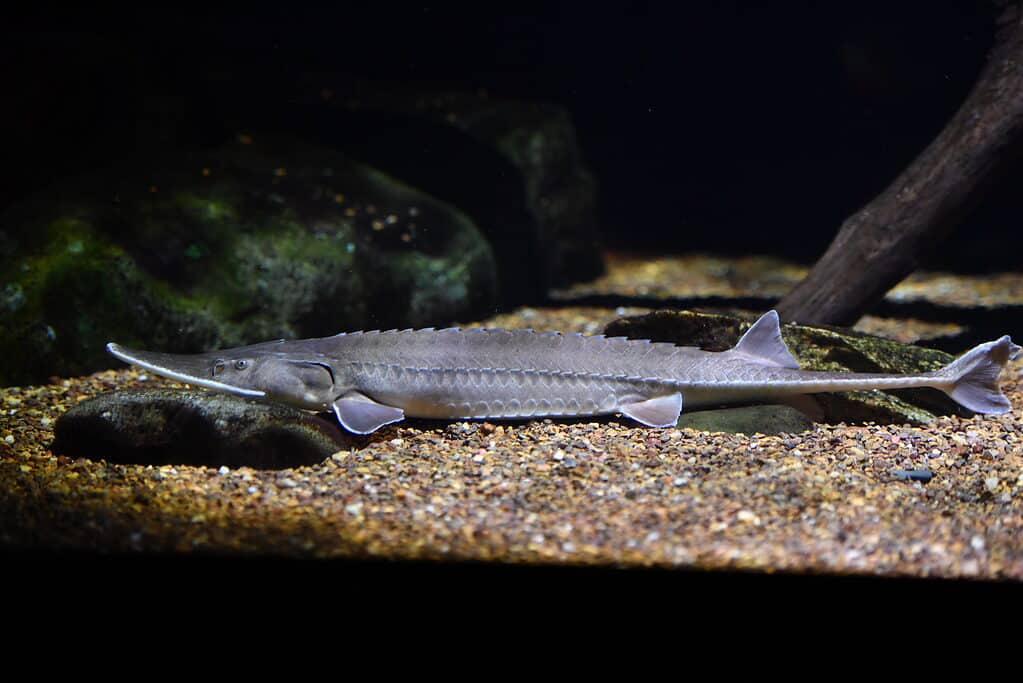
The shovelnose sturgeon is most recognizable by its unique snout.
©Andrea Izzotti/Shutterstock.com
“These two species look very similar, and the pallid is listed as endangered. This is why it’s illegal to fish for sturgeon in Mississippi waters. Sturgeon superficially resemble sharks, with a triangular dorsal fin and a large, non-symmetrical tail. They do not have true bones, and their skeletons are made of cartilage.”
Their anatomy sets them apart from most river fish, which have hard, carbon-based skeletons. Similar to the American paddlefish, the sturgeon are large enough to be mistaken for sharks. They can grow up to a whopping six feet, depending on the species.