
Quick Take
- Witnesses heard screams and assumed a rip current, but two vacationers were close enough to see something far more terrifying. See witness accounts →
- The crocodile species involved in coastal Mexico attacks has a reputation that makes them easy to underestimate. That tendency to underestimate them is dangerously mistaken. Learn about this species →
- There's a specific time of day when swimming near crocodile habitat quietly multiplies your risk, and most tourists have no idea what it is. Find out the risky hours →
On the evening of June 26, 2026, a relaxing beach vacation turned into a horrifying tragedy when a 28-year-old man was killed in a crocodile attack at one of Mexico’s most popular tourist destinations. It was a shocking event, not only due to the brutality, but also because it happened so close to a popular resort.
Learning about what happened and what could have been done to prevent the tragedy can help you stay safe during future travel.
What happened?
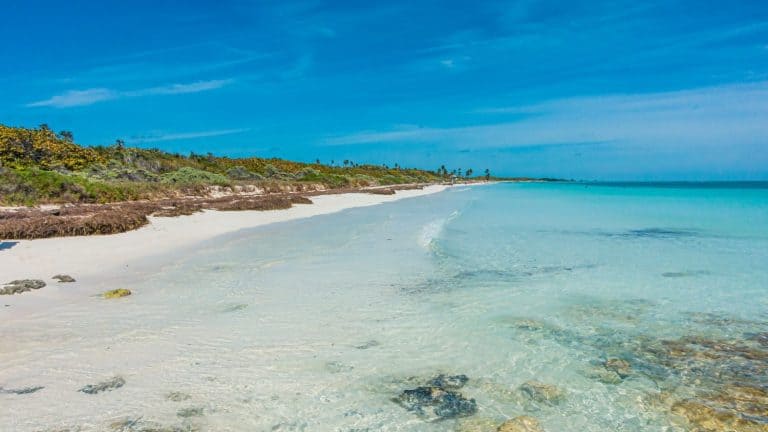
The incident occurred on the evening of June 26 at Marina Vallarta Beach in Puerto Vallarta, one of Mexico’s busiest Pacific coast resort communities. The victim, a man from Mexico City, was enjoying the beach. Witnesses described hearing desperate screams coming from the ocean shortly after 6:30 p.m. At first, they believed that the man had become trapped in a rip current, but two vacationers from California saw something else.
The two tourists were Jamie Yetter and her fiancé, Chris Bury, who were staying at the nearby Marriott Puerto Vallarta Resort & Spa. Once they heard the screams, Chris Bury ran to the water, grabbed a kayak, and paddled toward the victim. It was there that he saw that the crocodile had grabbed the man’s thigh. Despite Bury’s valiant attempt to save the man, the croc dragged the victim under the water. Officials recovered his body about 12 hours later, alongside the crocodile that they believe was responsible for the attack.
Are Crocodile Attacks Common?
©Gagat55/Shutterstock.com
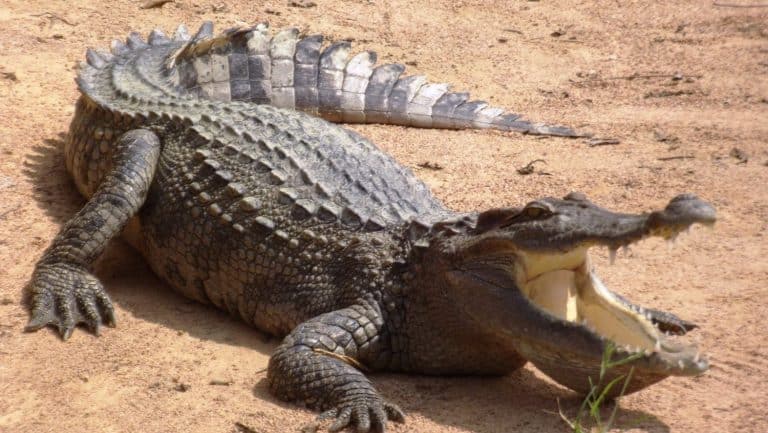
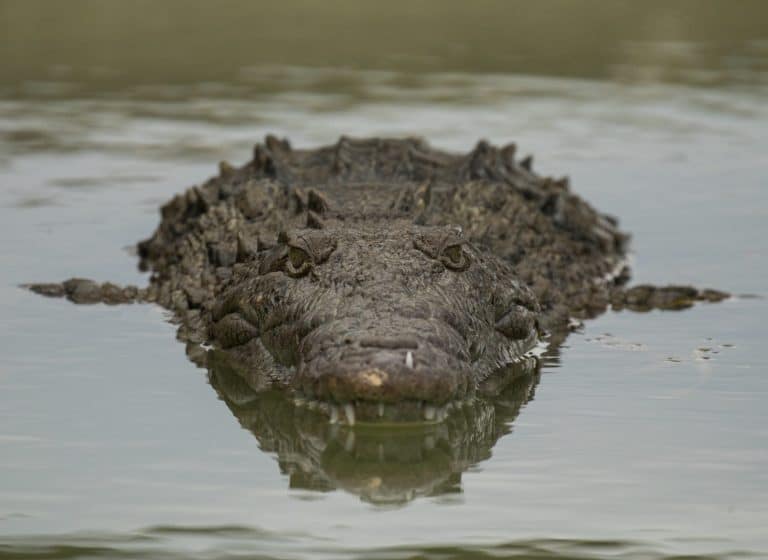
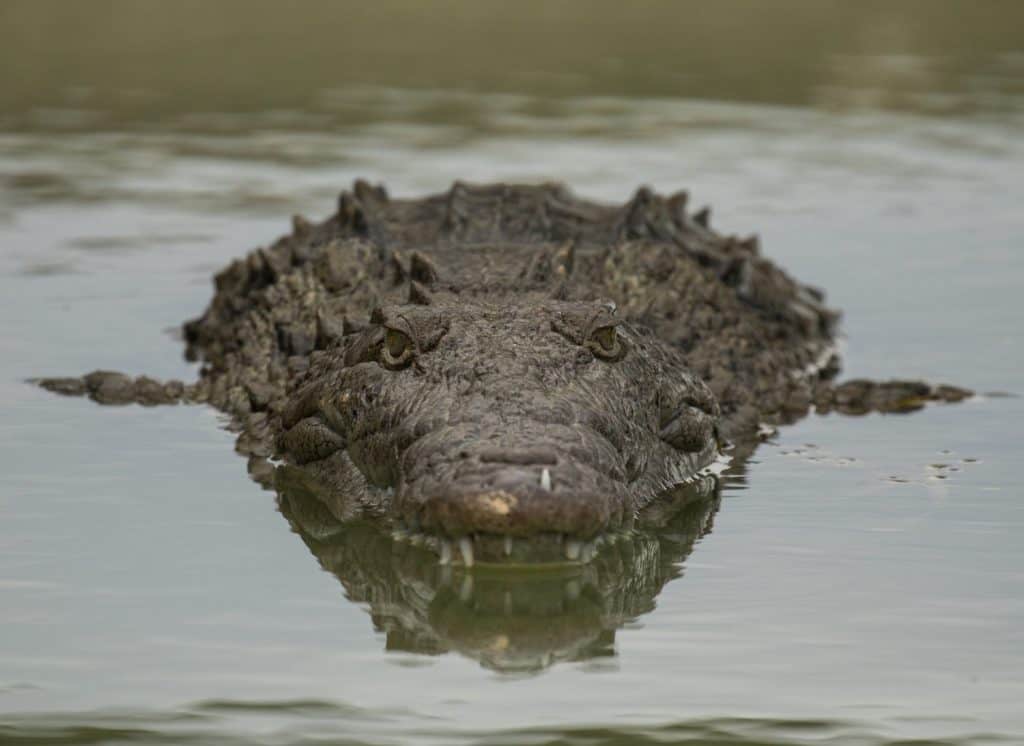
The deadly crocodile attack was shocking due to how infrequent attacks are in Mexico. The species inhabiting this area is the American crocodile. Unlike the highly dangerous Saltwater crocs and Nile crocs, American crocodiles are shy and generally stay away from humans, making attacks by this species extremely rare.
A few species are responsible for most attacks worldwide:
- Saltwater crocodiles (Australia and Southeast Asia)
- Nile crocodiles (Africa)
- Mugger crocodiles (India)
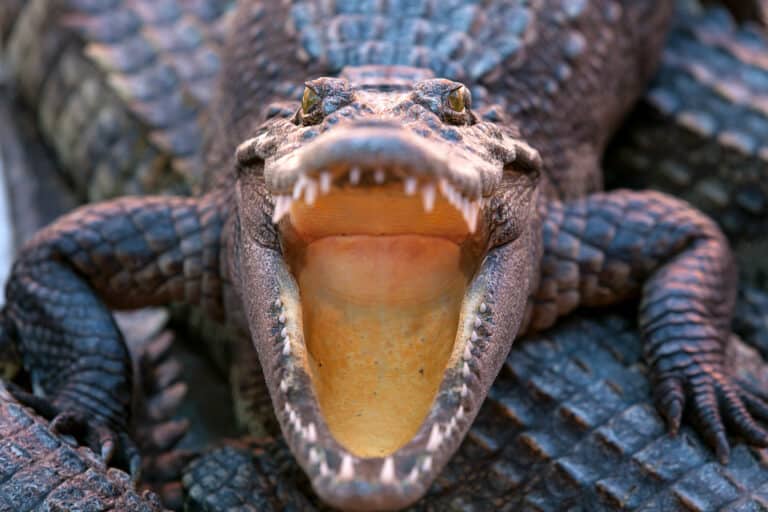
Despite American crocodiles being much less aggressive than their Australian and African cousins, they are still large apex predators capable of killing humans.
Why Would an American Crocodile Attack a Person?
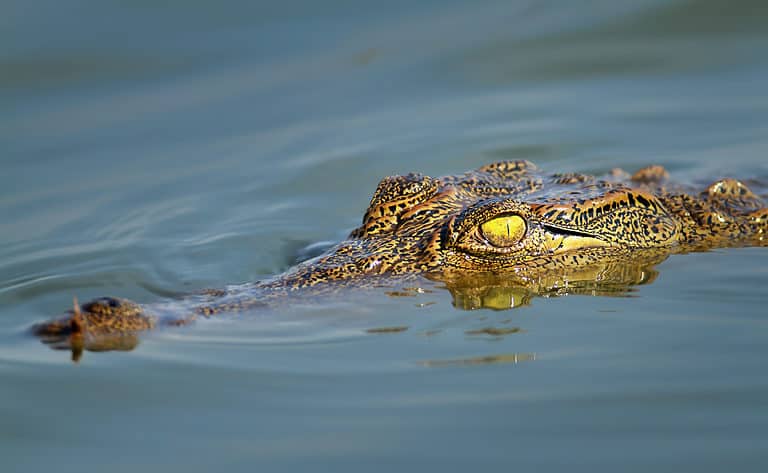
A deadly American crocodile attack could occur for several reasons. Like other apex predators, American crocs may attack a person, mistaking them for potential prey. Crocodiles are ambush predators that are very patient hunters. Prey often doesn’t spot them until it’s too late.
Typically, a crocodile on the hunt will wait patiently submerged in water. When it spots a meal nearby, it launches from the water and bites with tremendous force. Then, it drags the prey underwater. Some larger crocodiles may perform the famous “death roll” to tear flesh and overpower prey. Witness descriptions from Puerto Vallarta closely matched this behavior, with reports that the crocodile repeatedly twisted while holding the victim before pulling him underwater.
How Can Travelers to Mexico and Nearby Regions Stay Safe?
Though the risk of a deadly crocodile attack in Mexico or the Caribbean area is very rare, experts recommend exercising caution when traveling in any areas where crocodiles live, even the least aggressive species like American crocs. Here are some tips to consider:
- Never ignore warning signs – If a beach or river displays crocodile warnings, assume the predators are present and go elsewhere. They may be there even if you cannot see them.
- Avoid swimming at dawn or dusk – These are the peak hunting times for crocodiles. It’s also even more difficult to see them lurking.
- Stay away from mangroves – Many American crocodiles prefer to spend time in or near mangroves, so be cautious.
- Don’t swim alone – Being part of a group will lessen the chances of an American crocodile approaching. If an attack occurs, someone in the group can get help.
- Keep children close – Small children resemble natural prey more than adults because of their size. Never allow children to play or near American crocodile habitats without close supervision.
It is worth noting that this article is specific to the American crocodile. Humans should never swim in areas where Saltwater crocs and Nile crocs are known to inhabit. Travelers to Australia’s Northern Territory, in particular, should never swim, hike, kayak, or camp in areas with posted crocodile warning signs. Salties are far more aggressive than American crocodiles and are known to hunt and attack humans.