
Quick Take
- Bats hang upside down, but the real reason has nothing to do with sleep. It is actually a clever flight hack that most people never consider. Discover the flight hack →
- One bat species completely breaks the rule that small mammals live short lives, doing so by a margin that baffles scientists. See the lifespan science →
- Vampire bats have an unusual ground-level skill that most bats completely lack, and this ability makes them far more effective hunters. See how they hunt on foot →
- Some bats are keeping entire forests alive, and without them, some of the world's most iconic plants couldn't reproduce. Explore their role as pollinators →
Bats are unlike any other mammals on Earth. They are the only mammals capable of true flight, and they navigate in complete darkness using the extraordinary process of echolocation. Some have even evolved remarkable appearances and bizarre behaviors. With more than 1,400 species living across every continent except Antarctica, bats are truly astonishing animals. Some types of bats are tiny pollinators, while others are giants! Here are some of the most unusual things about bats.
1. They Are the Only Mammals That Can Truly Fly
©Beth Ruggiero-York/Shutterstock.com
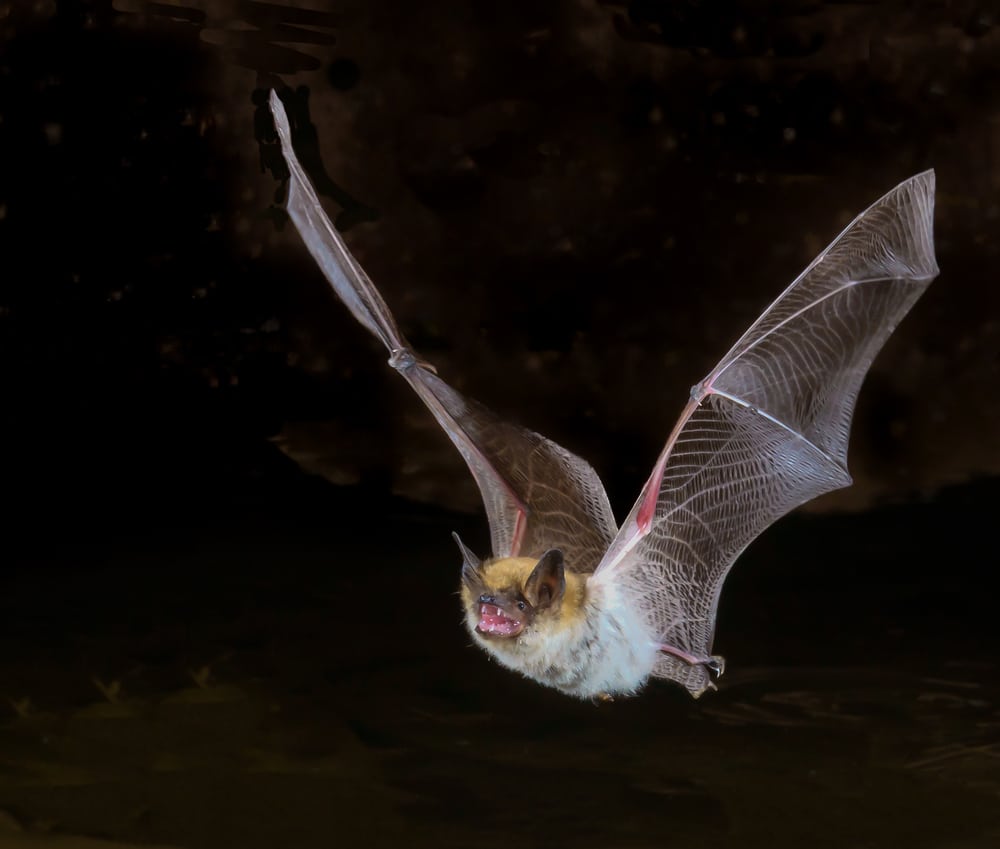
While sugar gliders and flying squirrels can glide far distances, bats are the only mammals capable of true flights, meaning sustained, powered flight. Amazingly, their wings are actually modified hands. Extremely long finger bones run through a thin layer of skin. These specialized wings allow bats to make sharp turns and sudden maneuvers in midair. Many species can catch insects with a high level of precision, all while flying super fast.
2. They “See” With Their Ears
©iStock.com/phototrip
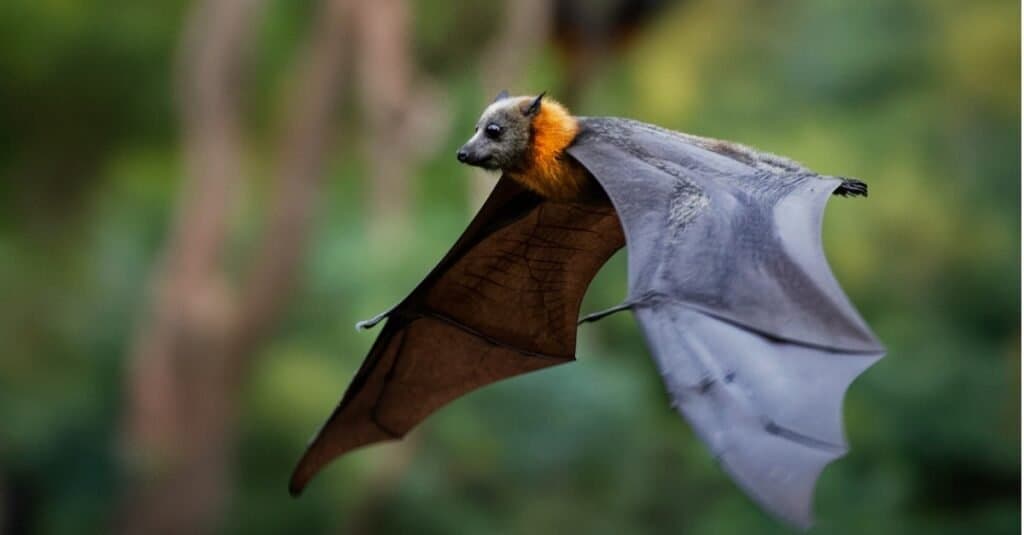
Many bats navigate using echolocation, one of the most remarkable abilities ever documented in the animal kingdom. During this spectacular process, bats emit high-frequency calls and listen for the returning echoes. This special type of hearing actually builds a detailed mental picture of their environment and immediate surroundings. Using echolocation, they can detect mosquito-sized insects and avoid obstacles in pitch black darkness. Some bats can even distinguish between different textures!
3. Some Bats Pollinate Entire Forests

©Vaclav Sebek/Shutterstock.com
Not all bats eat insects. Many tropical species live on nectar and because of this diet, have become essential pollinators. When they drink from flowers, pollen sticks to their faces and fur, which they carry to the next bloom, similar to bees. Plants like agave, baobab trees, and species of cacti depend on bats for reproduction. Without these fascinating creatures, important ecosystems would struggle to exist.
4. Vampire Bats Can Walk Surprisingly Well
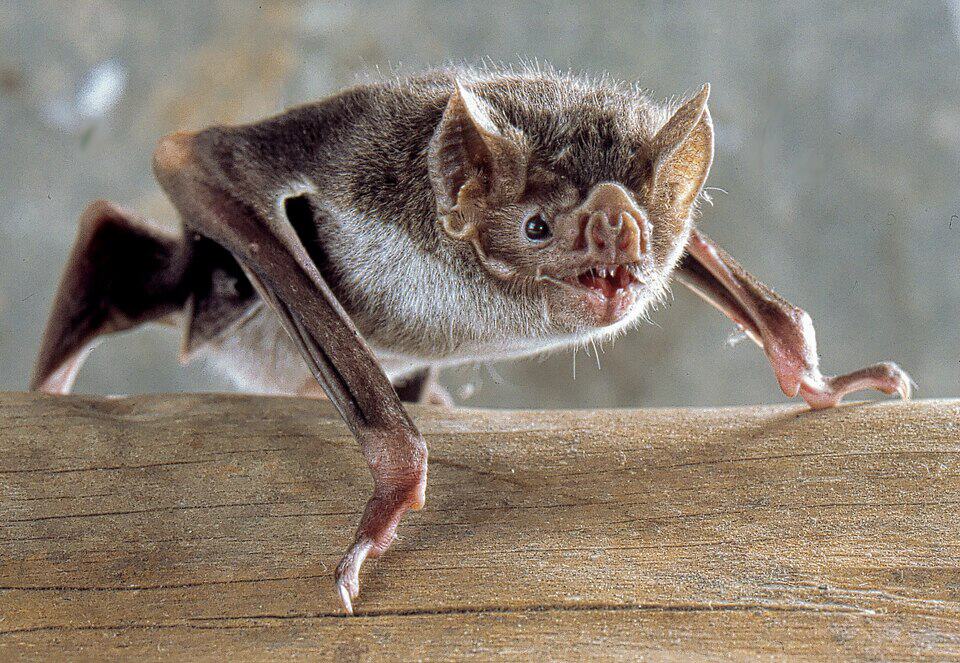
When not in flight, most bats move awkwardly on the ground, but vampire bats are an exception. This species is skilled at both walking and running. They use their wings almost like front legs, allowing them to quickly and silently approach sleeping animals, whose blood they quietly feed on. Scientists believe this ability is one of the reasons vampire bats have been so successful.
5. The World’s Smallest Mammal Is a Bat
©"bumblebee bat, hog-nosed bat, kitti's hog-nosed bat" by James Eaton is licensed under CC0 1.0. – Original / License
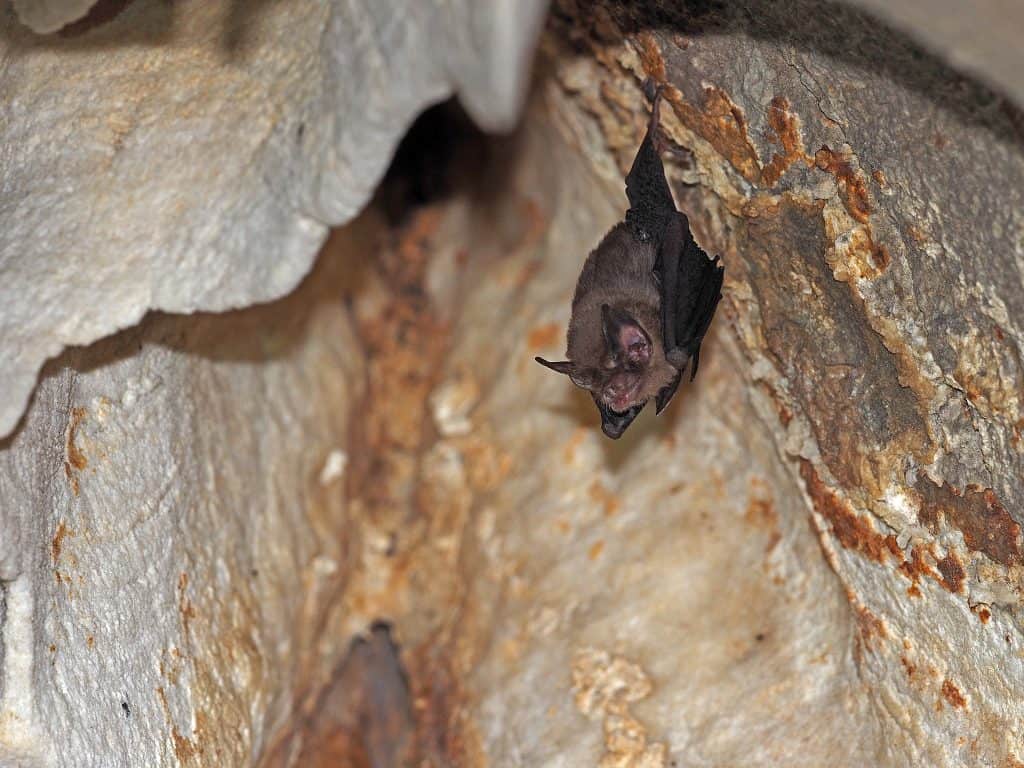
The bumblebee bat, also known as Kitti’s hog-nosed bat, weighs only about two grams and has a body barely larger than a big bumblebee. Despite its tiny size, it is just as capable as larger bat species. It just as easily flies about, catching insects in the air. The tiny creatures live in limestone caves in Thailand and Myanmar. They are actually one of the rarest mammals on Earth! Seeing one in person is rather special.
6. Some Species Have Wings Wider Than Most People Are Tall
©Natalia Golovina/Shutterstock.com
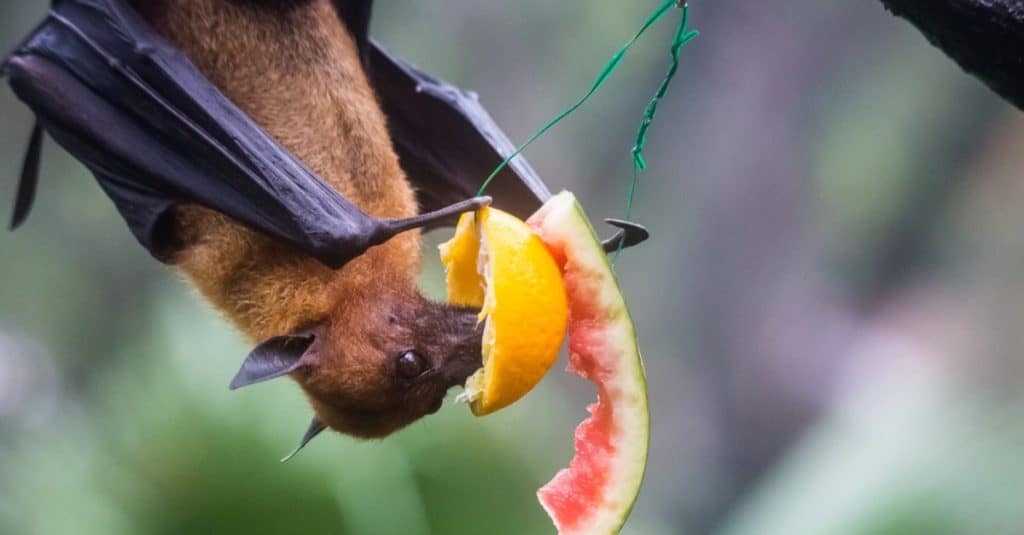
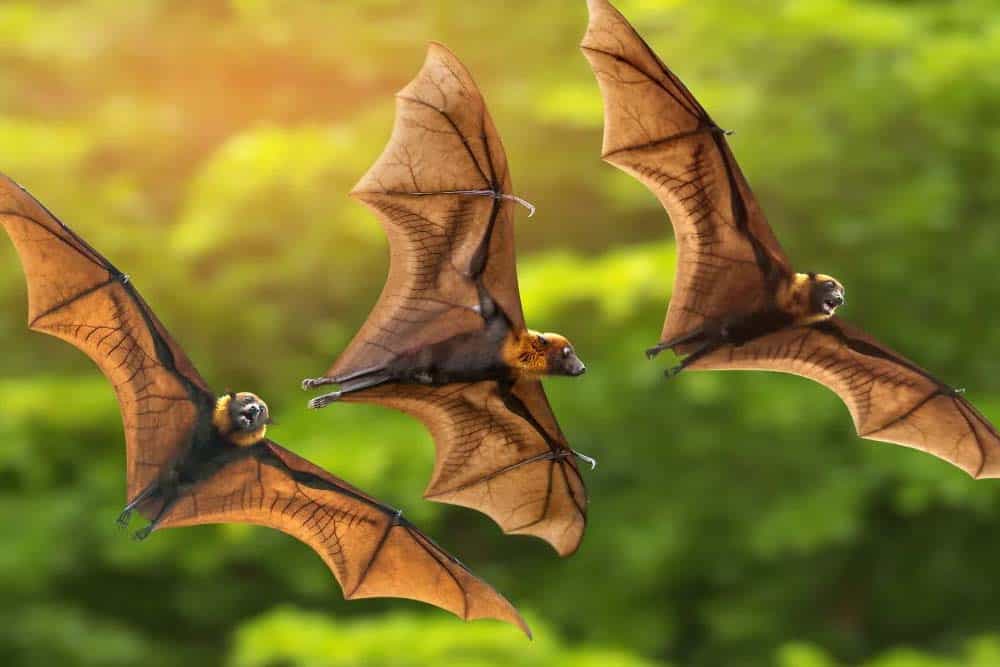
At the opposite end of the size spectrum are the giant flying foxes. These fruit bats can have wingspans that measure close to six feet across. Although their size can seem intimidating, these gentle animals live off a harmless diet of fruit, nectar, and flowers. Unlike most bats, they have large eyes that allow them to see especially well, meaning they do not rely on echolocation.
7. Bats Can Live Long Lives
©Independent birds/Shutterstock.com
Across all mammals, small species tend to have short lifespans, but bats are an interesting exception. Some species that weigh less than an ounce have been documented living for more than 40 years in the wild. Scientists believe their remarkably long life is due to a combination of slow metabolism during hibernation, inherent DNA repair, and strong immune systems. Researchers study these bats in an effort to learn more about longevity and aging.
8. They Hang Upside Down for a Very Clever Reason
©Martin Janca/Shutterstock.com
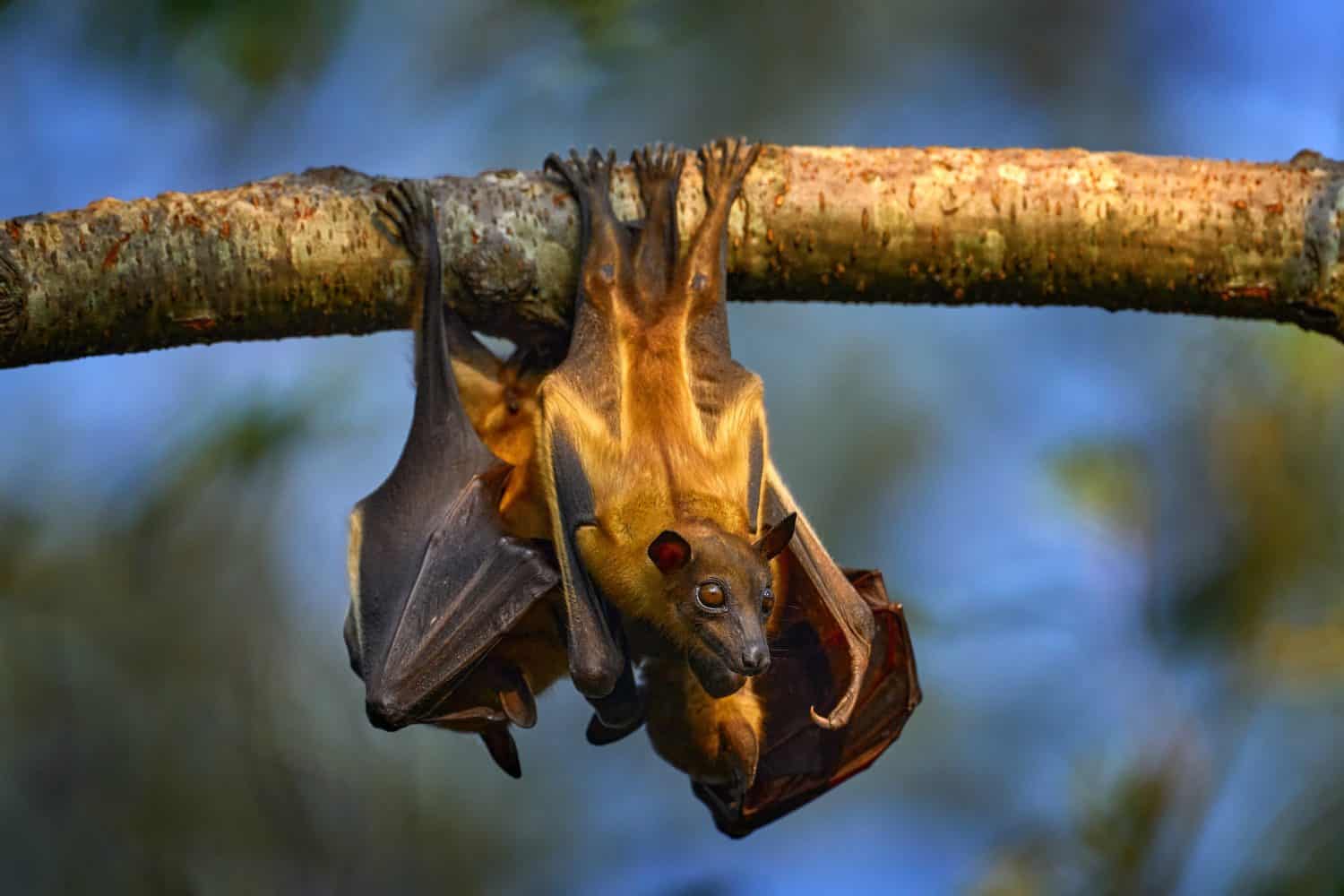
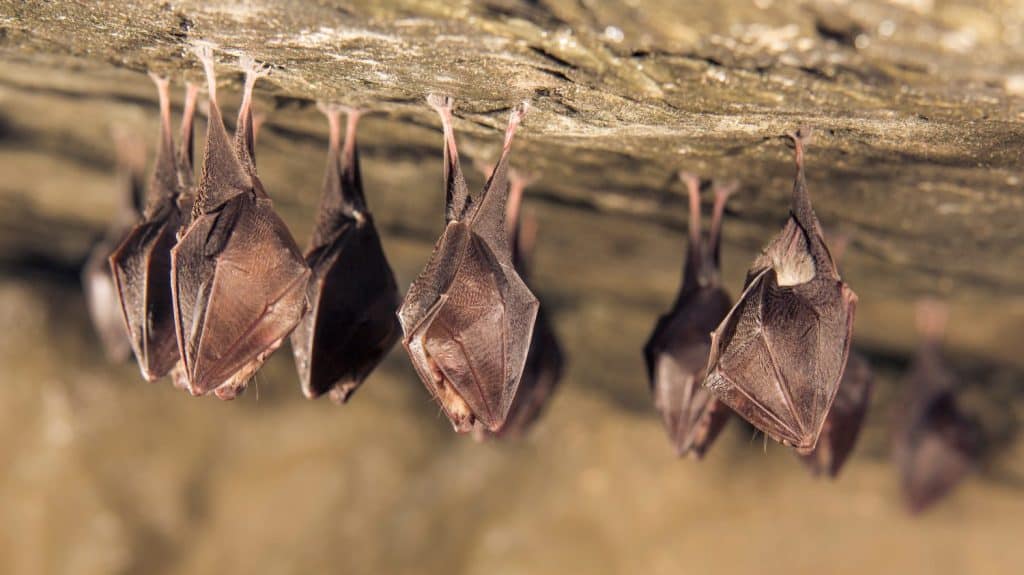
We all know bats roost in their characteristic upside down position, but few know the reason behind the reverse hang: it is far more conducive to flight. Unlike birds, bats cannot generate enough lift by jumping from the ground. Hanging from caves or tree branches means they take advantage of gravity, allowing them immediate flight. They are able to sleep in this position due to special tendons in their feet that lock into place. The upside down bats exert zero effort to stay attached.