
Quick Take
- The deadliest animal in multiple states is not a predator. It is one most people are actively trying to avoid hitting with their car.
- One state's most dangerous animal isn't a bear, moose, or venomous snake. It's something people keep as pets.
- The animal most likely to seriously hurt you might already be hiding in your garage, woodpile, or backyard shed.
- In several states, the top threats aren't the animals making dramatic headlines, and the gap between perception and reality could get you hurt.
Most wildlife encounters in the United States end without any drama at all. Animals are usually far more interested in avoiding people than confronting them. Still, every state has at least one creature that deserves a little extra caution, whether because of venom, size, aggressive defensive behavior, disease risk, or the number of injuries and deaths connected to it.
The danger also changes depending on where you live or travel. In some states, venomous snakes are the biggest concern. In others, the greatest threat may come from bears, alligators, sharks, insects, deer, or even animals people regularly encounter near roads, backyards, farms, lakes, and hiking trails. Sometimes the deadliest animal is not the one that looks the most frightening, but the one people cross paths with most often.
This state-by-state guide looks at the deadliest or most dangerous animal associated with every part of the country. Along the way, we’ll explain why each species poses a risk, where encounters are most likely, and what makes these animals worth taking seriously.
Alabama
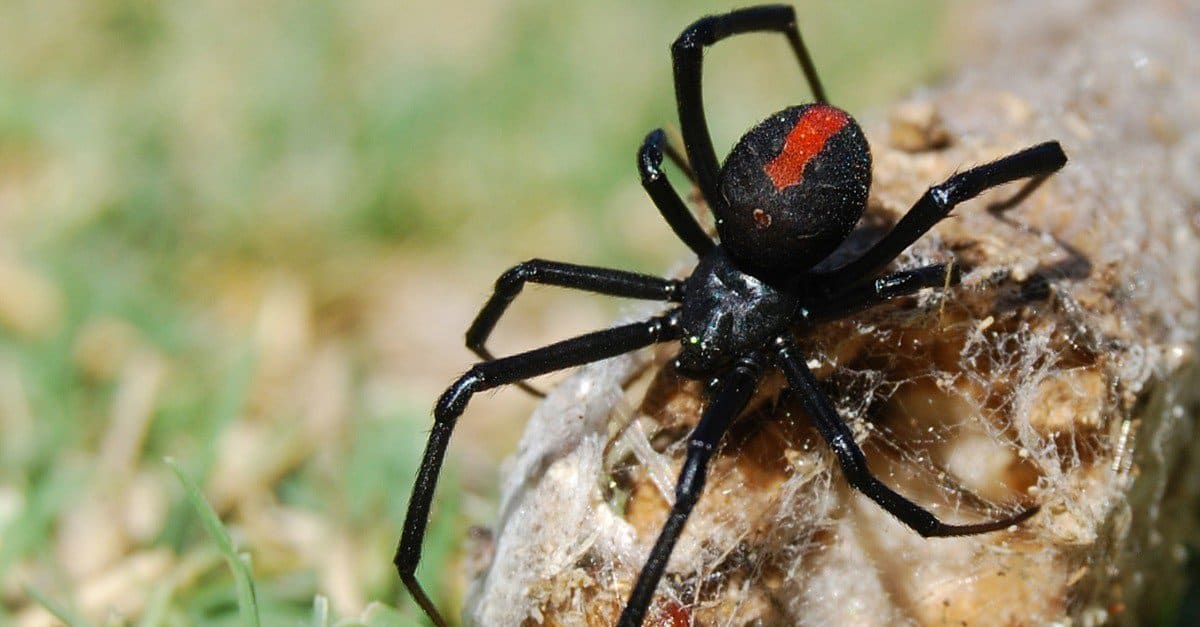
Alabama is home to plenty of animals that can make people nervous, including American alligators, cottonmouths, copperheads, and other venomous or powerful wildlife. However, one of the most dangerous animals in the state is much smaller and easier to overlook: the black widow spider. These glossy black spiders are most recognizable by the red hourglass marking on the underside of the female’s abdomen, and they are often found in quiet, undisturbed places like sheds, garages, woodpiles, crawl spaces, and outdoor storage areas.
Female black widows have venom that can cause serious symptoms in humans. A bite may lead to sharp pain, muscle cramps, swelling, nausea, sweating, and chest or abdominal discomfort. Most healthy adults recover with medical treatment, and deaths are rare, but the risk is greater for young children, older adults, and people with underlying health issues. The good news is that black widows are not aggressive spiders. Most bites happen when someone accidentally presses against one or reaches into an area where the spider is hiding.
Alaska
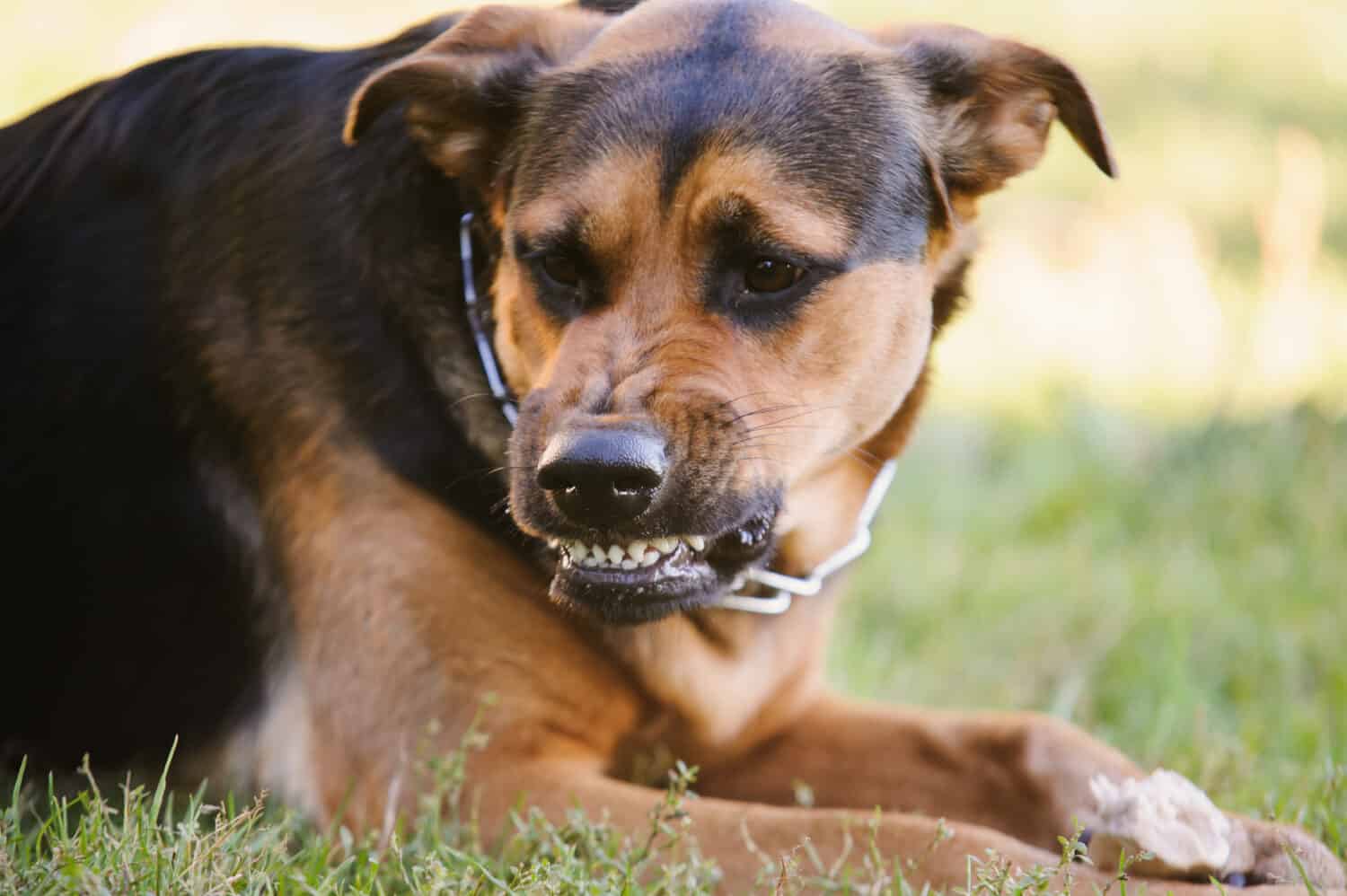
Although Alaska has some of the largest and most intimidating animals in North America, including grizzly bears, polar bears, moose, and wolves, the state’s deadliest animal may surprise people. In many risk rankings, dogs stand out as one of the most dangerous animals in Alaska because of the state’s unusually high rate of fatal dog attacks compared with its population.
Part of that risk comes from geography and lifestyle. Many Alaskans live in remote areas where dogs may be used for transportation, protection, hunting, or property security. Sled dogs and large working breeds are part of life in some communities, and people may be farther from emergency medical care than they would be in more densely populated states. That does not mean most dogs in Alaska are dangerous. The vast majority are not. Still, serious dog attacks can happen quickly, especially when large dogs are poorly restrained, unsupervised, abused, neglected, or allowed to roam. While bears and moose get more attention, dog attacks are a more common danger for many residents.
Arizona
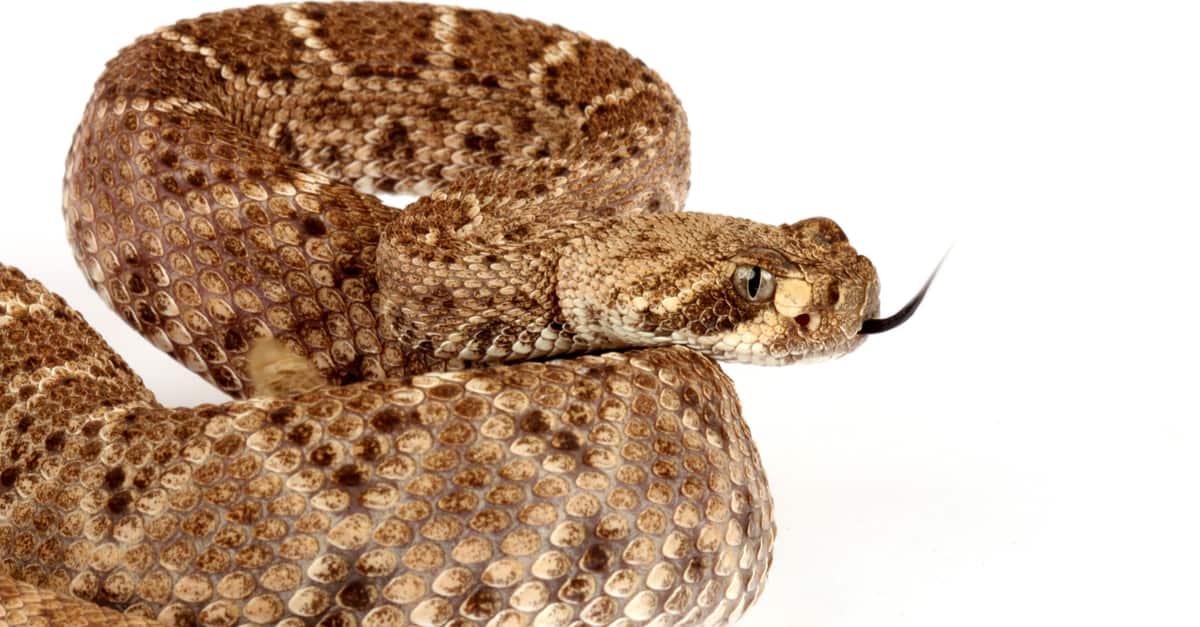
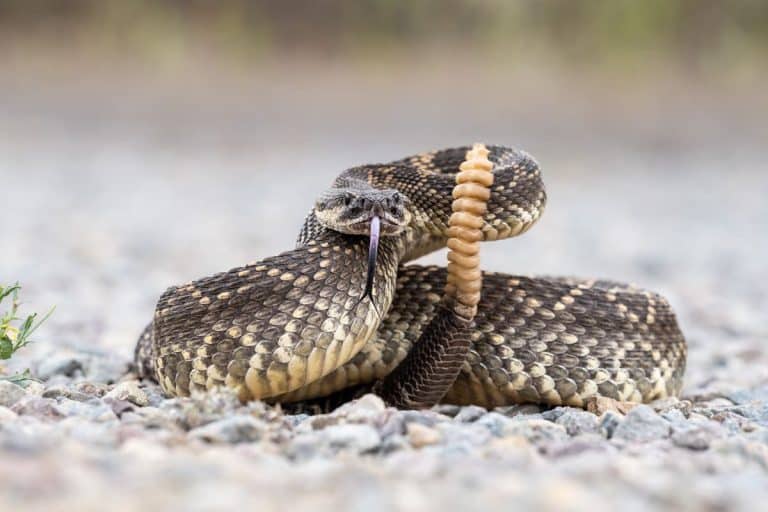
Continuing our list of the deadliest and most dangerous animals in each U.S. state, Arizona’s standout threat is the Western diamondback rattlesnake. This snake is one of the most recognizable venomous reptiles in the American Southwest, thanks to its bold diamond-shaped pattern, thick body, triangular head, and unmistakable rattle. It is found across deserts, scrubland, rocky areas, grasslands, and sometimes near homes where rodents attract snakes closer to people.
Western diamondback rattlesnakes are venomous and should always be treated with caution. Their bites can cause intense pain, swelling, bruising, tissue damage, nausea, weakness, and in serious cases, life-threatening complications. Even so, these snakes are not out looking for people. Most bites happen when someone accidentally steps too close, tries to pick up the snake, or attempts to move or kill it. In the United States, thousands of people are bitten by venomous snakes each year, but deaths remain uncommon thanks to modern medical care and antivenom. The best rule in Arizona is simple: watch where you step, never reach into hidden spaces blindly, and give any rattlesnake plenty of room to escape.
Arkansas
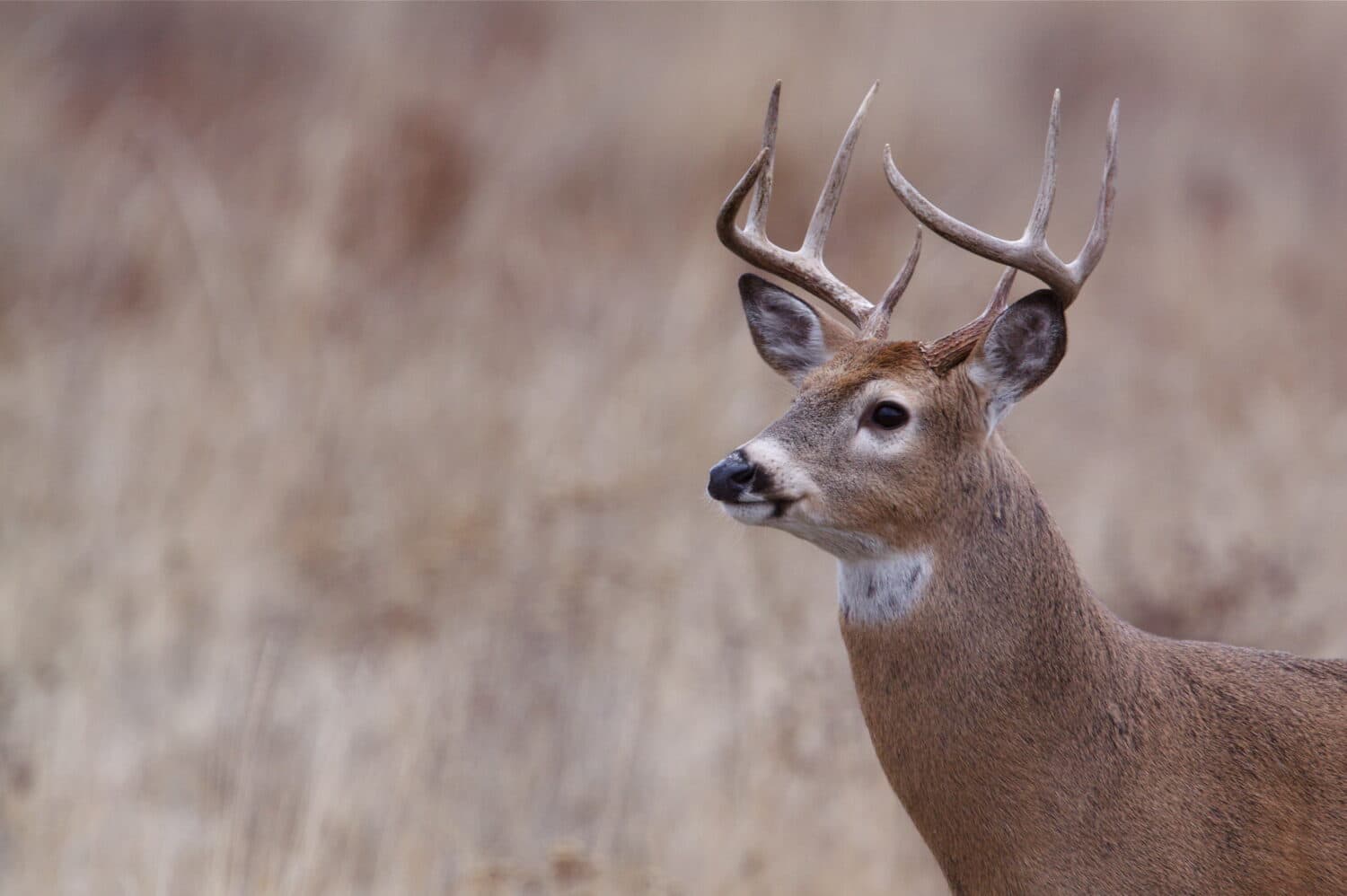
Whitetail deer may not look as frightening as venomous snakes, bears, or alligators, but in Arkansas, they are one of the most dangerous animals people are likely to encounter. The danger does not usually come from a direct attack. Instead, deer are most deadly when they suddenly enter roads and cause vehicle collisions. Arkansas has a large whitetail deer population, and deer are especially active around dawn, dusk, and the fall breeding season, when bucks are moving more and paying less attention to traffic.
For drivers, that creates a serious hazard. A deer can appear from the shoulder with almost no warning, and swerving to avoid one can be just as dangerous as hitting it. Collisions may damage vehicles, injure drivers and passengers, or cause secondary crashes. Rural highways, wooded roads, farmland edges, and areas near creeks or brushy cover are especially risky. While deer are an important part of Arkansas’s wildlife, their numbers and frequent movement across roads make them a major safety concern across the state.
California
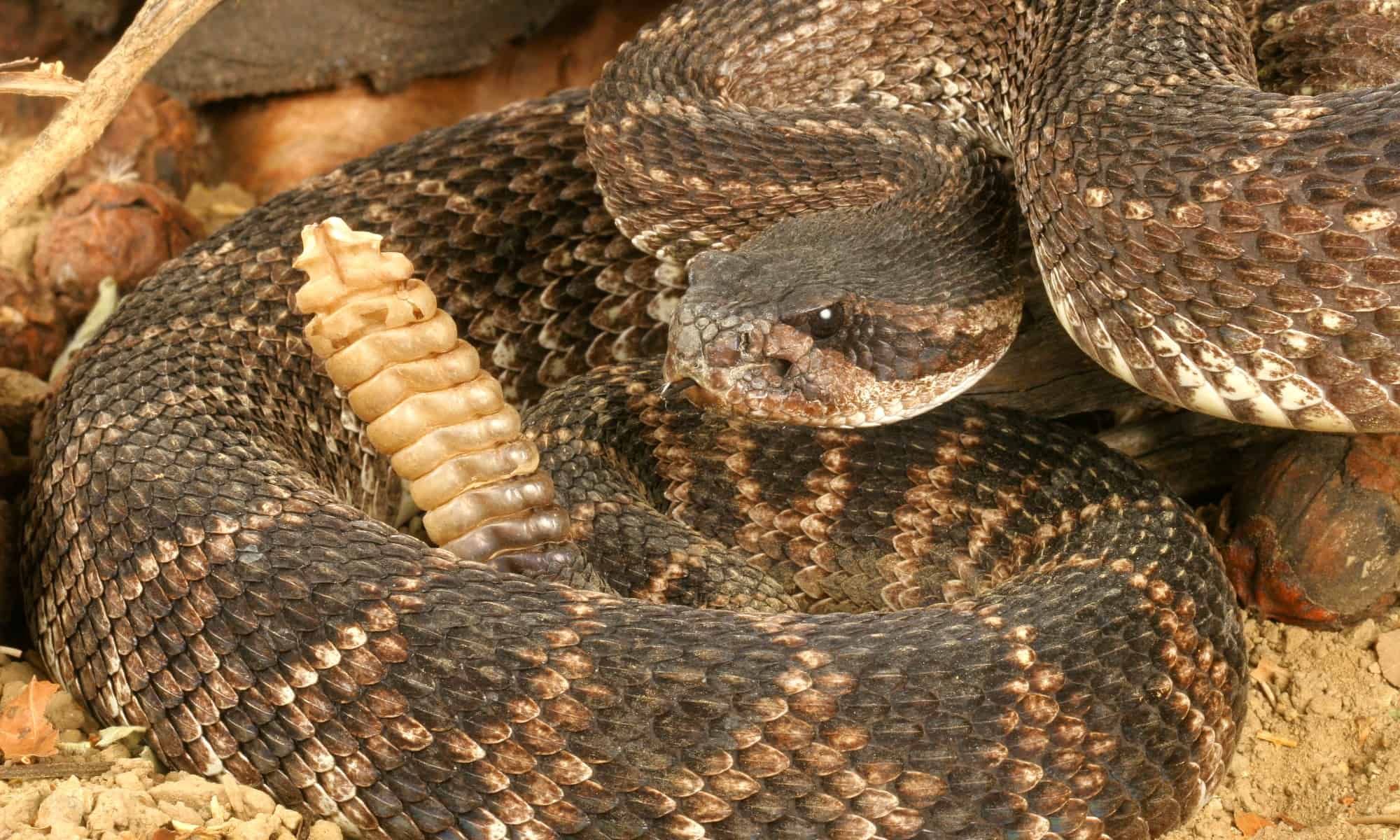
The deadliest animals in California are not always the ones people expect. Bears and sharks get plenty of attention, especially because they make dramatic headlines, but a more realistic danger in many parts of the state is the Southern Pacific rattlesnake. This venomous snake is found in parts of Southern California and can live in grasslands, chaparral, rocky slopes, foothills, canyons, and areas near hiking trails or suburban edges.
Southern Pacific rattlesnakes usually try to avoid humans, and many encounters end with the snake retreating if it has space to escape. The problem comes when people step too close, accidentally place a hand near one, or try to handle or kill the snake. A bite can be extremely painful and may cause swelling, bruising, nausea, weakness, blistering, and tissue damage. In severe cases, rattlesnake venom can affect blood clotting and require urgent medical care. Hikers, gardeners, campers, and pet owners should be especially cautious in warm months when snakes are more active. Keeping to trails, watching foot placement, and leaving snakes alone are the best ways to avoid a dangerous encounter.
Colorado
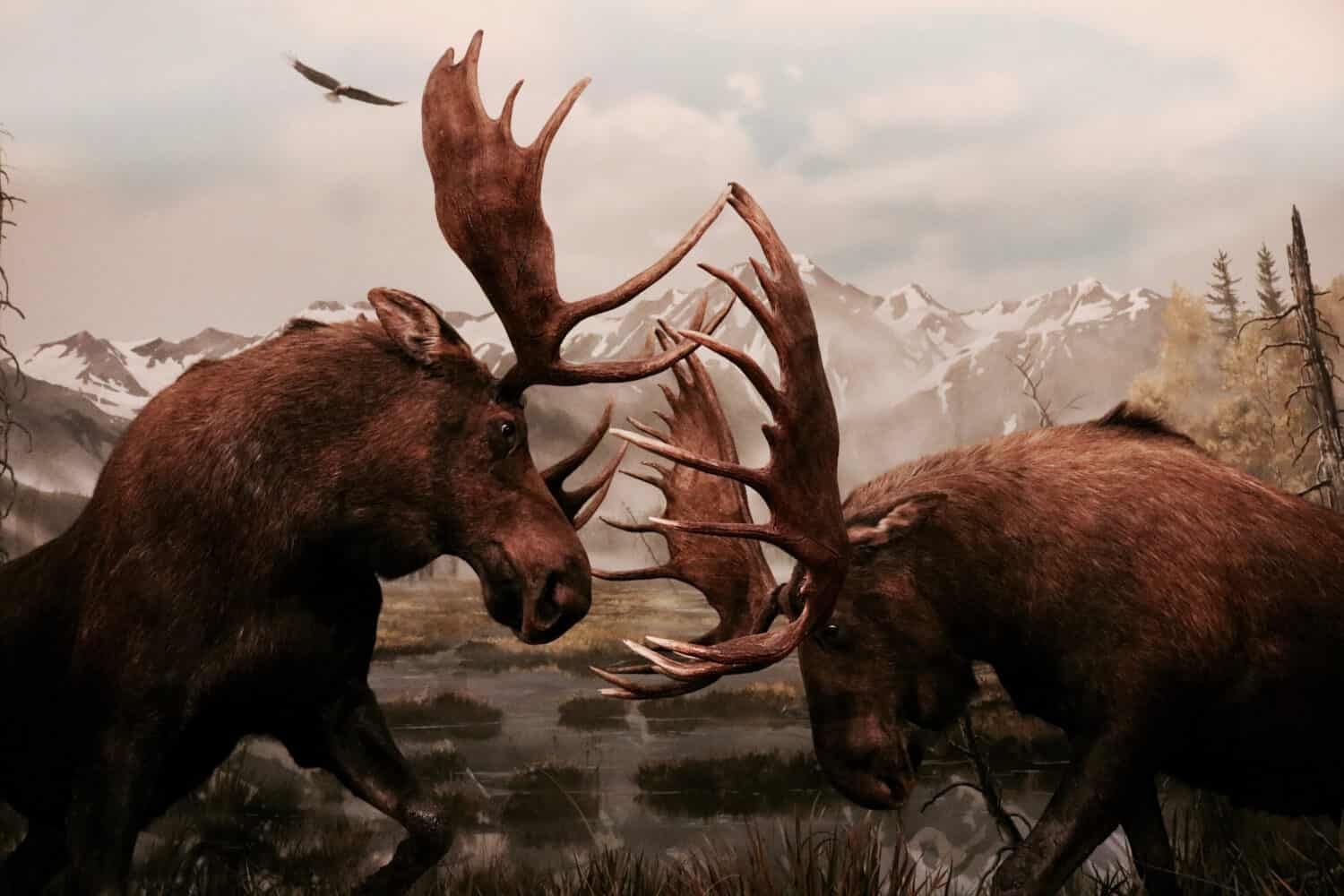
The chance of being attacked by a moose in Colorado is still slim, but these massive animals deserve far more caution than many people realize. Moose may look slow, calm, or even awkward from a distance, but they are incredibly powerful and can become aggressive when they feel threatened. Adult males can weigh well over 1,000 pounds, and some large individuals may approach 1,600 pounds. With long legs, heavy bodies, and sharp hooves, they can seriously injure a person in seconds.
Moose encounters are most common in mountain areas, wetlands, forests, and places near lakes, streams, and willow thickets. The risk increases if someone gets too close, especially during the fall rut or in spring and early summer when cows are protecting calves. Dogs can also trigger defensive behavior because moose may see them as predators. The safest move is to give moose plenty of room, never try to approach for a photo, and back away calmly if one begins to stare, lower its ears, or move toward you.
Connecticut
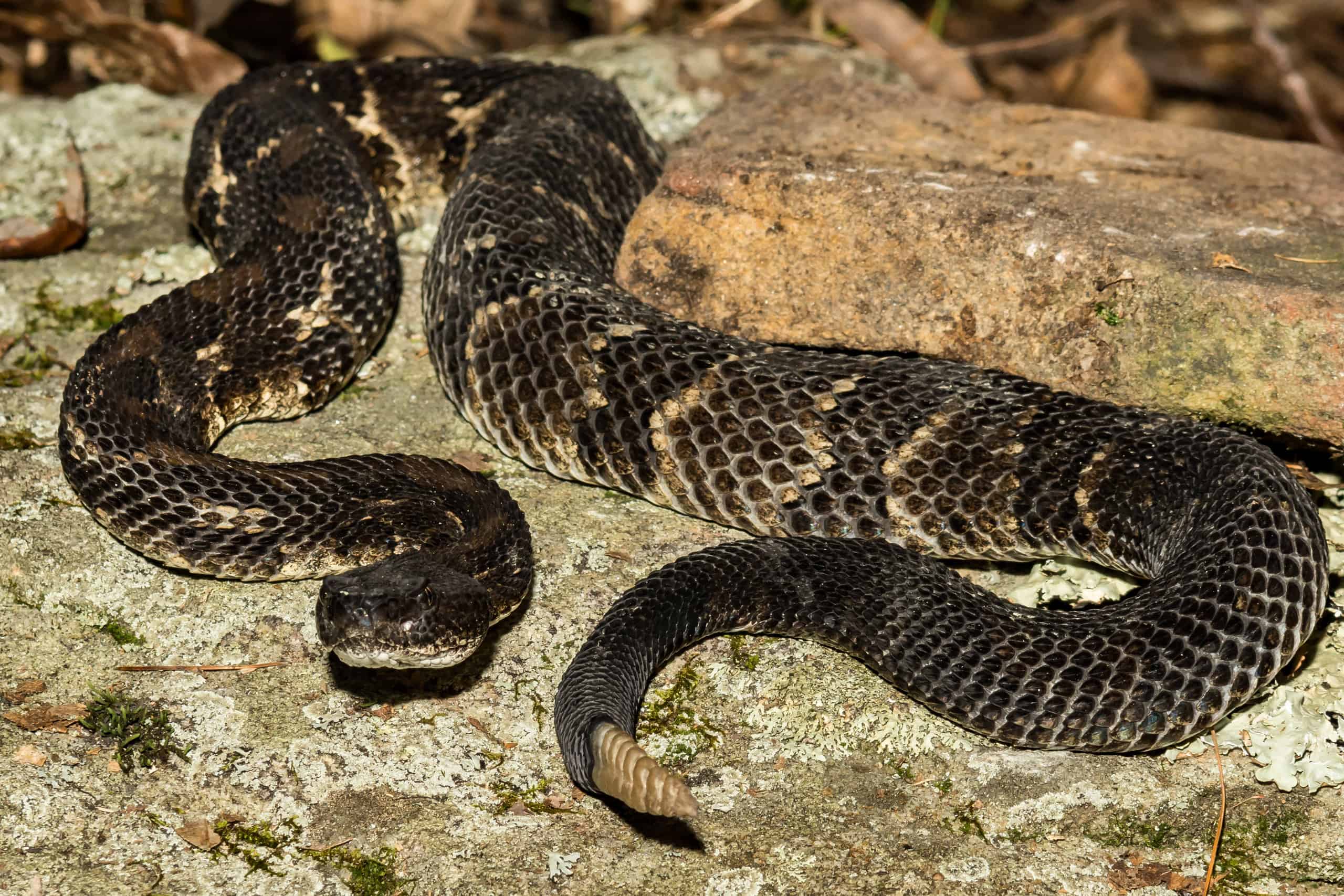
Connecticut may not be the first place people think of when they imagine dangerous wildlife, but the state is home to a few animals that deserve respect. Moose can occasionally pose a danger, especially near roads or in wooded areas, but one of the state’s most concerning animals is the timber rattlesnake. This venomous snake is rare in Connecticut, but its bite can be serious and requires immediate medical attention.
Timber rattlesnakes have potent venom that can cause pain, swelling, bruising, weakness, nausea, and more severe complications if a bite is not treated quickly. The good news is that these snakes are generally shy and prefer to avoid people. They are not looking for a fight, and most bites happen when someone accidentally gets too close, steps near one, or tries to handle or disturb it.
In Connecticut, timber rattlesnakes are usually found in rocky, forested areas where they can bask in the sun and retreat into cover. Because they are uncommon and protected, people should never try to kill or move one. The best response is to keep your distance and let the snake leave on its own.
Delaware
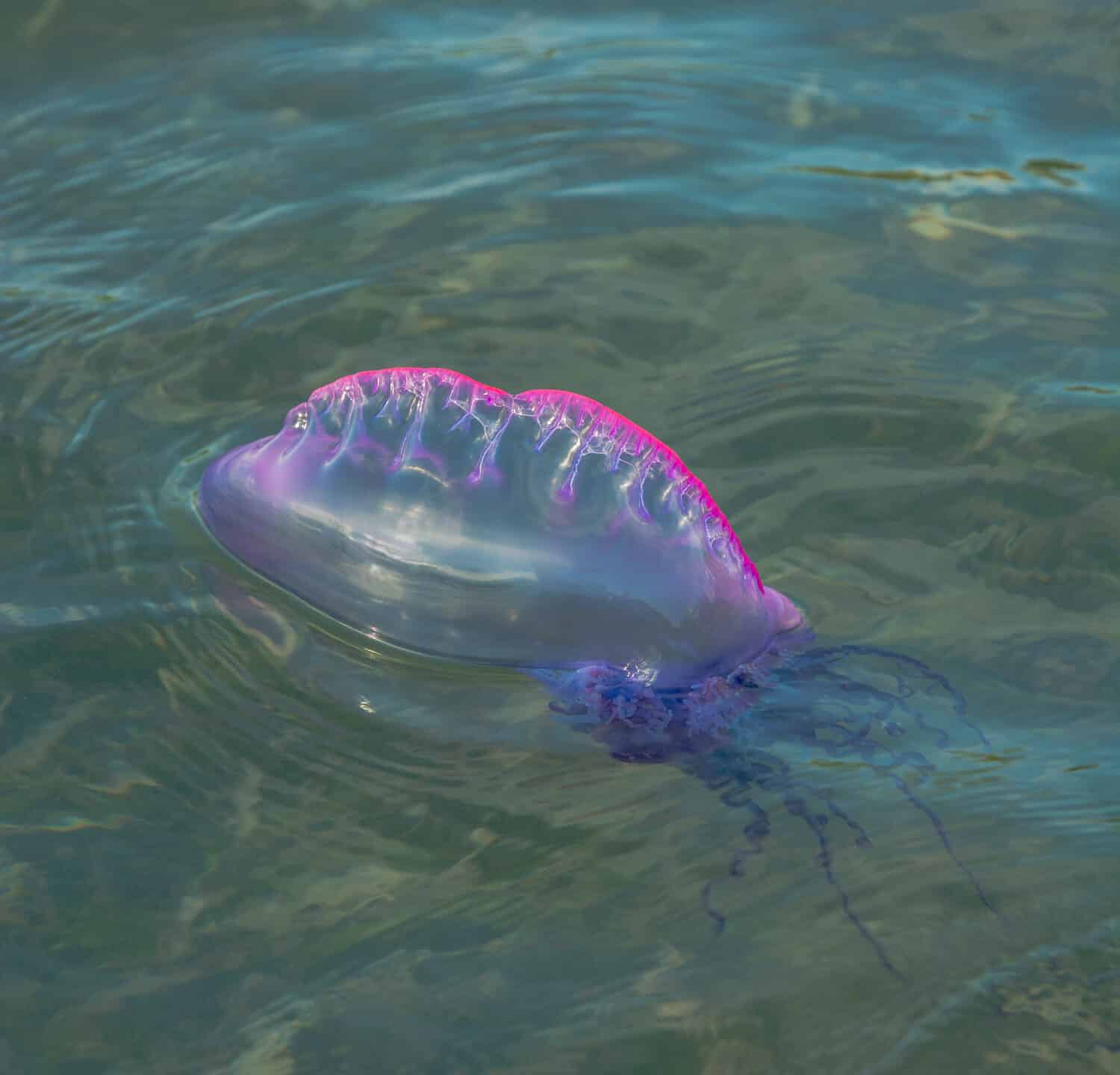
Delaware does not have the same long list of dangerous animals as some larger states, but its coastal location brings one unusual hazard into the picture: the Portuguese man o’ war. Although it is often mistaken for a jellyfish, the Portuguese man o’ war is actually a siphonophore, a colony of specialized organisms that function together as one animal. It is best known for its floating blue or purple gas-filled bladder and long trailing tentacles.
Encounters in Delaware are uncommon, but they can happen when ocean currents and winds push these animals toward beaches. The sting can be extremely painful and may cause welts, burning, swelling, nausea, muscle cramps, or more serious reactions in sensitive individuals. While deaths are rare, the tentacles remain dangerous even after the animal washes ashore or dies, which means beachgoers should never touch one on the sand.
The biggest risk comes from curiosity. A washed-up Portuguese man o’ war can look strange and colorful, especially to children, but even a small piece of tentacle can still sting. If one is spotted on the beach, it is safest to keep people and pets away and alert local beach staff if possible.
Florida
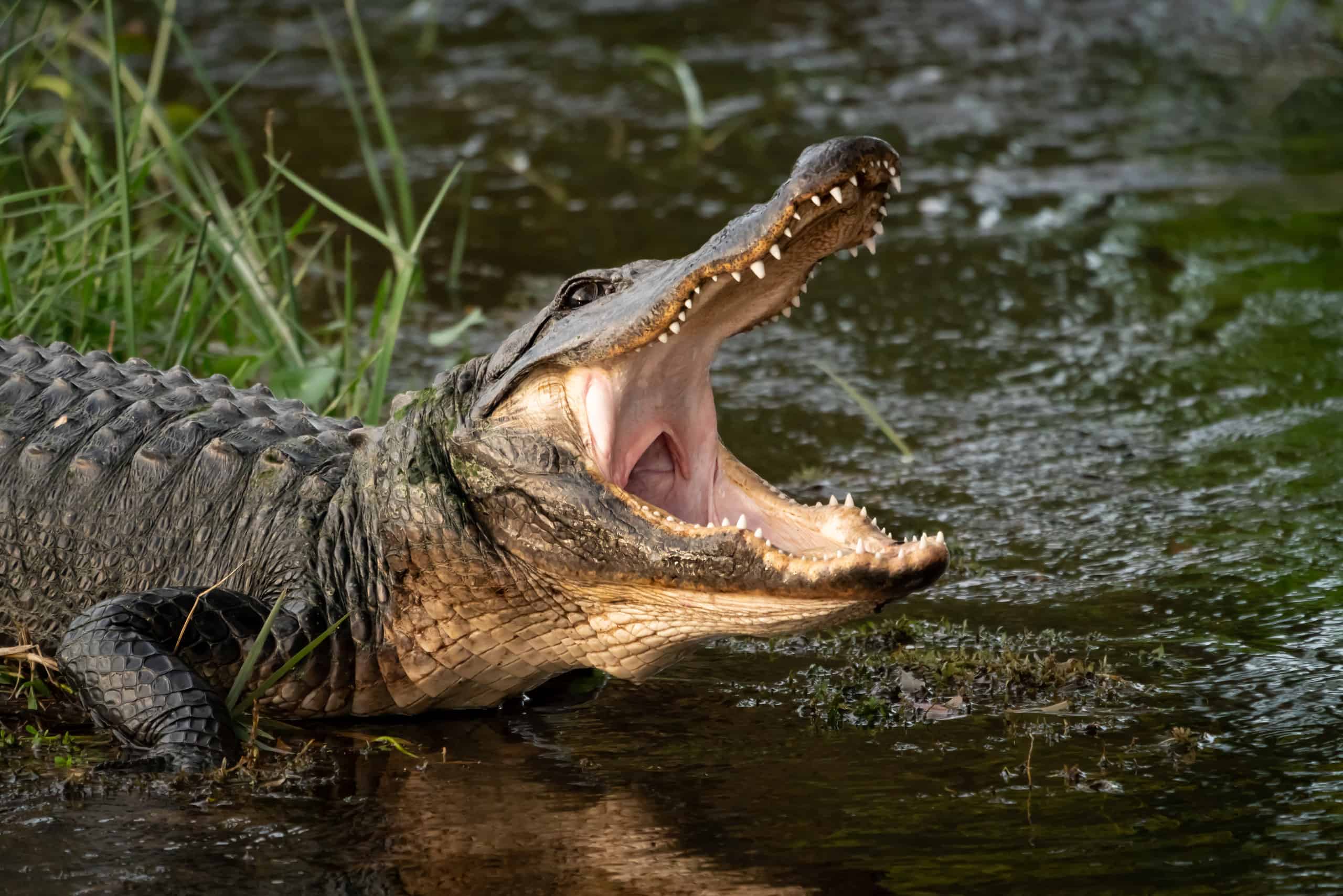
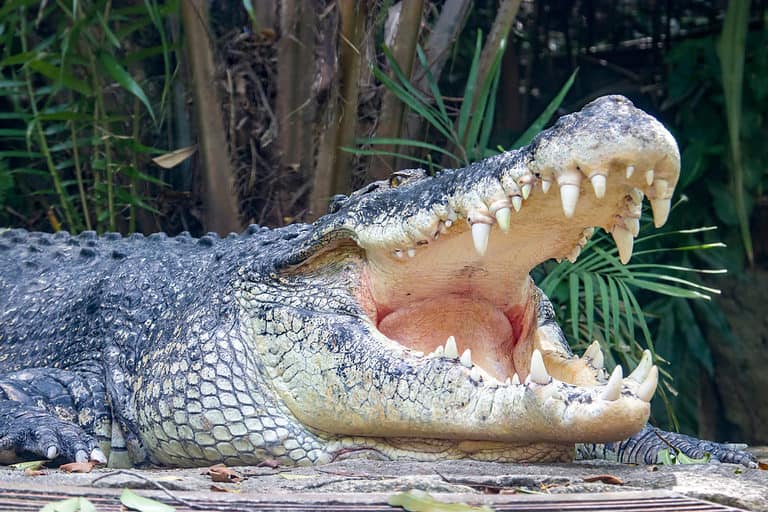
Florida has no shortage of animals that can be dangerous, from venomous snakes and spiders to sharks, crocodiles, and powerful marine life. Still, one animal stands out more than almost any other: the American alligator. Alligators are found throughout the state in lakes, ponds, rivers, canals, marshes, swamps, and even residential retention ponds. Because people and alligators often live near the same water, encounters are more likely in Florida than in many other parts of the country.
Most alligators avoid humans, and serious attacks remain uncommon. However, they are large, fast over short distances, and capable of delivering a crushing bite. Attacks are most likely when people swim in unsafe areas, walk pets near the edge of the water, feed alligators, or get too close to one basking on shore. Feeding them is especially dangerous because it teaches alligators to associate people with food.
The original claim that Florida sees an average of eight fatal alligator bites each year should be changed. A safer and more accurate way to phrase it is that Florida sees a small number of serious alligator attacks each year, while fatal attacks are rare. Even so, residents and visitors should treat every alligator as a wild predator and keep a safe distance.
Georgia
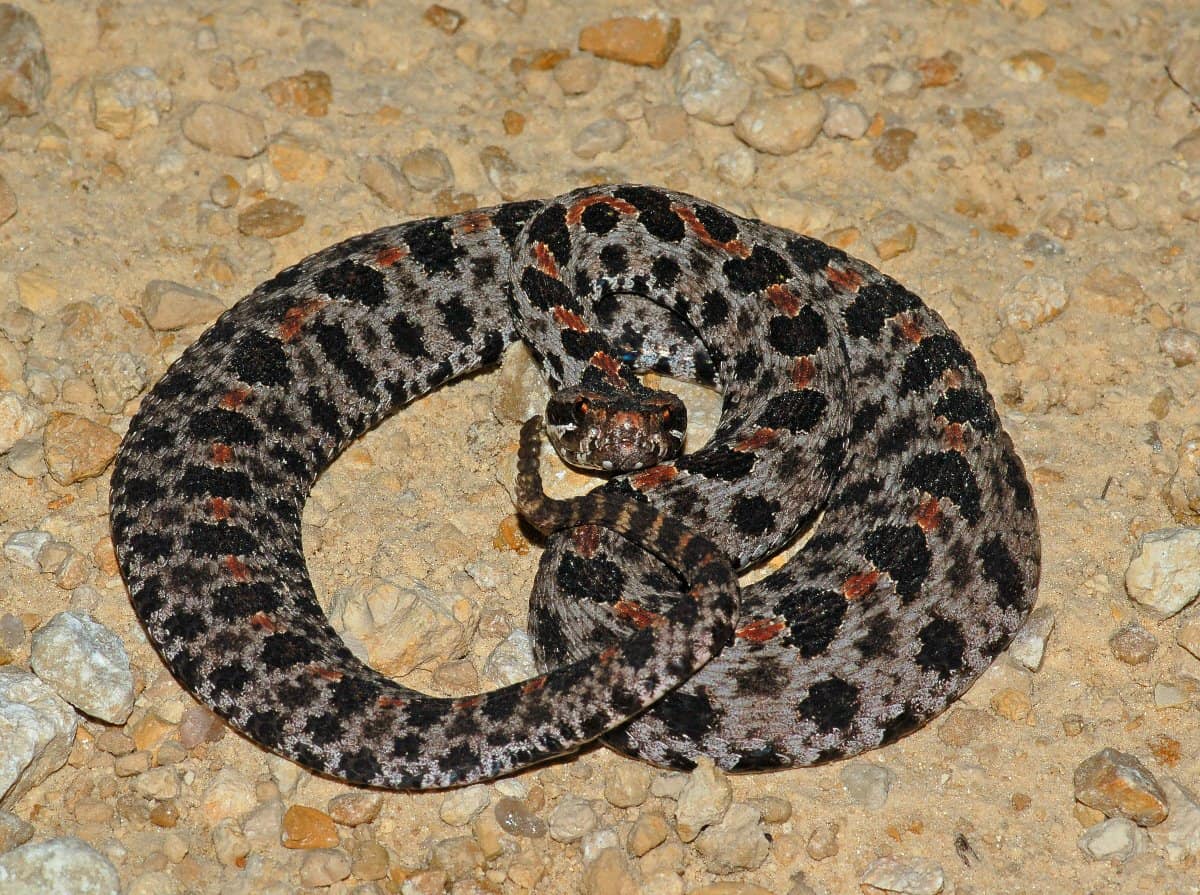
Georgia has plenty of animals that can make outdoor life more dangerous, including black bears, alligators, copperheads, cottonmouths, and several species of rattlesnakes. However, one of the most important venomous animals to watch for is the pygmy rattlesnake. It is much smaller than many other rattlesnakes, but that can actually make it easier to overlook. These snakes are often found in pine woods, wetlands, scrubby areas, and places with thick ground cover where they blend in well.
Pygmy rattlesnakes are venomous, and while deaths are uncommon, their bites can still be extremely painful and medically serious. Symptoms may include swelling, bruising, tissue damage, intense pain, nausea, and temporary loss of mobility in the affected limb. In severe cases, damage to fingers, toes, or nearby tissue can be significant, especially if treatment is delayed.
These snakes are not aggressive, but they will defend themselves if stepped on, grabbed, or cornered. Their rattle is also small and can be difficult to hear. Anyone hiking, gardening, moving debris, or walking through brushy areas in Georgia should watch where they place their hands and feet. If bitten, the best response is to stay calm, avoid trying home remedies, and seek emergency medical care immediately.
Hawaii
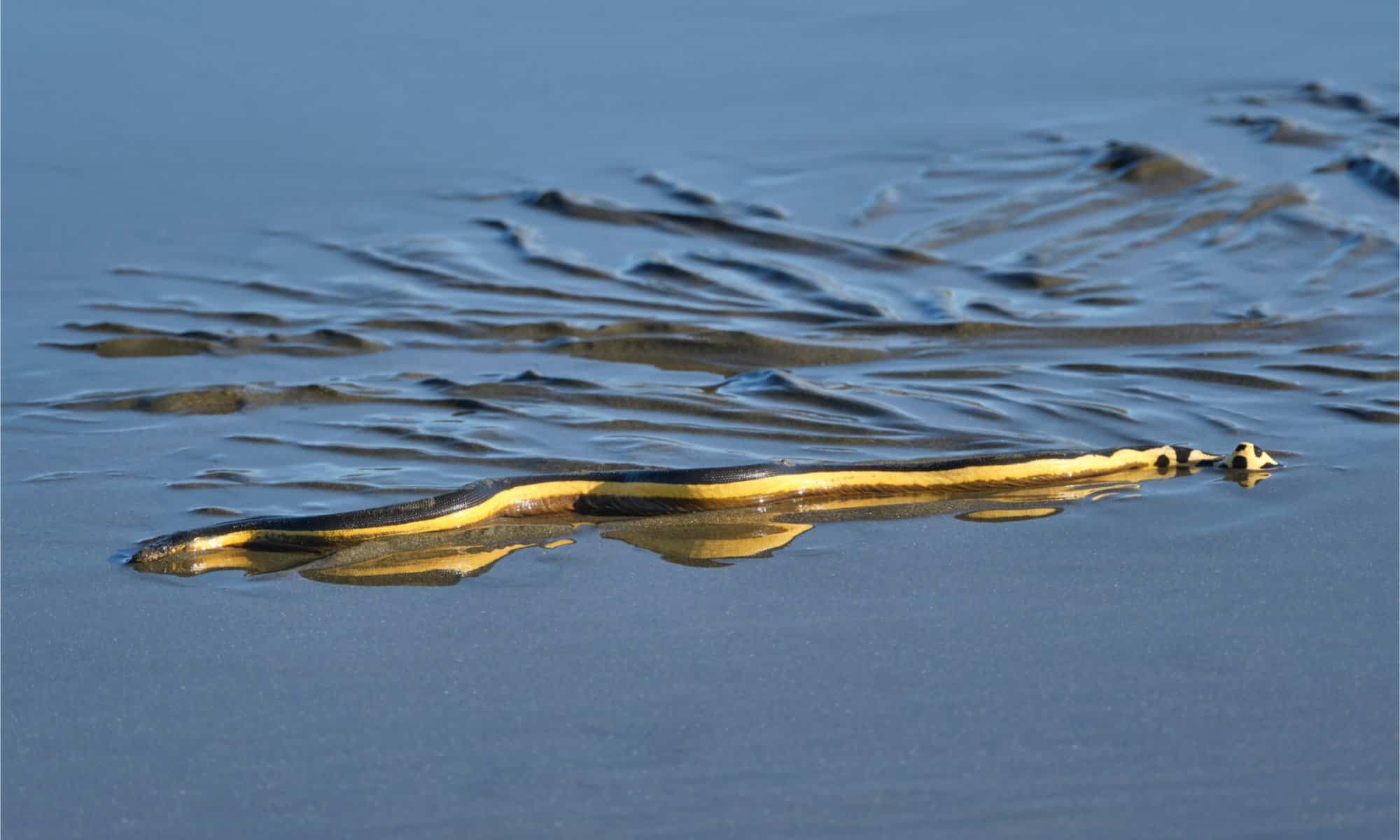
Hawaii is often associated with beautiful beaches, tropical forests, and ocean wildlife, but the islands still have animals that can pose real risks. One of the most venomous animals connected to Hawaii’s waters is the yellow-bellied sea snake. This striking snake has a dark back, yellow underside, and paddle-shaped tail that helps it move through the ocean. It spends nearly all of its life at sea and is rarely encountered by people.
Yellow-bellied sea snakes are generally considered shy and nonaggressive, and bites are very uncommon. However, they are highly venomous, which is why they deserve caution. Their venom can affect the nervous system and muscles, and a serious bite would require urgent medical attention. Most people are unlikely to come across one, but they may occasionally be seen drifting near the surface or washing ashore.
The safest rule is simple: do not touch sea snakes, even if they appear weak, stranded, or dead. Like many marine animals, they are best admired from a distance. Hawaii’s ocean wildlife is fascinating, but unfamiliar animals should always be treated with care.
Idaho
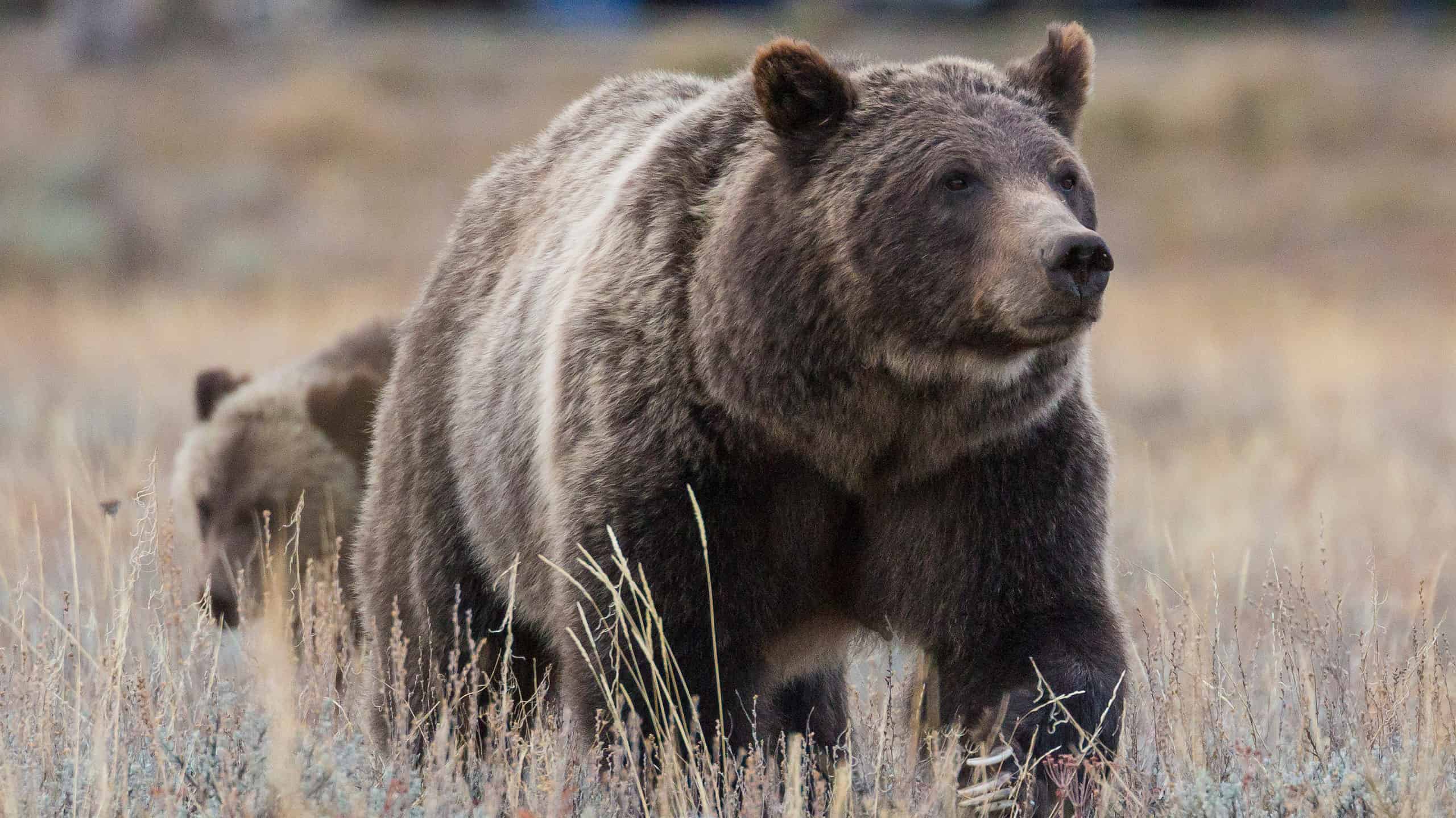
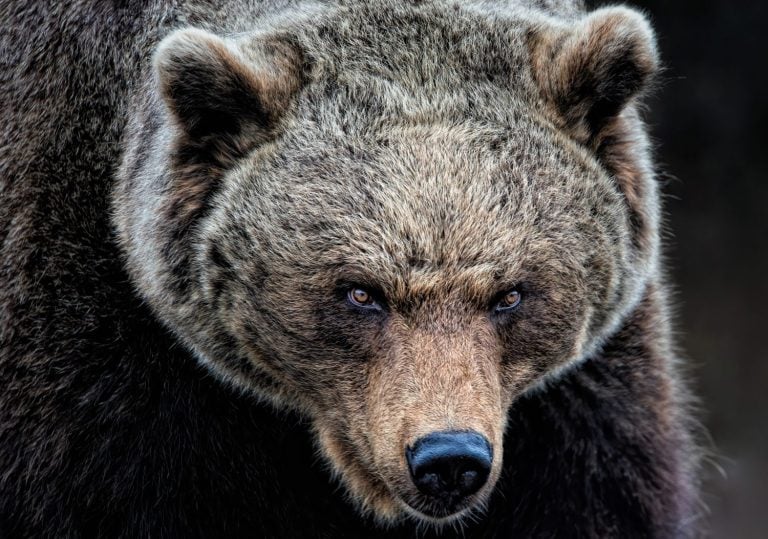
Idaho has plenty of rugged wilderness, which means it is also home to some large and powerful animals. One of the most dangerous is the grizzly bear, especially in the northern and eastern parts of the state near wild mountain forests and areas connected to larger grizzly habitat. These bears are massive, strong, fast, and capable of causing serious injury if they feel threatened.
Grizzly bears are not usually looking for trouble with humans, but they can become aggressive when surprised at close range, especially if a mother has cubs nearby or if a bear is guarding a food source. Their bite force is often estimated at hundreds of pounds per square inch, and their claws and body weight make them one of the most formidable animals in North America.
The greatest risk comes in backcountry areas where people are hiking, camping, hunting, fishing, or traveling through dense cover. Making noise on trails, storing food properly, carrying bear spray, and giving bears a wide escape route can all reduce the chance of a dangerous encounter. In Idaho, seeing a grizzly is rare for most people, but it is an animal that should always be taken seriously.
Illinois
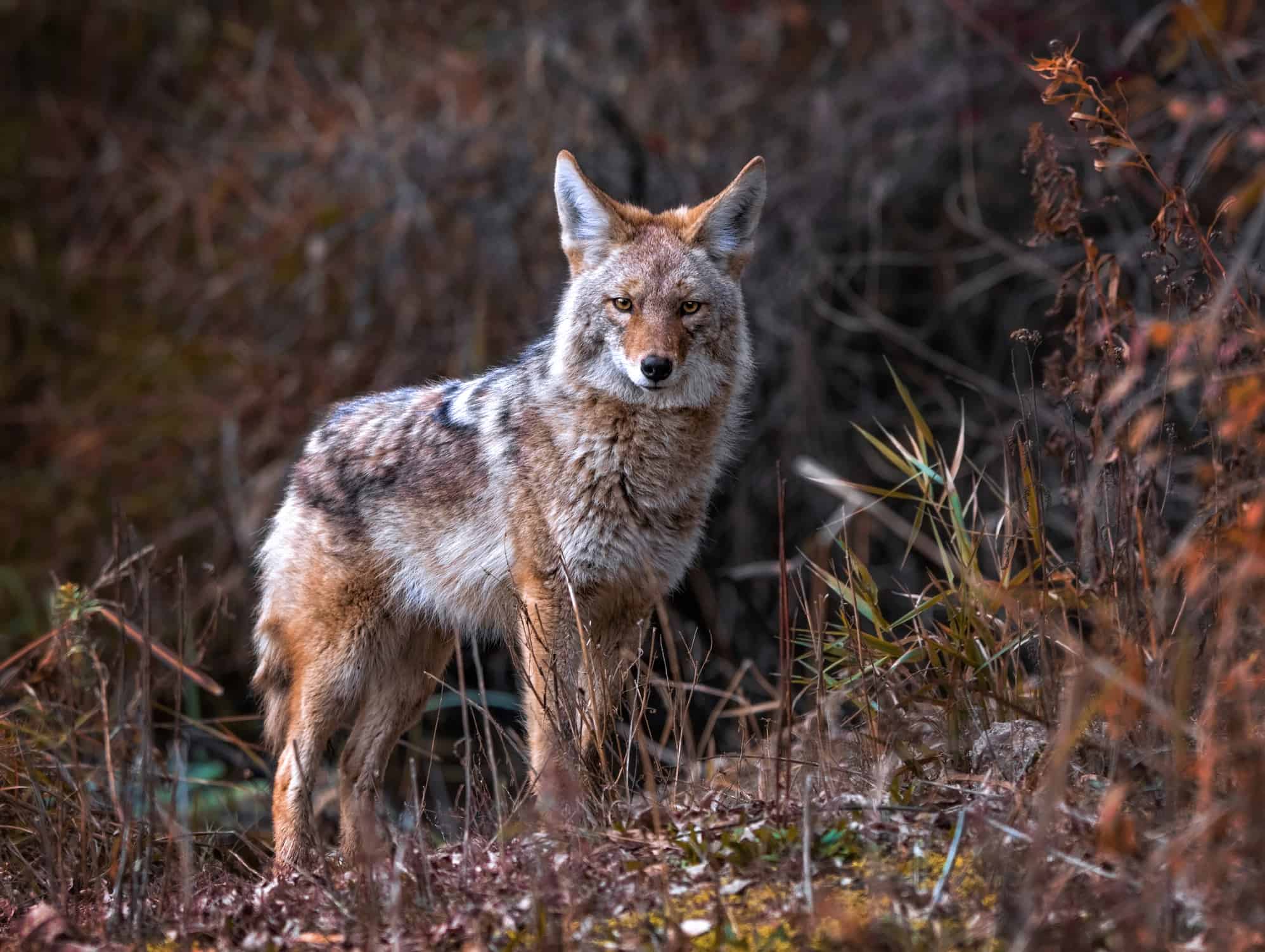
Coyotes are one of the more dangerous wild animals found in Illinois, though their risk to humans is often misunderstood. These adaptable predators live in rural areas, suburbs, parks, and even the edges of major cities. They are intelligent, cautious, and usually try to avoid people, which is why serious coyote attacks on humans remain rare.
The bigger concern in Illinois is usually for pets and small livestock. Coyotes may prey on cats, small dogs, chickens, and other vulnerable animals, especially at night or near wooded areas, fields, and drainage corridors. They can also become bolder if people feed them, intentionally or unintentionally, by leaving out pet food, unsecured garbage, or fallen fruit.
Most coyote encounters end without incident. If one gets too close, people should make themselves look larger, use a firm voice, clap, wave their arms, and avoid running away. Keeping pets leashed, supervising them outdoors, and securing food sources are the best ways to prevent problems. Coyotes are part of Illinois’s wildlife landscape, but they should not be encouraged to feel comfortable around homes or people.
Indiana
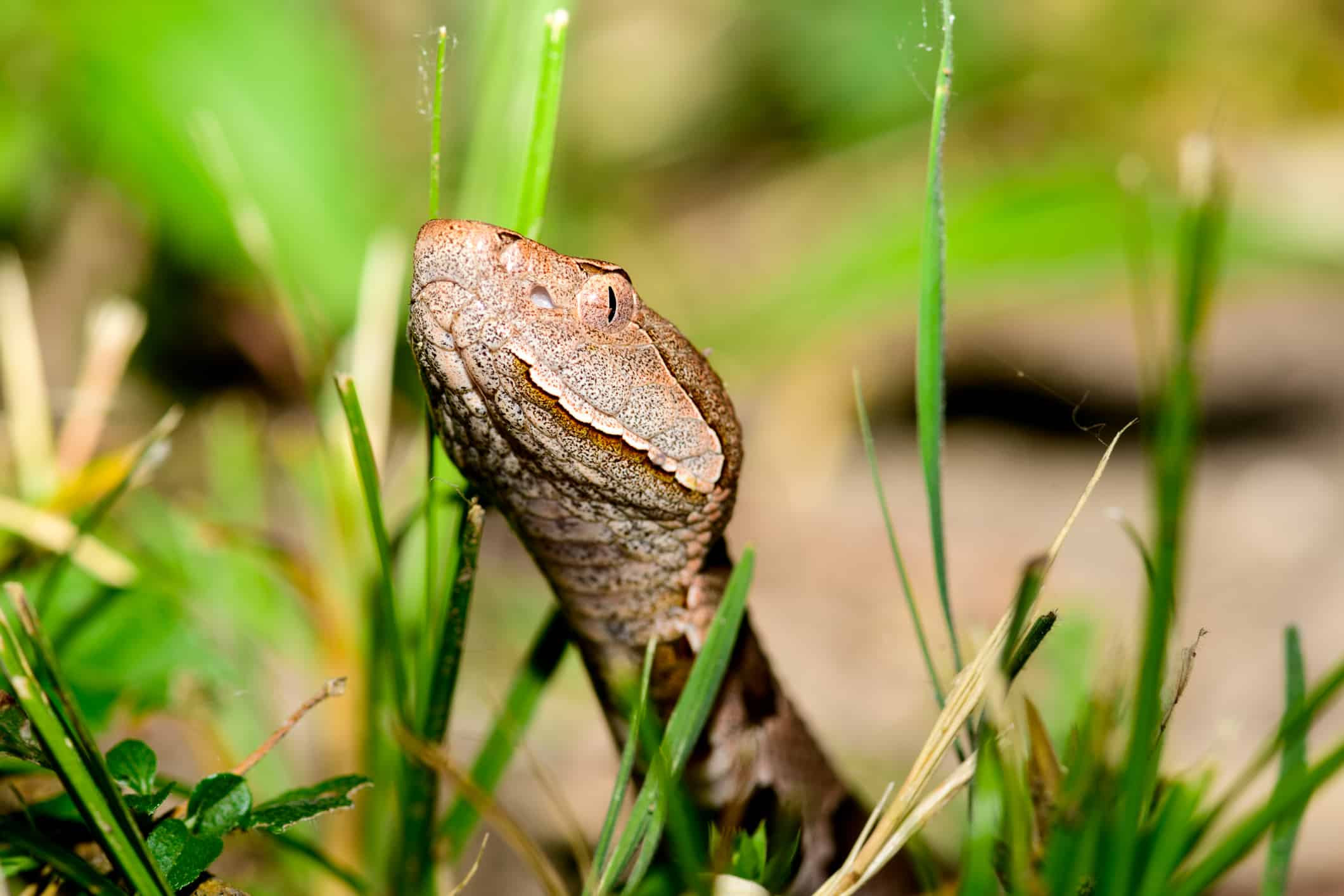
One of the most dangerous animals in Indiana is the eastern copperhead. This venomous snake is mostly found in the southern part of the state, where rocky hillsides, wooded slopes, forests, and brushy areas provide good cover. Copperheads are well camouflaged, with brown and tan markings that help them disappear among leaves, logs, and forest floors.
Copperheads are venomous, but they are generally not aggressive. Most bites happen when someone accidentally steps near one, reaches into hidden areas, or tries to handle the snake. A bite can cause pain, swelling, bruising, nausea, and tissue damage, but fatalities are very rare, especially with modern medical treatment. In fact, fatal copperhead bites are uncommon across the United States.
The biggest danger is how easy these snakes are to overlook. Their coloring makes them blend into fallen leaves, which is why hikers, gardeners, and people moving firewood should be careful where they place their hands and feet. Copperheads play an important role in controlling rodents, so the safest approach is to leave them alone and give them plenty of space.
Iowa
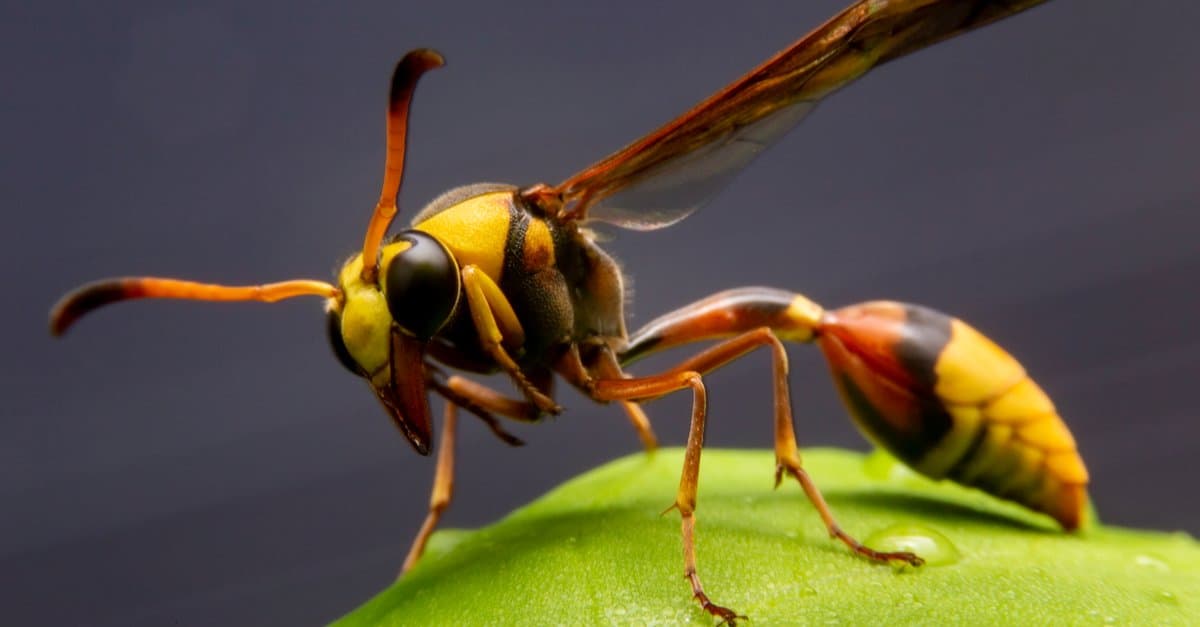
It may be hard to decide which animal is the deadliest or most dangerous in Iowa, but one of the most serious risks comes from wasps and other stinging insects. They may be small, but wasps can be aggressive when defending a nest, and unlike honeybees, many wasps can sting more than once. For most people, a sting causes temporary pain, redness, itching, and swelling. For people with allergies, however, a sting can become a medical emergency.
The most dangerous part is that not everyone knows they are allergic until they are stung. A severe allergic reaction can cause trouble breathing, dizziness, swelling of the face or throat, rapid heartbeat, or anaphylaxis. That is why wasps can be more dangerous than they seem, especially during late summer and early fall when colonies are larger and more active.
Wasps often build nests under eaves, inside sheds, in trees, in ground cavities, or near outdoor equipment. People in Iowa should be cautious when mowing, gardening, cleaning out garages, or disturbing areas that have not been used for a while. If a nest is large or close to a home, it is safer to call a professional than to remove it without proper protection.
Kansas
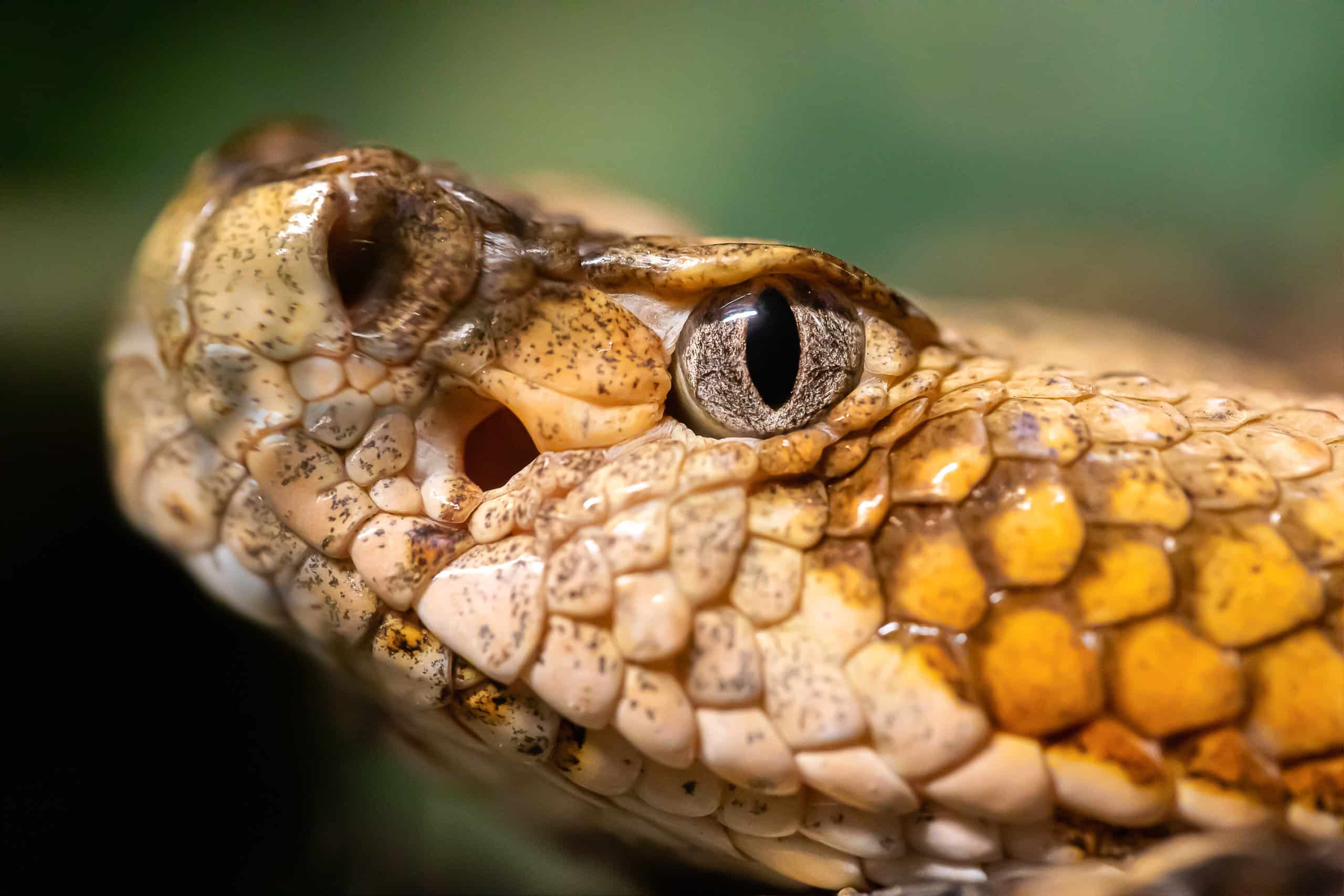
Timber rattlesnakes make our list again in Kansas, where they can be found mainly in the eastern third of the state. These venomous snakes prefer wooded hillsides, rocky areas, river valleys, brushy fields, and places with enough cover to hide from predators and ambush prey. They are usually shy and would rather avoid humans than strike, but their bite can be serious.
Timber rattlesnakes have potent venom that can cause intense pain, swelling, bruising, nausea, weakness, and more severe complications if the bite is not treated quickly. They often rely on camouflage first, which means a person may get dangerously close without realizing a snake is there. When threatened, a timber rattlesnake may coil, rattle, and hold its ground as a warning.
Most bites happen when people accidentally step near one, reach into hidden places, or try to move or kill the snake. The safest response is to back away slowly and give the animal plenty of room. For hikers, hunters, campers, and landowners in eastern Kansas, paying attention near rocks, logs, tall grass, and wooded edges can greatly reduce the risk of an encounter.
Kentucky
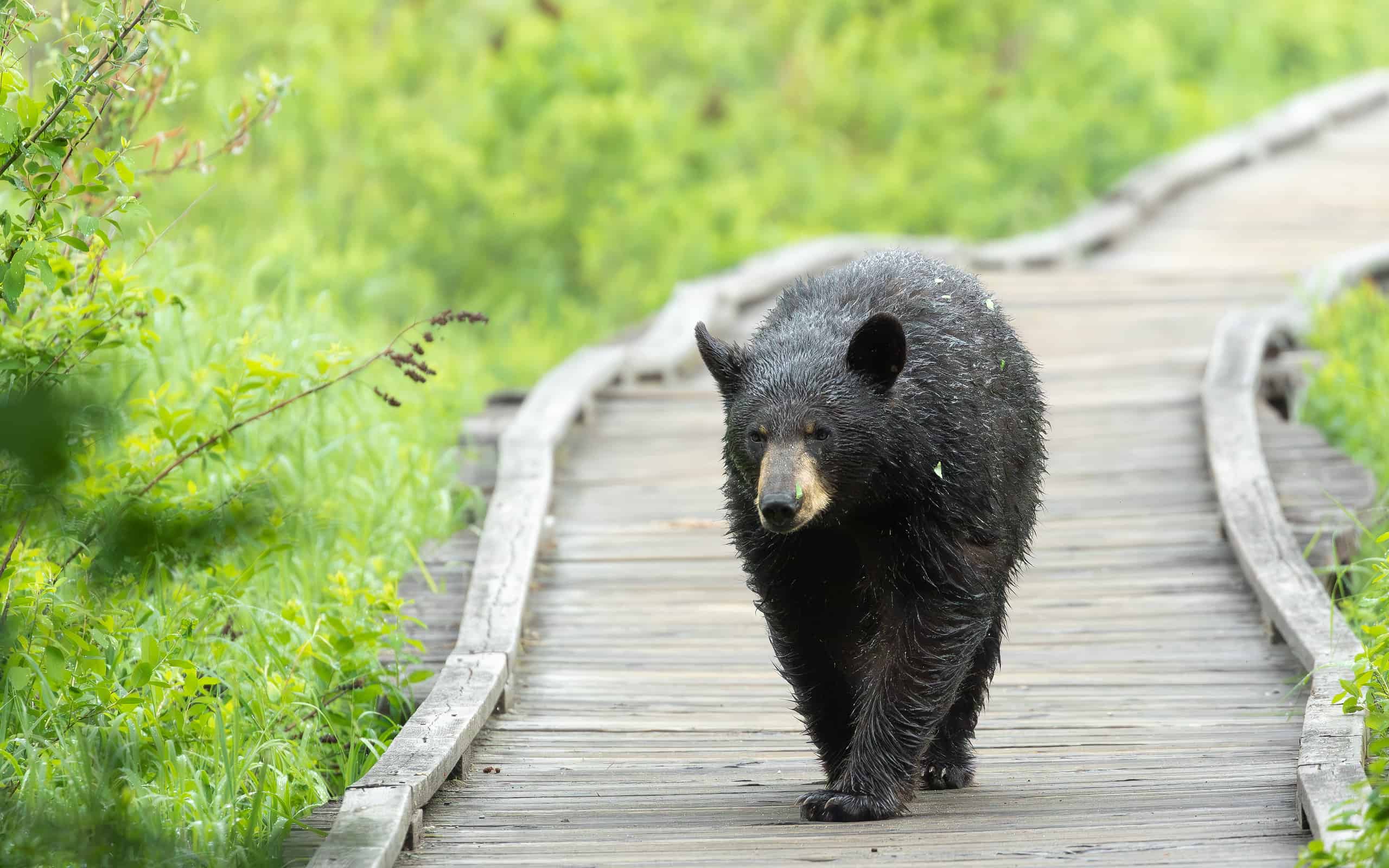
Kentucky has a long list of animals that can be dangerous, including venomous snakes, coyotes, deer, and stinging insects. However, one of the state’s most powerful wild animals is the American black bear. Black bears can weigh several hundred pounds, and even though they are usually shy, they are strong enough to cause serious injury if a close encounter turns dangerous.
Black bears are most common in forested and mountainous parts of Kentucky, especially in the eastern region of the state. They are excellent climbers, strong swimmers, and skilled at finding food. The biggest problems usually begin when bears lose their natural fear of humans because they find unsecured garbage, birdseed, pet food, grills, coolers, or camp food.
Most black bears want to avoid people. Still, a bear that feels cornered, is surprised at close range, or has become food-conditioned can be dangerous. People living or camping in bear country should secure food and trash, never feed bears, and keep a safe distance if one appears. If a black bear is nearby, remain calm, make yourself look large, speak firmly, and slowly back away. Respecting their space is the best way to stay safe.
Louisiana
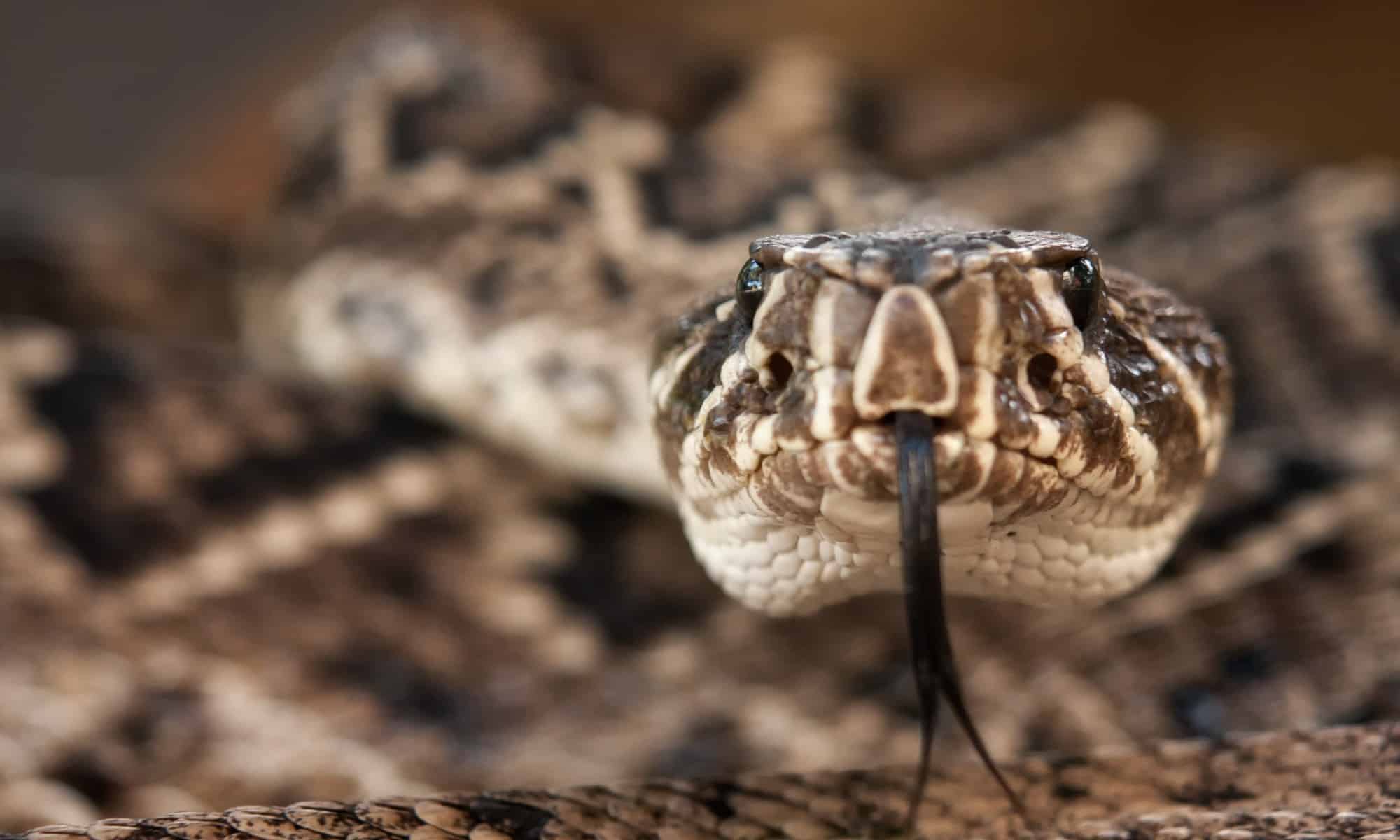
Louisiana has many animals that can be dangerous, from alligators and cottonmouths to black widows, brown recluses, and powerful wildlife found in swamps, forests, and waterways. One of the most dangerous venomous snakes associated with the region is the eastern diamondback rattlesnake. This heavy-bodied rattlesnake is native to the southeastern United States and is widely known as one of the largest venomous snakes in North America.
Eastern diamondbacks are not common everywhere in Louisiana, but where they do occur, they deserve serious caution. Their venom can cause severe pain, swelling, tissue damage, bleeding problems, and life-threatening complications without prompt medical care. These snakes are usually found in dry, sandy, brushy, or pine-forest habitats, though Louisiana’s mix of wetlands and uplands can support several venomous snake species.
Like most rattlesnakes, eastern diamondbacks are not aggressive toward humans unless threatened. They rely on camouflage, warning rattles, and escape before striking. Most bites happen when someone gets too close, accidentally steps near a hidden snake, or tries to handle or kill it. In Louisiana, the best advice is simple: watch your step, avoid reaching into hidden places, and leave any rattlesnake alone.
Maine
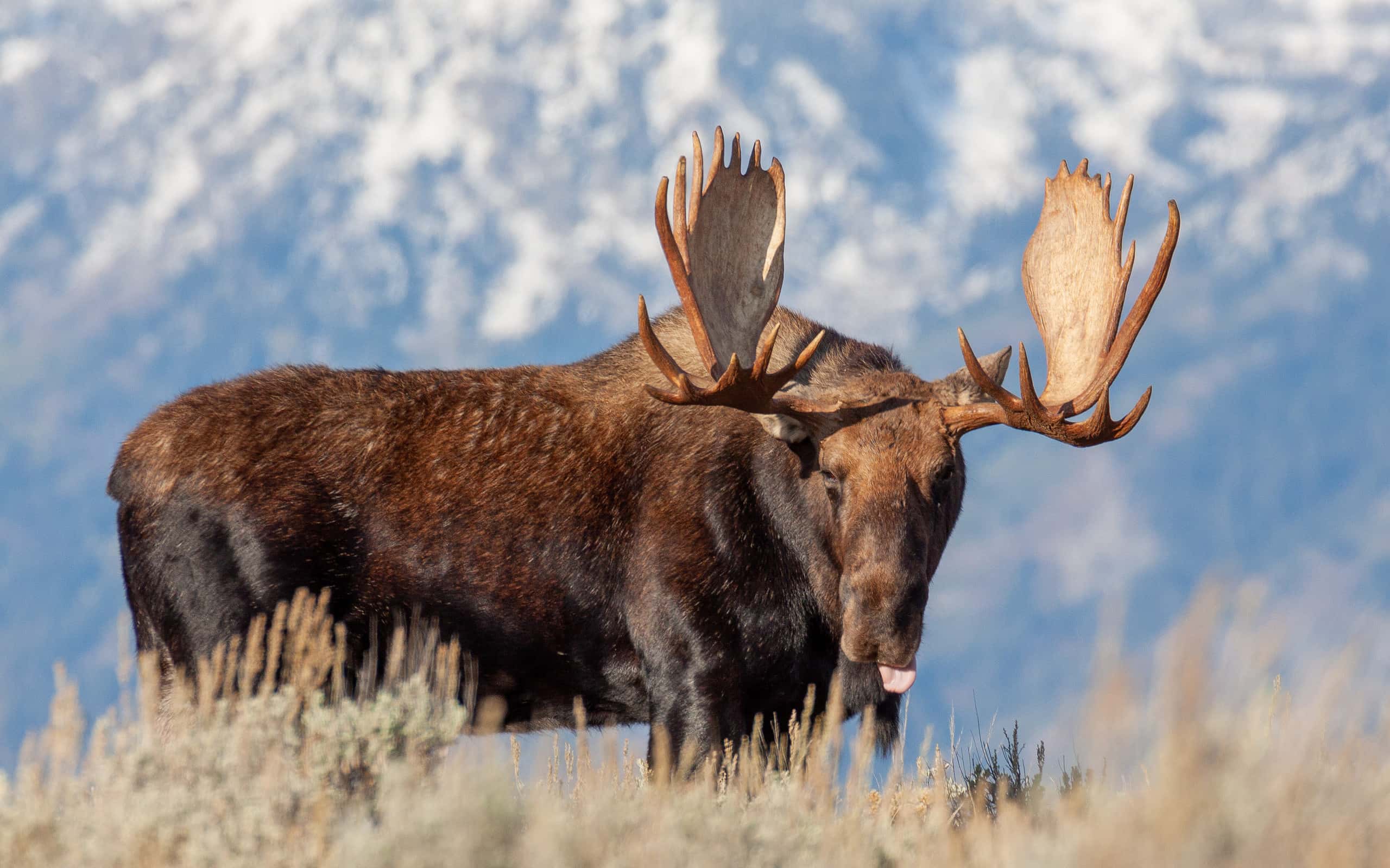
Moose are massive animals, and in Maine, they are one of the most important wildlife hazards people need to take seriously. The state has one of the largest moose populations in the lower 48, with tens of thousands of these animals living in forests, wetlands, and northern wilderness areas. Adult moose can weigh well over 1,000 pounds, and because of their long legs and tall bodies, they are especially dangerous on roads.
The biggest risk in Maine is not usually a moose charging a person in the woods. It is a moose suddenly stepping onto a highway or rural road. Moose are tall enough that when a vehicle hits one, the animal’s body can come over the hood and into the windshield, creating a far more dangerous crash than many deer collisions. Drivers should be especially alert at dawn, dusk, and after dark, when moose are harder to see and more likely to be moving. Forested roads, wetland edges, and areas with moose crossing signs deserve extra caution.
Maryland
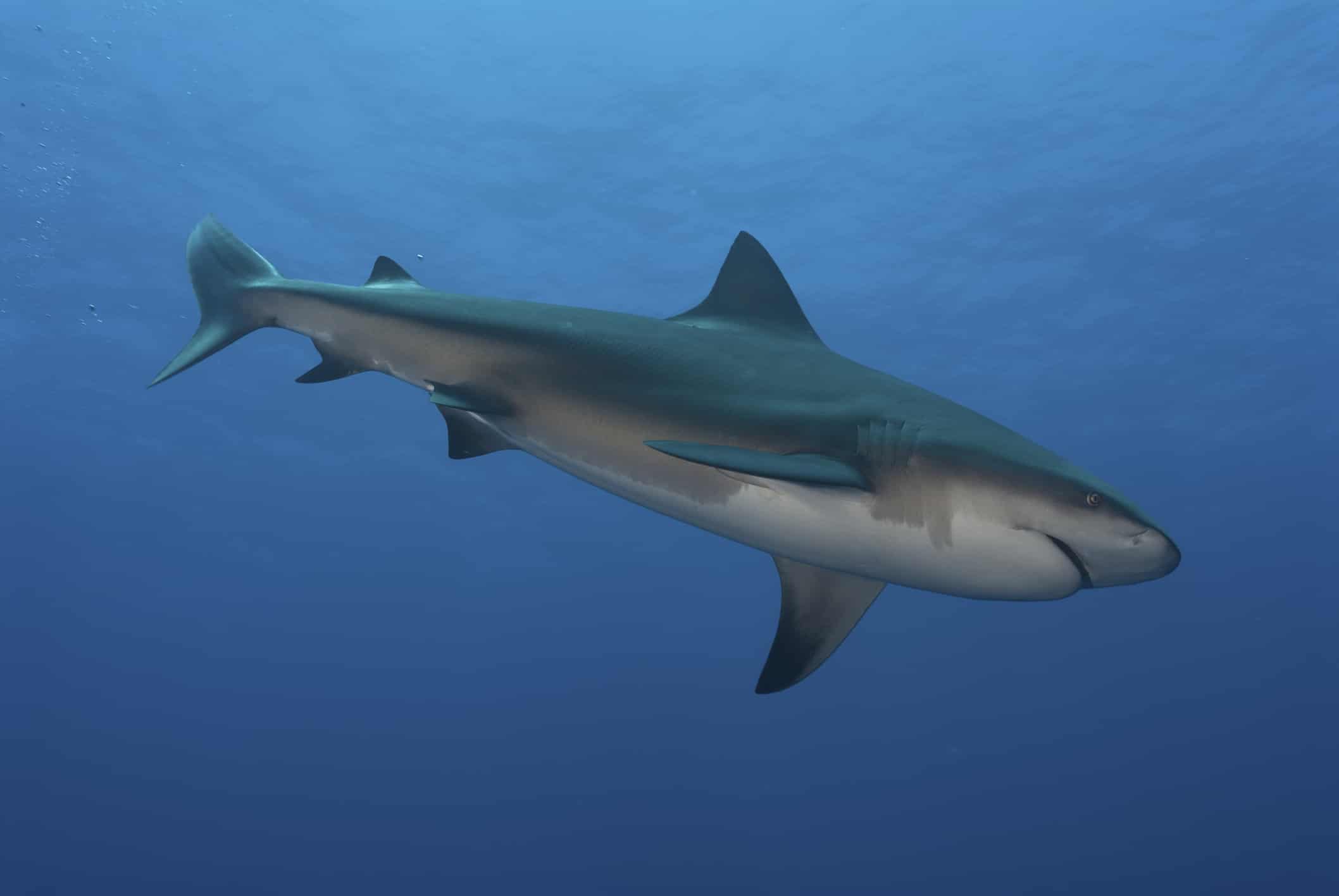
Maryland is not home to many animals that people would consider truly deadly, but one surprising species does enter the conversation: the bull shark. Bull sharks are unusual because they can tolerate both saltwater and freshwater, which allows them to move through coastal waters, bays, estuaries, and even some river systems. In Maryland, sightings are uncommon, but the Chesapeake Bay and connected waters make the possibility interesting enough to note.
Bull sharks have a reputation for aggression, partly because they often live in shallow coastal areas where people swim, fish, and boat. They are strong predators with powerful jaws, and they are considered one of the shark species more often associated with attacks worldwide. That said, shark attacks in Maryland are very rare, and fatal attacks are even rarer. For most people, the risk is extremely low.
The best approach is simple awareness. Avoid swimming near fishing activity, murky water, baitfish, or areas where sharks have been reported. Bull sharks may sound terrifying, but in Maryland, they remain more of an unusual potential hazard than an everyday threat.
Massachusetts
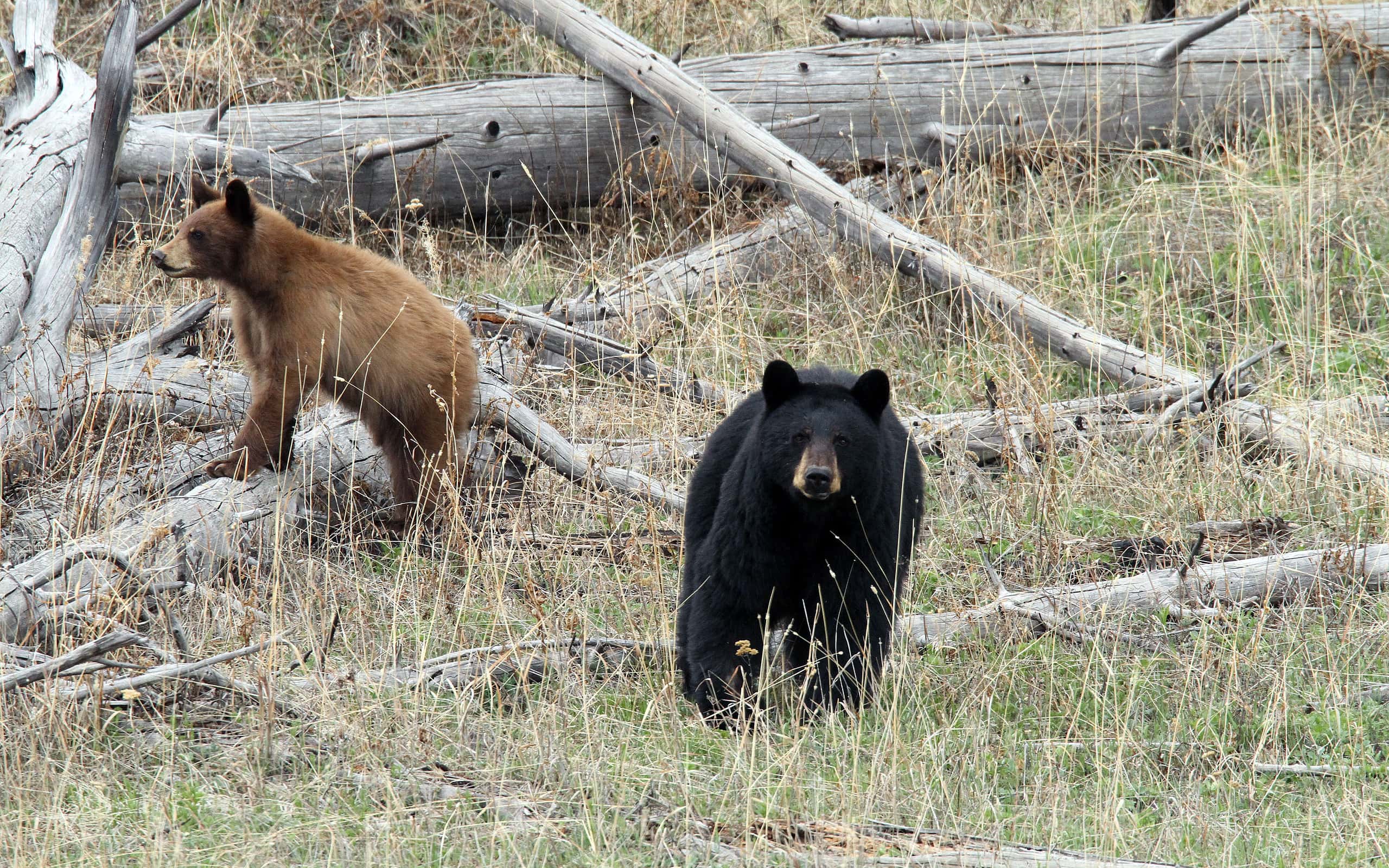
Massachusetts has several animals that can be dangerous under the wrong circumstances, including coyotes, venomous spiders, ticks, and large marine animals off the coast. However, one of the most powerful land animals in the state is the American black bear. Black bear attacks are incredibly rare, but the animal’s size, strength, and growing presence in parts of Massachusetts make it worth taking seriously.
Black bears are most often found in central and western Massachusetts, though they can wander into suburban areas while searching for food. Most problems happen when bears learn to associate people with easy meals. Trash cans, bird feeders, outdoor grills, compost piles, pet food, and unsecured coolers can all attract them. Once a bear becomes comfortable around homes, the chance of a risky encounter increases.
Most black bears want nothing to do with people. Still, residents in bear country should use bear-resistant trash containers when possible, bring bird feeders down during active seasons, and never intentionally feed a bear. If you see one, keep your distance, stay calm, and give it room to leave.
Michigan
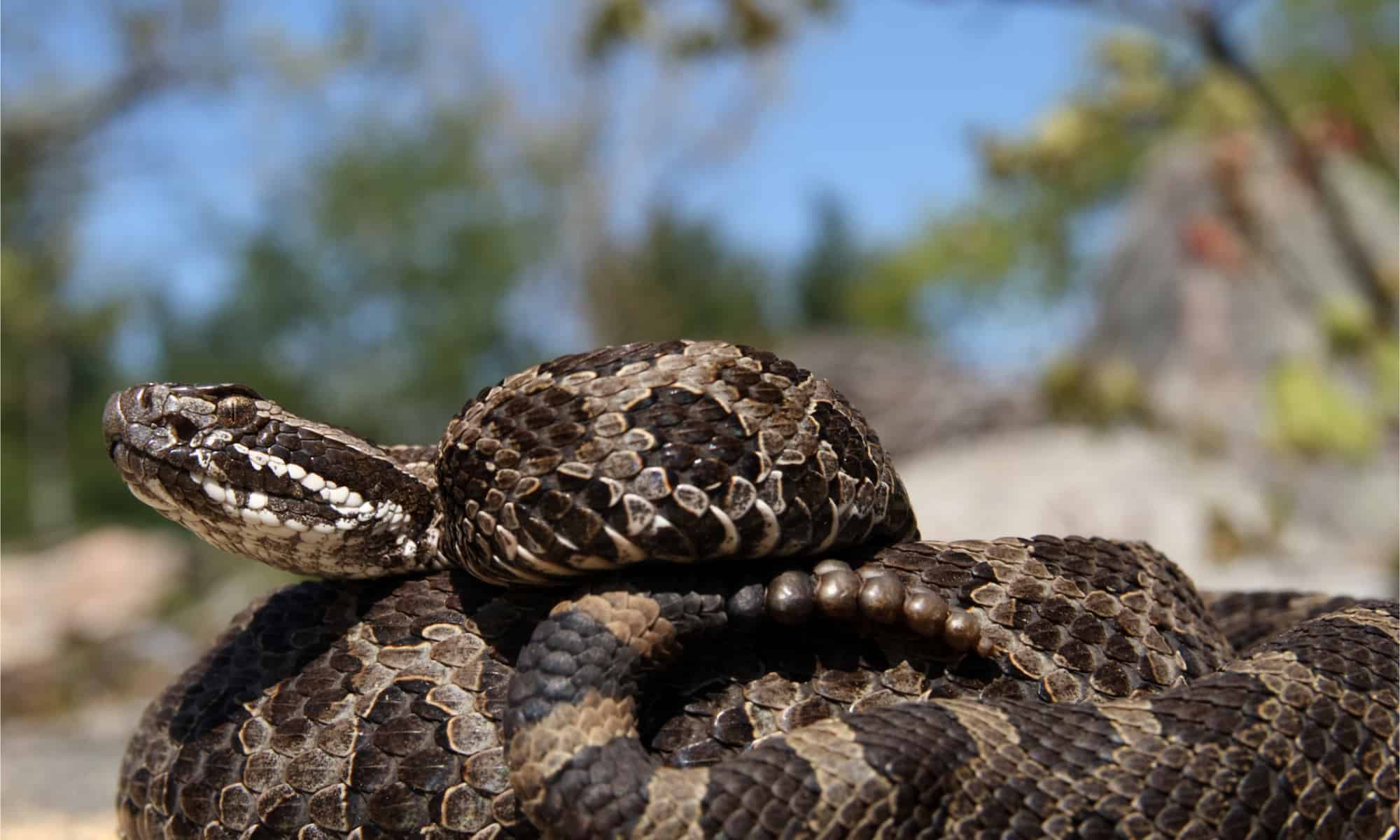
Michigan has a wide mix of animals that can be dangerous, including black bears, moose, coyotes, venomous spiders, and stinging insects. However, one of the state’s most notable venomous animals is the eastern massasauga rattlesnake. This small rattlesnake is Michigan’s only venomous snake, and while it has a serious bite, it is also shy, secretive, and rarely seen by most residents.
Eastern massasaugas are often found in wetlands, grassy areas, marsh edges, and nearby upland habitats. They rely heavily on camouflage and usually try to stay hidden rather than confront people. Most bites happen when someone accidentally steps near one, reaches into cover, or tries to handle or disturb the snake. A bite can cause pain, swelling, bruising, and other symptoms that require medical care, but fatalities are very rare.
Because these snakes are uncommon and protected, they should never be killed or collected. Hikers, gardeners, and anyone exploring wet or grassy areas should simply watch where they step and leave any snake alone. In Michigan, the eastern massasauga is dangerous enough to respect, but not something people need to fear every time they go outside.
Minnesota
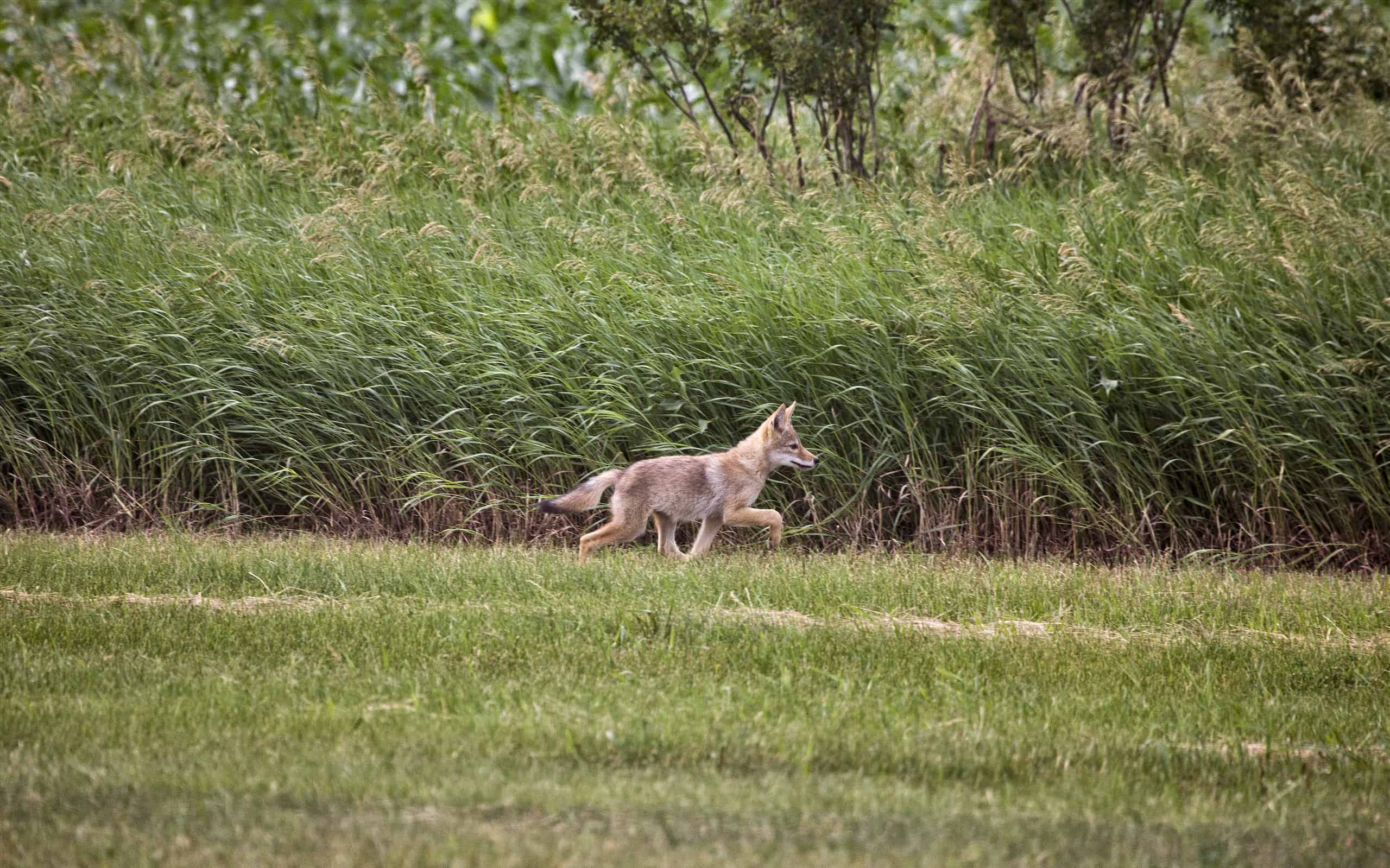
Minnesota’s most dangerous animal is not always the largest or most dramatic. Coyotes are found across the state, from rural farmland and forests to suburbs and city edges. They rarely attack humans, but they can create serious problems for livestock and domestic pets, especially cats and small dogs.
Coyotes are smart, adaptable predators. They often hunt small mammals, but they may also target chickens, young livestock, outdoor cats, or unattended pets. The risk is higher at night, around wooded edges, fields, brushy areas, and neighborhoods where coyotes have access to food. Leaving pet food outside, unsecured garbage, or fallen fruit can make the problem worse by drawing coyotes closer to homes.
For most people in Minnesota, the best protection is prevention. Keep cats indoors, supervise small dogs outside, use leashes in areas with known coyote activity, and avoid leaving food sources outdoors. If a coyote approaches, do not run. Make noise, wave your arms, and make yourself look larger. Coyotes are a natural part of the landscape, but they should never be allowed to get too comfortable around people.
Mississippi
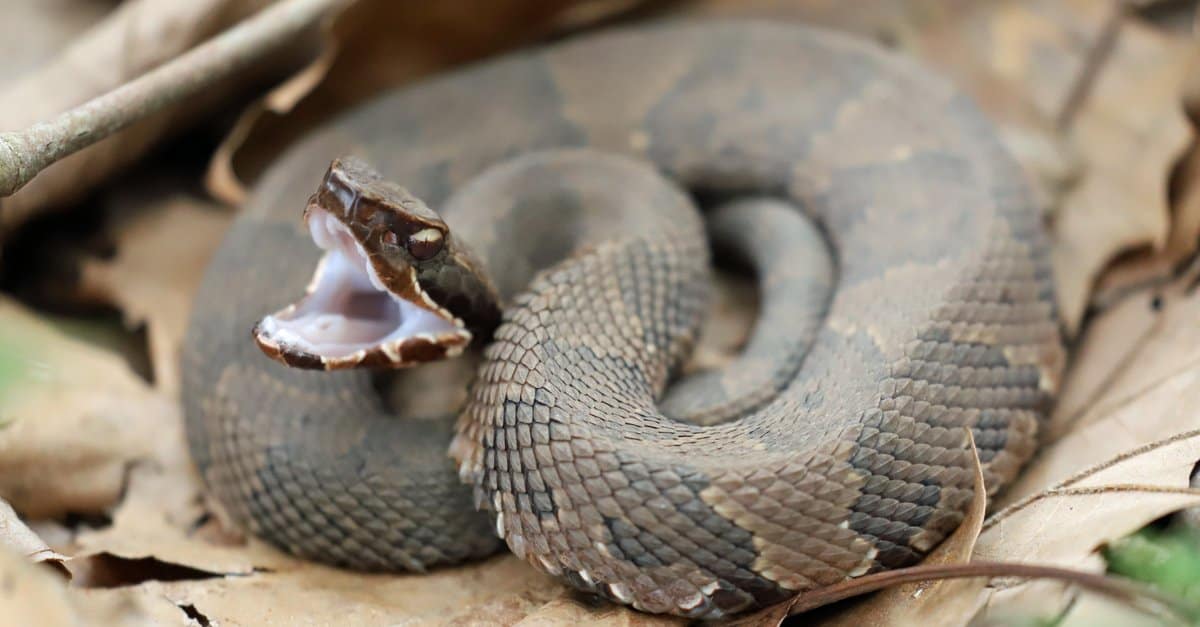
Mississippi has more than a few animals that can be dangerous. Depending on where you are in the state, you may encounter alligators, sharks near the coast, black bears, venomous spiders, scorpions, and several species of venomous snakes. One of the most important snakes to watch for is the cottonmouth, also known as the water moccasin.
Cottonmouths are semi-aquatic pit vipers often found near swamps, ponds, rivers, marshes, drainage ditches, and other wet areas. They are usually between 2 and 4 feet long, with thick bodies and dark coloring that helps them blend into muddy banks, leaves, and water edges. When threatened, a cottonmouth may open its mouth wide to show the pale white interior that gives the snake its name.
Although cottonmouths have a reputation for being aggressive, they usually prefer to avoid people when given the chance. The danger comes when someone steps too close, reaches near one, or tries to move or kill it. A bite can be serious and may cause pain, swelling, bruising, tissue damage, and other complications. Anyone bitten should seek medical attention immediately. Around Mississippi’s waterways, the best rule is to watch your step and never handle a snake.
Missouri
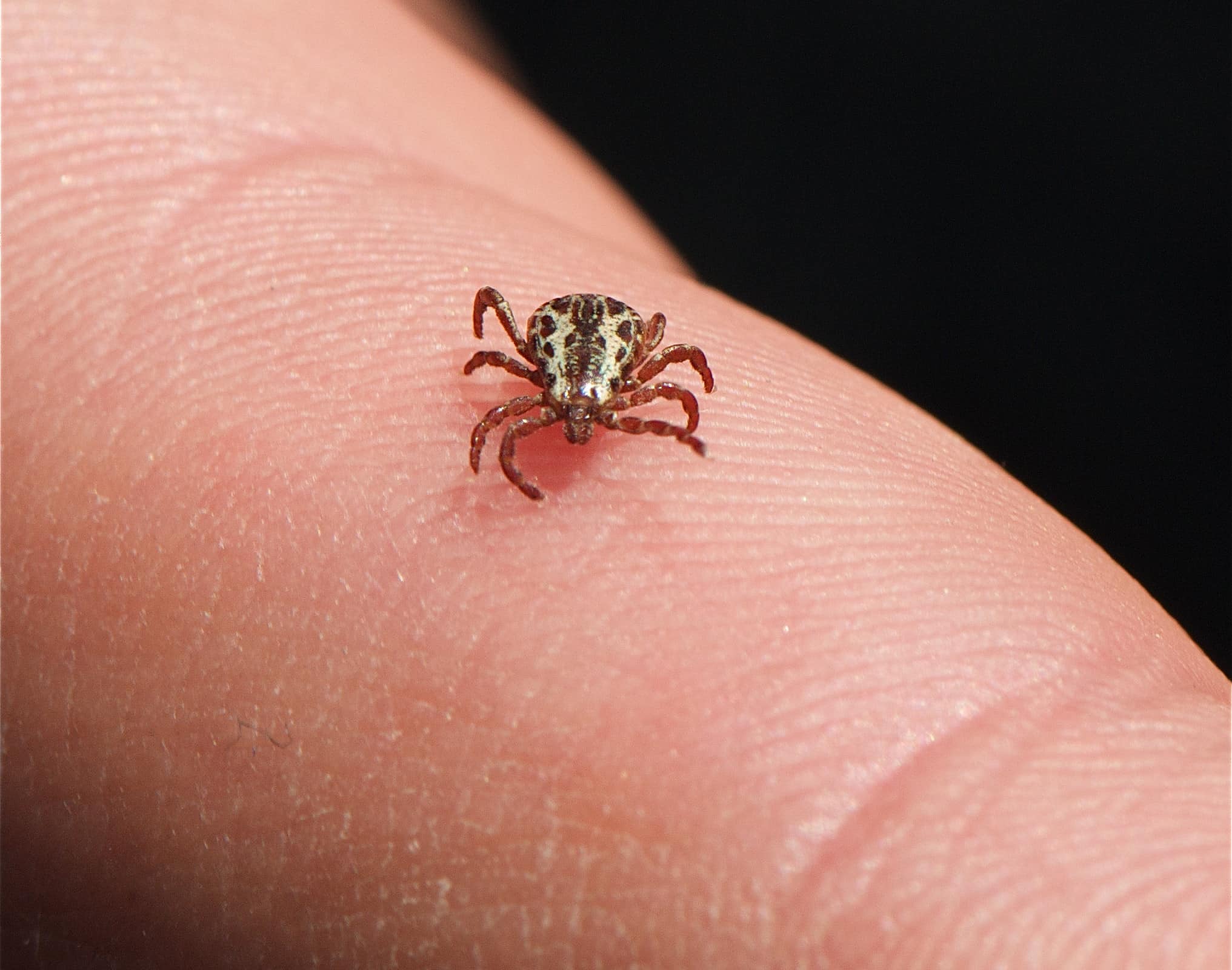
The most dangerous animal in Missouri may not be a bear, spider, or snake. It may be something much smaller: the tick. Ticks are easy to overlook because they are tiny, quiet, and often painless when they first attach. However, they can carry diseases that make them one of the state’s most important outdoor health risks.
Missouri has several tick species, including the lone star tick, American dog tick, and blacklegged tick. Depending on the species, ticks may transmit illnesses such as Lyme disease, ehrlichiosis, Rocky Mountain spotted fever, tularemia, and other tick-borne conditions. Symptoms can vary, but fever, fatigue, rash, muscle aches, and headaches are common warning signs after a tick bite.
Ticks are most common in tall grass, brush, wooded areas, leaf litter, and places where deer and other wildlife move. They can also affect dogs, which may carry ticks into the home. The best prevention is to use tick repellent, wear long sleeves and pants in brushy areas, check your body and pets after being outdoors, and remove ticks promptly with tweezers. They may be small, but in Missouri, ticks are a danger worth taking seriously.
Montana
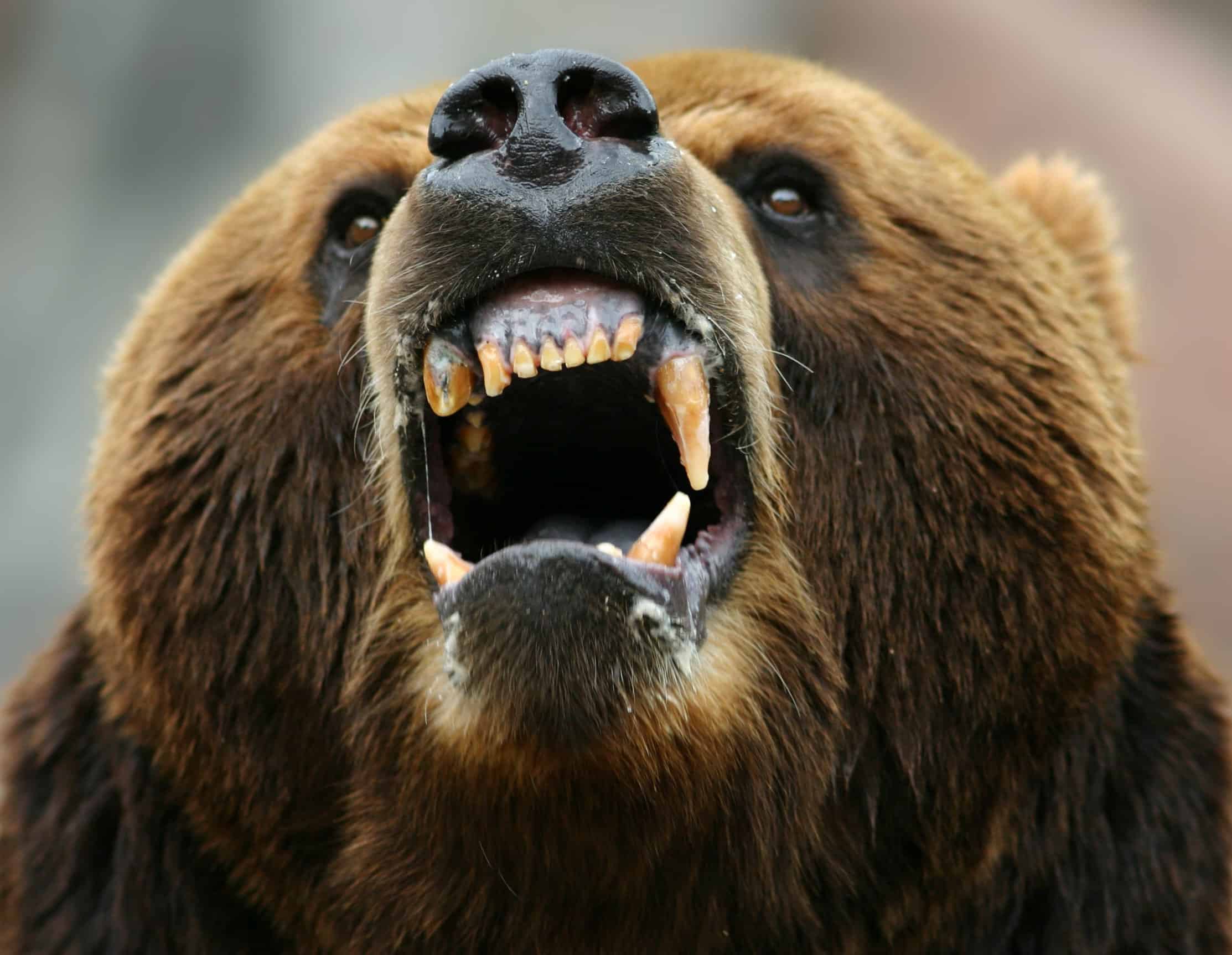
Grizzly bears make the list again in Montana, where they are among the most powerful and dangerous animals in the state. Montana has important grizzly habitat, especially in and around wild mountain regions connected to places like Glacier National Park, the Greater Yellowstone area, and remote forested landscapes. The state is home to a significant grizzly population, and while most residents and visitors will never have a dangerous encounter, the possibility is real in bear country.
Grizzlies are dangerous because of their size, speed, strength, and defensive instincts. They can weigh hundreds of pounds, run surprisingly fast, and cause severe injuries with their claws and bite. Most attacks happen when a bear is surprised at close range, protecting cubs, guarding a carcass, or defending a food source. Hunters, hikers, campers, anglers, and backpackers face the highest risk because they spend more time in remote areas where bears live.
Encounters are still uncommon, but preparation matters. Carrying bear spray, making noise on trails, hiking in groups, storing food properly, and giving bears plenty of space can reduce the risk. In Montana, grizzlies are a symbol of wilderness, but they are also animals that demand respect.
Nebraska
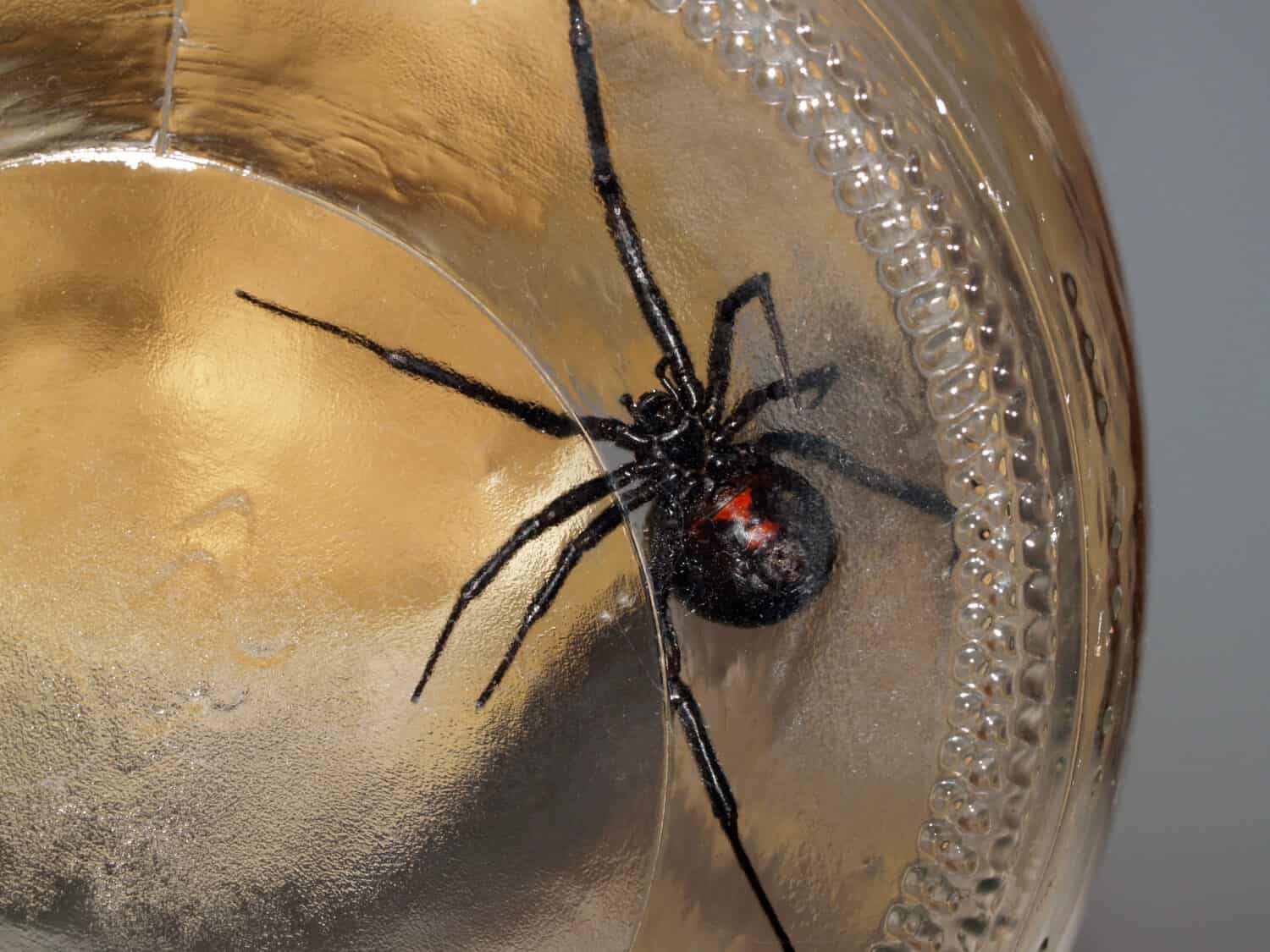
Nebraska may seem like a relatively quiet state for dangerous wildlife, but it still has animals that can cause serious harm. One of the most concerning is the black widow spider. This small spider has a powerful venomous bite, and female black widows are especially recognizable because of their shiny black bodies and red hourglass marking.
Black widows are often found in dark, undisturbed places such as sheds, garages, barns, woodpiles, crawl spaces, outdoor furniture, and cluttered storage areas. They are not aggressive spiders, but bites can happen when someone accidentally presses against one or reaches into a hidden spot where the spider is sheltering.
A black widow bite can be painful and may cause muscle cramps, swelling, sweating, nausea, abdominal pain, and general discomfort. Death is rare, especially with modern medical care, but young children, older adults, and people with health problems may face a higher risk of severe symptoms. Nebraskans can reduce the chance of a bite by wearing gloves when moving wood or debris, shaking out stored items, and being careful in dark corners where spiders may hide.
Nevada
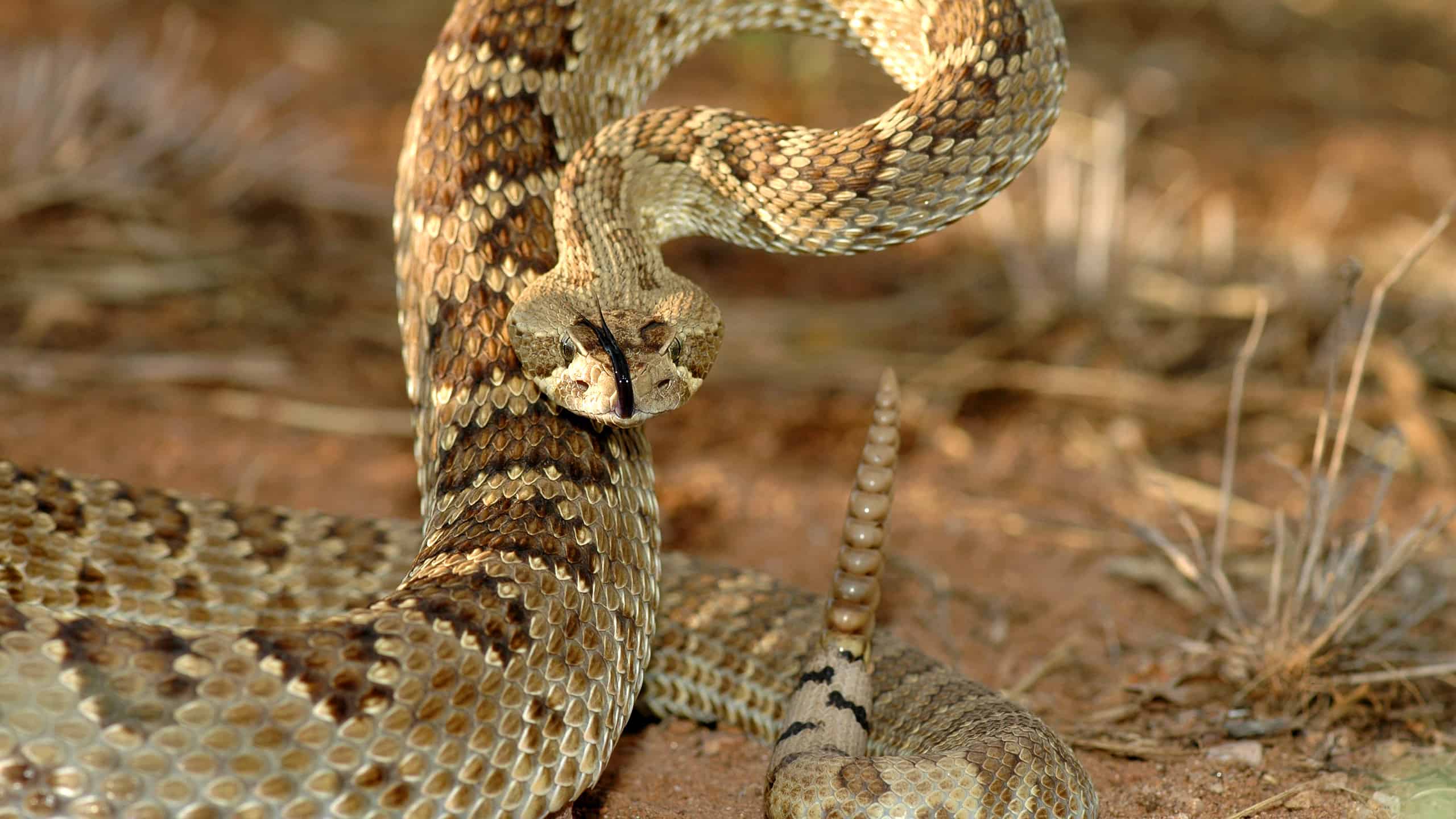
Nevada is filled with animals that deserve caution, especially in the state’s deserts, rocky hillsides, and remote outdoor recreation areas. Venomous snakes, scorpions, spiders, coyotes, and large mammals can all create risks under the right circumstances. One of the most dangerous animals in the state is the Mojave rattlesnake, a venomous snake found in parts of the Southwest and known for its serious bite.
Mojave rattlesnakes are often associated with desert flats, scrubland, rocky areas, and open country where they can blend into the ground. They are not usually seen by most people, and they are not out looking for humans. Most bites happen when someone accidentally steps too close, reaches near a hidden snake, or tries to handle or kill one.
A Mojave rattlesnake bite can be extremely painful and medically serious. Depending on the bite, symptoms may include swelling, pain, weakness, nausea, breathing problems, and effects on the nervous system. Fatalities are rare with prompt medical care, but anyone bitten by a rattlesnake should treat it as an emergency. In Nevada, the safest approach is to watch where you step, avoid placing hands into hidden spaces, and give any rattlesnake plenty of room.
New Hampshire
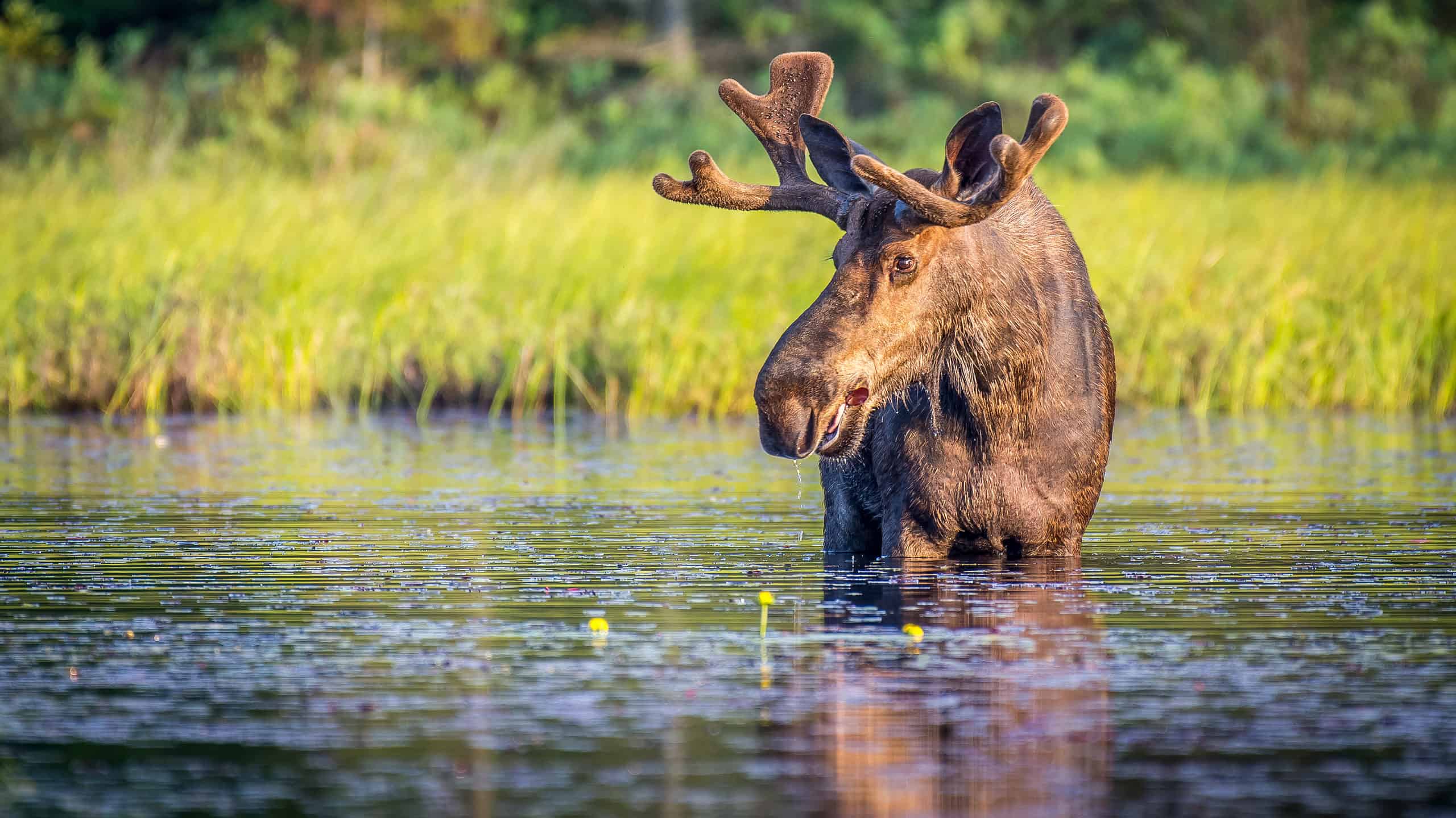
Moose make another appearance on this list, and in New Hampshire, they are one of the most dangerous animals mainly because of the threat they pose on roads. These huge animals are a familiar part of the state’s northern forests and wetlands, but they can become a serious hazard when they suddenly step onto highways, rural roads, or dark wooded stretches where drivers have very little time to react.
A moose collision is especially dangerous because of the animal’s height. Unlike deer, which are lower to the ground, a moose has long legs and a heavy body that can crash into a vehicle’s windshield during an impact. That makes even a single collision potentially devastating for drivers and passengers.
New Hampshire has reported dozens of moose-vehicle collisions in some recent years, and the risk is highest at dusk, dawn, and nighttime. Drivers should be especially careful in areas with moose crossing signs, near wetlands, and along forested roads. Slowing down and scanning the shoulders can make a major difference.
New Jersey
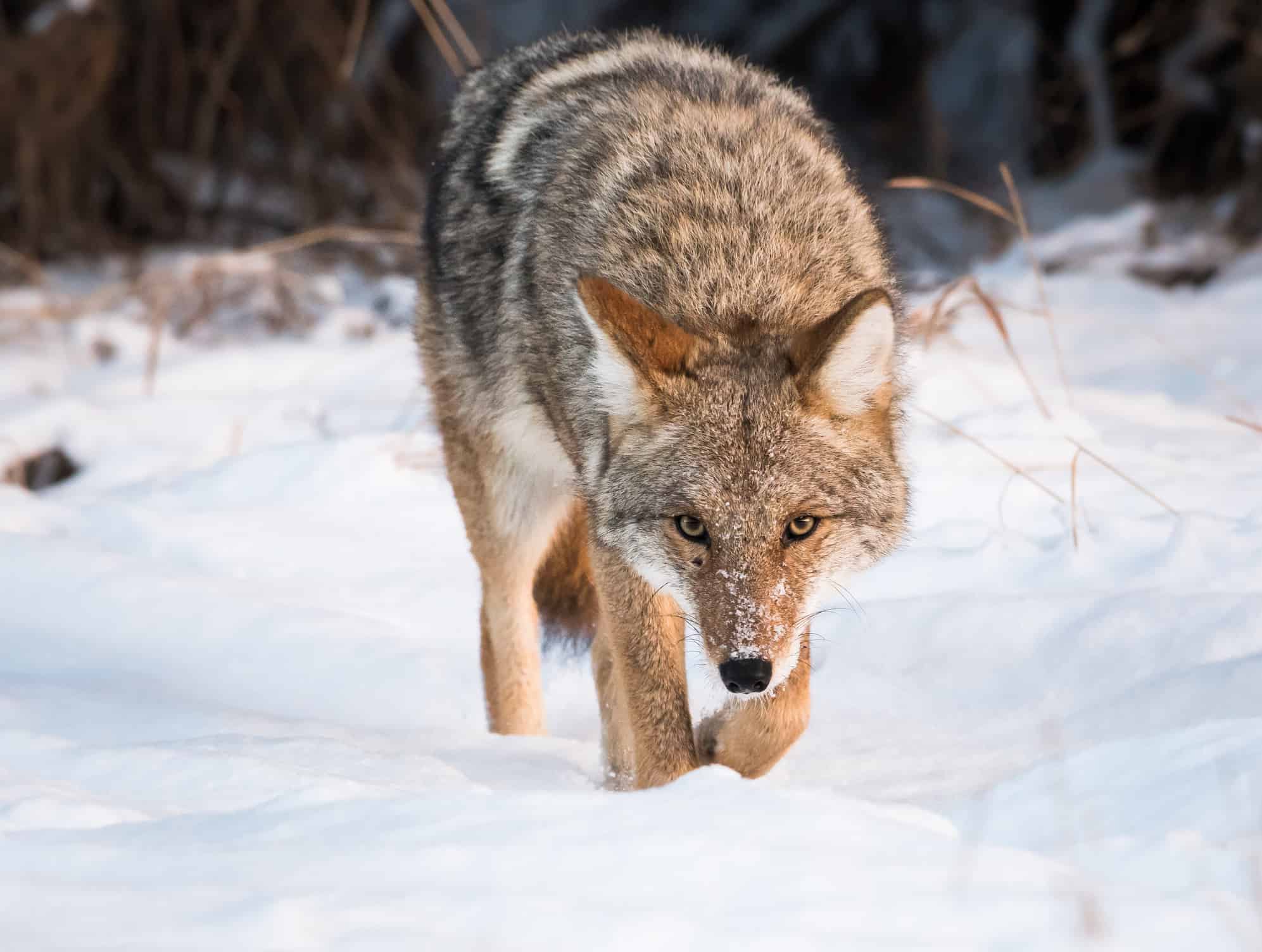
New Jersey does not have as many deadly animals as some larger or more rural states, but coyotes are one animal residents should be aware of. Coyotes are now established across the state and have adapted well to forests, farmland, suburbs, parks, and even areas near cities. They are smart, cautious, and usually avoid people, but their growing comfort around developed areas has made some encounters more common.
Coyote attacks on humans are very rare, but coyotes can pose a real threat to cats, small dogs, chickens, and other small animals. The risk increases when coyotes find easy food near homes, such as unsecured garbage, pet food, compost, birdseed, or fallen fruit. Once they associate neighborhoods with food, they may become bolder.
For most New Jersey residents, the best approach is prevention. Keep pets supervised, especially at night, do not leave small animals outside unattended, and never feed coyotes. If one approaches, make noise, wave your arms, and make yourself look larger. Coyotes are part of New Jersey’s wildlife now, but they should not be encouraged to feel comfortable around people.
New Mexico
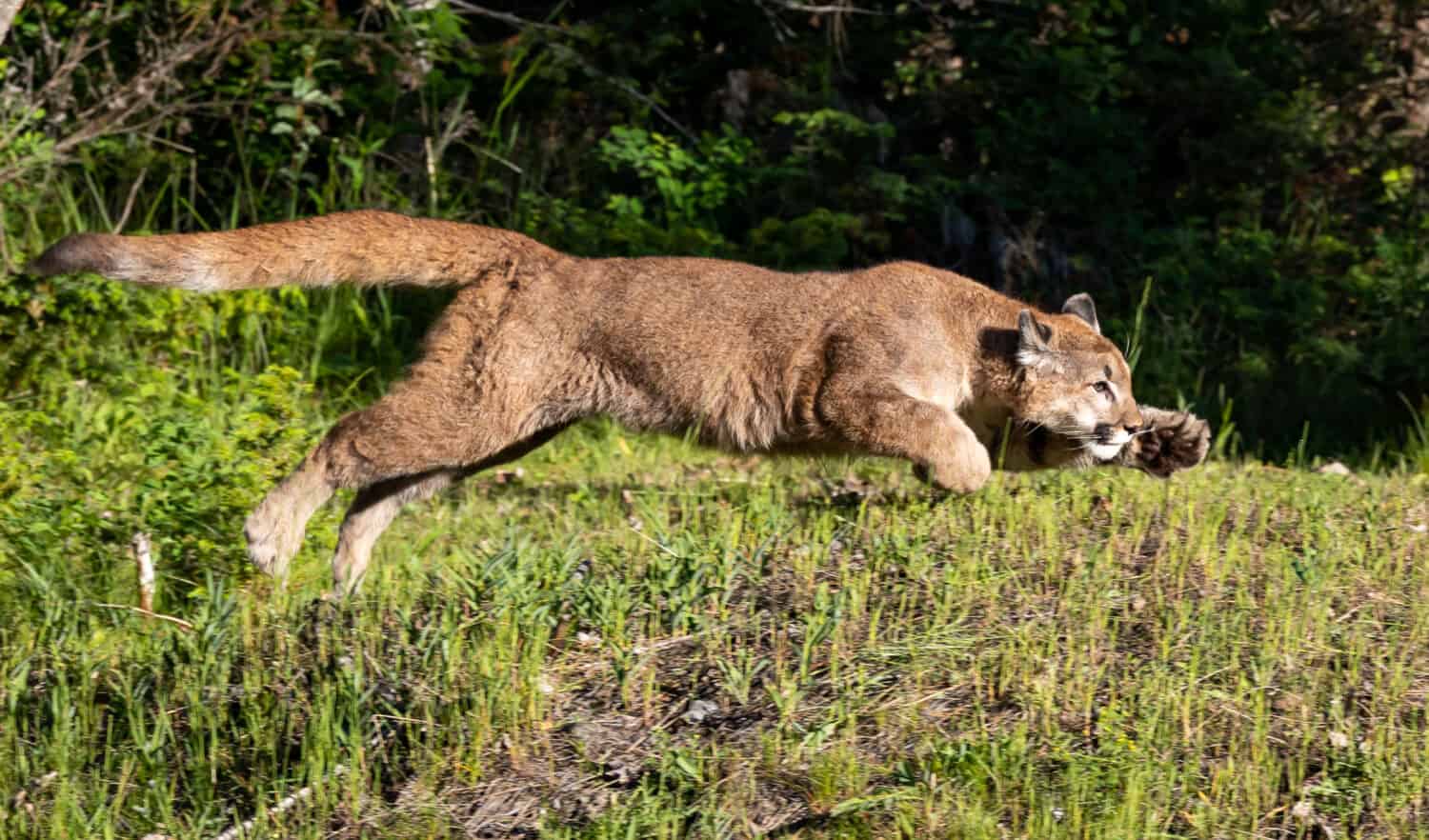
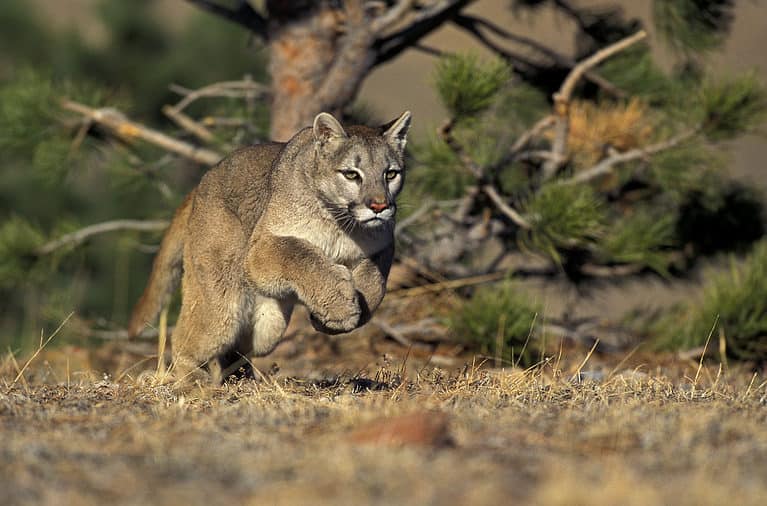
New Mexico is home to a wide range of dangerous animals, from venomous snakes and scorpions to black widows, coyotes, bears, and large desert predators. One of the most powerful animals in the state is the mountain lion. Also known as a cougar or puma, the mountain lion is a stealthy predator built for speed, strength, and ambush hunting.
Mountain lion attacks on humans are uncommon, and fatal attacks are rarer still. However, the animal’s size and power make any close encounter serious. Mountain lions can weigh more than 100 pounds, leap long distances, climb easily, and take down prey much larger than many people expect. A bite or claw strike from one can cause severe injury.
In New Mexico, mountain lions are most often found in rugged terrain, foothills, forests, canyons, and areas where deer are common. People hiking, camping, biking, or living near wildland edges should be aware of their surroundings. If you encounter a mountain lion, do not run. Stand tall, make yourself look bigger, speak firmly, back away slowly, and keep children or pets close.
New York
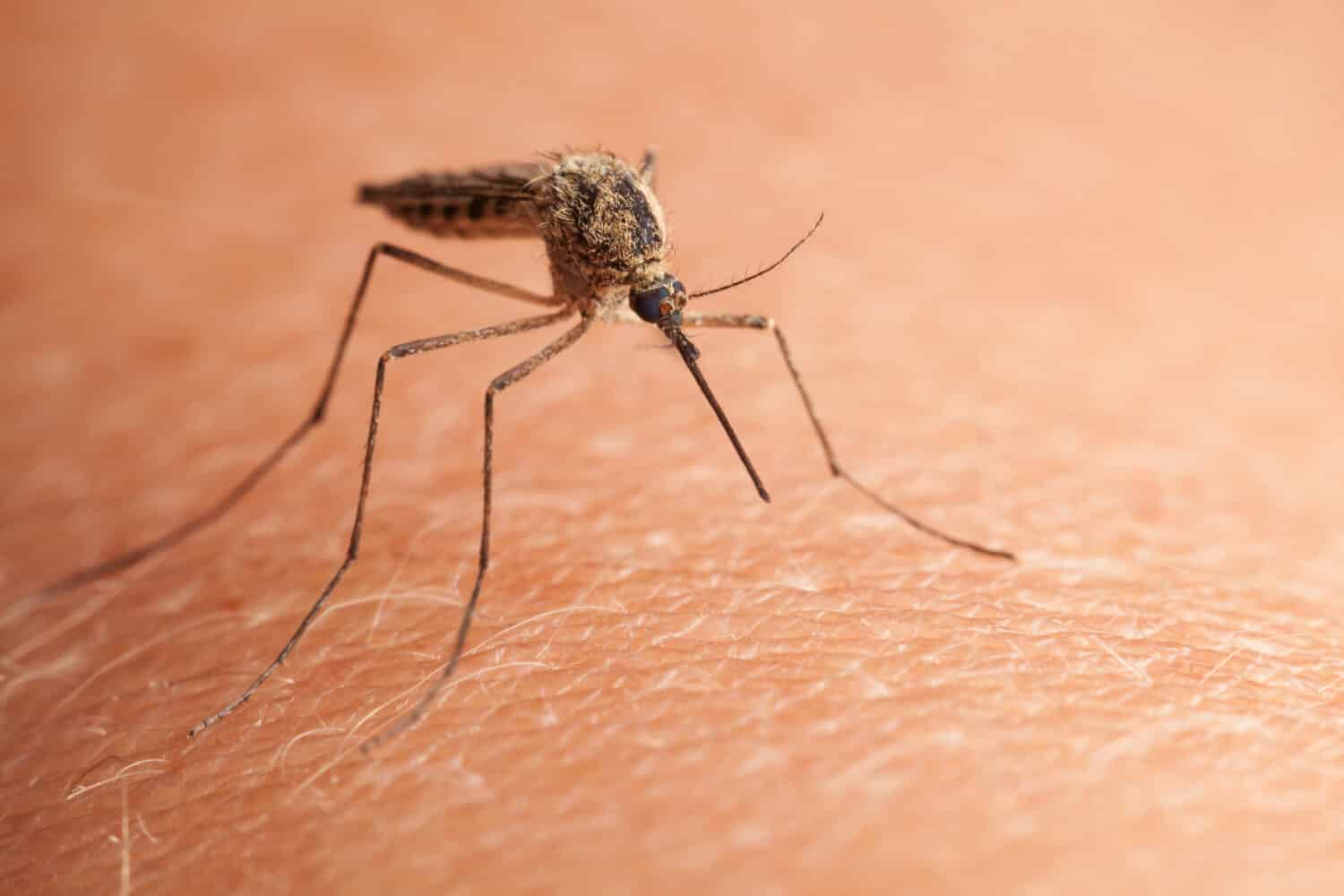
Sometimes, the smallest animals are the most dangerous. In New York, mosquitoes are one of the most important wildlife-related health risks, not because of their size, but because of the diseases some species can carry. The state has dozens of mosquito species, and while most bites are only itchy and annoying, a few mosquitoes can spread illnesses to humans or animals.
Mosquito-borne disease risk varies by place and season. Warm weather, standing water, wetlands, wooded areas, and humid conditions can all increase mosquito activity. In New York, public health officials typically monitor for mosquito-borne illnesses such as West Nile virus and eastern equine encephalitis. Other diseases, such as dengue, malaria, and Zika, are more commonly associated with travel or warmer regions, but mosquitoes remain a serious concern because disease patterns can change.
The best protection is to prevent bites. Use insect repellent, wear long sleeves and pants when mosquitoes are active, repair window screens, and remove standing water from buckets, planters, gutters, birdbaths, and outdoor containers. Mosquitoes may not look frightening, but their ability to spread disease makes them one of the most dangerous animals in New York.
North Carolina
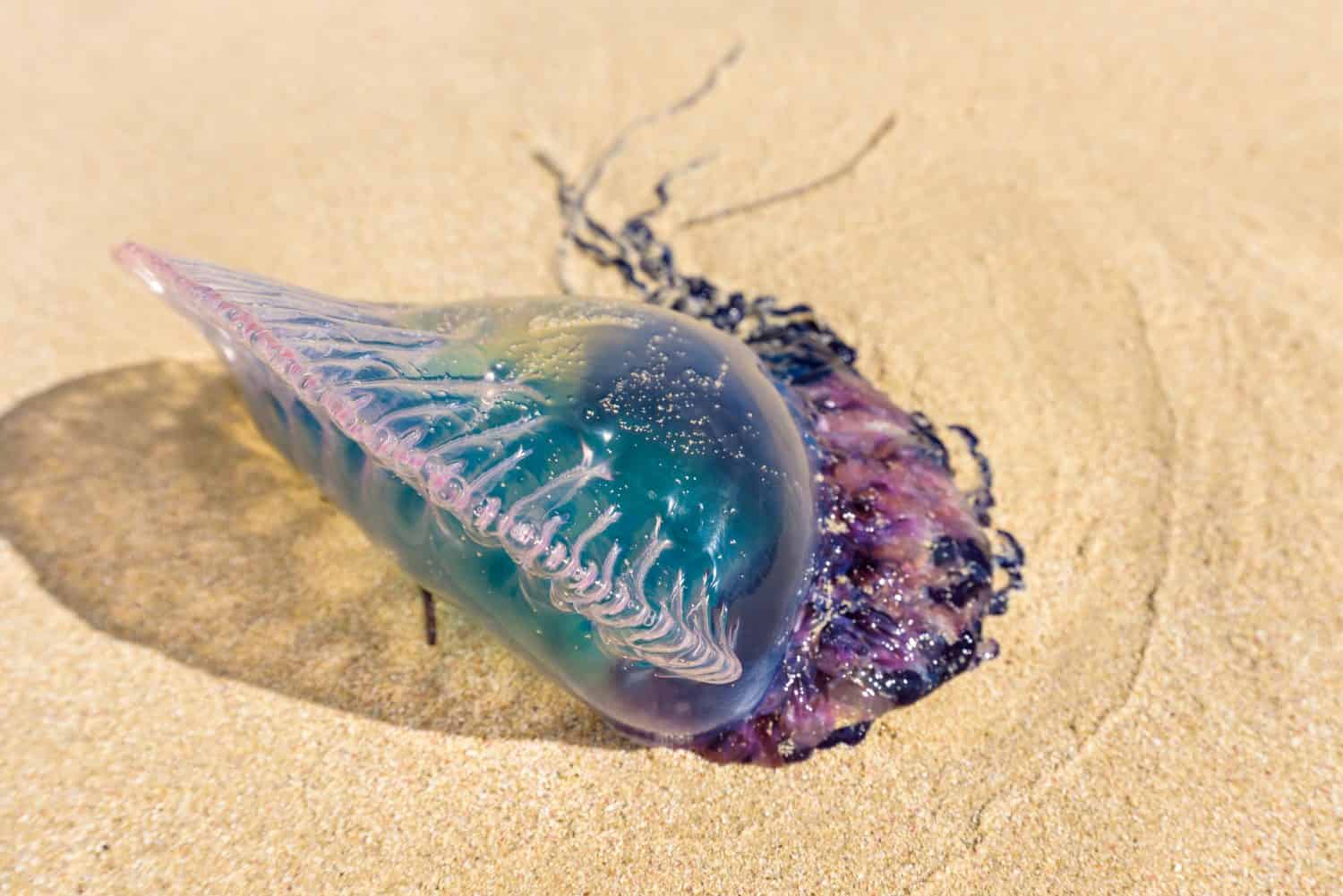
Off the coast of North Carolina, beachgoers may occasionally encounter Portuguese man o’ wars. These colorful, floating animals are often mistaken for jellyfish, but they are actually siphonophores made up of specialized organisms working together. They are easy to recognize by their bluish or purple gas-filled float and long trailing tentacles, which can deliver a powerful sting.
Portuguese man o’ wars are not common every day on North Carolina beaches, but winds and currents can push them toward shore. When they wash up, they may still be dangerous. Their tentacles can sting even after the animal is dead, which makes them especially risky for curious children, pets, or anyone who tries to pick one up.
A sting can cause intense pain, red welts, burning, swelling, and in some cases nausea, muscle cramps, or more serious reactions. Fatalities are rare, but the pain can be severe enough to require medical attention. The safest rule is simple: never touch one, even if it looks dried out or stranded. If Portuguese man o’ wars are reported on a beach, it is best to stay alert and keep pets away from the shoreline.
North Dakota
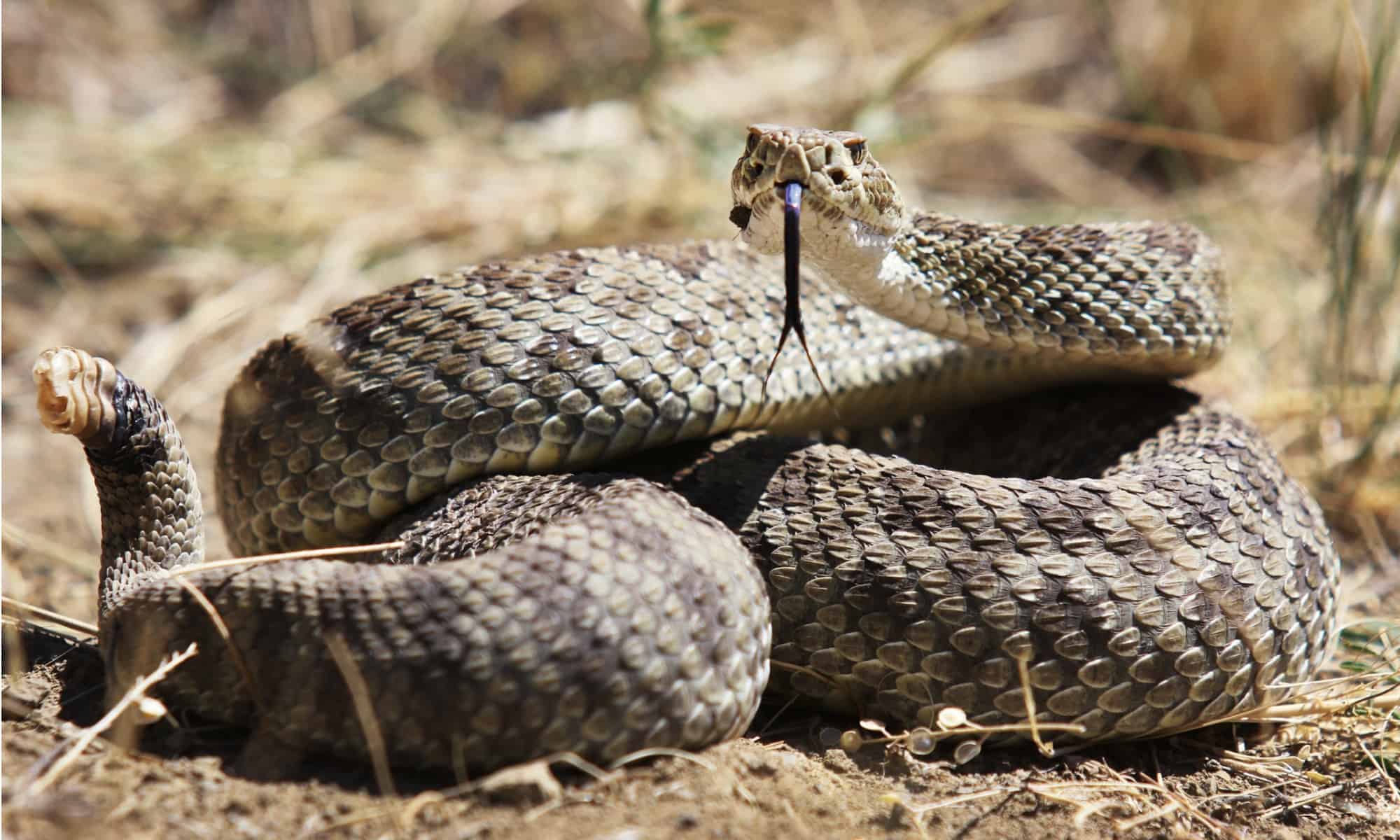
The deadliest and most dangerous animal in North Dakota is often considered the prairie rattlesnake. This venomous snake is found in parts of the Great Plains and is well adapted to grasslands, badlands, rocky slopes, and open country. Its coloring helps it blend into dry ground and vegetation, which is part of what makes accidental encounters possible.
Prairie rattlesnakes are not aggressive by nature. They would usually rather avoid people and escape if given the chance. However, they will defend themselves if they are stepped on, cornered, or handled. Their warning rattle should always be taken seriously. A bite can cause pain, swelling, bruising, nausea, weakness, and tissue damage, and it requires prompt medical care.
Fatal bites are rare today, especially with medical treatment, but that does not mean the snake is harmless. Ranchers, hikers, hunters, campers, and anyone walking through tall grass or rocky areas should watch where they step and avoid reaching into hidden spots. In North Dakota, prairie rattlesnakes are an important part of the ecosystem, but they are best respected from a safe distance.
Ohio
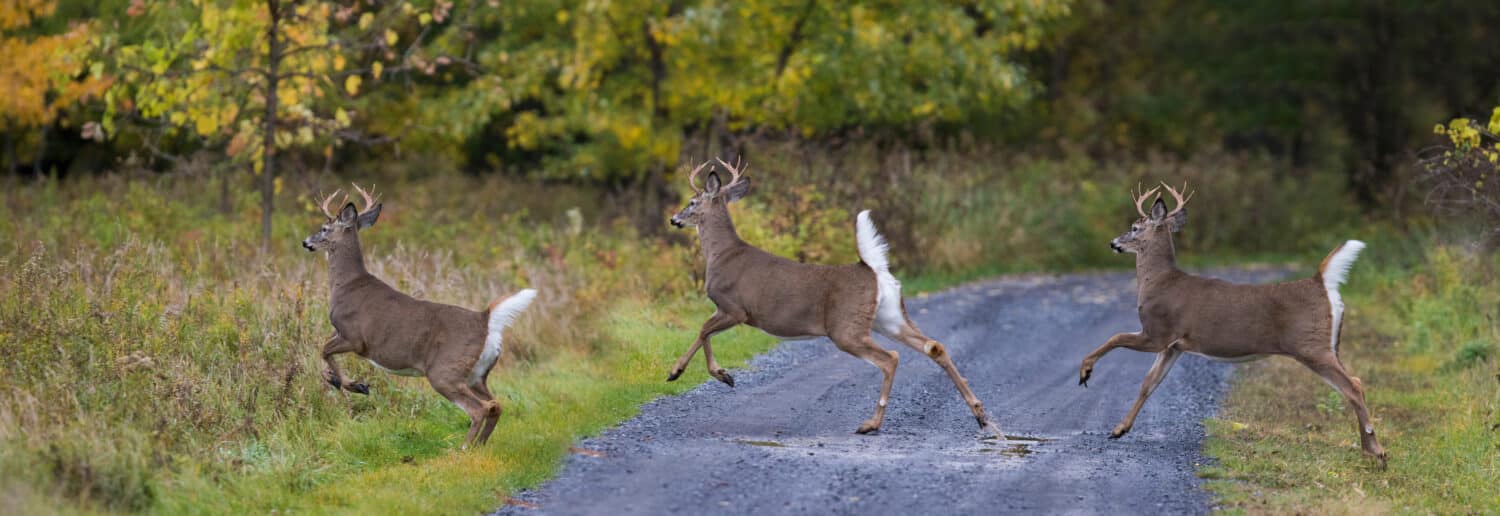
In Ohio, the deadliest animal is not a bear, wolf, or venomous snake. It is the whitetail deer. These familiar animals may look gentle, but they are responsible for a large number of vehicle crashes across the state each year. Because deer are common in both rural and suburban areas, drivers can encounter them almost anywhere, from wooded highways to neighborhood roads near parks and fields.
The danger is highest during the fall breeding season, when deer move more often and bucks are less cautious. Dawn and dusk are also risky times because deer are active and visibility is lower. A deer may suddenly leap into the road with almost no warning, and swerving to avoid one can sometimes cause an even more dangerous crash.
Ohio has recorded tens of thousands of deer-related crashes over the years, with some resulting in serious injuries or fatalities. Drivers should slow down in deer crossing areas, use high beams when safe, and remember that if one deer crosses, others may be close behind.
Oklahoma
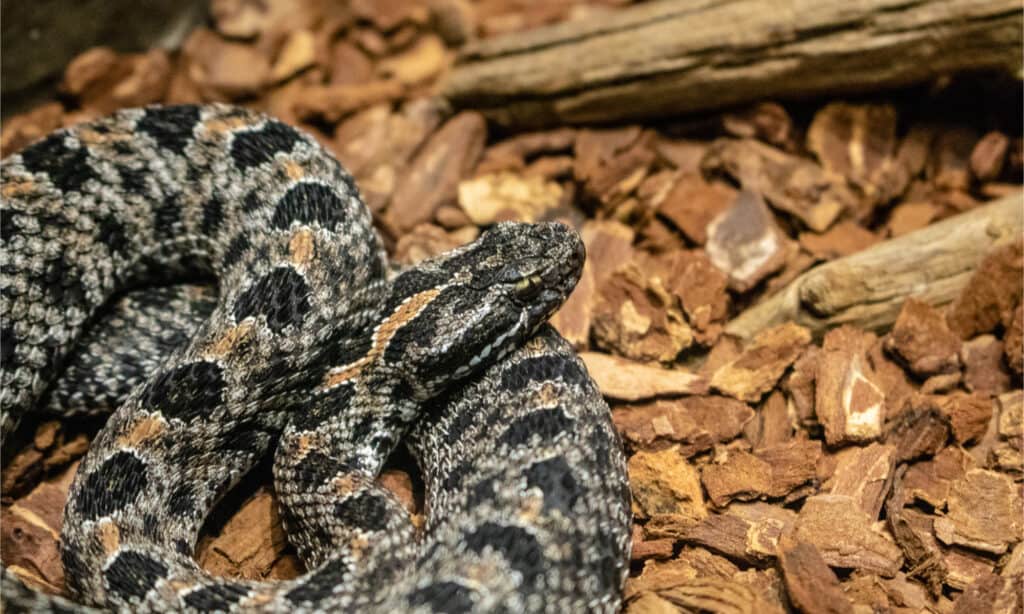
Oklahoma is home to several species of rattlesnakes, and one of the smaller but still dangerous ones is the western pygmy rattlesnake. This snake may not be as large or intimidating as a diamondback, but it is venomous and should be treated with caution. Its small size can make it easier to overlook in grass, leaves, brush, or sandy soil.
Western pygmy rattlesnakes generally bite when they feel threatened, cornered, or accidentally stepped on. They are not aggressive animals, and bites are uncommon, but their venom can still cause serious symptoms. A bite may lead to pain, swelling, bruising, nausea, and tissue damage. In severe cases, especially if treatment is delayed, complications involving fingers, toes, or surrounding tissue can be significant.
Because the rattle is small and not always easy to hear, people may not get much warning before they are too close. Anyone hiking, gardening, working outdoors, or moving rocks, logs, or debris in Oklahoma should watch carefully. If bitten, do not try to treat it at home. Seek emergency medical care right away.
Oregon
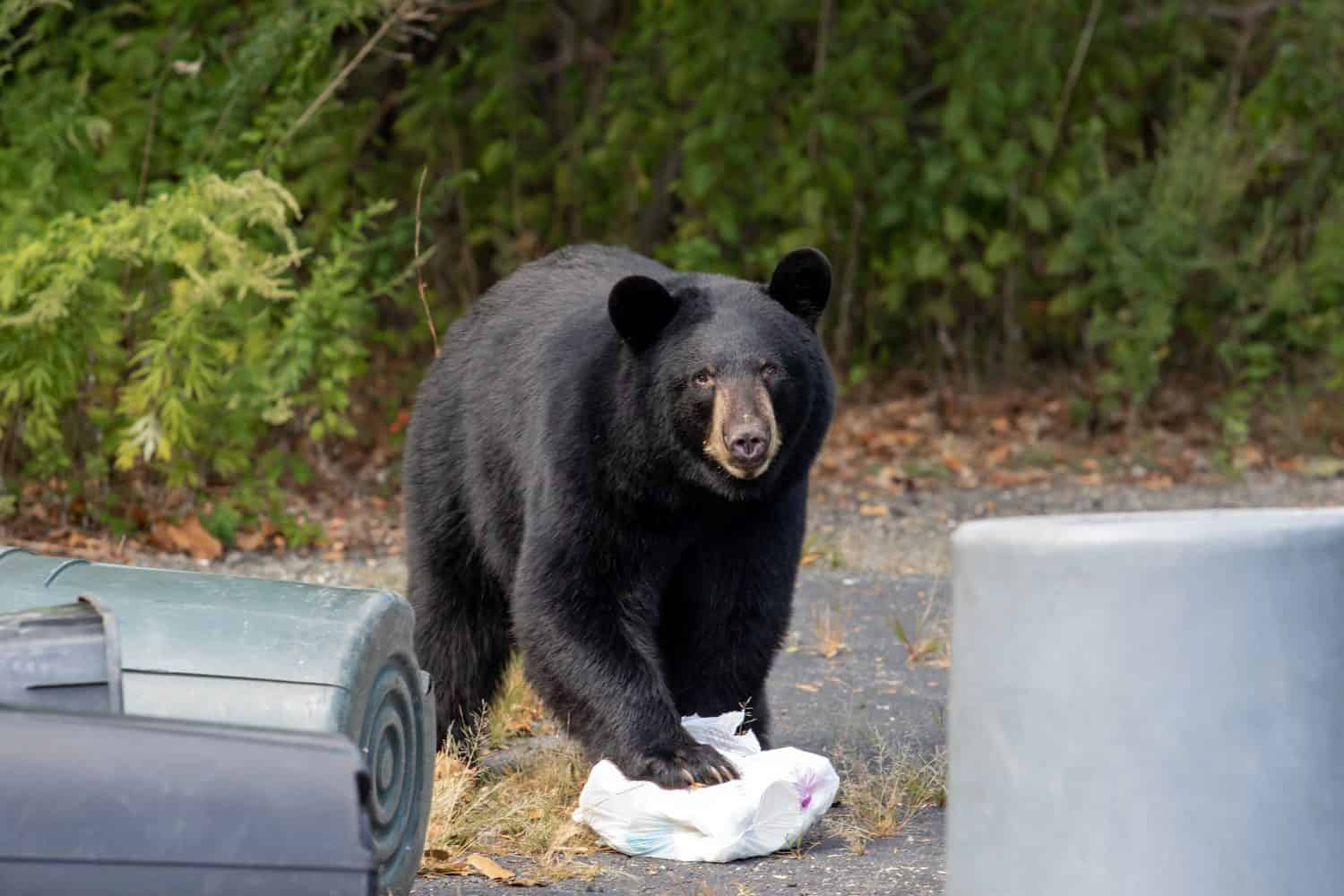
Oregon is home to one bear species, the North American black bear, and the state has a sizable population of them. Black bears live in forests, mountains, coastal ranges, and areas where food and cover are available. Although fatal black bear attacks in Oregon are not a regular occurrence, encounters and nonfatal attacks can happen, especially when bears and people come into conflict over food.
Black bears are usually shy and try to avoid humans. Problems often begin when they find garbage, pet food, birdseed, chicken feed, fruit trees, grills, or camp food. Once a bear learns that homes, campsites, or farms offer easy meals, it may return repeatedly and become more willing to approach people.
Oregon has seen incidents involving black bears injuring people, including cases where bears were drawn close to homes or livestock. These events are uncommon, but they show why residents in bear country should take precautions. Secure trash, remove attractants, protect small livestock, and never feed a bear. If you see one, stay calm, keep your distance, and give it a clear path to leave.
Pennsylvania
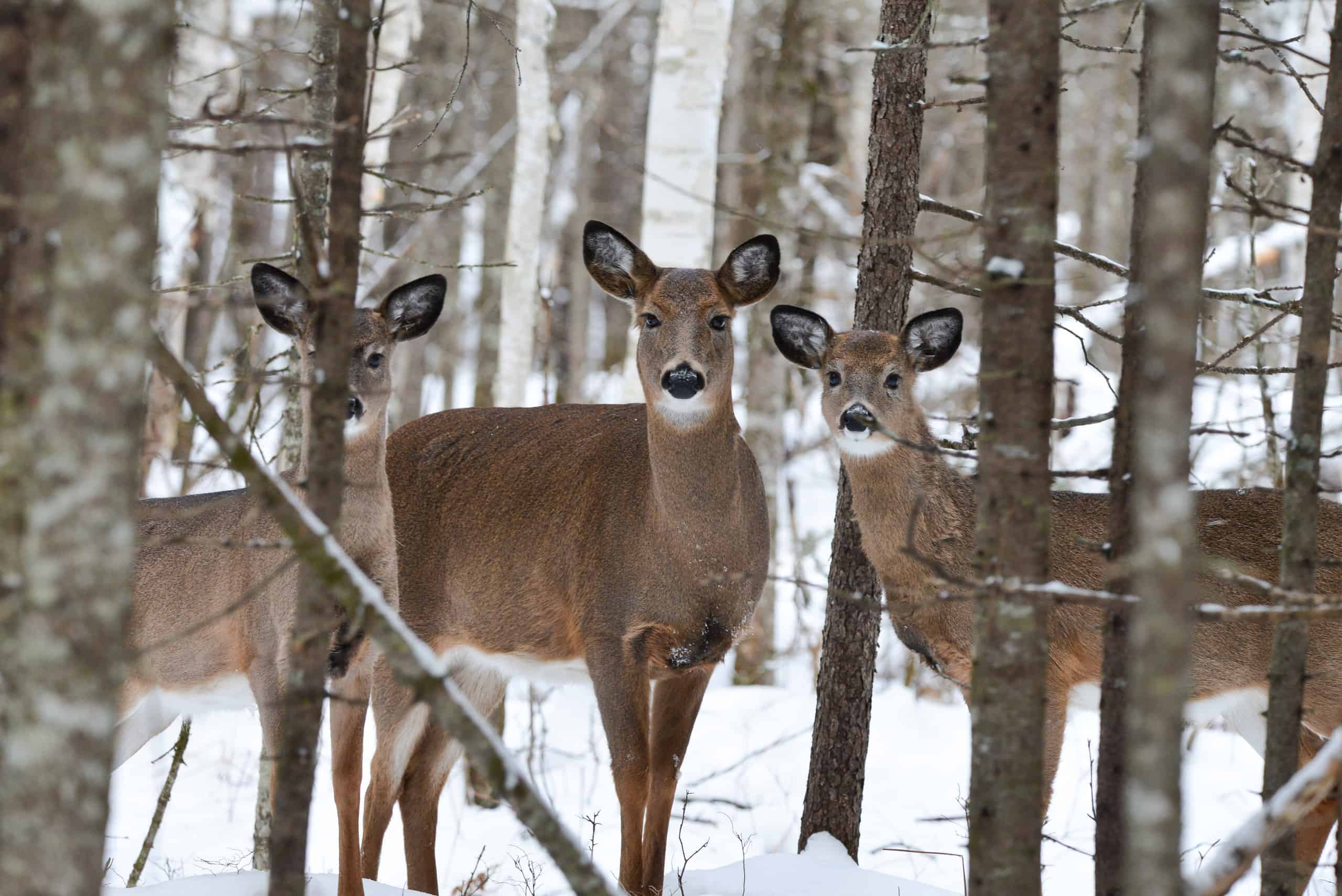
Whitetail deer are gentle animals in most situations, but in Pennsylvania, they are among the most dangerous animals because of vehicle collisions. The state has a large deer population, extensive wooded habitat, rural roads, and suburbs where deer often live close to people. That combination creates a major hazard for drivers.
Deer-related crashes can happen at any time, but the risk rises sharply in fall during the breeding season. Bucks travel more widely, deer cross roads more often, and many collisions happen around dawn and dusk when visibility is poor. A deer can appear in the road suddenly, and drivers may have only seconds to react.
Pennsylvania drivers have often ranked among the most likely in the country to experience a collision involving a deer or other large animal. These crashes can cause serious injuries, vehicle damage, and occasionally fatalities. The best way to lower the risk is to slow down in deer-heavy areas, scan the roadside, use high beams when appropriate, and avoid swerving sharply if a deer appears.
Rhode Island
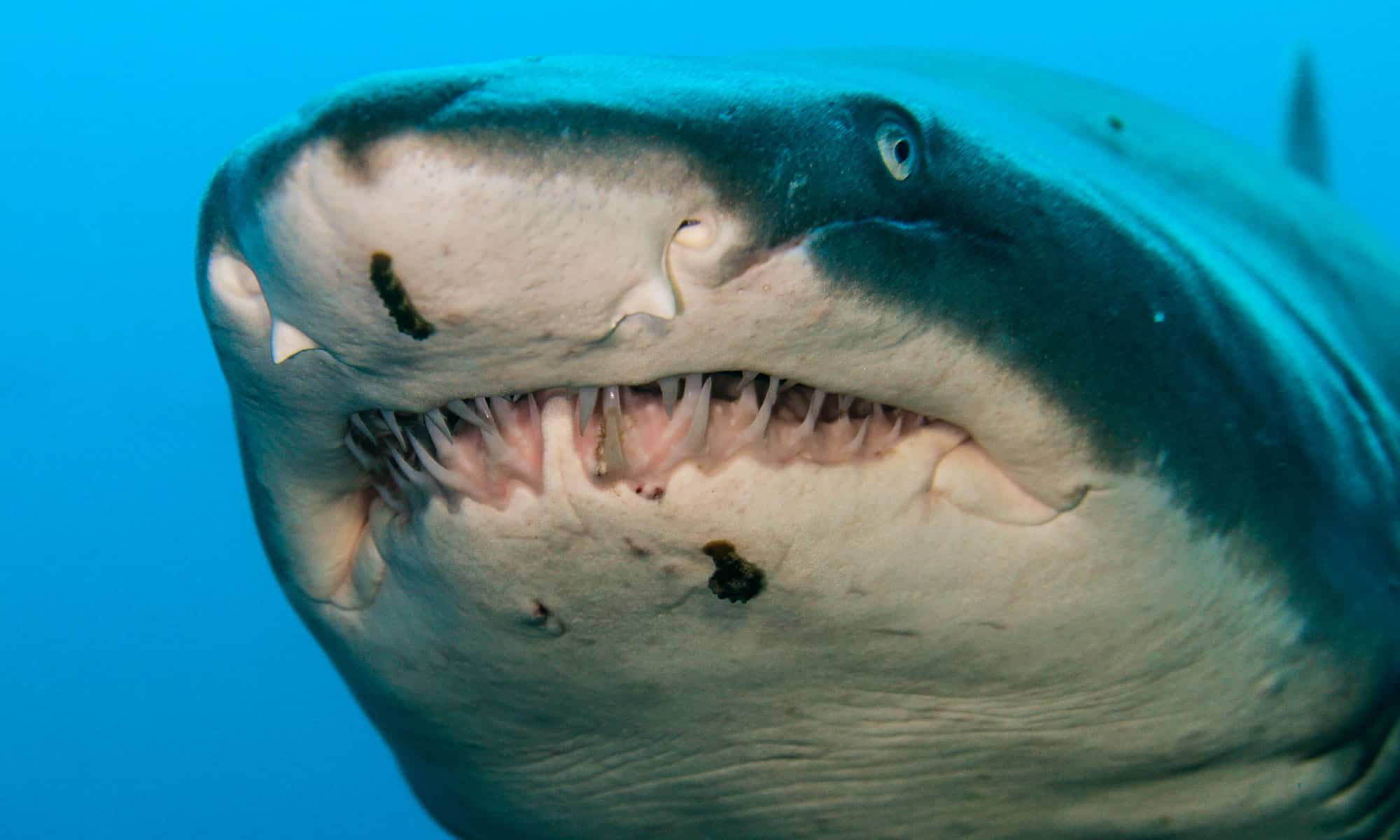
Rhode Island is small, but its coastal waters bring a few potentially dangerous animals into the conversation. One of the most intimidating is the tiger shark. Tiger sharks are large predators known for their size, strength, and broad diet, and they are sometimes listed among the shark species most often associated with attacks worldwide.
That said, the actual risk to people in Rhode Island is extremely low. Tiger sharks are not an everyday beach hazard, and shark attacks in the state are incredibly rare. Most people who swim, surf, fish, or boat in Rhode Island waters will never see one. Still, because tiger sharks are powerful predators, they deserve respect if encountered offshore or in unusual circumstances.
Beach safety basics go a long way. Avoid swimming near seals, schools of baitfish, fishing activity, or murky water where visibility is low. Do not swim alone far from shore, and pay attention to local warnings. Tiger sharks may sound frightening, but in Rhode Island, they are far more rare than they are likely to be dangerous.
South Carolina
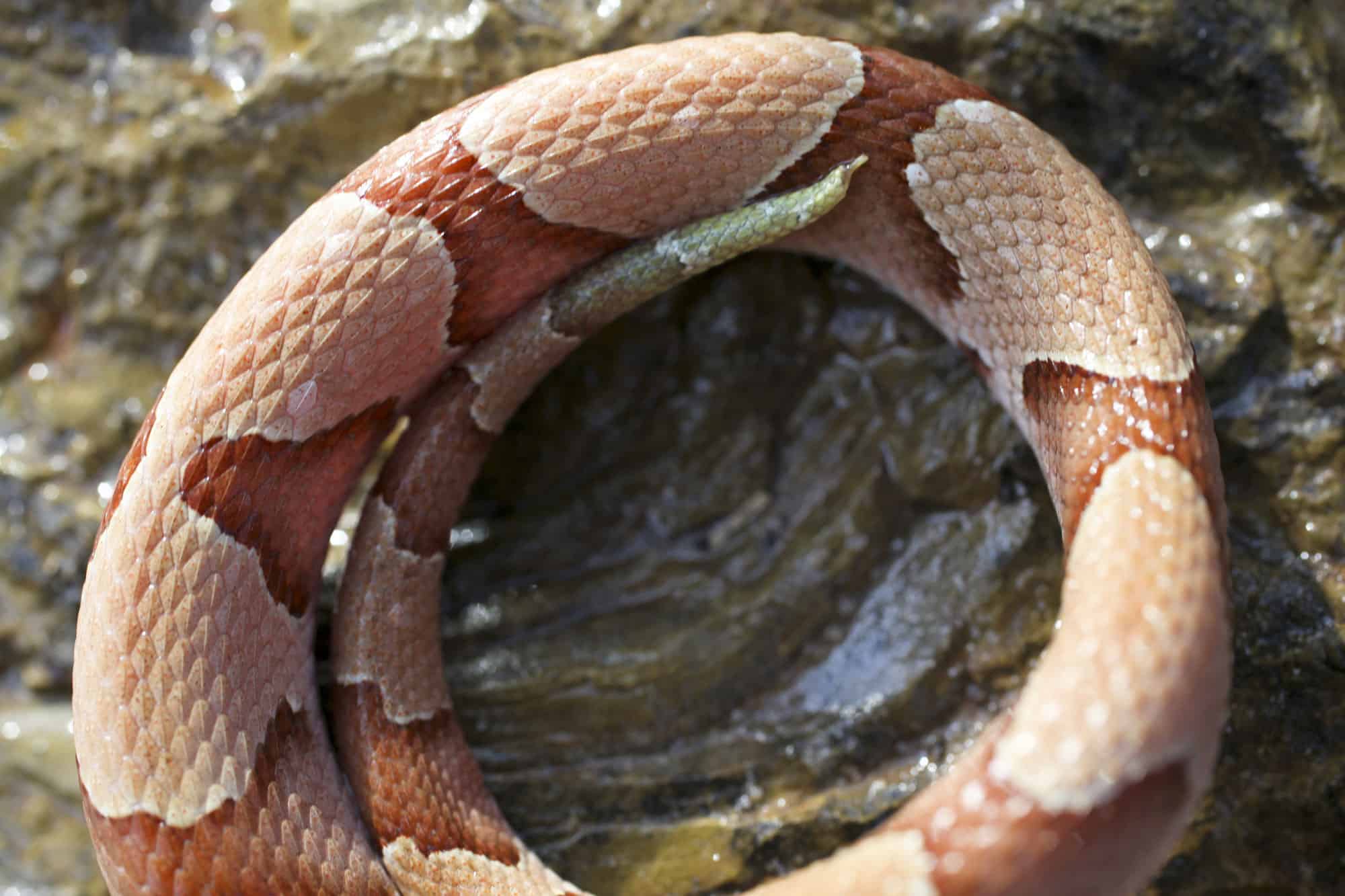
The most dangerous animal in South Carolina could easily be debated, since the state has alligators, sharks, black widows, brown recluses, fire ants, and several venomous snakes. One of the most important snakes to watch for is the southern copperhead. These venomous snakes are often around 2 feet long, though some may grow larger, and they are excellent at blending into leaves, pine needles, logs, and forest floors.
Southern copperheads are skilled hunters that feed on small animals such as mice, lizards, frogs, insects, and sometimes other small prey. They are not aggressive snakes, but they may freeze instead of flee when approached, which makes them easy to step near by accident. Most bites happen when someone gets too close without seeing the snake or tries to handle it.
A copperhead bite is rarely fatal, but it can be painful and medically serious. Symptoms may include swelling, bruising, nausea, and tissue damage. In South Carolina, people should be careful while hiking, gardening, walking through wooded areas, or moving debris. The safest rule is to leave any snake alone and give it space.
South Dakota
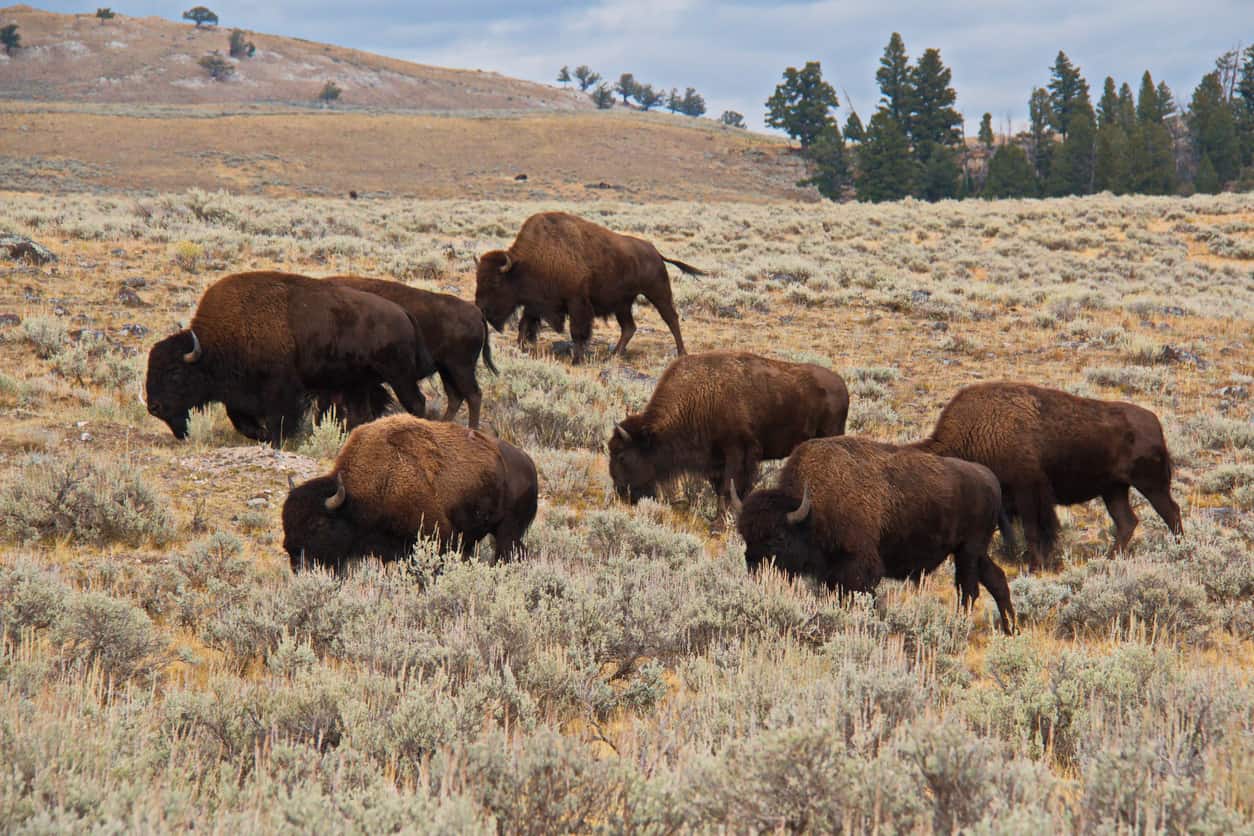
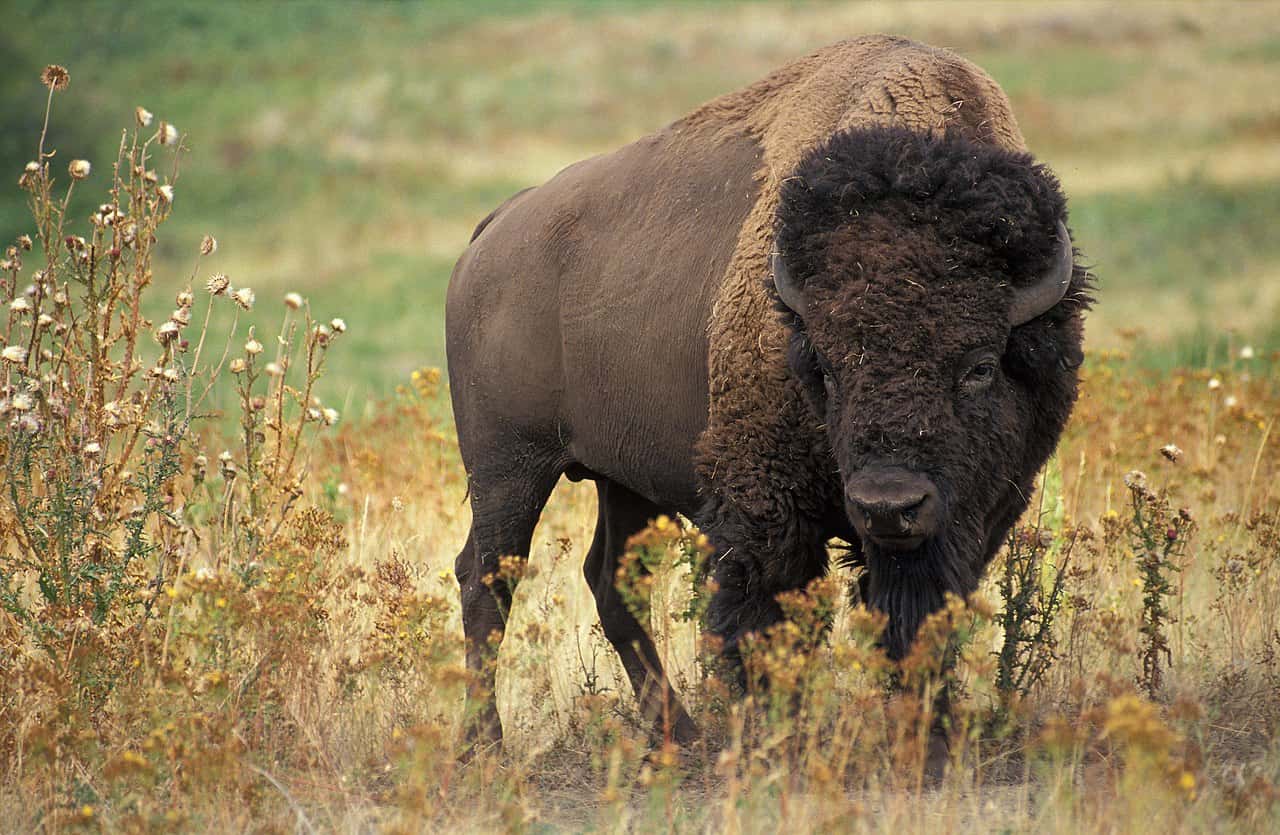
The deadliest animal in South Dakota may surprise some people: the bison. These massive animals are not predators, and they do not hunt or bite humans the way some dangerous animals might. However, they are incredibly powerful and can become dangerous when people get too close. Adult bison can weigh well over 1,000 pounds, move faster than many people expect, and use their horns and heavy bodies to defend themselves.
South Dakota is one of the best places in the country to see bison, especially in places like Custer State Park. That also means visitors need to be careful. Bison may appear calm while grazing or standing near roads, but they can charge with little warning if they feel crowded or threatened. Serious injuries have happened when people approached too closely for photos or walked near bison on trails.
The safest rule is to treat bison like wild animals, not roadside attractions. Stay far away, remain inside your vehicle when viewing them from the road, and never try to approach, feed, or pose near one.
Tennessee
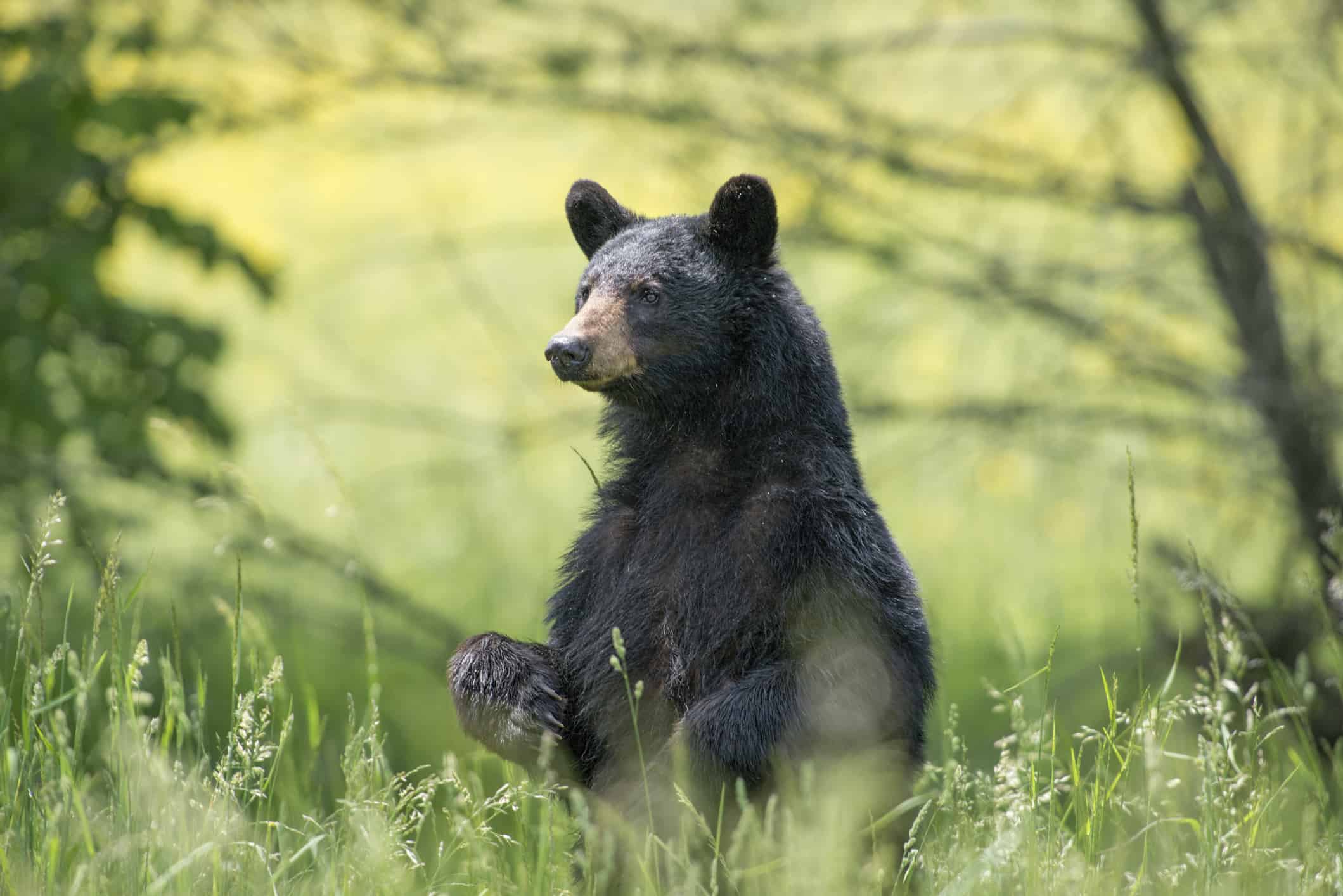
In Tennessee, one of the most dangerous animals is the black bear. For the most part, black bears are shy and prefer to avoid humans. They are often more interested in berries, nuts, insects, carrion, and other easy food sources than in people. However, attacks have happened in the state, and any close encounter with a large bear can become serious.
Black bears are most associated with eastern Tennessee, especially the Great Smoky Mountains and surrounding areas. Problems usually begin when bears learn to associate people with food. Trash, coolers, camp supplies, bird feeders, pet food, and unsecured cabins can all attract bears. Once a bear becomes food-conditioned, it may lose its natural fear of humans and become bolder around homes, campgrounds, and trails.
Most black bear encounters can be avoided with good habits. Store food properly, never feed bears, keep a clean campsite, and give bears plenty of room. If one appears nearby, stay calm, make yourself look larger, speak firmly, and slowly back away. Black bears can be dangerous, but in most cases, human behavior plays a major role in whether an encounter becomes risky.
Texas
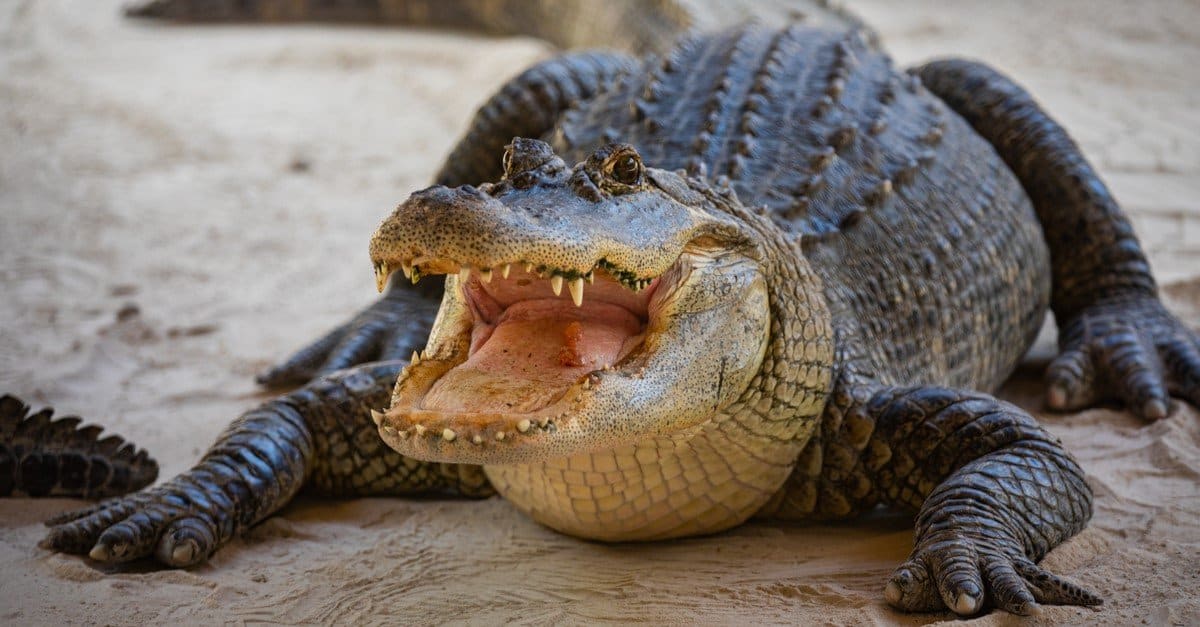
Texas is enormous, covering more than 268,000 square miles, and its wildlife is just as varied as its landscape. Across the state, people may encounter coyotes, venomous snakes, black bears in some regions, sharks along the coast, feral hogs, scorpions, spiders, and alligators in wetland areas. One of the most dangerous animals in Texas is the American alligator, especially in the eastern and southeastern parts of the state.
Texas has a large alligator population, with hundreds of thousands living in marshes, rivers, lakes, swamps, bayous, and coastal wetlands. Most alligators avoid people, and attacks are rare. Still, they are powerful predators with a crushing bite, strong tails, and surprising speed over short distances. Encounters are more likely near water, particularly when people fish, swim, kayak, walk pets, or live close to alligator habitat.
The biggest mistake people make is feeding alligators or getting too close for photos. Feeding them teaches them to associate humans with food, which can make future encounters more dangerous. In Texas, the safest advice is simple: keep your distance, never feed an alligator, avoid swimming in areas where they are known to live, and keep pets away from the water’s edge.
Utah
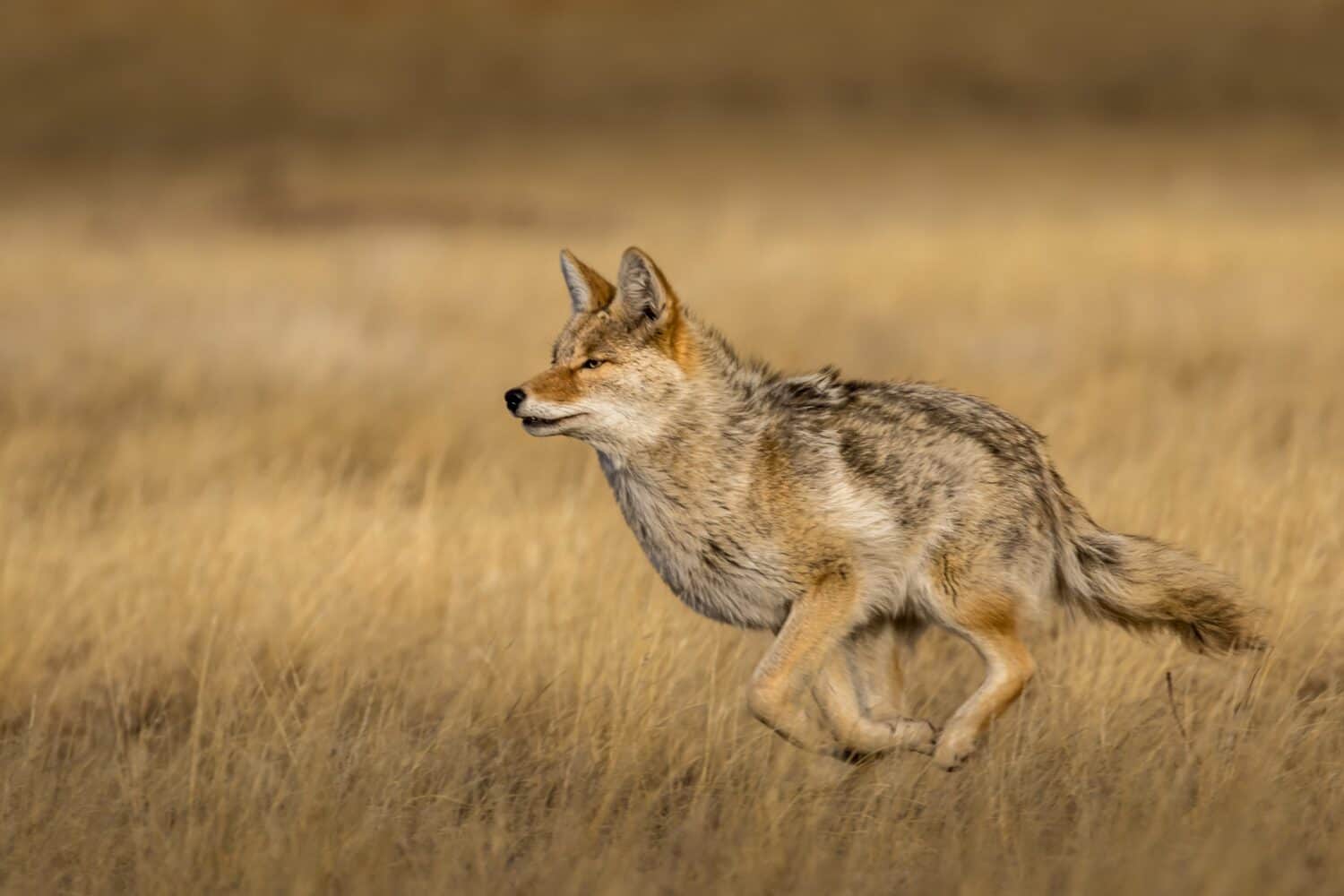
In Utah, coyotes are one of the most common animals that can create problems for people, pets, and livestock. They are smaller than wolves, but they are intelligent, fast, adaptable predators that can live in deserts, foothills, farms, suburbs, and even near cities. While coyotes rarely attack humans, they can still be dangerous in certain situations.
The biggest concern is usually for pets and farm animals. Coyotes may prey on outdoor cats, small dogs, chickens, lambs, and other vulnerable animals, especially at night or around dawn and dusk. They are opportunistic hunters, which means they will take advantage of easy food sources when they find them. Unsecured trash, pet food left outside, fallen fruit, and accessible livestock feed can all draw coyotes closer to homes.
Most coyotes want to avoid people. Still, residents should keep pets supervised, use leashes in areas with known coyote activity, and secure small livestock at night. If a coyote approaches, do not run. Make loud noises, wave your arms, and make yourself look bigger. In Utah, coyotes are part of the landscape, but they should never be encouraged to feel comfortable around people.
Vermont
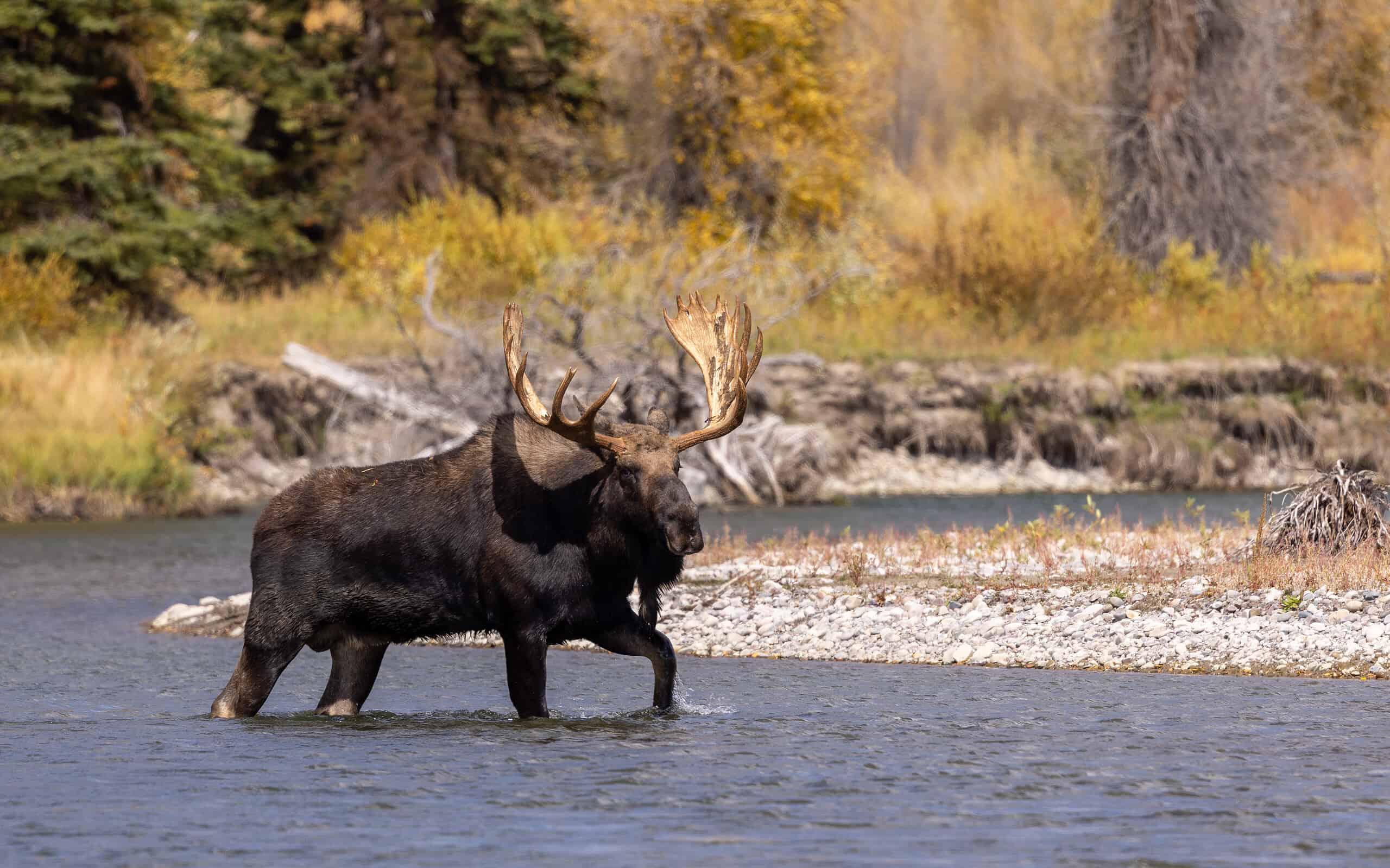
Moose are among the most dangerous animals in Vermont, largely because of the threat they pose on roads. These tall, heavy animals can be difficult to see at night, especially on wooded highways and rural roads. Because of their long legs and large bodies, a vehicle collision with a moose can be far more dangerous than a collision with a deer.
Moose may also become defensive if they feel threatened, especially cows with calves or bulls during the fall rut. A moose can charge, kick, and knock a person down with tremendous force. Still, most people in Vermont are more likely to face danger from a moose while driving than while walking in the woods.
The risk is highest around dawn, dusk, and after dark, when visibility is poor and moose may be moving between feeding areas. Drivers should take moose crossing signs seriously, slow down on forested roads, and scan the shoulders carefully. If you encounter a moose on foot, do not approach it for a photo. Give it space, back away calmly, and put a tree or other large object between you and the animal if it moves toward you.
Virginia
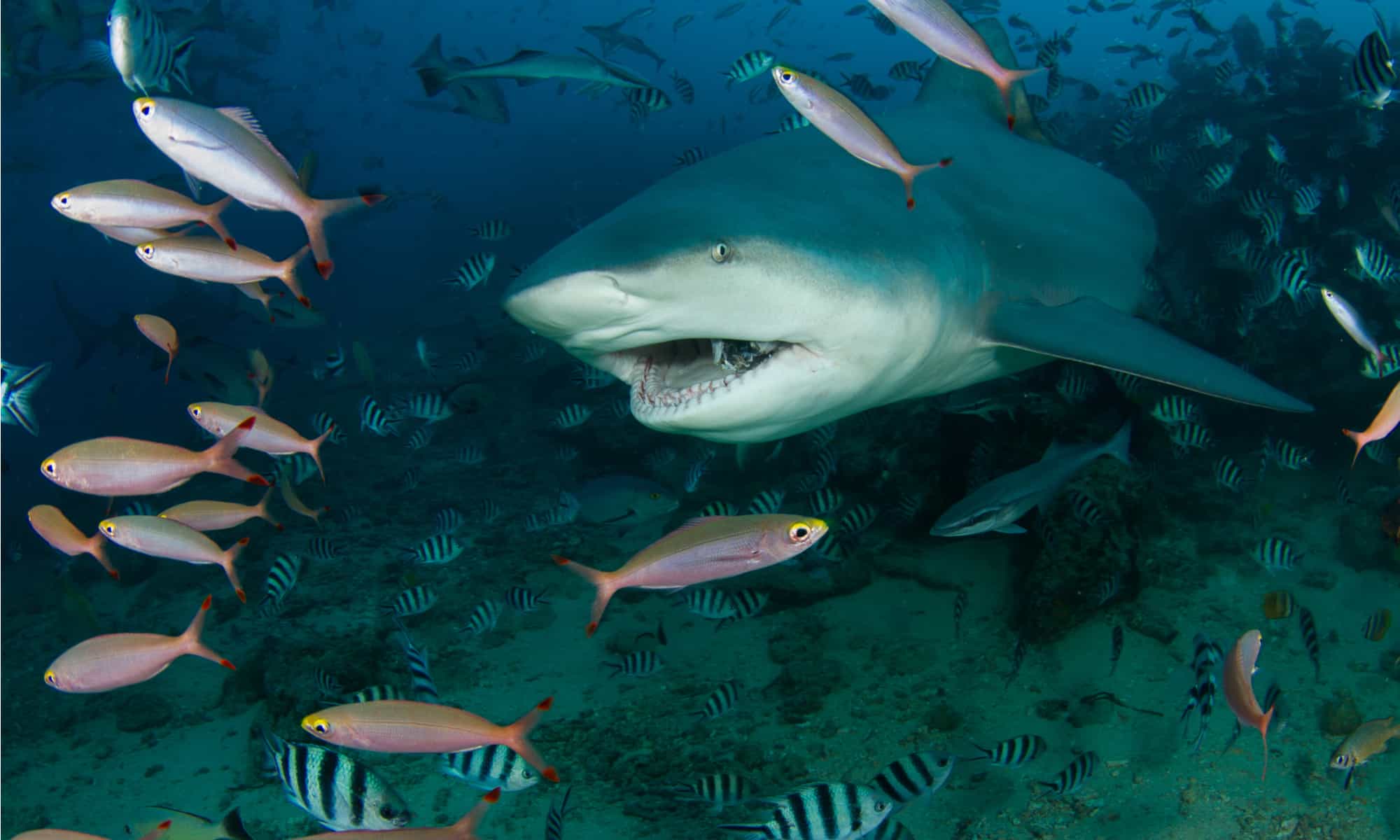
Virginia has many animals that can be dangerous, from venomous snakes and black bears to ticks, spiders, and marine predators along the coast. One surprising animal connected to the state’s coastal waters is the bull shark. Bull sharks are famous for their ability to tolerate both saltwater and freshwater, which allows them to move through bays, estuaries, rivers, and shallow coastal areas.
Bull sharks have a reputation as one of the more aggressive shark species because they often hunt in the same shallow waters where people swim, fish, or boat. They are strong predators with powerful jaws and a broad diet. However, shark attacks in Virginia remain uncommon, and fatal attacks are extremely rare.
For most beachgoers, the risk is very low. Still, basic ocean safety matters. Avoid swimming near fishing activity, schools of baitfish, murky water, or areas where sharks have recently been reported. Do not swim alone far from shore, and pay attention to local beach warnings. Bull sharks may sound alarming, but in Virginia, they are a rare coastal danger rather than an everyday threat.
Washington
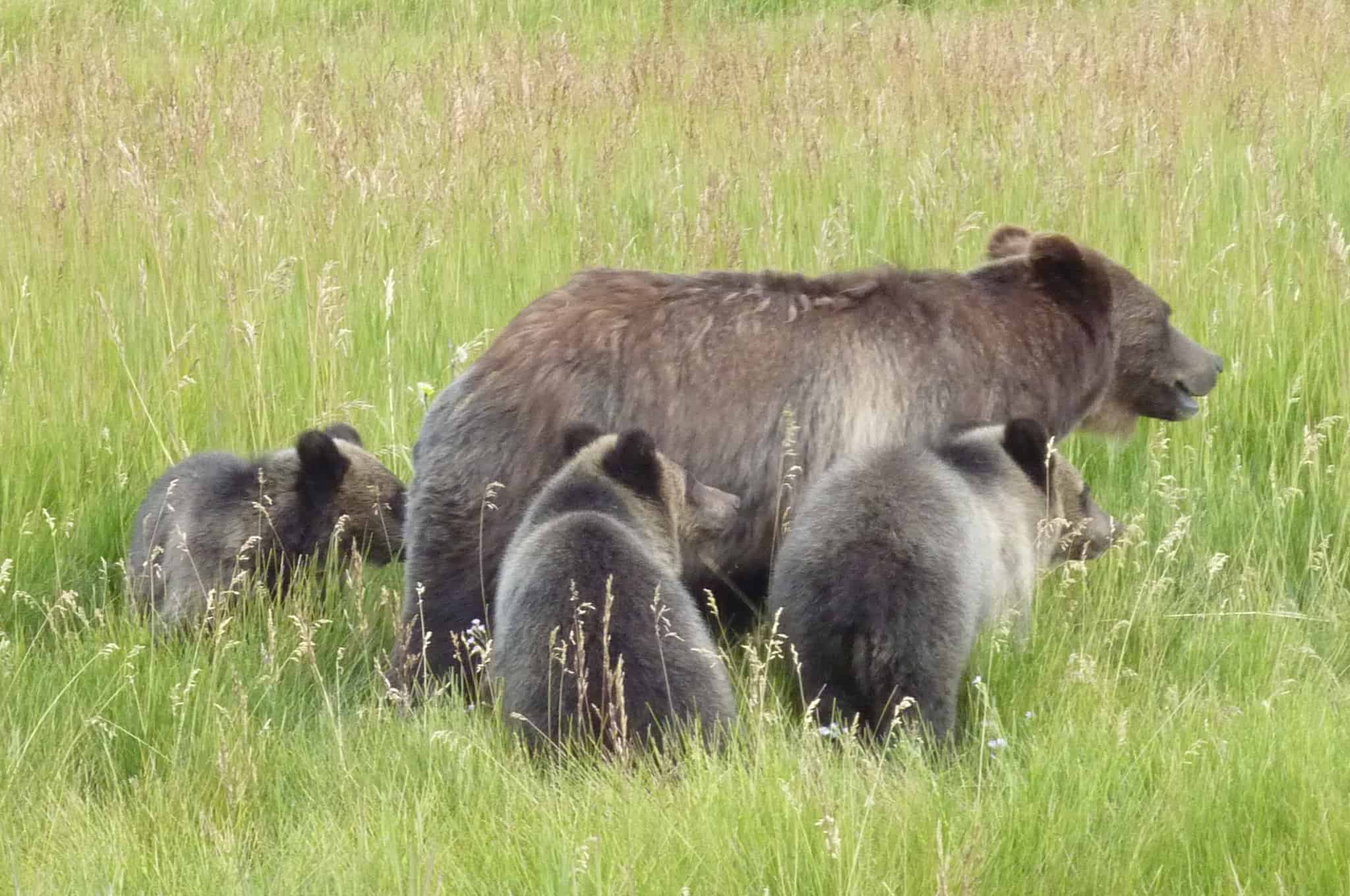
In Washington State, one of the most dangerous animals is the grizzly bear, though encounters are uncommon. Grizzlies are rare in the state compared with some other parts of the West, but they are still present in remote wilderness areas, especially in places such as the Selkirk Mountains and the North Cascades region. Because grizzlies are large, powerful, and defensive when surprised, they deserve serious respect.
A grizzly bear can weigh hundreds of pounds, run faster than a person, and cause severe injuries with its claws, teeth, and body strength. Most dangerous encounters happen when a bear is startled at close range, protecting cubs, guarding food, or surprised by a hiker, hunter, or camper moving quietly through dense cover.
Anyone hiking in grizzly habitat should be prepared. Experts often recommend carrying bear spray, making noise on trails, traveling in groups when possible, and storing food properly. If you see a grizzly, do not approach or run. Back away slowly and give the bear an escape route. Washington’s grizzlies are rarely seen, but in the places where they live, caution is essential.
West Virginia
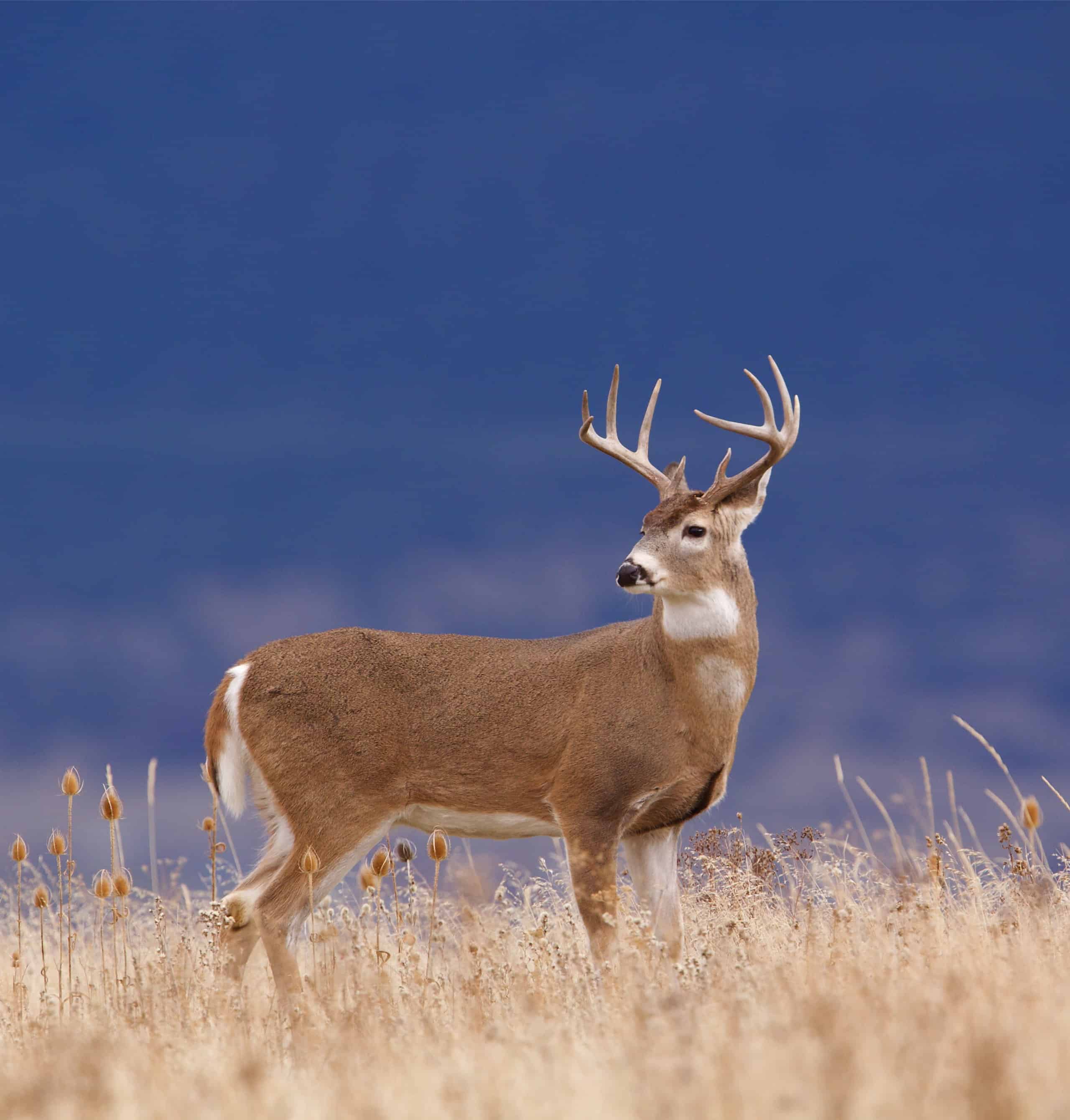
The whitetail deer appears on this list again for West Virginia, and for good reason. Deer are not usually aggressive toward humans, and they pose little direct threat in most situations. The danger comes from the road. West Virginia’s wooded hills, winding highways, rural roads, and large deer population create frequent opportunities for deer-vehicle collisions.
Deer can step onto the road suddenly, especially at dawn, dusk, and during the fall breeding season. Because many West Virginia roads curve through forests and hills, drivers may have very little warning before a deer appears. A crash can cause serious vehicle damage, injuries, or even fatalities, especially when drivers swerve, lose control, or collide with another vehicle.
State transportation reports have recorded thousands of deer being hit on West Virginia highways in a single year, showing how common the hazard can be. Drivers should slow down in deer-heavy areas, use high beams when appropriate, and remember that deer often travel in groups. If one crosses the road, another may be close behind.
Wisconsin
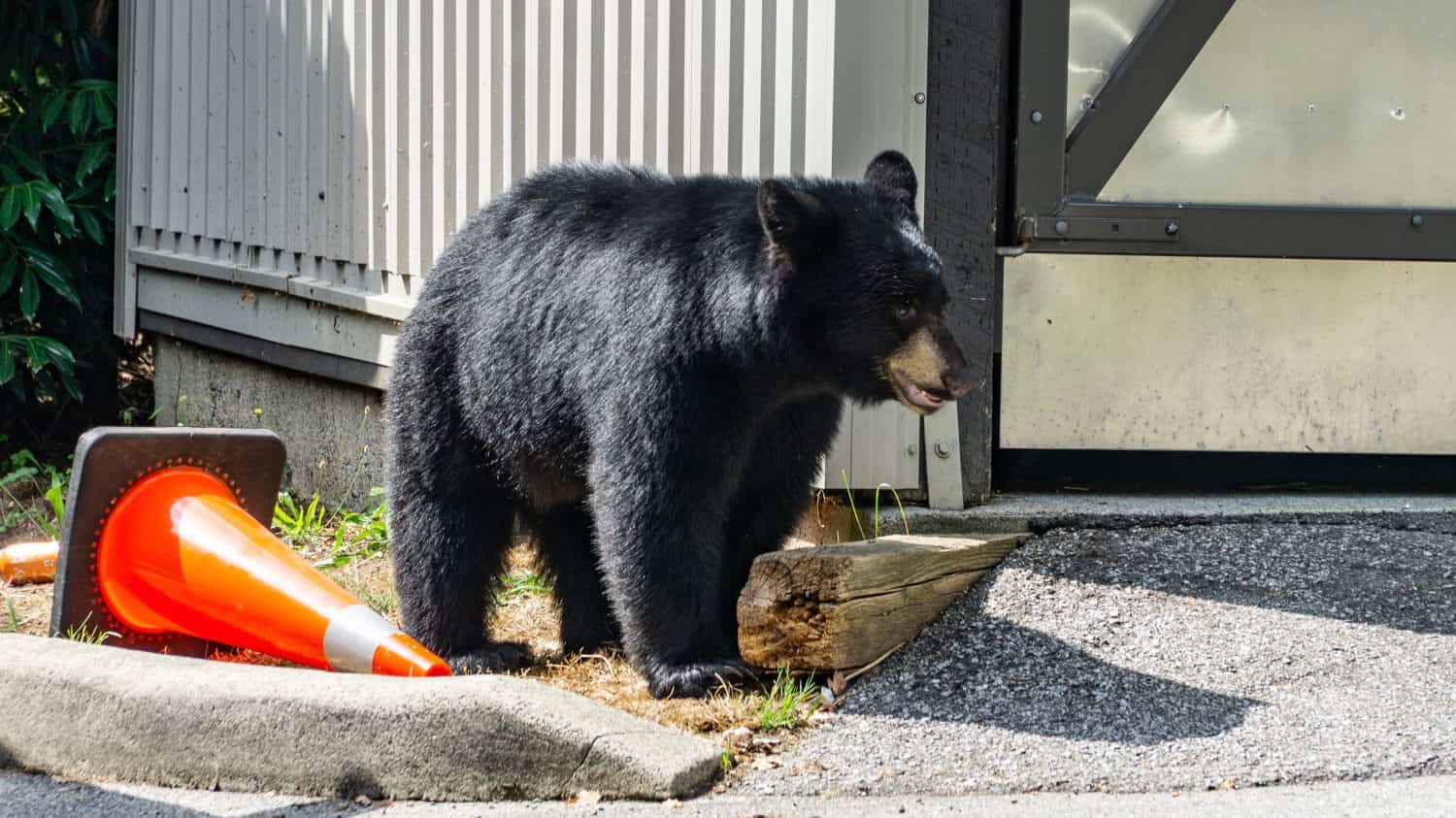
Wisconsin has several animals that can be dangerous, including wolves, coyotes, venomous spiders, ticks, and deer on the roads. However, one of the most powerful wild animals in the state is the black bear. Wisconsin has a healthy black bear population, especially in the northern and central parts of the state, where forests, wetlands, and abundant food sources provide good habitat.
Black bear attacks are rare, but they do happen. Most black bears are shy and try to avoid people. Problems usually start when bears find easy food near homes, cabins, farms, or campsites. Garbage, bird feeders, pet food, grills, compost, beehives, and unsecured coolers can all attract them. When bears become used to human food, they may lose their natural caution and return repeatedly.
Anyone living, camping, or hiking in bear country should take simple precautions. Store food and trash securely, never feed bears, keep pets supervised, and give any bear plenty of space. If a black bear approaches, stand your ground, make yourself look larger, and speak firmly. In Wisconsin, black bears are not usually a threat, but they are strong animals that should never be treated casually.
Wyoming
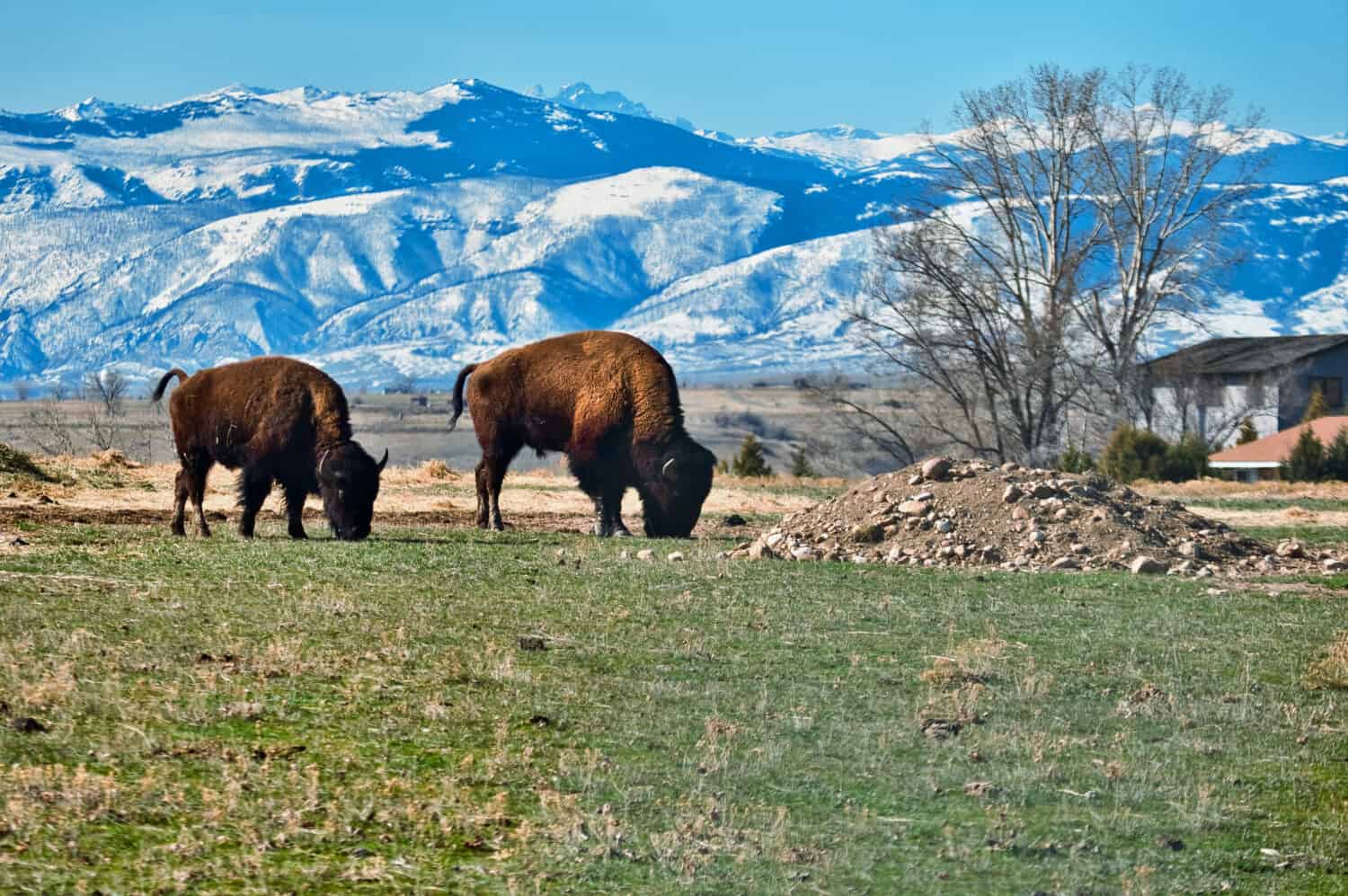
The deadliest and most dangerous animal in Wyoming is often considered the bison. These massive animals are iconic symbols of the American West, especially in and around Yellowstone National Park, but they are also responsible for more injuries than many visitors expect. Bison can weigh around 2,000 pounds, run surprisingly fast, and charge when they feel threatened.
The biggest problem is that bison often appear calm. They may graze near roads, boardwalks, cabins, or parking areas, which can make people forget they are wild animals. Getting too close for a photo is one of the most common mistakes. A bison can cover ground quickly, and its horns, head, and body weight can cause severe injuries.
Wyoming has seen serious bison attacks, including incidents involving visitors in Yellowstone. These attacks usually happen when people approach within an unsafe distance or fail to move away when a bison shows signs of agitation. The safest rule is to stay far back, follow park distance guidelines, and never try to pass close to a bison on foot. They may be beautiful to watch, but they demand space.