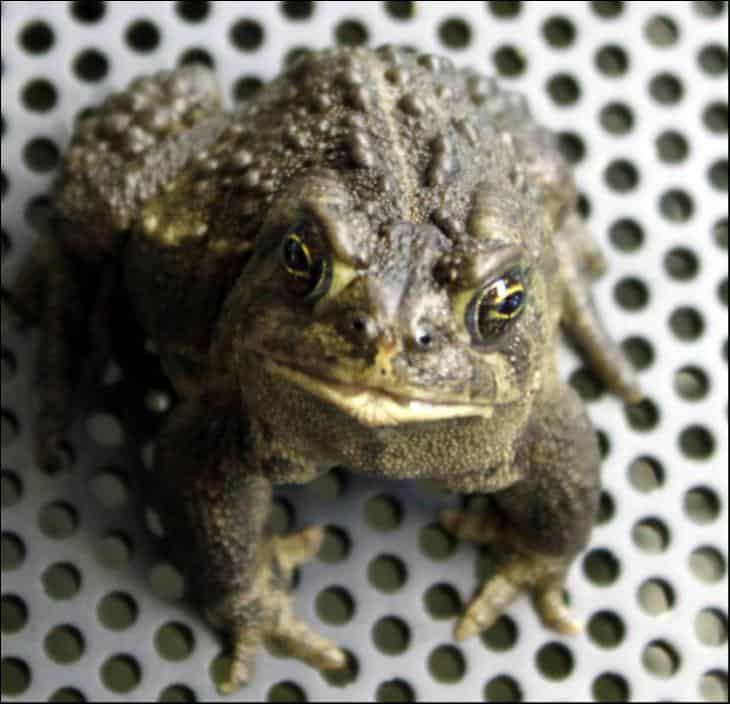
Wyoming Toad
Wyoming's comeback toad

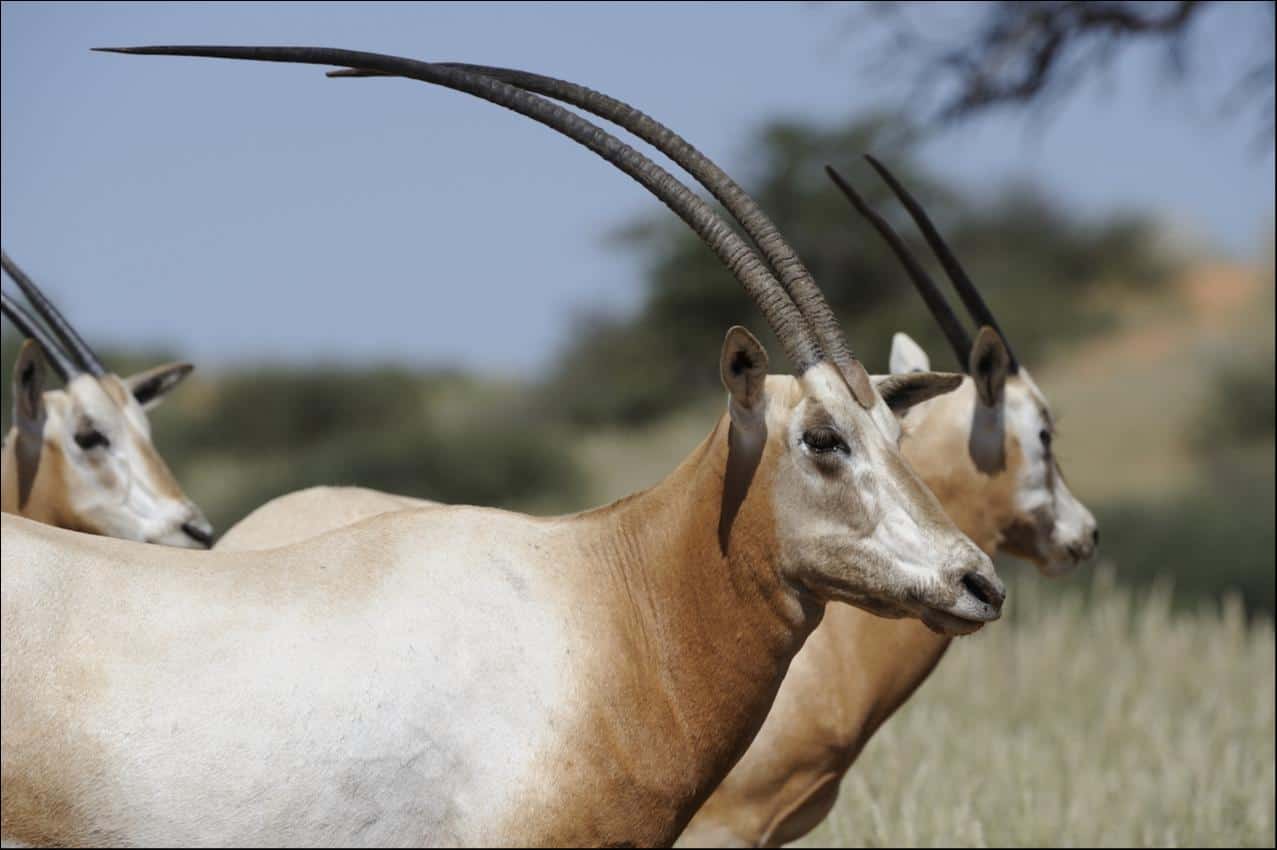
Extinct in the Wild (EW) is an IUCN Red List category for a species that is known to survive only in cultivation, in captivity, or as a naturalized population outside its past range, with no remaining individuals in its natural habitat. It is considered extinct in its historical wild range, even though living individuals still exist under human care or outside that range.
Extinct in the Wild applies to taxa that are known to survive only in cultivation, in captivity, or as naturalized populations well outside their past (native) range. In other words, they are not known to persist in the wild within their past/native range. Assignment to EW generally follows exhaustive surveys (appropriate to the species' ecology and detectability) indicating that the taxon is no longer found in the wild within its past/native range.
This status can apply to both animals and plants, and it often reflects severe habitat loss, overexploitation, invasive species, disease, pollution, or other pressures that eliminated wild populations. Naturalized populations outside the historical range do not count as "wild in the native range," because they may exist only due to human introduction and may not represent restoration of the original ecological role or genetic structure of the species.
EW matters because it signals an extreme conservation emergency-wild recovery is no longer about preventing extinction in nature, but about rebuilding it from remaining individuals. Conservation priorities typically shift to safeguarding ex situ stocks, maintaining genetic diversity, addressing the original causes of loss, and planning carefully monitored reintroductions or reinforcements where suitable habitat and long-term protection exist. Success is possible, but only if threats are removed and there are enough healthy individuals to establish a viable, self-sustaining population within the species' historical range.
"Extinct in the Wild" means the species is completely extinct everywhere (it isn't-living individuals still exist).
If it exists in a feral or introduced (naturalized) population somewhere, it is no longer Extinct in the Wild (naturalized populations outside the historical range can still qualify as EW).
Reintroduction is straightforward once captive individuals exist (in reality it requires suitable habitat, removal of threats, sufficient genetic diversity, and long-term monitoring/support).
A species qualifies as Extinct in the Wild (EW) when it is known to survive only in cultivation, captivity, or as naturalized populations outside its past (historical) natural range, and there is no reasonable doubt that the last individual in its native habitat has died.
Threshold: No quantitative thresholds under criteria A-E. A taxon is Extinct in the Wild (EW) when it is known only to survive in cultivation, in captivity, or as a naturalized population (or populations) well outside the past range.
EW is assigned using the category definition, supported by exhaustive, time-appropriate surveys in known and/or expected habitat throughout the taxon's past range that have failed to record any individuals in the wild, with verified survivors only in cultivation/captivity or as naturalized populations outside the past range.
How species are assessed: EW is assigned after targeted, time-appropriate surveys across the species' historical native range fail to find any individuals in their natural habitat, and the only verified survivors are in cultivation, captivity, or as naturalized populations outside the native range. Assessors compile all records (recent sightings, specimen/photographic evidence, survey effort, detectability, threats, and persistence of captive stocks), and apply a precautionary but evidence-based judgment that there is no reasonable doubt the species is extinct in the wild in its native range.
EW listings tend to creep upward over time because some species decline from Critically Endangered to no longer having any self-sustaining wild populations (often leaving only captive or cultivated stock). Improved survey/monitoring can also confirm the loss of the last wild individuals, shifting species into EW. Downward movement (EW → threatened) does occur via successful reintroduction, but it is relatively rare and often slow, so it typically doesn't offset new additions.
Geographic Patterns: Concentrated in places with high endemism and strong pressures that can eliminate the last wild populations quickly-especially islands and isolated habitats. Hotspots include oceanic islands (e.g., parts of Hawaii and other Pacific islands), small-island systems (Caribbean, Indian Ocean islands), and highly localized mainland sites such as isolated montane forests, single-valley river systems, and restricted freshwater habitats. EW species are often those with tiny historical ranges where invasive predators/diseases, land conversion, and overexploitation can remove the final wild individuals before large-scale recovery is possible.
Typically treated as an emergency and high-leverage category: the species is globally one step from complete extinction (EX), so conservationists prioritize securing and expanding ex situ populations, maximizing genetic diversity, and-when threats can be mitigated-planning and implementing reintroductions or assisted establishment in safe areas. Priority is especially high when (1) founders are few, (2) a viable release site can be secured, and (3) reintroduction can restore important ecosystem roles; it may be lower when threats are intractable, habitat is irreversibly lost, or captive populations are too small/genetically compromised for recovery.
EW status often increases eligibility and urgency for funding aimed at preventing total extinction, supporting captive breeding, genetic management, and reintroduction preparation (habitat restoration, threat removal, feasibility studies). Many donors and agencies view EW projects as high-impact but also high-risk and long-term, so funding may be milestone-based and contingent on credible recovery plans, governance, and partner capacity. Access to funds can be helped by strong legal listings (e.g., CITES Appendix I, national endangered status) and clear reintroduction pathways; however, some funders may be reluctant if costs are high, success probability is uncertain, or ongoing captive care creates indefinite financial commitments.
After disappearing from its native range, coordinated captive breeding and staged reintroductions (paired with protection and management) rebuilt free-ranging herds, allowing the species to leave extinct_in_the_wild and be downlisted as wild populations recovered.
2011Once surviving only in captivity, the species was reintroduced to parts of its historic range (notably Mongolia) using managed releases and long-term monitoring, establishing wild-breeding populations sufficient to move it out of extinct_in_the_wild.
2011Large-scale ex-situ breeding and carefully planned reintroductions restored wild populations within its native range (including releases in the Sahel), enabling an improvement from extinct_in_the_wild once wild reproduction and persistence were documented.
20233 species documented in our encyclopedia
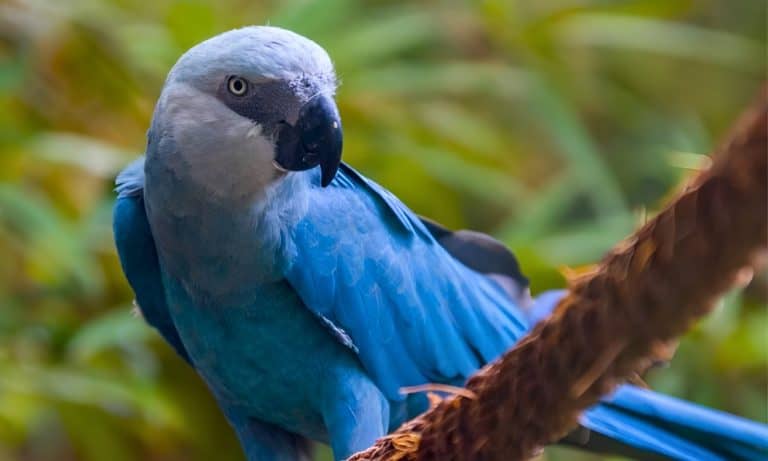
Blue hope from Brazil's Caatinga
Wyoming's comeback toad
China's rescued wetland deer
Thank you for reading! Have some feedback for us?
We appreciate your help in improving our content.
Our editorial team will review your suggestions and make any necessary updates.
There was an error submitting your feedback. Please try again.