
W
Species Profile

Wyoming Toad

Anaxyrus baxteri

Wyoming's comeback toad
USFWS Mountain-Prairie / CC BY 2.0, from Wikimedia Commons, the free media repository

Wyoming Toad Distribution

Click a location to explore more animals from that region

Endemic Species
Loading map...

At a Glance

Wild Species
Also Known As Baxter's toad, Baxter toad
Activity Nocturnal+
Lifespan 3 years
Weight 0.07 lbs
Did You Know?

Endemic to Wyoming's Laramie Basin; historically known only from southeastern Wyoming wet meadows and shallow ponds.

Scientific Classification

The Wyoming toad (Anaxyrus baxteri) is a small true toad historically native to the Laramie Basin of southeastern Wyoming. It has suffered severe declines and persists largely through captive breeding and reintroduction efforts, making it a flagship amphibian conservation species in North America.

Kingdom
Animalia
Phylum
Chordata
Class
Amphibia
Order
Anura
Family
Bufonidae
Genus
Anaxyrus
Species
baxteri

Distinguishing Features

  • Small true toad with warty skin
  • Pale dorsal stripe often present
  • Dark blotches with lighter borders
  • Prominent parotoid glands behind eyes

Physical Measurements

Length
2 in (2 in – 2 in)
Weight
0 lbs (0 lbs – 0 lbs)
Top Speed
2 mph
estimated hopping
Poisonous

Appearance

Primary Colors
Secondary Colors
Skin Type Warty skin
Distinctive Features
  • Adult SVL typically 5-7 cm (Baxter & Stone 1985)
  • Stocky body with short limbs; typical true-toad silhouette
  • Dry, heavily warty dorsal skin with keratinized tubercles
  • Prominent parotoid glands behind eyes; defensive toxin secretions
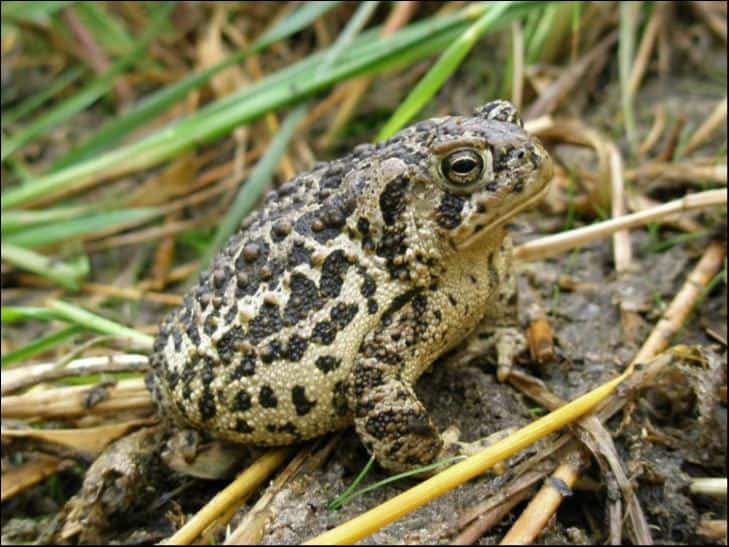
  • Dark dorsal blotches on lighter background; pattern breaks body outline
  • Venter pale cream, sometimes with diffuse dark mottling
  • Breeds in shallow wet meadows and ponds of Laramie Basin
  • Critically endangered; many adults are captive-bred reintroductions

Sexual Dimorphism

Males average smaller and develop darkened throats and nuptial pads during breeding, aiding amplexus. Females are typically larger-bodied with paler throats and lack pronounced breeding pads.

♂
  • Smaller average body size than females
  • Darkened throat during breeding season
  • Nuptial pads on thumbs for amplexus grip
  • Advertisement calling behavior at breeding sites
♀
  • Larger, broader-bodied than males
  • Throat generally pale; lacks breeding-season darkening
  • No nuptial pads on thumbs
  • Often more distended abdomen when gravid

Did You Know?

Endemic to Wyoming's Laramie Basin; historically known only from southeastern Wyoming wet meadows and shallow ponds.

Adults are small true toads, typically about 5-7 cm snout-vent length.

IUCN classifies it as Critically Endangered; persistence today depends heavily on captive breeding and releases.

Breeding occurs in late spring to early summer, with males calling from shallow water in wet meadows.

Females lay long egg strings; reported clutch sizes are in the thousands, typical of bufony toads.

Mortenson Lake National Wildlife Refuge (est. 1993) protects key habitat tied to the species' last wild stronghold.

Reintroduction programs release captive-bred tadpoles/toadlets to rebuild populations and hedge against disease and drought.

Unique Adaptations

  • Parotoid glands secrete bufotoxins, making many predators spit them out after mouthing.
  • Cold-season brumation underground reduces water loss and avoids lethal surface temperatures at high elevation.
  • Warty, cryptic skin breaks up the outline against mud and sedges in wet meadow margins.
  • Eggs laid in strings can be threaded through vegetation, helping anchor them in shallow, warming water.

Interesting Behaviors

  • Nocturnal foraging: adults emerge at night to hunt beetles, ants, and other small invertebrates.
  • Explosive breeding: adults gather quickly after warm late-spring conditions, using shallow, fish-free water.
  • Male advertisement calls form choruses; calling males often space themselves a few body lengths apart.
  • Seasonal site fidelity: adults repeatedly use the same wet meadow complexes when conditions allow breeding.
  • Anti-predator posture: individuals crouch low, inflate slightly, and rely on toxins and camouflage.

Cultural Significance

The Wyoming toad is a flagship U.S. amphibian conservation icon, spotlighting wet-meadow restoration, zoo-agency breeding partnerships, and the vulnerability of single-basin endemics to drought and disease.

Myths & Legends

Medieval European lore prized the "toadstone," believed to form in a toad's head and detect or neutralize poison.

In European witchcraft traditions, toads appear as familiars and potion ingredients, symbolizing hidden power and danger.

Japanese folklore features heroic figures like Jiraiya allied with giant toads, linking toads with magic, protection, and transformation.

Conservation Status

EW Extinct in the Wild

Known only to survive in captivity.

Population Unknown

Protected Under

  • U.S. ESA Endangered
  • Wyoming State Endangered

Life Cycle

Birth 8000 tadpoles
Lifespan 3 years

Lifespan

In the Wild
2–5 years
In Captivity
3–9 years

Reproduction

Mating System Promiscuity
Social Structure Aggregation Group
Breeding Season Late May to early June
Breeding Pattern Transient
Fertilization Substrate Spawning
Birth Type Substrate_spawning

Wyoming toads breed in dense seasonal pond aggregations; calling males compete and clasp females in axillary amplexus. Females lay gelatinous egg strings attached to submerged vegetation, with external fertilization and no lasting pair bond.

Behavior & Ecology

Social Knot Group: 10
Activity Nocturnal, Crepuscular
Diet Insectivore ants
Seasonal Hibernates

Temperament

Secretive
Site-faithful
Seasonally gregarious
Startle-prone

Communication

advertisement trill
release call
distress squeak
tactile amplexus
chemical cues
body postures
short-range contact

Habitat

Biomes:
Temperate Grassland Freshwater Wetland
Terrain:
Plains Valley Riverine Muddy
Elevation: 6758 ft 6 in – 7808 ft 5 in

Ecological Role

Small wetland insectivore linking invertebrates to higher predators

invertebrate control nutrient cycling food-web support

Diet Details

Other Foods:
Insects Terrestrial invertebrates Aquatic invertebrates

Human Interaction

Domestication Status

Wild

Not domesticated. Following its rediscovery in Wyoming, captive-breeding programs began in the late 1980s-1990s (zoos and US Fish and Wildlife Service partners) to prevent extinction and to produce individuals for reintroduction into native habitat.

Danger Level

Low
  • Mild bufotoxin skin/eye irritation
  • Toxic if ingested (pets at risk)
  • Salmonella risk from handling
  • Allergic reaction in sensitive people

As a Pet

Not Suitable as Pet

Legality: Illegal without permits; ESA-listed endangered species.

Care Level: Expert Only

Purchase Cost: Up to $500
Lifetime Cost: $3,000 - $15,000

Economic Value

Uses:
Conservation Research Education Pettrade Biocontrol
Products:
  • toxins

Relationships

Predators 8

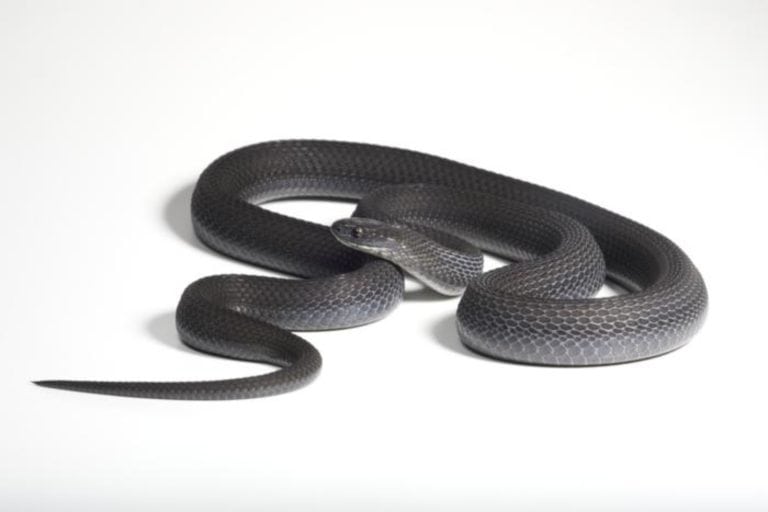
Plains garter snake Thamnophis radix
Common garter snake
Common garter snake Thamnophis sirtalis
Western terrestrial garter snake Thamnophis elegans
Barred tiger salamander Ambystoma mavortium
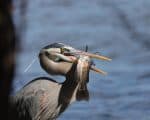
Great blue heron
Great blue heron Ardea herodias
American crow Corvus brachyrhynchos
Raccoon
Raccoon Procyon lotor
Striped skunk Mephitis mephitis

Related Species 8

Western toad Anaxyrus boreas Shared Genus
Woodhouse's toad Anaxyrus woodhousii Shared Genus
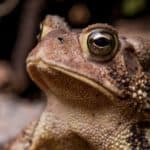
American toad
American toad Anaxyrus americanus Shared Genus
Great Plains toad Anaxyrus cognatus Shared Genus
Canadian toad Anaxyrus hemiophrys Shared Genus
Red-spotted toad Anaxyrus punctatus Shared Genus
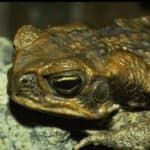
Cane toad
Cane toad Rhinella marina Shared Family
Colorado River toad Incilius alvarius Shared Family

Ecological Equivalents 5

Animals that fill a similar ecological role in their ecosystem

Woodhouse's toad Anaxyrus woodhousii Breeds in shallow ponds; adults are insectivorous and use prairie riparian corridors.
Great Plains toad Anaxyrus cognatus Exploits ephemeral prairie wetlands, exhibits rapid larval development, and forages nocturnally.
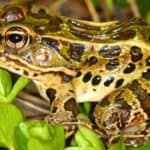
Northern leopard frog
Northern leopard frog Lithobates pipiens Co-occurs in basin wetlands; adults are insectivorous and tadpoles are aquatic in ponds.
Barred tiger salamander Ambystoma mavortium Uses the same ponds. Larvae overlap temporally and interact via predation and competition.
Great Plains spadefoot Spea bombifrons Breeds explosively after rains in temporary pools; larvae develop rapidly.

“Wyoming toads release poison from a gland in their neck as a defense against predators”


Wyoming toads are Extinct in the Wild, but there are still some living in captivity. There are breeding programs in place to try to increase the number of Wyoming toads. These toads are carnivores and live for about 8 years. They hunt for food at night and burrow into the mud in the daytime.

5 Wyoming Toad Facts

  • A Wyoming toad is terrestrial (lives on the land)
  • This toad is extinct in the wild
  • Efforts are being made by zoos to breed these toads and slowly introduce them back into the wild
  • Wyoming toads are carnivores that eat beetles, ants and other small insects
  • The female Wyoming toad is a little bit larger than the male

Wyoming Toad Scientific Name

While Wyoming toad is the common name of this amphibian, Anaxyrus baxteri is its scientific name. This toad is also known as Bufo baxteri as well as Baxter’s toad. Bufo is a Latin word meaning toad. This toad is from the Bufonidae family and belongs to the class amphibia.

Wyoming Toad Appearance and Behavior

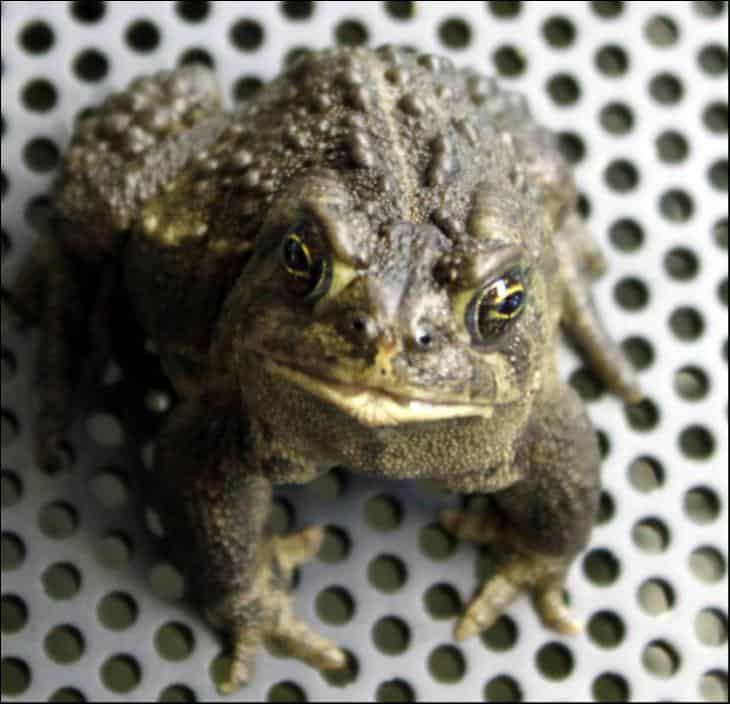
The skin on this toad’s back is grayish brown with spots on its belly. Its back is covered with warts similar to other types of toads. Though this toad has two large eyes, it doesn’t see very well. Wyoming toads rely on their sense of hearing and the vibrations they feel in the ground to detect insects moving around them.

A Wyoming toad weighs between 2 to 3 ounces. Imagine looking at one and a half tennis balls. These tennis balls are equal in weight to a 3-ounce Wyoming toad. The average Wyoming toad is about 2 inches long. A 2-inch-long toad is almost as long as a golf tee! You may think that the Wyoming toad is the smallest in the world. However, the Oak toad claims that title at just 1.3 inches long.

The Wyoming toad has a couple of ways to protect itself from predators. For one, its brown skin helps it to hide in the grasslands and wooded areas where it lives. Also, this toad has a gland in its neck that releases poison when this amphibian is grabbed by a predator. This poison has the power to kill a small animal or at the very least make the animal very sick.

This shy toad lives a solitary life except during breeding season. They are expert at hiding in plain sight and would rather not encounter other animals or humans.

Wyoming Toad Habitat

The Wyoming toad lives in North America, more specifically in Albany county located in the state of Wyoming in the United States. When the cold weather months arrive in late September or early October this toad goes into hibernation until May. These toads sometimes hibernate in a burrow made by a ground squirrel that’s no longer there. Or, they bury themselves under the mud to stay hidden through the winter. With the return of the warm weather, the Wyoming toad comes out of hibernation and breeding season begins shortly after.

This toad lives on land most of the time. At the beginning of breeding season, it goes to a nearby lake or creek where other toads gather to find a mate. The males send out a croaking call to attract females who will lay eggs after mating with the male. This is the only time these toads gather together.

Wyoming Toad Diet

What do Wyoming toads eat? Adult toads are carnivores, so they eat beetles, ants, spiders and worms. In short, this toad eats the small insects that are most plentiful in its environment.
Adult Wyoming toads can eat up to 100 insects each night! The typical ant weighs about 4 milligrams. A 4-milligram ant weighs the same as one sesame seed. So, when a Wyoming toad eats 100 ants it’s eating a meal equal in weight to 100 sesame seeds!


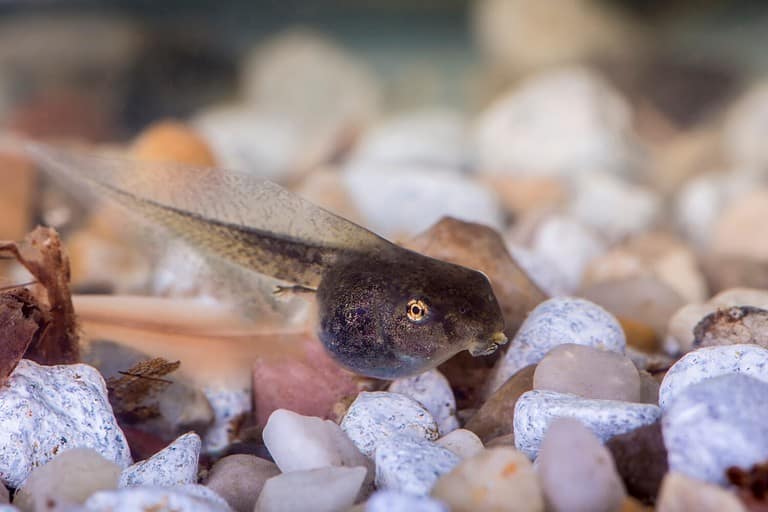
Tadpoles that are developing into full-grown toads aren’t carnivores. Tadpoles eat small pieces of vegetation that float by until they are grown and able to eat insects.


Wyoming toads instinctively know what’s safe for them to eat in the wild. But, if one were to eat an insect that has insecticide (poison used to kill insects) in its system, the toad would likely die as well.

Wyoming Toad Predators and Threats

Wyoming toads have several predators including skunks, weasels, coyotes, mink, herons and badgers. Also, they sometimes fall prey to domestic cats wandering in their environment. These predators are quick and can grab a toad before it has the opportunity to release the poison from glands in its neck.
These toads are vulnerable to Chytrid fungal infections. This illness harms the lungs of a toad and can kill it. The population of this toad has also been reduced by the use of insecticide to kill mosquitoes in the area.

The official conservation status of the Wyoming toad is Extinct in the Wild (EW). Fortunately, some of these toads are living in captivity in zoos. Conservation groups including the Wyoming Toad Reintroduction Program are working to breed these toads and release them back into the wild. They understand the importance of these toads to the ecosystem.

Wyoming Toad Reproduction, Babies and Lifespan

In the month of May, after Wyoming toads come out of hibernation, they move to a nearby pond or lake for breeding. The males chirp and croak to attract female toads in the area. Males and females find a different mate every breeding season.

A male and female toad mate and the female lays a string of eggs in the water. The string can sometimes have thousands of eggs. Each of the eggs measures about 1.5 mm wide. A toad’s egg is about as thin as one stick of spaghetti! The eggs hatch into tadpoles in about 1 to 1 1/2 months. From there, the tadpoles develop into toads and eventually hop out of the water to find a home on land.

A young, growing Wyoming toad is called a tadpole. After a female toad lays her eggs in a shallow part of a lake or pond, the young toads are on their own. Once the eggs hatch, the tadpoles eat pieces of vegetation floating around in the area. Once they develop into adult toads, they become carnivores.

A toad’s eggs and tadpoles are completely vulnerable to predators passing by. One predator such as a fishor a rodent can eat dozens of eggs or toad tadpoles. This is why a Wyoming toad has thousands of eggs. The large amount of eggs increases the odds that at least some of the tadpoles will make it to adulthood.

The lifespan of a Wyoming toad is 8 years. These toads are vulnerable to Chytrid fungal infection and pesticides sprayed in their environment that are meant to kill mosquitoes.

Wyoming Toad Population

Wyoming toads live in Albany County in the state of Wyoming in the United States. The conservation status of this toad is Extinct in the Wild. However, there are an unknown number of them living in captivity in zoos and other sanctuaries. Efforts are being made to increase the population of Wyoming toads by breeding the ones in captivity and releasing them back into their natural environment.

FAQs

Is the Wyoming toad extinct?

Officially yes, unofficially no. It’s true the Wyoming toad has a conservation status of Extinct in the Wild. But, there are still Wyoming toads left in existence. They live in zoos and other sanctuaries where they are cared for by people. Efforts are being made to breed the Wyoming toads in captivity so tadpoles or adult toads can be placed back into their natural environment. These steps are taken in the hopes that the population will start to increase naturally once again. That would result in a new official conservation status.

How many Wyoming toads are left?

The total population of Wyoming toads is unknown.

What do Wyoming toads eat?

Like most toads, Wyoming toads are carnivores. They eat spiders, beetles, ants and other small insects.

Are Wyoming toads poisonous?

Yes. Wyoming toads have a gland in their neck filled with poison. They can release this poison when grabbed by a predator in an effort to escape. The predator may become extremely ill or die from the poison depending on how much it took in. As far as humans go, it’s best to wear gloves when handling this toad because it may release a little poison. If a person got this poison on their hands, then rubbed their eyes it could cause irritation.

View all 442 animals that start with W
A-Z Animals Staff

About the Author

A-Z Animals Staff

AZ Animals is a growing team of animals experts, researchers, farmers, conservationists, writers, editors, and -- of course -- pet owners who have come together to help you better understand the animal kingdom and how we interact.
Connect:

Thank you for reading! Have some feedback for us?


Wyoming Toad FAQs (Frequently Asked Questions)

Wyoming Toads are Carnivores, meaning they eat other animals.