
Fox Terrier
Small body, big hunt-drive.


Small body, big hunt-drive.
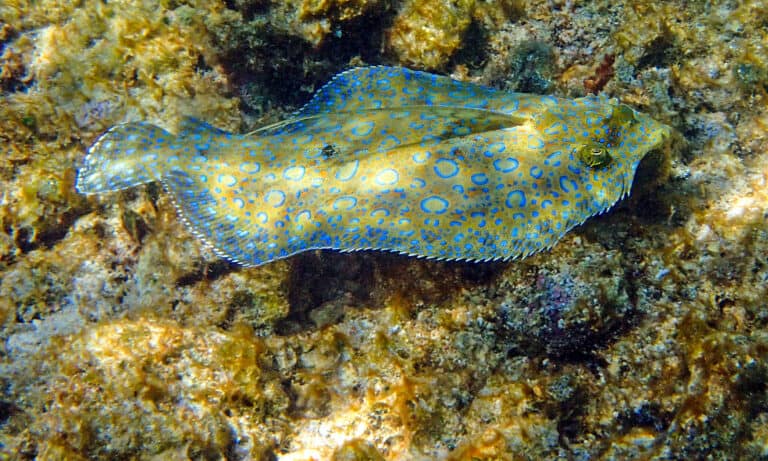
Two eyes, one side-seafloor masters
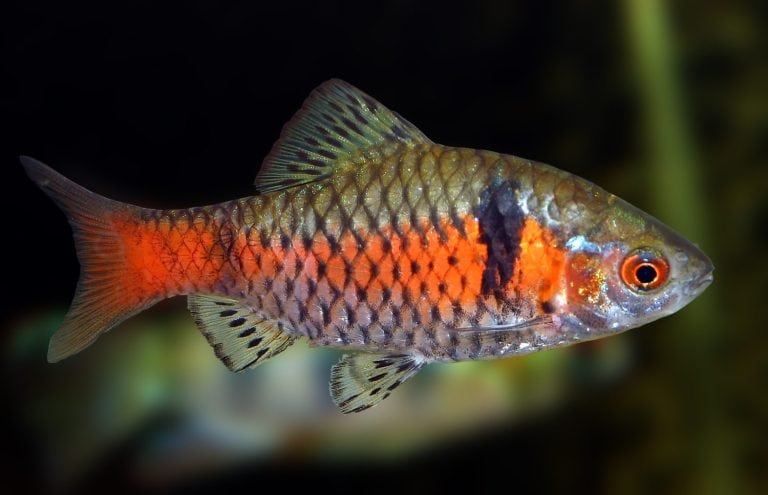
Barbs: big family, bigger variety

Eat. Molt. Metamorphose.
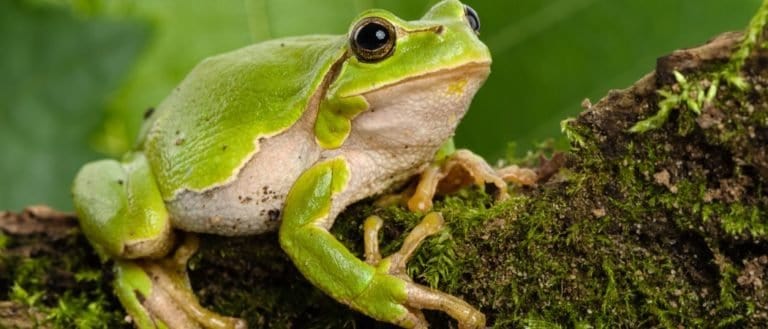
Sticky toes, big voices, forest lives
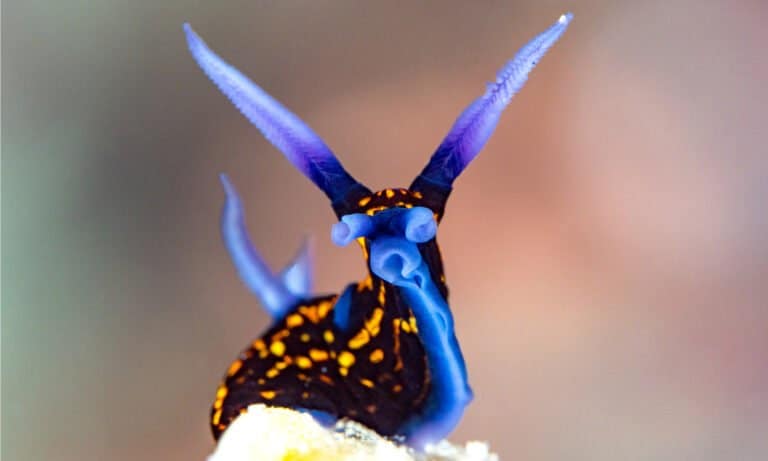
Naked gills, wild skills.

Lion look, loyal heart-Chow Chow
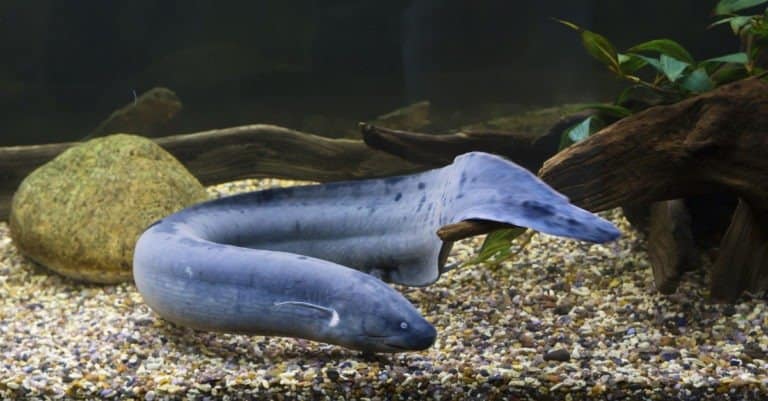
Breathe like a fish, live like a survivor

Small boat dog, big water drive
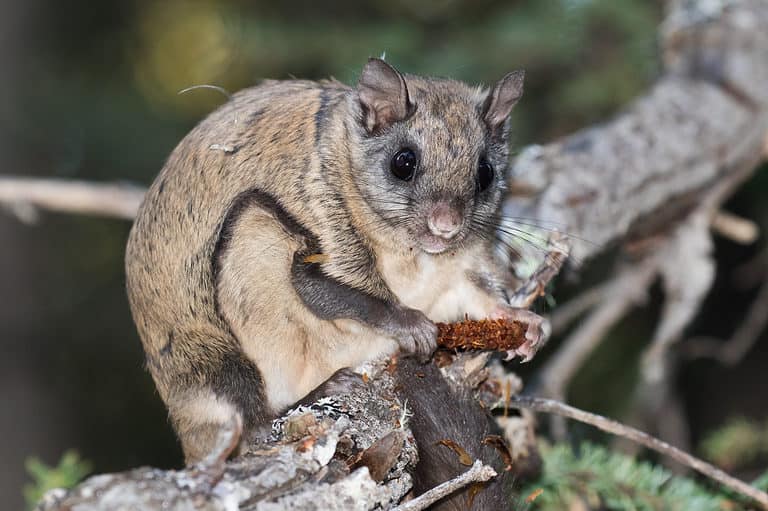
Not flyers - forest gliders
Not Evaluated (NE) means a species has not yet been assessed against the IUCN Red List Categories and Criteria. It indicates that no IUCN Red List evaluation has been completed for the species at the time of listing.
Not Evaluated is used for taxa that have not been formally assessed under the IUCN Red List Categories and Criteria. This can occur because the species is newly described, data have not yet been compiled for an assessment, priorities have focused on other groups or regions, or an assessment is planned but not completed. NE is therefore a status about the assessment process-not a statement about population size, trend, threats, or extinction risk.
This status can apply to any taxonomic group and any geographic area, including common, widespread species as well as rare or poorly known ones. Because NE provides no information on risk, it should not be treated as equivalent to "Least Concern," "Data Deficient," or any threatened category. In practice, NE highlights that conservation decision-makers, researchers, and the public lack an IUCN-based risk classification for the species.
NE matters because unassessed species can be overlooked in conservation planning, funding, and policy tools that rely on Red List categories. It underscores the need for targeted research and assessment work so that the species can be evaluated consistently and transparently, and-if necessary-prioritized for monitoring, management, and protection.
"Not Evaluated" means the species is not threatened or is Least Concern.
"Not Evaluated" is the same as Data Deficient (DD); DD is assessed but lacking sufficient data, whereas NE has not been assessed at all.
"Not Evaluated" implies the species is extinct or so rare it cannot be found; NE does not indicate any level of extinction risk.
A species is listed as Not Evaluated (NE) when it has not yet been assessed against the IUCN Red List Categories and Criteria. NE does not imply anything about extinction risk (high or low); it only indicates that a formal Red List evaluation has not been completed or published for that taxon.
Threshold: Not applicable to NE (no thresholds applied because no Red List assessment has been completed). Reference thresholds used in assessed categories: VU ≥30%, EN ≥50%, CR ≥80% population reduction over 10 years or 3 generations (whichever is longer), up to a maximum of 100 years, based on A1-A4 subcriteria.
For NE, the assessors have not determined whether population declines meet any threshold. If/when assessed, criterion A would compare measured/estimated/suspected reductions against the VU/EN/CR percentage cutoffs over the specified time window.
Threshold: Not applicable to NE. Reference thresholds: B1 (Extent of Occurrence) VU <20,000 km², EN <5,000 km², CR <100 km²; and/or B2 (Area of Occupancy) VU <2,000 km², EN <500 km², CR <10 km², plus at least 2 of: (a) severe fragmentation/few locations, (b) continuing decline, (c) extreme fluctuations.
For NE, no determination has been made about range size or whether the required accompanying conditions (fragmentation/locations, decline, fluctuations) are met.
Threshold: Not applicable to NE. Reference thresholds: VU <10,000 mature individuals, EN <2,500, CR <250, with specified continuing decline rates and/or subpopulation structure requirements (e.g., C1/C2 conditions).
For NE, population size and trend have not been evaluated against these cutoffs and associated decline/structure rules.
Threshold: Not applicable to NE. Reference thresholds: D (population size) VU <1,000 mature individuals, EN <250, CR <50; and VU D2 (very restricted) typically AOO <20 km² or ≤5 locations with plausible rapid threat impact.
For NE, no check has been completed for extremely small population size or very restricted distribution that could quickly elevate extinction risk.
Threshold: Not applicable to NE. Reference thresholds (probability of extinction): VU ≥10% within 100 years; EN ≥20% within 20 years or 5 generations (whichever is longer), up to a maximum of 100 years; CR ≥50% within 10 years or 3 generations (whichever is longer), up to a maximum of 100 years.
For NE, no population viability analysis or other quantitative extinction-risk model has been reviewed to compare against these probabilities.
How species are assessed: NE is assigned when no Red List assessment has been carried out (or finalized/published) for the species under the IUCN Red List Categories and Criteria. Because the assessment has not been completed, none of the criteria (A-E) are applied and no extinction-risk category is inferred. NE can occur for newly described taxa, taxa not yet prioritized for assessment, or taxa awaiting assessment updates/publication.
In absolute terms, the NE pool tends to grow because new species are described faster than they can be formally assessed, and assessment capacity is constrained by funding, data availability, and taxonomic expertise. Although IUCN assessments are increasing over time, they generally do not keep pace with ongoing species discovery and the very large backlog of undescribed/poorly known diversity (especially among invertebrates and fungi).
Geographic Patterns: NE species are concentrated where biodiversity is high and baseline survey/monitoring is limited: tropical forests (Amazon Basin, Congo Basin, Southeast Asia, New Guinea), tropical mountain regions with high endemism (e.g., Andes, Southeast Asian highlands), and remote/under-sampled systems such as deep-sea habitats, complex coral-reef-associated fauna, and many tropical freshwater basins. Small islands and karst/cave systems also contribute disproportionately because they contain many narrowly endemic species that are often newly described and data-poor.
Typically a data-and-assessment priority rather than an immediate threat-based priority: conservationists often prioritize NE species for surveys, monitoring, and Red List assessment when there are signals of risk (restricted range, rapid habitat loss, heavy trade/harvest, known declines) or when the species is endemic, taxonomically unique, or poorly studied. In practice, NE species may receive lower attention than already-assessed threatened species unless there is strong evidence or precautionary concern.
NE status often limits eligibility for funding streams tied explicitly to IUCN threatened categories (e.g., projects restricted to CR/EN/VU species) and can weaken urgency in donor decision-making. However, NE species can still attract support for baseline research, field surveys, taxonomy, monitoring, and Red List assessments, and may be funded under broader habitat, ecosystem, protected-area, anti-trafficking, or biodiversity-inventory grants. Demonstrating credible threat indicators (e.g., small range, exploitation, habitat loss) can help secure precautionary funding even without a formal IUCN category.
After being recognized as a distinct species and drawing targeted research attention, improved field knowledge (distribution and habitat use) enabled a formal conservation assessment that did not indicate imminent extinction risk at the global scale. This is a common "NE → LC" pathway driven by taxonomy clarification plus basic range/threat documentation.
Once formally evaluated, its extremely restricted range and habitat pressures became central to the assessment outcome. While not a recovery story, it illustrates how moving out of Not Evaluated can reveal elevated risk when a species is range-limited and threatened.
Following recognition as a distinct species, assessment efforts focused on its very small, fragmented population and ongoing habitat threats, resulting in a high-risk category rather than an "administratively neutral" NE status.
A prominent example of how NE can mask urgency: once evaluated, the species' limited population and continued habitat loss placed it in the highest threatened category short of extinction.
After discovery and subsequent evaluation, extremely limited confirmed records, intense snaring pressure, and habitat impacts drove assessment into a severe threat category-showing how an NE listing can simply reflect an assessment gap rather than safety.
1,631 species documented in our encyclopedia

Built to dig. Born to endure.
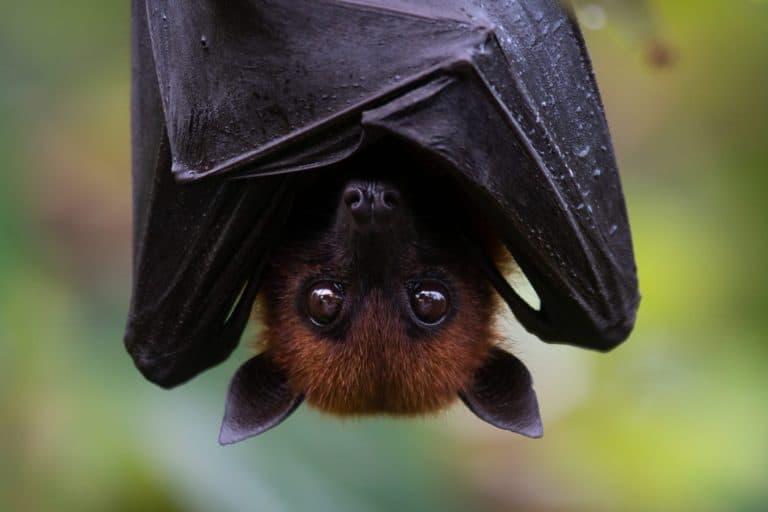
Night pilots of the mammal world
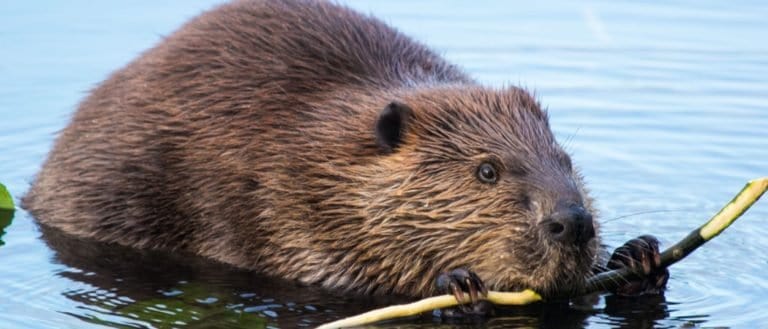
Build wetlands, shape worlds.

Humps of fat, miles of grit
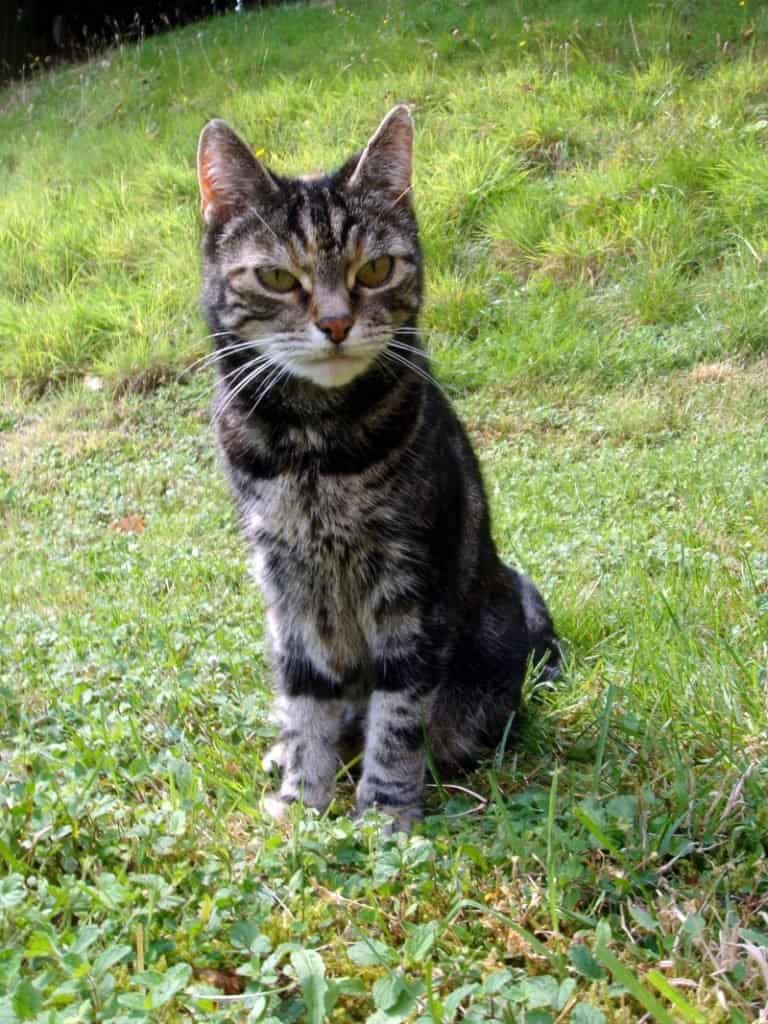
Small hunter, big household legend

Sure-footed partner of people

Big beard, bright sun, bold attitude.

Webbed feet, world travelers.

Built to soar, born to strike

Spines, eggs, and ant-eating mastery
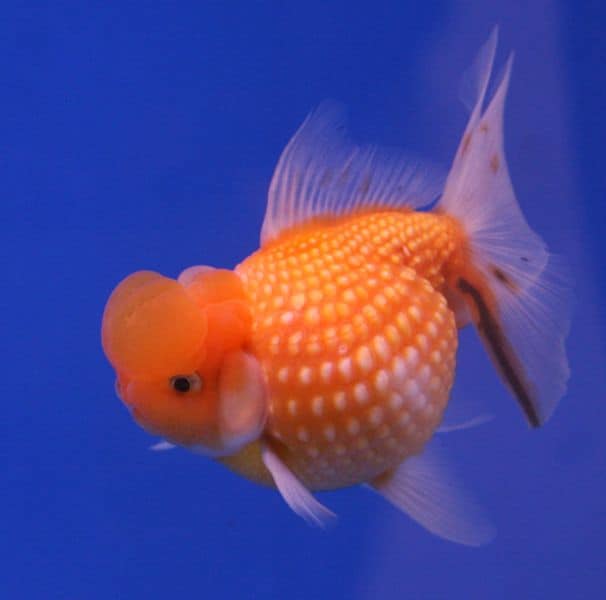
Bony rays, endless ways.

From dunes to tundra-fox smart.
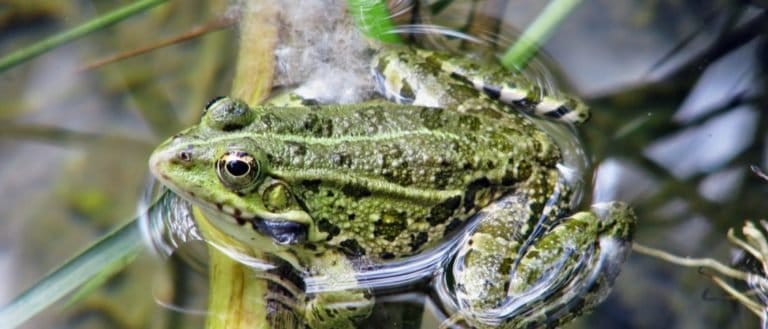
Tailless jumpers, masters of change

Webbed feet, sky roads, wetland lives

Sure-footed masters of rock and range
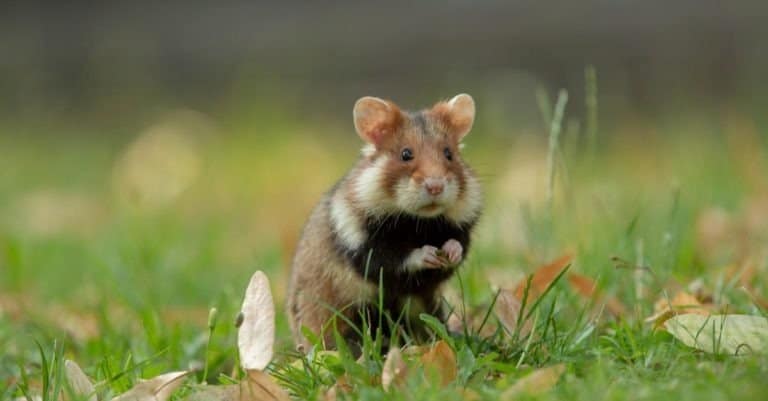
Pouches, burrows, and big impacts

One hoofbeat, a thousand histories

Sun-powered lizards of the Americas
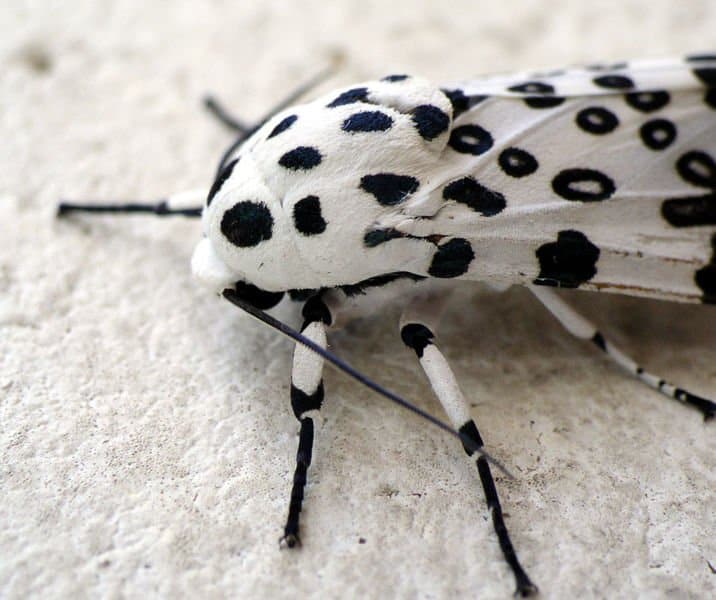
Six legs, endless lives.

Sting-powered drifters of the sea

Big hops, big pouches, big variety
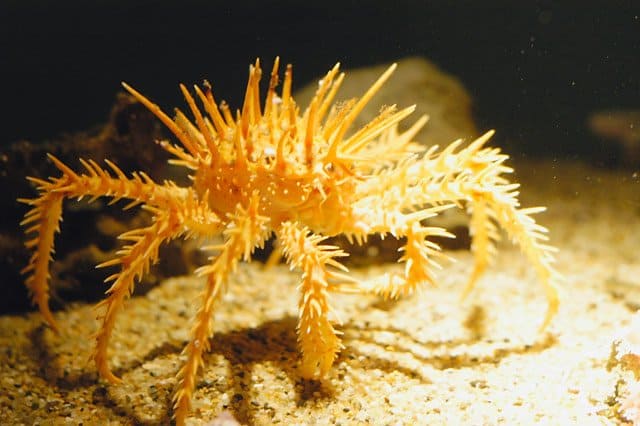
Cold-water royalty of the seafloor
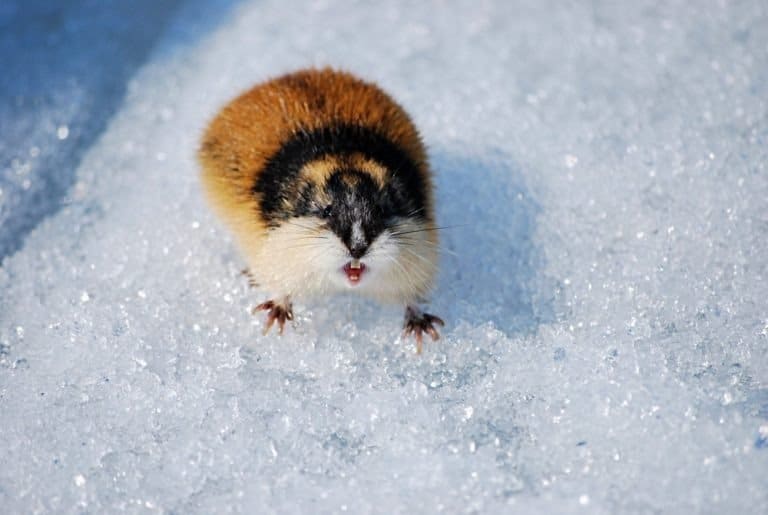
Small rodents, huge tundra impact

From geckos to dragons-lizard power
Thank you for reading! Have some feedback for us?
We appreciate your help in improving our content.
Our editorial team will review your suggestions and make any necessary updates.
There was an error submitting your feedback. Please try again.