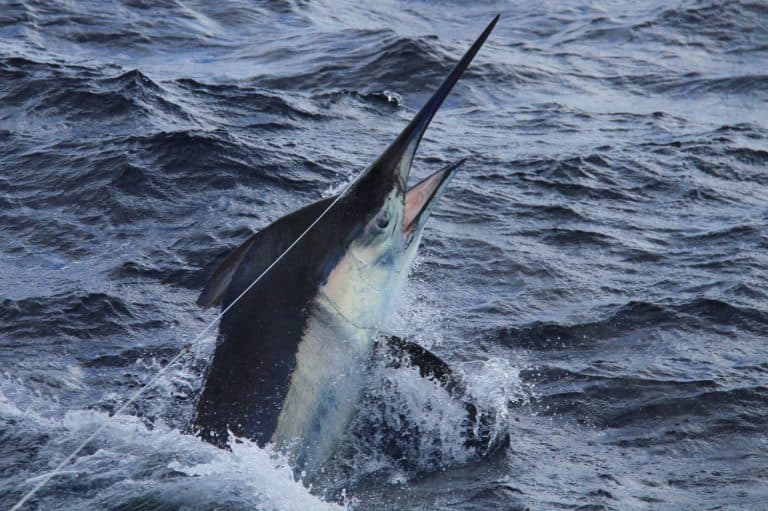
Black Marlin
Rigid fins. Big power. Black marlin.


Rigid fins. Big power. Black marlin.
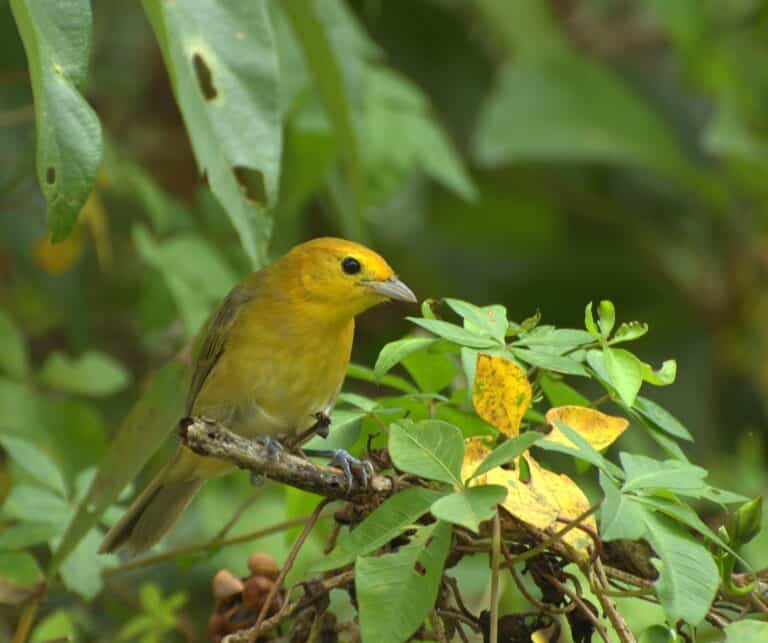
Color in every canopy
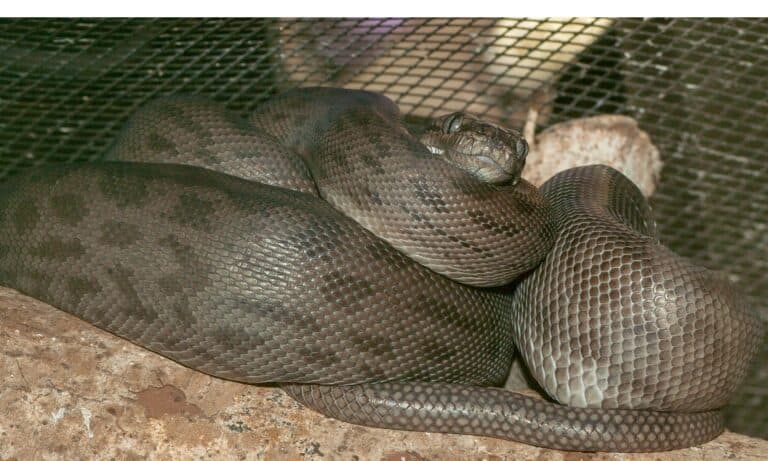
Stone-country giant of Arnhem Land
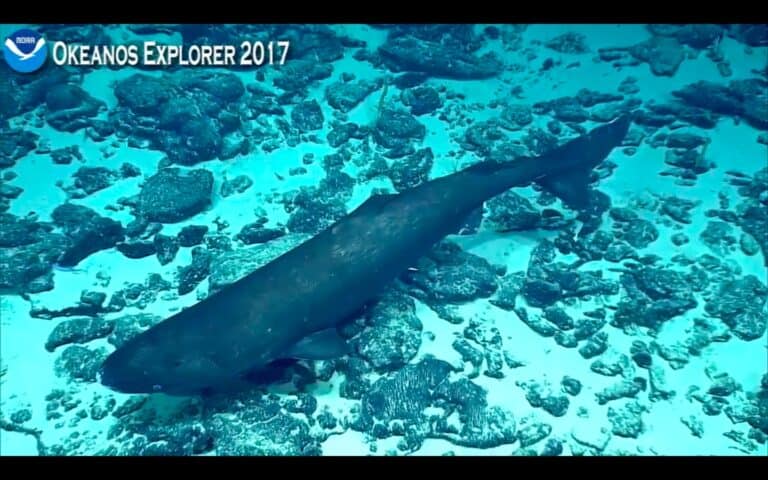
Deep, cold, and quietly formidable
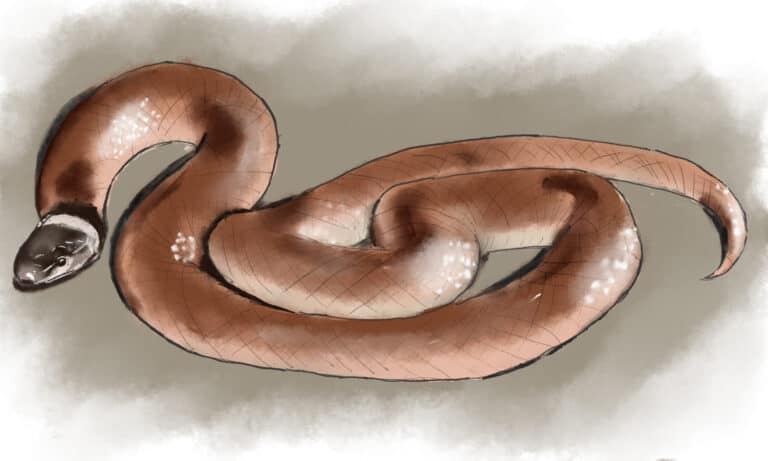
Small snake, big appetite for bugs
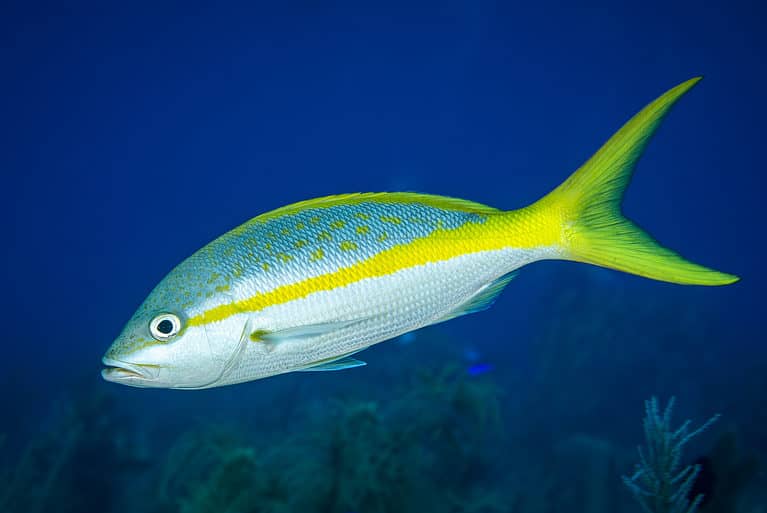
Follow the yellow tail!
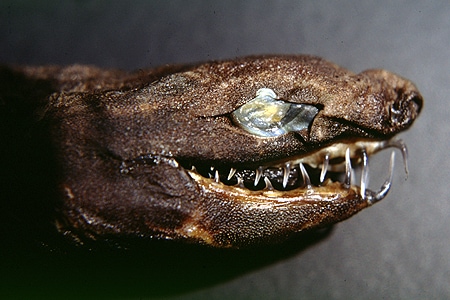
Tiny shark, viper-like fangs
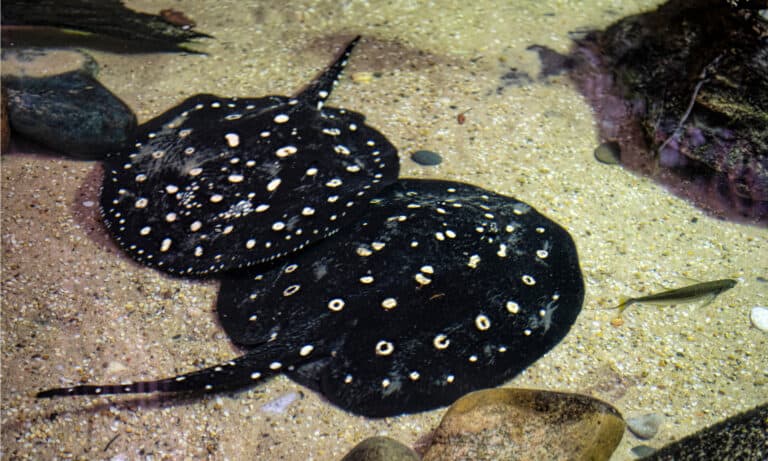
Rio Xingu's Black Diamond Stingray
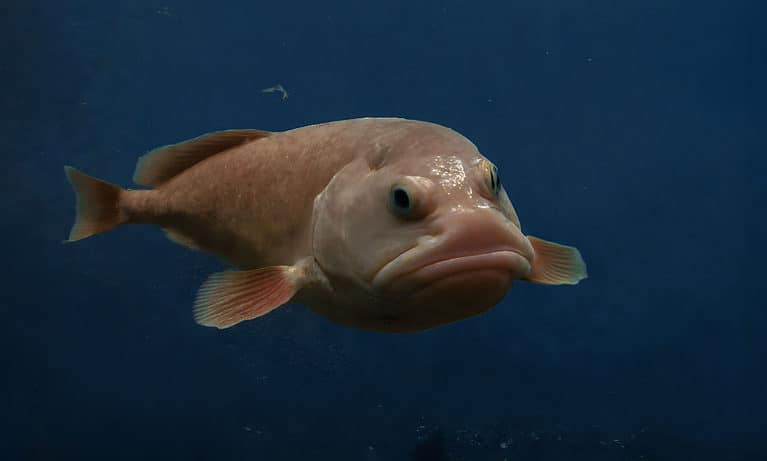
Built for pressure, not photoshoots
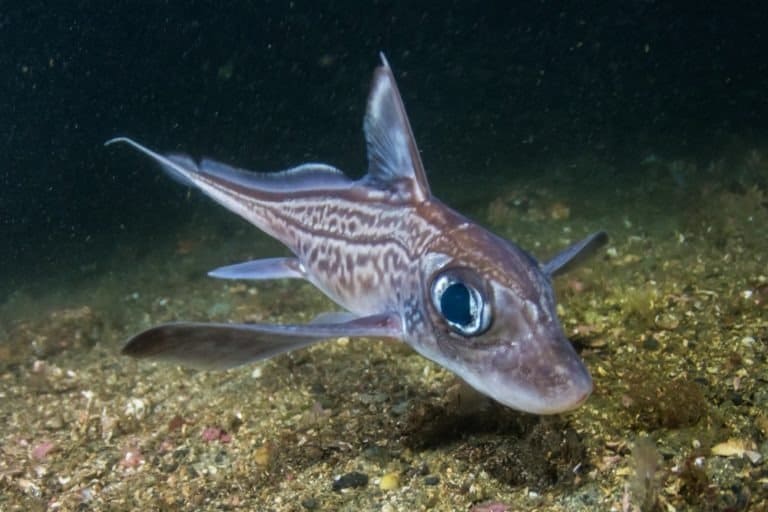
Ghost sharks of the deep
Data Deficient (DD) is an IUCN Red List category used when there is inadequate information to make a direct or indirect assessment of a species' risk of extinction based on its distribution and/or population status. It indicates that more data are needed before an appropriate conservation status can be assigned.
Data Deficient applies to species that have been evaluated but for which the available evidence is too limited to determine whether they meet the criteria for any threatened category (Vulnerable, Endangered, or Critically Endangered) or for Near Threatened/Least Concern. This often occurs when a species is rarely encountered, poorly surveyed, difficult to identify, known only from a few records, or lacks reliable information on key factors such as population size and trend, geographic range, habitat requirements, or threats.
Importantly, Data Deficient is not a statement that a species is safe. Some DD species may in fact be at high risk of extinction, especially when they occur in rapidly changing habitats or have small, fragmented ranges, but the data needed to confirm this are missing or uncertain. Conversely, other DD species may be widespread and stable-DD simply reflects that assessors cannot make a robust conclusion either way.
This status matters because it highlights priority gaps for research, monitoring, and targeted surveys, helping direct resources toward gathering the information required for a defensible assessment. Clarifying a DD species' status can trigger appropriate conservation actions (or confirm that intensive action is unnecessary), improve environmental decision-making, and reduce the chance that genuinely threatened species are overlooked due to lack of data.
Data Deficient means the species is not threatened or is "safe."
Data Deficient is a lower-risk category similar to Least Concern.
Data Deficient indicates the species has not been assessed (it has been assessed, but evidence is inadequate for a risk category).
A species is listed as Data Deficient (DD) when there is not enough information to make a direct or indirect assessment of its risk of extinction based on its distribution and/or population status. DD does not mean the species is not at risk; it means the available data are too limited (or too uncertain) to determine whether it should be placed in a threatened category (Vulnerable/Endangered/Critically Endangered) or in a lower-risk category.
Threshold: CR/EN/VU thresholds: ≥90% / ≥70% / ≥50% population reduction over the longer of 10 years or 3 generations (up to a maximum of 100 years), with conditions depending on reversibility/understanding/cessation of causes
Threat categories under Criterion A require evidence or inference of a large population decline within a defined time window. For DD, the decline rate (or its drivers and timing) cannot be estimated reliably enough to test these thresholds (e.g., lack of time-series data, uncertain generation length, unquantified exploitation levels).
Threshold: CR/EN/VU thresholds: (B1 Extent of Occurrence) <100 / <5,000 / <20,000 km² OR (B2 Area of Occupancy) <10 / <500 / <2,000 km², AND at least 2 of: (a) severely fragmented or number of locations ≤1/≤5/≤10; (b) continuing decline; (c) extreme fluctuations
Threat categories under Criterion B require both small range AND evidence of fragmentation/limited locations and ongoing decline or fluctuations. For DD, range size, number of locations, fragmentation status, or trends may be too poorly known to determine whether these conditions are met (e.g., only a few records, uncertain occupancy, unclear threats).
Threshold: CR/EN/VU thresholds: number of mature individuals <250 / <2,500 / <10,000 AND continuing decline, plus subcriteria (e.g., very small subpopulation sizes or most individuals in one subpopulation)
Threat categories under Criterion C require estimating mature individuals and demonstrating an ongoing decline. DD applies when population size and/or trend cannot be estimated with adequate confidence (e.g., cryptic species, insufficient survey coverage, unknown age structure).
Threshold: CR/EN/VU thresholds: (D) mature individuals <50 / <250 / <1,000; plus for VU (D2) restricted AOO typically <20 km² or number of locations ≤5 with plausible future threat that could drive it to CR/EN quickly
Threat categories under Criterion D rely on knowing the number of mature individuals and/or demonstrating very restricted distribution with credible threat exposure. DD may be used when abundance is unknown or locality data are too sparse to determine how restricted the species is, even if it is suspected to be rare.
Threshold: CR/EN/VU thresholds: probability of extinction in the wild ≥50% within 10 years or 3 generations (max 100 years) / ≥20% within 20 years or 5 generations (max 100 years) / ≥10% within 100 years
Criterion E requires a defensible extinction-risk model (e.g., PVA) supported by sufficient demographic, environmental, and threat data. DD applies when the data needed to build or validate such a model are unavailable or too uncertain.
How species are assessed: Assessors compile all available evidence (published studies, surveys, museum/herbarium records, monitoring data, expert knowledge, and threat information) and attempt to apply the IUCN criteria (A-E). If critical information needed to evaluate extinction risk is missing or too uncertain to determine whether any threatened, Near Threatened, or Least Concern category is appropriate, the species is assigned Data Deficient. DD may also be used when the species is poorly known and could plausibly meet a threatened threshold, but the evidence is insufficient to justify that listing.
In absolute numbers, Data Deficient listings tend to rise as more species are newly described and assessed (especially poorly known groups and regions). At the same time, targeted research and reassessments can move some DD species into threatened or non-threatened categories, so the *proportion* of DD among all assessed species may be flat or slowly declining even while the raw count grows.
Geographic Patterns: DD species are concentrated where biodiversity is high but field sampling, long-term monitoring, and taxonomic work are limited-especially tropical forests and freshwater systems in Southeast Asia (including Indonesia/Philippines), the Amazon and Andean slopes, the Congo Basin and other parts of Central/West Africa, and New Guinea/Melanesia. They are also common in hard-to-survey environments such as deep oceans, subterranean/karst systems, and remote mountain regions, where basic distribution, population trend, and threat data are often missing.
Often treated as a research-and-assessment priority rather than a de-prioritized taxon: conservationists aim to rapidly fill key knowledge gaps (distribution, population trend, ecology, threats) and may apply a precautionary approach-especially when there are indicators of high vulnerability (restricted range, rarity, exploitation, rapid habitat loss). Prioritization is commonly triaged toward Data Deficient species that are likely to be at risk, are endemic, have high ecological/cultural value, or occur in poorly surveyed regions.
Data Deficient status can make it harder to secure funding that is earmarked strictly for threatened categories (e.g., Critically Endangered/Endangered/Vulnerable), because urgency is harder to demonstrate. However, it can improve access to grants focused on baseline surveys, monitoring, taxonomy, threat assessment, and capacity building. Many funders will support Data Deficient species when there is credible evidence of potential risk or when data collection is a prerequisite for legal listing, protected area planning, or mitigation decisions. Funding proposals are often strongest when they pair research with immediate precautionary actions (e.g., habitat safeguards, reduced exploitation) and clear milestones for moving the species to a more certain category.
Often cited as a case where scarce records initially limited assessment, but later targeted detections and better understanding of habitat loss and rarity supported a move from Data Deficient to a threatened category. (Use the IUCN Red List assessment history to confirm the exact transition and year.)
verify via IUCN assessment historyA commonly referenced pattern for newly recognized/poorly surveyed endemics: once range limits and population constraints became clearer, the species was treated as extremely range-restricted and at high risk, moving from Data Deficient to Critically Endangered. (Confirm the assessment history and dates directly in IUCN records.)
verify via IUCN assessment historyA frequent "good outcome" for DD: follow-up surveys find the species is more widespread/abundant than expected, with stable habitat or effective protections, leading to listing as Least Concern. This is typically a data-resolution story rather than a rapid recovery story.
varies by speciesThe Christmas Island pipistrelle (Pipistrellus murrayi) is listed as Extinct (EX) on the IUCN Red List. The immediately prior IUCN Red List category was Critically Endangered (often noted as possibly extinct before confirmation).
201721 species documented in our encyclopedia
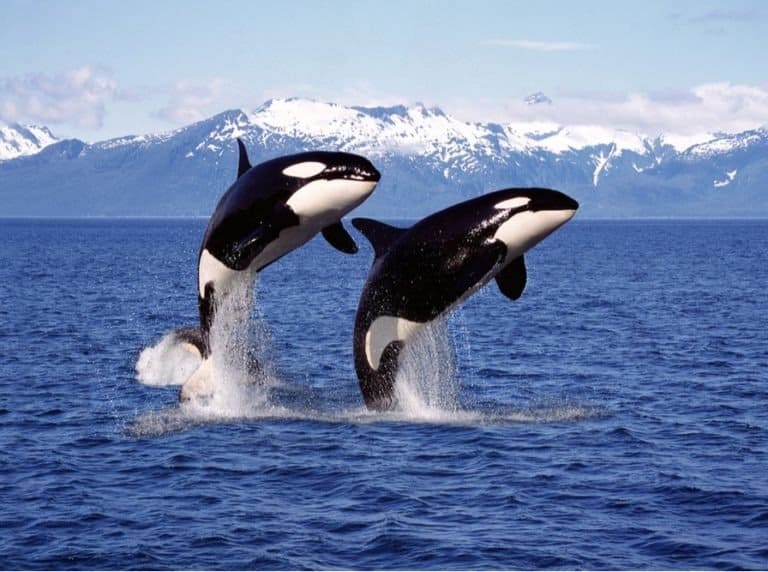
One species, many ecotypes.
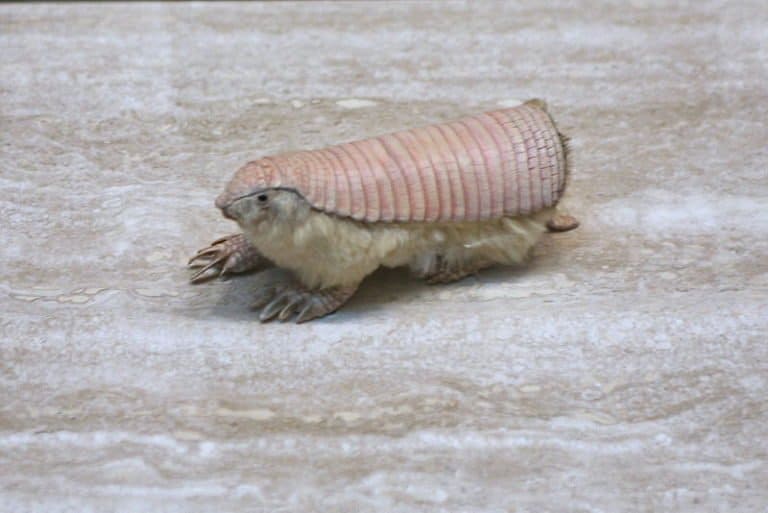
The pink "sand-swimmer" of Argentina
Built for pressure, not photoshoots
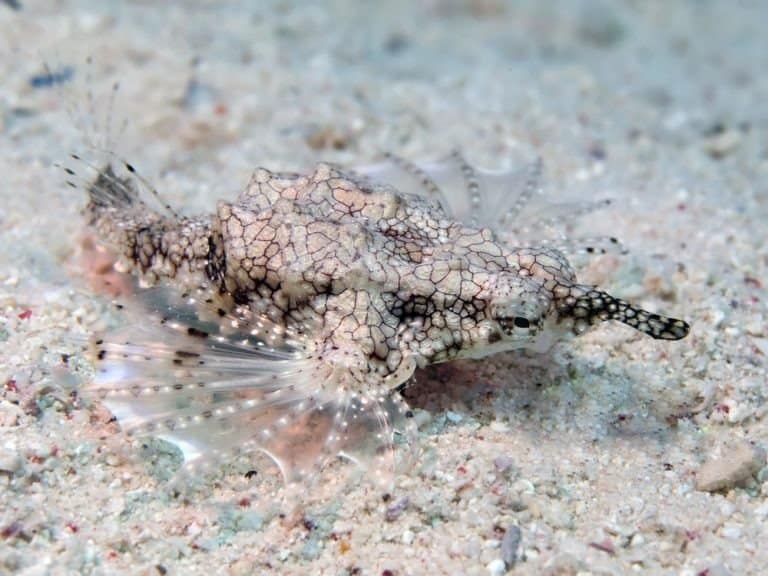
Tiny lanterns, giant teeth.

Antarctica's hooked, big-eyed giant
Rigid fins. Big power. Black marlin.
Ghost sharks of the deep
Tiny shark, viper-like fangs
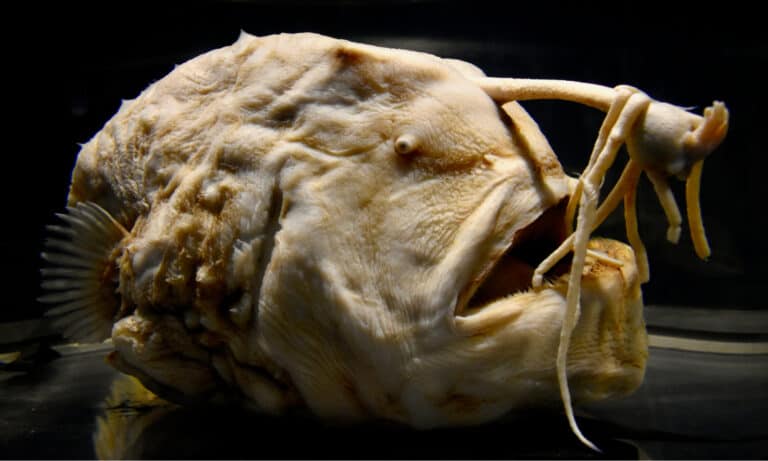
Glow-lure hunter of the midnight sea
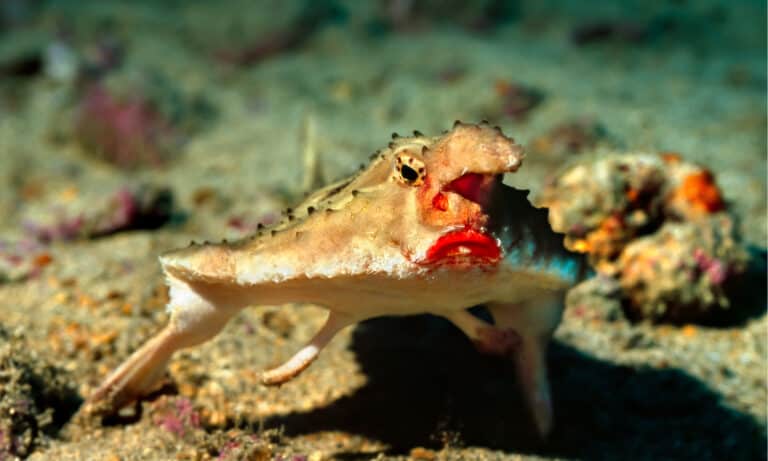
Walks the seafloor. Fishes with a lure.
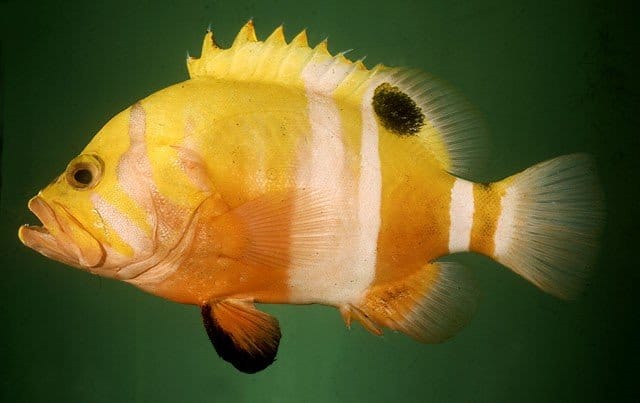
Deep reef royalty in purple and gold
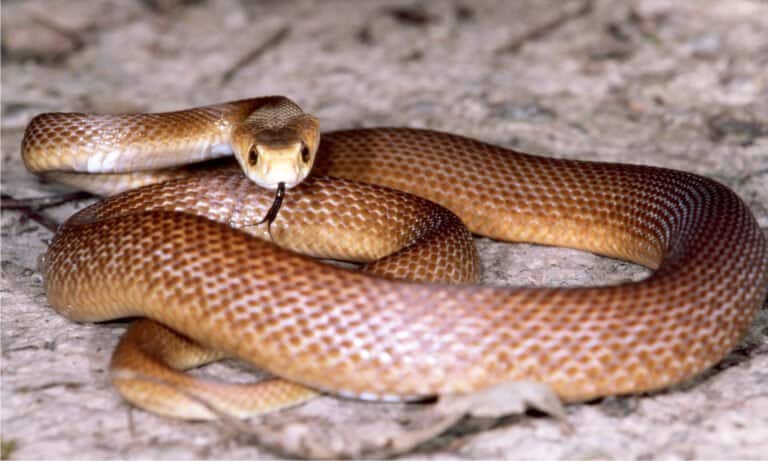
The desert taipan few ever see
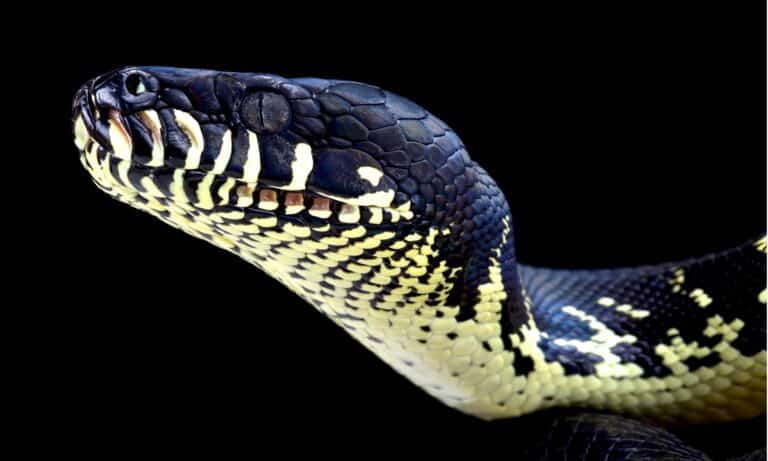
Velvet-black python of the highlands
Stone-country giant of Arnhem Land
Deep, cold, and quietly formidable
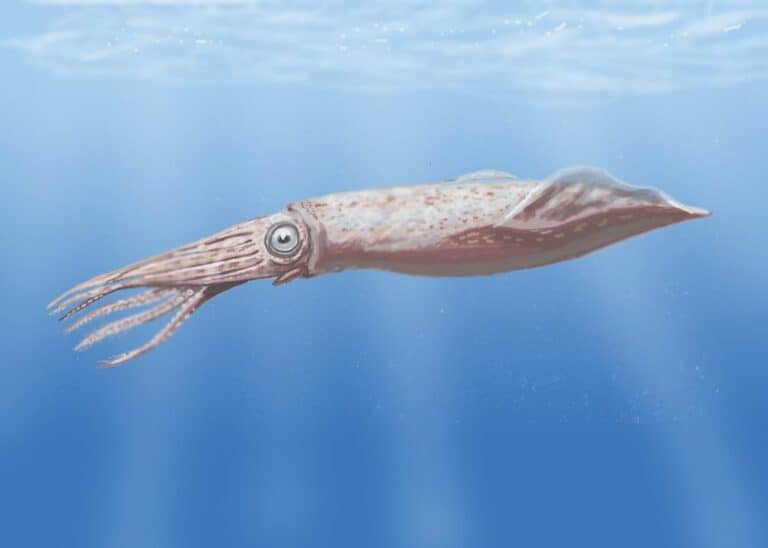
The deep sea's long-armed giant
Color in every canopy
Small snake, big appetite for bugs
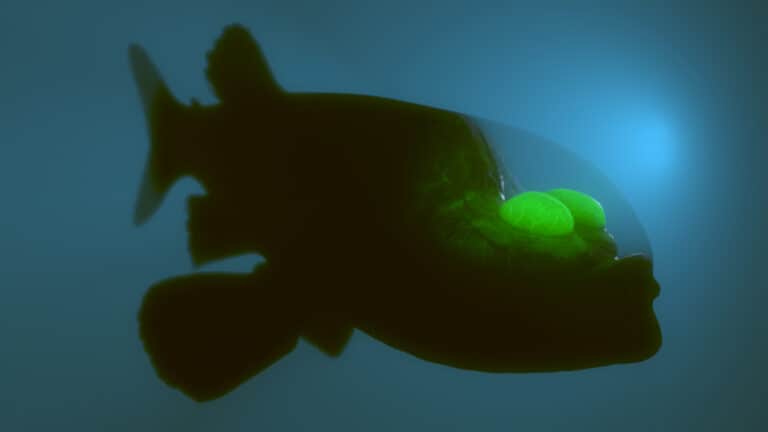
A clear head with eyes that swivel
Rio Xingu's Black Diamond Stingray
Follow the yellow tail!
Thank you for reading! Have some feedback for us?
We appreciate your help in improving our content.
Our editorial team will review your suggestions and make any necessary updates.
There was an error submitting your feedback. Please try again.