
Do you hear ominous music in the background when you see a crow? It makes sense: the crow’s call is often used in cinema to foreshadow something spooky or dangerous. Crows have long been linked to bad luck, death, disappointment, and generally negative things. But is there any validity to this belief and are crows bad luck? While superstition and mythology say yes, there’s more to meet the eye when it comes to the clever crows.
Myth #1: Crows Are Bad Luck
©Smileynulk/Shutterstock.com
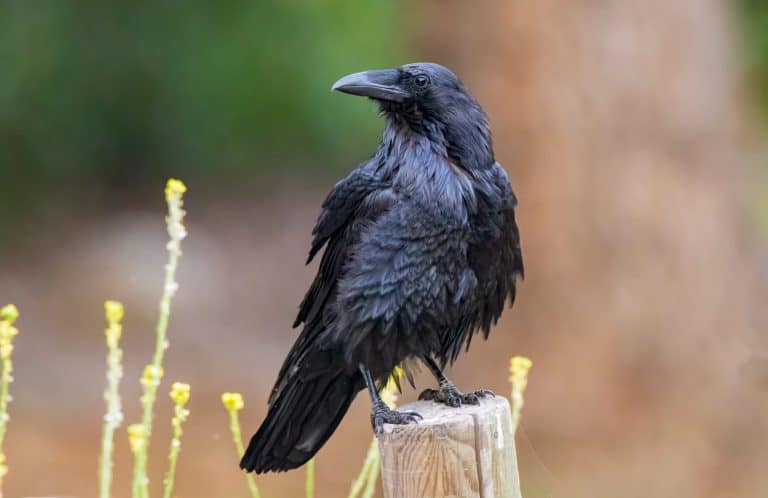
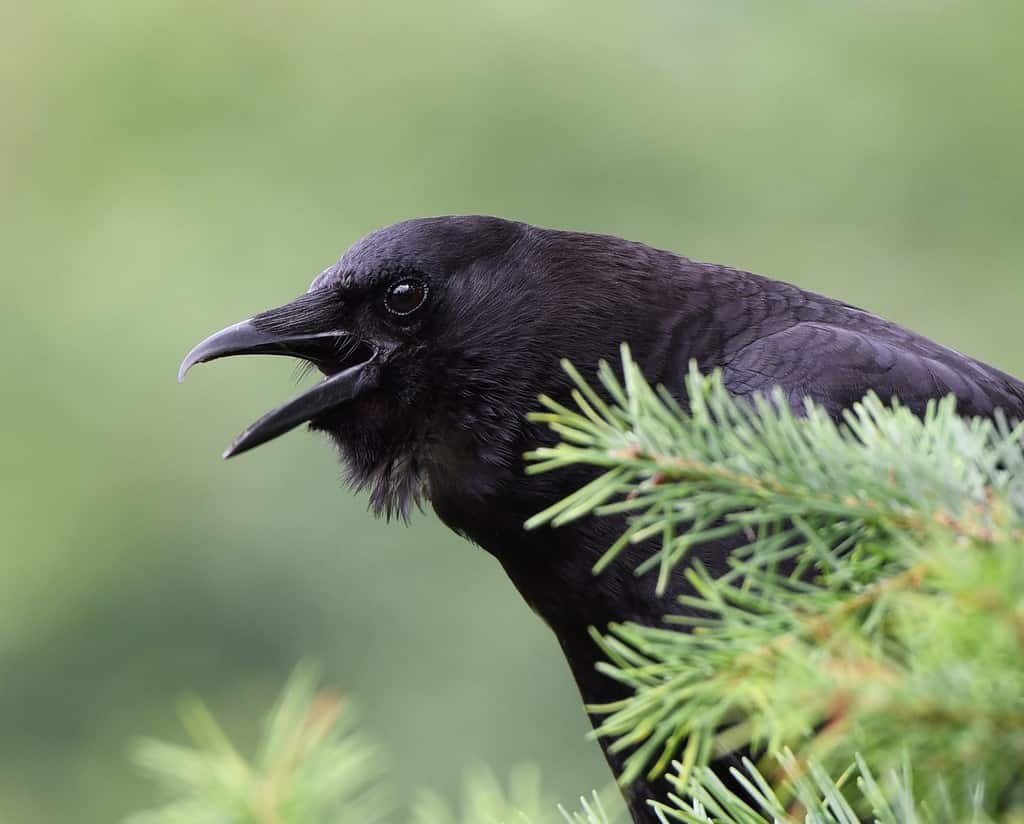
Centuries of folklore have portrayed crows as harbingers of doom. But that’s really all it is: Lore. Although they are often pictured in literature and myth as bad luck, there is no actual connection between crows and luck. However, this hasn’t stopped crows from getting a bad rap. For example, in Greek superstition, seeing a crow on a wedding day indicates the marriage will end in divorce.
In reality, seeing crows could be a good thing. A crow cawing loudly could indicate a threat is near — perhaps even a threat to a human. This warning call could help people avoid sticky situations with dangerous wildlife.
Some mythology says the luck depends on how many crows you see. One crow indicates bad luck, but seeing two together could mean good luck. A group of three crows is said to indicate impending changes are on the horizon. Some believe that change could mean a lot of things, including death. This leads us to the next myth…
Myth #2: They Predict Death
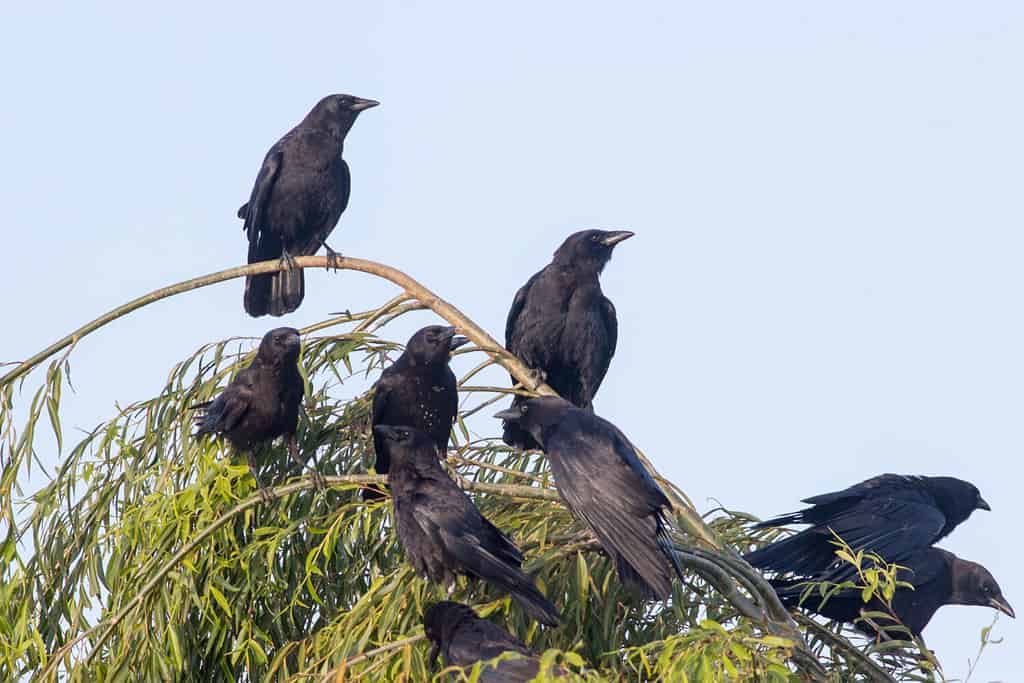
Crows are social birds that form large communal roosts.
©Elliotte Rusty Harold/Shutterstock.com
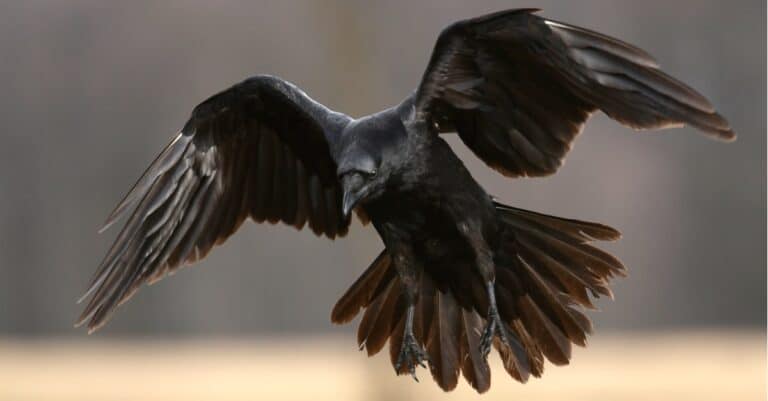
Crows are often associated with death — a group of crows is even called a “murder.” In some Native American lore, crows are the messengers between the living and the dead. Crows are also associated with funerals and gloom because of their dark feathers which mimic funerary garb. They eat carrion so are often clustered around dead animals. All of this combines to link the crow to death.
However, there is no actual link between crows and death. In fact, they are quite lively, social birds that lack mystical psychic powers completely.
Myth #3: Crows Are Dumb Birds
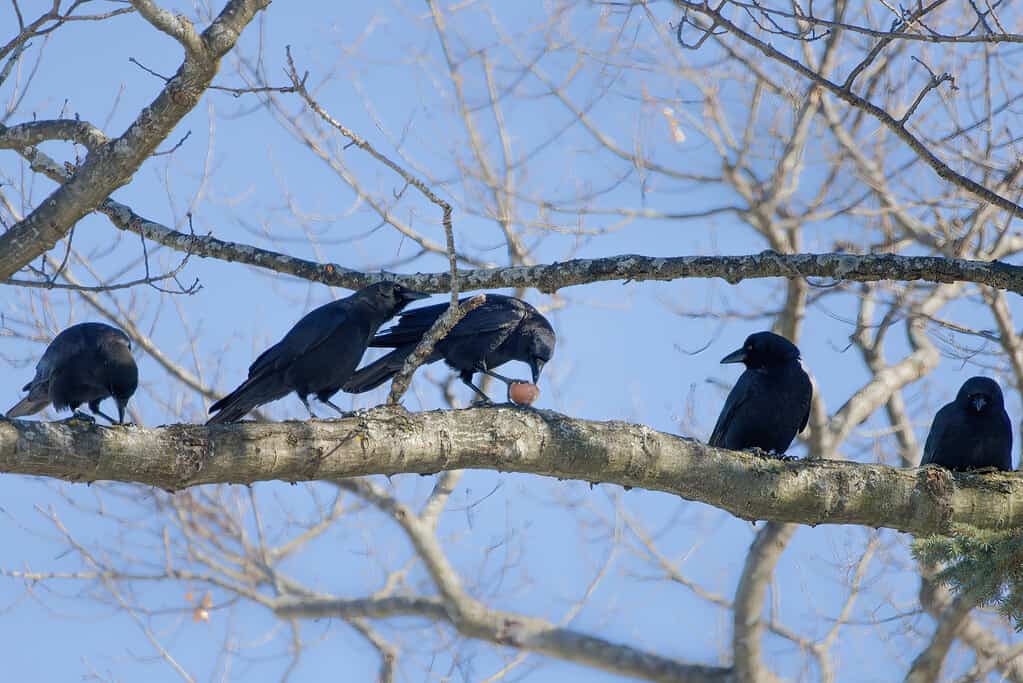
Crows have advanced vocabularies to communicate with other crows and even have regional dialects.
©iStock.com/Karel Bock
Believing crows are stupid couldn’t be farther from the truth. Like other members of the corvid family, crows are incredibly intelligent birds. They can problem-solve and figure out puzzles — at the same level as a seven-year-old human child. Crows can recognize human faces and hold grudges. Some of them can even learn to “talk,” mimicking human words and voices. They will even play pranks, just for their own amusement.
Myth #4: They Hurt Songbird Populations
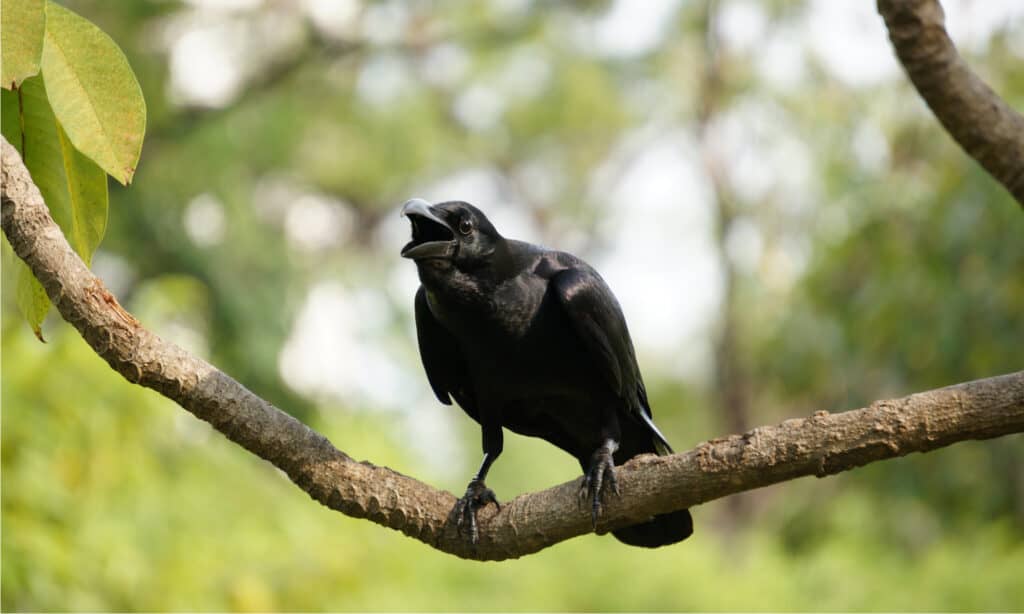
Crows are resourceful and can find food in just about any environment.
©Tomorrow36/Shutterstock.com
In addition to often being seen as portents of bad luck in mythology, many people think crows are the villains of the bird world. Crows attract a lot of negative attention and are blamed for a variety of issues, including songbird population declines.
Crows are blamed for songbird decline because of their diet. They are omnivores and eat grain, fruit, insects, and other small animals. They are opportunists and not picky about what they eat. During nesting season, they will raid other birds’ nests for eggs and even nestlings. Despite this plundering of nests, there is no scientific evidence that they affect songbird populations. After all, if the crows don’t eat the eggs, plenty of other predators will happily consume them.
Myth #5: Crows Are Aggressive Birds
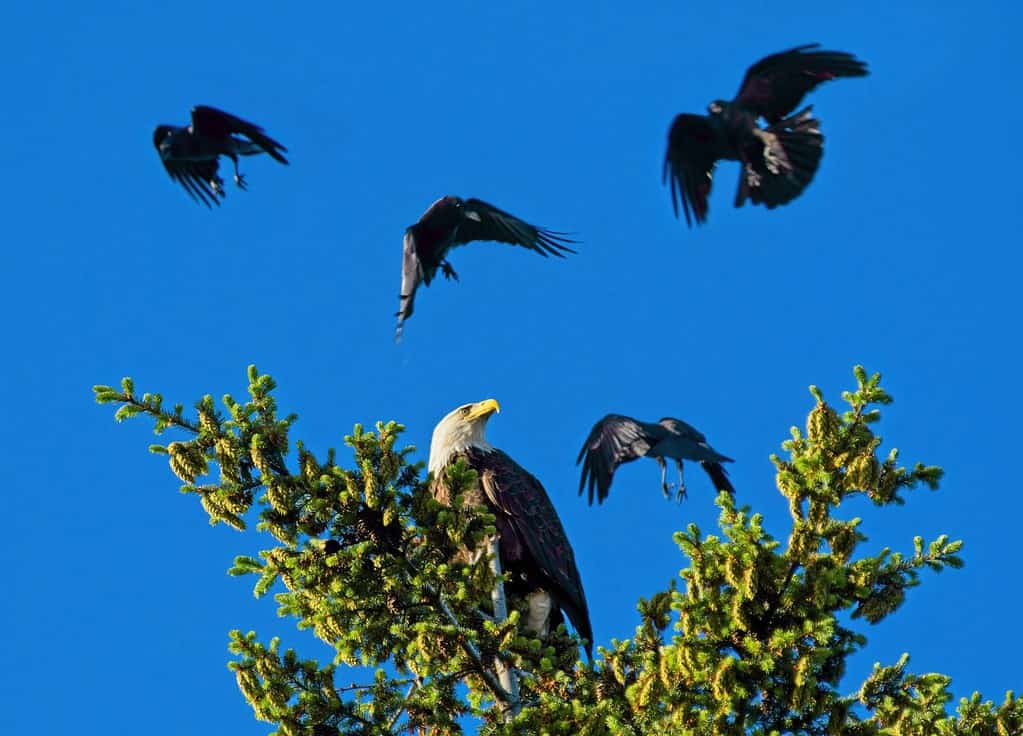
Crows will mob larger birds they see as threats.
©pr2is/Shutterstock.com
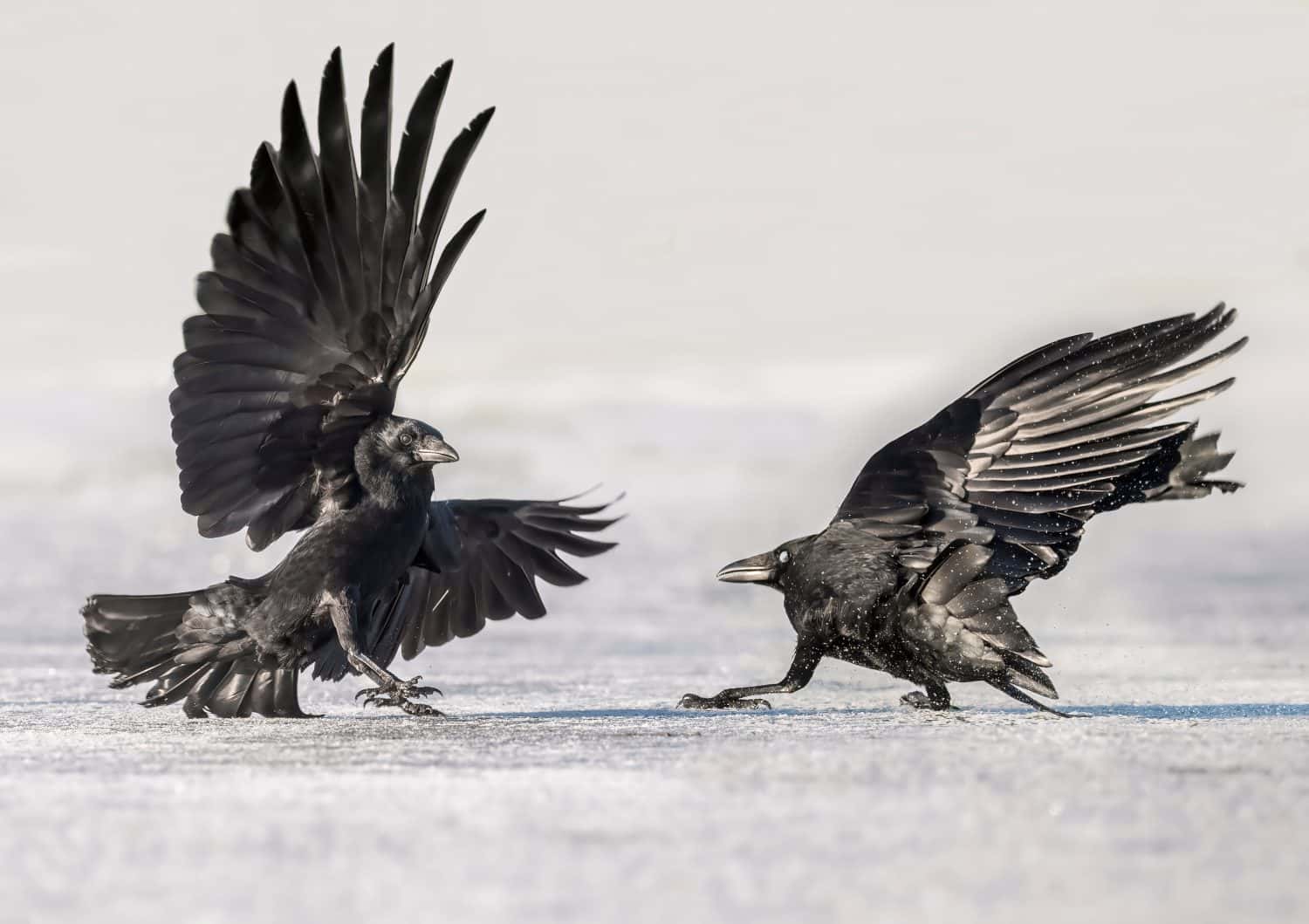
Despite what Alfred Hitchcock’s The Birds suggests, crows are not villainous birds. While crows have been known to harass people, it’s not because they are evil and spiteful. Crows are territorial birds that are protective of their nests and babies. If they perceive a threat, they respond defensively. Just like people protect their young, so do crows. Who can blame them?
Due to their incredible intelligence, crows can understand patterns and learn what (or who) is dangerous. As such, they are good at taking preventative action, to neutralize a threat before it can harm them or their nest. However, their first instinct isn’t to attack. Instead, they will fly around and circle, making lots of noise to scare off the threat. If the threat is not dissuaded, they may swoop down or divebomb to peck at it.
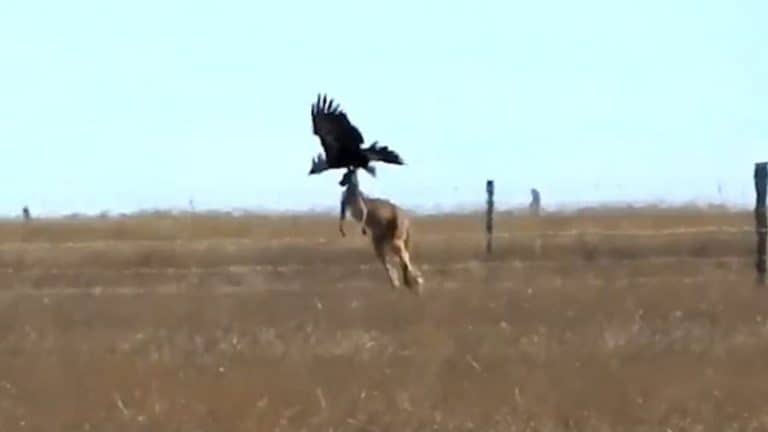
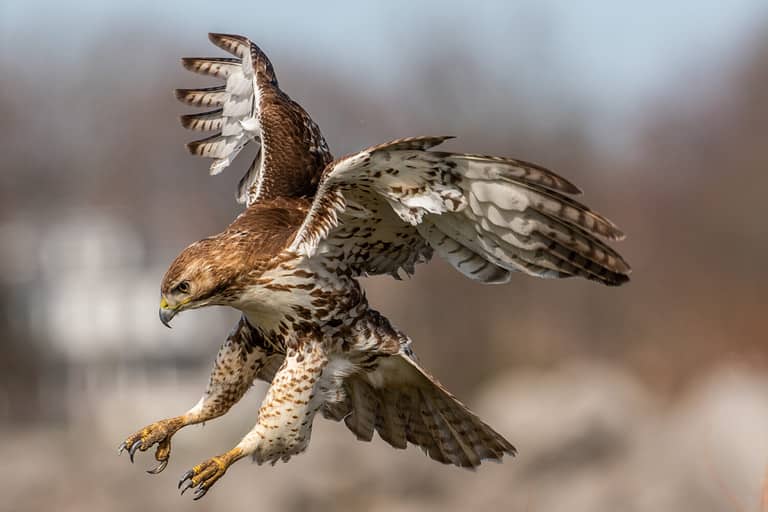
Another approach is “mobbing,” where a group of crows will defend their territory by ganging up on other animals. It’s not uncommon to see crows working together to chase off larger predators like hawks, gulls, or even eagles.